
Vietnam Reviews Soil Tiller Import Quotas
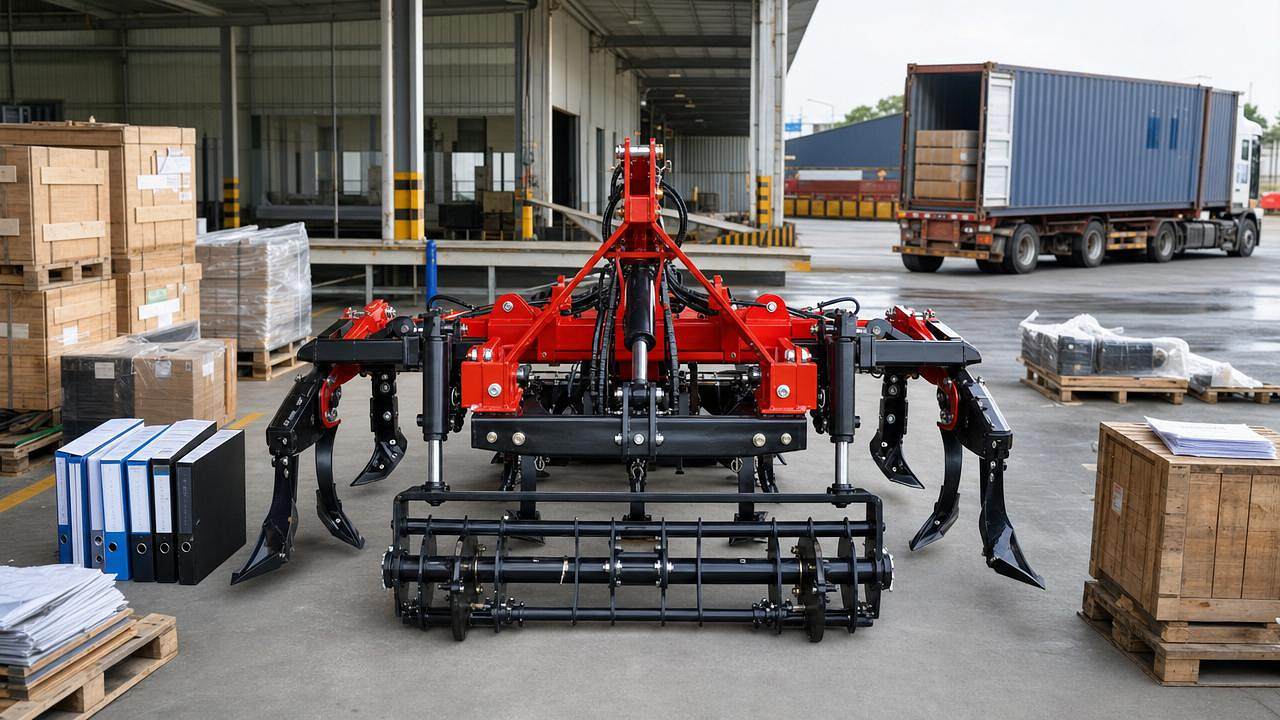




On June 9, 2026, Vietnam’s Ministry of Industry released a draft review framework for agricultural machinery imports covering 2026–2027, signaling a tighter policy approach for Soil Tillers. The proposal combines a planned 15% cut in annual import quotas from Q3 2026 with a mandatory proof requirement for the localization rate of hydraulic lifting systems, to be verified through factory inspection by a Vietnamese certification body. For exporters, importers, procurement teams, certification-related service providers, and supply chain operators involved in this product segment, the development matters because it affects both market access volume and the compliance documentation needed to keep shipments moving.
A draft measure that changes both volume control and compliance review
According to the information provided, the draft is titled the 2026–2027 Agricultural Machinery Import Management Assessment Draft and was issued by Vietnam’s Ministry of Industry on June 9, 2026. The draft proposes reducing the annual import quota for Soil Tillers by 15% starting in Q3 2026. It also proposes that all declared imported products must submit proof of the localization rate of the hydraulic lifting system, with factory verification conducted by a Vietnamese certification institution. The consultation period runs until June 25, and formal issuance is expected in early July. The current annual Soil Tillers trade value between China and Vietnam is reported at USD 210 million.
Where the pressure points may emerge across the chain
Export transactions may face a dual access constraint
From an industry perspective, exporters and direct trading companies may be affected not only by the proposed quota reduction, but also by the added documentation threshold tied to hydraulic system localization. The practical pressure point is that market access would depend on both quota availability and the ability to present compliant proof materials accepted through Vietnamese-side verification.
Procurement and delivery planning may become less flexible
For procurement teams and buyers handling Soil Tillers, the proposed change may affect purchasing schedules, supplier selection, and delivery sequencing. Analysis shows that if compliance proof becomes a mandatory filing element, procurement decisions may need to consider document readiness and factory verification timing alongside price and delivery terms.
Manufacturing and technical file preparation move closer to the front of the process
For manufacturers and processing enterprises supplying this category, what deserves closer attention is the hydraulic lifting system as a specific review focus. The issue is not only product shipment, but also whether technical documents, production records, and supporting materials for localization claims can align with Vietnamese-side inspection and certification expectations once the rule is finalized.
Certification and supply chain service providers may see higher coordination demands
Certification-related firms, testing support providers, and supply chain service companies may need to coordinate more closely with exporters and buyers if factory verification becomes a routine precondition for import declaration. Observably, the key business impact would center on document consistency, factory audit preparation, and shipment timing control rather than on trade volume alone.
What companies should track before the draft becomes final
Focus on the final wording after the consultation period
Because the measure remains in draft form until the consultation closes on June 25 and formal issuance is expected in early July, companies should closely follow whether the final text keeps the same quota reduction, the same product scope, and the same proof requirement for hydraulic lifting system localization. At this stage, it is more appropriate to understand the proposal as a strong policy signal rather than a fully settled operating rule.
Review compliance files tied to hydraulic system localization
Companies involved in this trade flow should examine whether their current technical files, supplier records, production documents, and declaration materials are sufficient to support a localization-rate claim if requested under the final rule. The information provided does not define the exact evidence format, so businesses should treat documentation readiness as a near-term compliance priority rather than assume an already fixed template.
Reassess shipment timing and procurement cadence
Analysis shows that a proposed quota cut and a new verification step can influence ordering rhythm, customs preparation, and delivery commitments. Businesses with active or planned Soil Tillers transactions may need to review whether orders expected around Q3 2026 could face tighter scheduling or higher administrative coordination requirements.
Watch for changes in tender, sourcing, and supplier qualification language
What deserves closer attention is whether downstream procurement documents, supplier qualification standards, or transaction terms begin to reflect the draft’s emphasis on localized hydraulic lifting systems. Even before full implementation clarity is available, this area may become an early indicator of how the market starts adapting to the proposed rule direction.
Why this currently looks more like an execution signal than a closed case
Analysis shows that this development should not be read only as a quota adjustment. It points to a broader review logic in which import control and localized component scrutiny are being linked within the same product category. At the same time, the draft status matters. The market has a defined consultation window and an expected formal issuance timeline, which means the core direction is visible, but the exact enforcement approach still requires observation. For industry participants, the most useful reading today is that compliance preparation should begin early, while final operational decisions should still be calibrated against the official final text and any later execution guidance.
How the market may best interpret the update for now
In practical terms, this is a rule-development event with near-term commercial relevance, not merely a general policy headline. The proposed 15% quota reduction and the planned mandatory proof of hydraulic lifting system localization together suggest that future access to the Vietnamese market for Soil Tillers may depend more heavily on both allocation conditions and auditable compliance materials. A rational view is to treat the update as a meaningful regulatory signal that can affect trade planning and supply chain setup, while still recognizing that the final compliance path depends on the text issued after the consultation period.
Basis of this article and what still needs verification
This article is generated based on the user-provided news title, event date, and event summary. For events of this kind, commonly relevant source categories may include official regulatory notices, releases from trade or industry authorities, customs or import management information, industry association updates, standard-setting documents, and reporting by authoritative media. No specific official source link was provided in the input, so the final wording, enforcement interpretation, certification practice, tender document changes, market feedback, and company-level execution still need ongoing verification after the draft stage.
Related News
How RTK Satellite Positioning Improves Accuracy in Precision Farming Operations
RTK satellite positioning boosts precision farming with repeatable guidance, lower overlap, and better field data. Learn what to verify before choosing an RTK system.
EU Rule Takes Effect: EN 16924:2026 for Drip Irrigation Logic
EN 16924:2026 now reshapes EU access for Drip Irrigation Logic products. Learn how certification, CE marking, customs, and warehouse risks impact exporters and buyers.
How Autonomous Machinery for Crop Scouting Helps Growers Detect Field Issues Earlier
Autonomous machinery for crop scouting helps growers spot irrigation gaps, pest pressure, and crop stress earlier, turning field data into faster decisions and smarter action.
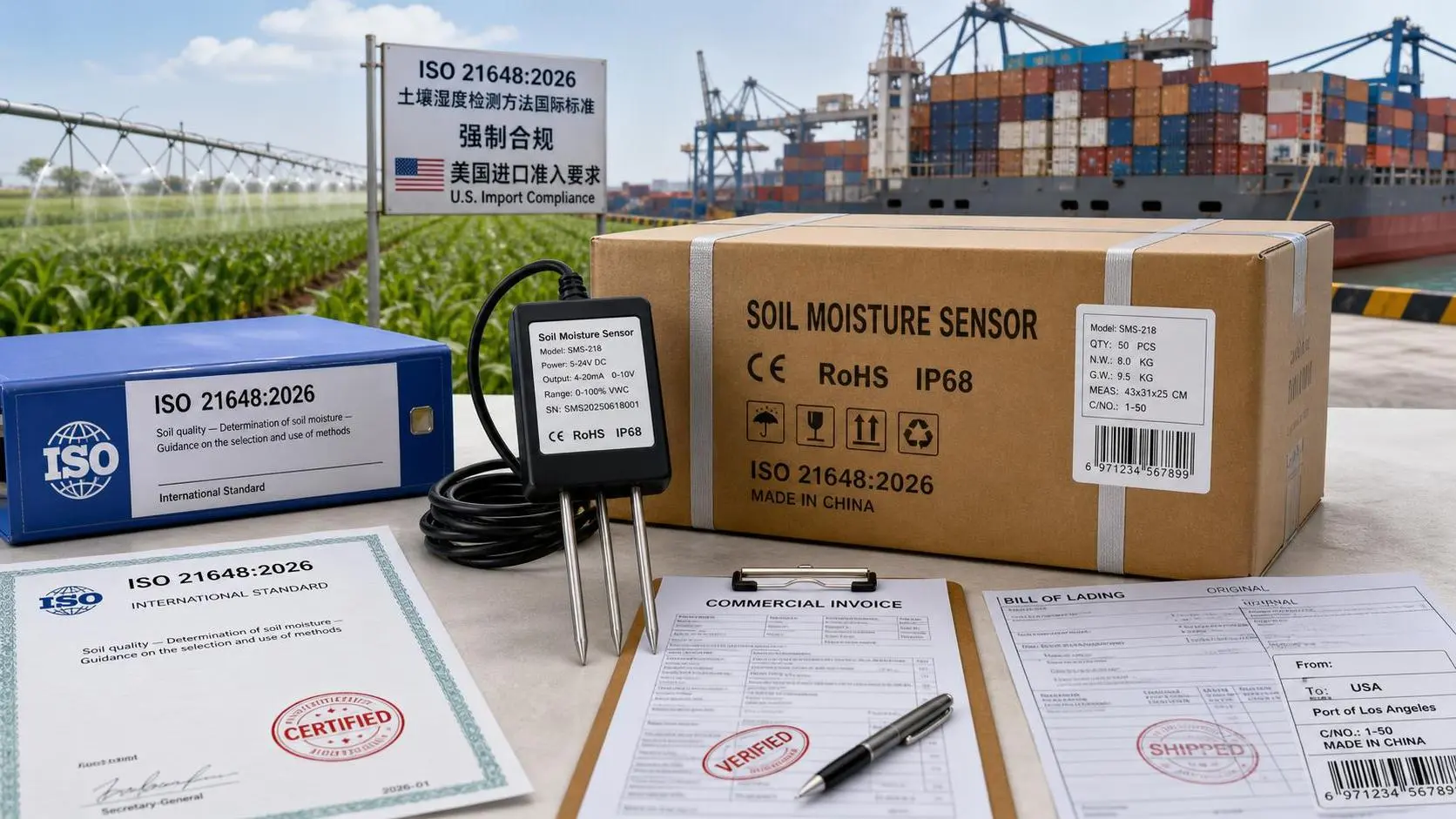
USDA Rule Makes ISO 21648:2026 Mandatory
USDA Rule Makes ISO 21648:2026 Mandatory for soil moisture sensors entering the U.S. Learn how the new USDA import compliance guide impacts certification, CBP entry, suppliers, and delivery plans.
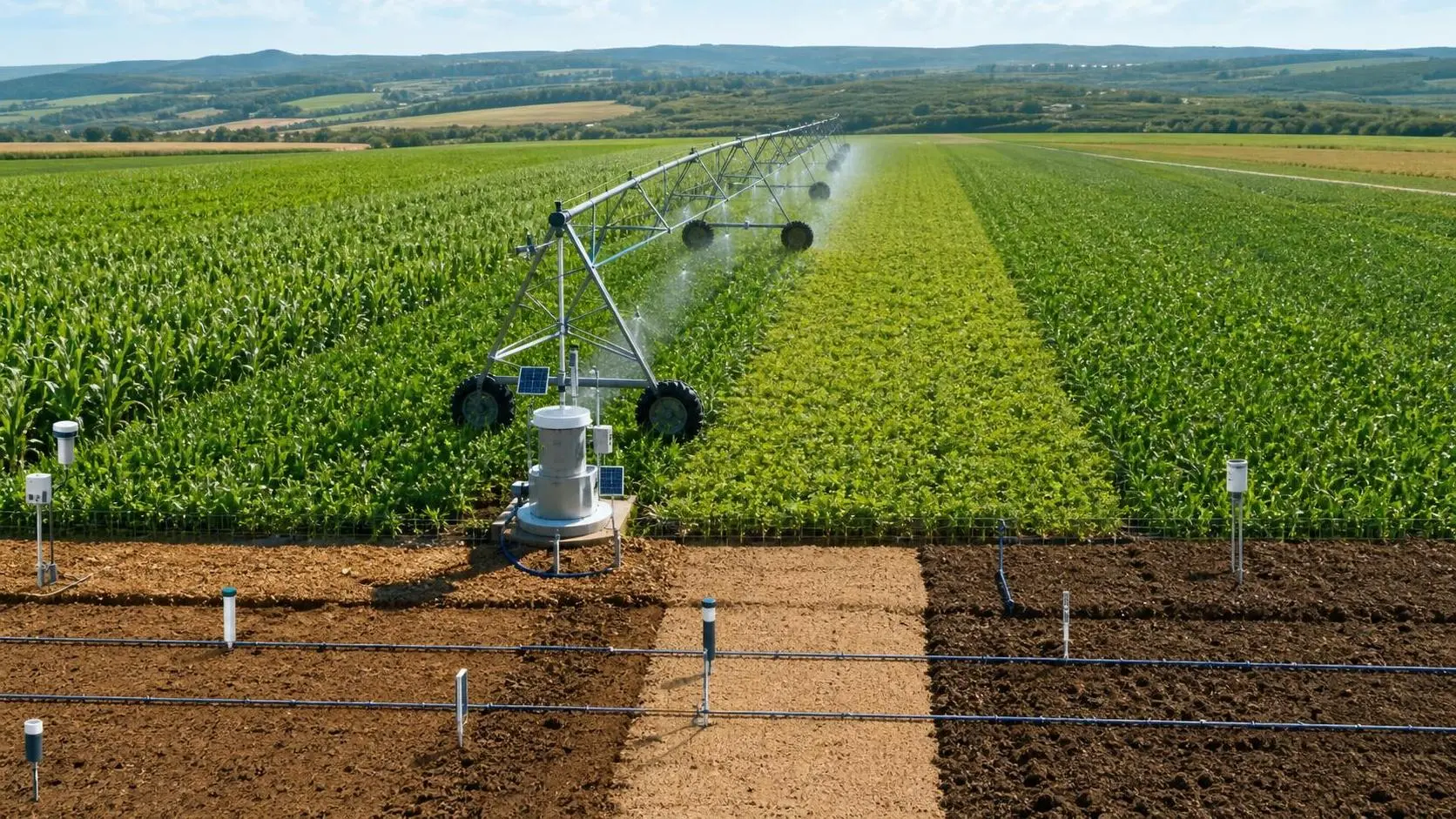
How Digital Farming Improves Irrigation Planning With Soil Data and GPS Mapping
Digital farming for irrigation planning turns soil data and GPS mapping into smarter watering decisions, helping farms reduce waste, improve field precision, and boost operational efficiency.
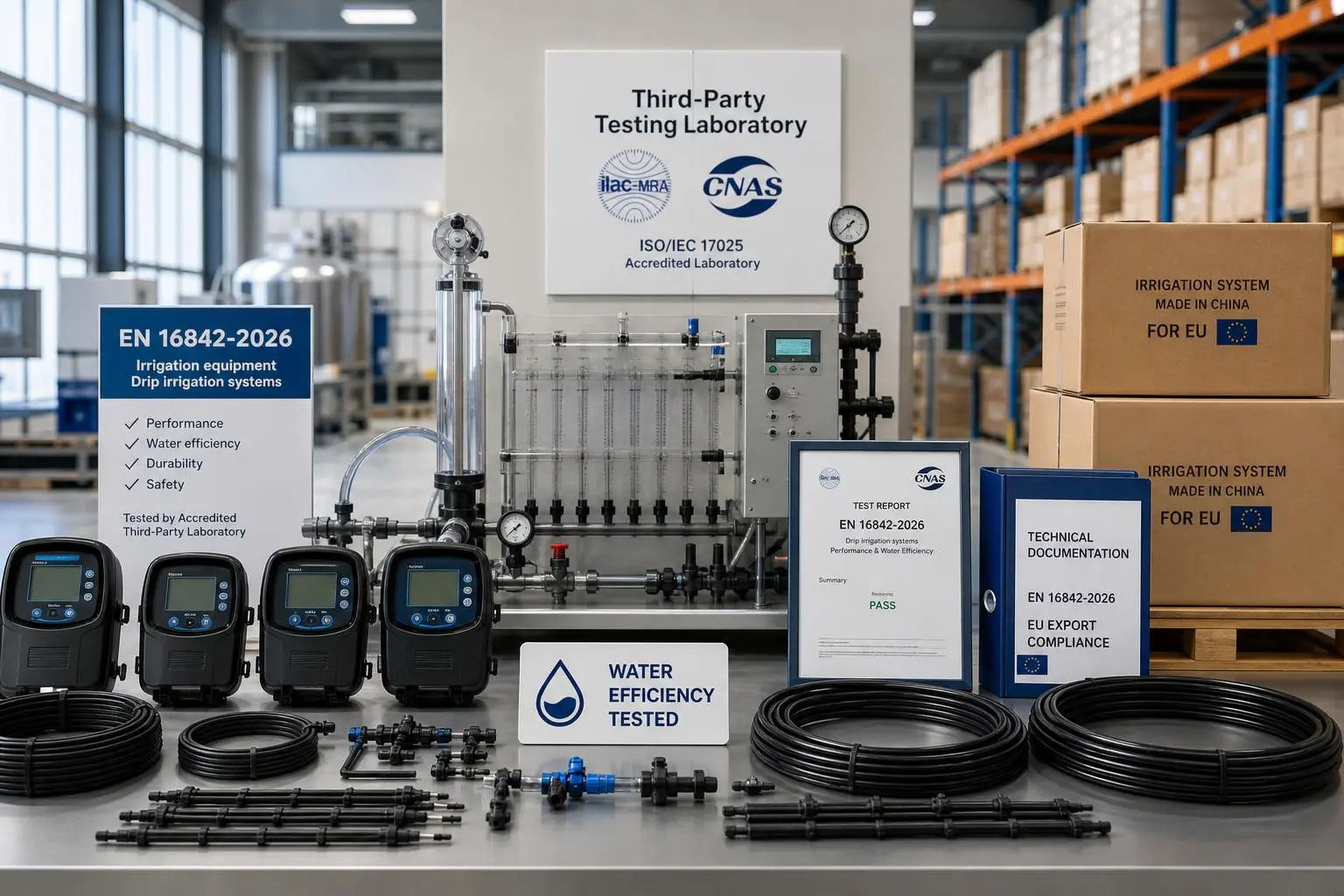
EU Rule Takes Effect: EN 16842-2026 Required for Drip Irrigation Logic Exports
EN 16842-2026 now makes third-party certification mandatory for Drip Irrigation Logic exports to the EU. Learn the compliance risks, customs impact, and supplier checks now.
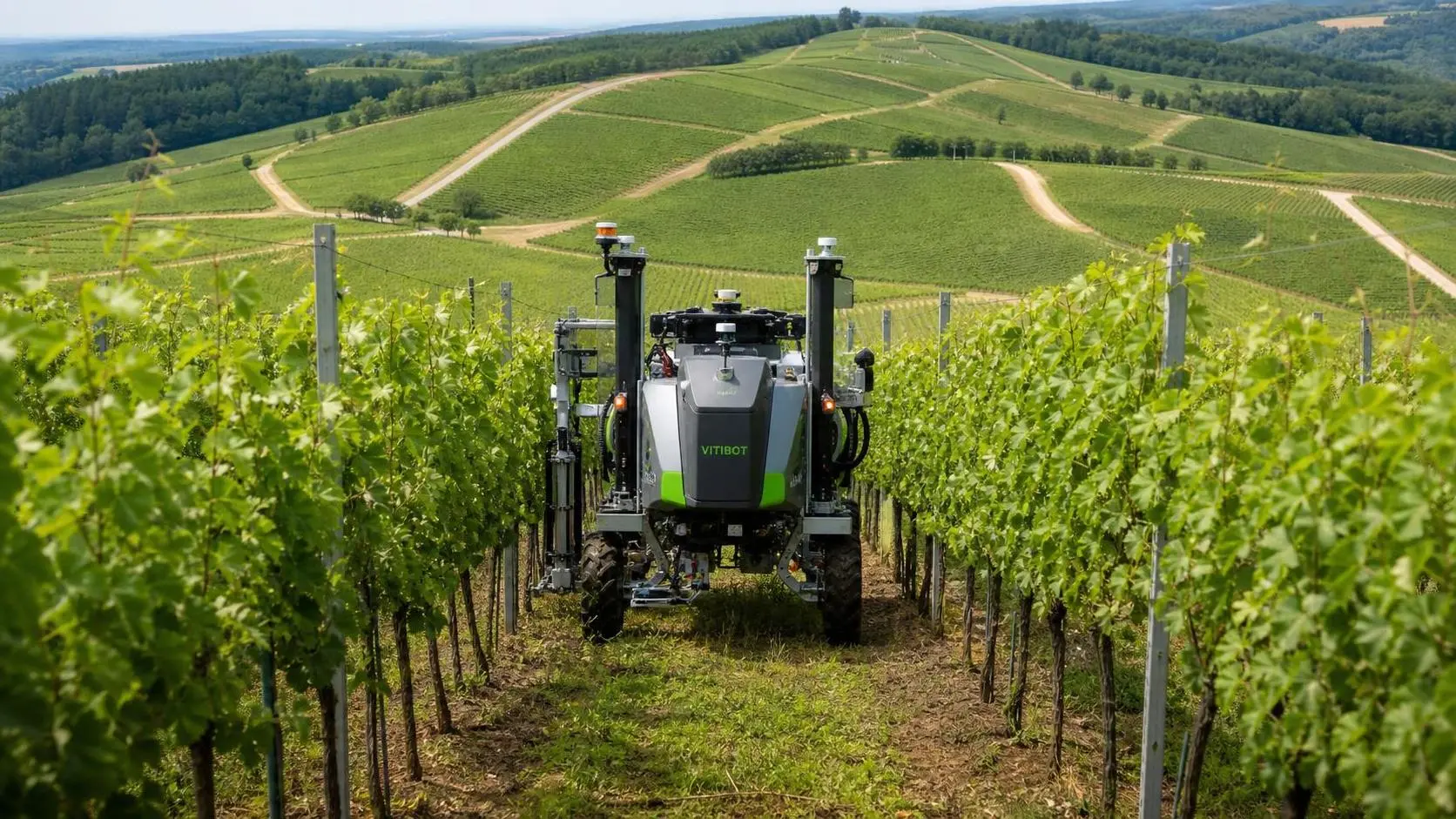
How to Evaluate Autonomous Machinery for Vineyards by Terrain, Tasks, and ROI
Autonomous machinery for vineyards: learn how to evaluate terrain fit, task suitability, safety, and ROI to choose the right solution and reduce procurement risk.
USDA Tightens Import Rules for Soil Moisture Sensors
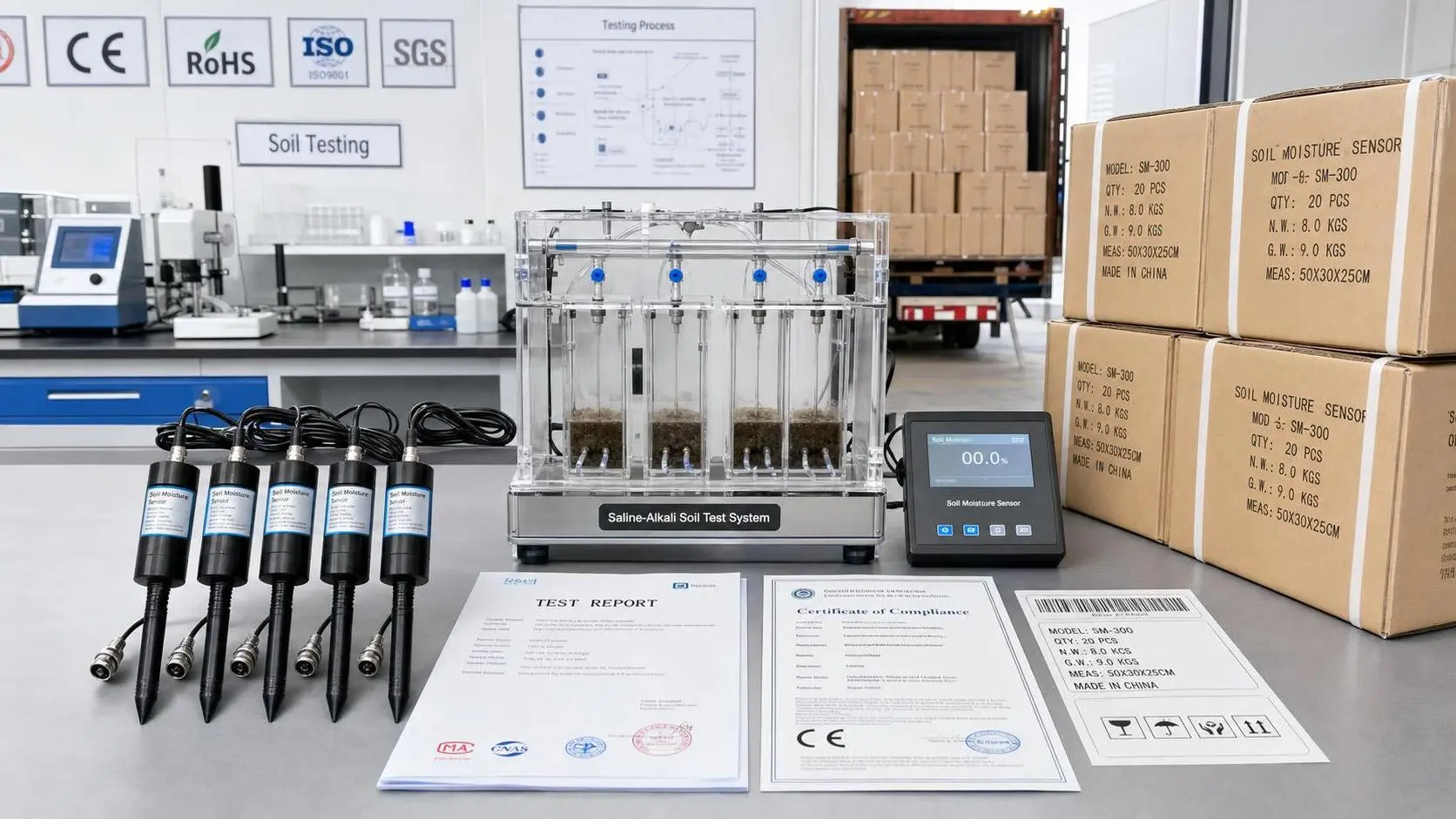
Soil Moisture Sensors face new USDA import rules from Oct. 1, 2026. Learn how ISO 11274-3:2026 testing may impact customs clearance, lead times, and supplier planning.
How to Use a Global Agricultural Equipment Directory to Compare Suppliers and Reduce Sourcing Risk
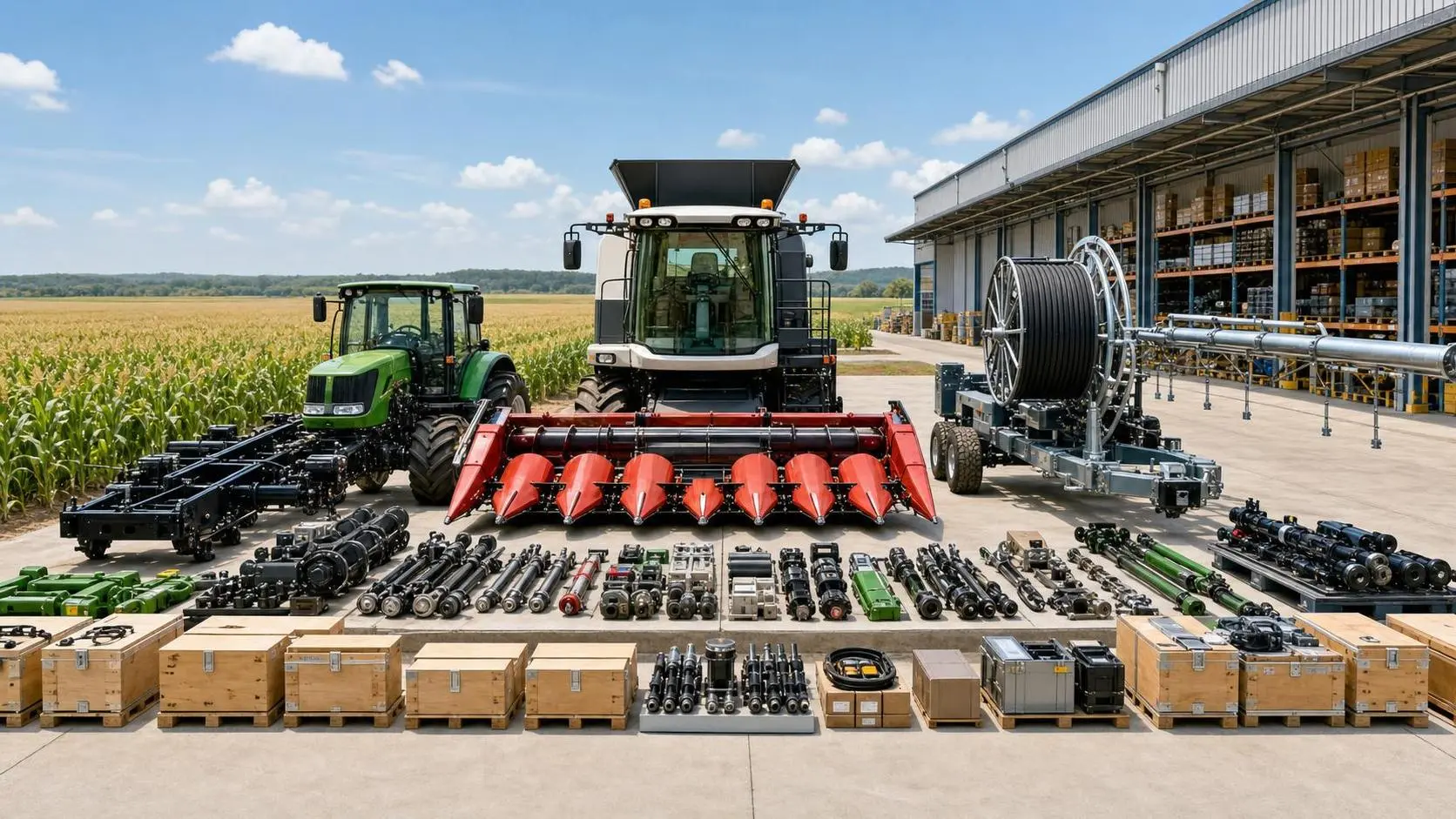
Agricultural equipment directory global sourcing starts with smarter supplier comparison. Learn how to assess fit, compliance, support, and market readiness to reduce sourcing risk.
Related News
- 00
0000-00
India BIS Tightens Soil Tiller Labeling for Imports - 00
0000-00
Vietnam Requires Vietnamese Warning Labels for Imported Soil Tillers - 00
0000-00
India BIS Expands Soil Tiller Energy Labels to Electric Imports - 00
0000-00
Grain Machinery Rail Route Cuts Transit to 96 Hours - 00
0000-00
Soil Tillage Preparation Machinery: Key Machine Types, Working Depth, and Field Conditions Explained
Popular Tags
Agri-Mechanization Fellow
Weekly Insights
Stay ahead with our curated technology reports delivered every Monday.