
India BIS Tightens Soil Tiller Labeling for Imports
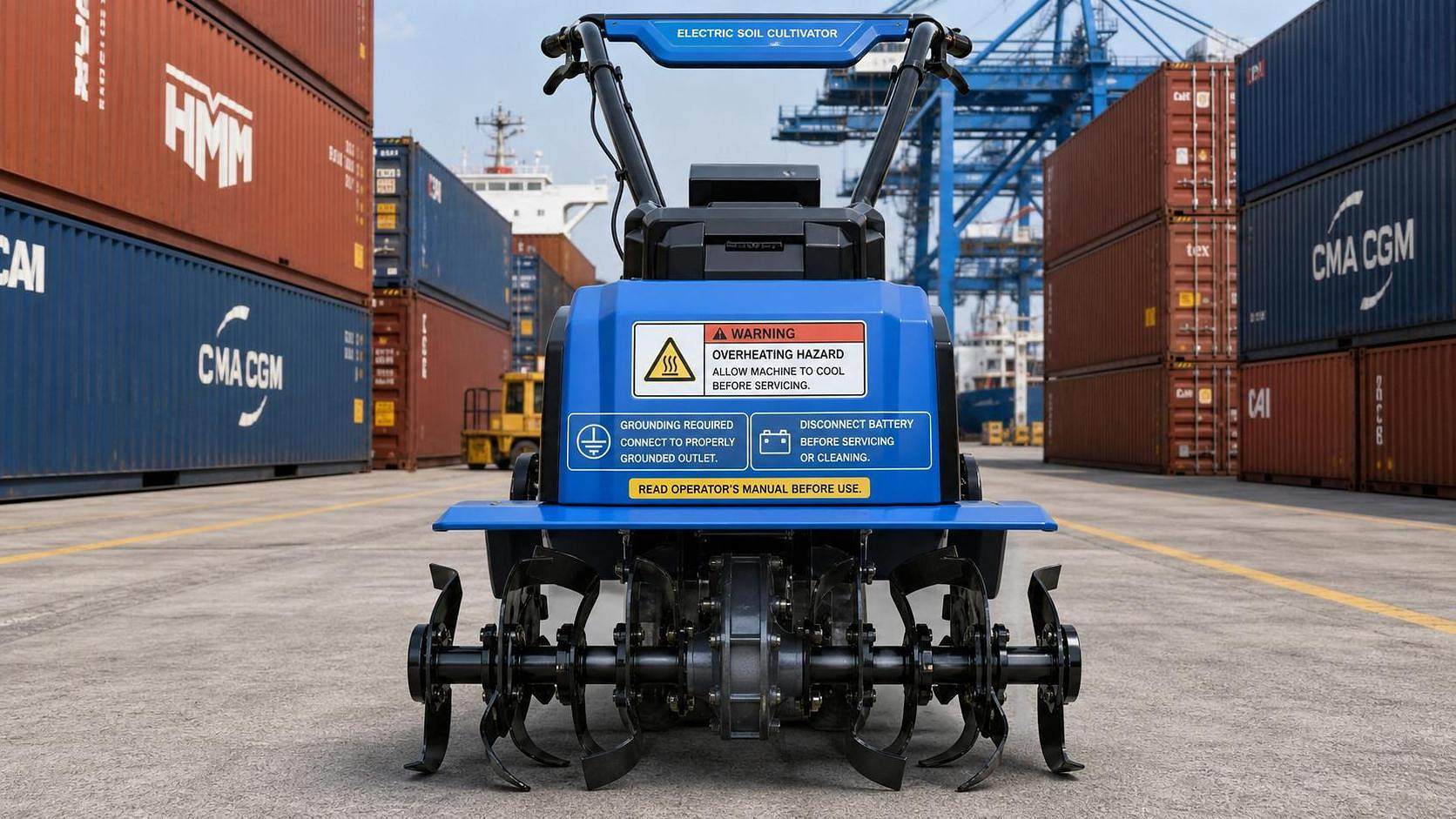




On July 9, 2026, the Bureau of Indian Standards (BIS) updated Appendix A of IS 17122:2026 to require all imported Soil Tillers, including electric and hybrid models, to carry a clearly visible bilingual Hindi and English warning label on the machine body. Because the rule takes effect immediately and non-compliant cargo may be refused unloading at port, the change is directly relevant to importers, exporters, manufacturers, procurement teams, compliance staff, and logistics participants handling delivery into the Indian market.
What the updated requirement now says
The confirmed change is limited but operationally important. BIS updated Appendix A of IS 17122:2026 on July 9, 2026. Under the updated requirement, all imported Soil Tillers must display a bilingual warning label in Hindi and English in a prominent location on the machine. The requirement covers electric and hybrid models, and the label content must include overheating protection, grounding requirements, and battery power-off steps. The rule is effective immediately, and cargo that does not meet the requirement may be denied unloading at port.
Where the pressure is likely to appear first
Import transactions face an immediate entry-risk issue
From an industry perspective, import-focused trading companies are likely to feel the effect first because the rule is tied directly to port handling. The practical issue is no longer only product specification alignment, but whether the delivered machine already carries the required bilingual warning content in the required form. What deserves closer attention is shipment readiness before arrival, since a labeling gap can turn into a delivery interruption rather than a later corrective step.
Manufacturing and export teams may need to adjust product release steps
For manufacturers and export suppliers serving India, the update points to a change in final product preparation. The impact is likely to fall on labeling design, machine marking review, production release checks, and export packing control. Analysis shows that for electric and hybrid models in particular, the mandatory warning content is not generic packaging text; it must address overheating protection, grounding, and battery shut-off steps on the machine itself.
Procurement and supply-chain coordinators need closer document-to-product checks
Buyers, sourcing teams, and supply-chain service providers may need to pay more attention to whether technical documents, purchase specifications, and delivery requirements match the physical labeling on the equipment. Observably, this is a rule change that can affect handover timing, shipment acceptance, and coordination between factory, exporter, freight arrangements, and the receiving side. Even where product compliance work was already in place, the new requirement adds a visible execution checkpoint tied to delivery.
Compliance and service functions may need tighter traceability
Certification-related teams, inspection support functions, and after-sales service providers may also need to track how warning information is presented on the machine. Analysis shows that the bilingual label is not only a marking item but also an operational safety communication requirement. That means product files, internal review records, and service-side familiarity with the warning content may become more important in day-to-day compliance handling.
What companies should review now
Check machine labeling before shipment, not after arrival
It is more appropriate to understand this rule as an immediate pre-shipment compliance issue. Companies handling exports or import deliveries into India should review whether Soil Tillers already carry the required bilingual warning label on the machine body and whether the warning content covers the three named areas set out in the update.
Reconcile technical files with visible product marking
Analysis shows that teams should compare product documentation, operating instructions, model-specific technical materials, and actual machine markings to avoid mismatches. The rule described in the update focuses on visible on-product warnings, so relying only on manuals, packaging, or separate paperwork may not be enough if the machine itself does not reflect the required content.
Watch for changes in execution language and market-side documentation
Because the input does not provide further implementation detail, companies should avoid assuming a settled enforcement practice beyond what is already confirmed. What deserves closer attention is whether related procurement documents, shipment checklists, compliance declarations, or market-entry documentation begin to reflect the updated wording and scope for imported Soil Tillers, especially for electric and hybrid configurations.
Plan for delivery and acceptance risk in ongoing orders
Observably, the immediate-effect clause raises practical timing risk for cargo already moving through production or shipment stages. Companies may need to review open orders, dispatch timing, and supplier readiness to reduce the chance that a labeling issue becomes a port-side unloading problem. This is particularly relevant where delivery commitments were set before the rule update was issued.
Why this reads as an enforcement signal
Analysis shows that this update is more than a minor wording revision because it connects a specific on-product labeling requirement with an immediate port consequence. It is more appropriate to understand this as a rule already in force rather than a distant policy direction. At the same time, the market still needs to observe how consistently the requirement is checked in practice, how supporting documentation is handled, and whether downstream procurement or tender materials begin to incorporate the new labeling expectation more explicitly.
How the market is likely to interpret it for now
At this stage, the most reasonable reading is that BIS has turned bilingual operational warning content for imported Soil Tillers into an actionable compliance checkpoint, especially for electric and hybrid models. The confirmed facts do not support broader conclusions beyond that. Still, for businesses involved in manufacturing, export delivery, import clearance, and procurement into India, the update is best treated as an immediate execution requirement with potential trade and delivery consequences if overlooked.
Basis of this article
This article is based on the user-provided news title, event date, and event summary. For events of this type, relevant source categories often include official notices, regulatory releases, customs or trade authority information, standard-setting organization documents, industry association updates, and reporting by authoritative media. No specific official source link was provided in the input, so the exact original publication link still requires verification. Further observation is also needed on later implementation details, certification interpretation, procurement document changes, market feedback, and how companies execute the requirement in practice.
Related News
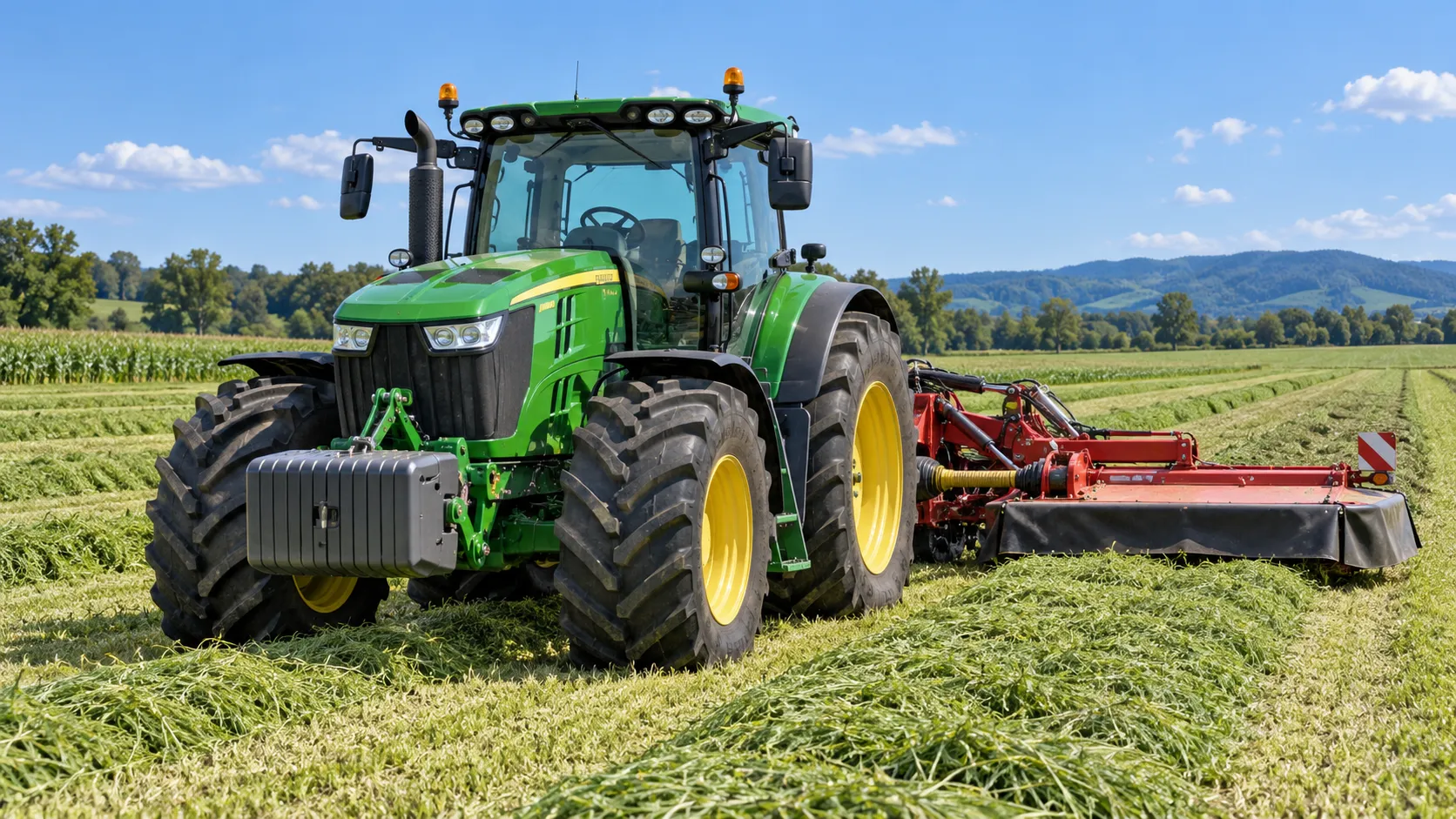
Tractor Specification Sheets: Matching PTO, Hydraulics, and Weight to Farm Tasks
Specification-oriented articles for tractors: match PTO, hydraulics, lift capacity, ballast, and weight to real farm tasks for safer, more efficient equipment choices.
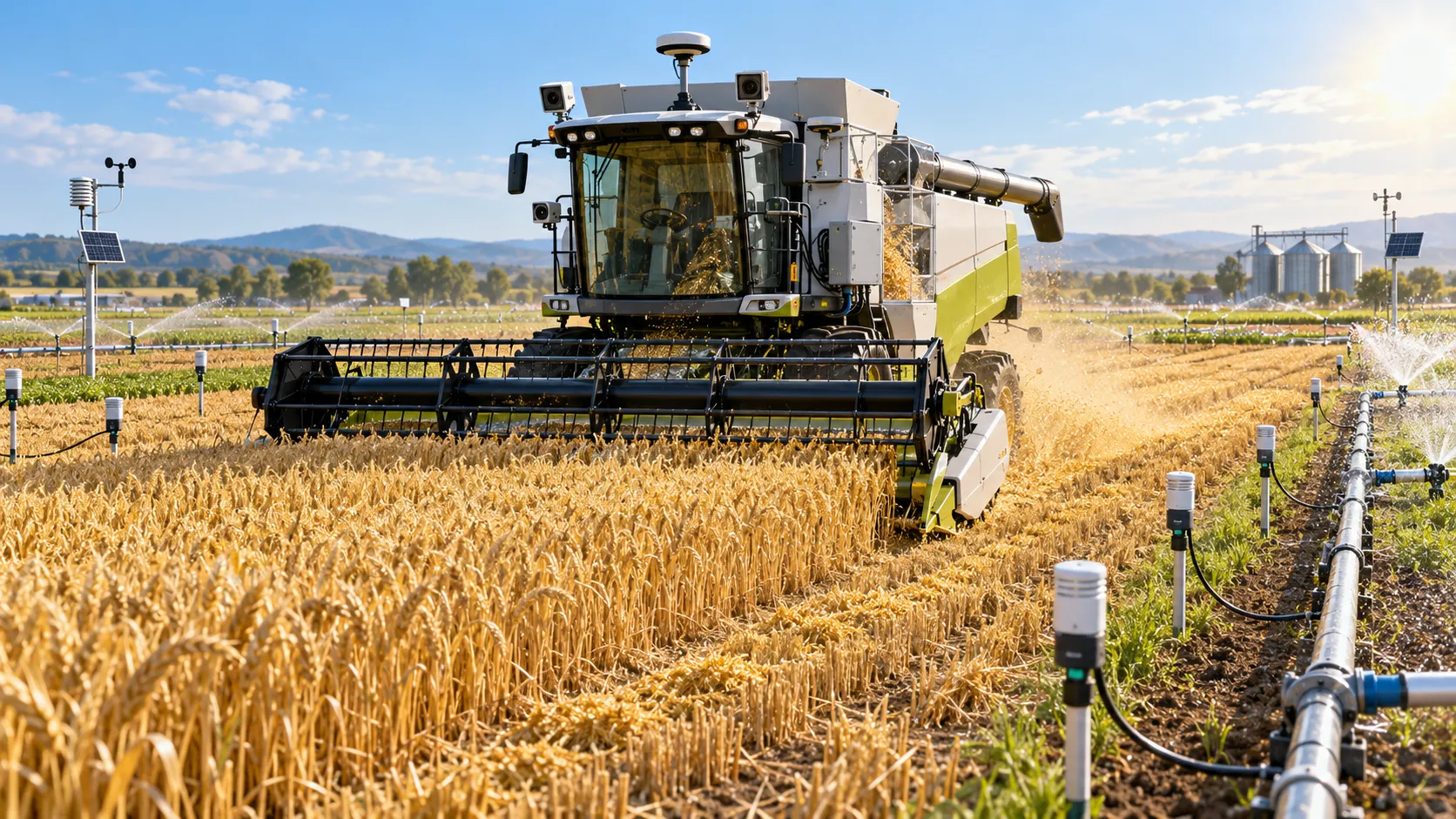
How to Evaluate Dynamic Feedback Algorithm Suppliers for Precision Farming Systems
Dynamic feedback algorithms supplier evaluation guide for precision farming—compare validation, integration, safety, and pilots to choose with confidence.
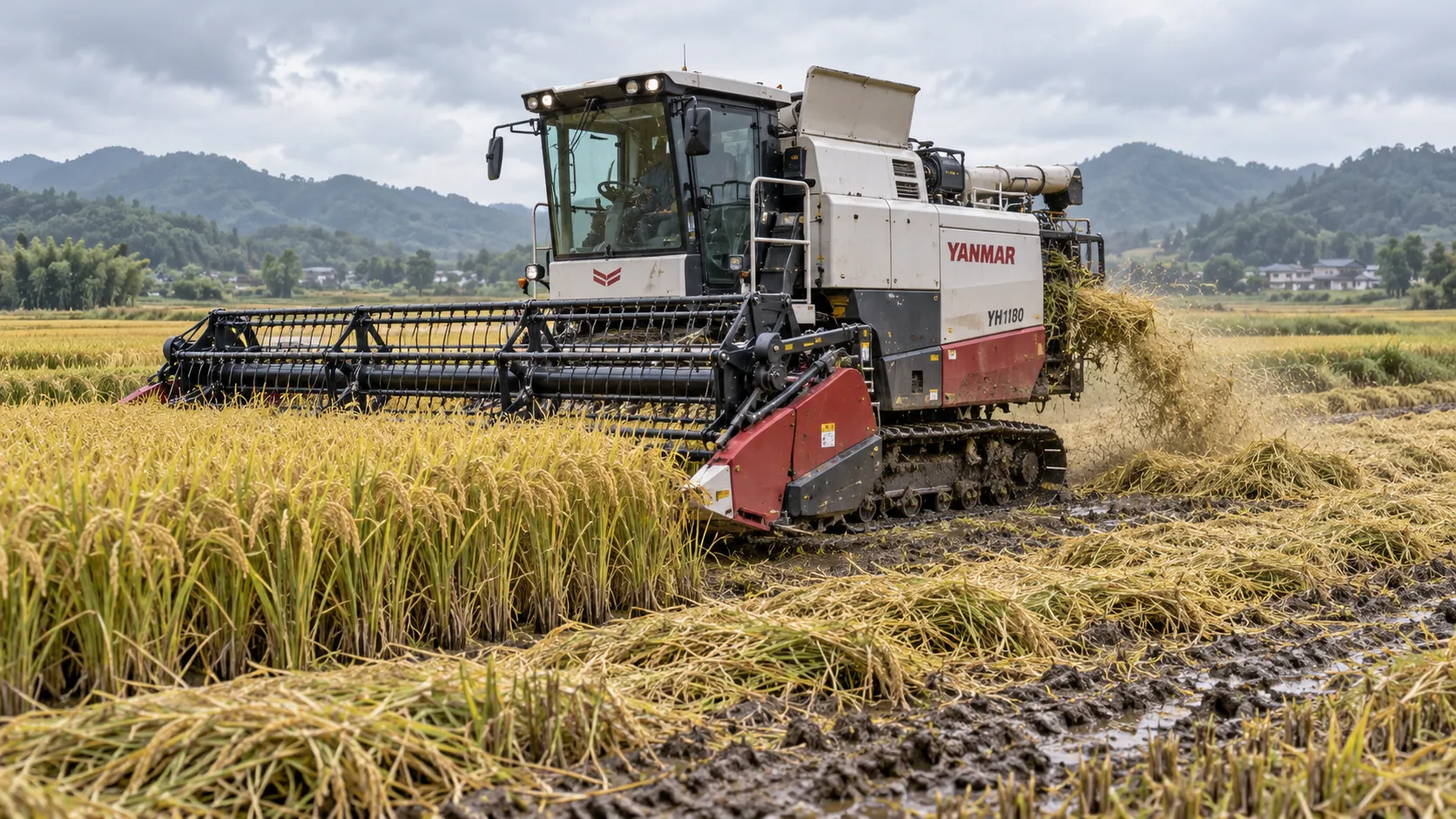
How to Specify Combine Harvester Systems for High-Moisture Grain and Variable Field Conditions
Combine harvester systems for high-moisture grain: learn how to specify threshing, cleaning, headers, traction, and automation for reliable harvests in variable fields.
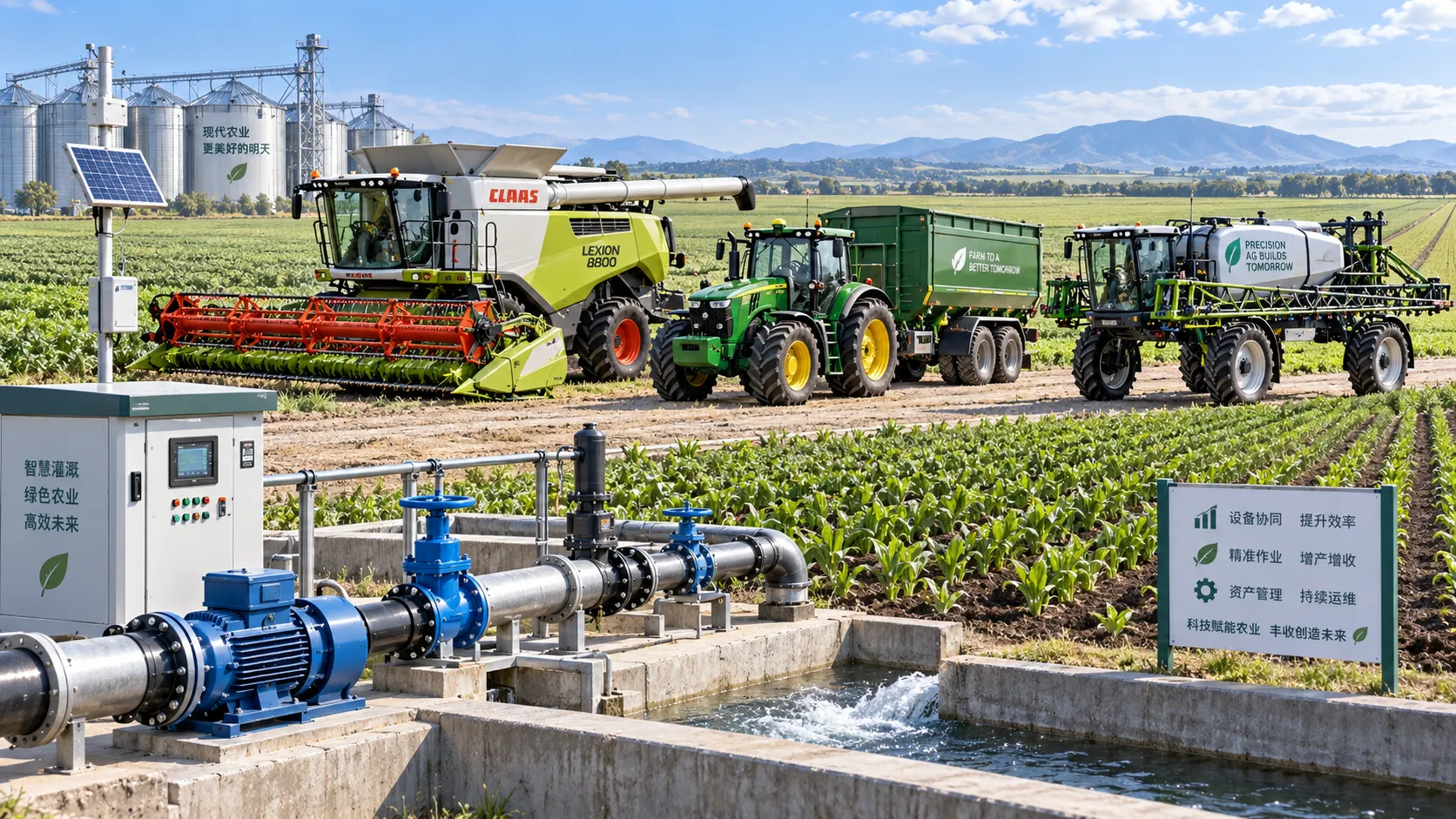
How to Compare Agricultural Equipment Platforms for Fleet Management and ROI
Agricultural equipment platform comparison: evaluate fleet data, maintenance, precision workflows, and ROI to choose a system that delivers measurable results.
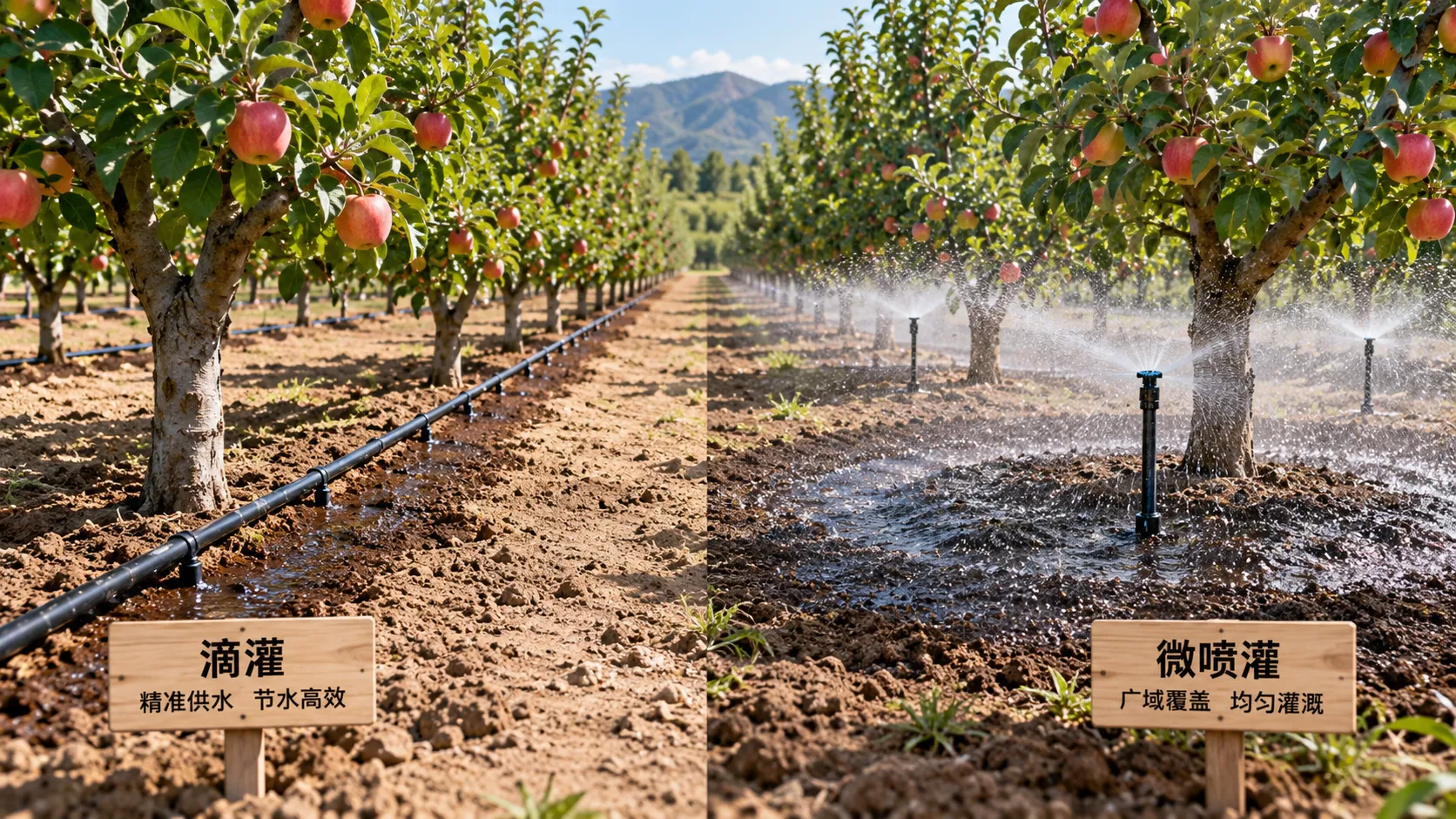
Drip vs. Micro-Sprinkler Irrigation: Which System Fits Your Orchard?
Irrigation solution comparison for orchards: discover whether drip or micro-sprinklers best match your water, soil, roots, fertigation, and frost needs.
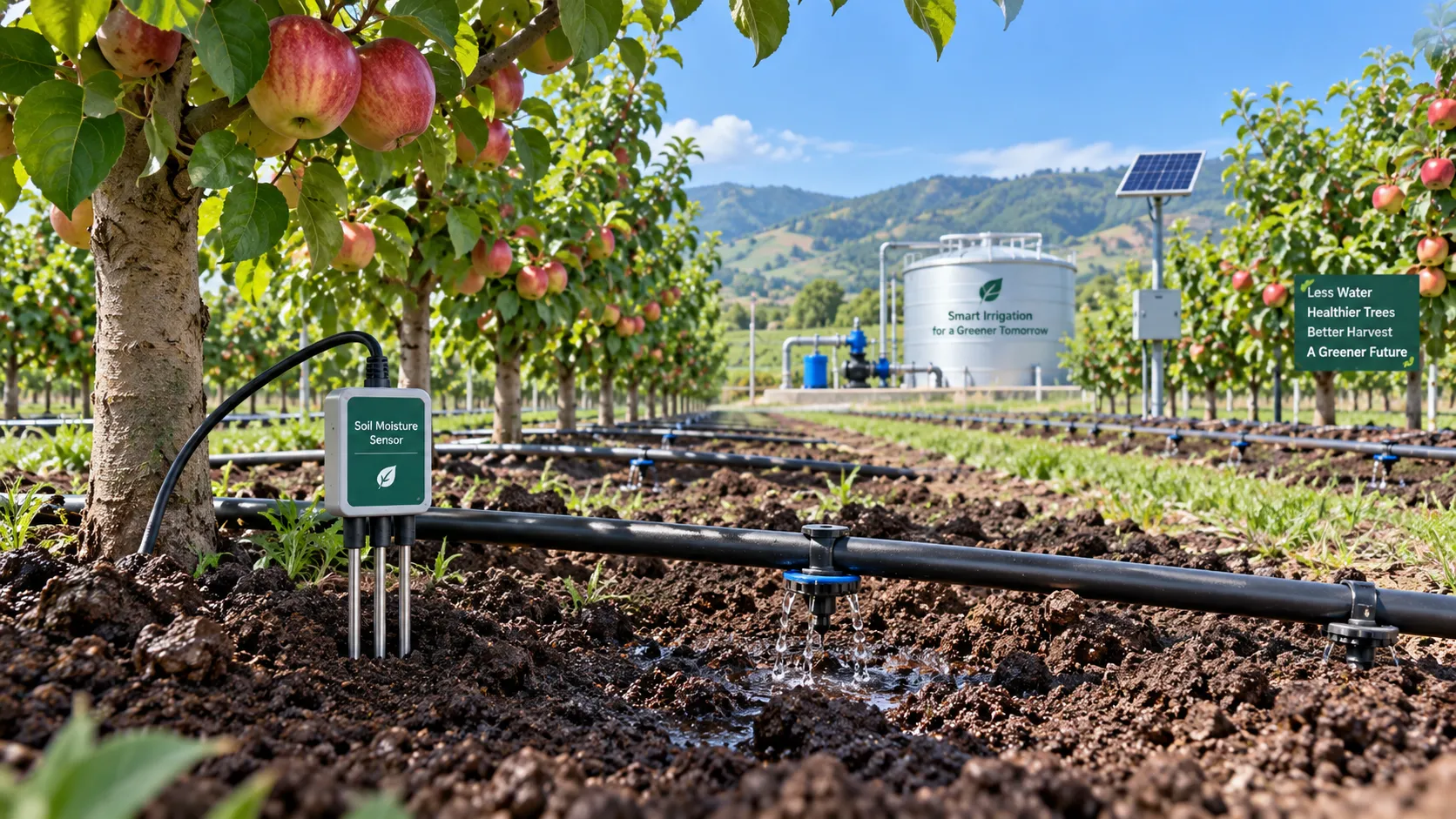
Orchard Water Management: Using Soil Moisture Data to Schedule Irrigation
Agricultural water management for orchards made practical: use soil moisture data to optimize irrigation timing, protect yield, reduce costs, and improve resilience.
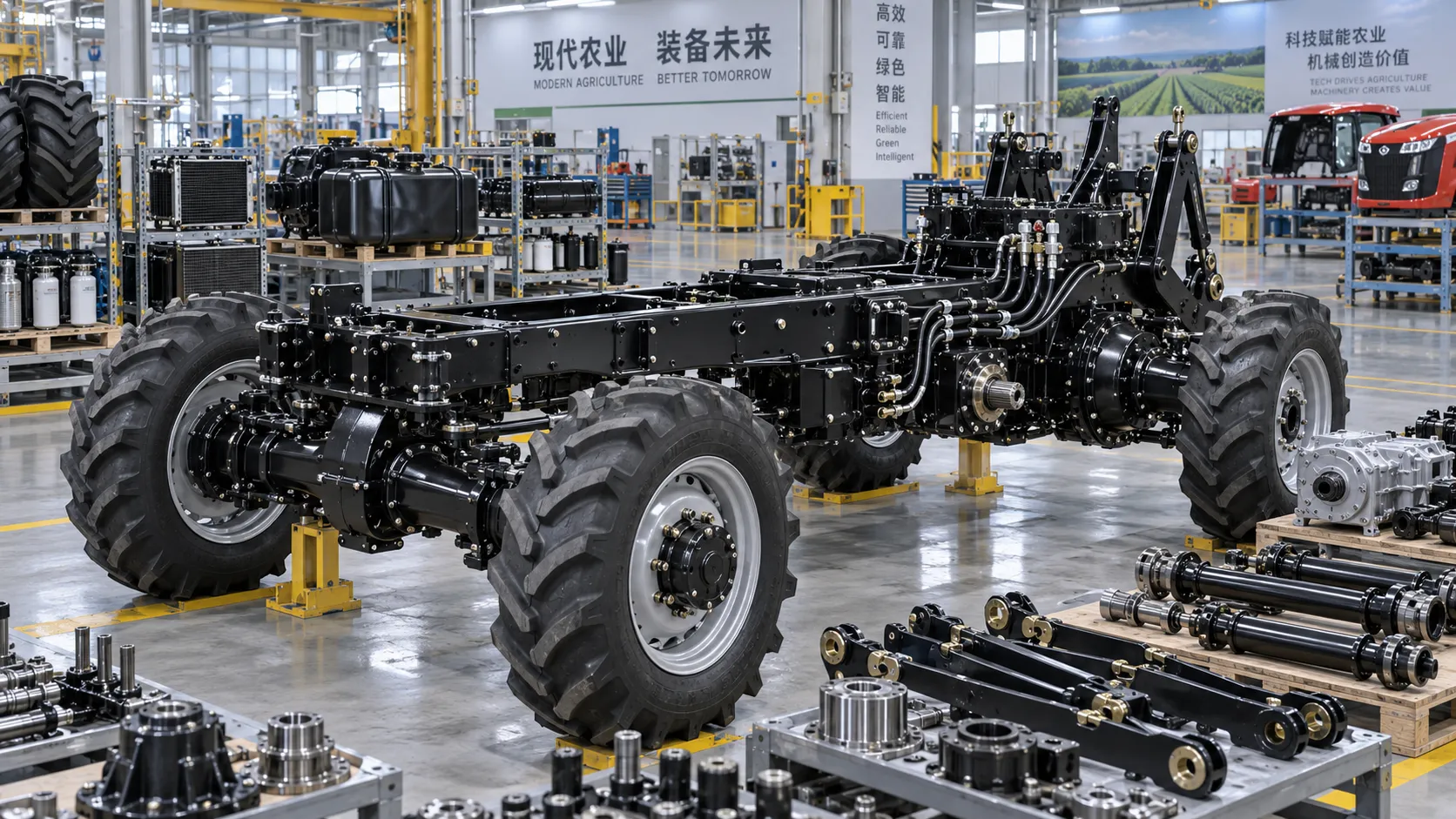
Tractor Chassis Price: What Buyers Should Compare Beyond the Initial Quote
Tractor chassis price is only the start. Compare load capacity, compatibility, durability, and lifecycle costs to choose a reliable, high-value chassis.
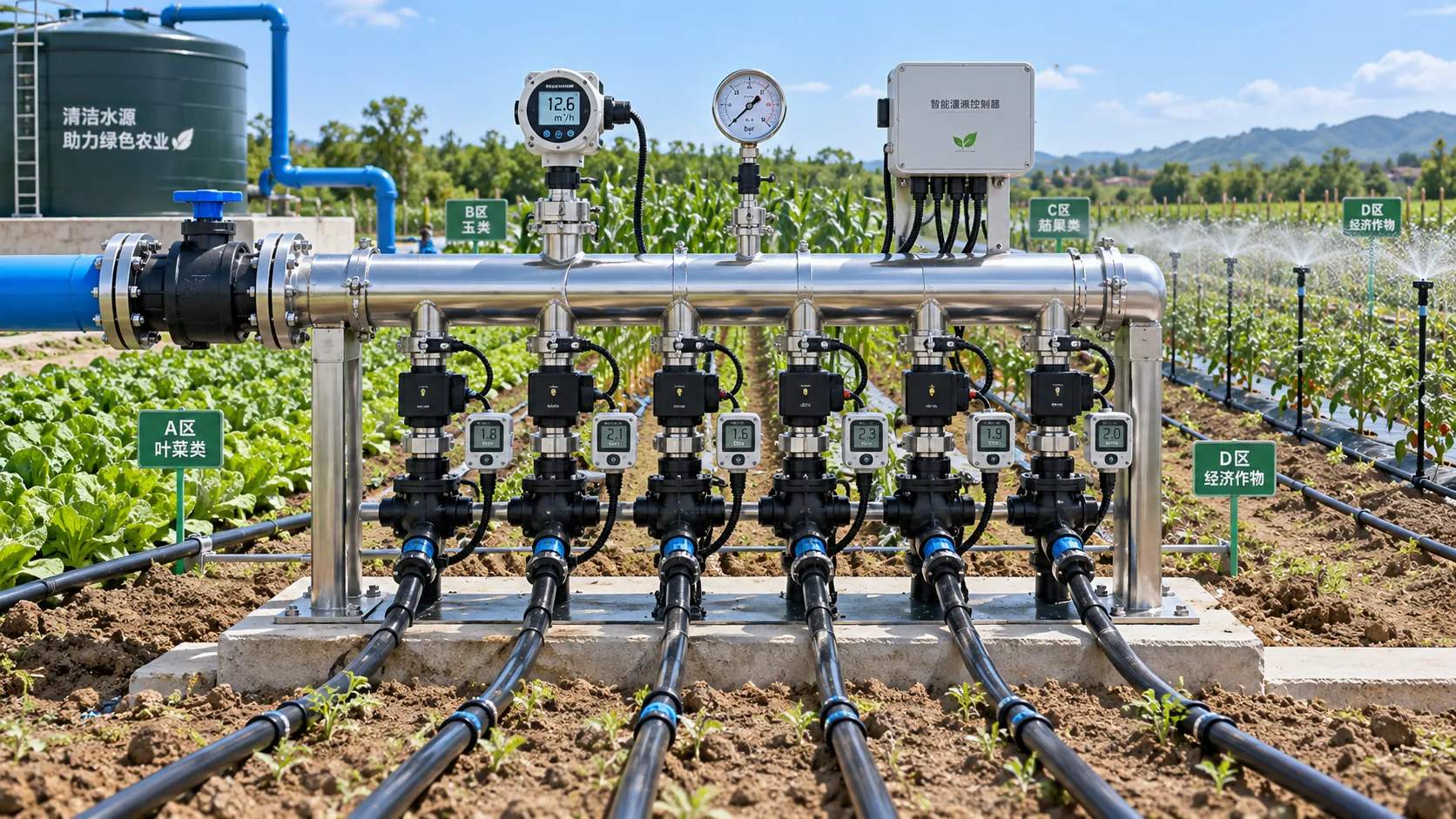
How to Select Smart Irrigation Valves for Multi-Zone Water Management?
Intelligent irrigation systems valves: learn how to match smart valves with multi-zone flow, pressure, control, feedback, and communication needs for reliable water management.
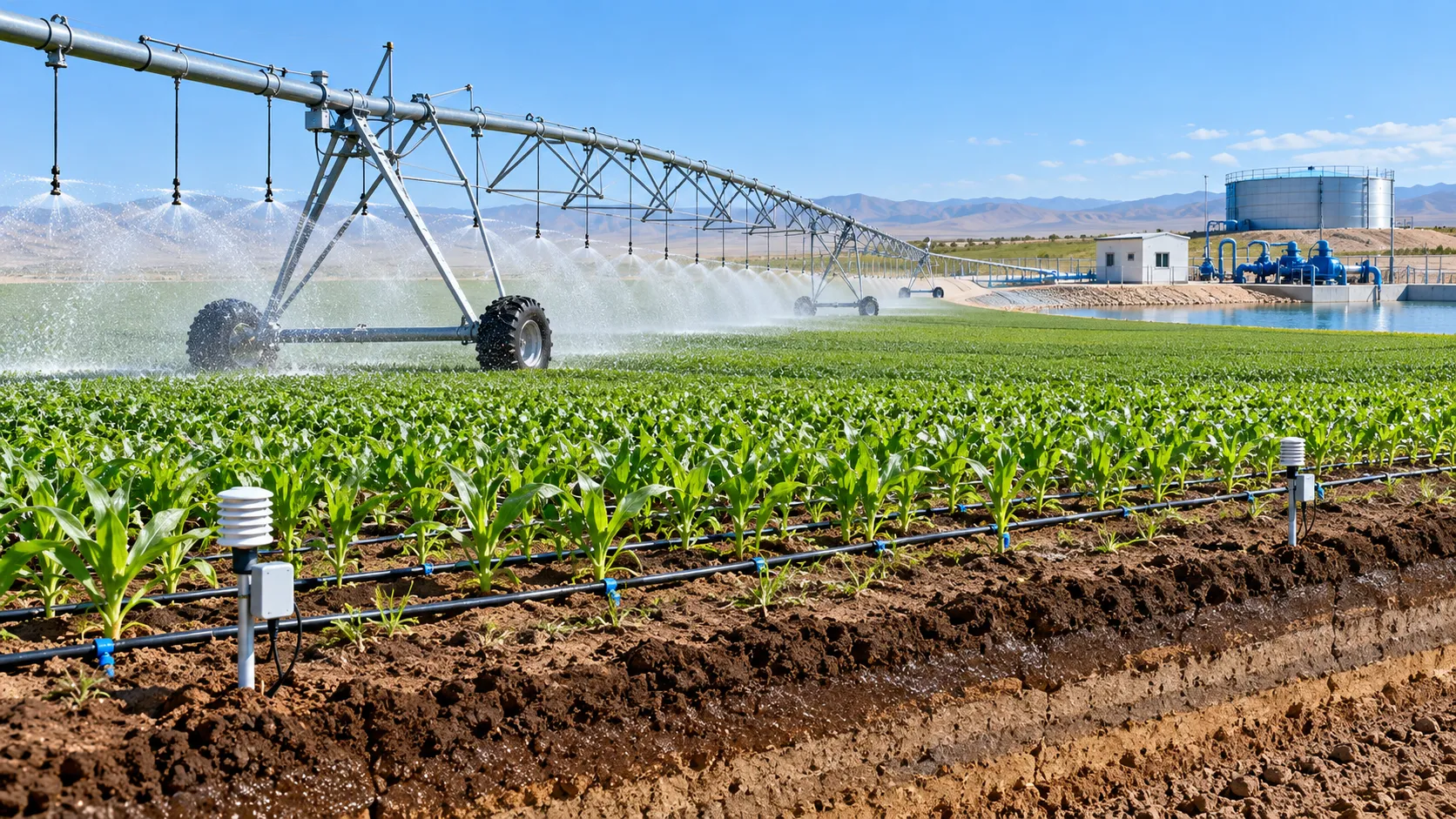
Climate-Smart Farming for Drought: A Practical Plan for Protecting Yields
Climate-smart farming for drought: build smarter water budgets, protect critical crop stages, improve irrigation uniformity, and safeguard yields with practical field-proven strategies.
Related News
- 00
0000-00
What Tractor Horsepower Is Needed for a Three-Bottom Moldboard Plow? - 00
0000-00
What Is the Difference Between No-Till and Conventional Tillage? - 00
0000-00
Does No-Till Farming Reduce Erosion on Hilly Farmland? - 00
0000-00
India BIS Tightens Soil Tiller Labeling for Imports - 00
0000-00
Vietnam Requires Vietnamese Warning Labels for Imported Soil Tillers
Popular Tags
Agri-Mechanization Fellow
Weekly Insights
Stay ahead with our curated technology reports delivered every Monday.