
How to Choose Sustainable Agriculture Equipment Solar Powered for Off-Grid Farms
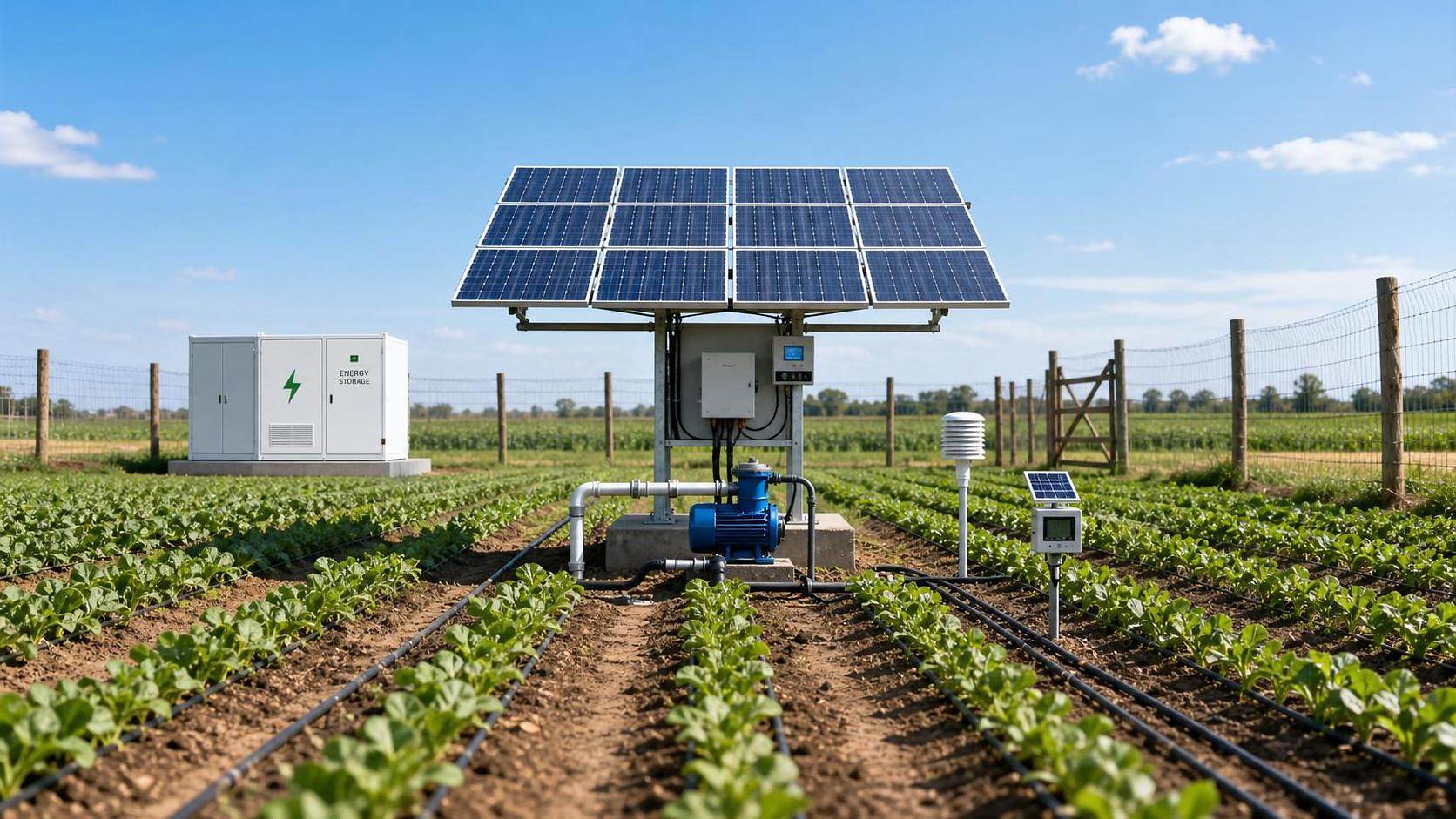




How to Choose Sustainable Agriculture Equipment Solar Powered for Off-Grid Farms
For off-grid farms, choosing sustainable agriculture equipment solar powered is no longer just a sustainability goal. It is now a practical decision about uptime, energy security, and operating cost control.
That shift is happening fast. Fuel volatility, remote maintenance challenges, and pressure to improve resource efficiency are changing how farm operators evaluate equipment investments.
In real operations, the right solar-powered system must do more than look efficient on paper. It needs to match field conditions, seasonal demand, and the wider equipment architecture already in use.
This guide explains how to assess sustainable agriculture equipment solar powered with a decision lens. The focus is performance, compatibility, risk, and long-term return for off-grid farm operations.
Why Solar-Powered Farm Equipment Matters More Now
Off-grid agriculture has always depended on resilience. Today, resilience means reducing dependence on diesel delivery, unstable power access, and high-maintenance energy systems.
Sustainable agriculture equipment solar powered helps address those pressures directly. It supports pumping, monitoring, dosing, lighting, fencing, and selected mechanized tasks without relying on constant fuel supply.
The more important signal is operational continuity. When irrigation, sensing, and control systems stay active, crop planning becomes less exposed to external energy shocks.
For many farms, the discussion is no longer whether solar fits. The real question is which solar-powered equipment configuration delivers reliable output under local field conditions.
Start With the Farm Energy Profile
A sound selection process starts with demand mapping. Without that step, even advanced sustainable agriculture equipment solar powered can be oversized, undersized, or poorly integrated.
Build the energy profile around these questions:
- Which loads are essential every day, and which are seasonal?
- How many operating hours are needed during peak periods?
- What loads must run simultaneously?
- How critical is battery backup during cloudy days?
- Where are the biggest losses in current energy use?
For example, a solar irrigation pump and a sensor network have very different duty cycles. Treating them as one bundle often creates poor payback and weak performance.
AP-Strategy tracks this pattern across modern farm upgrades. The best decisions usually begin with load separation, then move toward modular solar-powered farm equipment planning.
Evaluate the Core Equipment Categories
Not every machine should be the first candidate for solar conversion. Prioritize equipment where energy demand is predictable, operating hours are measurable, and value loss from downtime is high.
1. Irrigation Pumps
This is often the strongest use case for sustainable agriculture equipment solar powered. Water demand is measurable, scheduling can be optimized, and the economics are easier to model.
Check total dynamic head, daily water volume, seasonal variability, and controller quality. Poor controller logic can erase the efficiency benefits of a strong solar array.
2. Intelligent Irrigation Controls
Smart valves, pressure monitors, soil moisture sensors, and dosing systems are ideal low-to-medium load applications. They work best when paired with stable communication and battery support.
3. Monitoring and Field Data Systems
Weather stations, edge gateways, security cameras, and livestock monitoring units fit well into solar-powered agriculture systems. These loads are small, but their information value is high.
4. Electric Fencing and Perimeter Systems
These are proven off-grid candidates. The selection focus should be battery lifespan, weather resistance, and fault alerts rather than panel size alone.
5. Mobile or Heavy-Duty Machinery Support
Here the evaluation becomes more complex. Large tractors, combine harvesting support systems, and heavy chassis loads may need hybrid strategies rather than pure solar-only configurations.
Key Technical Criteria That Actually Drive Results
Many buyers compare wattage first. That is understandable, but incomplete. Better outcomes come from assessing sustainable agriculture equipment solar powered through the full operating chain.
Power Matching
The rated solar output must fit the real load profile. Startup surges, partial-load behavior, and daily peaks matter more than nameplate numbers.
Storage Strategy
Battery sizing should reflect operational risk tolerance. Critical irrigation controls need more backup depth than daylight-only pumping applications.
Environmental Durability
Dust, heat, vibration, humidity, and chemical exposure all affect equipment life. Agricultural environments are harsher than standard commercial conditions.
System Intelligence
Modern sustainable agriculture equipment solar powered should include remote monitoring, fault diagnostics, and basic usage analytics. Those tools reduce service delays and improve planning accuracy.
Serviceability
In off-grid agriculture, repair access is part of product value. Standardized components, clear maintenance intervals, and local spare parts support should weigh heavily in selection decisions.
Compatibility With Existing Farm Systems
The best solar-powered farm equipment does not operate in isolation. It should connect cleanly with pumps, controllers, telemetry tools, and water-saving irrigation systems already deployed.
This is especially important on larger farms using precision agriculture workflows. Data from sensors, pumps, and field tools should support one operational logic, not separate disconnected systems.
Before approving any purchase, check these integration points:
- Voltage and controller compatibility with current field devices
- Communication protocol support
- Data export for farm management platforms
- Alarm and remote shutdown functionality
- Expandability for future sensors or pump zones
In practice, compatibility failures often cost more than the hardware itself. That is why integration review should sit beside price review from the start.
Use a Decision Matrix, Not a Single Price Quote
A low purchase price can hide expensive operational compromises. For enterprise-scale evaluation, a decision matrix gives a more reliable view of sustainable agriculture equipment solar powered options.
This approach creates a stronger basis for comparison across vendors, especially when products claim similar efficiency but differ in field reliability.
Common Risks Buyers Miss
Selection errors rarely come from one dramatic mistake. More often, they come from a series of small assumptions that look harmless during procurement.
- Assuming panel output equals usable field output
- Ignoring dust, heat, and seasonal shading
- Underestimating battery replacement economics
- Choosing proprietary components with weak service coverage
- Failing to model irrigation demand during peak stress periods
These risks are manageable when addressed early. A short field audit and a realistic demand simulation usually reveal most weak points before contracts are signed.
For that reason, sustainable agriculture equipment solar powered should be evaluated as an operating system decision, not just a hardware purchase.
How to Make the Final Choice
A practical shortlist usually comes down to three questions. Can the system meet demand reliably, can it fit the farm architecture, and can it deliver acceptable lifecycle economics?
- Prioritize applications with measurable energy use and clear downtime costs.
- Score each vendor on performance, compatibility, support, and maintenance realism.
- Run a pilot on one critical use case before scaling across the site.
That staged method reduces risk while preserving momentum. It also gives procurement teams real operating data instead of relying on marketing claims alone.
At AP-Strategy, the stronger market performers are usually the ones that connect mechanical reliability, precision controls, and realistic field energy design.
Choosing sustainable agriculture equipment solar powered for off-grid farms is ultimately about fit. When the system matches field demand, irrigation logic, and service reality, solar stops being an experiment and becomes productive infrastructure.
Related News
How to Evaluate Dynamic Feedback Algorithm Suppliers for Precision Farming Systems
Dynamic feedback algorithms supplier evaluation guide for precision farming—compare validation, integration, safety, and pilots to choose with confidence.
How to Specify Combine Harvester Systems for High-Moisture Grain and Variable Field Conditions
Combine harvester systems for high-moisture grain: learn how to specify threshing, cleaning, headers, traction, and automation for reliable harvests in variable fields.
How to Compare Agricultural Equipment Platforms for Fleet Management and ROI
Agricultural equipment platform comparison: evaluate fleet data, maintenance, precision workflows, and ROI to choose a system that delivers measurable results.
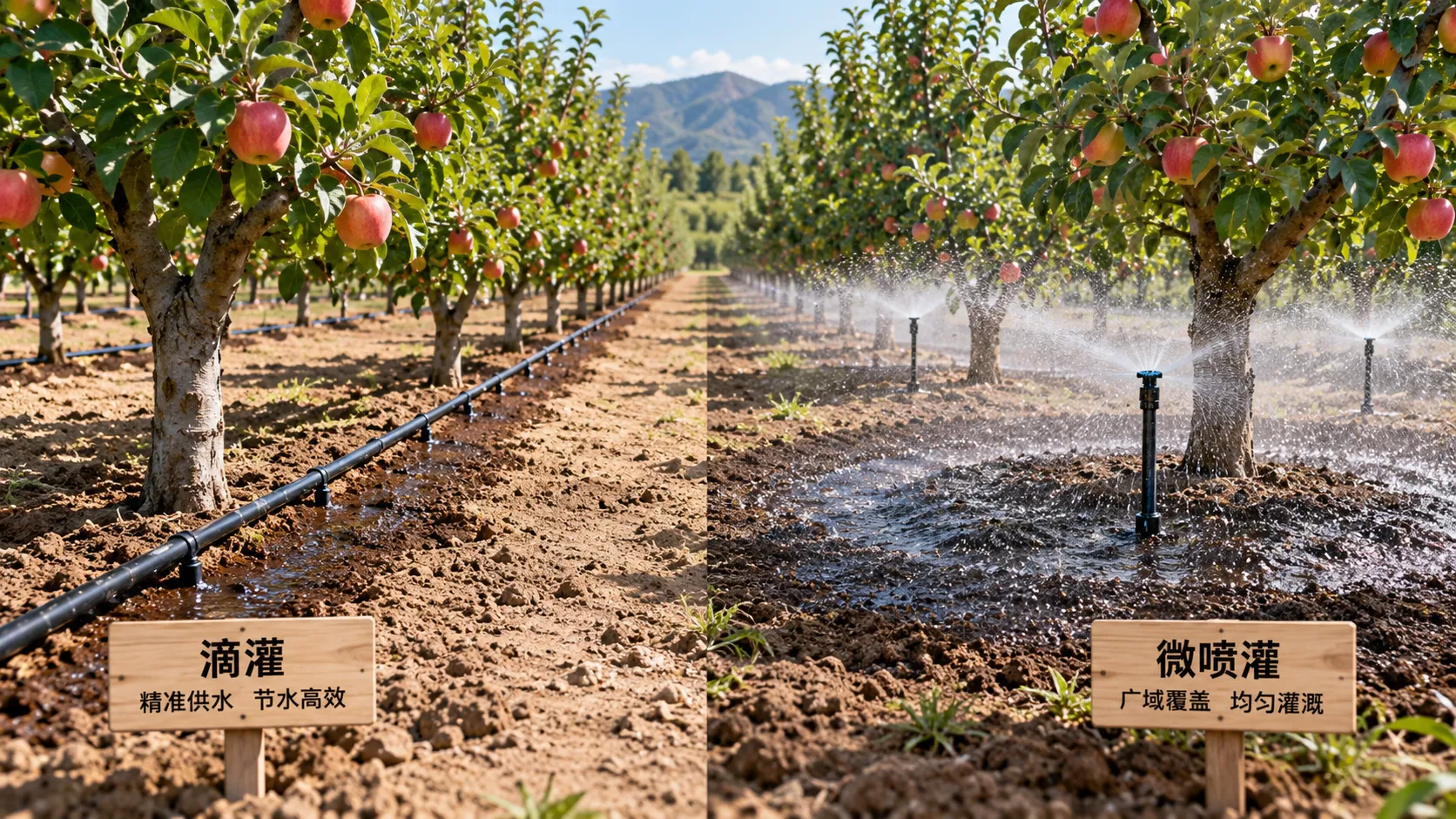
Drip vs. Micro-Sprinkler Irrigation: Which System Fits Your Orchard?
Irrigation solution comparison for orchards: discover whether drip or micro-sprinklers best match your water, soil, roots, fertigation, and frost needs.
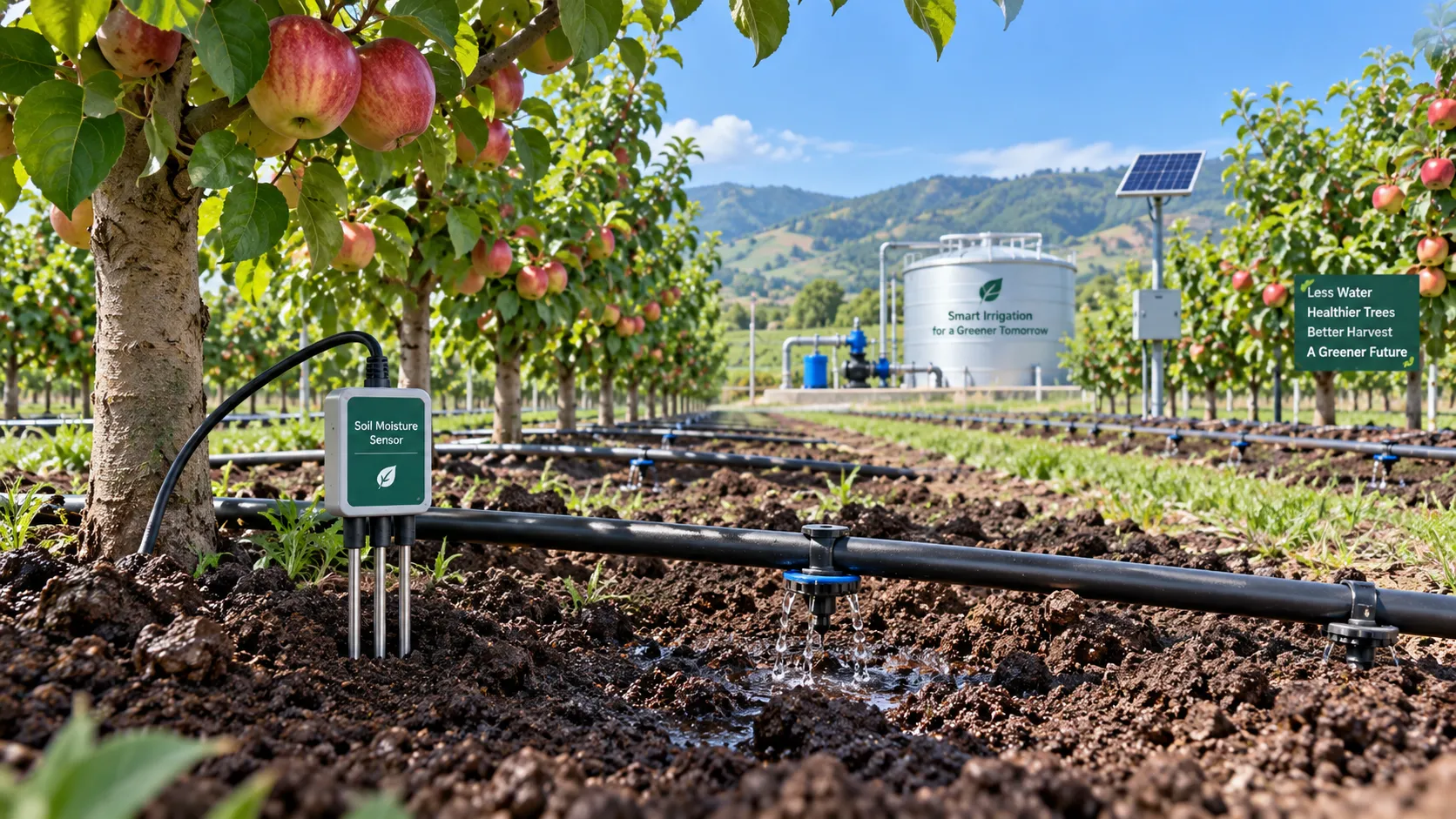
Orchard Water Management: Using Soil Moisture Data to Schedule Irrigation
Agricultural water management for orchards made practical: use soil moisture data to optimize irrigation timing, protect yield, reduce costs, and improve resilience.
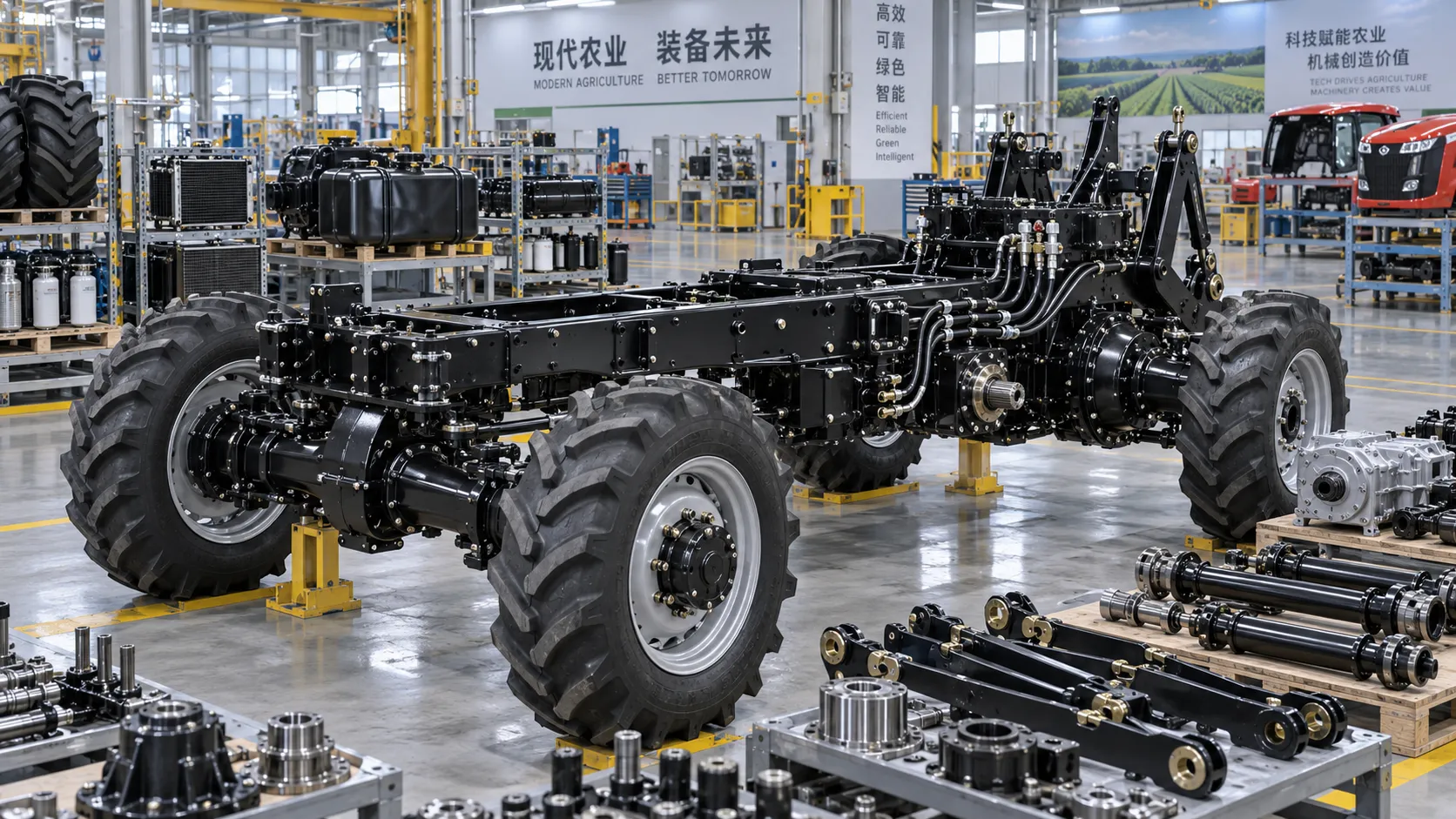
Tractor Chassis Price: What Buyers Should Compare Beyond the Initial Quote
Tractor chassis price is only the start. Compare load capacity, compatibility, durability, and lifecycle costs to choose a reliable, high-value chassis.
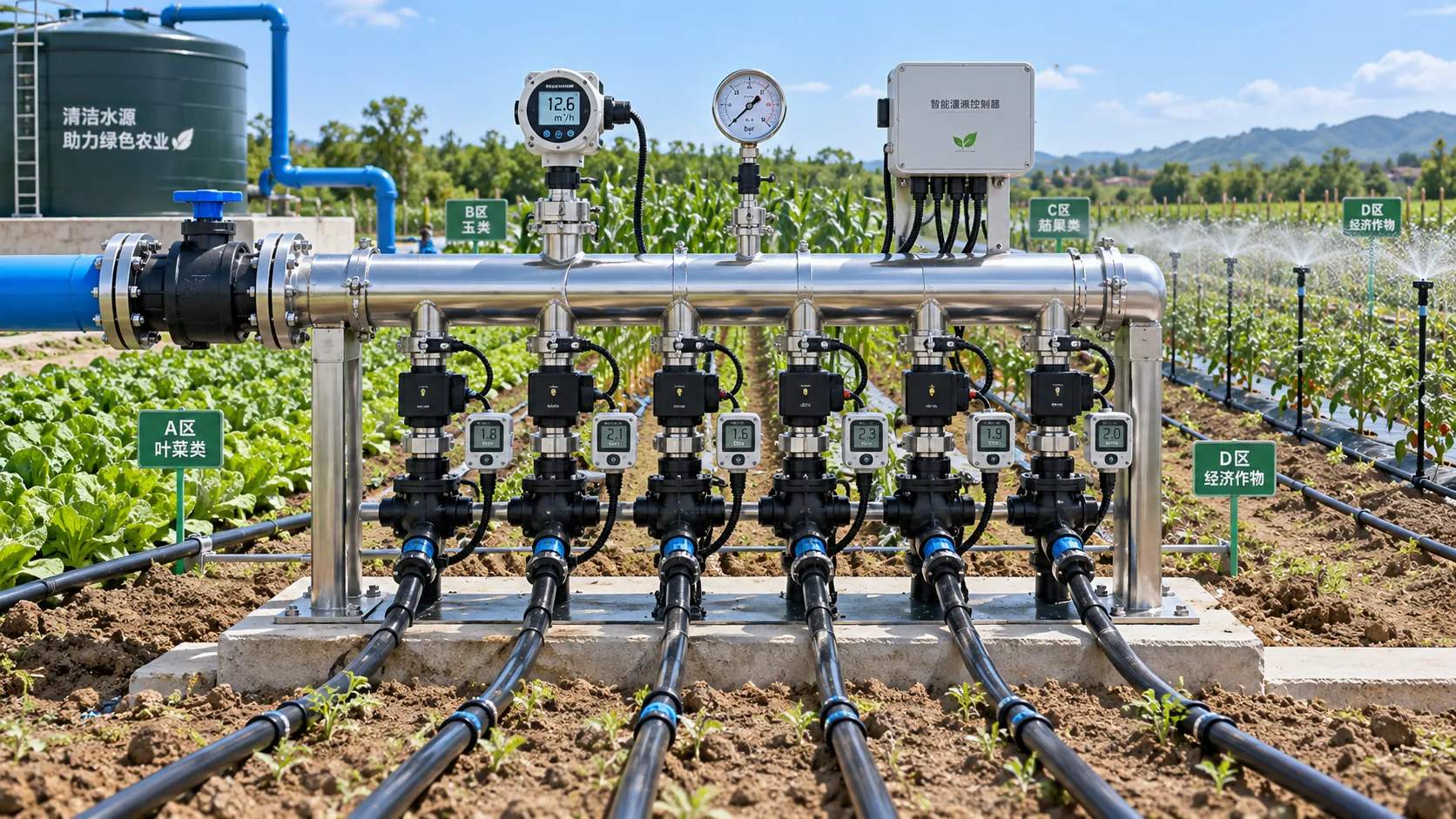
How to Select Smart Irrigation Valves for Multi-Zone Water Management?
Intelligent irrigation systems valves: learn how to match smart valves with multi-zone flow, pressure, control, feedback, and communication needs for reliable water management.
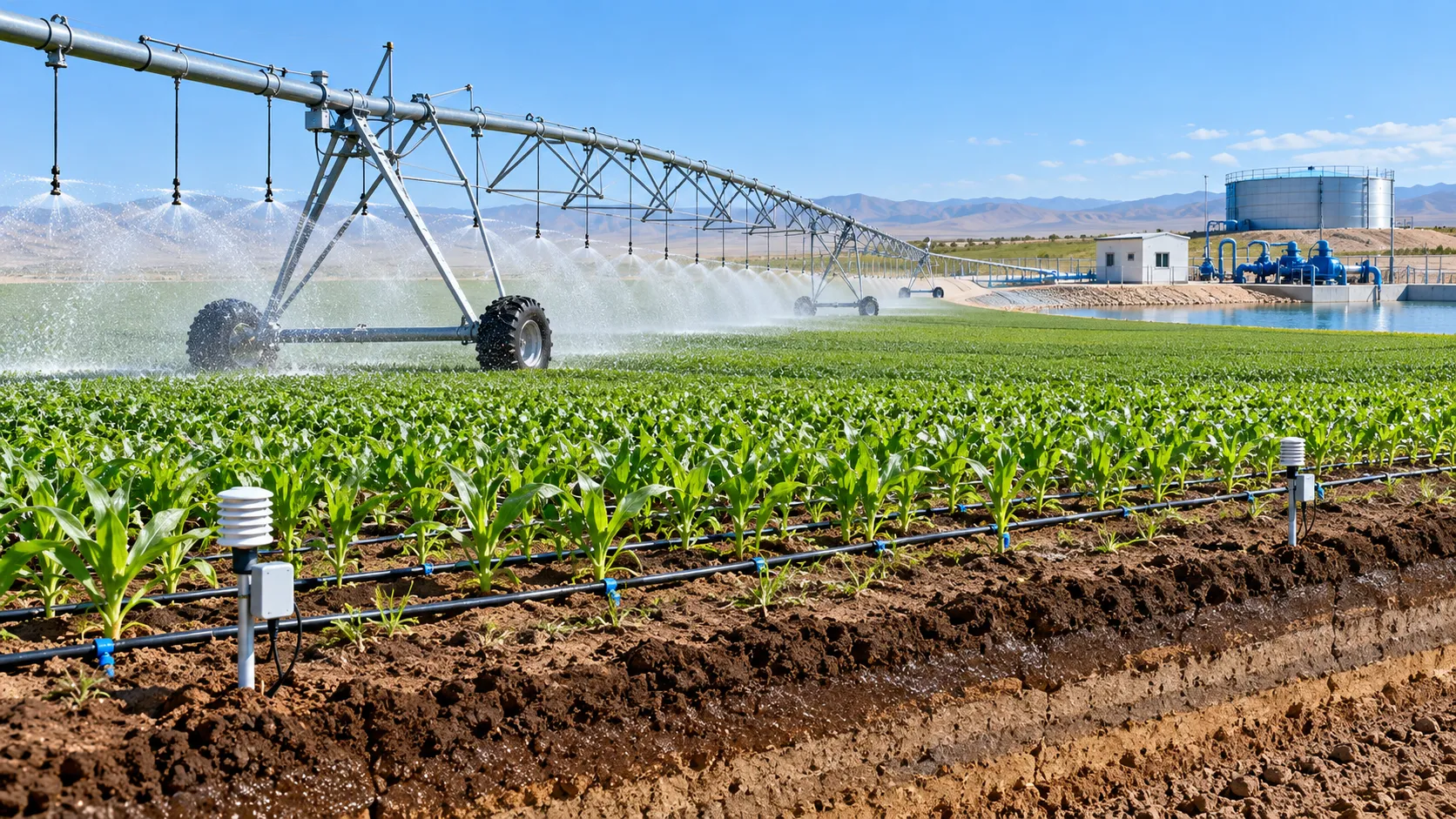
Climate-Smart Farming for Drought: A Practical Plan for Protecting Yields
Climate-smart farming for drought: build smarter water budgets, protect critical crop stages, improve irrigation uniformity, and safeguard yields with practical field-proven strategies.
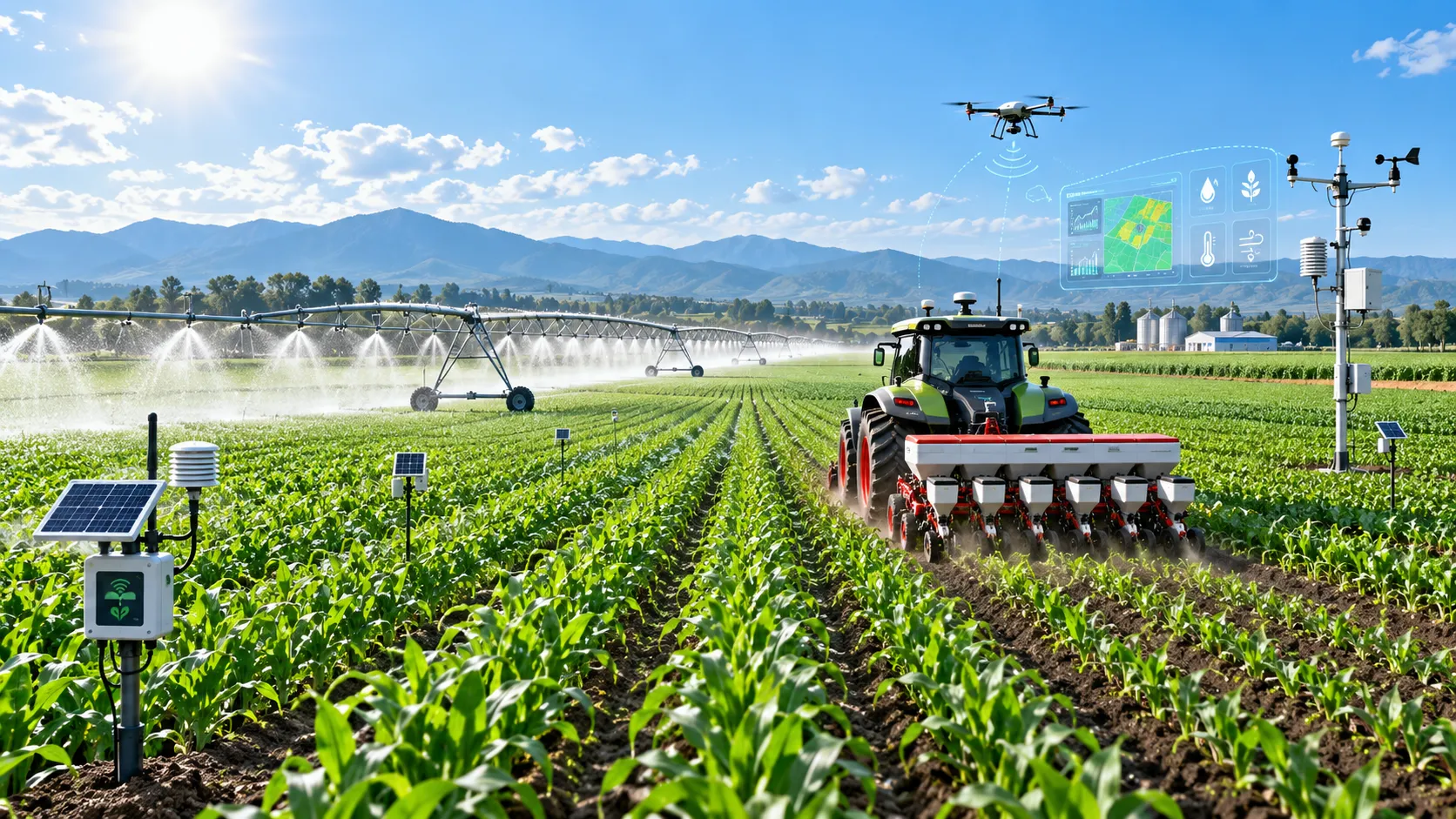
How Digital Agriculture Platforms Turn Field Data Into Better Input Decisions
Digital agriculture platforms turn field data into smarter fertilizer, water, seed, and equipment decisions—helping farms cut risk, improve margins, and scale sustainability.
Related News
- 00
0000-00
How to Compare Agricultural Equipment Platforms for Fleet Management and ROI - 00
0000-00
Tractor Chassis Price: What Buyers Should Compare Beyond the Initial Quote - 00
0000-00
How Digital Agriculture Platforms Turn Field Data Into Better Input Decisions - 00
0000-00
When Does Agricultural Machinery Leasing Cost Less Than Owning Equipment? - 00
0000-00
Selecting Grain Farm Equipment by Acreage, Crop Mix, and Harvest Window
Popular Tags
Ms. Elena Rodriguez
Weekly Insights
Stay ahead with our curated technology reports delivered every Monday.