
EPA Rule Takes Effect for GPS Guidance EMC Testing
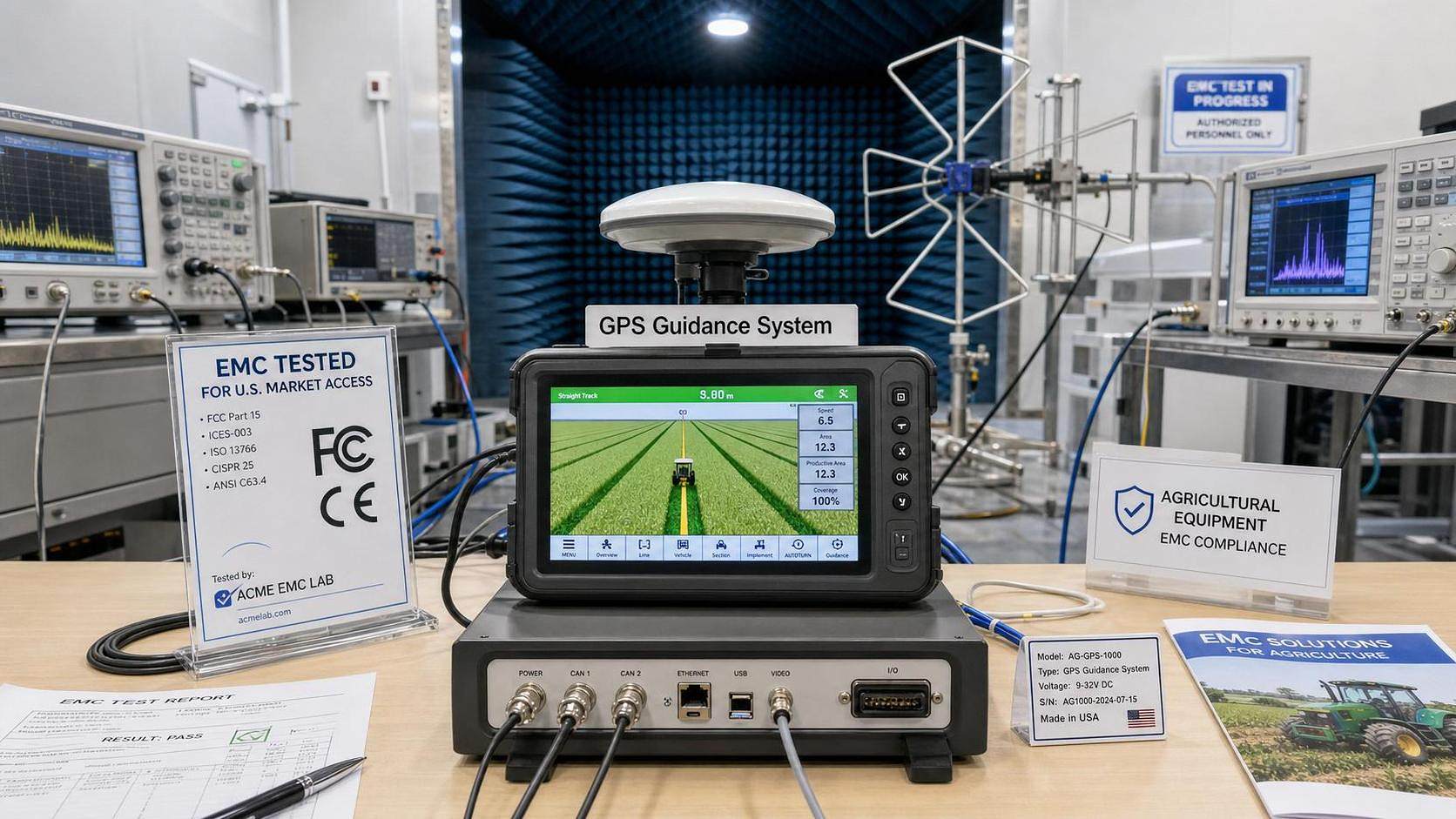




On July 9, 2026, the US EPA formally put into effect a revised mandatory EMC verification guideline for smart agricultural equipment, bringing GPS Guidance Systems sold into the US market under new immunity testing requirements. For exporters, manufacturers, testing partners, and import compliance teams, the immediate concern is practical rather than theoretical: market access, customs handling, labeling readiness, and whether certification documents can withstand review before shipment reaches the border.
What the rule now requires
According to the information provided, the EPA implemented the Mandatory Verification Guideline for Electromagnetic Compatibility of Smart Agricultural Equipment (Rev.2026) on July 9, 2026. Under this requirement, all GPS Guidance Systems entering the US market must pass the newly added IEC 61000-4-20 and IEC 61000-4-32 immunity tests.
The same information states that the test report must be issued by an EPA-recognized laboratory. It also confirms that the rule directly affects customs clearance and labeling procedures for Chinese exporters, and that devices without the required certification will be rejected by CBP.
Where the pressure is likely to appear first
Export shipments face a direct border-access issue
From an industry perspective, trading companies and exporters are the first group likely to feel the impact because the requirement is tied directly to entry into the US market. The practical effect is concentrated in shipment release, customs documentation, and labeling preparation. What deserves closer attention is whether existing product files and shipment schedules already align with the new test and reporting requirement.
Manufacturing plans may be affected by testing readiness
For manufacturers of GPS Guidance Systems, the issue is not only technical compliance but also production and delivery sequencing. Analysis shows that once EPA-recognized laboratory reports become a mandatory condition, test scheduling and document availability can become part of the shipment timeline. The key business concern is whether products intended for the US market are being prepared with certification timing in mind.
Compliance and service partners move closer to the transaction risk
Supply chain service providers, testing coordinators, and import compliance teams may also be affected because the rule changes the evidentiary threshold for market entry. Their role becomes more sensitive in document review, pre-shipment checks, and customer communication. Observably, the main risk here is not abstract regulatory change but a breakdown between product readiness and the paperwork required at clearance.
What companies should watch now
Whether product scope and shipment scope are fully aligned
Companies should first verify which GPS Guidance Systems in their current pipeline are intended for the US market and therefore fall into the immediate compliance path described in the provided information. This is a practical distinction that affects order handling, export timing, and communication with buyers.
The status of EPA-recognized laboratory reports
The requirement is not limited to passing the added IEC 61000-4-20 and IEC 61000-4-32 tests; the report must also come from an EPA-recognized laboratory. What deserves closer attention is the document chain itself, because the summary provided makes clear that report origin is part of the compliance condition.
Customs and labeling workflows, not just lab testing
Analysis shows that some companies may focus first on the technical test item, while the more immediate business effect may appear in customs clearance and labeling procedures. That means internal review should extend beyond engineering teams to export documentation, customer service, and fulfillment functions.
Customer communication and delivery commitments
For firms already serving US buyers, it is worth checking whether delivery promises, contract milestones, or shipment windows assume documentation that is not yet in place. From an operational perspective, this is where regulatory language turns into order risk, especially when non-certified equipment can be refused by CBP.
Why this should be read as a market-access signal
Observably, this update is more than a technical testing change because it links EMC immunity verification directly to entry into the US market. Analysis shows that the rule already has a defined enforcement consequence in the information provided: equipment without the required certification can be rejected by CBP. That makes the development closer to an immediate compliance threshold than to a distant policy direction.
At the same time, it is more appropriate to understand this as a targeted regulatory signal rather than a complete picture of broader agricultural equipment compliance. The confirmed facts relate specifically to GPS Guidance Systems, the added IEC immunity tests, EPA-recognized laboratory reporting, and customs and labeling consequences. Any broader market interpretation still requires continued verification.
How to frame the development at this stage
The industry significance of this update lies in its direct connection between technical verification and commercial entry. Based on the provided facts, this is not merely a short-term headline but an operative rule change with immediate implications for exporters and supply chain execution tied to the US market.
A neutral reading is that companies should treat the measure as an active compliance requirement with real transaction consequences, while still continuing to monitor how official wording, implementation practice, and documentation expectations are applied in actual business workflows.
Basis of this article and points for continued verification
This article is based on the user-provided news title, event date, and event summary. For developments of this kind, commonly relevant source types may include official notices, company disclosures, industry association updates, authoritative media coverage, and standards organization documents.
No specific official source link was provided in the input, so the exact official publication path still needs continued verification. Follow-up attention should remain on official wording, recognized laboratory requirements, and any further clarification affecting customs clearance, labeling procedures, and practical enforcement at the border.
Related News

How to Evaluate Dynamic Feedback Algorithm Suppliers for Precision Farming Systems
Dynamic feedback algorithms supplier evaluation guide for precision farming—compare validation, integration, safety, and pilots to choose with confidence.

How to Specify Combine Harvester Systems for High-Moisture Grain and Variable Field Conditions
Combine harvester systems for high-moisture grain: learn how to specify threshing, cleaning, headers, traction, and automation for reliable harvests in variable fields.

How to Compare Agricultural Equipment Platforms for Fleet Management and ROI
Agricultural equipment platform comparison: evaluate fleet data, maintenance, precision workflows, and ROI to choose a system that delivers measurable results.

Drip vs. Micro-Sprinkler Irrigation: Which System Fits Your Orchard?
Irrigation solution comparison for orchards: discover whether drip or micro-sprinklers best match your water, soil, roots, fertigation, and frost needs.
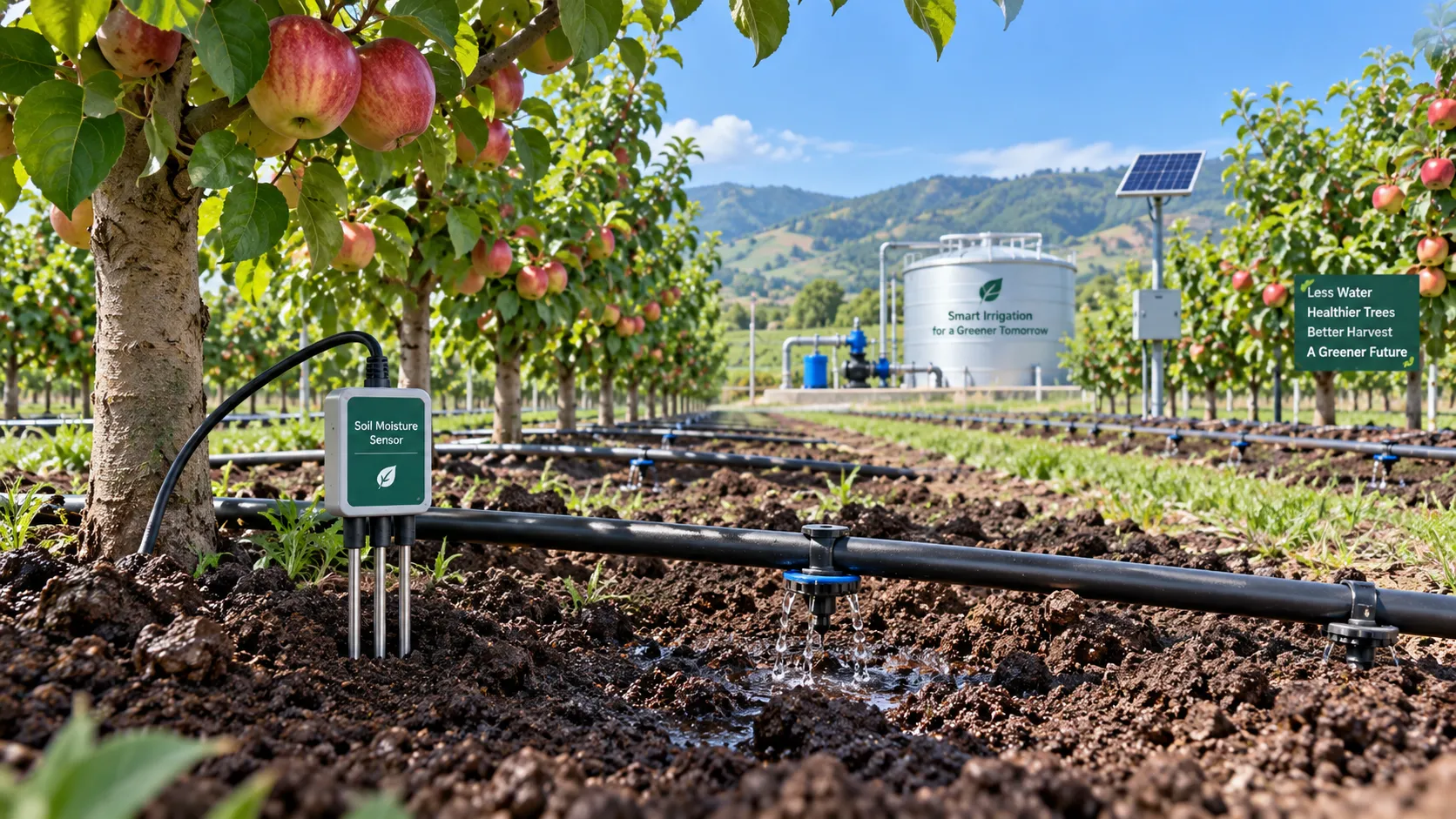
Orchard Water Management: Using Soil Moisture Data to Schedule Irrigation
Agricultural water management for orchards made practical: use soil moisture data to optimize irrigation timing, protect yield, reduce costs, and improve resilience.

Tractor Chassis Price: What Buyers Should Compare Beyond the Initial Quote
Tractor chassis price is only the start. Compare load capacity, compatibility, durability, and lifecycle costs to choose a reliable, high-value chassis.
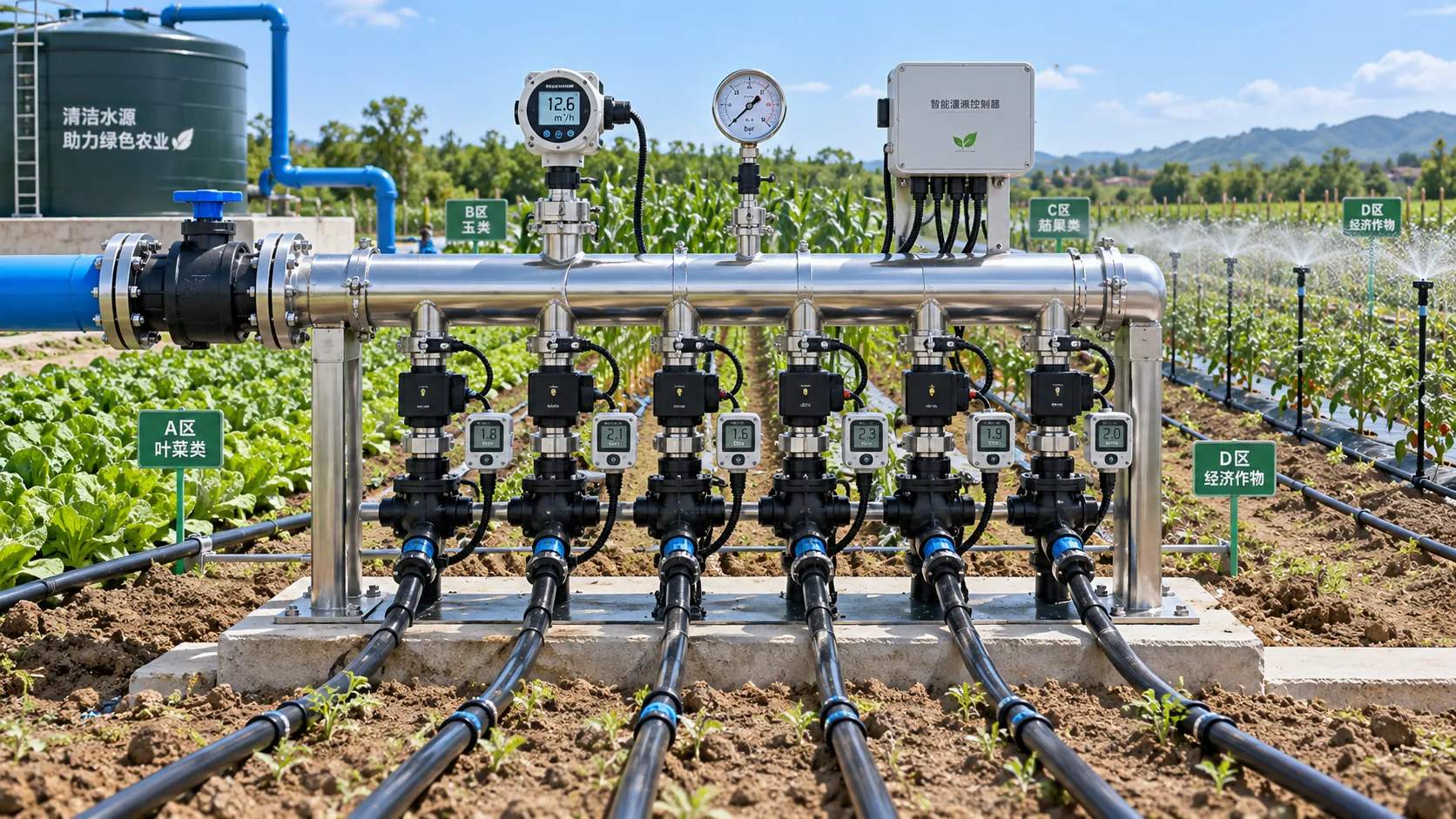
How to Select Smart Irrigation Valves for Multi-Zone Water Management?
Intelligent irrigation systems valves: learn how to match smart valves with multi-zone flow, pressure, control, feedback, and communication needs for reliable water management.
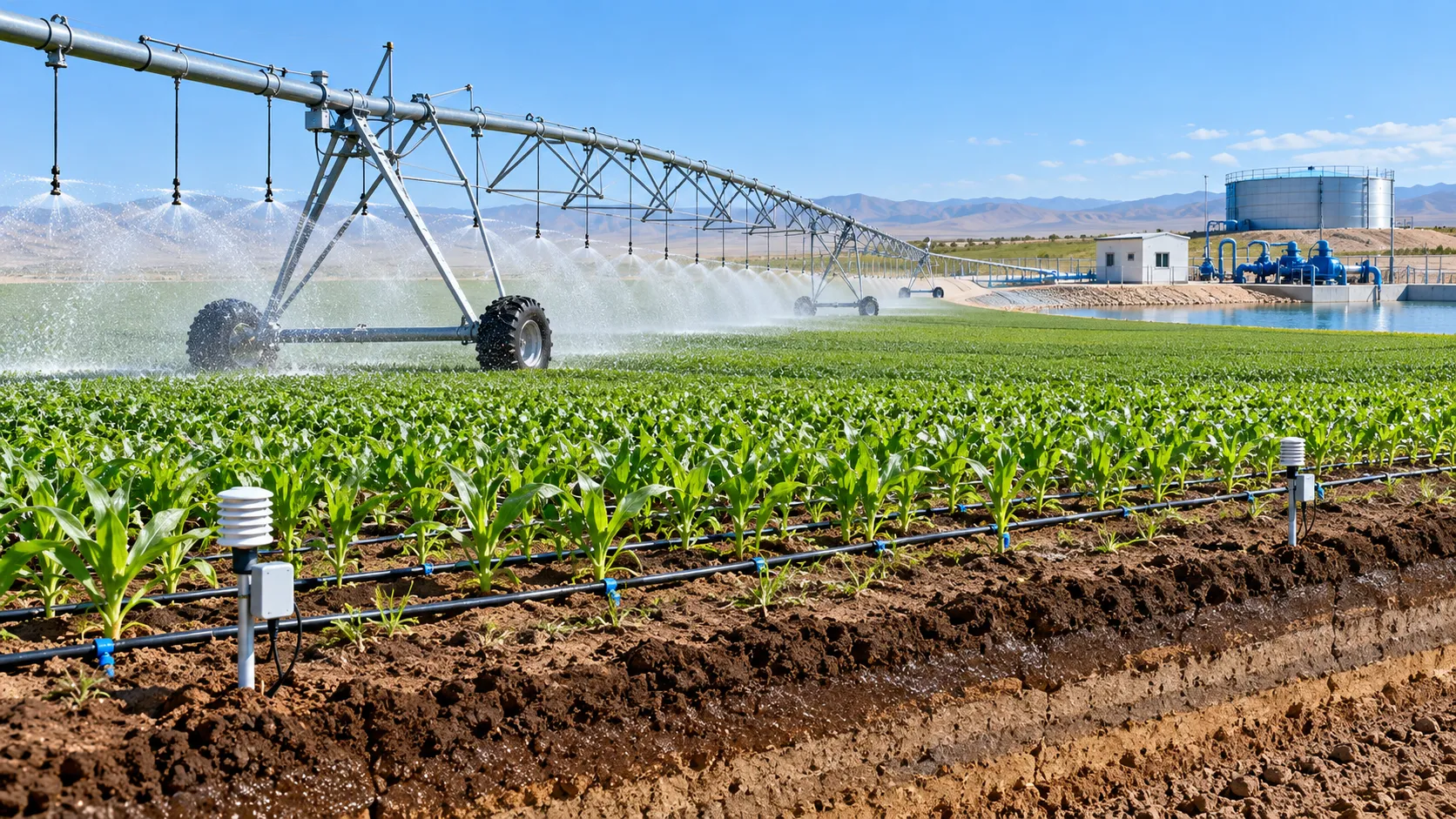
Climate-Smart Farming for Drought: A Practical Plan for Protecting Yields
Climate-smart farming for drought: build smarter water budgets, protect critical crop stages, improve irrigation uniformity, and safeguard yields with practical field-proven strategies.

How Digital Agriculture Platforms Turn Field Data Into Better Input Decisions
Digital agriculture platforms turn field data into smarter fertilizer, water, seed, and equipment decisions—helping farms cut risk, improve margins, and scale sustainability.
Related News
- 00
0000-00
GPS-Guided Farm Machinery: Where It Delivers Measurable Field Efficiency Gains - 00
0000-00
ISOBUS for Smart Agriculture: How It Connects Tractors, Implements, and Farm Data - 00
0000-00
How North American Farms Can Select Crop Monitoring Systems by Acreage and Connectivity - 00
0000-00
How Tractor Intelligence Systems Improve Field Efficiency and Input Accuracy - 00
0000-00
Which equipment for larger fields maintains accuracy at higher speeds?
Popular Tags
Tractor Power Architect
Weekly Insights
Stay ahead with our curated technology reports delivered every Monday.