
What to Check Before Choosing a Satellite-Guided Farming Equipment Supplier
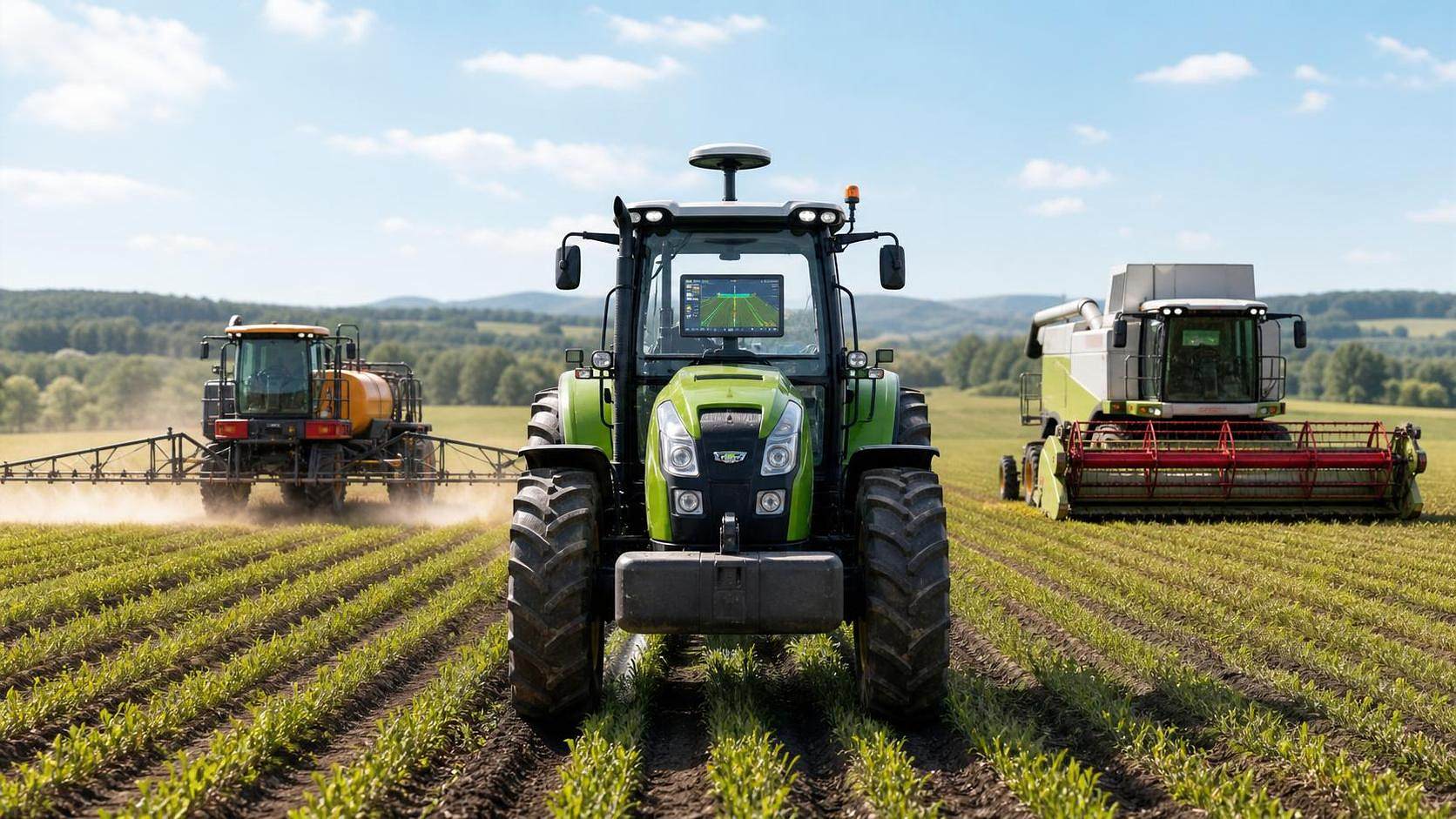




What to Check Before Choosing a Satellite-Guided Farming Equipment Supplier
Choosing the right satellite-guided farming equipment supplier can shape field accuracy, fuel use, labor efficiency, and long-term service costs.
That is why this decision should never rest on quoted price alone.
In practice, the better supplier is often the one that reduces downtime, protects guidance accuracy, and supports future upgrades.
A reliable satellite-guided farming equipment supplier should fit local conditions, machine fleets, data workflows, and seasonal operating pressure.
The checkpoints below help build a clearer procurement decision with fewer hidden risks.
Start With Field and Fleet Compatibility
Before evaluating any satellite-guided farming equipment supplier, define the operating environment in detail.
Check crop types, field size, terrain variation, working speed, and correction signal availability.
These factors affect steering precision, repeatability, and equipment selection.
Then review the existing machinery fleet.
Some suppliers perform well with new tractors but struggle with mixed-brand or older platforms.
A capable satellite-guided farming equipment supplier should explain integration limits early, not after installation begins.
- Supported tractor, sprayer, and combine models
- ISOBUS, CAN bus, and controller compatibility
- Retrofit options for older equipment
- Upgrade paths for autonomous or semi-autonomous functions
When compatibility is weak, the real cost appears later through rework, operator frustration, and missed field windows.
Verify Positioning Accuracy in Real Conditions
Accuracy claims can look impressive in brochures, but procurement decisions need field-level proof.
Ask the satellite-guided farming equipment supplier how accuracy changes under actual local conditions.
Tree lines, hills, signal interruptions, and variable weather all matter.
A stronger supplier will distinguish between pass-to-pass accuracy and long-term repeatability.
That difference becomes critical for strip-till, controlled traffic farming, and precision planting.
- Request local trial data or reference installations.
- Confirm correction services such as RTK, PPP, or SBAS.
- Check signal coverage, subscription terms, and fallback options.
- Ask how the system performs during peak seasonal traffic.
If a satellite-guided farming equipment supplier cannot explain accuracy performance clearly, treat that as a procurement warning sign.
Look Beyond Hardware to Software and Data Integration
Guidance hardware is only part of the investment.
The real value often comes from mapping, task control, prescription execution, and data sharing.
This is where supplier differences become more obvious.
A dependable satellite-guided farming equipment supplier should support clean data flow between field devices and farm management systems.
Without that, precision agriculture tools stay isolated and deliver only partial returns.
- Can guidance lines sync across multiple machines?
- Do application maps import without manual conversion?
- Are data ownership and export rights clearly defined?
- Does the platform connect with agronomy, irrigation, and telematics software?
In cost-focused purchasing, software lock-in is often underestimated. Over time, it can limit flexibility and increase switching expense.
Assess Service Capacity Before Signing
Support quality has a direct impact on uptime.
During planting, spraying, or harvest, even short delays can become expensive.
For that reason, after-sales evaluation should sit near the top of the decision process.
Ask each satellite-guided farming equipment supplier how service is organized in your region.
Some rely on strong local technicians. Others depend on distant distributors with limited response capacity.
The best satellite-guided farming equipment supplier usually proves service readiness with names, locations, stock levels, and escalation paths.
Compare Total Cost, Not Just Purchase Price
A lower initial quote can be misleading.
A proper cost review should cover the full operating life of the system.
This matters even more when guidance systems will expand across several machines.
Ask the satellite-guided farming equipment supplier for a five-year ownership view.
- Base hardware and installation cost
- Correction signal subscriptions
- Software licenses and annual renewals
- Calibration, maintenance, and replacement parts
- Training cost for new operators
- Downtime risk and emergency support charges
This comparison helps separate a cheap offer from a cost-efficient one.
In many cases, the stronger satellite-guided farming equipment supplier wins by lowering overlap, input waste, and seasonal delays.
Check Supplier Credibility and Agricultural Know-How
Not every technology vendor understands field operations deeply.
That gap often appears when systems are deployed under real working pressure.
A credible satellite-guided farming equipment supplier should show both technical competence and agricultural application knowledge.
Look for evidence, not broad marketing claims.
- Years serving precision agriculture markets
- Reference projects in similar crops and farm scales
- Partnerships with recognized machinery or ag-tech brands
- Documented compliance, warranty terms, and product traceability
It also helps to ask practical questions.
Can the supplier discuss spray overlap, headland turns, variable-rate execution, and harvest traffic patterns with confidence?
Review Scalability and Future Upgrade Options
Precision agriculture does not stand still.
A system that fits current needs may become limiting within two or three seasons.
That is why long-term flexibility deserves a dedicated review.
A forward-looking satellite-guided farming equipment supplier should support expansion into broader smart farming workflows.
- Section control and variable-rate application
- Machine-to-machine data sharing
- Autonomous steering enhancements
- Irrigation and sensor-driven decision support
- Cross-platform analytics for input and yield optimization
A scalable solution protects capital spending and keeps operations aligned with Agriculture 4.0 development.
Build a Practical Supplier Evaluation Framework
To make comparisons more objective, use a weighted scorecard.
This keeps the process grounded when several offers look similar on paper.
A simple framework can include these areas:
- Technical fit and fleet compatibility
- Positioning accuracy and correction reliability
- Software integration and data ownership
- Service coverage and training support
- Five-year total cost of ownership
- Supplier reputation and upgrade potential
Each satellite-guided farming equipment supplier should be scored against the same criteria.
That makes internal approval easier and strengthens negotiation leverage.
A strong decision usually comes from combining technical review, cost modeling, and field validation.
The right satellite-guided farming equipment supplier should improve precision today while keeping future expansion realistic and affordable.
When those checkpoints are verified carefully, procurement risk drops and the investment starts working harder from the first season.
Related News
How to Compare Agricultural Equipment Platforms for Fleet Management and ROI
Agricultural equipment platform comparison: evaluate fleet data, maintenance, precision workflows, and ROI to choose a system that delivers measurable results.
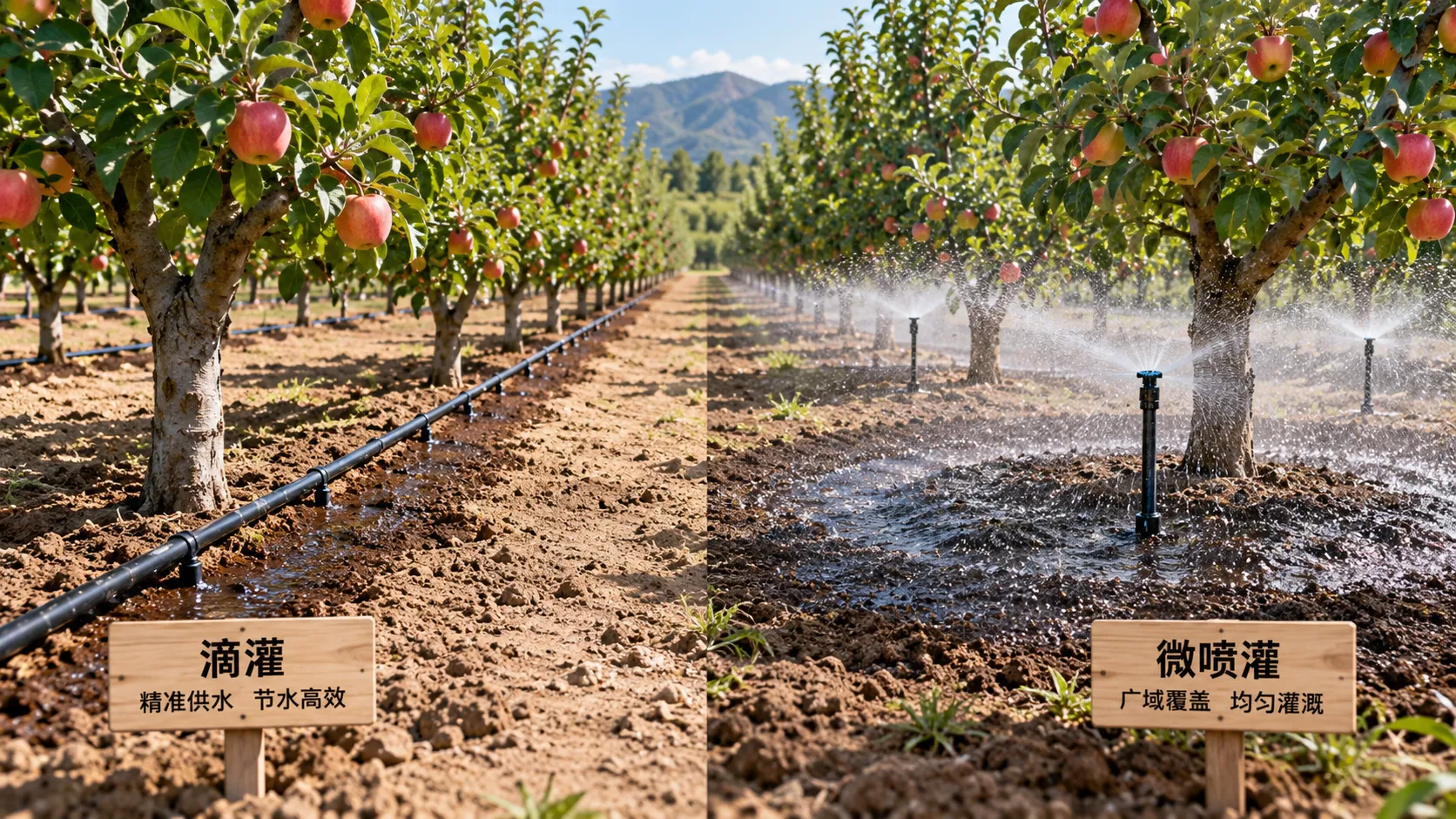
Drip vs. Micro-Sprinkler Irrigation: Which System Fits Your Orchard?
Irrigation solution comparison for orchards: discover whether drip or micro-sprinklers best match your water, soil, roots, fertigation, and frost needs.
Orchard Water Management: Using Soil Moisture Data to Schedule Irrigation
Agricultural water management for orchards made practical: use soil moisture data to optimize irrigation timing, protect yield, reduce costs, and improve resilience.
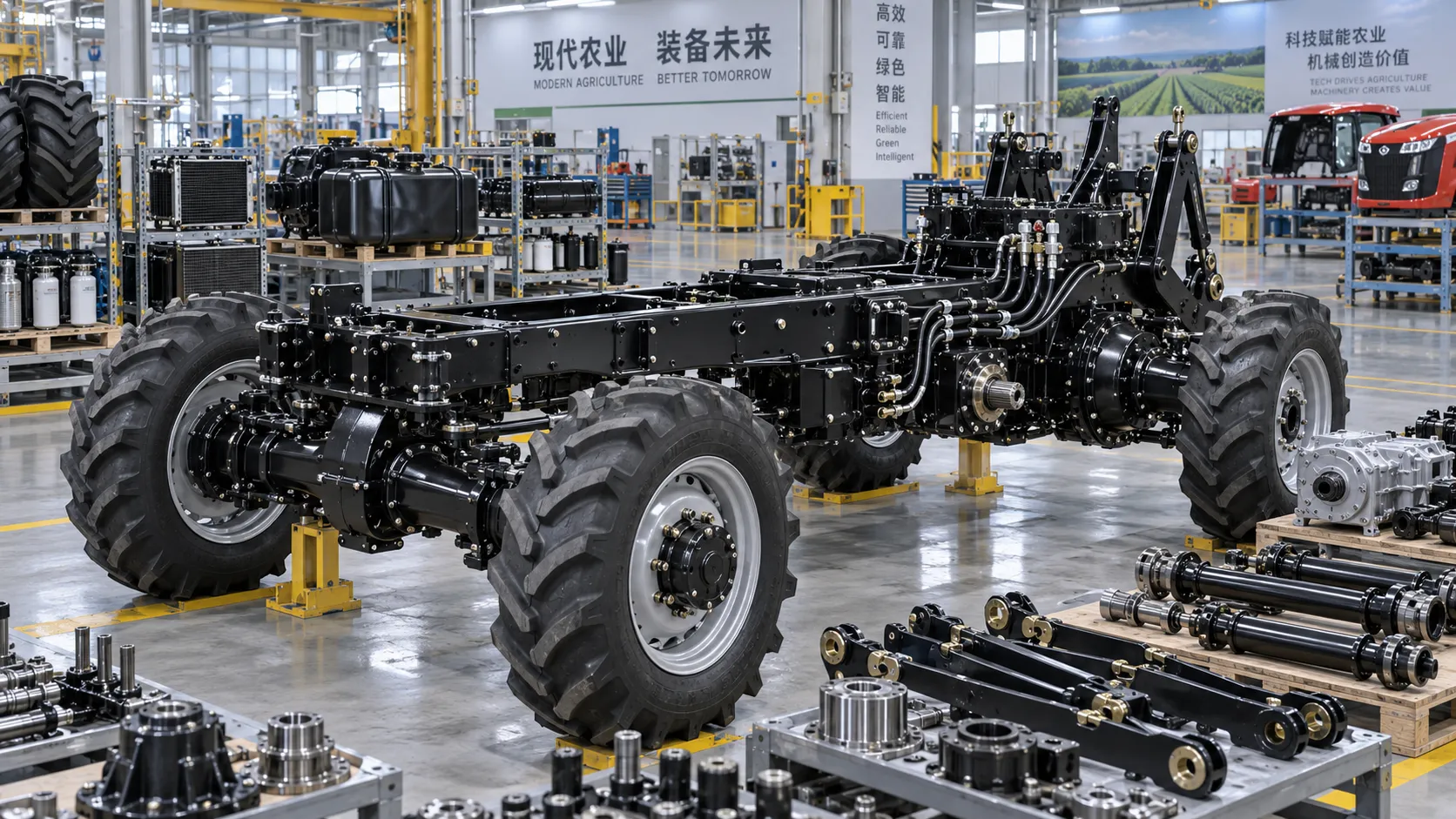
Tractor Chassis Price: What Buyers Should Compare Beyond the Initial Quote
Tractor chassis price is only the start. Compare load capacity, compatibility, durability, and lifecycle costs to choose a reliable, high-value chassis.
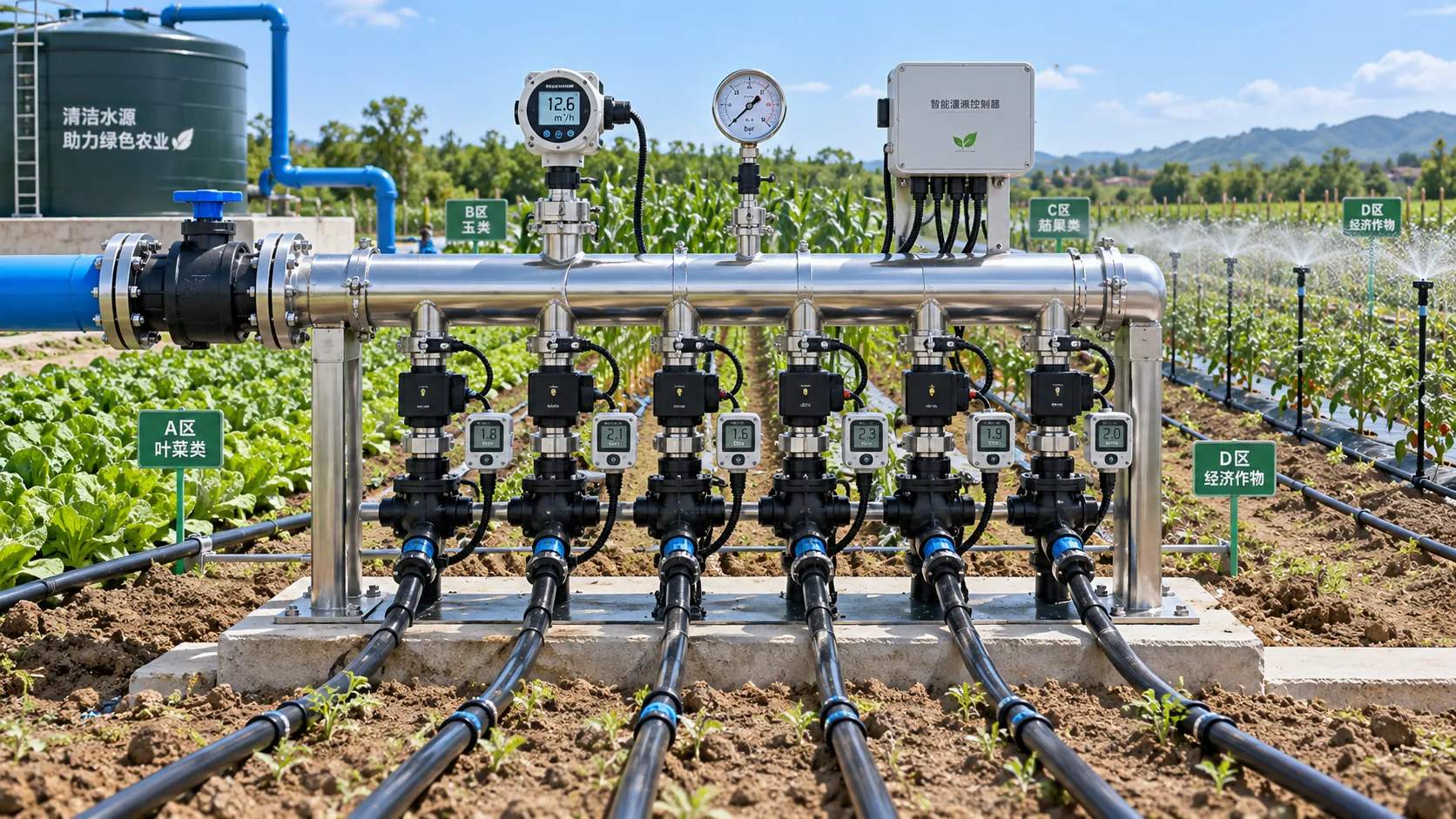
How to Select Smart Irrigation Valves for Multi-Zone Water Management?
Intelligent irrigation systems valves: learn how to match smart valves with multi-zone flow, pressure, control, feedback, and communication needs for reliable water management.
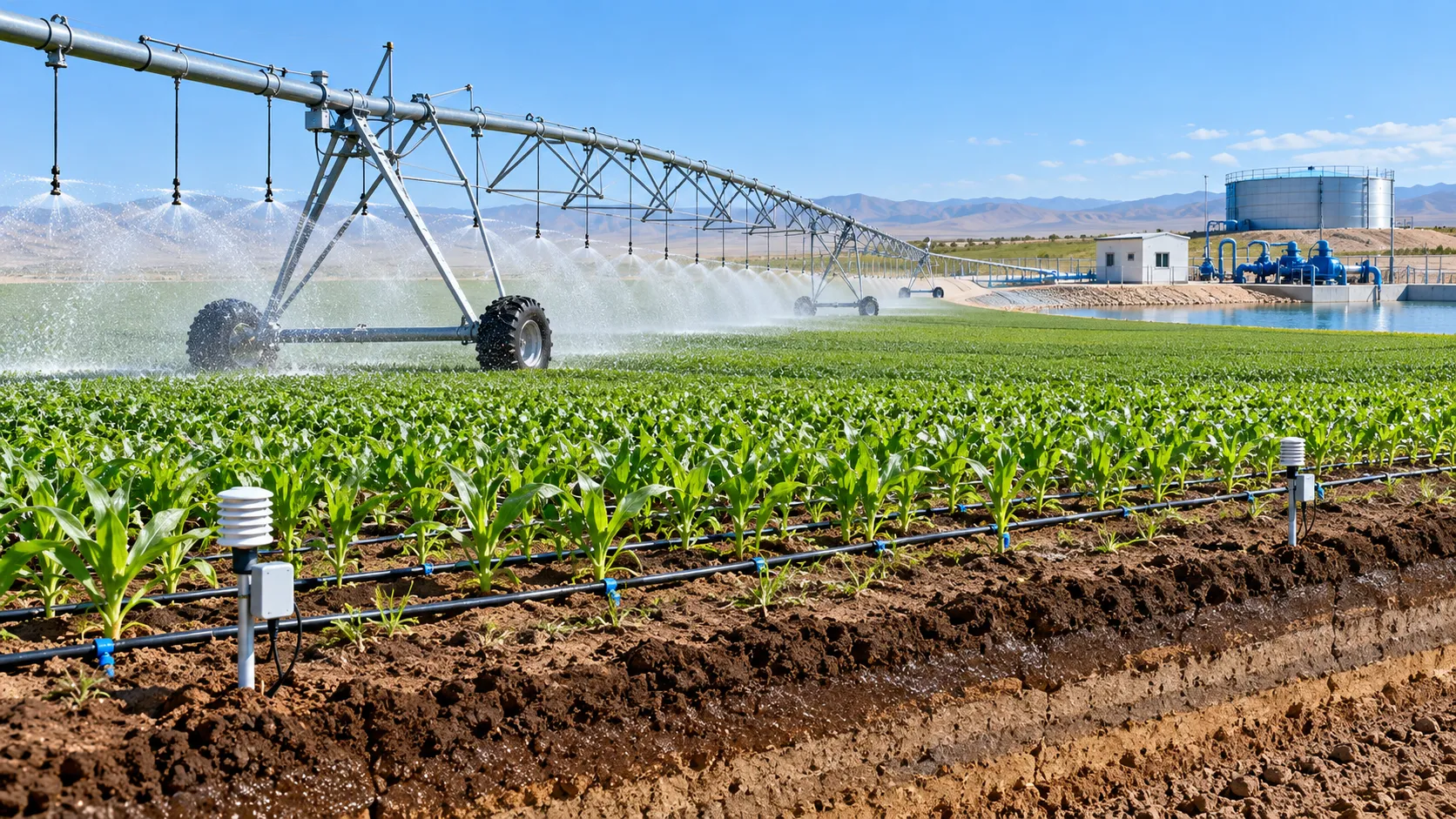
Climate-Smart Farming for Drought: A Practical Plan for Protecting Yields
Climate-smart farming for drought: build smarter water budgets, protect critical crop stages, improve irrigation uniformity, and safeguard yields with practical field-proven strategies.
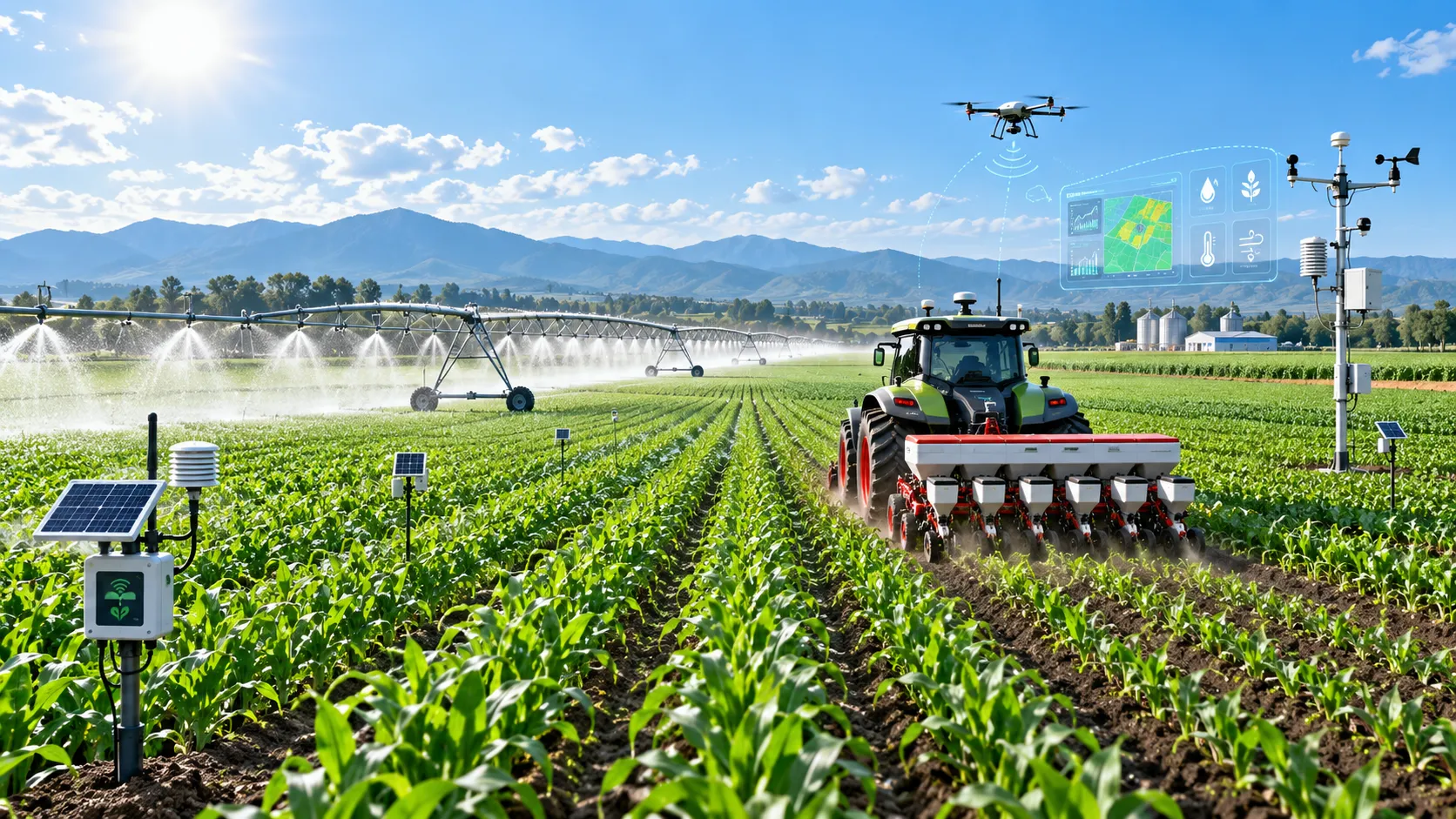
How Digital Agriculture Platforms Turn Field Data Into Better Input Decisions
Digital agriculture platforms turn field data into smarter fertilizer, water, seed, and equipment decisions—helping farms cut risk, improve margins, and scale sustainability.
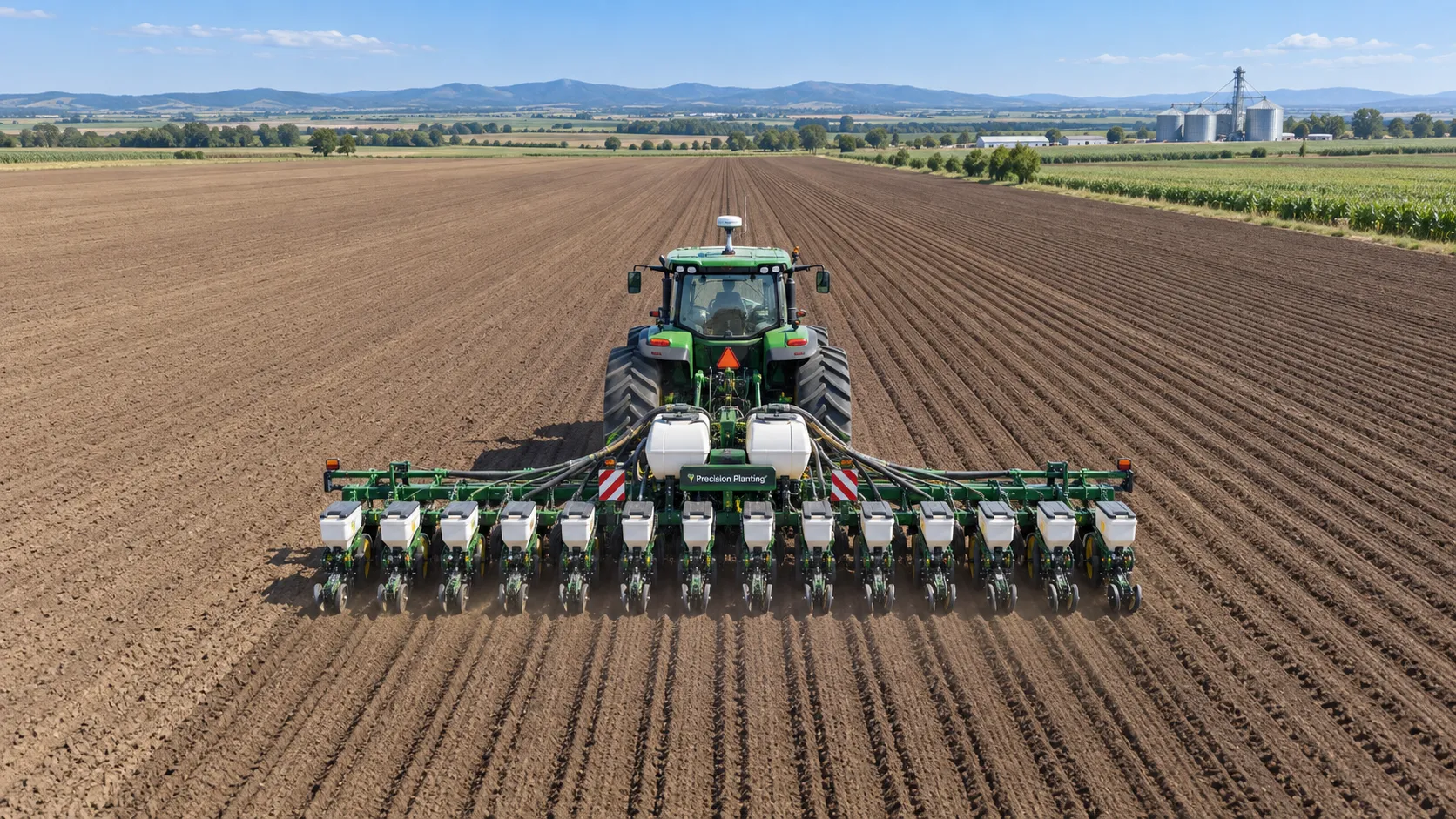
GPS-Guided Farm Machinery: Where It Delivers Measurable Field Efficiency Gains
Agri-mechanization GPS guided systems deliver measurable field efficiency gains through reduced overlap, precise planting, smarter inputs, and reliable farm data.
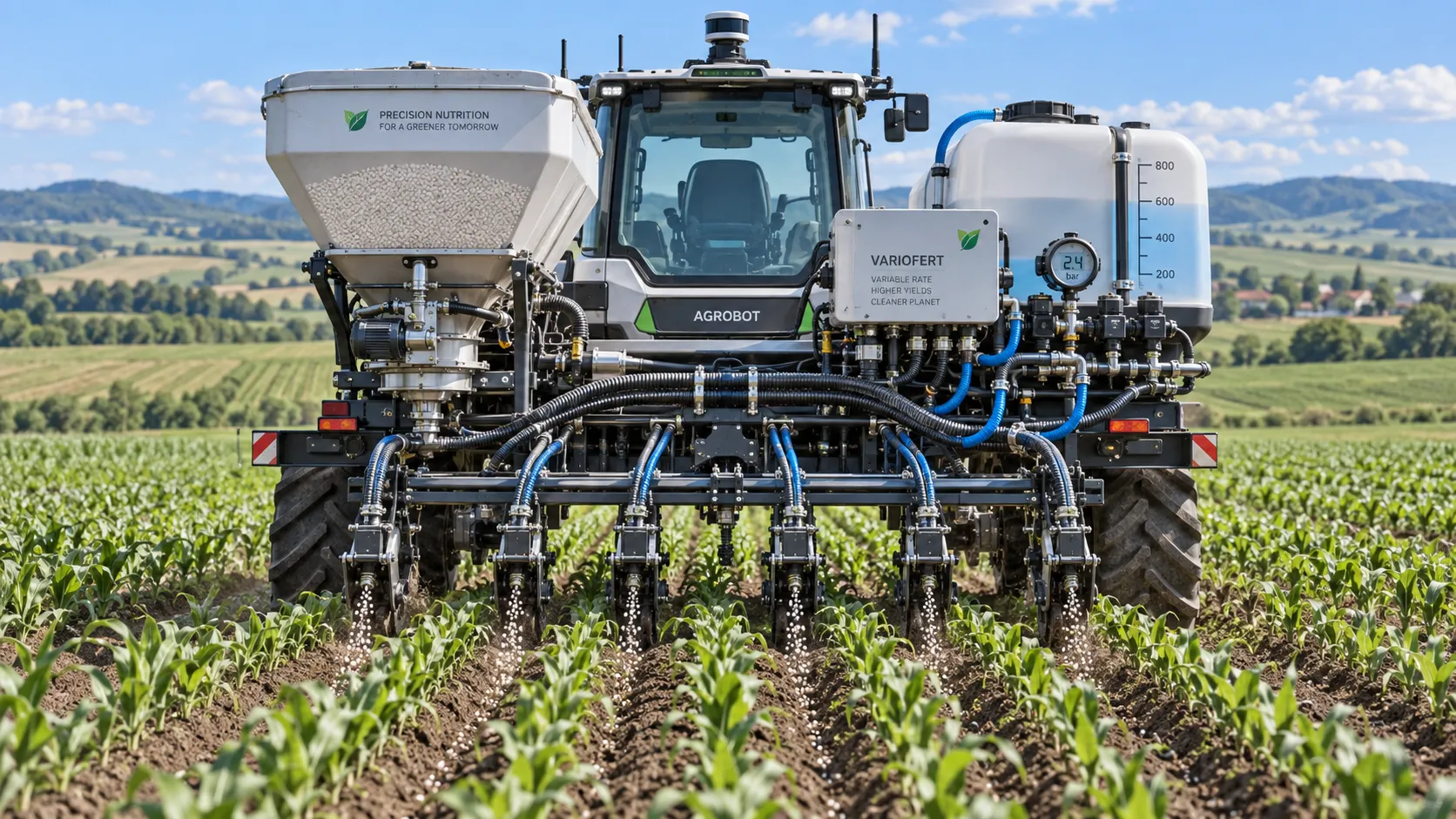
How Sensor Feedback Enables Accurate Variable-Rate Fertilization in Field Conditions
Precision fertilization systems with sensor feedback improve variable-rate accuracy by verifying flow, managing latency, and ensuring reliable field application.
Related News
- 00
0000-00
GPS-Guided Farm Machinery: Where It Delivers Measurable Field Efficiency Gains - 00
0000-00
ISOBUS for Smart Agriculture: How It Connects Tractors, Implements, and Farm Data - 00
0000-00
How North American Farms Can Select Crop Monitoring Systems by Acreage and Connectivity - 00
0000-00
How Tractor Intelligence Systems Improve Field Efficiency and Input Accuracy - 00
0000-00
Which equipment for larger fields maintains accuracy at higher speeds?
Popular Tags
Tractor Power Architect
Weekly Insights
Stay ahead with our curated technology reports delivered every Monday.