
ANVISA Extends Threshing Systems Filing Window
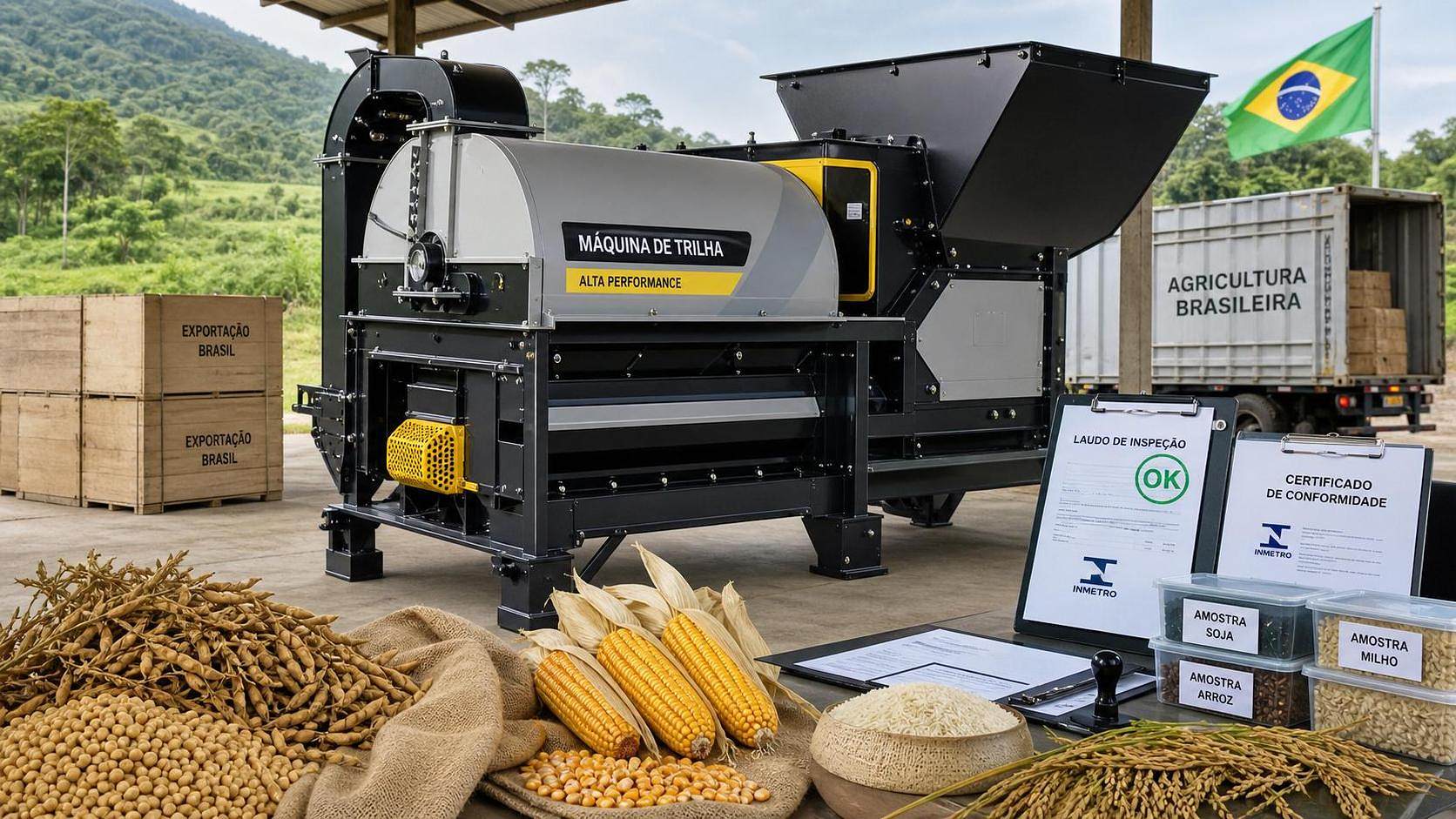




On July 7, 2026, Brazil’s ANVISA issued Interim Notice No. 189/2026, extending the mandatory filing deadline for AI biosafety mapping for threshing systems from July 15 to October 15. For agricultural machinery exporters, compliance teams, testing service providers, and buyers managing Brazil-bound deliveries, the update matters because it eases immediate shipment pressure while also clarifying that filing data must cover soybean, corn, and rice threshing scenarios.
What the notice changes
According to the information provided, ANVISA extended the filing window for mandatory AI biosafety mapping registration for threshing systems to October 15, 2026. The original deadline had been set for July 15. The same notice also states that localized mapping generation reports issued by CNAS-accredited laboratories in China will be accepted. At the same time, the filing data is required to cover three major grain crop threshing scenarios: soybeans, corn, and rice.
Where the operational impact is likely to appear
Export deliveries gain time, but not less scope
From an industry perspective, exporters of agricultural machinery to Brazil are likely to feel the most immediate effect in delivery scheduling and compliance preparation. The extension may reduce near-term shipment bottlenecks, but the requirement itself has not been removed. What deserves closer attention is that the accepted filing package must still include coverage for soybean, corn, and rice threshing scenarios, which keeps the technical workload substantial.
Testing and documentation workflows become more central
For laboratories and compliance service providers, the explicit acceptance of reports from CNAS-accredited laboratories in China may change how documentation is prepared and coordinated. The likely impact is not only on report issuance, but also on how manufacturers organize localized mapping evidence for Brazil-facing submissions. The key point to monitor is whether documentation quality and scope align with the three-crop coverage requirement.
Buyers and channel partners may adjust timing expectations
Procurement teams, importers, and distribution partners involved in Brazil-related business may need to revisit delivery expectations and document checkpoints. Analysis shows the extension can relieve immediate execution pressure, but it may also shift attention to whether each filing package is complete enough for the revised window rather than simply submitted quickly.
What companies should focus on now
Track the exact wording of follow-on regulatory communication
Analysis shows companies should pay close attention to any further official clarification linked to Interim Notice No. 189/2026. The extension changes timing, but practical execution often depends on how filing scope, document format, and review expectations are described in subsequent communication.
Confirm three-scenario data coverage early
What deserves closer attention is the stated requirement that filing data cover soybean, corn, and rice threshing scenarios. Companies preparing submissions should treat this as a core compliance condition rather than an accessory detail, especially where existing technical materials were developed around a narrower operational scenario.
Review laboratory qualifications and report usability
The acceptance of localized mapping generation reports from CNAS-accredited laboratories in China creates a practical route for documentation, but companies still need to verify that the selected laboratory credentials and report contents match the Brazilian filing need. In operational terms, this affects supplier selection, document planning, and internal review timing.
Separate policy relief from delivery certainty
Observably, the notice reduces short-term timing pressure, but it should not be read as an automatic guarantee of smooth shipment or registration completion. Manufacturers, exporters, and customer-facing teams may need to prepare clearer communication around filing progress, document readiness, and possible lead-time adjustments.
Why this looks like a transitional compliance signal
As an editorial observation, this update is better understood as a short-term regulatory adjustment with immediate operational value rather than a final signal that compliance conditions are becoming looser. The extended deadline provides more time, and the acceptance of CNAS-accredited Chinese laboratory reports adds a clearer implementation path. At the same time, the explicit three-crop scenario requirement shows that ANVISA is still defining compliance in a detailed and application-specific way. For that reason, the industry still needs to watch how this requirement is applied in practice.
How to read the current development
At this stage, the development is most appropriately understood as a targeted easing of filing timing combined with a clearer technical documentation path. It may help reduce immediate delivery pressure in China-Brazil agricultural machinery trade, but it does not reduce the need for complete and scenario-based filing data. The more neutral reading is that the rule change improves execution conditions in the near term while leaving the broader compliance burden in place.
About the basis of this article
This article is based on the user-provided news title, event date, and event summary. For this type of industry update, commonly relevant source categories may include official notices, company disclosures, industry association updates, authoritative media coverage, and standard-setting documents. A specific official source link was not provided in the input, so the exact source document path still requires ongoing verification. The main follow-up point to watch is whether ANVISA issues further clarification on filing practice, document expectations, or review application under Interim Notice No. 189/2026.
Related News
How to Compare Agricultural Equipment Platforms for Fleet Management and ROI
Agricultural equipment platform comparison: evaluate fleet data, maintenance, precision workflows, and ROI to choose a system that delivers measurable results.
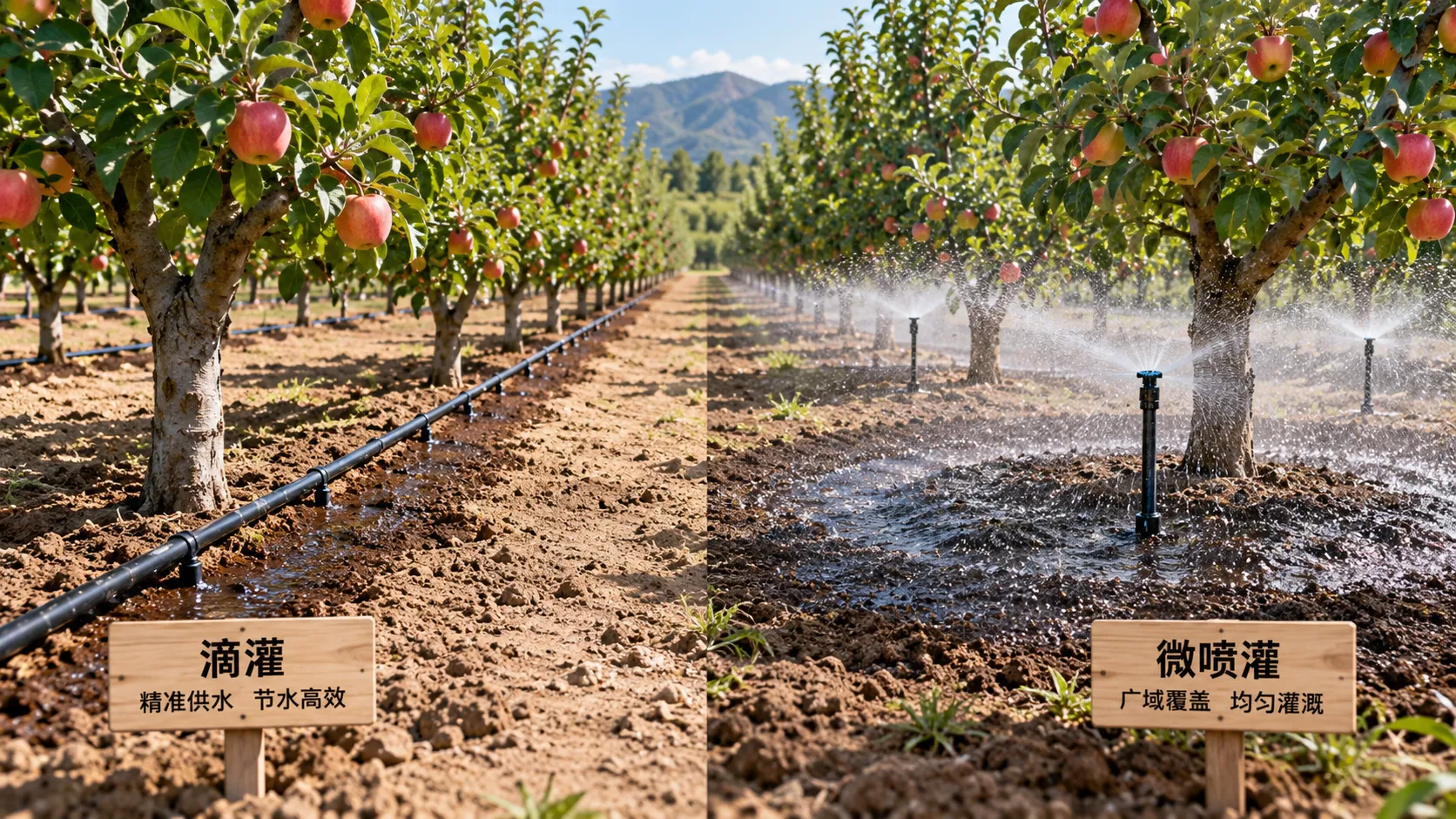
Drip vs. Micro-Sprinkler Irrigation: Which System Fits Your Orchard?
Irrigation solution comparison for orchards: discover whether drip or micro-sprinklers best match your water, soil, roots, fertigation, and frost needs.
Orchard Water Management: Using Soil Moisture Data to Schedule Irrigation
Agricultural water management for orchards made practical: use soil moisture data to optimize irrigation timing, protect yield, reduce costs, and improve resilience.

Tractor Chassis Price: What Buyers Should Compare Beyond the Initial Quote
Tractor chassis price is only the start. Compare load capacity, compatibility, durability, and lifecycle costs to choose a reliable, high-value chassis.
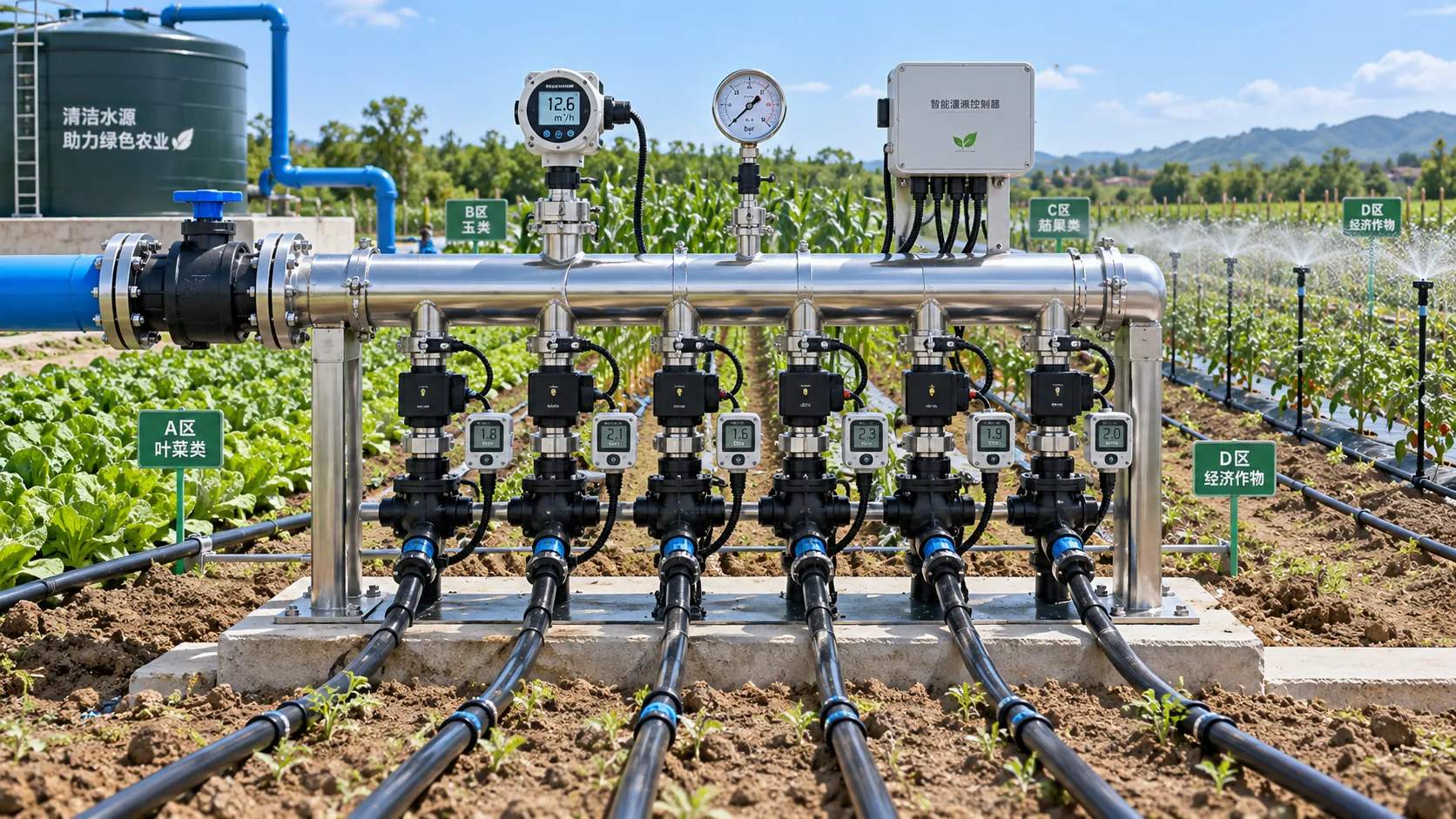
How to Select Smart Irrigation Valves for Multi-Zone Water Management?
Intelligent irrigation systems valves: learn how to match smart valves with multi-zone flow, pressure, control, feedback, and communication needs for reliable water management.
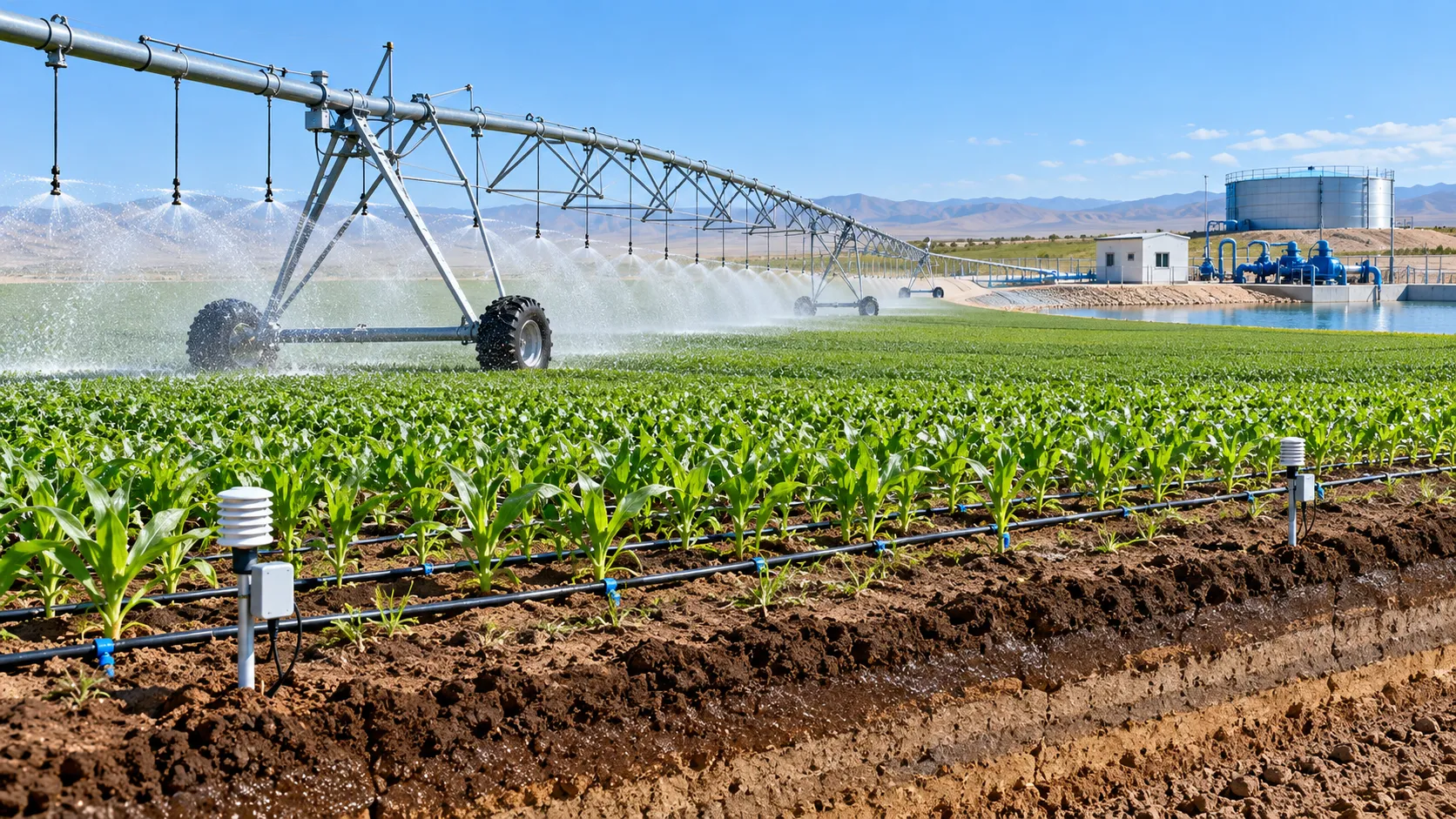
Climate-Smart Farming for Drought: A Practical Plan for Protecting Yields
Climate-smart farming for drought: build smarter water budgets, protect critical crop stages, improve irrigation uniformity, and safeguard yields with practical field-proven strategies.
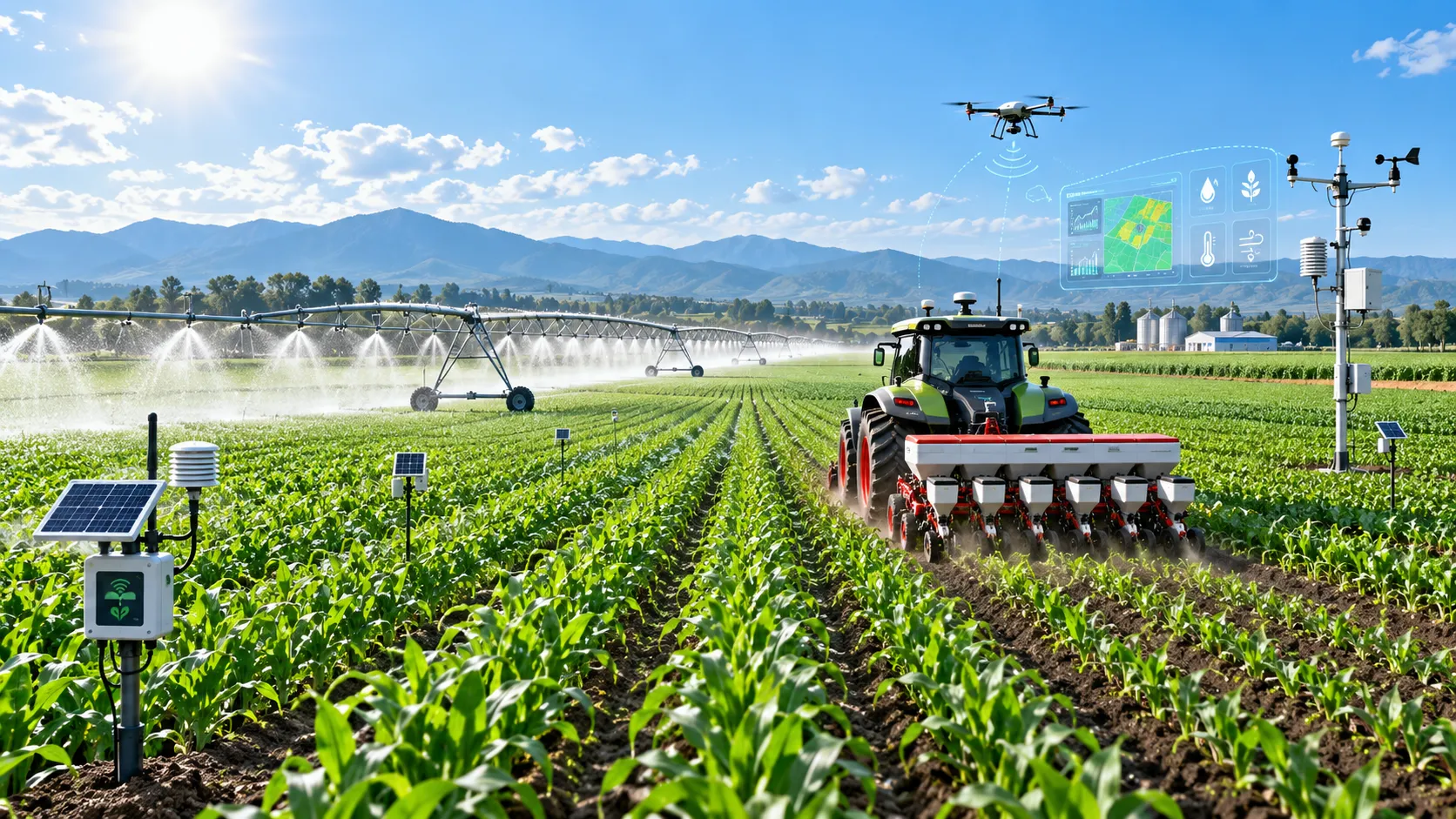
How Digital Agriculture Platforms Turn Field Data Into Better Input Decisions
Digital agriculture platforms turn field data into smarter fertilizer, water, seed, and equipment decisions—helping farms cut risk, improve margins, and scale sustainability.
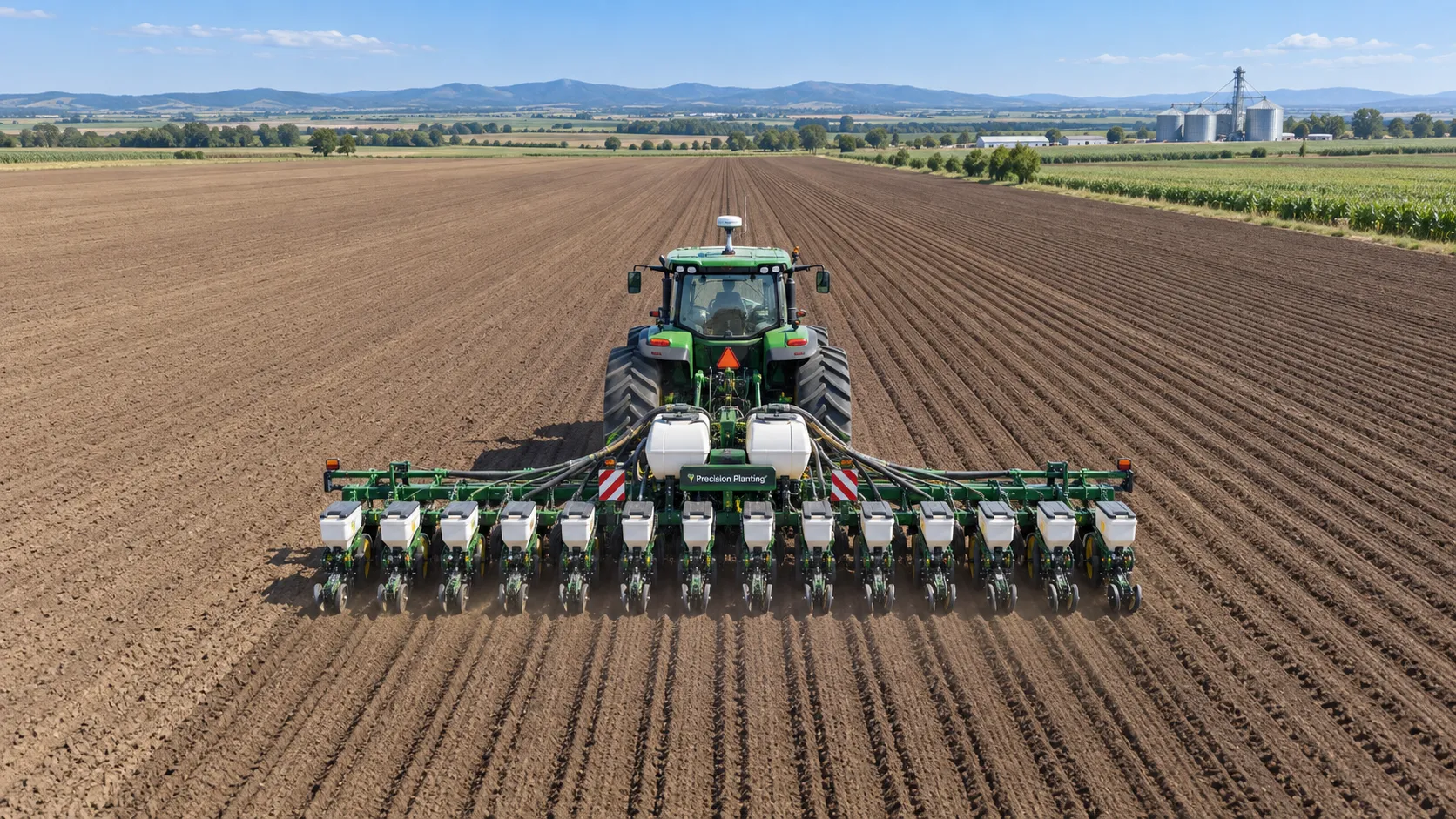
GPS-Guided Farm Machinery: Where It Delivers Measurable Field Efficiency Gains
Agri-mechanization GPS guided systems deliver measurable field efficiency gains through reduced overlap, precise planting, smarter inputs, and reliable farm data.
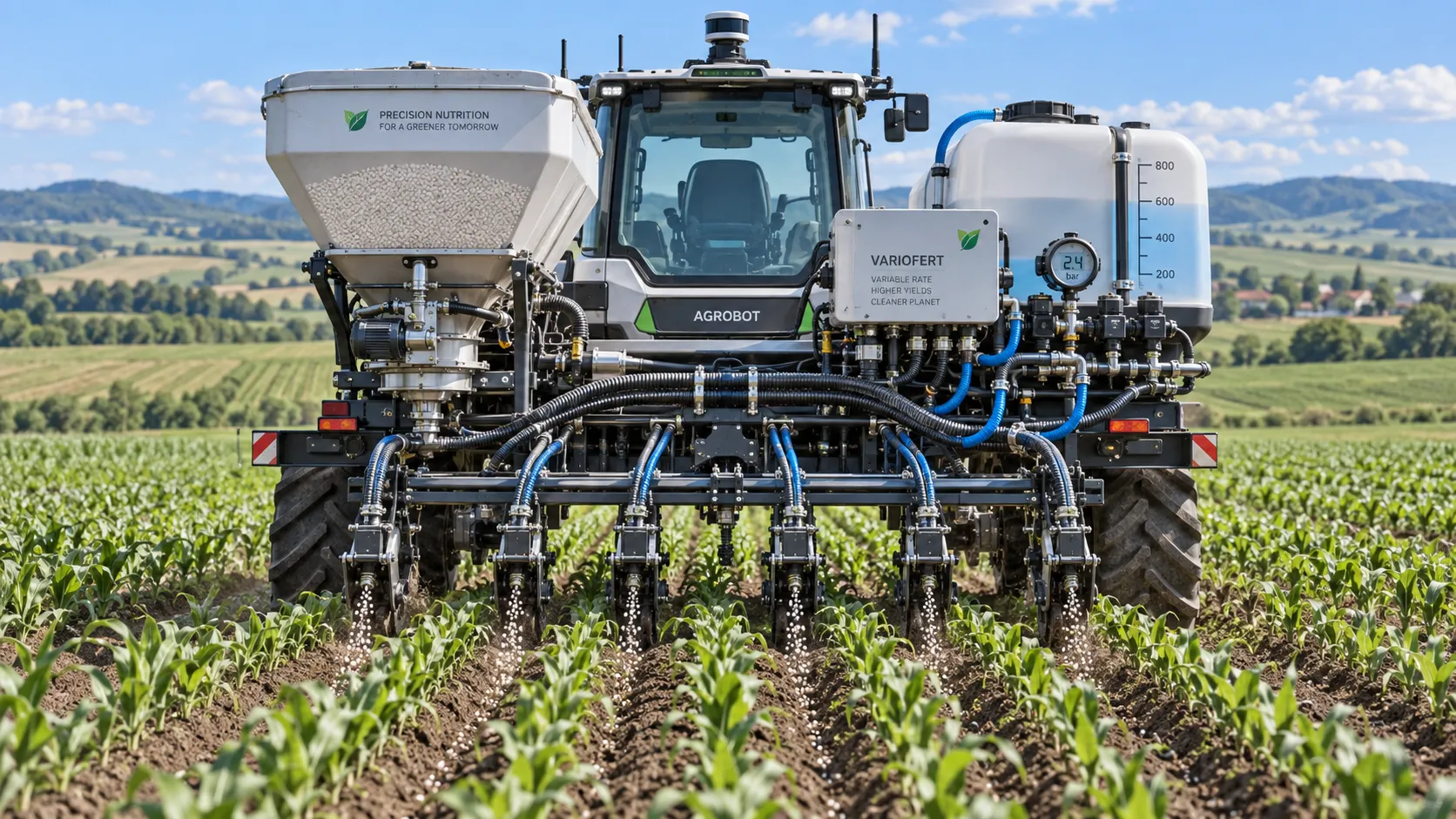
How Sensor Feedback Enables Accurate Variable-Rate Fertilization in Field Conditions
Precision fertilization systems with sensor feedback improve variable-rate accuracy by verifying flow, managing latency, and ensuring reliable field application.
Related News
- 00
0000-00
What Harvesting Machinery Works Best for Small Grains on Hills? - 00
0000-00
GRIMME Tianjin Signs to Join Changchun Agricultural Machinery Expo Center - 00
0000-00
Vietnam Mandates Vietnamese Energy Labels for Imported Threshing Systems - 00
0000-00
Crop Harvesting Solutions for Wheat: Which System Fits Yield, Moisture, and Field Size? - 00
0000-00
ANVISA Extends Threshing Systems Filing Window
Popular Tags
Harvesting Efficiency Expert
Weekly Insights
Stay ahead with our curated technology reports delivered every Monday.