
Agricultural Machinery Intelligence for Combines: Key Functions, Sensors, and Upgrade Paths





Agricultural machinery intelligence for combines has moved well beyond optional electronics. It now shapes harvest speed, grain loss control, uptime, operator consistency, and the quality of field data feeding broader farm decisions.
For operations managing tight harvest windows, mixed crop conditions, and rising capital pressure, intelligence is no longer a side feature. It is part of how combine fleets protect margins and reduce avoidable risk.
That shift matters across the wider agricultural equipment market. It links machine performance, precision farming workflows, service planning, and sustainability targets in one operating layer.
Seen through AP-Strategy’s Agriculture 4.0 lens, the real value lies in connecting mechanical systems with sensor feedback, usable analytics, and practical upgrade paths for both new and legacy machines.
What combine intelligence really includes
At its core, agricultural machinery intelligence for combines means turning harvesting equipment into a monitored, responsive, data-producing asset.
That includes onboard sensing, controller logic, guidance support, telematics, and post-harvest data analysis. The machine does not simply cut and thresh. It reports, adjusts, warns, and documents.
The strongest systems do not chase automation for its own sake. They focus on measurable outcomes: lower losses, cleaner grain, steadier throughput, less operator fatigue, and better maintenance timing.
This is why agricultural machinery intelligence for combines is increasingly discussed alongside tractor platforms, intelligent implements, and smart irrigation networks. Data continuity matters across the whole operation.
Why the market is paying closer attention
Harvest remains one of the most time-sensitive stages in crop production. A narrow weather window can quickly expose weak machine visibility and slow decision cycles.
Input costs, labor constraints, and stricter expectations around fuel use and residue management are adding pressure. In that setting, intelligence functions support both productivity and discipline.
There is also a commercial reason. Buyers increasingly want machines that hold value through software updates, modular sensors, and retrofit compatibility instead of fixed hardware limits.
AP-Strategy tracks this as part of a broader structural change. Equipment decisions are being judged not only by horsepower or header size, but by how well machines fit data-driven operating models.
Key functions that matter in the field
Not every digital feature has equal value. In practical use, a few core functions usually determine whether agricultural machinery intelligence for combines delivers a real return.
Loss monitoring and cleaning performance
Grain loss sensors help detect material leaving the machine. That information becomes useful when tied to cleaning fan speed, sieve settings, and crop conditions.
Advanced systems can recommend or automate setting changes. This is especially valuable when moisture, yield density, or residue load shifts across the field.
Yield and moisture mapping
Yield sensors and moisture sensors transform the combine into a field intelligence node. The data supports hybrid selection reviews, fertility planning, storage decisions, and future prescription strategies.
The quality of these maps depends on calibration discipline. Poor calibration can create confidence in numbers that are directionally wrong.
Guidance and path efficiency
GNSS-based guidance reduces overlap, supports cleaner harvest patterns, and helps maintain consistency in low visibility or long shifts.
When paired with header position sensing and machine logging, it improves field coverage records and can simplify later analysis.
Machine health and remote diagnostics
Telematics platforms monitor engine load, hydraulic behavior, fuel burn, temperatures, and fault codes. Their value appears when service teams can act before a breakdown stops harvest.
Remote diagnostics also help standardize support across dispersed fleets, which is increasingly relevant in large-scale operations and cross-region dealer networks.
Sensor architecture behind combine intelligence
The phrase agricultural machinery intelligence for combines often sounds software-heavy, but the foundation is still physical sensing. Better data begins with sensor placement, durability, and signal reliability.
The sensor stack should be evaluated as a system. A strong yield sensor cannot compensate for weak positioning, irregular calibration, or missing data transfer protocols.
Where intelligence creates business value
The best case for agricultural machinery intelligence for combines is usually operational rather than theoretical. The numbers show up in field efficiency, support cost, and decision quality.
- Reduced hidden grain loss during variable crop conditions.
- Fewer interruptions caused by preventable component stress.
- Stronger evidence for fleet replacement and asset deployment timing.
- Better linkage between harvest data and agronomic planning.
- Improved consistency across operators, shifts, and geographies.
This wider value is why intelligence decisions should not be isolated inside the harvesting budget alone. They affect agronomy, grain handling, service organization, and long-cycle capital strategy.
Upgrade paths for legacy combine fleets
Many fleets do not need full machine replacement to benefit from agricultural machinery intelligence for combines. Retrofit pathways are becoming more credible, especially where core mechanical life remains strong.
A staged approach often works better than a full digital conversion in one season.
Entry-level retrofit
Start with guidance, telematics, and basic machine health monitoring. This creates visibility without major machine redesign.
Performance-focused retrofit
Add loss sensors, yield monitoring, moisture sensing, and better in-cab interfaces. This layer begins to change harvest decision quality.
Integrated upgrade
Connect the combine to farm management software, service support systems, and cross-machine data platforms. At this point, the combine becomes part of a coordinated digital workflow.
The practical constraint is compatibility. Legacy electrical architecture, controller limits, and cab ergonomics can restrict retrofit value. A clean upgrade plan should test integration before broad deployment.
What to check before committing capital
Not all intelligence packages are equal, even when feature lists look similar. Decision quality improves when evaluation criteria are specific.
- Sensor accuracy under dust, vibration, and uneven crop flow.
- Ease of calibration during peak harvest pressure.
- Interoperability with existing tractors, implements, and software.
- Remote service response and diagnostic depth.
- Data ownership, export options, and platform lock-in risk.
- Upgradeability over a five to seven year equipment cycle.
AP-Strategy’s market view is that intelligence should be judged by operating fit, not just feature count. A simpler system with reliable adoption can outperform a richer platform that remains underused.
A practical direction for the next decision cycle
Agricultural machinery intelligence for combines is becoming a core part of how harvest performance is measured and improved. The strongest strategies begin with field pain points, not software ambition.
A useful next step is to map current loss visibility, calibration discipline, service delays, and data gaps across the combine fleet. That baseline makes upgrade choices easier to compare.
From there, it becomes possible to separate essential functions from optional ones, assess retrofit viability, and align intelligence investments with broader machinery and sustainability goals.
In a market where harvest efficiency, agronomic precision, and capital discipline are increasingly connected, agricultural machinery intelligence for combines deserves to be treated as an operating framework, not just a technical add-on.
Related News
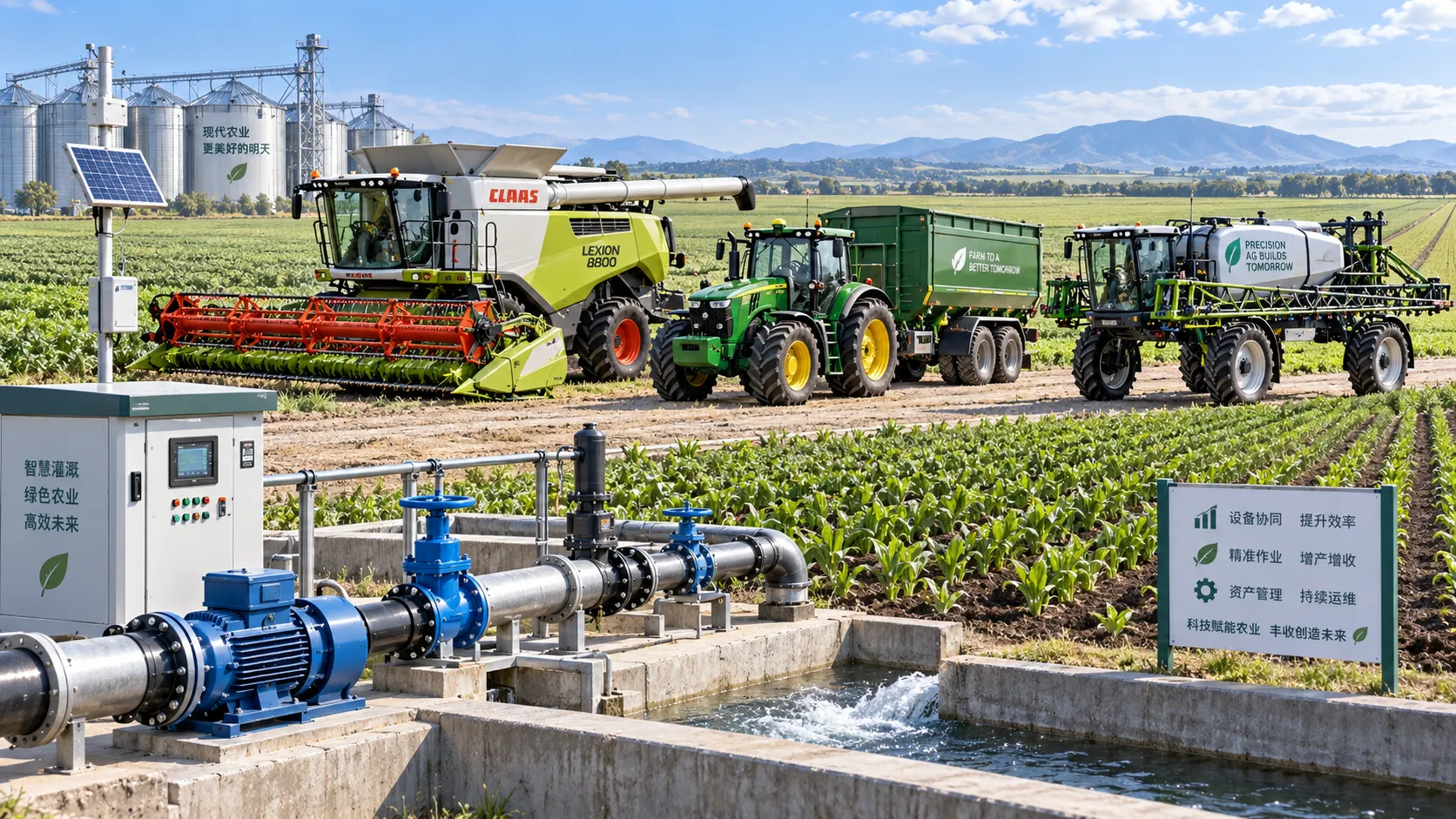
How to Compare Agricultural Equipment Platforms for Fleet Management and ROI
Agricultural equipment platform comparison: evaluate fleet data, maintenance, precision workflows, and ROI to choose a system that delivers measurable results.
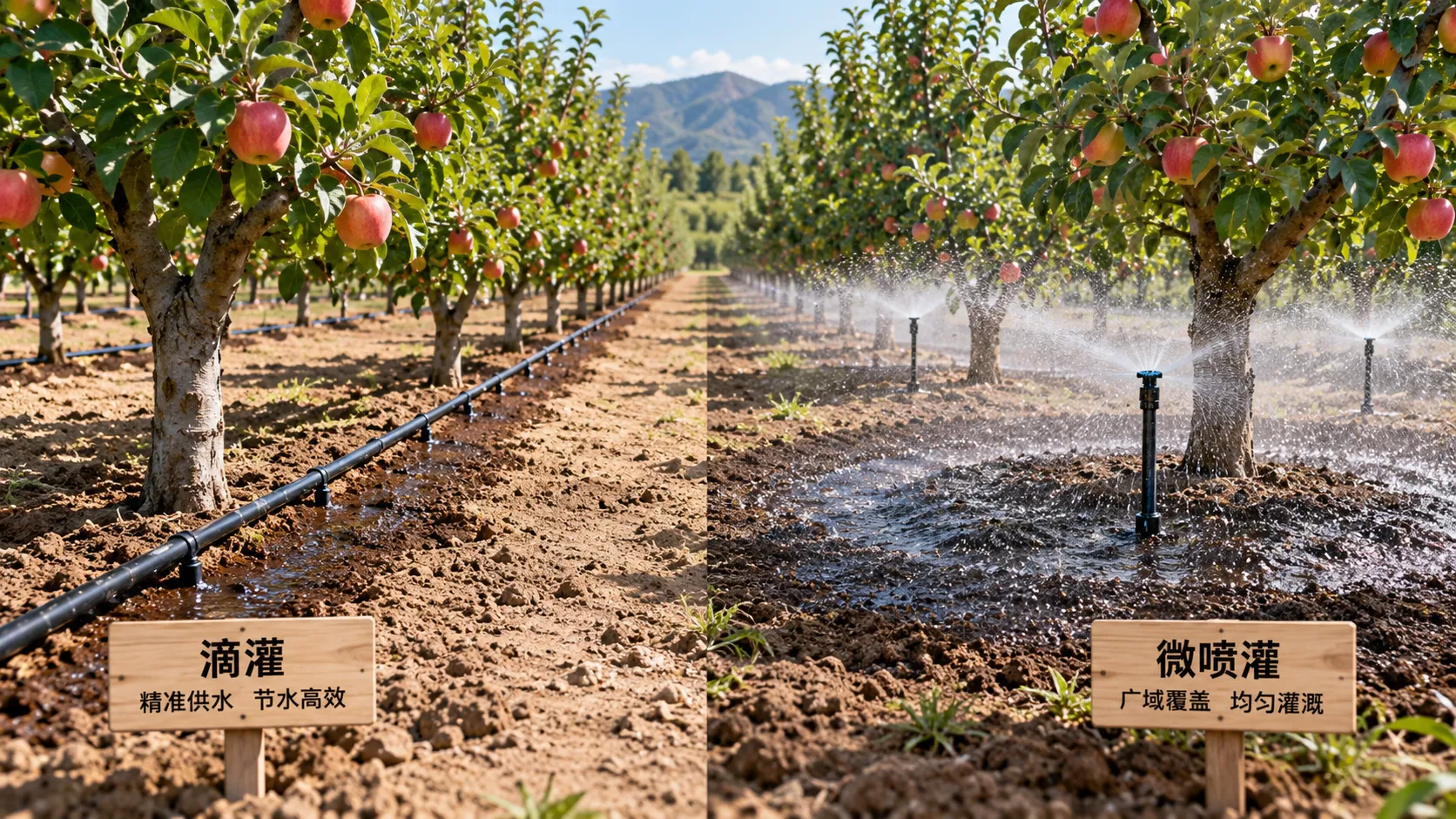
Drip vs. Micro-Sprinkler Irrigation: Which System Fits Your Orchard?
Irrigation solution comparison for orchards: discover whether drip or micro-sprinklers best match your water, soil, roots, fertigation, and frost needs.
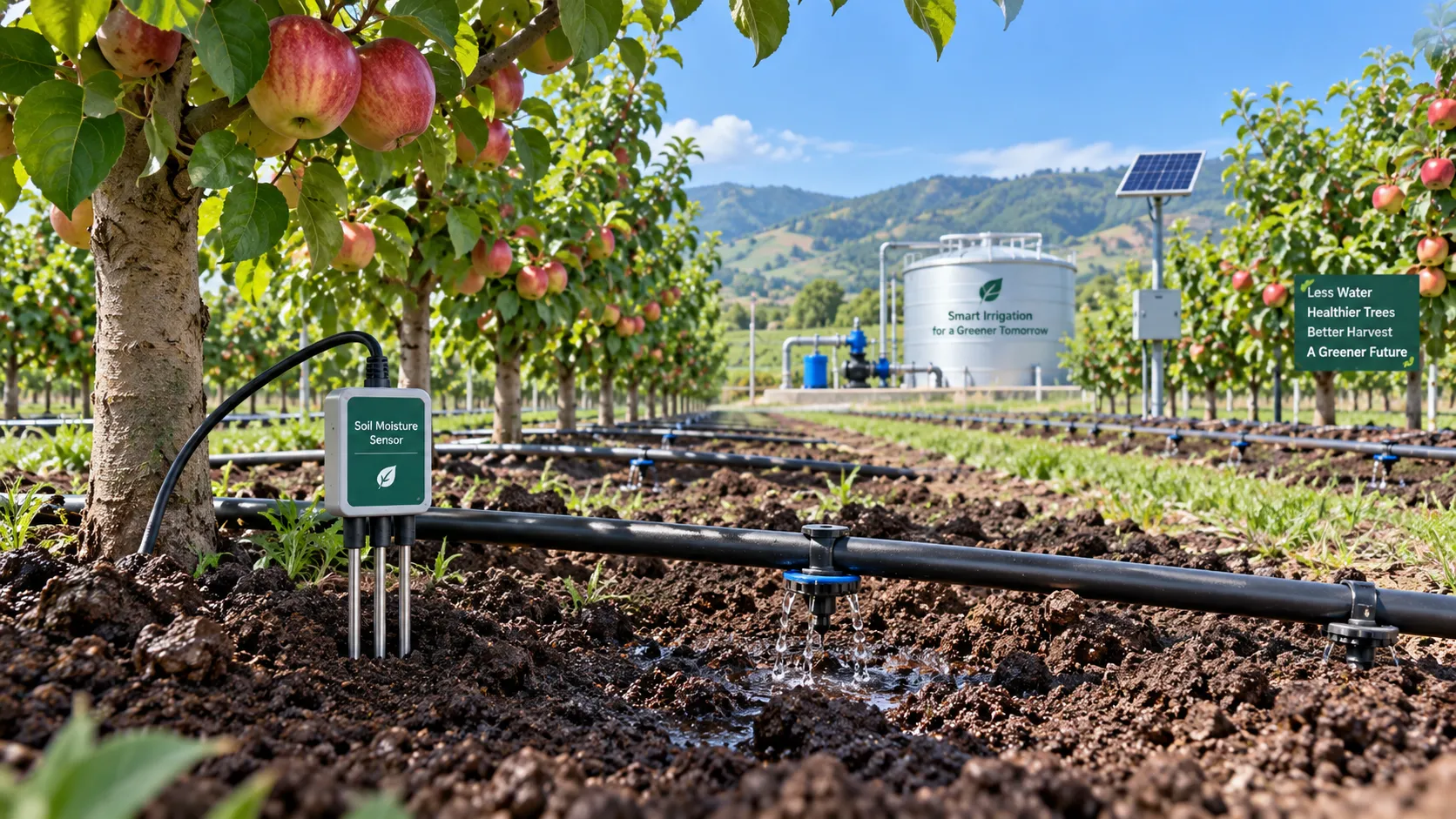
Orchard Water Management: Using Soil Moisture Data to Schedule Irrigation
Agricultural water management for orchards made practical: use soil moisture data to optimize irrigation timing, protect yield, reduce costs, and improve resilience.
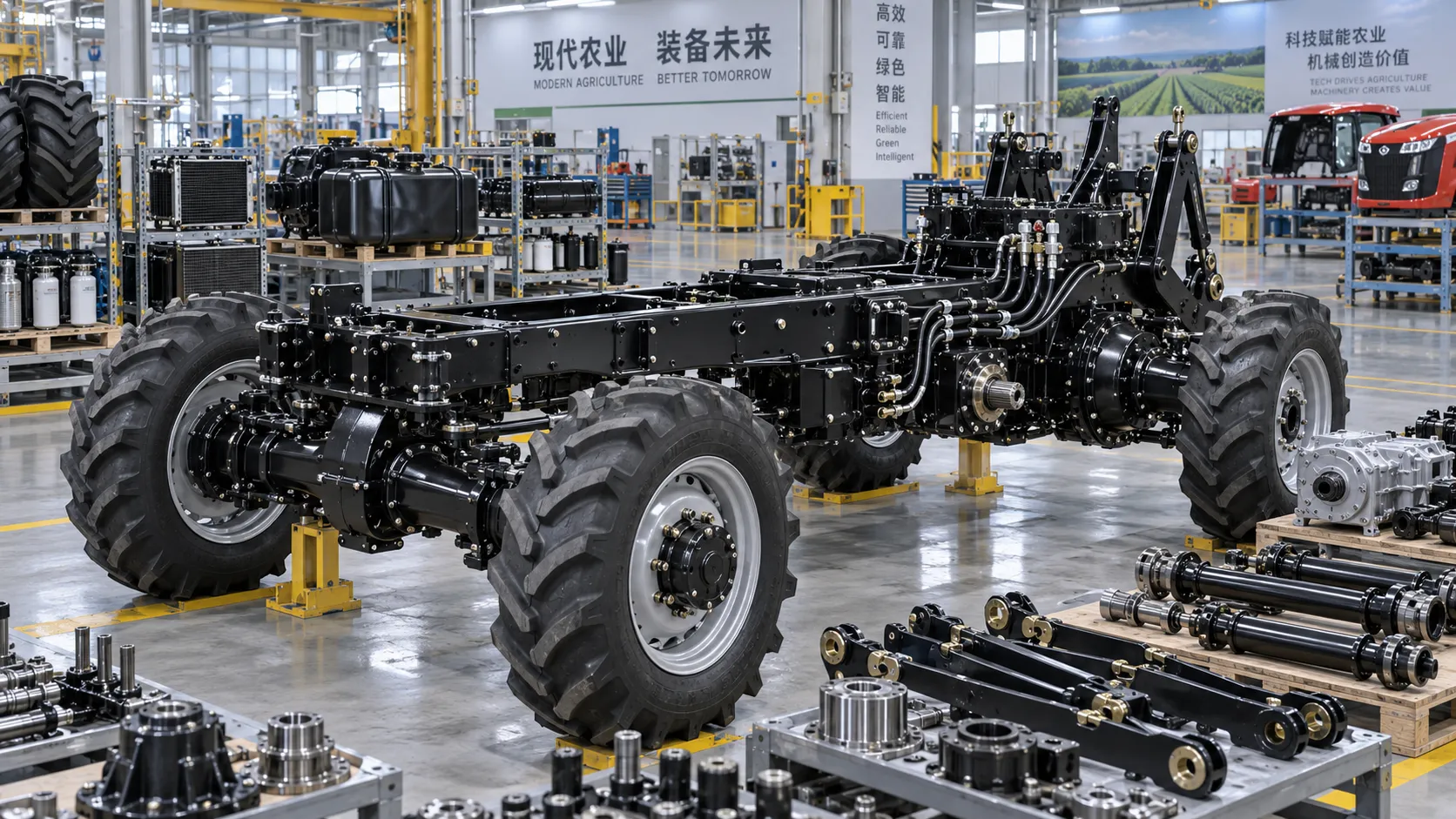
Tractor Chassis Price: What Buyers Should Compare Beyond the Initial Quote
Tractor chassis price is only the start. Compare load capacity, compatibility, durability, and lifecycle costs to choose a reliable, high-value chassis.
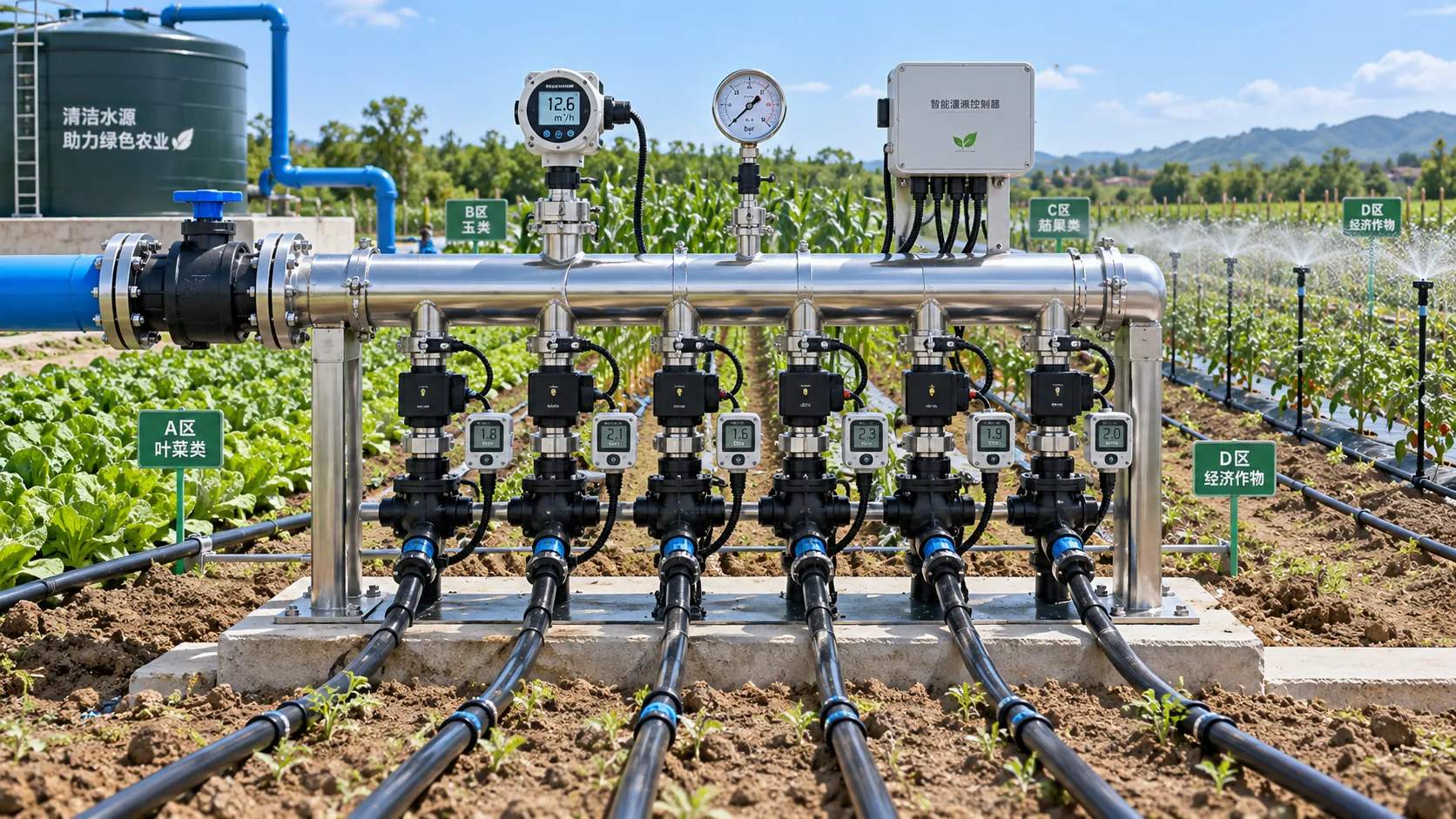
How to Select Smart Irrigation Valves for Multi-Zone Water Management?
Intelligent irrigation systems valves: learn how to match smart valves with multi-zone flow, pressure, control, feedback, and communication needs for reliable water management.
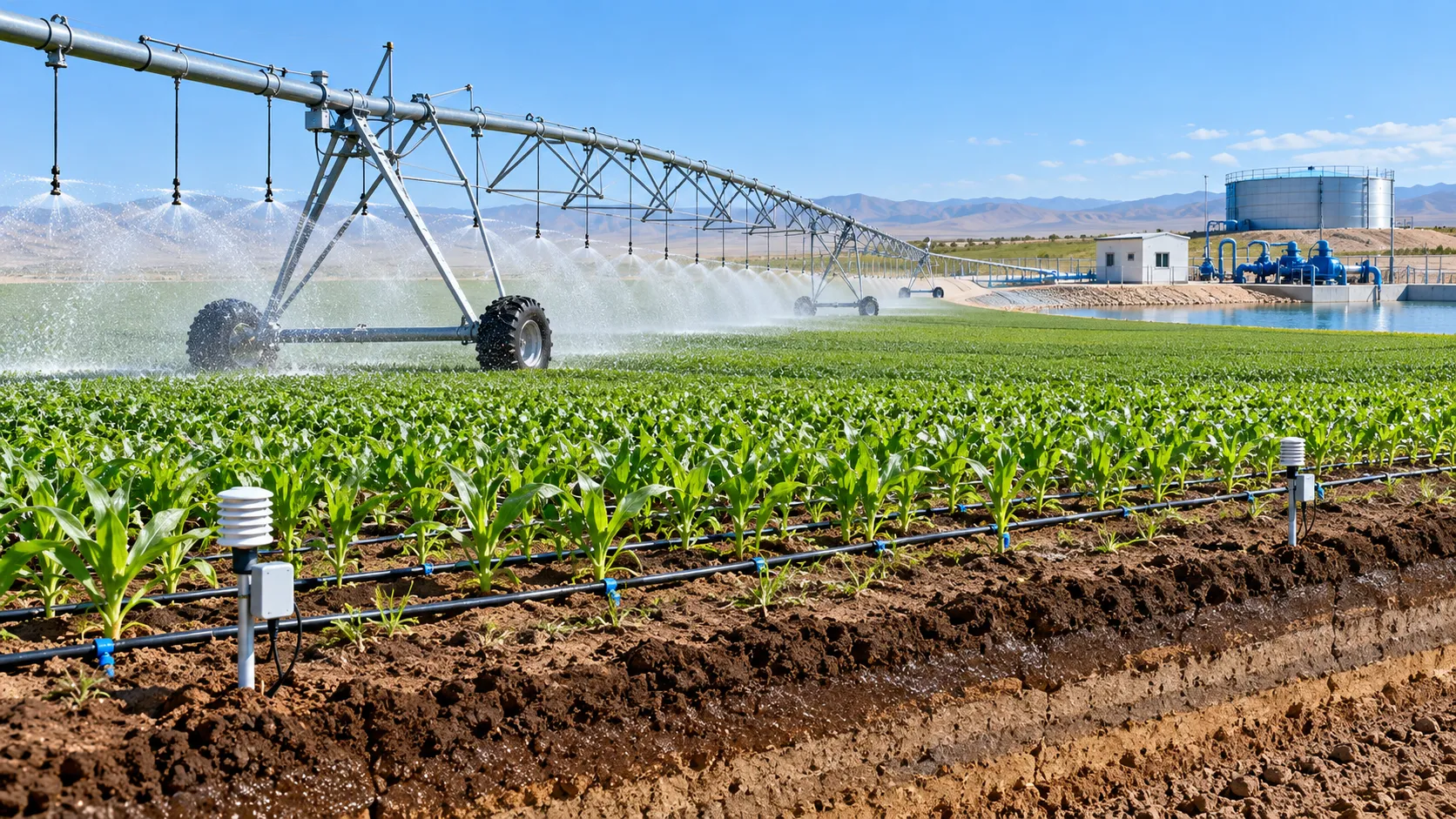
Climate-Smart Farming for Drought: A Practical Plan for Protecting Yields
Climate-smart farming for drought: build smarter water budgets, protect critical crop stages, improve irrigation uniformity, and safeguard yields with practical field-proven strategies.
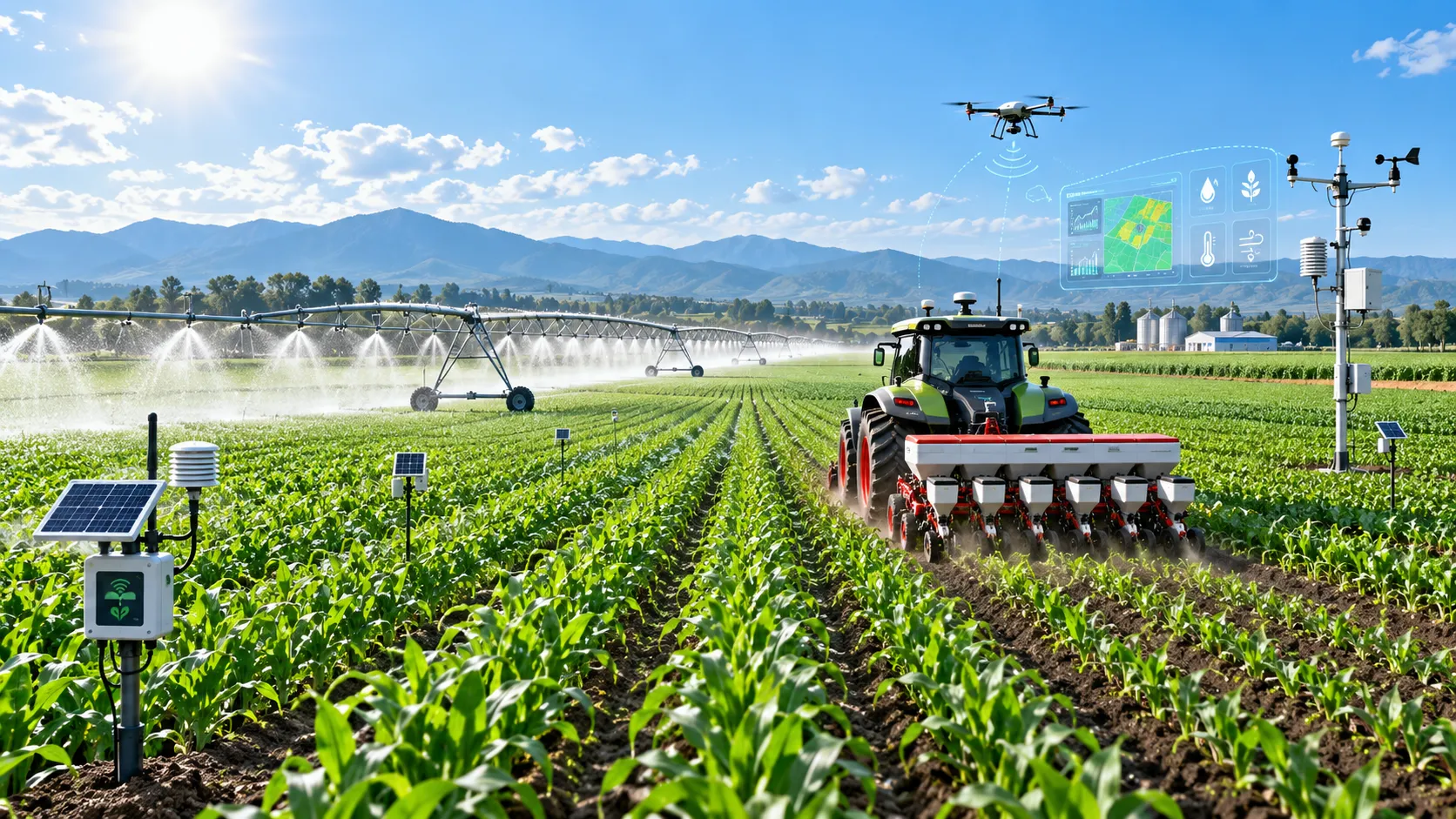
How Digital Agriculture Platforms Turn Field Data Into Better Input Decisions
Digital agriculture platforms turn field data into smarter fertilizer, water, seed, and equipment decisions—helping farms cut risk, improve margins, and scale sustainability.
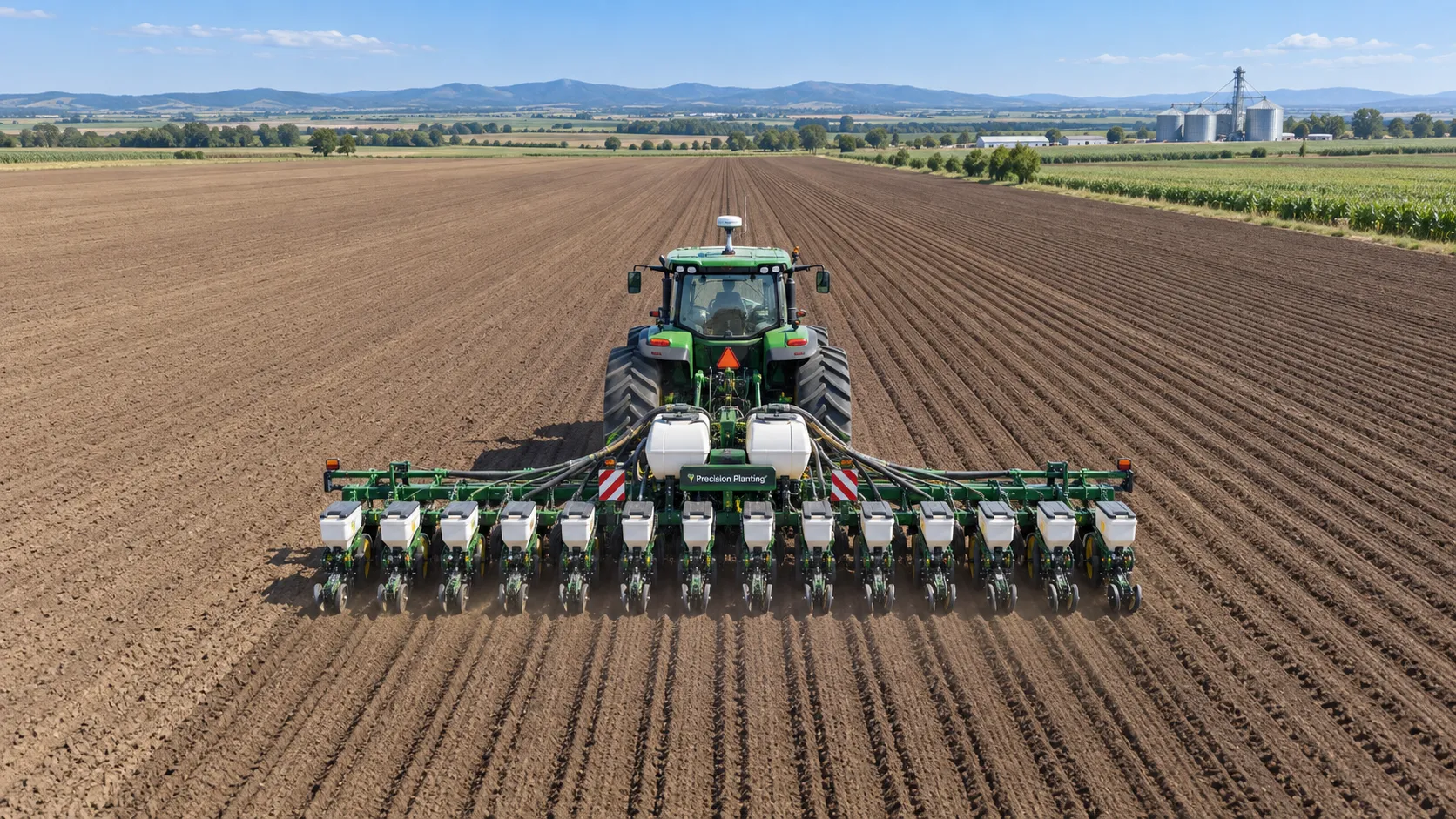
GPS-Guided Farm Machinery: Where It Delivers Measurable Field Efficiency Gains
Agri-mechanization GPS guided systems deliver measurable field efficiency gains through reduced overlap, precise planting, smarter inputs, and reliable farm data.
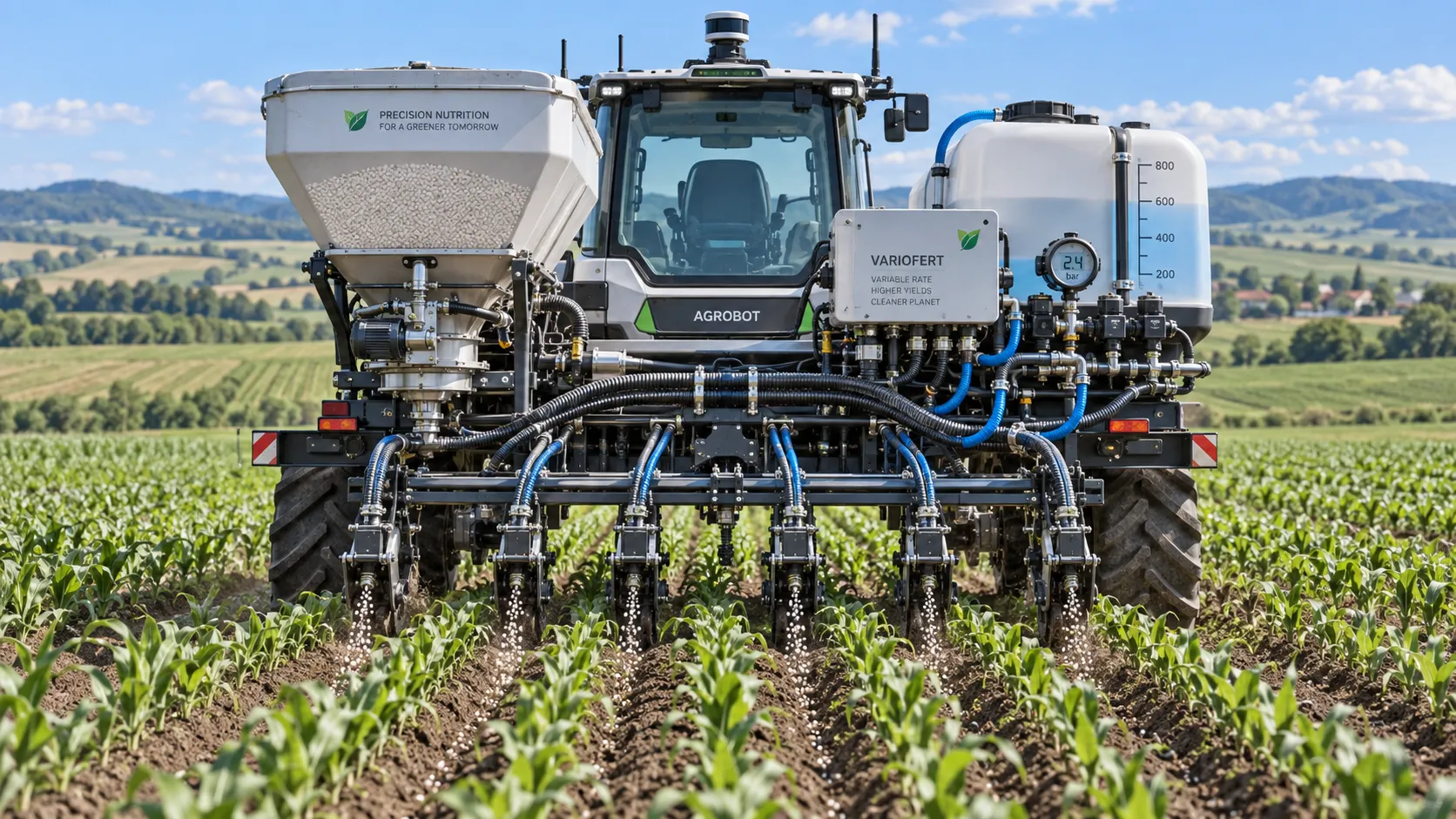
How Sensor Feedback Enables Accurate Variable-Rate Fertilization in Field Conditions
Precision fertilization systems with sensor feedback improve variable-rate accuracy by verifying flow, managing latency, and ensuring reliable field application.
Related News
- 00
0000-00
What Harvesting Machinery Works Best for Small Grains on Hills? - 00
0000-00
GRIMME Tianjin Signs to Join Changchun Agricultural Machinery Expo Center - 00
0000-00
Vietnam Mandates Vietnamese Energy Labels for Imported Threshing Systems - 00
0000-00
Crop Harvesting Solutions for Wheat: Which System Fits Yield, Moisture, and Field Size? - 00
0000-00
ANVISA Extends Threshing Systems Filing Window
Popular Tags
Harvesting Efficiency Expert
Weekly Insights
Stay ahead with our curated technology reports delivered every Monday.