
India Mandates BIS Certification for Soil Moisture Sensors





From July 1, 2026, India has put a mandatory BIS certification requirement in place for imported soil moisture sensors under IS 17892:2026, turning compliance into a direct customs clearance condition rather than a later commercial consideration. The change matters immediately for exporters, distributors, procurement teams, and supply-chain coordinators involved in smart irrigation equipment, especially as the rule covers products with wireless transmission, AI calibration, or irrigation linkage functions and arrives at a time when import quotas for such equipment are expanding.
BIS approval now determines import entry
The confirmed change is that, effective July 1, 2026, the Bureau of Indian Standards (BIS) requires soil moisture sensors to obtain mandatory certification under IS 17892:2026. Products without the BIS mark will be barred from customs clearance. The scope explicitly includes soil moisture sensors equipped with wireless transmission, AI calibration, or irrigation linkage functions. The change directly affects the supply process and delivery timelines for Chinese exporters shipping to Indian distributors. At the same time, data from India’s Ministry of Agriculture shows that import quotas for smart irrigation equipment in fiscal 2026 have increased by 42%.
Where the rule change will be felt first
Export shipments face a new pre-shipment compliance gate
For export-oriented suppliers, the main impact is that market access is now tied to certification status before goods can complete import clearance. From an operational perspective, this shifts attention to whether the product configuration falls within the covered scope and whether the BIS mark requirement has been met before shipment plans are finalized. Documentation, product classification review, and delivery commitments to Indian buyers all become more sensitive to compliance timing.
Indian distributors and procurement teams must re-check product eligibility
For distributors and procurement-side participants in India, the rule raises the practical question of whether incoming models are certification-ready, particularly where product portfolios include wireless, AI-enabled, or irrigation-linked devices. The business effect is likely to appear in supplier screening, product onboarding, replenishment planning, and contract scheduling, since non-compliant products cannot move through customs even if commercial demand remains intact.
Certification and testing service providers may see tighter review cycles
For certification-related firms and testing service participants, the rule creates a more immediate role in supporting product access to the market. What deserves closer attention is the completeness of technical files, test materials, and certification application readiness for covered products. Even without further execution detail in the input, the rule clearly increases the importance of early compliance review in the sales and export process.
Logistics and delivery coordination become more exposed to timing risk
Supply-chain service providers and after-sales planners may also be affected because certification status now has a direct connection to customs release. In practice, this can influence booking schedules, inventory handover, distributor arrival planning, and service commitments tied to expected delivery dates. The key change is that compliance is no longer a background requirement; it becomes a visible checkpoint in fulfillment planning.
What companies should review now
Confirm whether product functions place a model within scope
Companies should first review whether their soil moisture sensor products include wireless transmission, AI calibration, or irrigation linkage functions, because those features are expressly covered by the requirement described in the input. This is a threshold question for export planning, distributor commitments, and model selection for the Indian market.
Reassess certification readiness before shipment commitments
Analysis shows that businesses involved in exports to India should pay closer attention to certification progress before confirming production, shipment windows, or customer delivery dates. Where specific execution details are not yet provided in the input, it is more appropriate to treat this as a need for heightened review of certification status, product files, and related compliance materials rather than assume a uniform operational timeline.
Prepare technical and trade documents for closer scrutiny
From an industry perspective, documentation will likely become a more important control point. Companies should pay attention to the consistency of technical descriptions, product functions, certification-related materials, and trade documents used in transactions with Indian distributors. This is particularly relevant where product features may affect whether the device is viewed as falling within the mandatory certification scope.
Adjust procurement and delivery planning to reflect compliance lead time
Observably, firms serving the Indian market should also revisit procurement sequencing, stock allocation, and delivery promises where shipments depend on compliant product availability. Since the input confirms a direct effect on supply procedures and lead times, businesses should monitor whether existing schedules still match the new compliance condition attached to market entry.
Why this reads as an execution signal, not just a policy headline
Analysis shows that this development is better understood as a rule already tied to actual import execution, because the consequence for non-compliant products is not abstract regulatory exposure but blocked customs clearance. At the same time, it is still necessary to keep watching how the requirement is applied in practice, including any further clarification around scope, documentation expectations, and purchasing-side adoption in tenders or distributor requirements. The combination of a stricter entry condition and a larger import quota makes compliance readiness more commercially relevant than before, but the precise operational rhythm still requires observation.
A market-access change with immediate commercial weight
The central significance of this update is that BIS certification for covered soil moisture sensors is now part of the access condition for entering India, not merely a downstream product preference. For the industry, the most reasonable reading at this stage is that the rule marks a concrete compliance checkpoint with direct effects on exports, procurement coordination, and delivery planning. It should be treated as an implemented market-entry requirement, while the finer points of execution and market response remain worth continued monitoring.
Basis of this article and what still needs verification
This article is generated from the user-provided news title, event date, and event summary. For developments of this kind, relevant source categories typically include official notices, regulator releases, customs or trade administration information, industry association updates, standards organization documents, and reporting by authoritative media. A specific official source link was not provided in the input, so further verification remains necessary. What still needs continued observation includes detailed implementation language, certification enforcement practice, possible changes in tender or distributor documentation, industry feedback, and how companies adjust execution on the ground.
Related News

How to Compare Agricultural Equipment Platforms for Fleet Management and ROI
Agricultural equipment platform comparison: evaluate fleet data, maintenance, precision workflows, and ROI to choose a system that delivers measurable results.
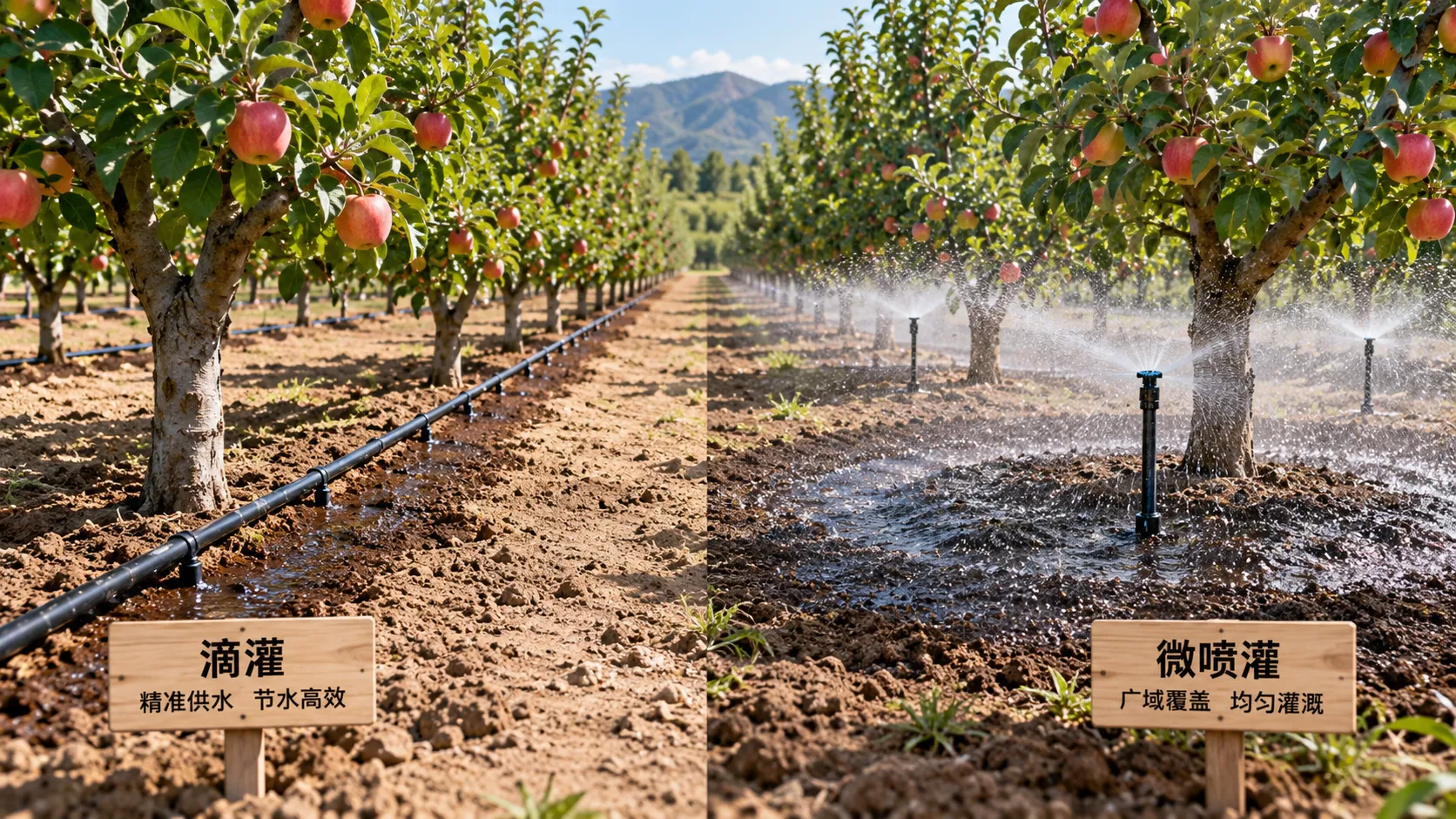
Drip vs. Micro-Sprinkler Irrigation: Which System Fits Your Orchard?
Irrigation solution comparison for orchards: discover whether drip or micro-sprinklers best match your water, soil, roots, fertigation, and frost needs.
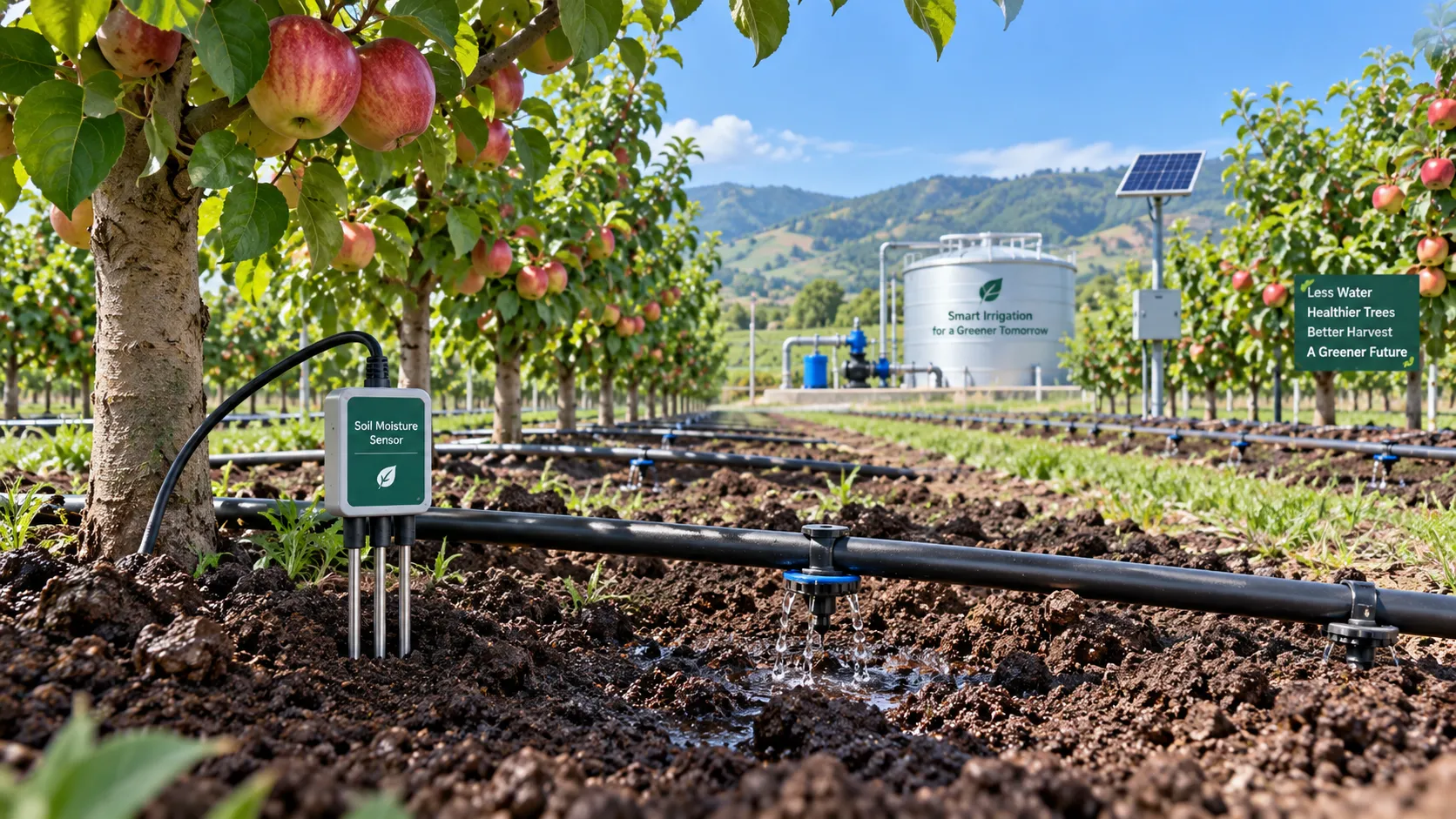
Orchard Water Management: Using Soil Moisture Data to Schedule Irrigation
Agricultural water management for orchards made practical: use soil moisture data to optimize irrigation timing, protect yield, reduce costs, and improve resilience.

Tractor Chassis Price: What Buyers Should Compare Beyond the Initial Quote
Tractor chassis price is only the start. Compare load capacity, compatibility, durability, and lifecycle costs to choose a reliable, high-value chassis.
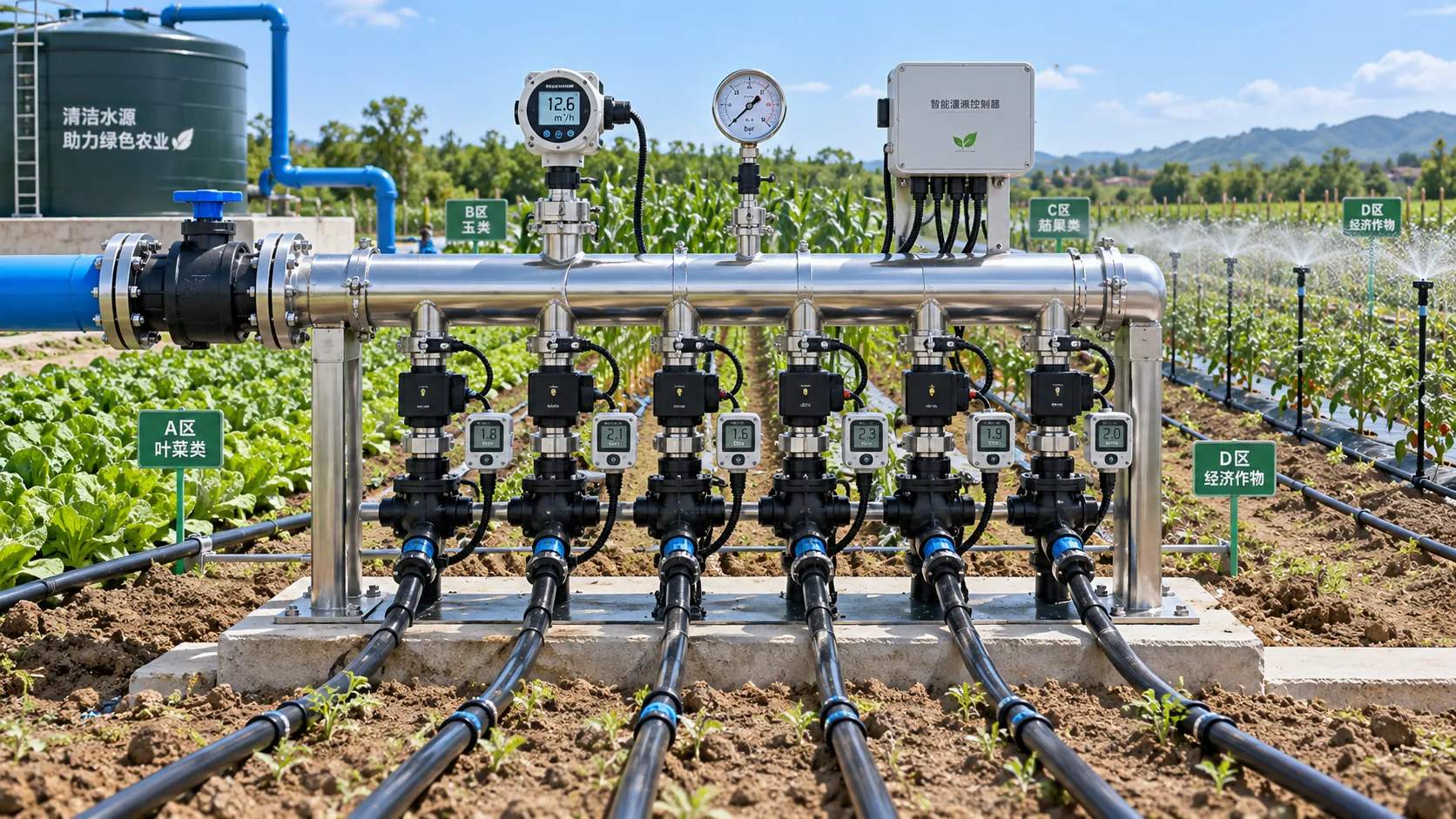
How to Select Smart Irrigation Valves for Multi-Zone Water Management?
Intelligent irrigation systems valves: learn how to match smart valves with multi-zone flow, pressure, control, feedback, and communication needs for reliable water management.

Climate-Smart Farming for Drought: A Practical Plan for Protecting Yields
Climate-smart farming for drought: build smarter water budgets, protect critical crop stages, improve irrigation uniformity, and safeguard yields with practical field-proven strategies.

How Digital Agriculture Platforms Turn Field Data Into Better Input Decisions
Digital agriculture platforms turn field data into smarter fertilizer, water, seed, and equipment decisions—helping farms cut risk, improve margins, and scale sustainability.

GPS-Guided Farm Machinery: Where It Delivers Measurable Field Efficiency Gains
Agri-mechanization GPS guided systems deliver measurable field efficiency gains through reduced overlap, precise planting, smarter inputs, and reliable farm data.

How Sensor Feedback Enables Accurate Variable-Rate Fertilization in Field Conditions
Precision fertilization systems with sensor feedback improve variable-rate accuracy by verifying flow, managing latency, and ensuring reliable field application.
Related News
- 00
0000-00
Orchard Water Management: Using Soil Moisture Data to Schedule Irrigation - 00
0000-00
Climate-Smart Farming for Drought: A Practical Plan for Protecting Yields - 00
0000-00
Selecting Real-Time Soil Moisture Sensors for Irrigation Zone Control - 00
0000-00
How Does Climate-Smart Farming Reduce Water Use in Semi-Arid Areas? - 00
0000-00
USDA Rule Takes Effect: Dual FCC and NRCS Approval for Soil Moisture Sensors
Popular Tags
Hydrological Resource Strategist
Weekly Insights
Stay ahead with our curated technology reports delivered every Monday.