
How to Evaluate Heavy-Duty Build Quality in Large-Scale Farm Equipment
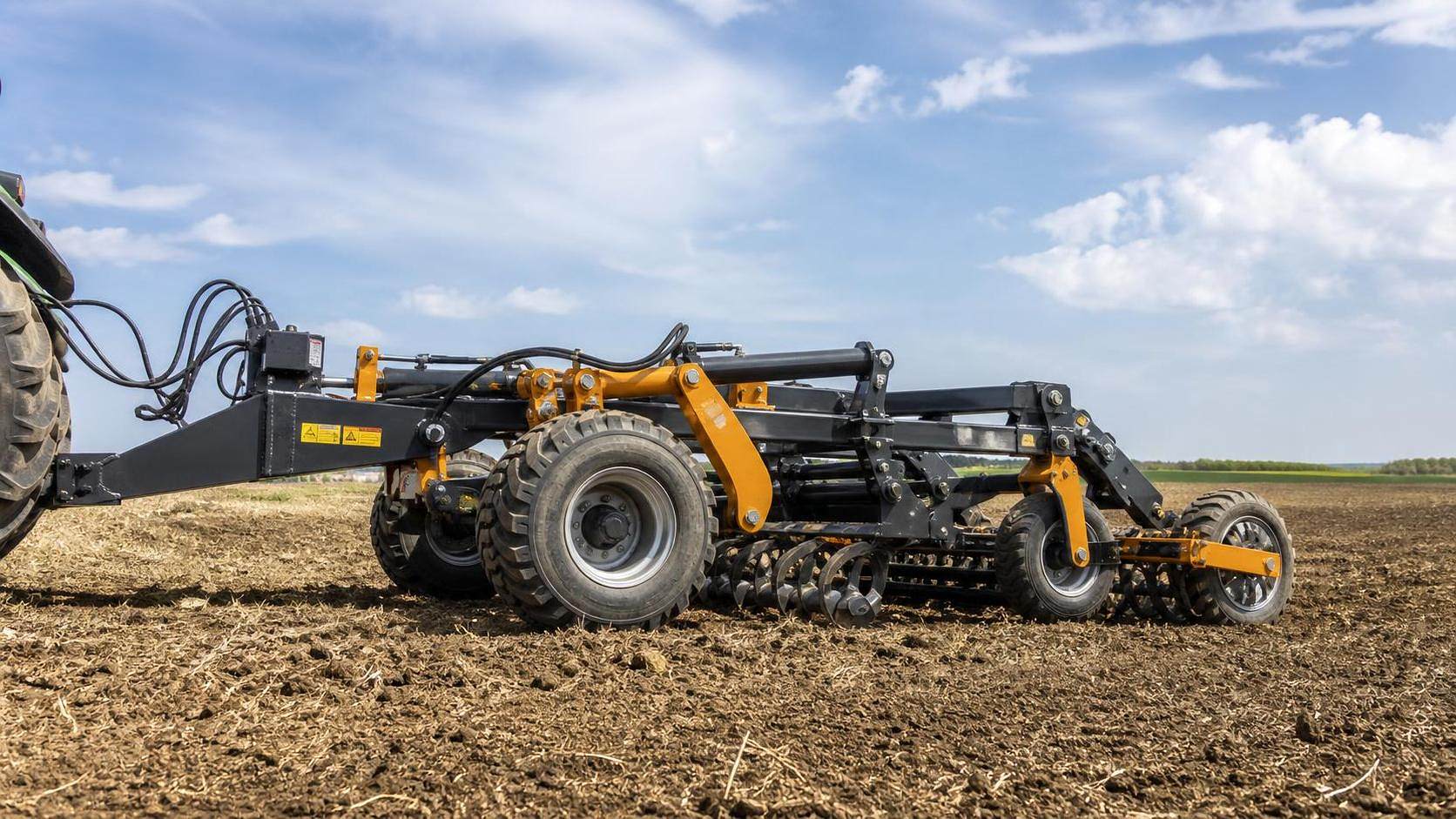




Heavy-duty build is not the same as “looks strong”
When technical teams evaluate large-scale farm equipment heavy-duty build, the first trap is visual confidence. Thick steel, oversized tires, and a bulky hood can create the impression of robustness, but none of those features alone tell you how the machine will behave after 1,000 hours of shock loading, repetitive draft work, residue abrasion, hydraulic heat cycling, and operator misuse.
In real field conditions, build quality reveals itself at stress concentration points: the hitch area on a high-horsepower tractor, the feeder housing and threshing system mounts on a combine, the boom joints on a large sprayer, or the pivot and axle structure on self-propelled platforms. That is where fatigue, alignment drift, vibration, and sealing failure begin to show. A serious evaluation has to move past paint finish and brochure language and ask a simpler question: what has the manufacturer done to make the structure survive repeated punishment without losing geometry, efficiency, or serviceability?
This matters even more in an Agriculture 4.0 context. As platforms become more autonomous, more sensor-driven, and more integrated with precision control systems, a weak mechanical base creates knock-on problems everywhere else. AP-Strategy often frames this correctly: intelligent farming performance only holds up when the chassis, drivetrain, hydraulics, and control architecture are mechanically credible under real workload, not just nominal test conditions.
Start with the load path, not the horsepower rating
Horsepower is easy to compare. Load path is harder, and far more useful.
A heavy-duty machine should transfer field loads through the frame, axle housings, drawbar structure, transmission casing, and mounted implement interfaces in a controlled way. If the load path is poorly managed, localized flexing increases and small failures start appearing where teams do not initially look: bracket cracks, elongated bolt holes, recurring seal leaks, cab vibration, and uneven tire wear.
For evaluators, this means checking how the main frame is designed and how subassemblies are attached. Is the chassis relying on thin welded brackets to carry repeated torsion? Are high-load sections boxed, ribbed, or reinforced where draft forces peak? Does the machine use the transmission housing as a stressed member, and if so, is that architecture proven for the application? None of these details are glamorous, but they often separate a durable field machine from one that becomes a workshop regular.
Weld quality tells a deeper story than the weld itself
Inspecting welds is not just about finding obvious defects. Clean weld appearance helps, but the more important question is whether the joint design makes sense for the operating stress.
On large-scale equipment, look closely at areas around suspension mounts, axle supports, loader interfaces, tank saddles, folding joints, drawbar supports, and header or implement coupling zones. A good weld on a poorly designed joint still fails. Warning signs include abrupt changes in section thickness, weld terminations at high-vibration corners, inconsistent bead profiles across identical joints, and repairs or grinding marks around production welds.
Ask whether the manufacturer can explain the fabrication process in practical terms. Robotic welding does not automatically guarantee better field life, and manual welding is not automatically inferior. What matters is process control, repeatability, fixture accuracy, and whether critical joints are supported by proper gusseting and stress relief logic. In many evaluations, the frame-weld conversation quickly reveals how mature the builder really is.
Drivetrain resilience is where “heavy-duty” earns its name
A machine can carry a strong frame and still be mechanically weak if the drivetrain is built too close to its limit. Large tillage tractors, combines working on steep or variable-yield terrain, and transport-heavy grain operations all expose marginal driveline design fast.
Evaluation should include transmission architecture, final drive sizing, axle design, differential locking behavior, cooling provision, and how torque is delivered under sustained load rather than short bursts. In tractors, the key question is not only rated power, but whether the transmission and rear end can absorb repeated high-draft operation with ballast, slip variation, and operator inconsistency. In combines, it is worth checking the robustness of rotor or cylinder drives, feeder driveline protection, unloading system drive components, and how service access supports routine inspection before failure grows.
This is also where marketing language can mislead. “Heavy-duty gearbox” is not an evaluation metric. Oil capacity, cooling arrangement, gear engagement logic, service interval realism, and the manufacturer’s willingness to discuss overload protection are much more useful indicators.
Hydraulics often expose hidden weakness before the frame does
In modern farm machinery, hydraulic reliability is inseparable from build quality. A structurally sound machine with poor hose routing, marginal sealing, heat-sensitive valves, or inadequate contamination control will not stay productive for long.
Look at routing discipline first. Are hoses protected from chafing at articulation points? Are clamps positioned to control vibration? Are quick couplers placed where contamination and accidental strain are likely? On foldable implements and high-clearance self-propelled units, poor hose management becomes a real failure driver.
Then check whether the hydraulic system matches the duty cycle. Continuous hydraulic load in seeders, planters, air carts, steering systems, unloading augers, and variable-speed cleaning or fan systems creates heat. If the cooling margin is narrow, seals harden, oil degrades faster, and response becomes inconsistent. That kind of issue rarely appears in a parked machine inspection, so evaluators should ask for duty-cycle context, not just maximum flow and pressure numbers.
Bearings, bushings, pins, and joints: the unglamorous failure map
Heavy-duty build quality is often decided by small components living in dirty, repetitive motion. Folding booms, steering knuckles, hitch pivots, track systems, feeder chains, straw chopper supports, and toolbar linkages all depend on wear interfaces that are easy to overlook during a short evaluation.
A good rule is simple: if a joint sees movement, shock, and contamination, inspect it as if it were a likely wear point, because it usually is. Look for pin diameter proportionality, bushing replaceability, lubrication access, seal protection, and whether routine maintenance can realistically be done in the field. Some machines look engineered for assembly rather than ownership; they may work well when new but become expensive once wear starts to stack up across dozens of joints.
This is one area where experienced evaluators gain an edge. They do not just ask “what material is used?” They ask “when this wears, can the customer replace the sacrificial part without disturbing the surrounding structure?” That is a very different quality question.
Field stress is cumulative, and lab claims do not always translate
Large-scale agricultural work is rarely uniform. Soil moisture shifts, transport distances vary, crop density changes through the day, and operators treat the same machine differently. Because of that, build quality should be judged under cumulative abuse, not idealized operation.
For example, a combine that performs well in dry cereal harvest may face a very different stress profile in damp residue-heavy conditions. A tractor chassis that appears stable with nominal ballast can behave differently with front implements, road transport speed, and uneven field entries. Sprayers and irrigation support equipment also experience repeated torsional and cyclic loading that does not show up in a static yard inspection.
This is why evaluation should include service history patterns where available, dealer maintenance feedback, and inspection of used units if the market allows it. Not every supplier will share detailed reliability records, and many claims need project-specific verification. Still, even a walk-around on a machine with real hours can be more revealing than a polished new unit at an exhibition.
Questions worth asking during technical review
Don’t separate mechanical quality from digital architecture
On newer equipment, build quality also includes how well sensors, wiring harnesses, control modules, and connectors survive vibration, dust, moisture, and washdown. Precision agriculture functions are only as reliable as the machine carrying them. A guidance antenna on a flexing roof mount, a harness routed near hot hydraulic lines, or a sensor bracket mounted on a vibration-prone panel can create recurring faults that look like software problems but are actually build problems.
This is one place where AP-Strategy’s cross-domain view is useful. In combines, tractor chassis, intelligent tools, and irrigation systems, the strongest platforms are not necessarily the ones with the most features. They are usually the ones where mechanical integrity and control logic have been developed together, so sensors are protected, calibration stays stable, and field data remains trustworthy over time.
A short inspection checklist that actually helps
If time is limited, focus on these points during a physical review:
Look underneath, not just around. Inspect weld transitions, axle mounting zones, articulation points, and hose runs.
Check whether access panels, shields, and guards feel engineered for repeated maintenance or merely for showroom appearance.
Open lubrication and service points. If greasing, draining, or filter replacement is awkward, real-life maintenance discipline usually drops.
Ask what fails first in harsh duty cycles. A candid answer from a dealer, field technician, or engineering contact is often more valuable than a polished presentation.
Whenever possible, compare a new machine with a used unit from the same platform generation. Wear patterns do not lie.
In the end, evaluating heavy-duty build quality is not about finding a machine that is simply massive. It is about identifying whether structure, drivetrain, hydraulics, wear parts, and electronics have been designed to stay aligned under real agricultural stress. If an equipment platform can hold geometry, manage heat, protect wear interfaces, and remain serviceable after long continuous work, that is usually where true heavy-duty value starts to show. Anything less is just weight dressed up as durability.
Related News
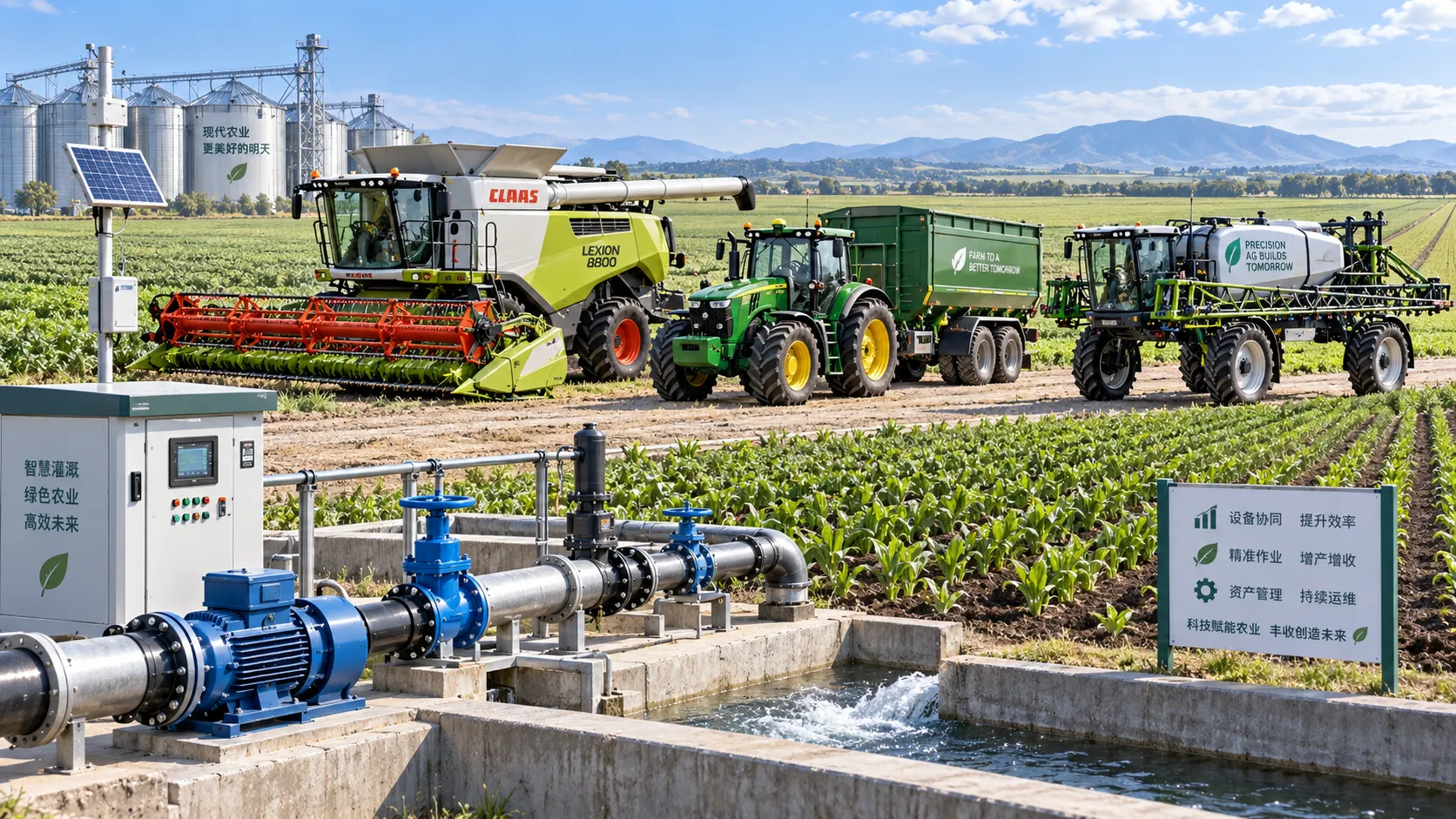
How to Compare Agricultural Equipment Platforms for Fleet Management and ROI
Agricultural equipment platform comparison: evaluate fleet data, maintenance, precision workflows, and ROI to choose a system that delivers measurable results.
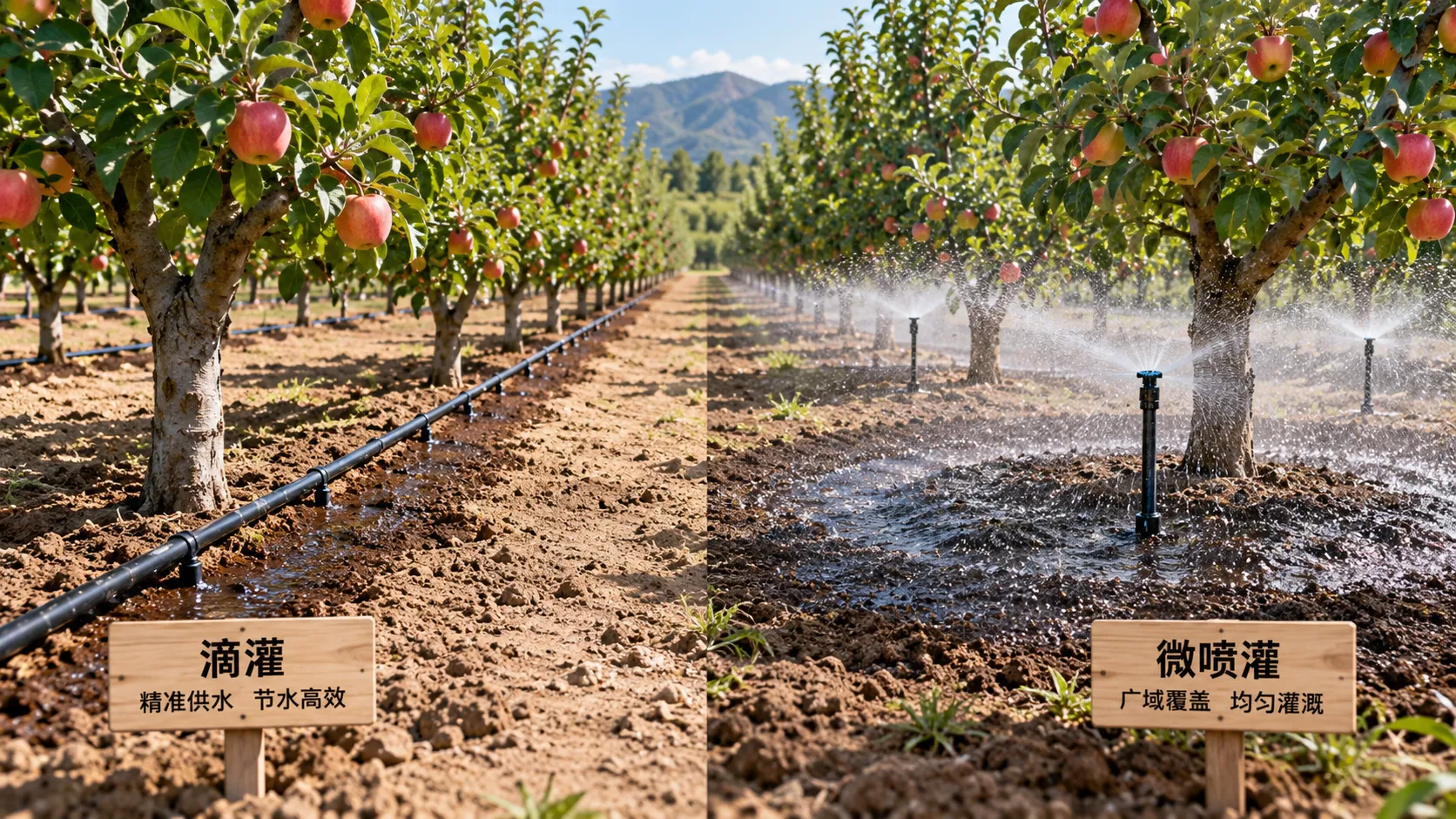
Drip vs. Micro-Sprinkler Irrigation: Which System Fits Your Orchard?
Irrigation solution comparison for orchards: discover whether drip or micro-sprinklers best match your water, soil, roots, fertigation, and frost needs.
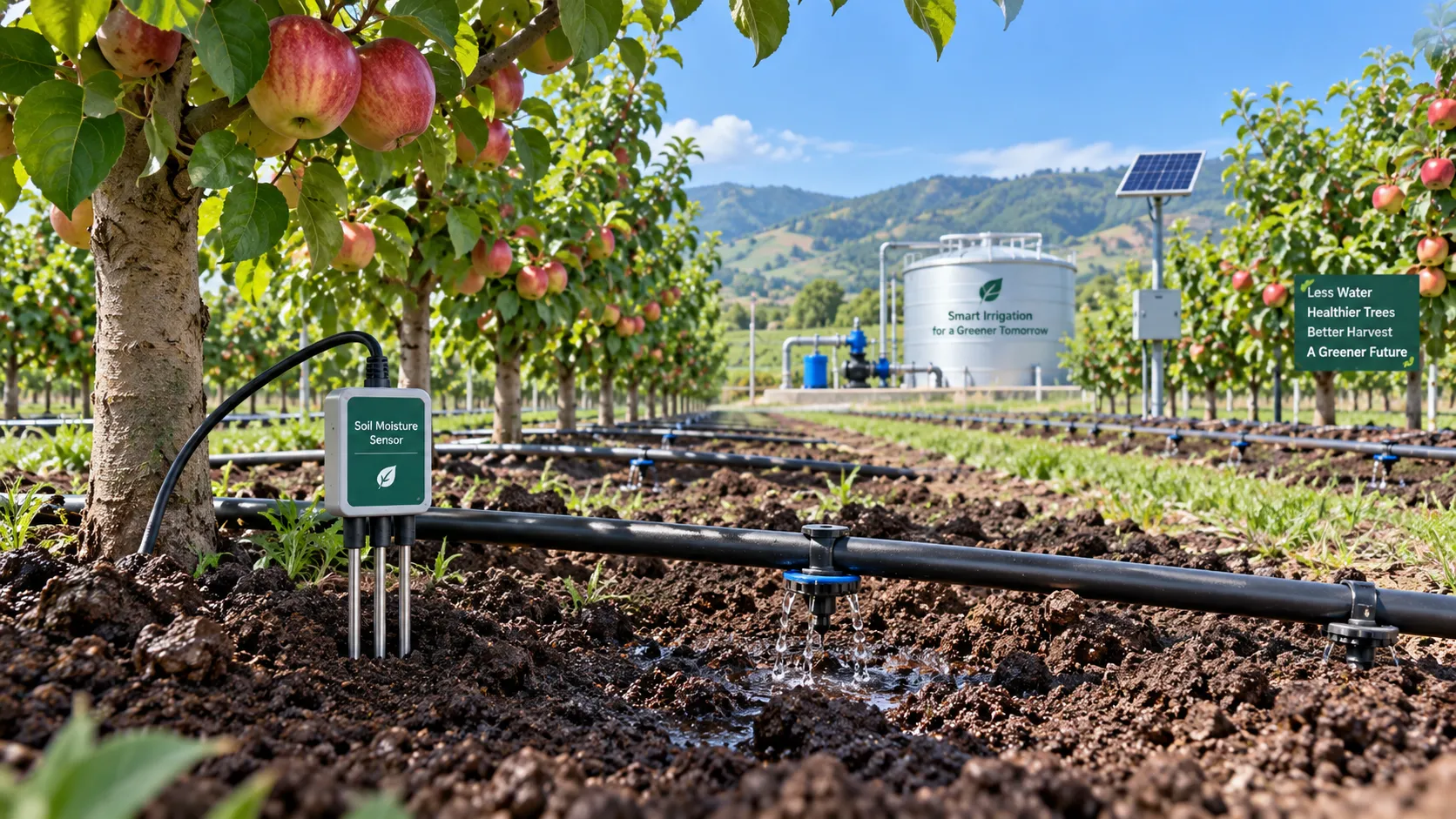
Orchard Water Management: Using Soil Moisture Data to Schedule Irrigation
Agricultural water management for orchards made practical: use soil moisture data to optimize irrigation timing, protect yield, reduce costs, and improve resilience.
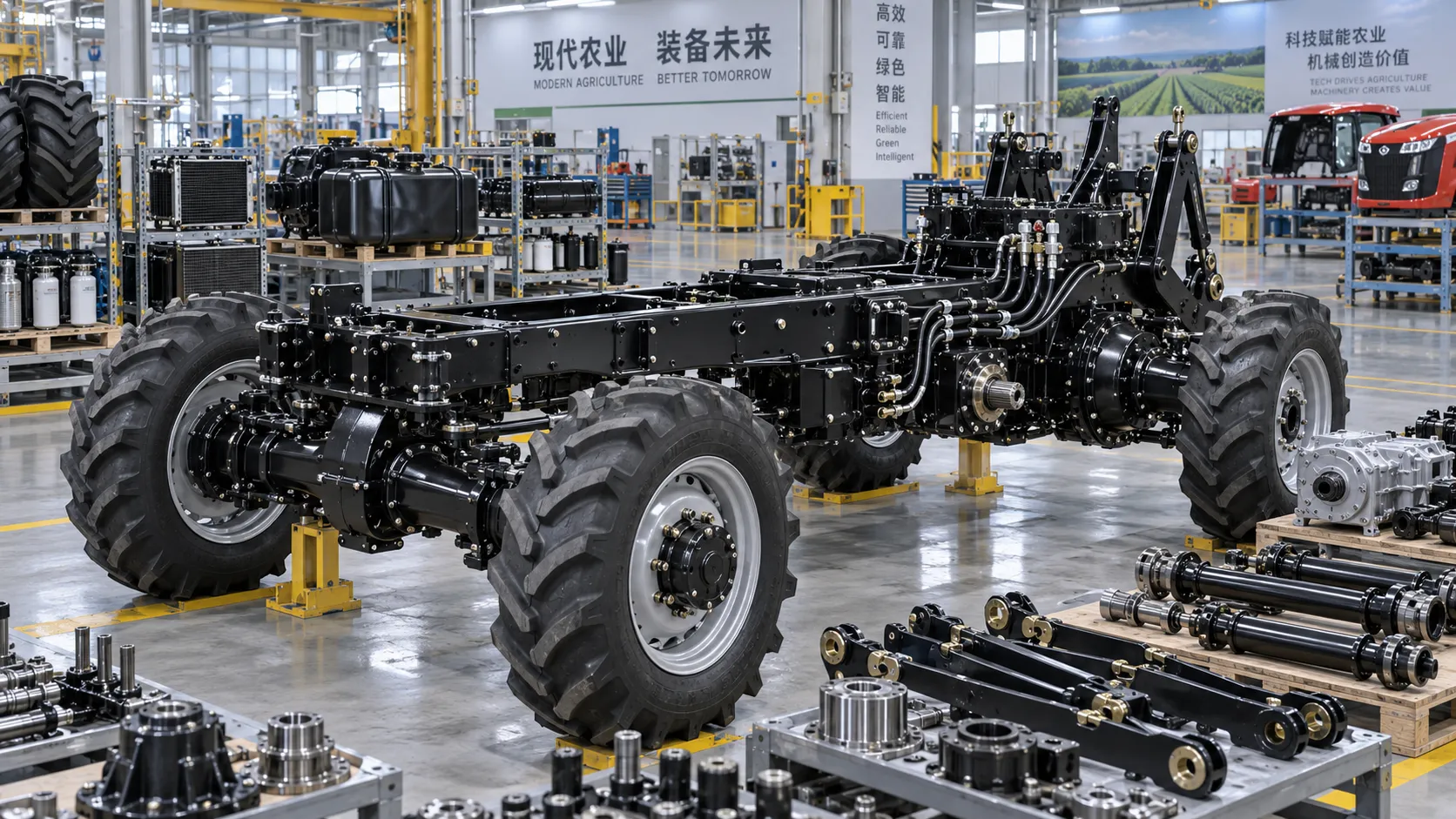
Tractor Chassis Price: What Buyers Should Compare Beyond the Initial Quote
Tractor chassis price is only the start. Compare load capacity, compatibility, durability, and lifecycle costs to choose a reliable, high-value chassis.
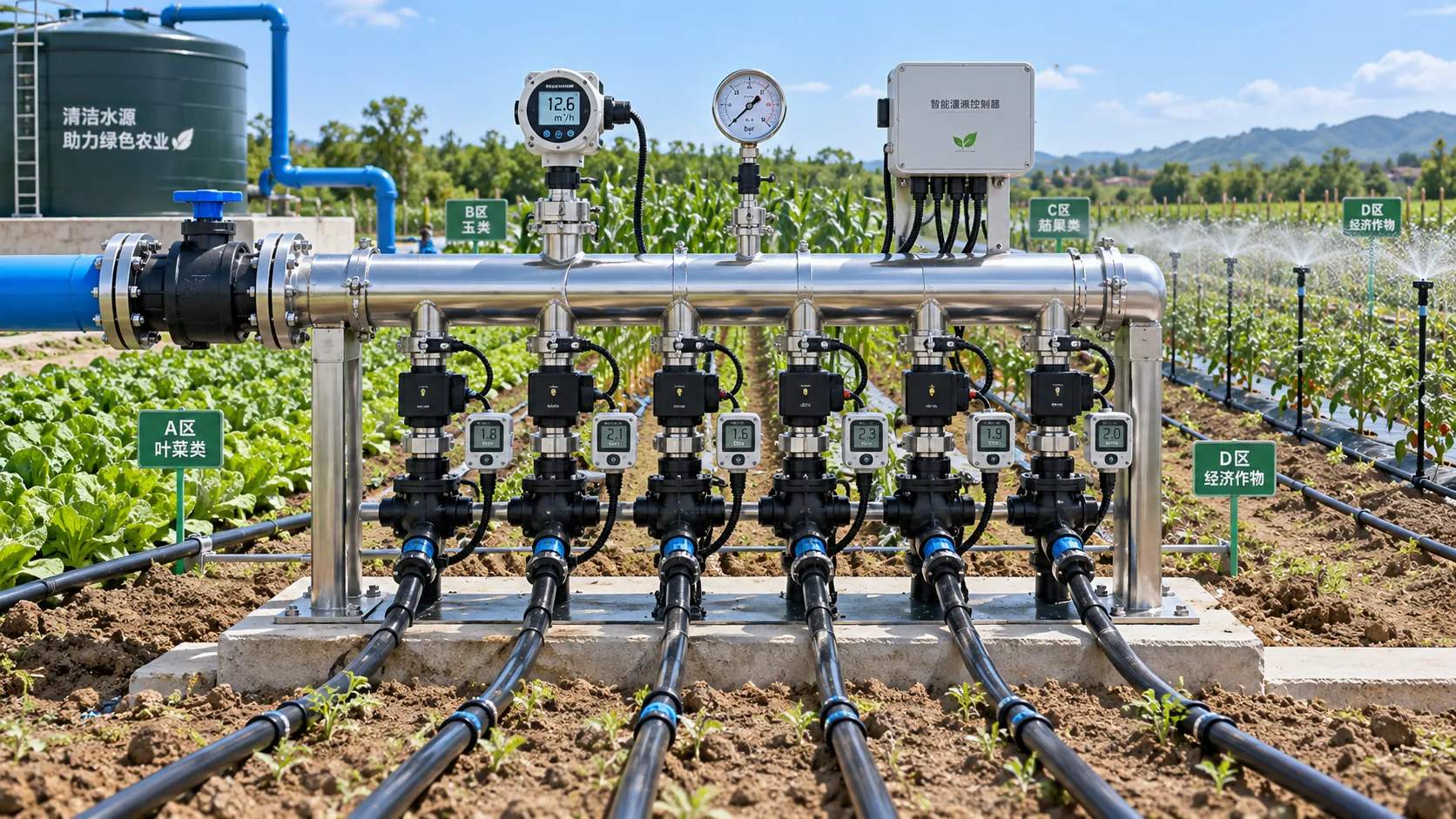
How to Select Smart Irrigation Valves for Multi-Zone Water Management?
Intelligent irrigation systems valves: learn how to match smart valves with multi-zone flow, pressure, control, feedback, and communication needs for reliable water management.
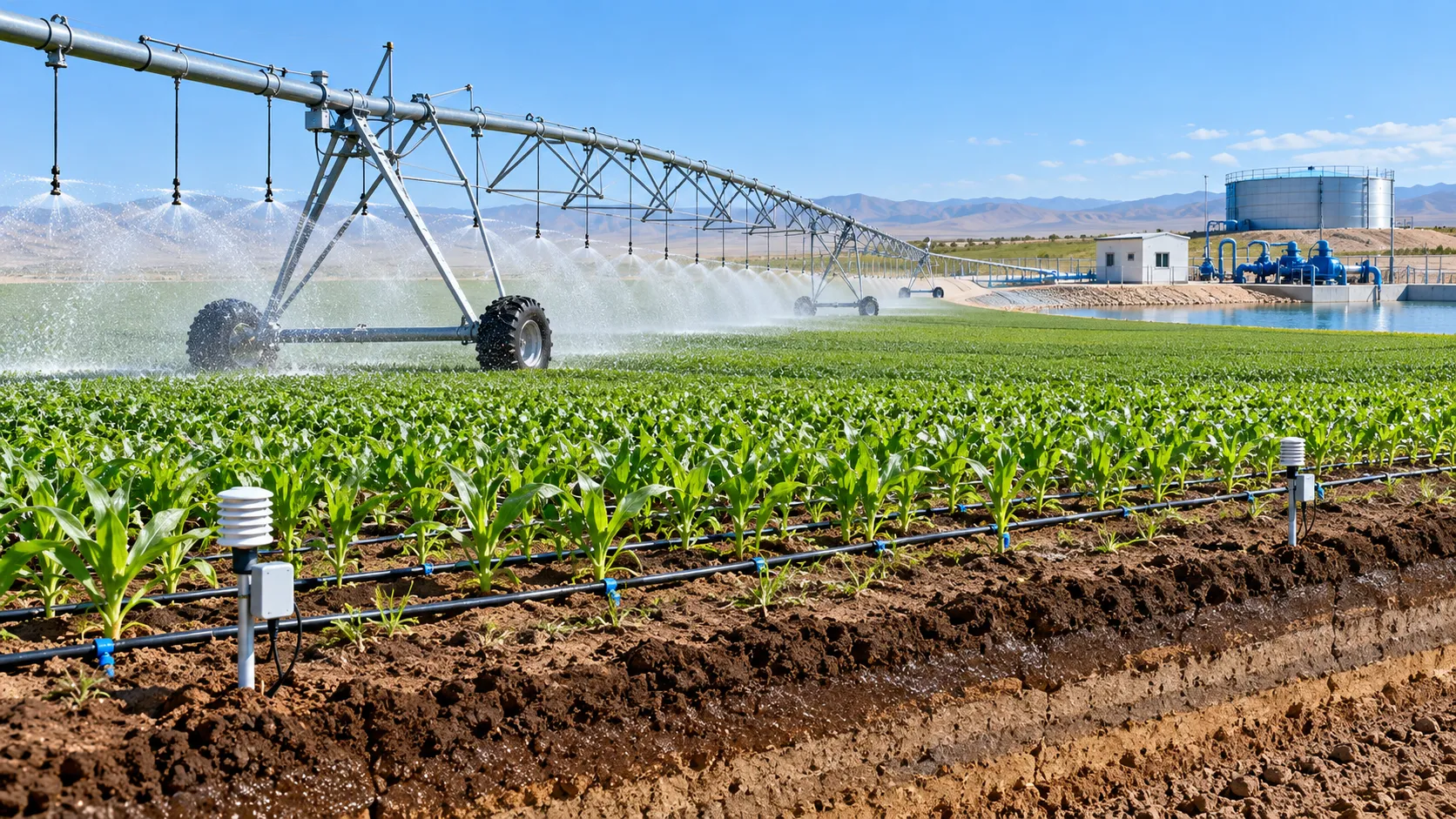
Climate-Smart Farming for Drought: A Practical Plan for Protecting Yields
Climate-smart farming for drought: build smarter water budgets, protect critical crop stages, improve irrigation uniformity, and safeguard yields with practical field-proven strategies.
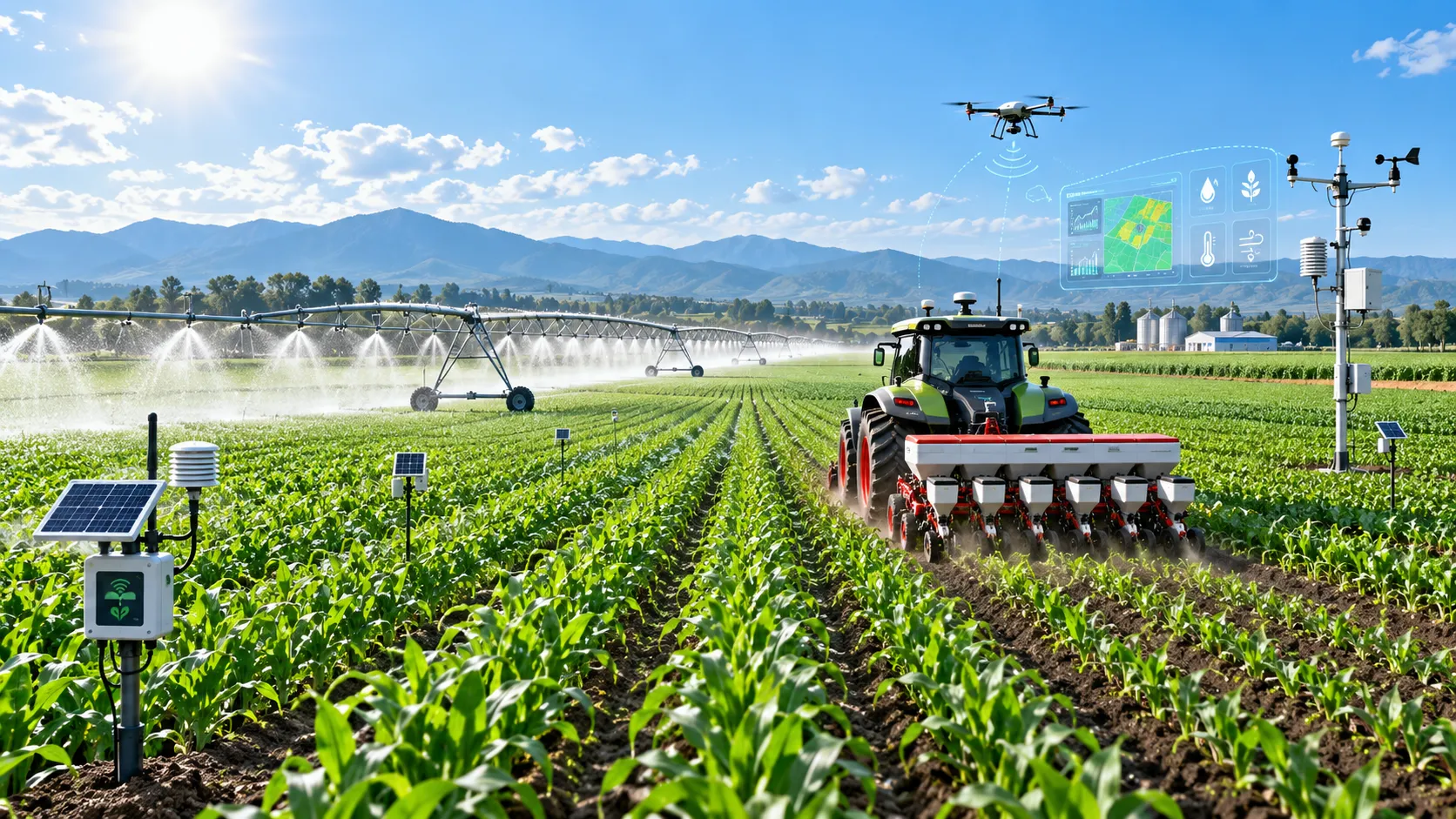
How Digital Agriculture Platforms Turn Field Data Into Better Input Decisions
Digital agriculture platforms turn field data into smarter fertilizer, water, seed, and equipment decisions—helping farms cut risk, improve margins, and scale sustainability.
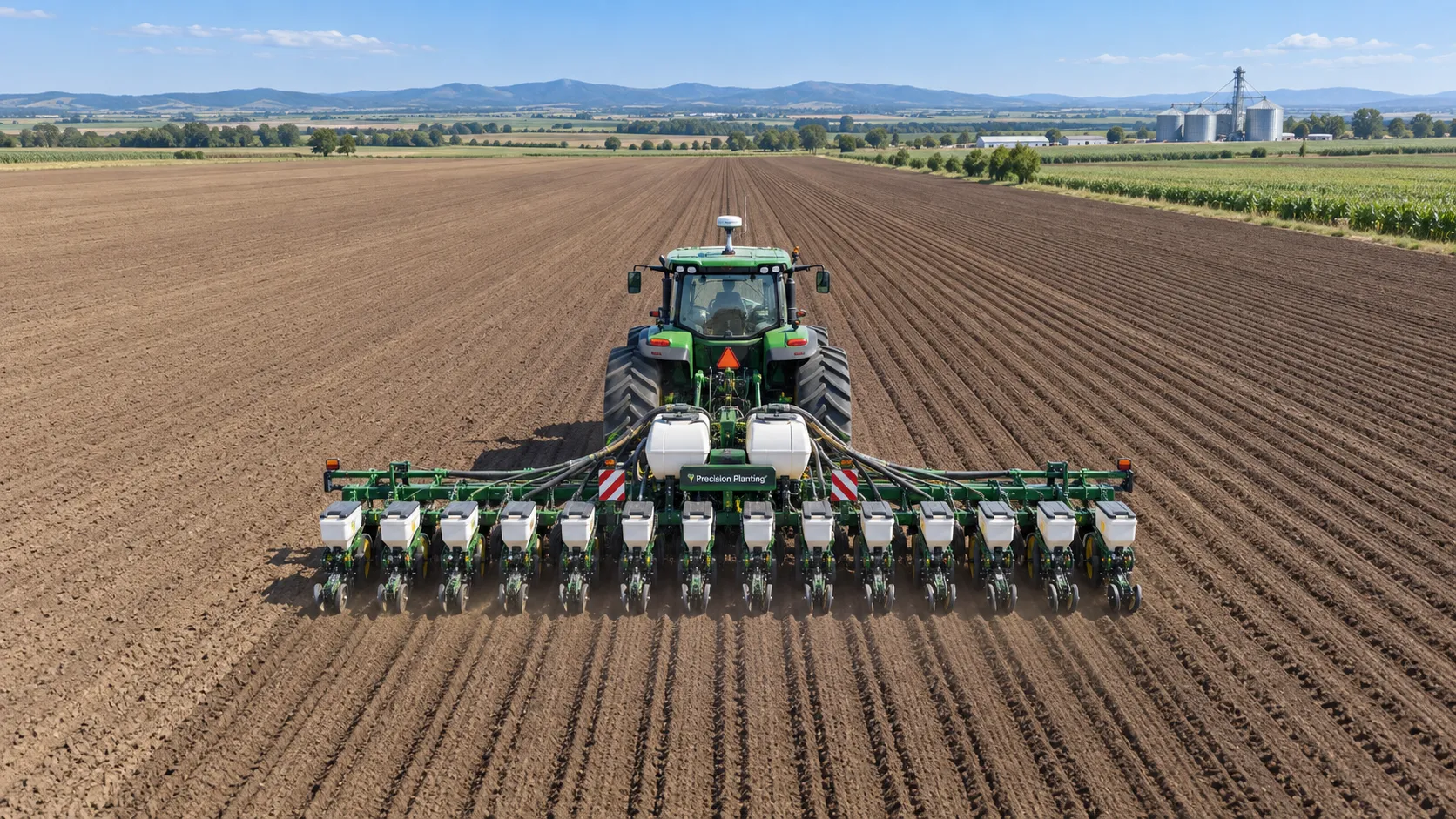
GPS-Guided Farm Machinery: Where It Delivers Measurable Field Efficiency Gains
Agri-mechanization GPS guided systems deliver measurable field efficiency gains through reduced overlap, precise planting, smarter inputs, and reliable farm data.
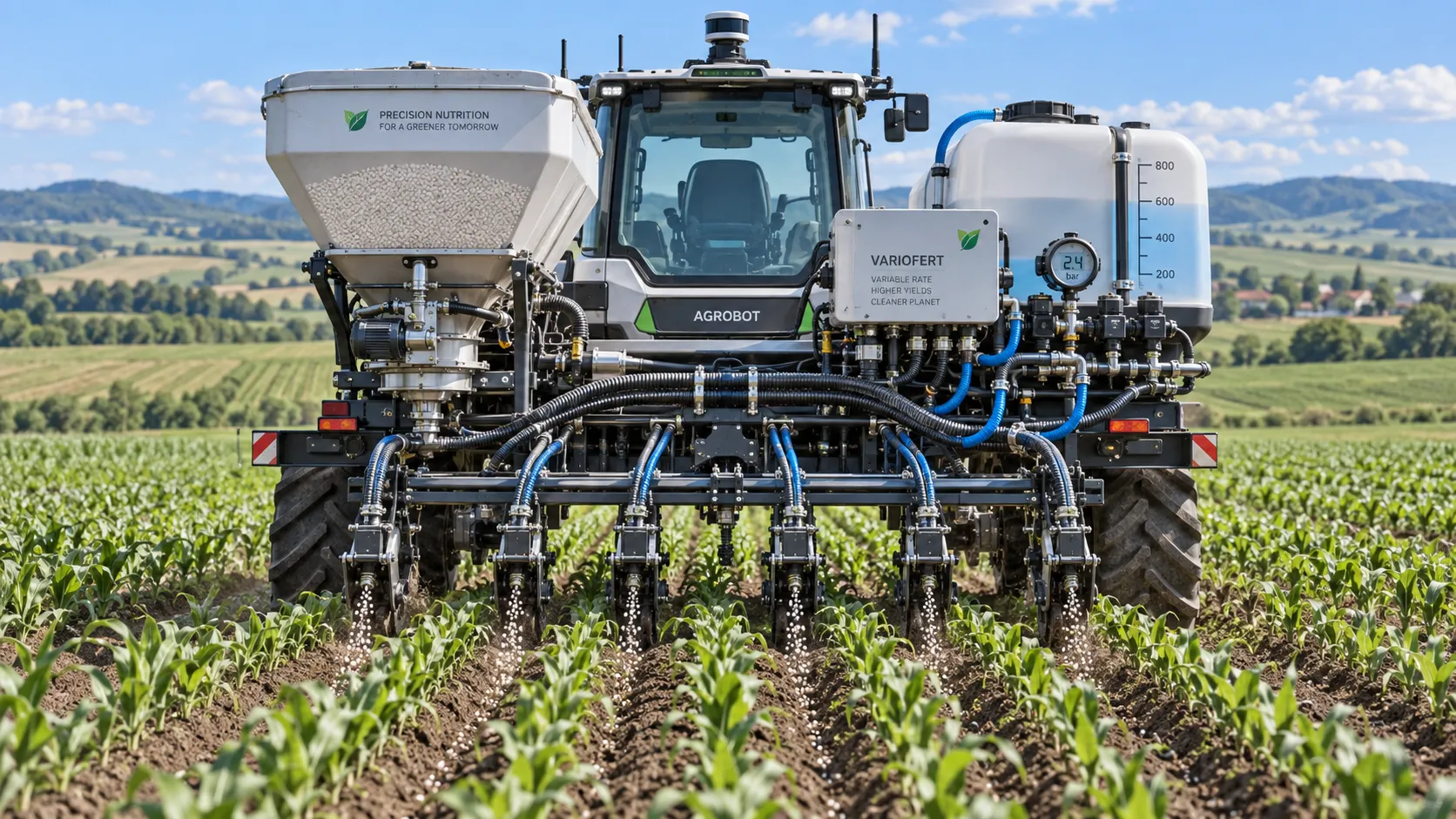
How Sensor Feedback Enables Accurate Variable-Rate Fertilization in Field Conditions
Precision fertilization systems with sensor feedback improve variable-rate accuracy by verifying flow, managing latency, and ensuring reliable field application.
Related News
- 00
0000-00
How to Compare Agricultural Equipment Platforms for Fleet Management and ROI - 00
0000-00
Tractor Chassis Price: What Buyers Should Compare Beyond the Initial Quote - 00
0000-00
How Digital Agriculture Platforms Turn Field Data Into Better Input Decisions - 00
0000-00
When Does Agricultural Machinery Leasing Cost Less Than Owning Equipment? - 00
0000-00
Selecting Grain Farm Equipment by Acreage, Crop Mix, and Harvest Window
Popular Tags
Ms. Elena Rodriguez
Weekly Insights
Stay ahead with our curated technology reports delivered every Monday.