FAO: Global Food Supplies Ample, but Market and Food Security Risks Rise
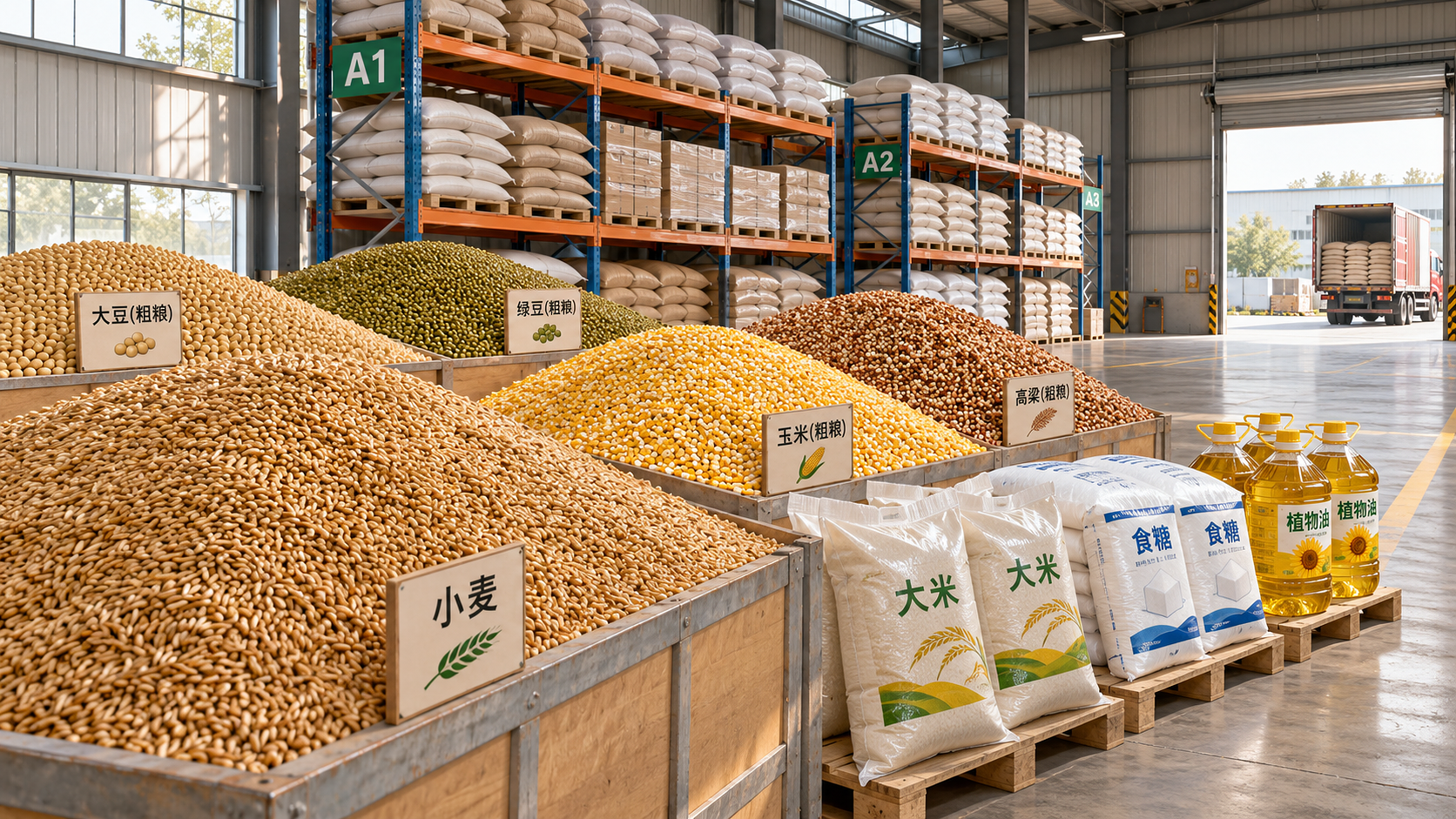




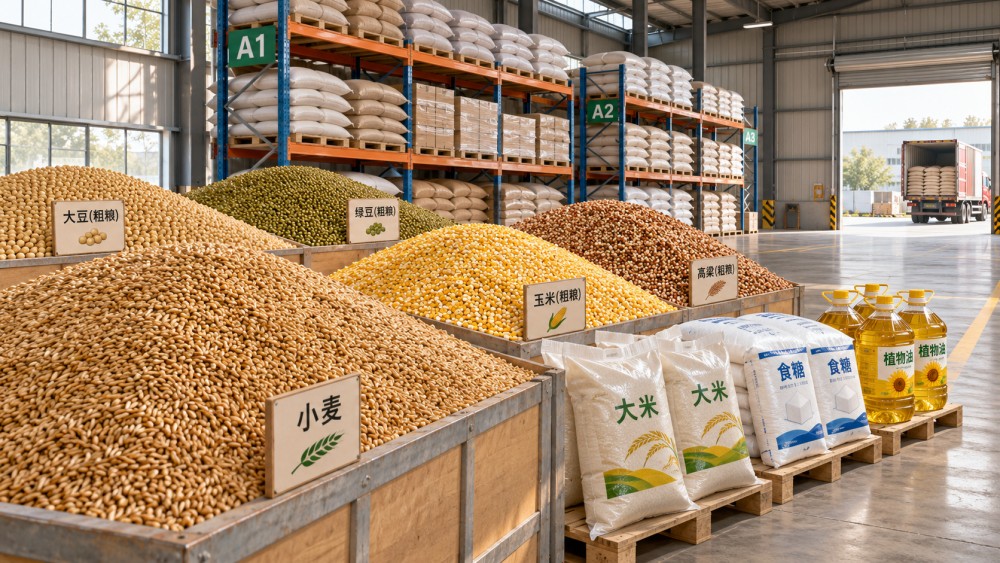
Global agricultural supplies are generally ample, particularly for wheat and coarse grains, but tighter supply and demand balances for rice, sugar and vegetable oils are contributing to a more uneven food market outlook, the Food and Agriculture Organization of the United Nations (FAO) says in its latest Food Outlook report.
The report also warns that weather changes, logistics disruptions and geopolitical factors are intensifying risks to global food markets and food security. Its central message is that ample supplies across agricultural commodities do not remove pressure from individual markets or guarantee that food can reach every buyer who needs it.
Ample supplies do not mean every market has room to absorb disruption
The distinction between commodity groups is central to the outlook. Wheat and coarse grains are identified as areas of relative supply strength, while rice, sugar and vegetable oils face tighter balances between supply and demand. Those conditions can exist at the same time: a broad assessment of agricultural availability does not describe the position of each product.
A tighter balance matters because it can leave less room for a market to absorb an unexpected change. If supply falls or demand rises, buyers and sellers may have less flexibility than they would in a market with a more comfortable balance. The extent of any effect would depend on the size and duration of the change, as well as conditions in the relevant commodity market.
That distinction is also relevant to price risk. A tight balance does not by itself establish that prices have risen or will rise. It does, however, make the relationship between available supply and demand an important variable to follow, especially if a disruption occurs. Similarly, the report's assessment of ample wheat and coarse grain supplies should not be read as a guarantee that those markets are immune to future shocks.
How disruptions could travel through the supply chain
The risks identified by FAO can affect food markets through different routes. Weather changes may alter the availability of agricultural products. Logistics disruptions may affect the movement of supplies. Geopolitical developments can add uncertainty to the conditions under which food is traded and delivered. Their effects would depend on the products involved and how long any disruption lasts.
For buyers, the first concern may be whether the product they need remains available when and where it is required. A market can have sufficient supply in aggregate while a delivery problem affects access for a particular buyer. The consequences of such a problem would depend on the alternatives available and the time needed to arrange them.
Food processors and other users of agricultural inputs may face a related but distinct question: whether they can secure the specific commodities needed for production on workable terms. Ample supplies of wheat and coarse grains do not automatically resolve a tighter balance in rice, sugar or vegetable oils. The relevance of the report to any business therefore depends in part on which products it buys or handles.
These pathways are scenarios, not evidence that a particular shipment has been interrupted or that any specific business has experienced shortages. They explain why FAO's warning about market risks deserves attention alongside its assessment of overall supply.
Why the food security warning matters
Food security depends on more than the existence of supplies at a global level. The report's warning points to the need to consider whether disruptions or tighter commodity balances could affect access to food. If difficulties in supply or delivery translate into higher costs or reduced availability, the effects on access would depend on the circumstances of the people and markets concerned.
The available assessment does not establish how large those effects will be, which places will be most affected, or whether any particular risk will materialize. It does establish a useful distinction: a generally ample supply outlook and mounting food security challenges can coexist. Supply conditions provide part of the picture; the ability to move and obtain food is also relevant.
For the period ahead, the most informative developments will be changes in the supply and demand balance for rice, sugar and vegetable oils, alongside any weather, logistics or geopolitical developments that affect availability or delivery. Their significance will depend on whether they remain isolated or persist long enough to alter the balance described in the report.
Related News
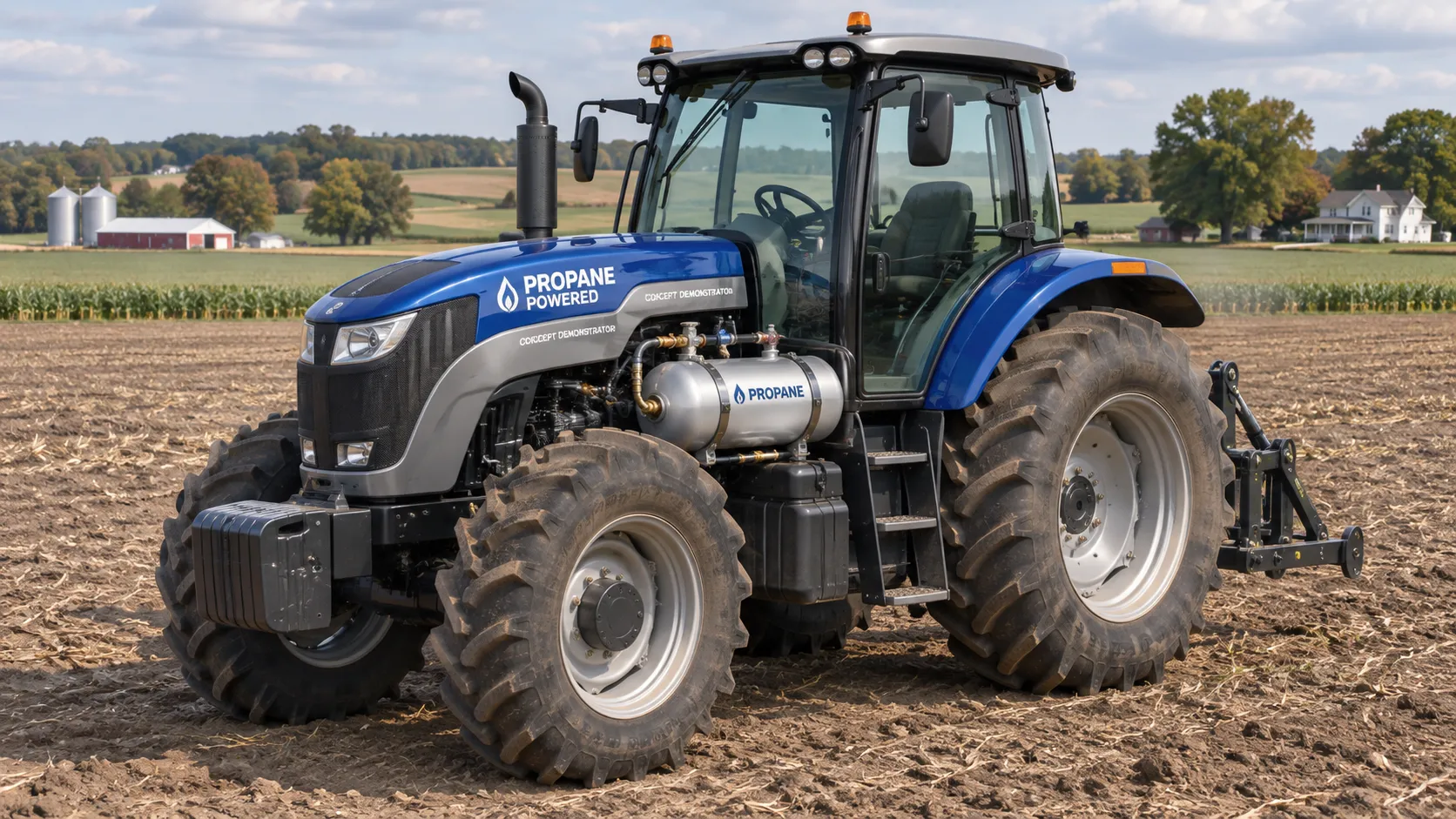
PERC and Daedong Launch Propane Tractor Demonstration Project
PERC and Daedong launch a propane tractor demonstration to explore farm performance, operating costs and emissions. Discover what the year-long project could reveal.
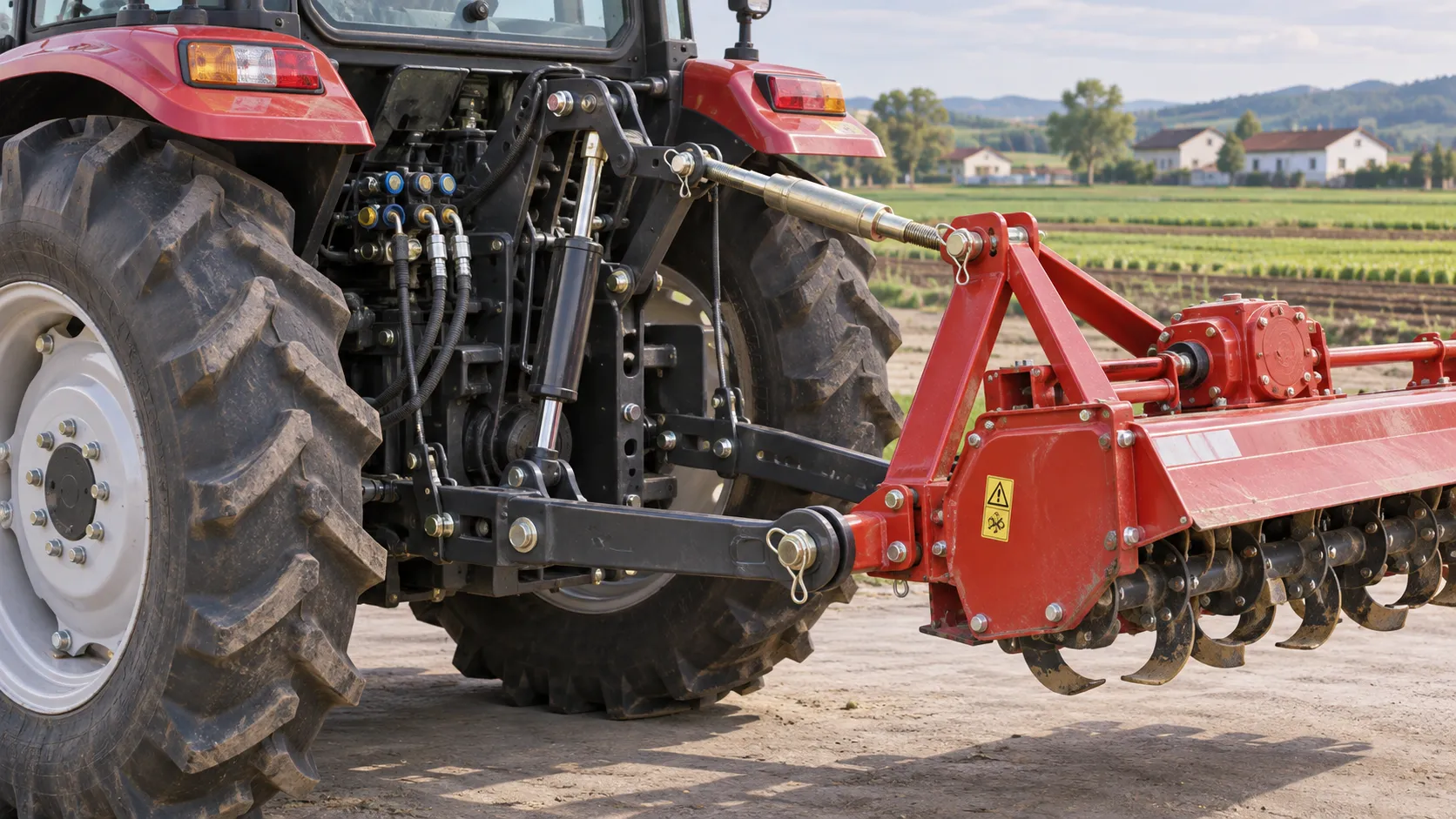
Choosing a Rear Hitch Hydraulic Lift System: Capacity and Compatibility
Compare rear hitch hydraulic lift systems with confidence. Learn how to assess lift capacity, hitch compatibility, hydraulic performance, and tractor stability.
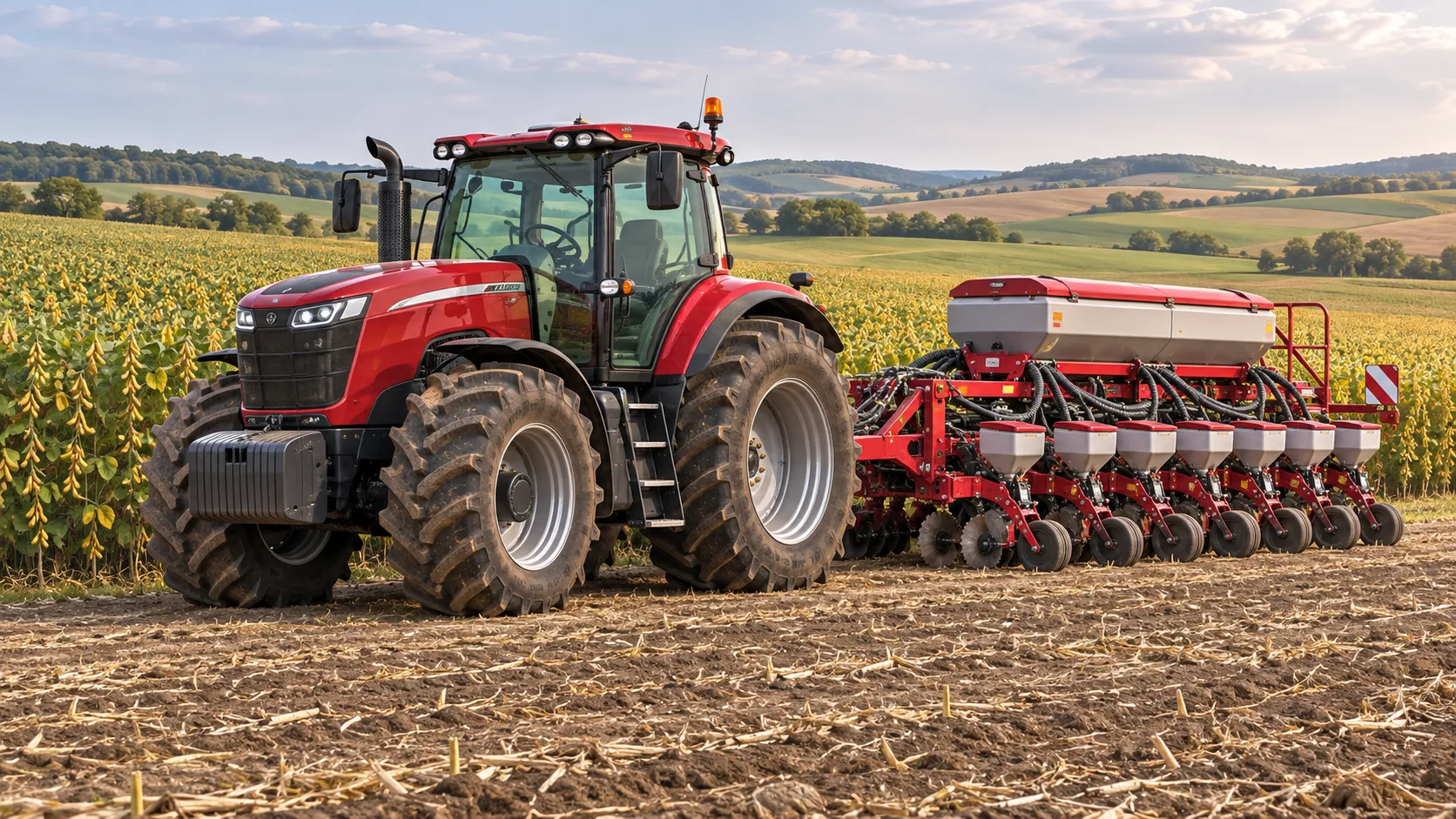
Choosing Heavy-Duty Soybean Machinery for Different Farm Sizes and Soil Types
Choose heavy duty farm machinery for soybeans with confidence. Compare tractors, planters, and combines for your farm size, soil conditions, and budget.
Global Farm Equipment Sales Slide as India and China Show Resilience
Global farm equipment sales are declining, but India and China show resilience. Explore the market outlook and what it means for buyers and suppliers.
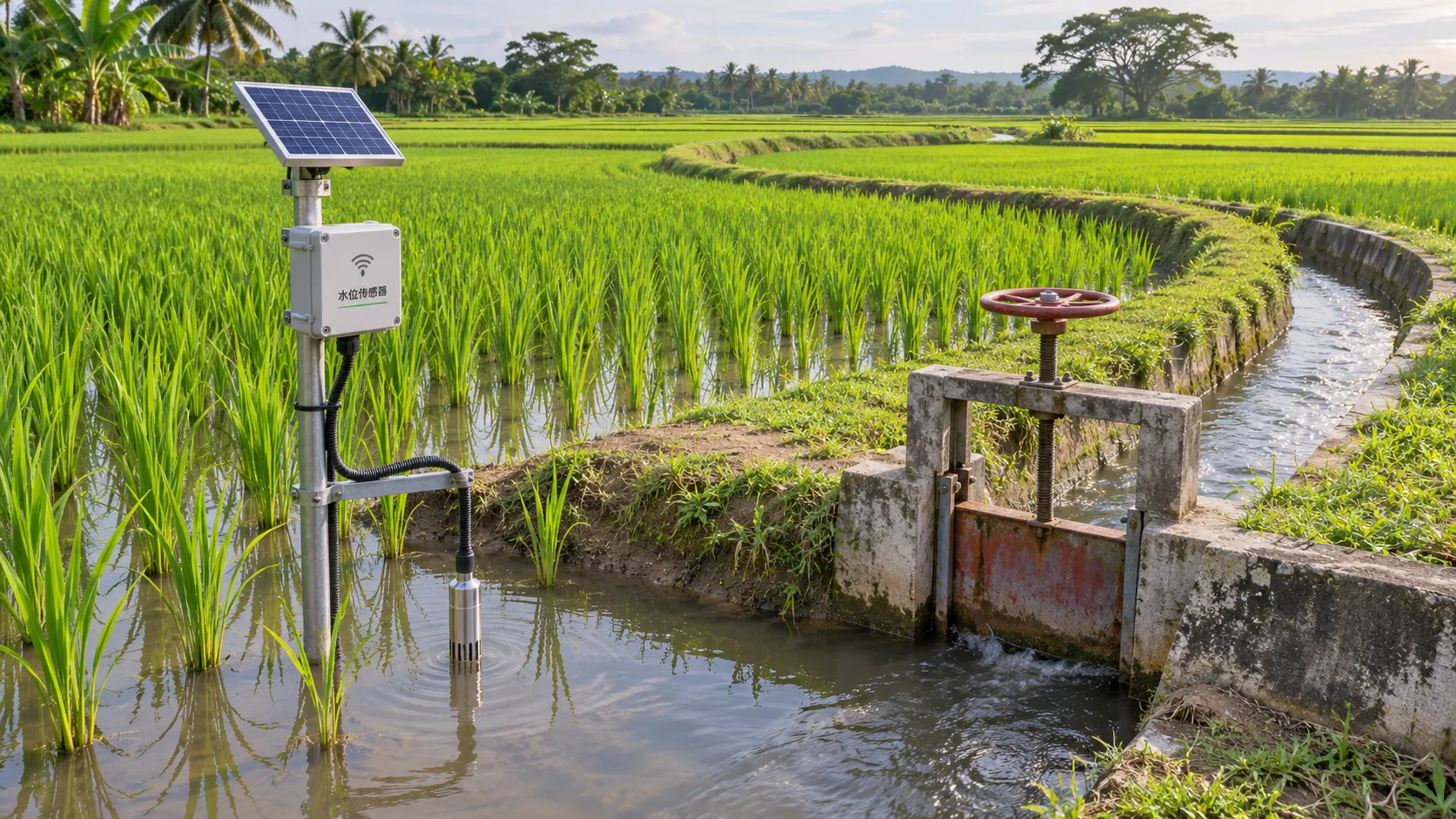
Smart Cultivation Solutions for Rice Farms in Southeast Asia
Explore smart cultivation solutions Southeast Asia rice farms can use to improve water management, mechanization and harvest planning. Start with practical field insights.
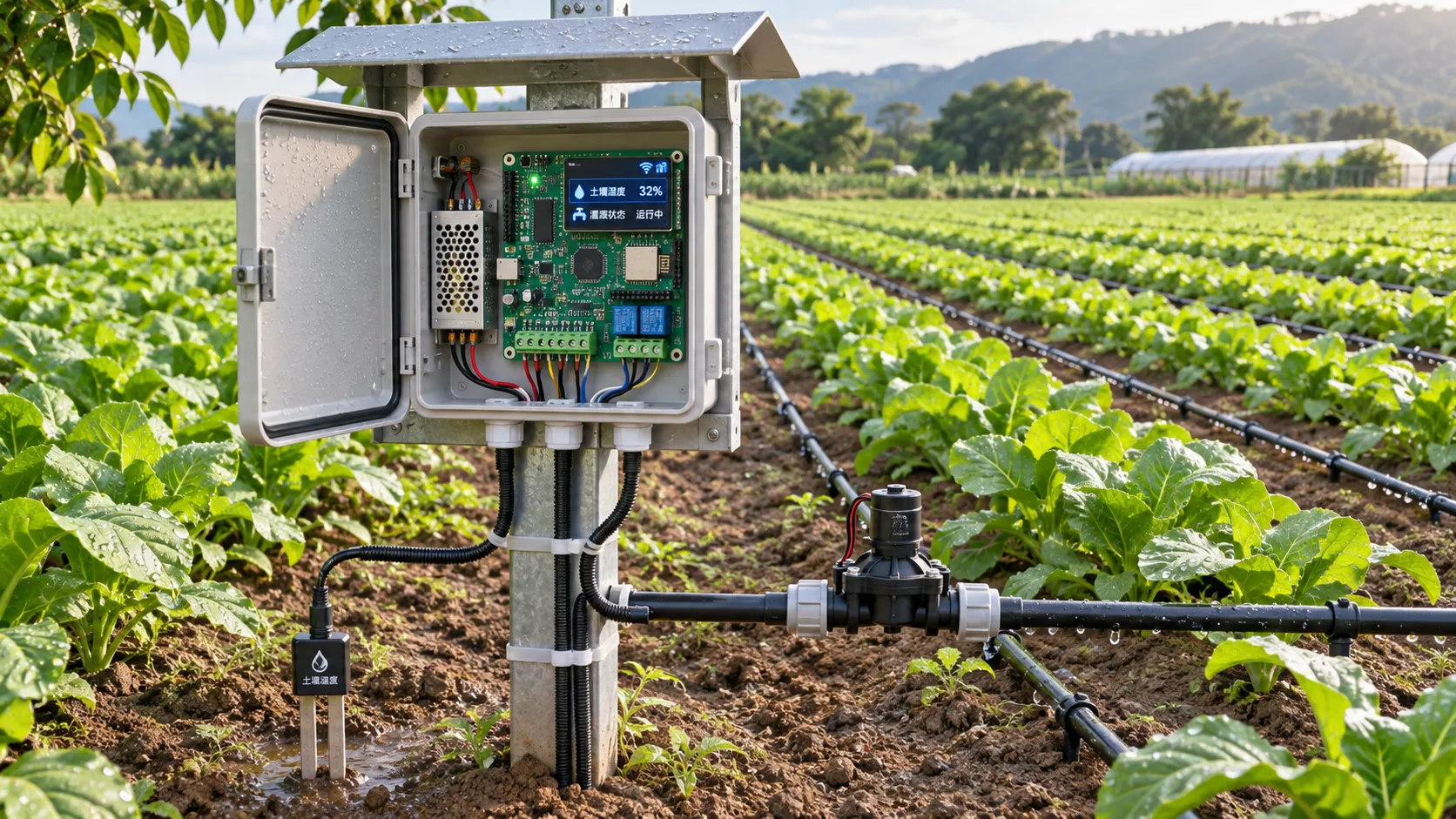
Quantized Edge AI Cuts Microcontroller Irrigation Inference Energy by 73.3%
Quantized edge AI cuts irrigation model inference energy by 73.3% and fits in 8 KB. Explore what this research could mean for smart irrigation devices.

How to Read Filtration Accuracy Specifications: Micron Ratings Explained
Get product specification guidance on filtration accuracy. Learn how to compare micron ratings, beta ratios, and test methods to select the right filter.
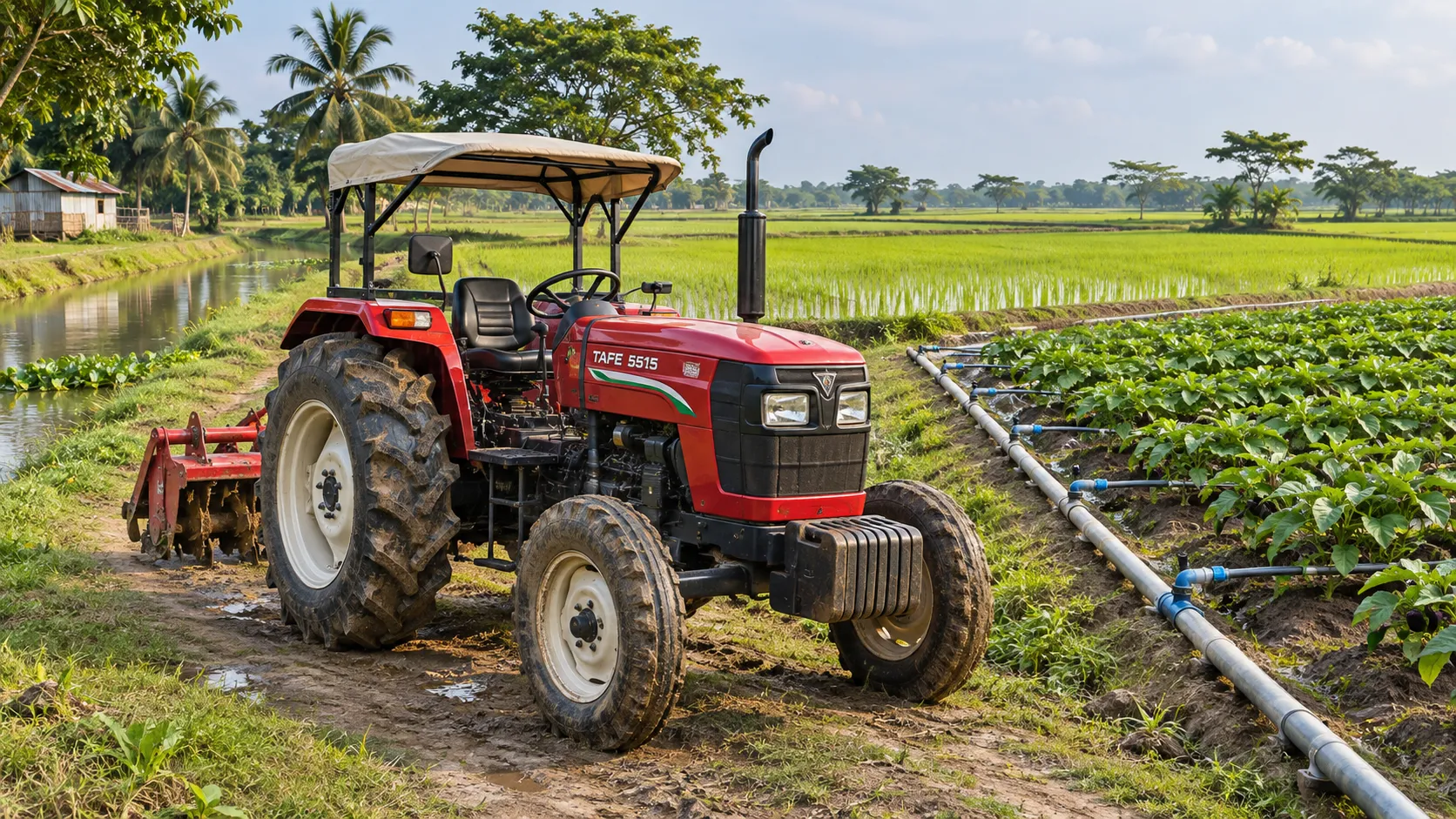
Bangladesh Irrigation and Farm Machinery Receive Less Than 1% of Agricultural Credit
Bangladesh agricultural credit for irrigation and farm machinery was reportedly under 1% of total lending. Explore what this could mean for equipment buyers and suppliers.
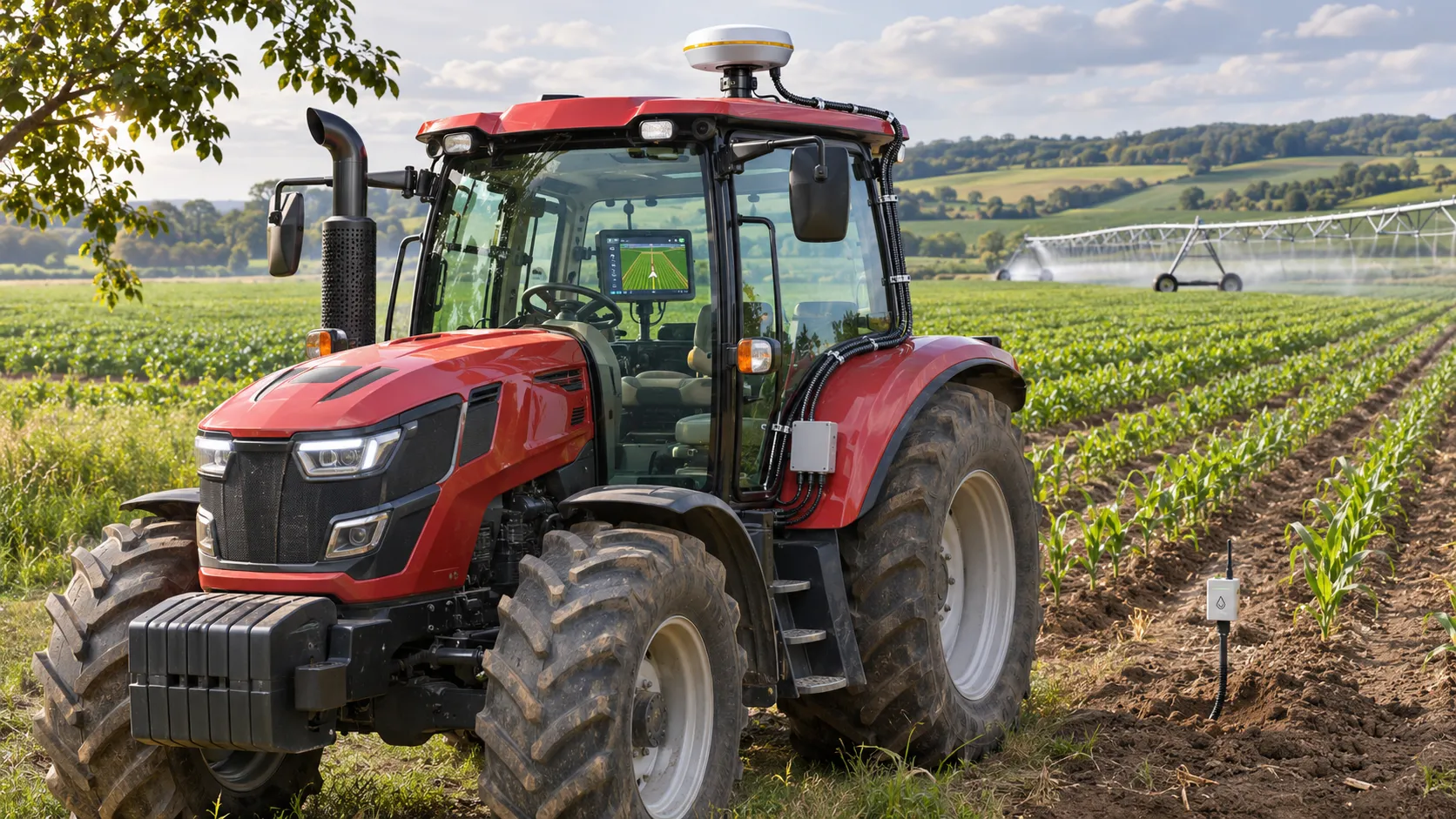
Smart Farm Tool Prices: What Buyers Should Budget Beyond Equipment Costs
Compare intelligent farm tools price quotes beyond hardware. Discover the costs of installation, subscriptions, training, and support before you buy.
Related News
- 00
0000-00
FAO: Global Food Supplies Ample, but Market and Food Security Risks Rise - 00
0000-00
Choosing Heavy-Duty Soybean Machinery for Different Farm Sizes and Soil Types - 00
0000-00
Global Farm Equipment Sales Slide as India and China Show Resilience - 00
0000-00
Smart Cultivation Solutions for Rice Farms in Southeast Asia - 00
0000-00
How to Read Filtration Accuracy Specifications: Micron Ratings Explained
0000-00
Popular Tags
Ms. Elena Rodriguez
Weekly Insights
Stay ahead with our curated technology reports delivered every Monday.