Choosing Heavy-Duty Soybean Machinery for Different Farm Sizes and Soil Types
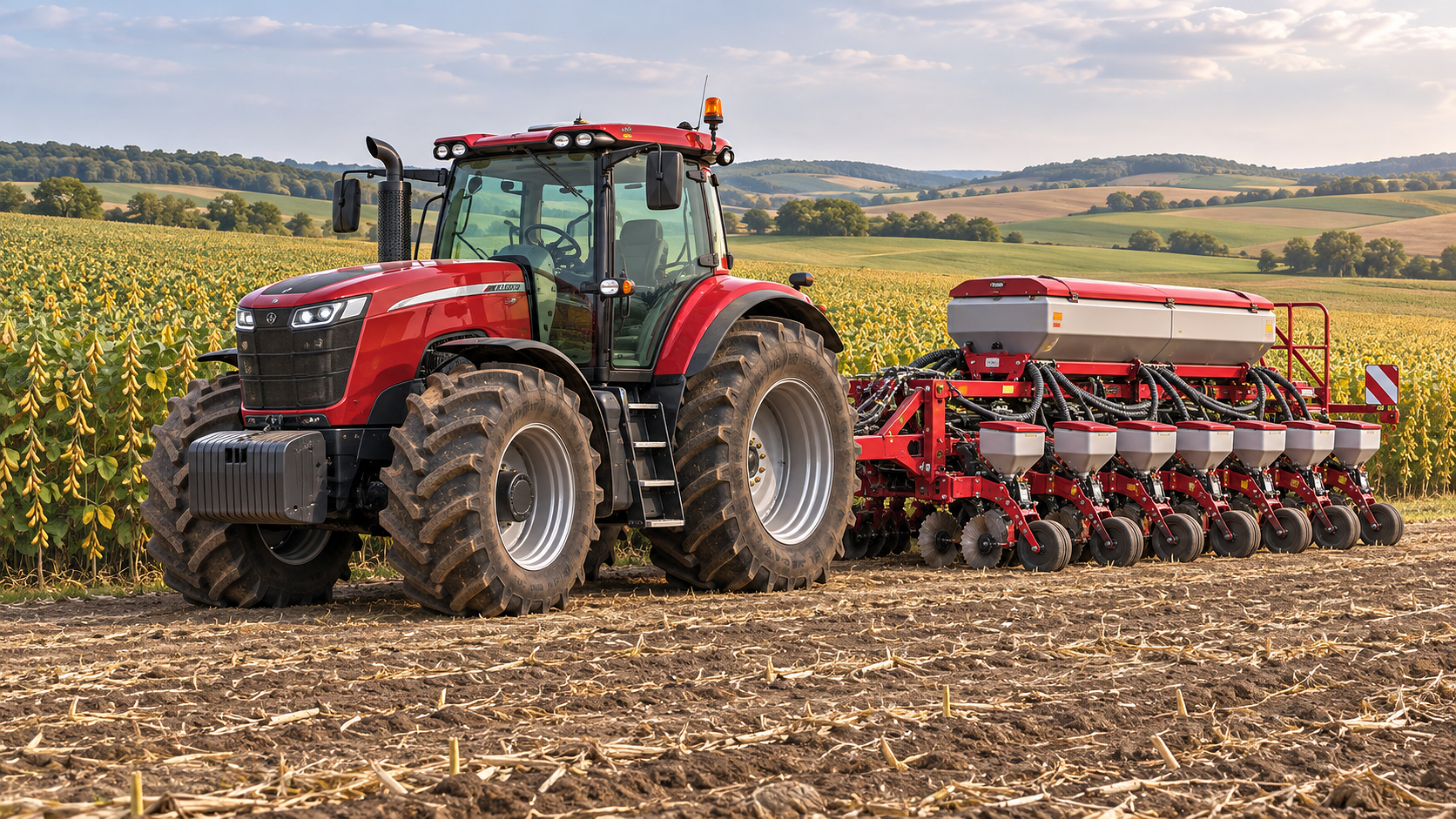




The right heavy duty farm machinery for soybeans is the equipment that can finish planting and harvesting within the farm’s workable field windows without creating avoidable soil damage. Horsepower and working width matter, but they are only part of the decision. Field size, travel distances, soil moisture, terrain, residue levels, and access to labor can change which machine is the better fit.
Start by identifying the operation most likely to limit the season: getting seed into the ground on time, harvesting before conditions deteriorate, or moving grain away from the combine. Then evaluate the tractor, planter, and harvesting system around that constraint. A larger machine can add useful capacity, but only if the field layout, soil conditions, and supporting equipment allow it to work effectively.
Size the equipment around workable days, not total acreage alone
Two farms with similar soybean acreage can need very different machinery. One may have large, well-drained fields close together; the other may work smaller fields separated by roads and low-lying ground. The second operation may spend more time transporting equipment, turning, and waiting for soil to dry, even though its planted area is the same.
Estimate capacity using the area that must be covered during the available planting or harvest window. Then account for field efficiency: time lost to turning, filling seed, unloading grain, adjustments, travel, and maintenance. A machine’s theoretical width and speed do not describe how much work it will complete over a day.
For smaller or fragmented farms, a moderately sized tractor and planter may be easier to transport, turn, and keep fully utilized. A wider implement is less attractive if it spends much of its time folded on the road or navigating short rows. Where annual combine use is limited, a shared machine or harvesting service can also be worth comparing with ownership, provided availability matches the farm’s harvest window.
Larger farms with long fields and tight seasonal deadlines may benefit from wider planters and higher-capacity combines. However, the whole system must support that capacity. A combine that regularly waits for grain transport, or a planter that stops frequently for seed, may deliver less daily output than its size suggests.
Include other crops and seasonal jobs in the calculation. A tractor selected for soybean planting may also pull tillage or grain-handling equipment. A combine used across several crops can spread ownership costs over more use, but overlapping harvest periods can place competing demands on the same machine.
Match tractor capability to the implement and the field
Begin with the planter or other implement the tractor must pull, then work back to the tractor’s requirements. Power is necessary, but hydraulic flow, lift capacity, drawbar loading, electrical connections, and ballast can be just as decisive. A tractor may have enough engine power yet lack the hydraulic capacity to run planter fans, drives, and row-control functions together under demanding conditions.
Check implement requirements in the configuration actually being considered. Seed tanks, fertilizer attachments, row cleaners, and transport systems can change weight and hydraulic demand. Evaluate the combination with the implement filled, particularly where road travel, slopes, or soft headlands are part of the route.
Traction depends on how power reaches the ground. Tire size, inflation pressure, ballast, axle loading, and, where fitted, track configuration all influence performance. Excess ballast can increase compaction; insufficient traction can lead to wheel slip and wasted fuel. The goal is enough traction and stability for the job, with the lowest practical soil load.
Transport deserves the same attention as field work. A wide planter that cannot move conveniently through gateways, over bridges, or along local roads creates a bottleneck before it reaches the field. Folding dimensions, loaded weight, braking, and the tractor’s ability to control the implement on slopes should all form part of the evaluation.
Let soil conditions shape the machine configuration
Soil texture helps describe field behavior, but moisture at the time of operation often determines whether heavy equipment can work without causing damage. Clay-rich soils can be particularly vulnerable when wet; sandy soils may drain faster but can still compact under traffic. A single farm may need different operating decisions for well-drained uplands and wet depressions.
Pay particular attention to axle load when comparing combines. A larger grain tank reduces unloading frequency, but it also increases machine weight as it fills. Unloading more often can limit the load carried across vulnerable ground, although this requires enough grain-handling support to avoid long stops.
Tracks and high-flotation tires are useful options where access and surface rutting are recurring concerns. Neither makes wet soil immune to compaction. Consider contact area together with total machine weight, load distribution, tire pressure, and the number of passes. If the soil is too wet, waiting or changing the traffic pattern may protect the field better than changing tires alone.
Choose a soybean planter for consistent placement
Planter width determines potential coverage, but seed placement determines whether that coverage translates into an even stand. Compare row-unit performance in the farm’s actual seedbed: tilled soil, stale seedbed, or standing residue. The machine should maintain a consistent working depth and close the seed slot without excessive disturbance over the range of conditions expected at planting.
Row spacing and seed metering should fit the farm’s agronomic plan and the equipment used for weed control and harvest. Narrower rows can require more row units across a given width, increasing purchase and maintenance demands. Wider rows may suit existing equipment or field practices. The choice should follow the production system rather than a presumed universal advantage.
Downforce adjustment matters when soil firmness changes across a field. Too little can leave seed placement inconsistent; too much can increase sidewall compaction or create excessive pressure around the seed slot. Automated systems can respond to changing conditions, but they still need appropriate settings and periodic field checks. Inspect planted rows behind the machine rather than relying only on a cab display.
Residue managers, coulters, and closing wheels should address a specific field problem. For example, residue managers can help clear a path for the row unit in heavy surface cover, but aggressive settings can move soil and create an uneven planting surface. Favor equipment that operators can adjust readily as conditions change.
Evaluate combine performance beyond rated capacity
For soybeans, a combine must gather low pods, feed crop material evenly, separate grain, and clean it without unacceptable loss or damage. Header performance is often decisive. A flexible cutterbar and effective ground following can help the header run close to uneven soil, while a suitable reel and feeding system help move plants into the machine.
Choose header width with field shape, transport, terrain, and expected crop conditions in mind. A wider header can cover more ground, but it may be harder to follow irregular ground or keep evenly fed in difficult conditions. On a farm with short rows and narrow entrances, transport and turning time can erode its capacity advantage.
Inside the combine, assess the range of adjustment available for threshing, separation, and cleaning. Soybean conditions change with variety, moisture, green stems, weed pressure, and time of day. A machine that is easy to adjust and monitor can help the operator respond as those conditions change. Examine both grain quality in the tank and losses behind the machine; a clean sample alone does not show how much grain is being left in the field.
Separate header loss from loss occurring inside the combine when investigating a problem. Grain or uncut pods ahead of the machine point toward preharvest or header-related loss; material discharged behind it may indicate a threshing, separation, or cleaning issue. Stop safely and inspect representative areas before changing settings. The useful comparison is performance at the farm’s intended operating speed and crop condition, not the largest headline capacity.
Make precision features earn their place
Guidance and automatic steering can reduce overlap and help operators maintain consistent passes, especially in large fields or during long working days. Section control may have more value in irregular fields where point rows create repeated overlap. Its benefit depends on field geometry, existing equipment, and the reliability of the positioning signal used by the system.
For planters, monitoring seed delivery and row-unit behavior can alert an operator to blockages or inconsistent performance before a large area is affected. Combine yield and loss monitoring can support adjustments and later analysis, provided sensors are maintained and calibrated for the crop and conditions. A display that generates data without prompting a useful decision adds complexity without necessarily improving the operation.
Check compatibility across tractors, implements, displays, and farm software before purchase. Establish which functions require additional hardware, subscriptions, signal coverage, or dealer setup. Also consider how readily operators can use the system during a busy season and how data can be transferred if equipment brands change.
Compare ownership costs and support as one system
A sound comparison includes more than the purchase price. Estimate financing or capital cost, insurance, storage, routine service, wear parts, fuel, and likely transport or setup expenses. Include the capacity of grain carts, trucks, seed supply, and labor where a new machine changes the demands on the rest of the operation.
Downtime during a short field window can outweigh an apparent saving on the machine itself. Look at local parts availability, technician access, diagnostic support, and the time required for common service tasks. A familiar machine with accessible support may be more useful than a higher-specification alternative that is difficult to repair promptly.
Before making the final selection, compare shortlisted combinations against the same field scenarios: a normal planting period, a delayed start on wet ground, and harvest with limited grain transport. For each, estimate workable area per day, identify the limiting operation, and check machine weight and access. That exercise makes the trade-offs visible and provides a practical basis for choosing the equipment package.
Related News
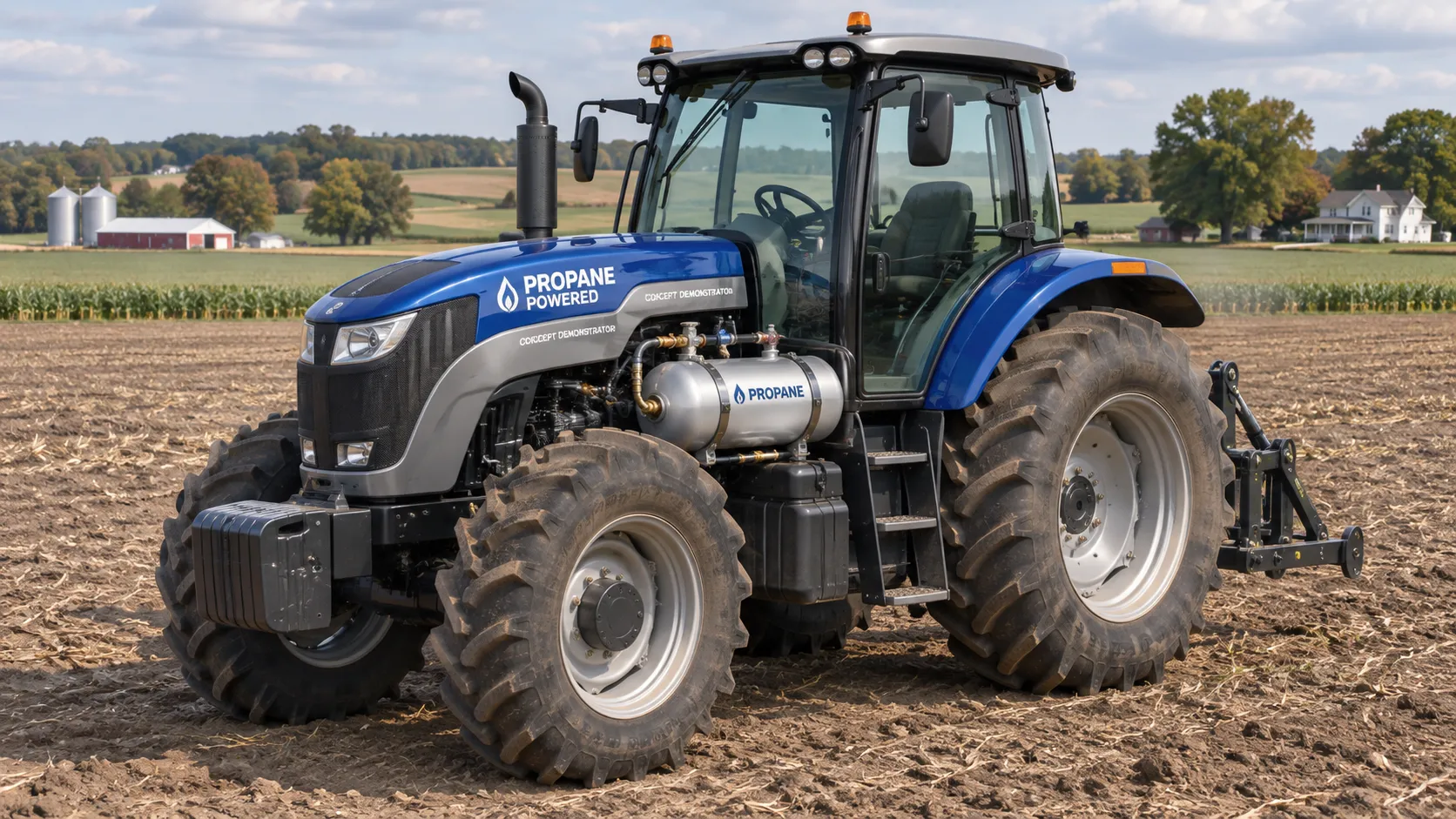
PERC and Daedong Launch Propane Tractor Demonstration Project
PERC and Daedong launch a propane tractor demonstration to explore farm performance, operating costs and emissions. Discover what the year-long project could reveal.
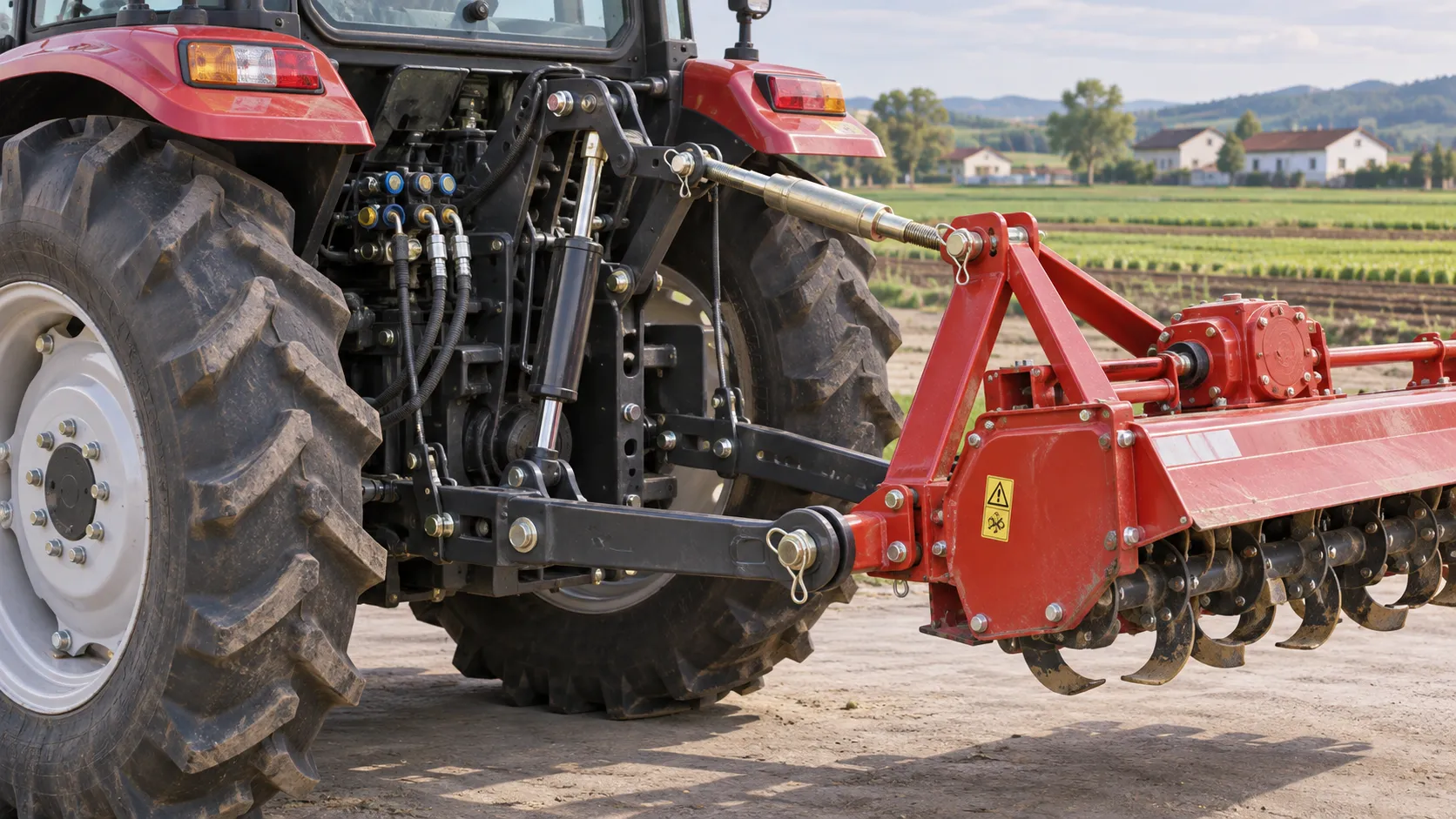
Choosing a Rear Hitch Hydraulic Lift System: Capacity and Compatibility
Compare rear hitch hydraulic lift systems with confidence. Learn how to assess lift capacity, hitch compatibility, hydraulic performance, and tractor stability.
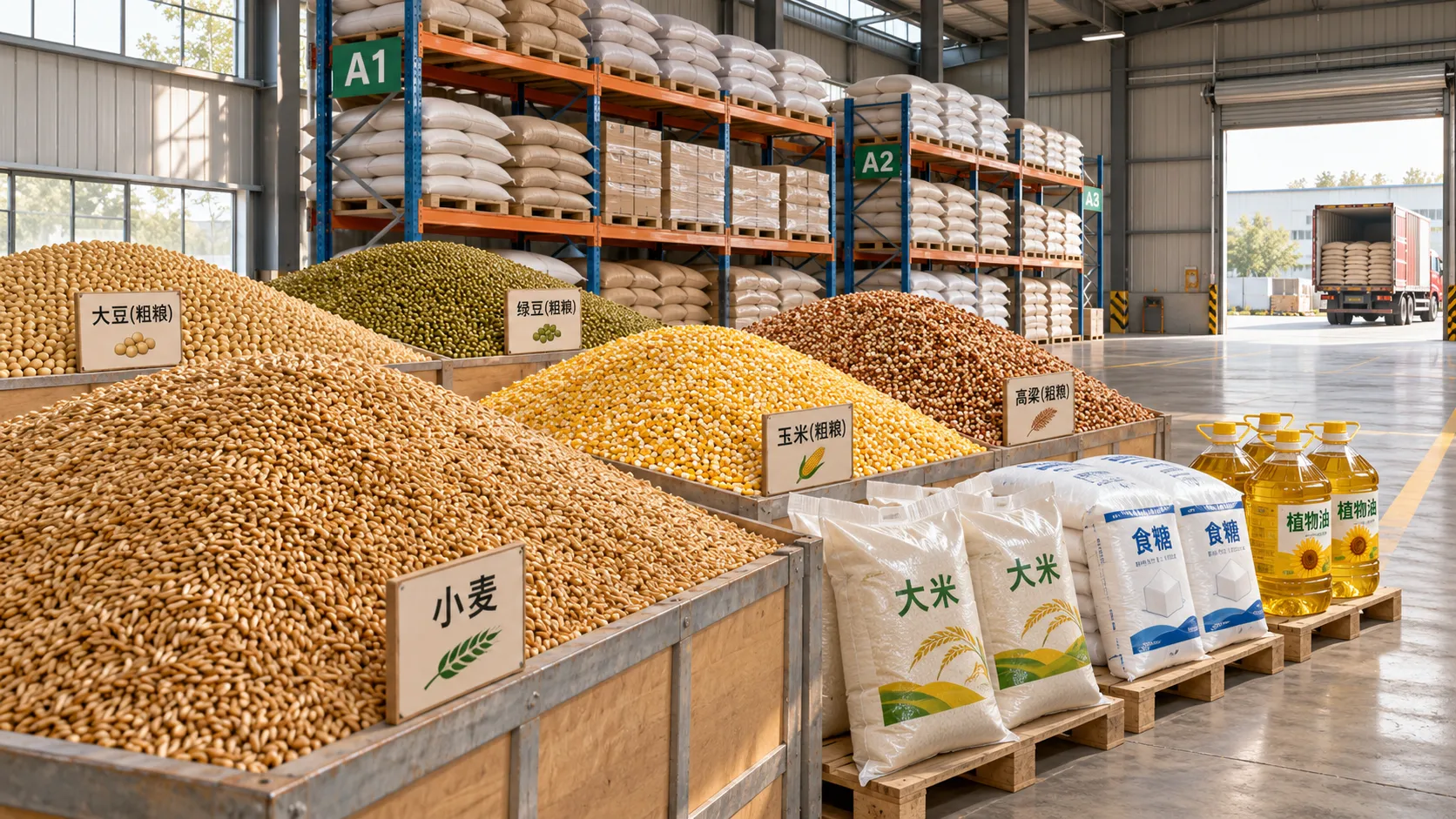
FAO: Global Food Supplies Ample, but Market and Food Security Risks Rise
FAO's global food supply outlook reveals ample grain stocks but tighter rice, sugar and vegetable oil markets. Explore the risks to food security.
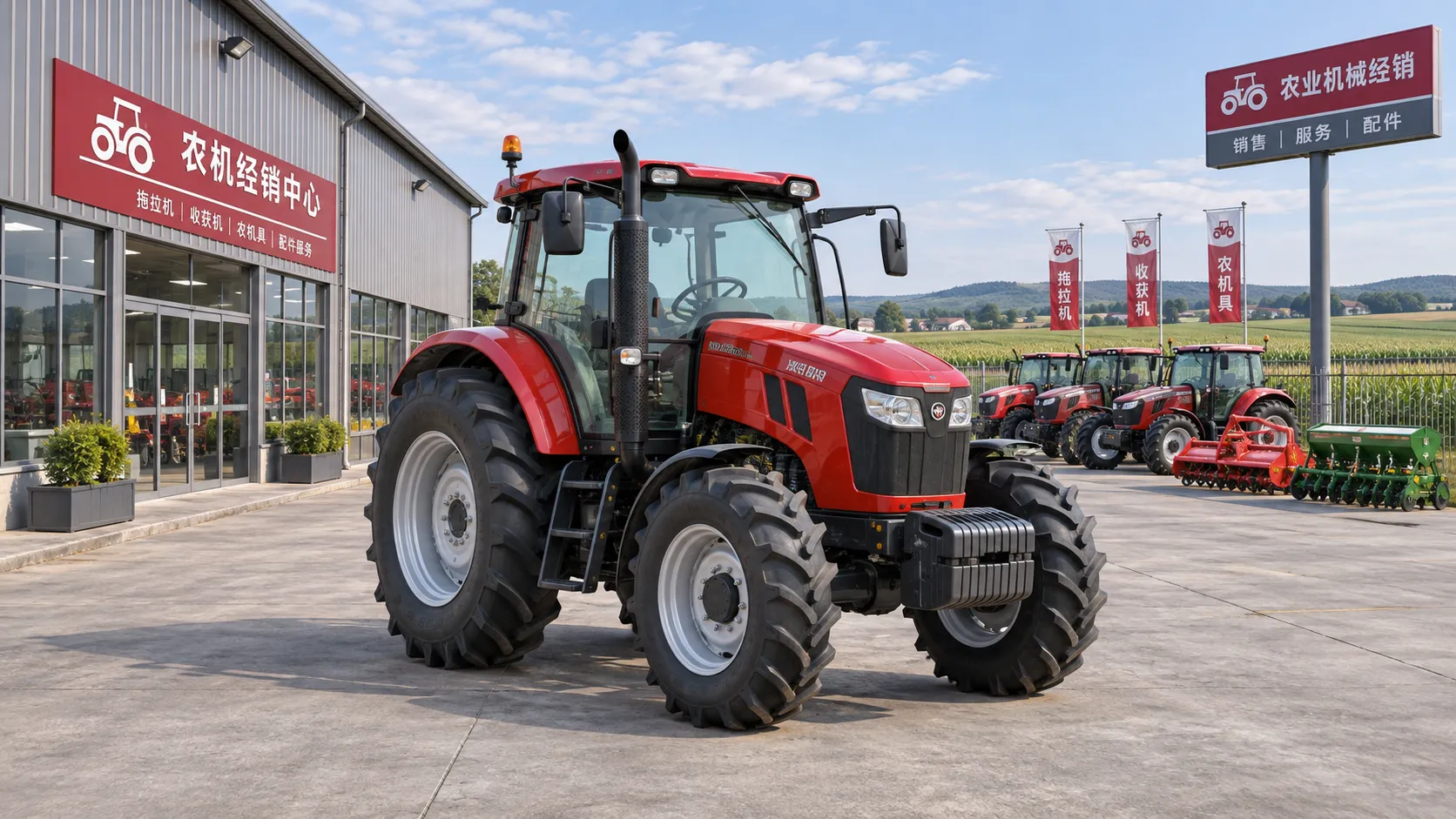
Global Farm Equipment Sales Slide as India and China Show Resilience
Global farm equipment sales are declining, but India and China show resilience. Explore the market outlook and what it means for buyers and suppliers.
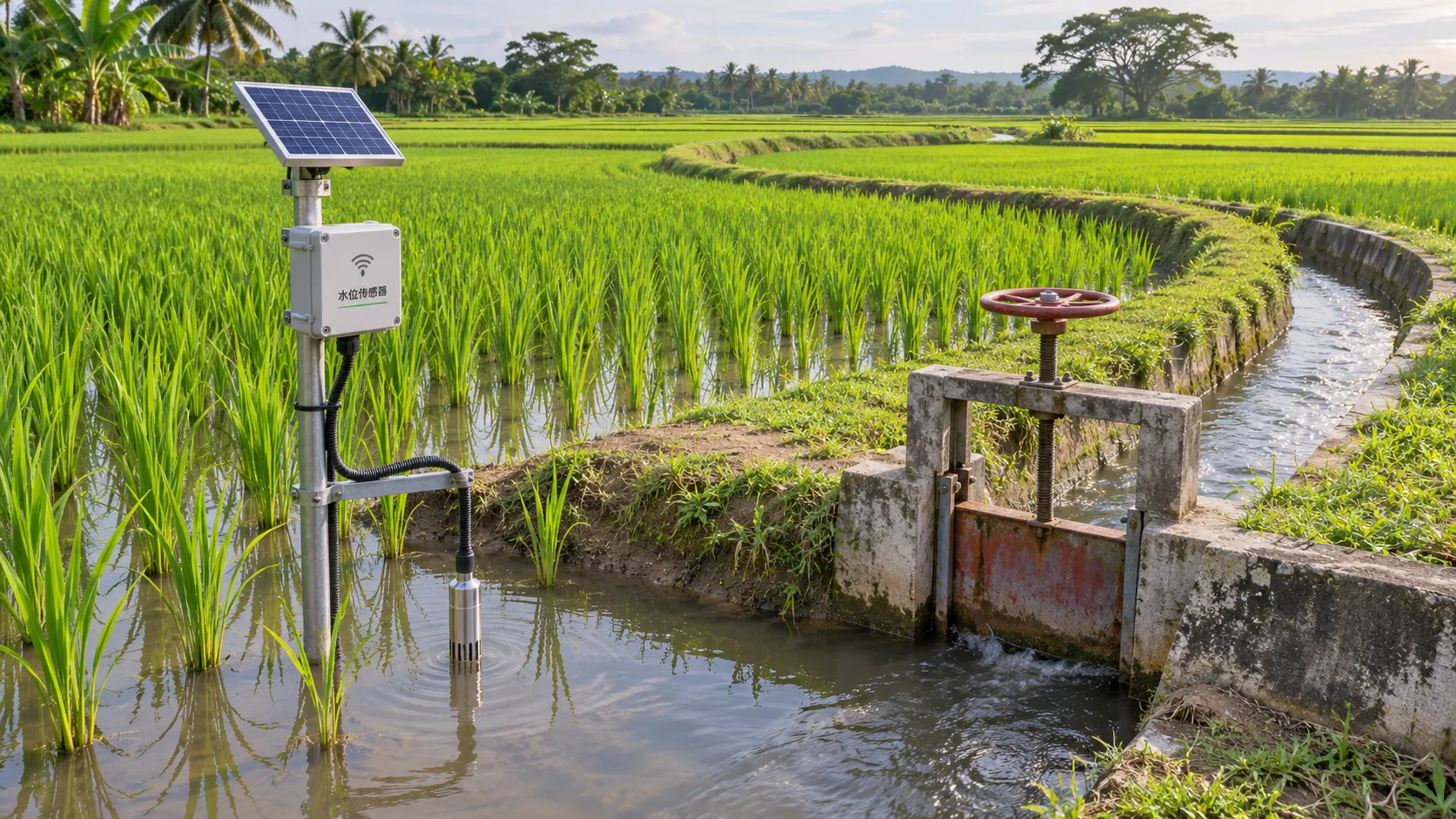
Smart Cultivation Solutions for Rice Farms in Southeast Asia
Explore smart cultivation solutions Southeast Asia rice farms can use to improve water management, mechanization and harvest planning. Start with practical field insights.
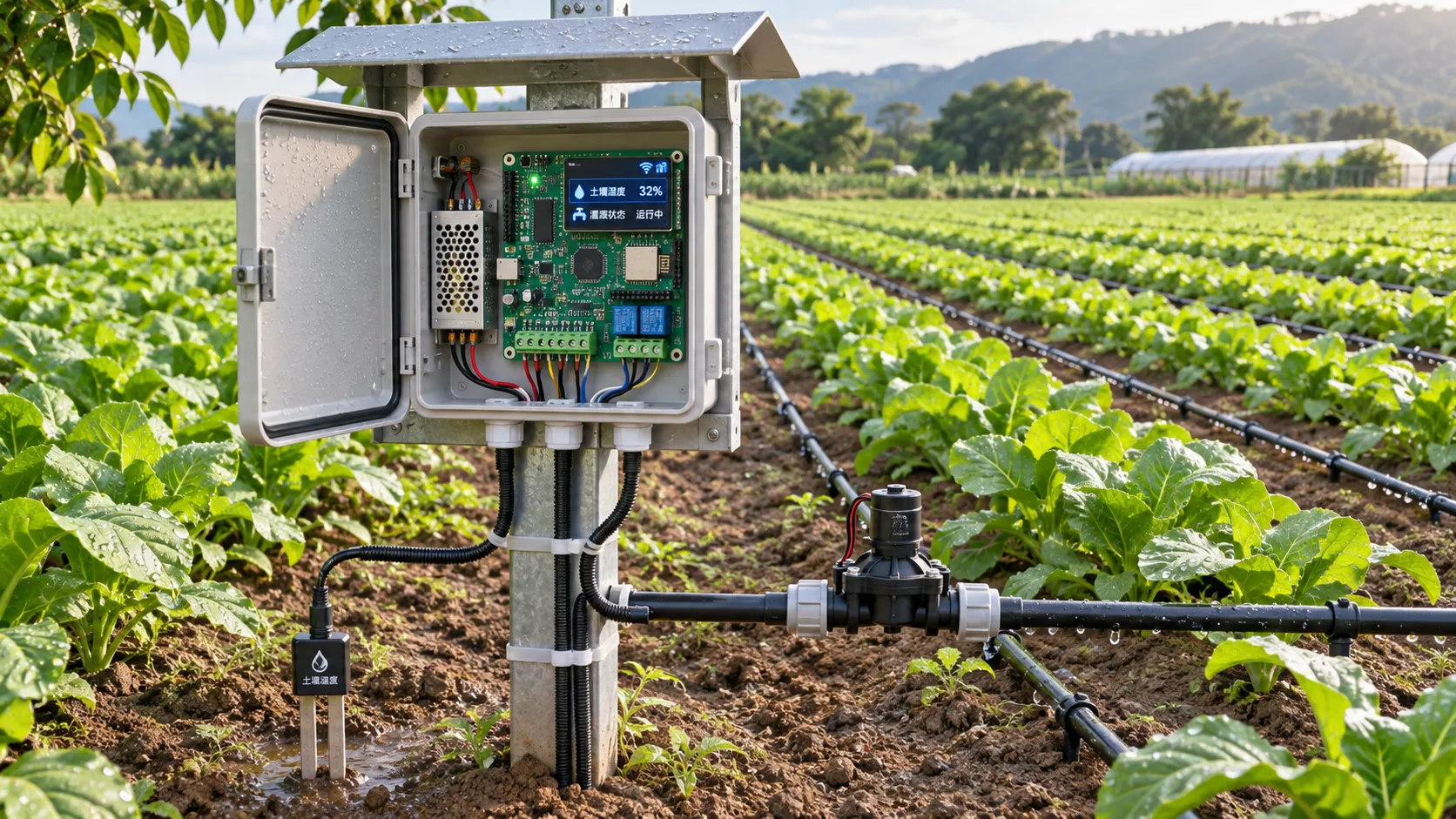
Quantized Edge AI Cuts Microcontroller Irrigation Inference Energy by 73.3%
Quantized edge AI cuts irrigation model inference energy by 73.3% and fits in 8 KB. Explore what this research could mean for smart irrigation devices.
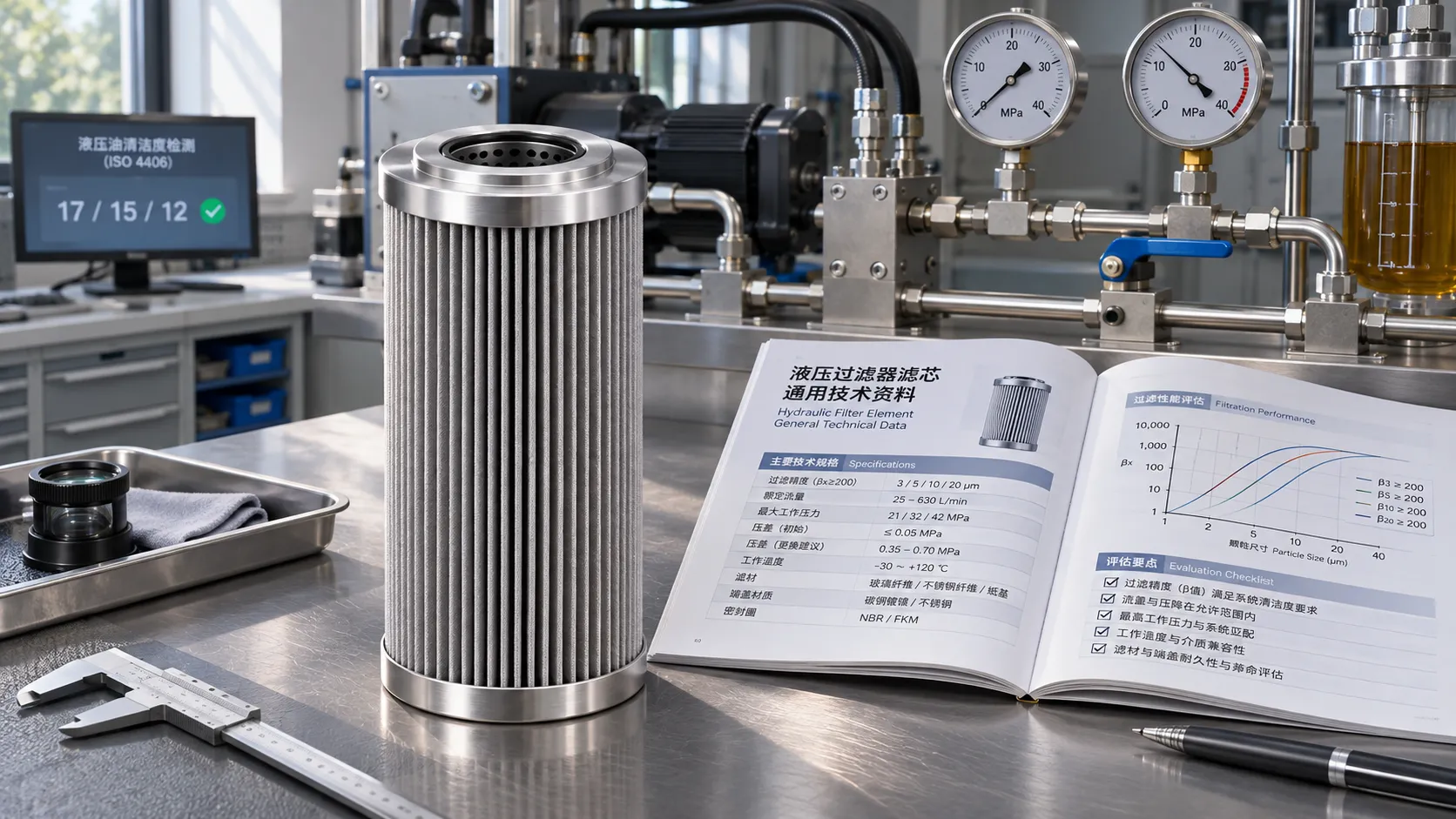
How to Read Filtration Accuracy Specifications: Micron Ratings Explained
Get product specification guidance on filtration accuracy. Learn how to compare micron ratings, beta ratios, and test methods to select the right filter.
Bangladesh Irrigation and Farm Machinery Receive Less Than 1% of Agricultural Credit
Bangladesh agricultural credit for irrigation and farm machinery was reportedly under 1% of total lending. Explore what this could mean for equipment buyers and suppliers.
Smart Farm Tool Prices: What Buyers Should Budget Beyond Equipment Costs
Compare intelligent farm tools price quotes beyond hardware. Discover the costs of installation, subscriptions, training, and support before you buy.
Related News
- 00
0000-00
FAO: Global Food Supplies Ample, but Market and Food Security Risks Rise - 00
0000-00
Choosing Heavy-Duty Soybean Machinery for Different Farm Sizes and Soil Types - 00
0000-00
Global Farm Equipment Sales Slide as India and China Show Resilience - 00
0000-00
Smart Cultivation Solutions for Rice Farms in Southeast Asia - 00
0000-00
How to Read Filtration Accuracy Specifications: Micron Ratings Explained
0000-00
Popular Tags
Ms. Elena Rodriguez
Weekly Insights
Stay ahead with our curated technology reports delivered every Monday.