PERC and Daedong Launch Propane Tractor Demonstration Project
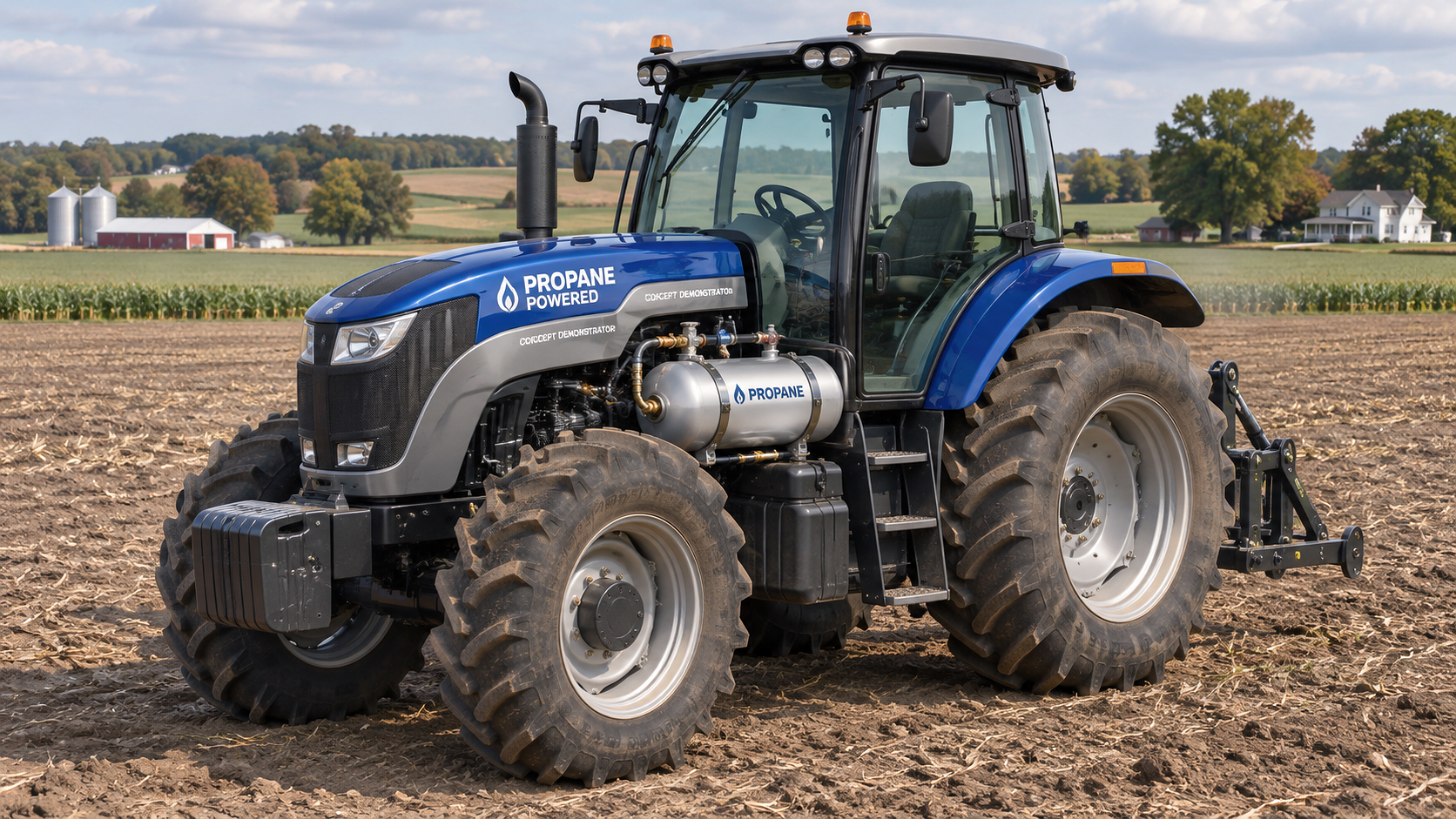




The Propane Education & Research Council (PERC) has announced a demonstration project with agricultural equipment manufacturer Daedong to develop a propane-powered tractor for the North American market. The project calls for two concept tractors in the 100-to-140-horsepower range to undergo a year of field demonstrations on farms.
The demonstrations will examine how the tractors perform in real farming conditions and explore propane's potential to reduce operating costs and emissions while supporting efficient work. Those outcomes remain questions for the field project: the announcement describes objectives for the technology, not results achieved by the two machines.
For farmers and equipment manufacturers, the project offers a chance to assess an alternative fuel in a tractor category where performance must be considered alongside practical operation. The significance will depend on how the concept machines perform during farm work and on whether any benefits hold up when fuel and equipment requirements are considered together.
From concept tractors to farm demonstrations
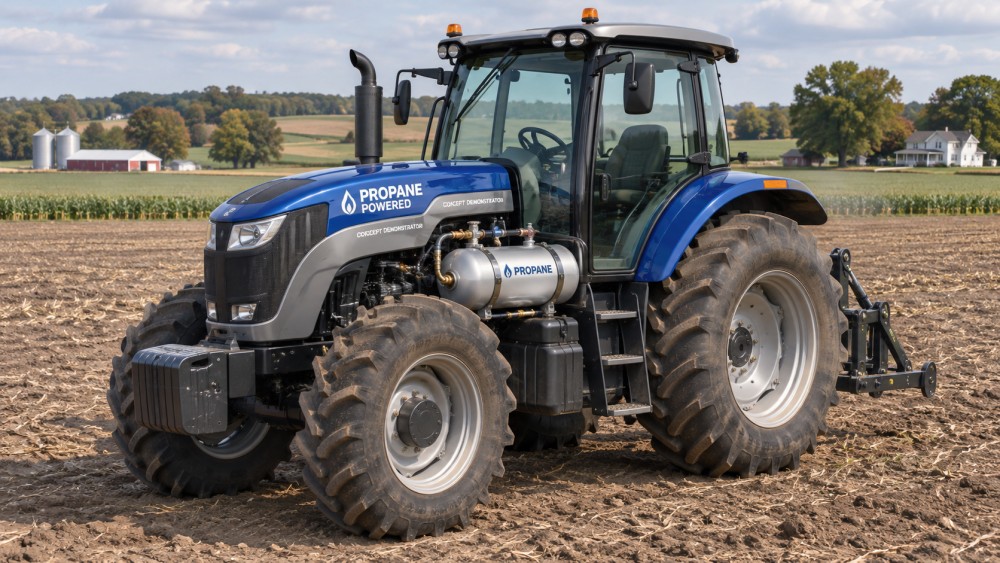
The planned delivery of two concept tractors places the project at a demonstration stage. The machines are intended for a year of field testing, giving the partners an opportunity to examine their performance in the setting for which they are being developed. The announcement does not establish that a commercial tractor is available or that the project has reached a production decision.
The 100-to-140-horsepower target also gives the project a defined scope. It points to a particular range of tractor power rather than an attempt to assess propane across every size of agricultural machine. Results from the two concepts may therefore help inform decisions about this proposed product, but they would not by themselves establish how propane would perform in all types of farm equipment.
The year-long demonstration is relevant because a tractor's value depends on more than whether it can operate on a particular fuel. Farmers need equipment to perform the work required of it, and an assessment of efficiency is more useful when it considers the work completed as well as the resources used. How the demonstrations measure and report those factors will shape what readers can learn from the project.
What the project could reveal about costs and emissions
Reducing farm operating costs is one of the project's stated aims. A meaningful assessment would need to look beyond the choice of fuel alone. The amount of fuel used to complete a given task, the price paid for it and any costs associated with operating the tractor would all affect the economic picture. A lower cost in one area would not necessarily translate into a lower overall cost of operation.
The same distinction applies to efficiency. If the tractors complete comparable work using fewer resources or with less interruption, that could strengthen the case for the technology. The announcement, however, does not specify the tasks, comparison equipment or performance measures planned for the demonstrations. Any assessment of efficiency will depend on the methods used and the results reported.
Emissions are another area where the scope of measurement matters. A report on emissions during tractor operation would answer a different question from an assessment that also considers fuel supply. Both the boundaries of an assessment and the operating conditions would matter when interpreting a claimed reduction. The project's environmental objective should therefore be read as a subject for evaluation, rather than as evidence of a particular emissions benefit.
These questions are connected. A tractor that performs a task differently from a comparison machine may also consume fuel differently, affecting both operating costs and emissions per unit of work. Reporting the work performed alongside fuel use and emissions would help readers understand the practical significance of any results.
Questions for farmers and the equipment market
For a farmer considering the technology in the future, the central question would be whether a propane tractor can meet the demands of the intended work at an acceptable total operating cost. Fuel access and the practical arrangements needed to use the tractor would also matter. Their relevance will vary with the farm and the eventual product; the announcement does not describe a fueling plan or the equipment that would be offered to customers.
For Daedong and others assessing the equipment market, the demonstration may help identify whether the concept merits further development for North America. Field performance could inform decisions about the tractor itself, while the economics of fuel use and practical operation could influence its potential appeal. The announced project does not set out a commercial release date, sales plan or production commitment.
PERC's involvement places the fuel at the center of the trial, while Daedong's role connects the demonstration to the development of the tractor. Together, the stated objectives cover both machine performance and the broader question of whether propane can offer useful operating or emissions benefits in this application. The project provides a way to test those questions in practice without settling them in advance.
What to watch after the field testing
The most useful next development would be information about the demonstrations themselves: the work undertaken, how performance was assessed and what the two tractors achieved over the year. Details of fuel use, operating costs and emissions would carry more weight if accompanied by an explanation of the conditions and any comparisons used.
Subsequent project announcements could also clarify whether the partners intend to modify the concepts, conduct further testing or pursue a commercial product. For now, the concrete step is the planned demonstration of two propane-powered concept tractors. Its contribution to a broader range of agricultural power options will depend on the evidence produced in the field and on decisions taken after that evidence is reviewed.
Related News
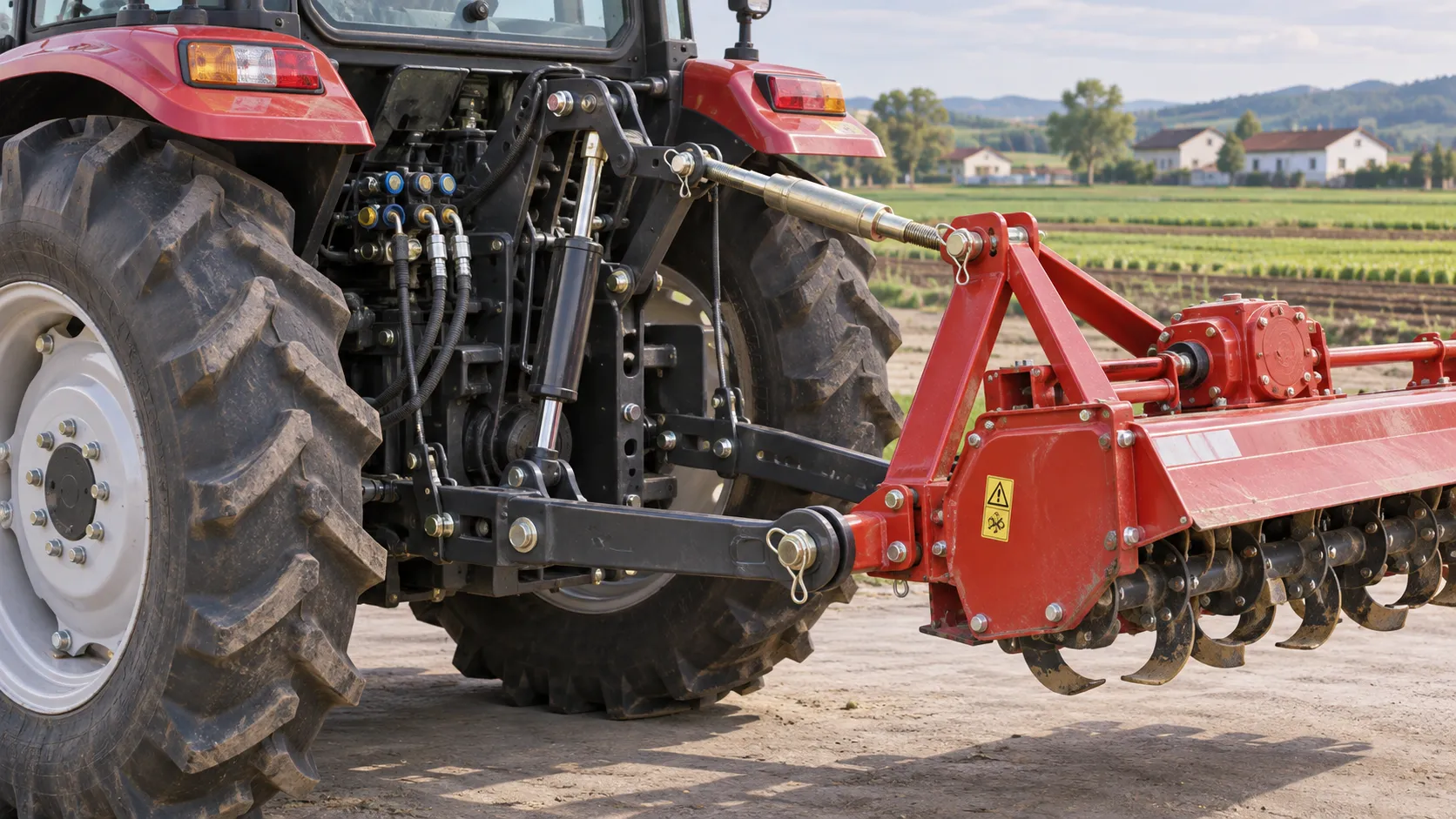
Choosing a Rear Hitch Hydraulic Lift System: Capacity and Compatibility
Compare rear hitch hydraulic lift systems with confidence. Learn how to assess lift capacity, hitch compatibility, hydraulic performance, and tractor stability.
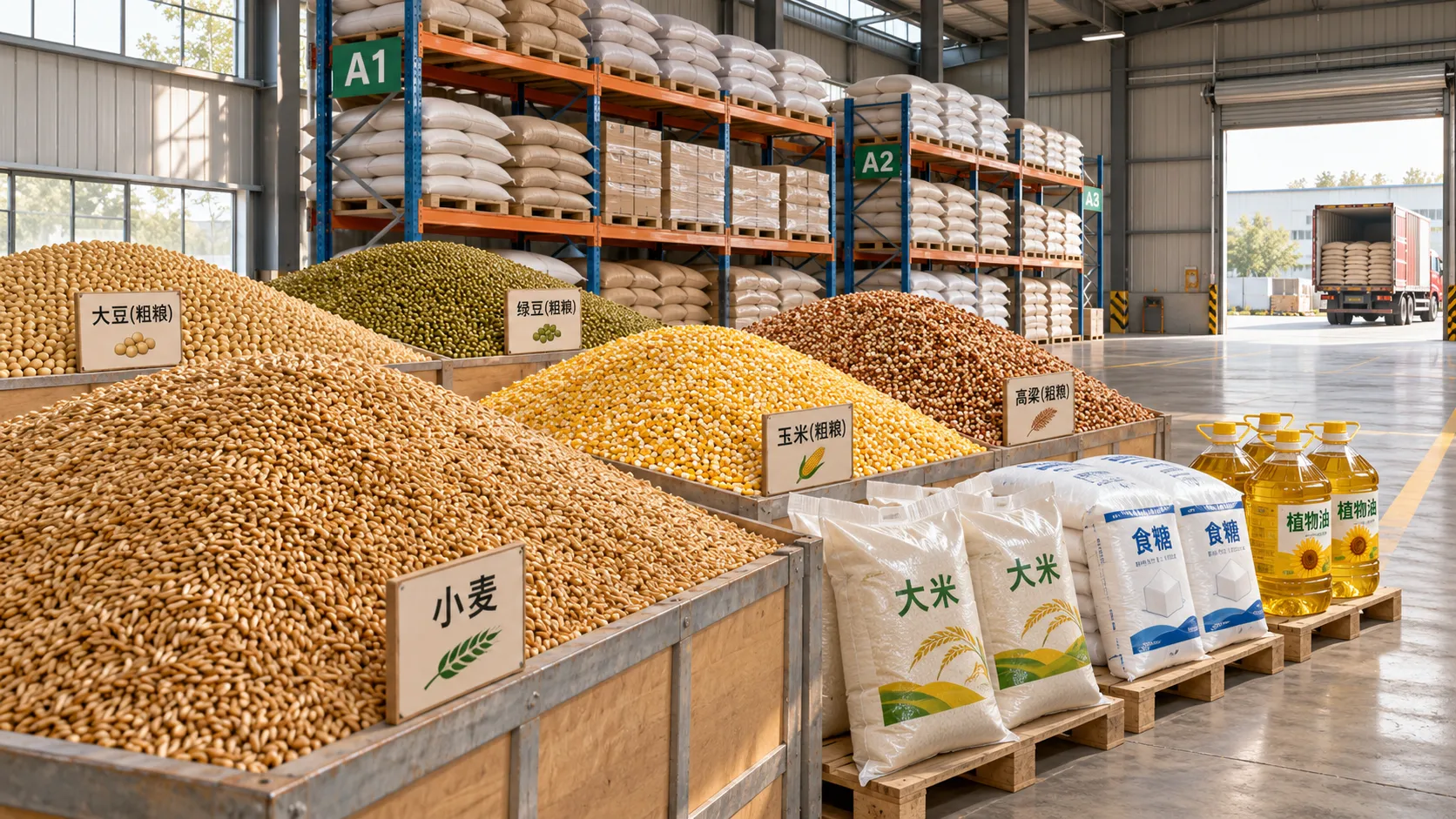
FAO: Global Food Supplies Ample, but Market and Food Security Risks Rise
FAO's global food supply outlook reveals ample grain stocks but tighter rice, sugar and vegetable oil markets. Explore the risks to food security.
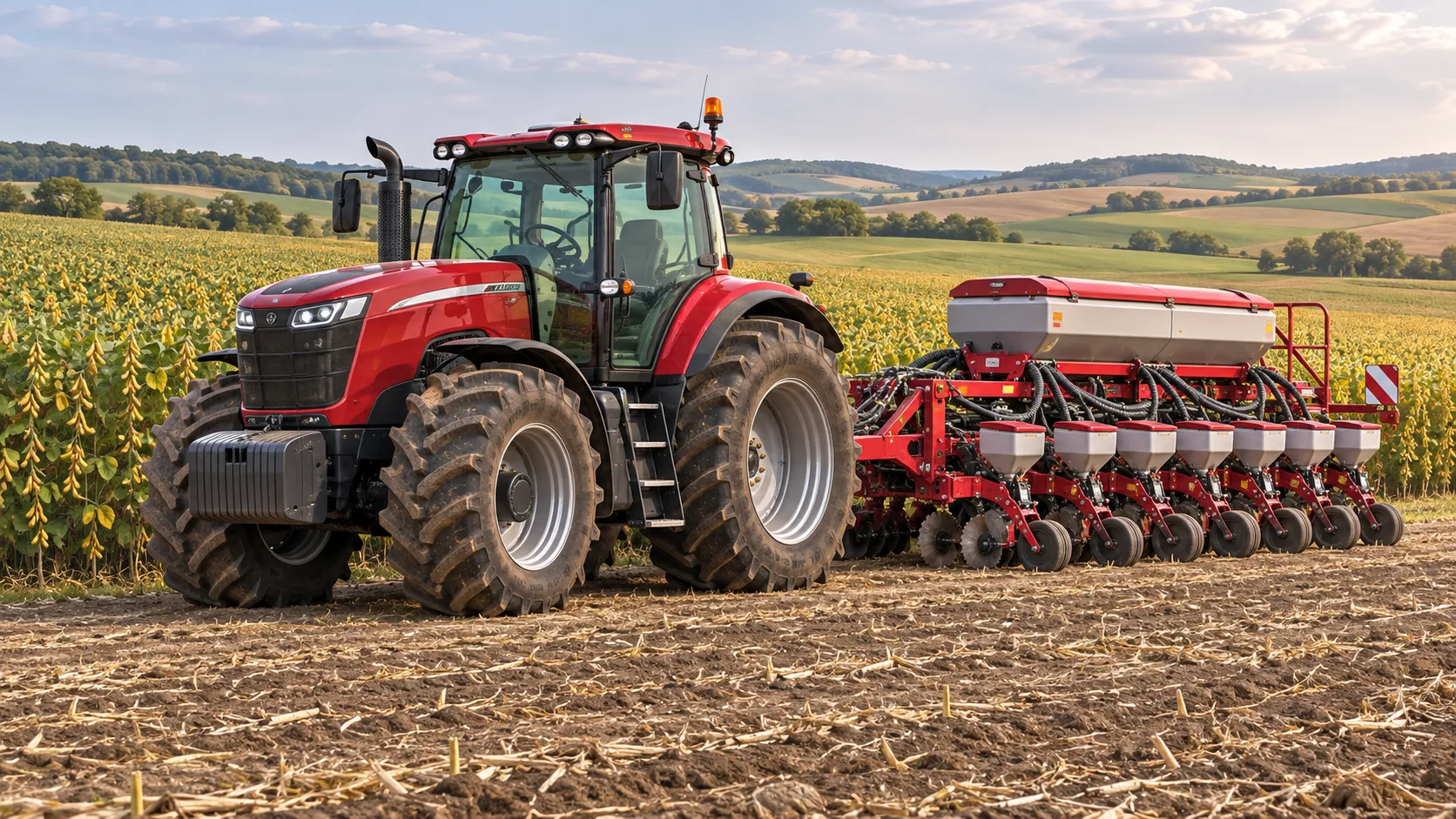
Choosing Heavy-Duty Soybean Machinery for Different Farm Sizes and Soil Types
Choose heavy duty farm machinery for soybeans with confidence. Compare tractors, planters, and combines for your farm size, soil conditions, and budget.
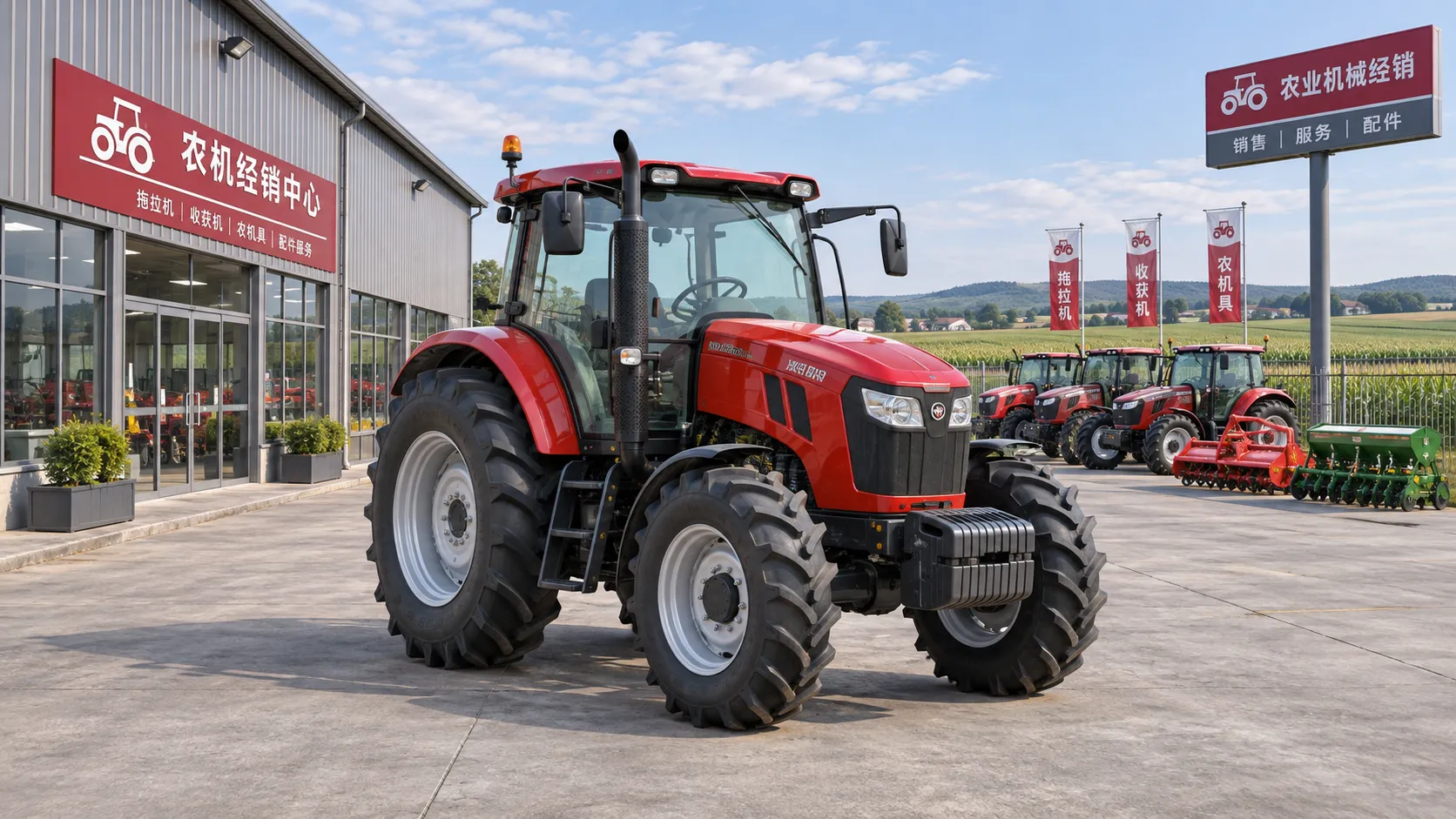
Global Farm Equipment Sales Slide as India and China Show Resilience
Global farm equipment sales are declining, but India and China show resilience. Explore the market outlook and what it means for buyers and suppliers.
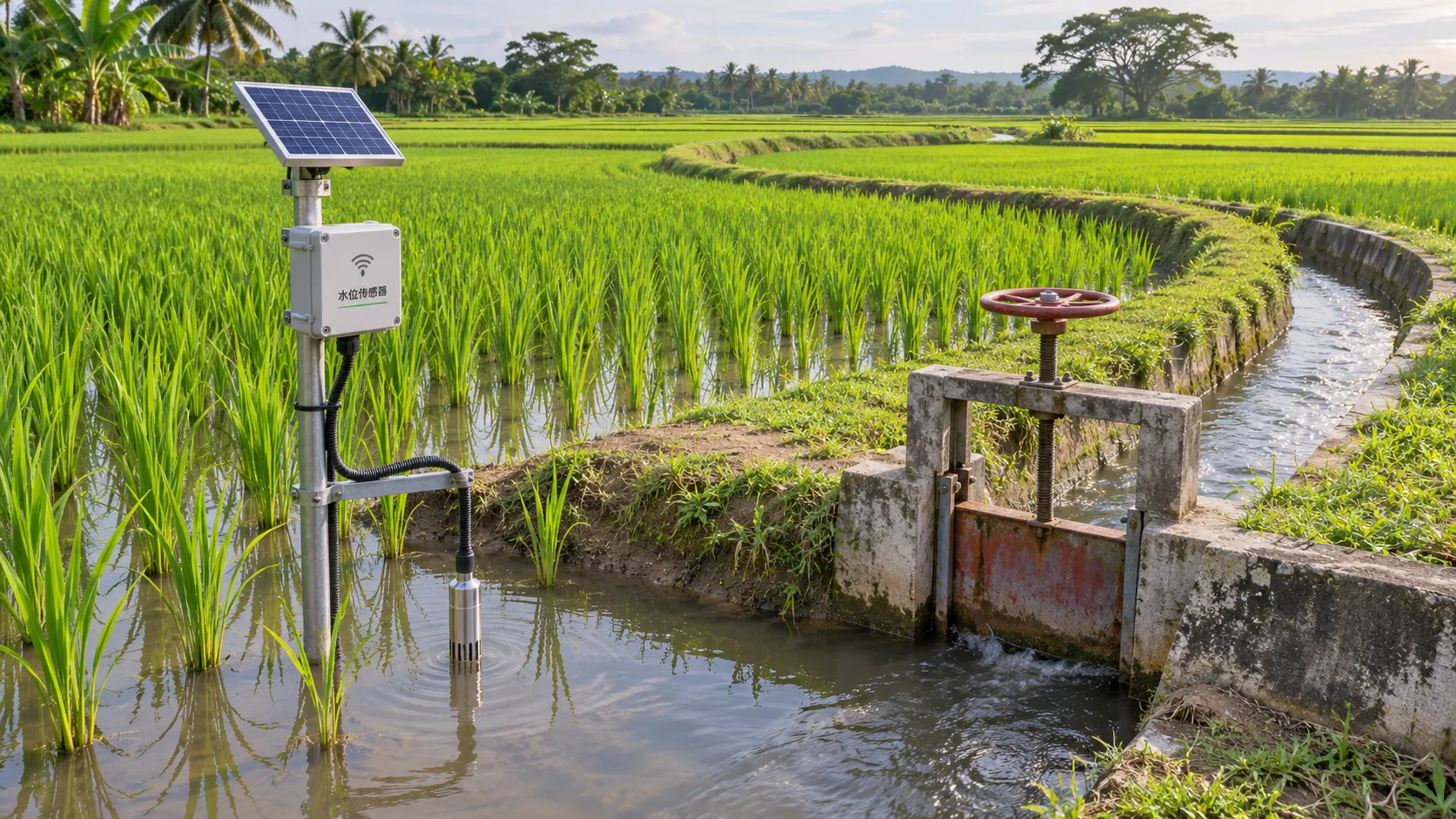
Smart Cultivation Solutions for Rice Farms in Southeast Asia
Explore smart cultivation solutions Southeast Asia rice farms can use to improve water management, mechanization and harvest planning. Start with practical field insights.
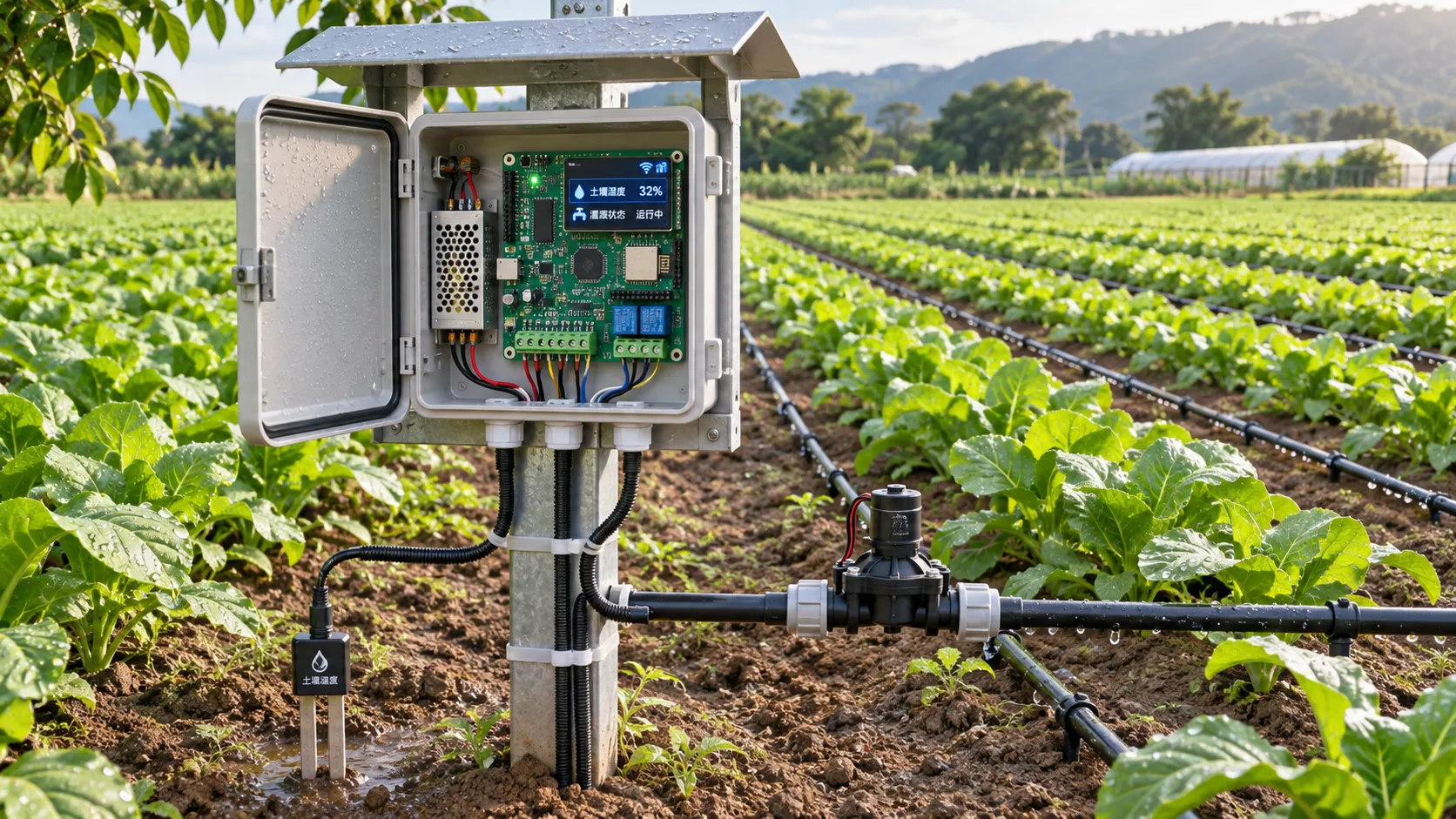
Quantized Edge AI Cuts Microcontroller Irrigation Inference Energy by 73.3%
Quantized edge AI cuts irrigation model inference energy by 73.3% and fits in 8 KB. Explore what this research could mean for smart irrigation devices.
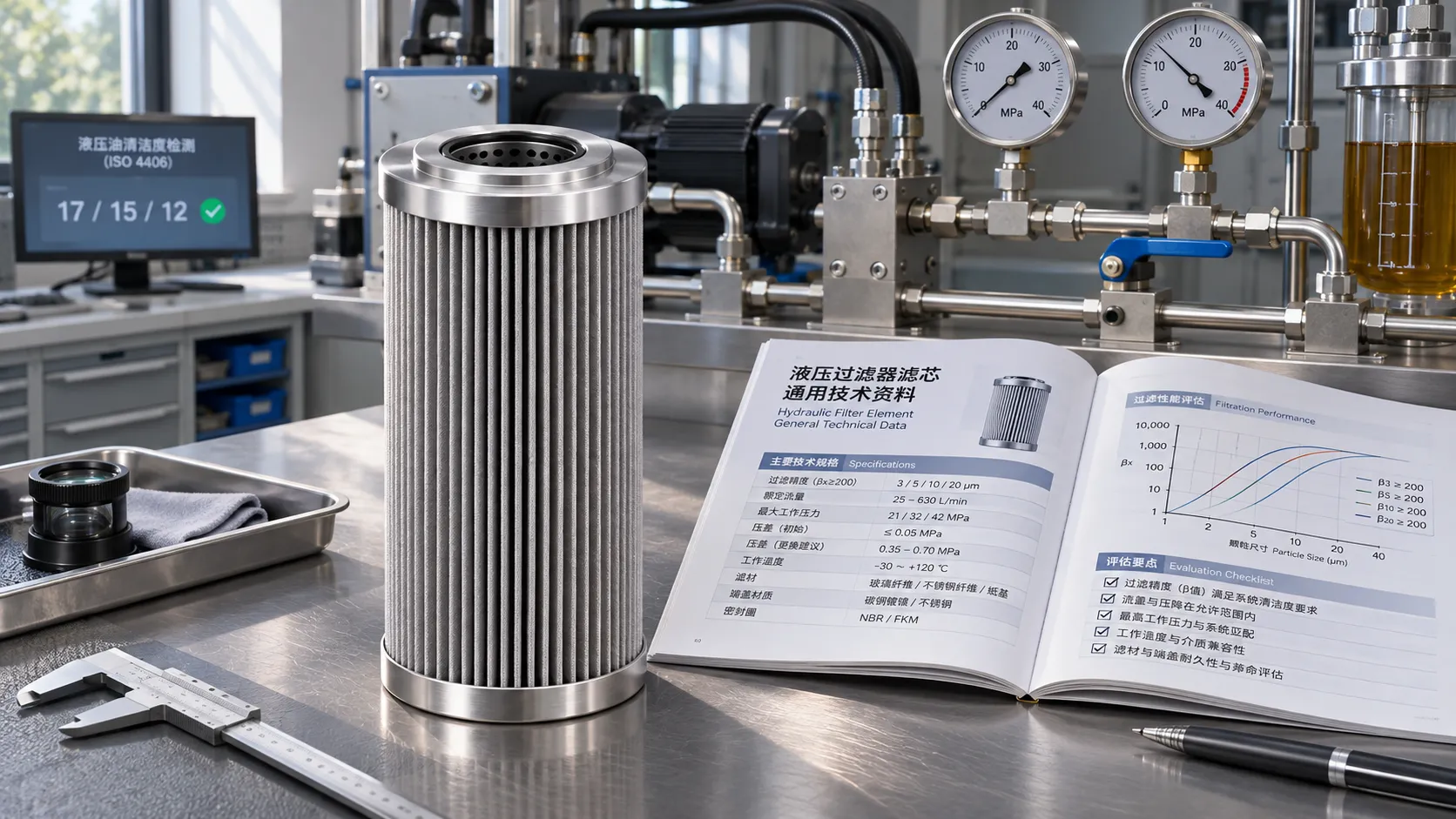
How to Read Filtration Accuracy Specifications: Micron Ratings Explained
Get product specification guidance on filtration accuracy. Learn how to compare micron ratings, beta ratios, and test methods to select the right filter.
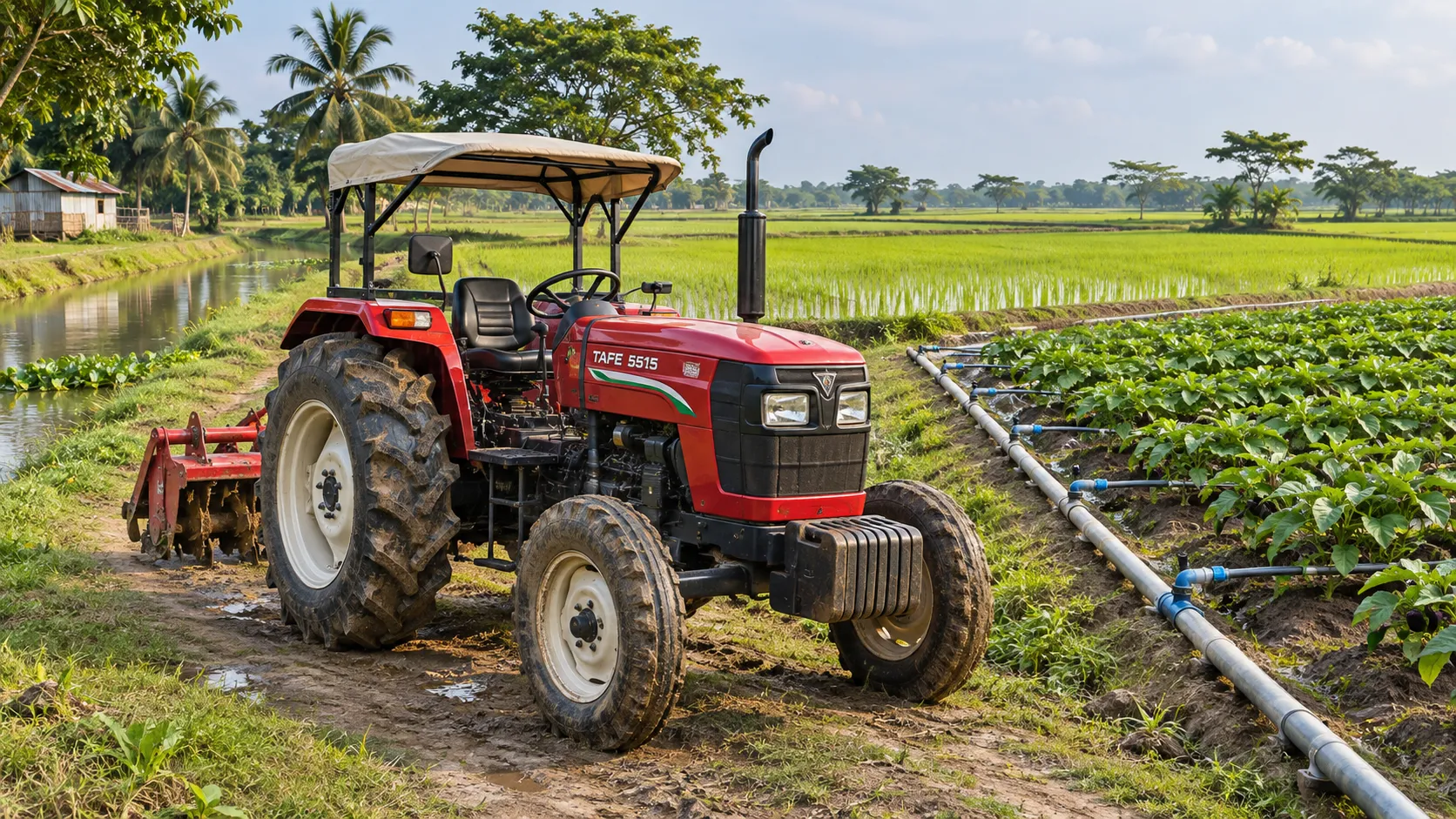
Bangladesh Irrigation and Farm Machinery Receive Less Than 1% of Agricultural Credit
Bangladesh agricultural credit for irrigation and farm machinery was reportedly under 1% of total lending. Explore what this could mean for equipment buyers and suppliers.
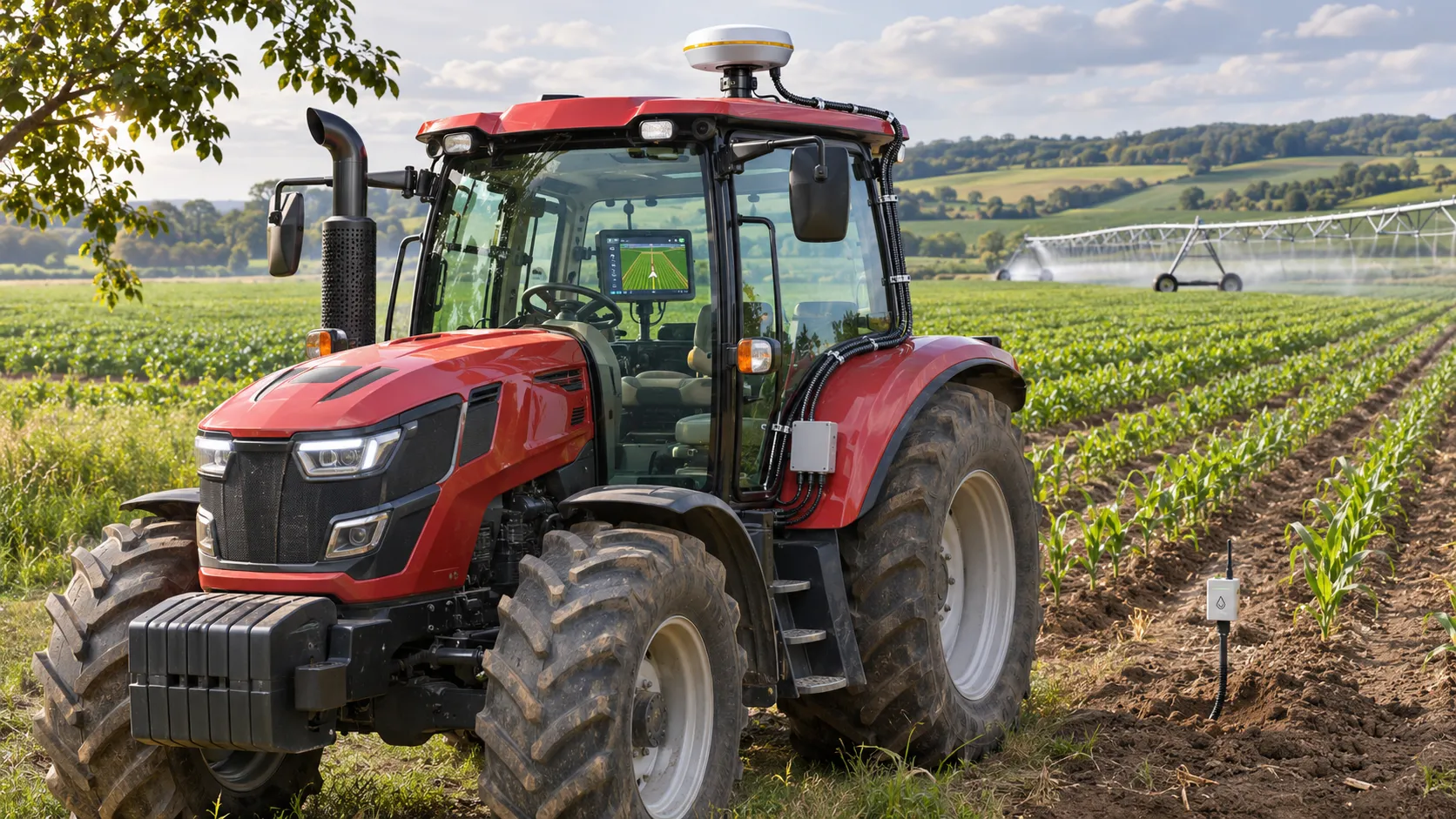
Smart Farm Tool Prices: What Buyers Should Budget Beyond Equipment Costs
Compare intelligent farm tools price quotes beyond hardware. Discover the costs of installation, subscriptions, training, and support before you buy.
Related News
- 00
0000-00
PERC and Daedong Launch Propane Tractor Demonstration Project - 00
0000-00
EIMA 2026: Six Tractor of the Year Awards Include Autonomous Robot - 00
0000-00
Ofwat Launches £8 Million Agri-Water Innovation Challenge - 00
0000-00
KazAgroFinance Resumes Applications for Preferential Farm Machinery Leasing - 00
0000-00
US Precision Agriculture Adoption Falls to 22% as Farm Bankruptcy Rate Rises 46%: Study
0000-00
Popular Tags
Dr. Alistair Vaughn
Weekly Insights
Stay ahead with our curated technology reports delivered every Monday.