
How to Read Filtration Accuracy Specifications: Micron Ratings Explained
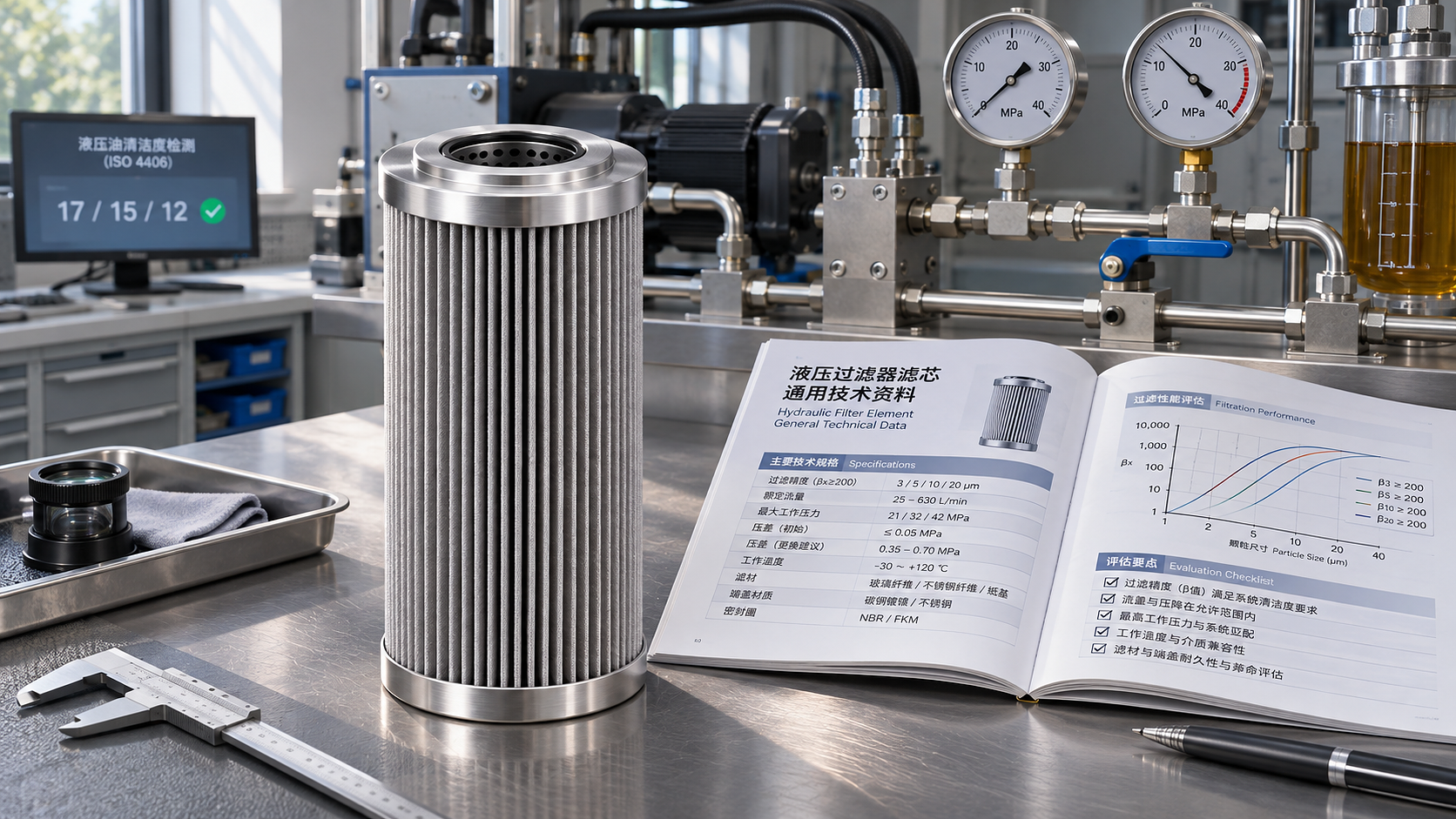




A micron rating may look straightforward, but it reveals little without the test method and removal efficiency behind it. Evaluators need both to compare filters reliably.
For hydraulic circuits, irrigation systems, and other agricultural applications, a defensible specification also considers particle characteristics, operating conditions, pressure loss, and the consequences of contamination.
This guide explains how to interpret micron ratings, compare performance data, and identify missing information before committing to a filter or replacement element.
What does a micron rating actually tell you?
A micron, or micrometer, is one thousandth of a millimeter. A filter rated at 10 microns is intended to address particles around that size.
That number alone does not establish how many particles the filter removes. A 10 micron element capturing 50% of test particles performs differently from one capturing 99%.
Nor does the rating guarantee that every larger particle will be retained. Particle shape, flexibility, concentration, and the measurement method can influence the result.
For product specification guidance on filtration accuracy, treat the stated micron size as a starting point. Ask for the corresponding efficiency and test conditions.
Nominal vs. absolute micron ratings: What is the difference?
A nominal rating generally describes a filter that captures a stated proportion of particles at a specified size. The proportion depends on the manufacturer’s definition.
One nominal 10 micron filter might claim 80% removal at that size, while another claims 90%. Neither claim is meaningful without supporting test details.
An absolute rating usually indicates substantially higher removal efficiency at a stated particle size. However, “absolute” is not a universal promise of perfect retention.
Manufacturers may use different efficiency thresholds and methods for absolute claims. Request the numerical efficiency, particle size, test standard, and conditions before comparing products.
Screen filters introduce another distinction: a physical opening size is a geometric measurement, while a removal rating describes measured performance under a particular test.
Flexible, elongated, or deformable particles may pass through openings differently from rigid particles. A screen’s opening size should therefore not be treated as guaranteed particle removal.
How do beta ratios translate into filtration efficiency?
For many hydraulic filters, manufacturers express performance using a beta ratio. It compares particle counts upstream and downstream at a specified particle size.
The basic relationship is beta at size x equals the upstream particle count divided by the downstream count, using the same defined size threshold.
Efficiency can be calculated as (1 − 1/beta) × 100%. This describes removal in that measurement context, not a guarantee for every operating condition.
For example, a beta ratio of 200 at a specified particle size means the upstream count is 200 times the downstream count under test conditions.
Always keep the particle size attached to the ratio. A beta ratio of 200 at 10 microns does not establish the same efficiency at 4 microns.
Also check whether the supplier reports an initial value or performance throughout the test. Loading can change filter behavior as contaminants accumulate in the media.
Which test methods and standards should appear on a specification sheet?
A credible specification identifies the applicable test standard, its edition, the test fluid, contaminant, flow rate, and how particle sizes and counts were measured.
For hydraulic filter elements, ISO 16889 describes a multipass method for evaluating filtration performance. It provides a framework for reporting efficiency and contaminant capacity.
ISO 11171 addresses calibration of automatic particle counters for liquids. Hydraulic specifications may identify calibrated particle sizes with “(c),” as in 4 µm(c).
ISO 4406 provides a code for reporting particle contamination levels in hydraulic fluids. It describes fluid cleanliness; it is not itself a filter efficiency rating.
These standards answer different questions. Confirm which edition and procedures were used, and do not compare reported values as equivalent when the underlying methods differ.
For irrigation filtration equipment, relevant ISO 9912 series standards cover agricultural irrigation filters, with requirements and test methods depending on filter type and applicable edition.
Ask the irrigation supplier which part applies and whether reported results cover pressure loss, cleaning performance, and the contaminants relevant to the water source.
How can you compare two filter specifications fairly?
Start by matching particle size, efficiency, test method, and operating conditions. A shared label such as “10 micron” is insufficient for a reliable comparison.
Imagine element A claims 10 microns nominal at 90% efficiency. Element B reports 10 µm(c) at beta 200 under a specified multipass test.
Element B reports 99.5% efficiency at its stated threshold. Yet the two results cannot be ranked precisely until their particle sizing and test conditions align.
Request the full efficiency curve where available. It shows how performance changes across particle sizes and helps reveal differences hidden by a single headline rating.
Then compare the pressure drop at the required flow and fluid viscosity, as well as contaminant holding capacity and any bypass valve setting.
Finally, verify fit, seals, materials, temperature limits, and pressure ratings. A high efficiency element cannot protect equipment effectively if leakage bypasses the filter media.
What filtration accuracy does an agricultural hydraulic system need?
Hydraulic specifications should begin with the equipment manufacturer’s cleanliness target and component requirements. Sensitive proportional valves and pumps may impose tighter limits than other components.
Review the target ISO 4406 cleanliness code, sampling location, and operating state. A target achieved at one location may not represent the entire circuit.
Select the filter using its efficiency curve, flow capacity, expected contaminant load, and placement. Return, pressure, and offline filters serve different roles in controlling contamination.
Fluid viscosity matters during cold starts. Excessive differential pressure can trigger a bypass valve where fitted, allowing some fluid to flow without passing through the media.
Check the bypass setting against operating pressures and the equipment manufacturer’s design. A bypass event is a system condition, not evidence that the media changed rating.
Validate the selection with representative oil samples and pressure monitoring. If the cleanliness target is missed, investigate ingression, reservoirs, breathers, maintenance practices, and filter sizing.
How should irrigation water change the filter selection?
Irrigation filters protect emitters, valves, meters, and other components from contaminants that vary with the water source, season, and upstream treatment.
Begin with the most restrictive component manufacturer’s filtration requirement. Then assess the actual water for sand, silt, organic matter, algae, and potential chemical precipitation.
Screen, disc, media, and other filter designs handle contaminants differently. A rating suitable for mineral particles does not automatically predict performance against biological material.
Compare opening size or removal data alongside flow capacity, clean pressure loss, cleaning requirements, and the expected frequency and water demand of backwashing.
Mesh count alone is also incomplete. Wire diameter affects the opening size, so request the manufacturer’s stated opening dimensions and applicable test information.
Use water testing and field performance to confirm the design. Monitor differential pressure and emitter condition, especially when source water or operating patterns change.
Does a finer micron rating always mean a better filter?
Finer filtration may improve protection, but it can also increase pressure loss, shorten service intervals, or require a larger element to maintain acceptable flow.
The right choice balances required cleanliness with operating cost and reliability. Overspecifying accuracy without considering capacity can create frequent maintenance or bypass events.
Contaminant holding capacity helps estimate service life, but it is meaningful only alongside the test contaminant, end-of-test pressure drop, flow, and other conditions.
Actual field life may differ substantially when particle composition, concentration, viscosity, or duty cycle differs from the laboratory test. Monitor performance after installation.
Calculate total cost using element price, replacement frequency, labor, fluid or backwash losses, energy demand, and the potential cost of equipment downtime.
What should you request before approving a product?
A supplier’s technical data sheet should allow an evaluator to connect a performance claim to a defined test and the intended application.
- Rated particle size, numerical removal efficiency, and whether the claim is nominal, absolute, or expressed as a beta ratio.
- Applicable test standard and edition, particle counting method, test contaminant, fluid, flow rate, and temperature or viscosity.
- Efficiency data across relevant particle sizes, including whether reported values apply initially or throughout the stated test.
- Clean pressure drop at the expected flow, contaminant holding capacity, and the conditions used to determine end of service life.
- Dimensions, seal and media compatibility, pressure and temperature limits, and bypass or cleaning arrangements where applicable.
- For irrigation, opening dimensions, recommended water quality, cleaning method, and compatibility with the protected emitter or component.
If a critical claim is missing, ask for a test report or written clarification. Record any assumptions that remain in the procurement decision.
How should evaluators make the final decision?
A defensible filtration specification connects the required cleanliness or component protection to measured efficiency, relevant test conditions, and practical operating limits.
Compare candidates on equivalent evidence, then verify the selected filter in service using pressure readings, maintenance records, and fluid or water quality observations.
The best micron rating is the one supported by appropriate performance data and matched to the system’s contamination risks, flow requirements, and maintenance capacity.
Related News
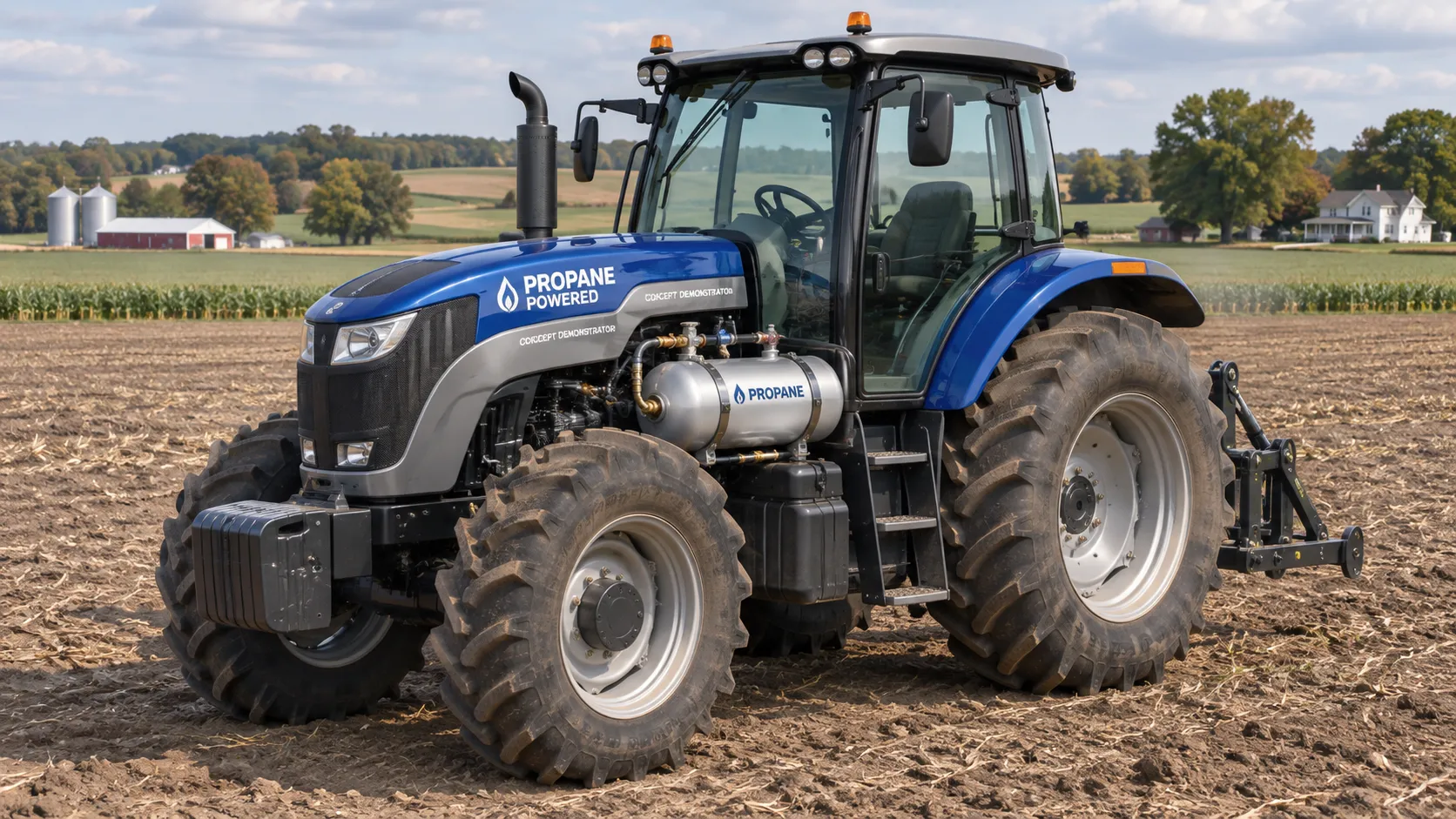
PERC and Daedong Launch Propane Tractor Demonstration Project
PERC and Daedong launch a propane tractor demonstration to explore farm performance, operating costs and emissions. Discover what the year-long project could reveal.
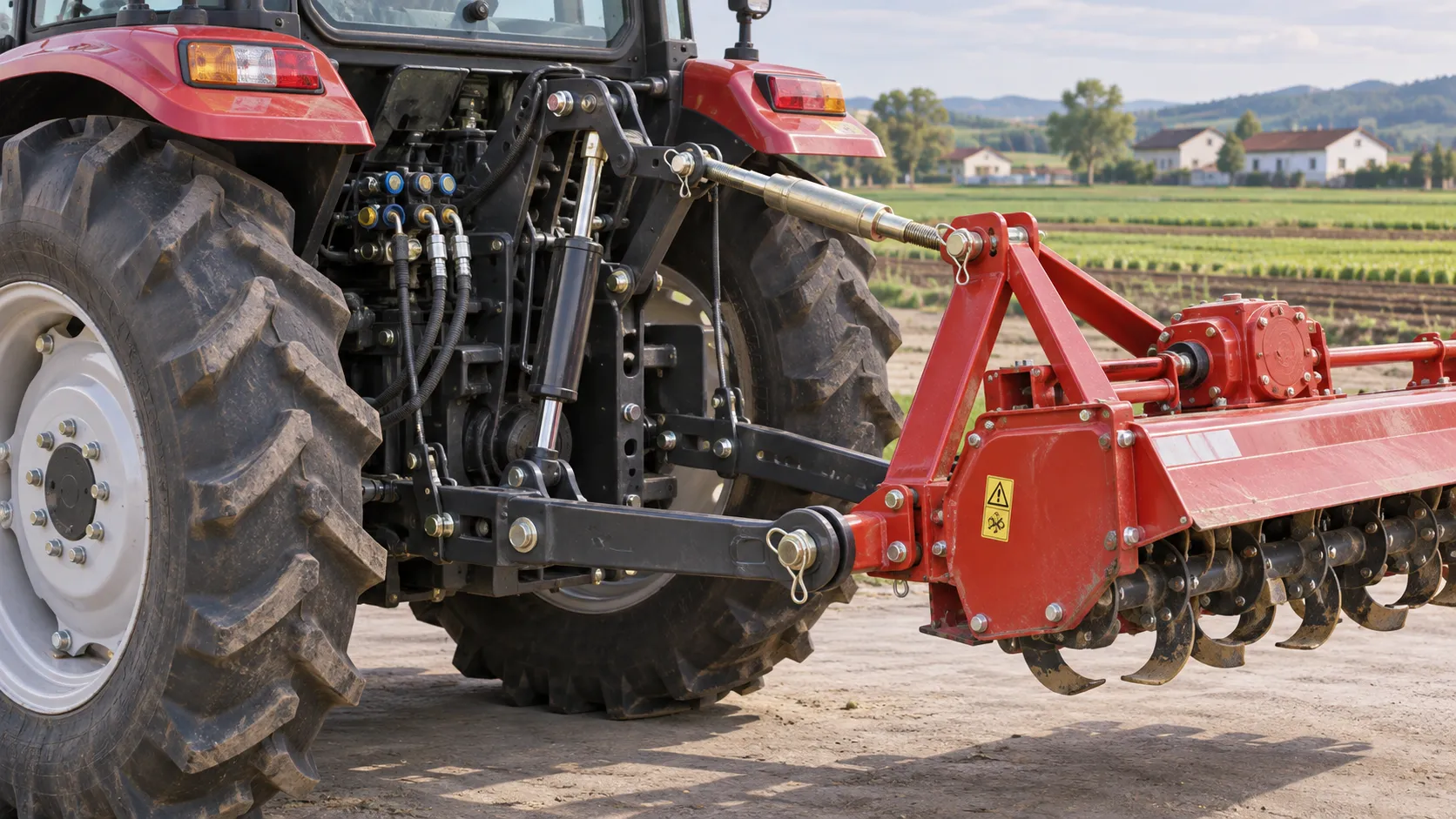
Choosing a Rear Hitch Hydraulic Lift System: Capacity and Compatibility
Compare rear hitch hydraulic lift systems with confidence. Learn how to assess lift capacity, hitch compatibility, hydraulic performance, and tractor stability.
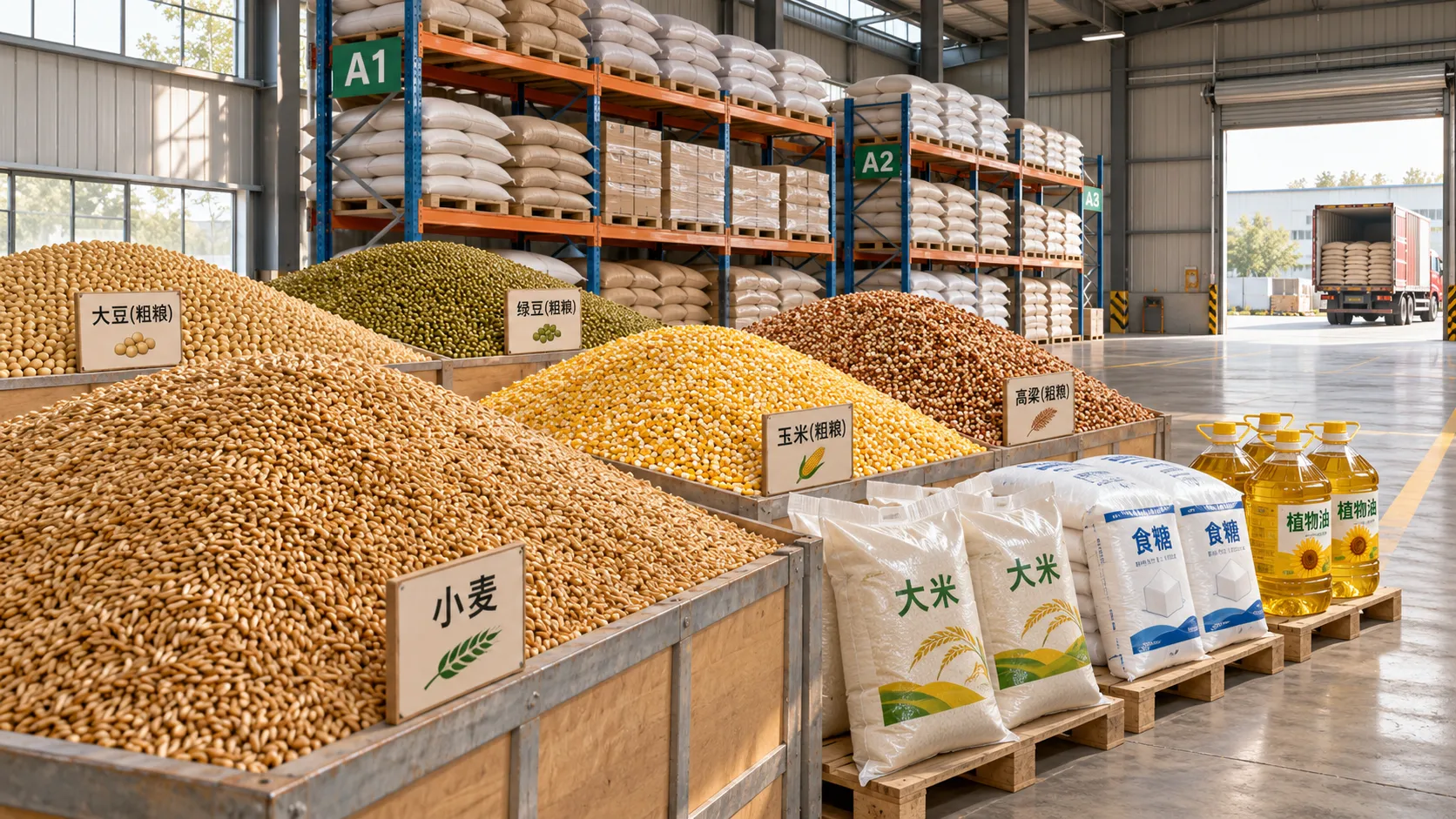
FAO: Global Food Supplies Ample, but Market and Food Security Risks Rise
FAO's global food supply outlook reveals ample grain stocks but tighter rice, sugar and vegetable oil markets. Explore the risks to food security.

Choosing Heavy-Duty Soybean Machinery for Different Farm Sizes and Soil Types
Choose heavy duty farm machinery for soybeans with confidence. Compare tractors, planters, and combines for your farm size, soil conditions, and budget.

Global Farm Equipment Sales Slide as India and China Show Resilience
Global farm equipment sales are declining, but India and China show resilience. Explore the market outlook and what it means for buyers and suppliers.
Smart Cultivation Solutions for Rice Farms in Southeast Asia
Explore smart cultivation solutions Southeast Asia rice farms can use to improve water management, mechanization and harvest planning. Start with practical field insights.
Quantized Edge AI Cuts Microcontroller Irrigation Inference Energy by 73.3%
Quantized edge AI cuts irrigation model inference energy by 73.3% and fits in 8 KB. Explore what this research could mean for smart irrigation devices.

Bangladesh Irrigation and Farm Machinery Receive Less Than 1% of Agricultural Credit
Bangladesh agricultural credit for irrigation and farm machinery was reportedly under 1% of total lending. Explore what this could mean for equipment buyers and suppliers.

Smart Farm Tool Prices: What Buyers Should Budget Beyond Equipment Costs
Compare intelligent farm tools price quotes beyond hardware. Discover the costs of installation, subscriptions, training, and support before you buy.
Related News
- 00
0000-00
FAO: Global Food Supplies Ample, but Market and Food Security Risks Rise - 00
0000-00
Choosing Heavy-Duty Soybean Machinery for Different Farm Sizes and Soil Types - 00
0000-00
Global Farm Equipment Sales Slide as India and China Show Resilience - 00
0000-00
Smart Cultivation Solutions for Rice Farms in Southeast Asia - 00
0000-00
How to Read Filtration Accuracy Specifications: Micron Ratings Explained
0000-00
Popular Tags
Ms. Elena Rodriguez
Weekly Insights
Stay ahead with our curated technology reports delivered every Monday.