Smart Farm Tool Prices: What Buyers Should Budget Beyond Equipment Costs
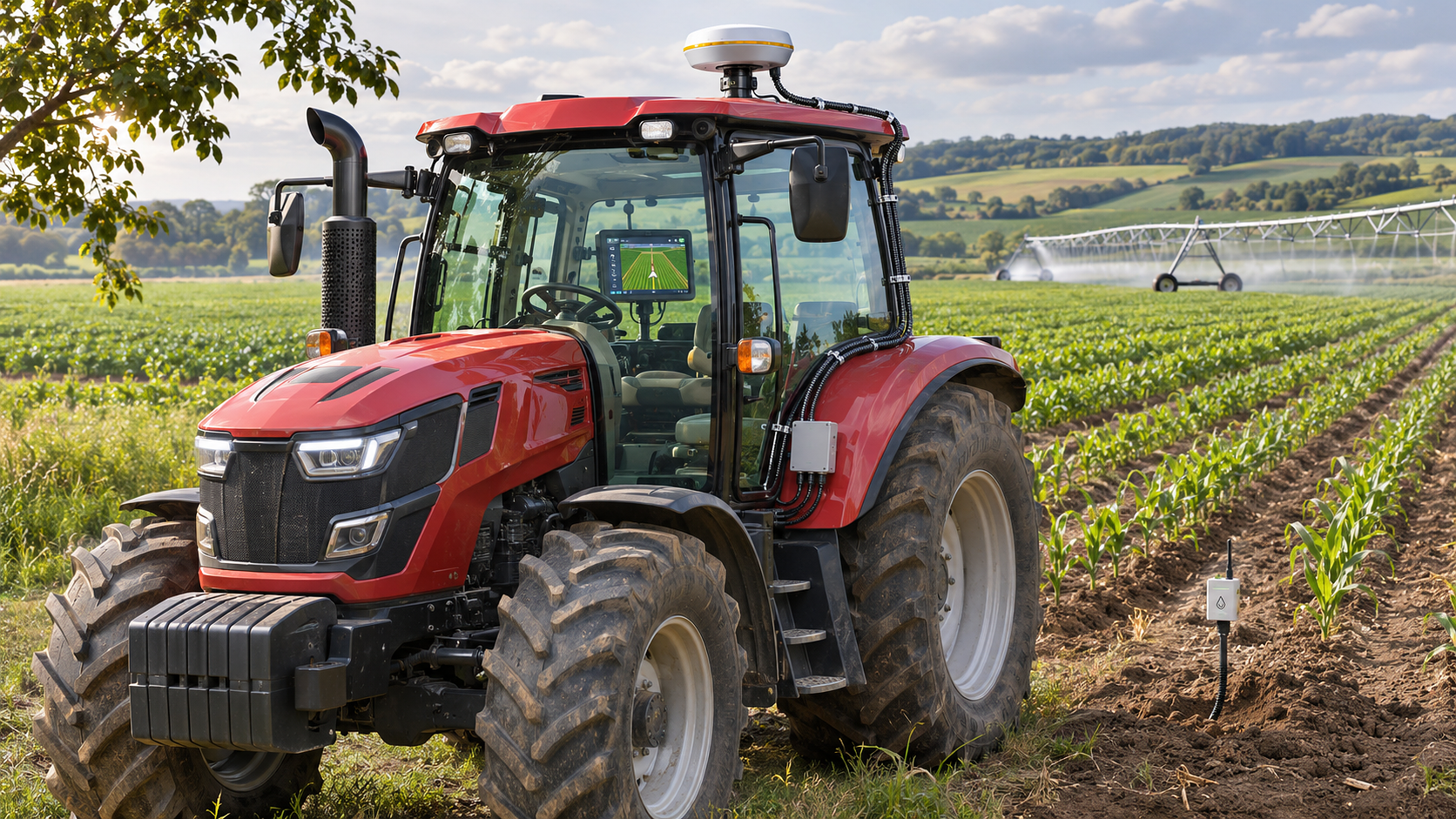




The intelligent farm tools price on a supplier’s quote is only the starting point for procurement teams. Installation, connectivity, software subscriptions, operator training, maintenance, and equipment integration can all affect the total cost of ownership. For buyers evaluating precision implements, sensors, or autonomous systems, a complete budget also needs to account for service availability and potential downtime. The more useful question is not simply what the equipment costs, but what it will cost to keep it working across the intended fleet, acreage, and operating seasons.
Start with the working system, not the advertised package
A price comparison is only meaningful when competing offers cover the same job. One precision guidance quote may include a display, receiver, and basic steering functions; another may assume the farm already owns compatible hardware. An irrigation monitoring package may include sensors but exclude the controller, communications gateway, and field installation needed to turn readings into decisions.
Before requesting a final quote, describe the intended operating setup: the machines involved, implements to be controlled, fields or irrigation zones covered, and existing software that must exchange data. Distinguish essential functions from attractive extras. A buyer who needs section control on a sprayer may not need every available analytics module, but does need to know whether the existing valves and wiring can be controlled reliably.
Ask suppliers to identify what is included, optional, assumed to be already available, and excluded. That last category deserves attention: exclusions often contain the costs that emerge after a purchase order has been approved.
Installation and integration can change the economics
Retrofitting existing machinery is rarely just a matter of attaching a screen. Depending on the equipment, installation may require mounting hardware, harnesses, hydraulic components, software activation, calibration, and technician travel. Older tractors or mixed-brand fleets can introduce additional work if interfaces differ or previous modifications are poorly documented.
Compatibility should be checked at the level of the specific tractor, implement, display, software version, and desired function. A supplier’s statement that a system supports ISOBUS, for example, is useful but does not by itself establish that every desired feature will work with every machine. Request written confirmation of the tested configuration and ask who is responsible if an interface works for basic operation but not for the intended control function.
The same principle applies to harvest data. A combine’s yield information is more valuable when it can be transferred, cleaned, and used alongside field records. That workflow may require an export format, a software account, and someone responsible for resolving gaps or calibration errors. Budget for the workflow, not only the sensor.
For installation quotes, separate the price of the standard job from charges that depend on inspection. Ask whether calibration, a field test, travel, repeat visits, and removal of old equipment are included. If a supplier cannot confirm the scope remotely, a paid site assessment may be cheaper than committing to a fixed budget based on incomplete assumptions.
Recurring costs: the line items that outlive the hardware
A connected tool can generate several distinct recurring charges. These may include a software license, cellular data plan, correction service for satellite positioning, cloud storage, equipment monitoring, and support. Some are charged per device; others may depend on users, machines, acreage, or enabled features. The charging unit matters when a buyer plans to expand.
A guidance system used across multiple machines provides a useful example. A portable display may reduce hardware purchases, but the buyer still needs to establish whether licenses can move with it, whether each tractor needs a separate installation kit, and how much time operators lose transferring and recalibrating equipment. A lower initial price is not necessarily the lower-cost choice during a short planting window.
Contract terms also matter as much as the first-year fee. Request the renewal price or pricing mechanism, notice period, minimum commitment, and any fee for transferring a license to replacement equipment. Ask what happens when a subscription expires: does the tool stop operating, retain basic functions, or merely lose remote access and updates? The answer can determine whether a temporary budget cut becomes an operational interruption.
For smart irrigation, confirm whether sensors continue recording during a network outage and whether controllers can operate locally. Remote visibility is useful, but it should not be mistaken for a complete backup plan. A field with weak coverage may require a different communications arrangement, additional infrastructure, or a willingness to accept delayed data.
Budget for people, service, and the season
Training is often quoted as a short commissioning session, while the real requirement extends to several roles. Operators need to use the equipment and recognize bad readings. A supervisor may need to create field boundaries or review prescriptions. Someone in the workshop needs to know what can be diagnosed locally and when to call the dealer.
Ask whether training covers normal operation, calibration, troubleshooting, and handover to new staff. Check the format, language, number of attendees, and cost of follow-up sessions. In seasonal operations, a system installed months before use may need a refresher when the crew returns.
Service availability deserves the same scrutiny as technical specifications. A remote support desk may resolve software settings quickly, but it cannot replace a damaged harness or repair a hydraulic fault without parts and a technician. Find out where critical spares are stocked, who performs warranty work, and whether support is available during the operating hours that matter.
A response-time promise is not necessarily a repair-time promise. Ask suppliers to distinguish acknowledgement, diagnosis, parts delivery, and return to service. For a tool used during harvest or planting, also ask whether manual operation remains possible after an electronic failure. A fallback may reduce downtime exposure, although it may not provide the same precision or productivity.
Build a total-cost comparison that can survive scrutiny
Choose a planning period that matches the expected use of the equipment and the organization’s investment process. For each offer, put the following costs on the same timeline. Use supplier quotes where available and label estimates clearly where they are not.
- Acquisition: hardware, required accessories, freight, applicable taxes, and any import-related costs.
- Deployment: site survey, installation, integration, calibration, commissioning, and initial training.
- Annual operation: licenses, connectivity, positioning corrections, support contracts, inspections, and routine consumables.
- Lifecycle changes: expected battery or sensor replacement, software upgrades, staff retraining, and equipment transfer or removal.
- Exit: data export, decommissioning, contract termination, and any residual value that can be reasonably supported.
Do not treat every uncertain cost as if it were certain. Put a separate contingency against unresolved installation work or parts exposure, record the assumption behind it, and update the estimate after inspection. Equally, do not count the full resale value of a connected device without checking whether licenses are transferable and whether a second owner can obtain support.
For an internal comparison, divide the relevant total cost by an appropriate activity measure, such as expected machine-hours, hectares covered, or irrigation zones monitored. Keep the denominator realistic: a tool that can theoretically serve a large area may be constrained by seasonal timing, machine availability, or staff capacity. When utilization is uncertain, compare a lower-use and a higher-use scenario rather than presenting one precise-looking figure.
Keep savings separate from the purchase price
Potential savings in seed, fertilizer, water, labor, or fuel belong in the investment case, but they should not be used to hide the cost of ownership. State the baseline, the expected change, and the evidence available for that particular operation. A variable-rate implement, for instance, may only deliver its intended value if field data, prescriptions, and operator practices are good enough to use it.
If the benefit depends on fewer harvest losses or better irrigation timing, agree on how that outcome will be measured before purchase. Weather, crop conditions, and other operational changes can complicate attribution. Treat supplier demonstrations and trial results as useful evidence, not a guarantee of the same outcome on every farm.
Data access and supplier lock-in have a price
Farm data can become difficult to move after several seasons of use. Before signing, establish who can access operational and agronomic records, what the supplier may do with them, and how the buyer can export them. Request a sample export and confirm whether it contains usable field boundaries, application records, timestamps, and other information relevant to the project—not just a summary report.
Also check whether third-party platforms can receive the data and whether an integration carries a fee. A proprietary system may be entirely reasonable when local service is strong and the workflow is reliable. The procurement risk arises when restrictions are discovered only after hardware has been installed across a fleet.
Make the final comparison fit the field
For a single soil-moisture sensor, installation and connectivity may dominate the decision. For a fleet-wide precision implement program, compatibility, licensing, and training can matter more. Autonomous machinery adds further questions about site preparation, supervision, safety procedures, and the division of responsibility between the operator, supplier, and service provider. Requirements should be checked against the intended operating environment and applicable local rules.
This is where a cross-equipment view helps. AP-Strategy’s coverage spans machinery, combine harvesting, precision tools, and irrigation; those categories often meet in the same purchasing decision. A new sensor may influence an irrigation controller, while a new guidance system may depend on the tractor chassis and implement already in service. Reviewing each purchase in isolation can leave the integration bill for later.
Before issuing the order, ask the preferred supplier for a written scope, a list of exclusions, recurring charges, confirmed machine compatibility, and the local service arrangement. If an essential answer remains conditional, make the condition visible in the approval documents. The best quote is the one that gives the buyer a workable system and a defensible budget—not merely the lowest equipment line.
Related News
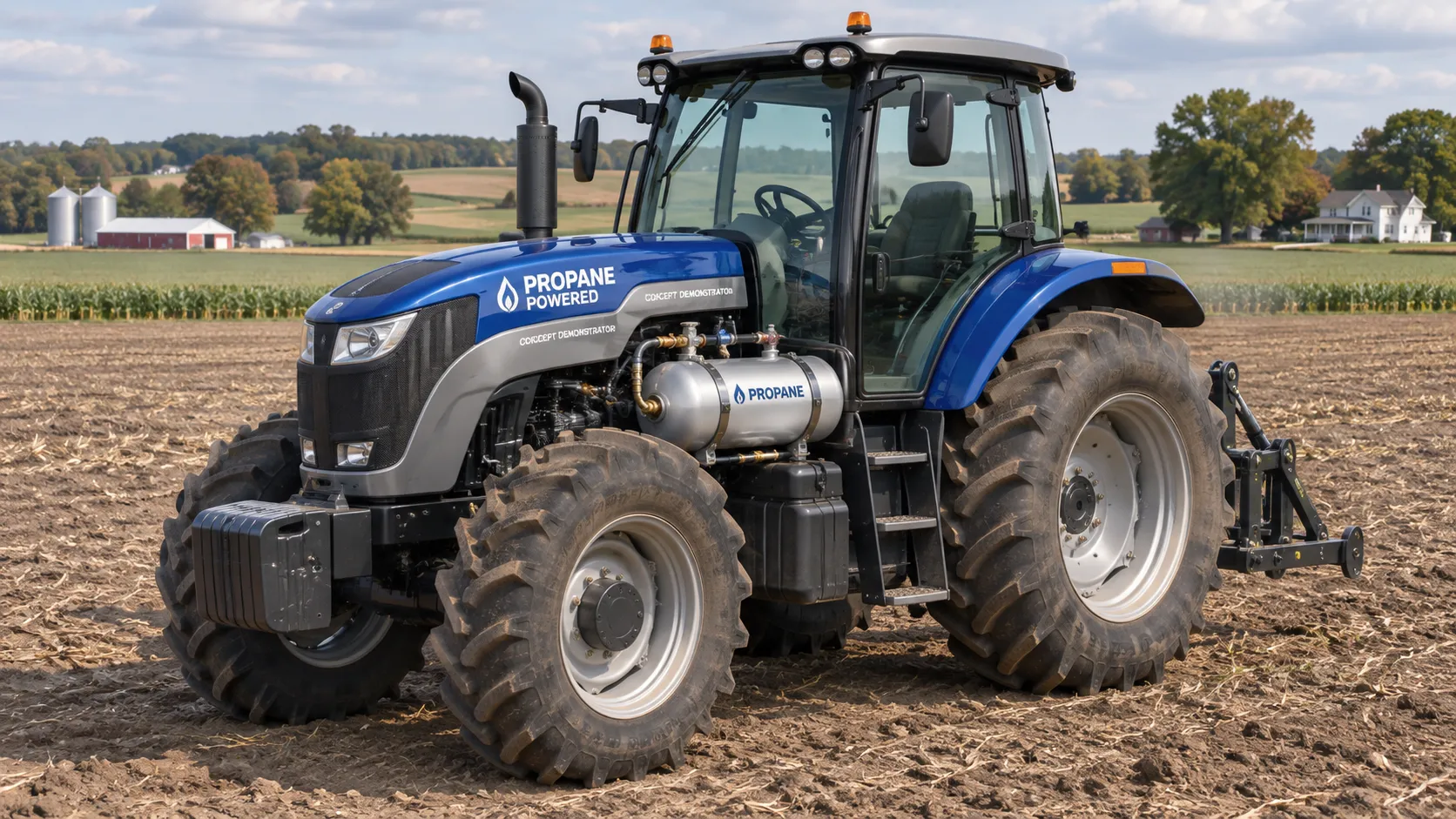
PERC and Daedong Launch Propane Tractor Demonstration Project
PERC and Daedong launch a propane tractor demonstration to explore farm performance, operating costs and emissions. Discover what the year-long project could reveal.
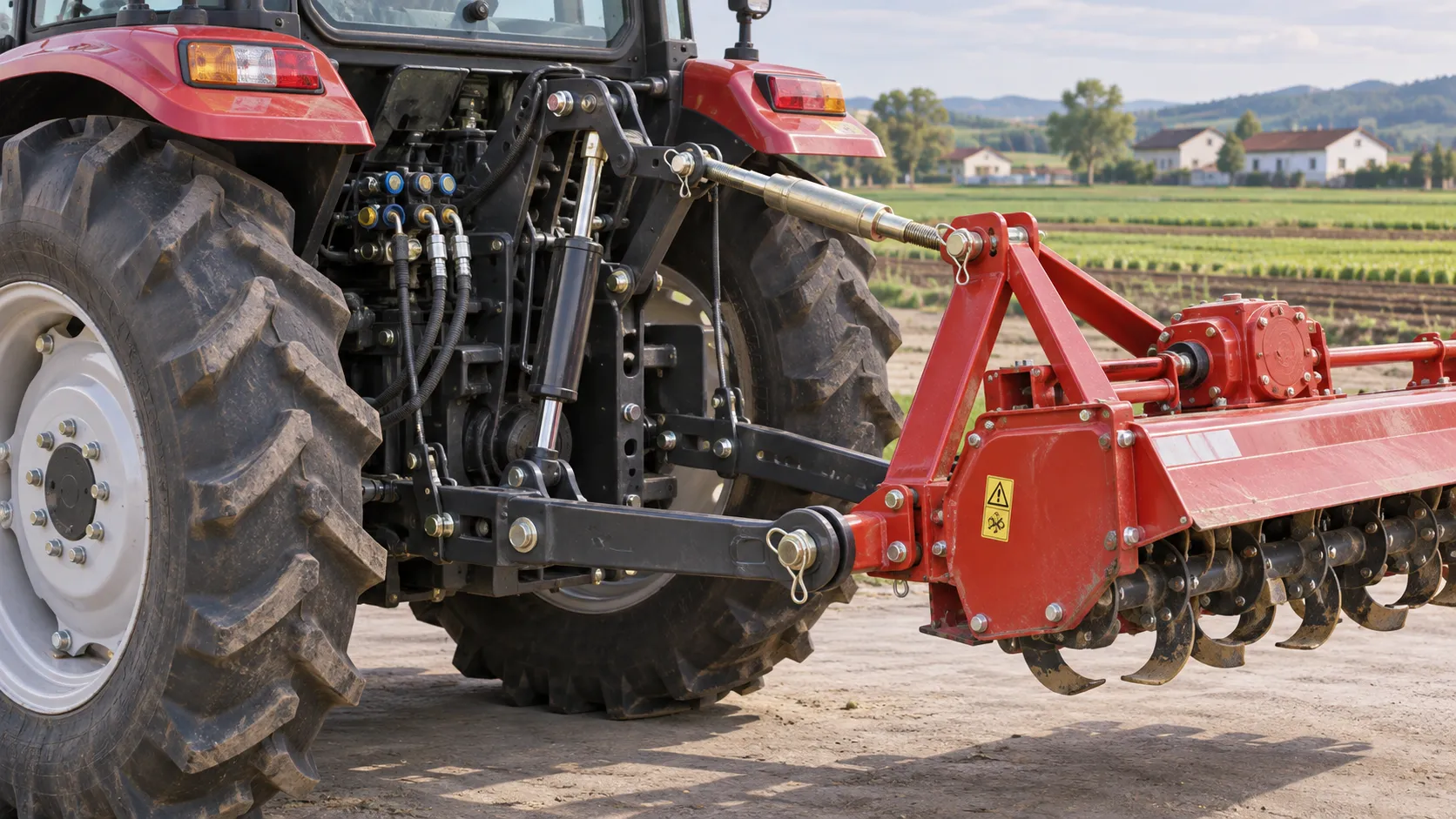
Choosing a Rear Hitch Hydraulic Lift System: Capacity and Compatibility
Compare rear hitch hydraulic lift systems with confidence. Learn how to assess lift capacity, hitch compatibility, hydraulic performance, and tractor stability.
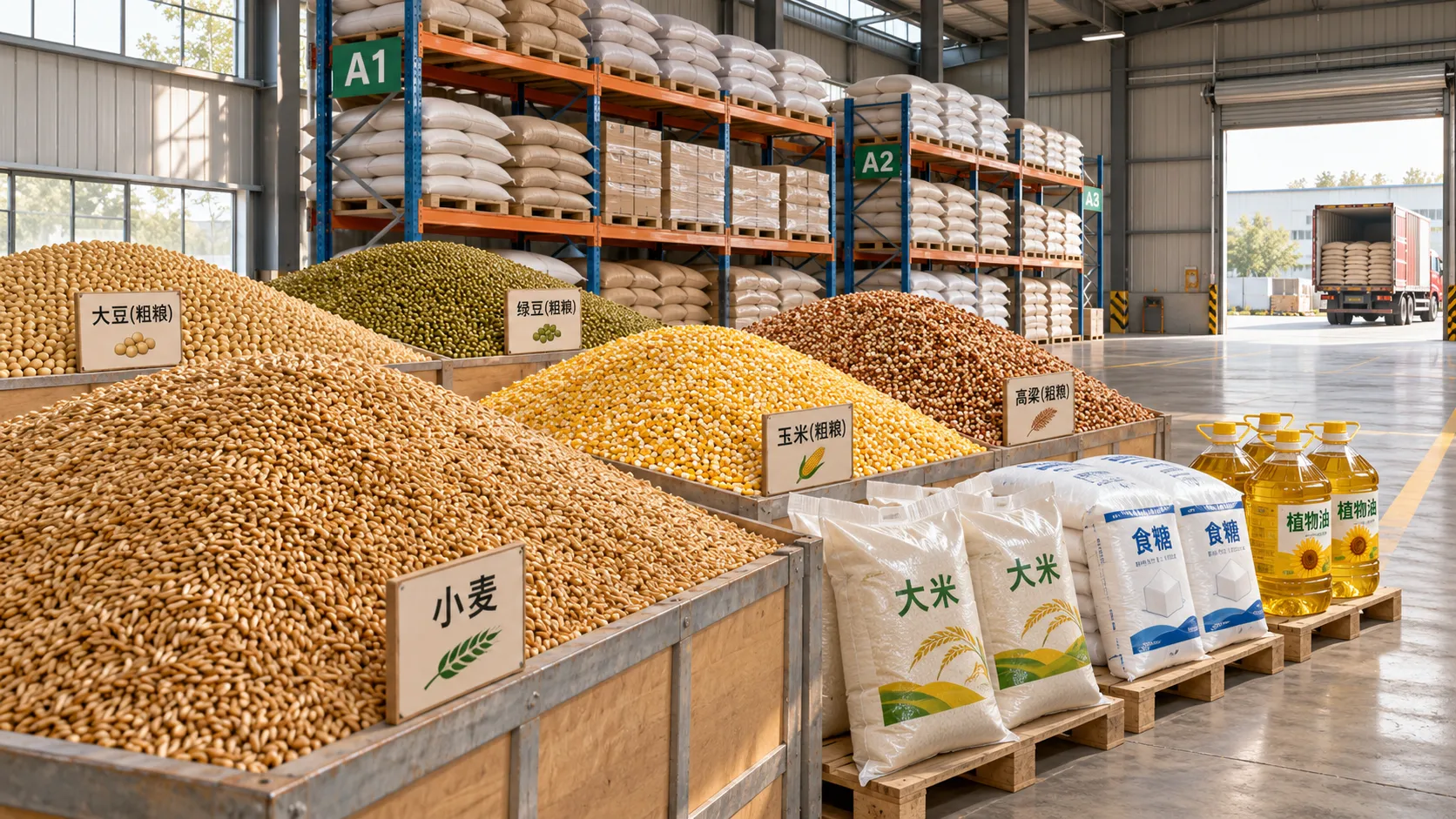
FAO: Global Food Supplies Ample, but Market and Food Security Risks Rise
FAO's global food supply outlook reveals ample grain stocks but tighter rice, sugar and vegetable oil markets. Explore the risks to food security.
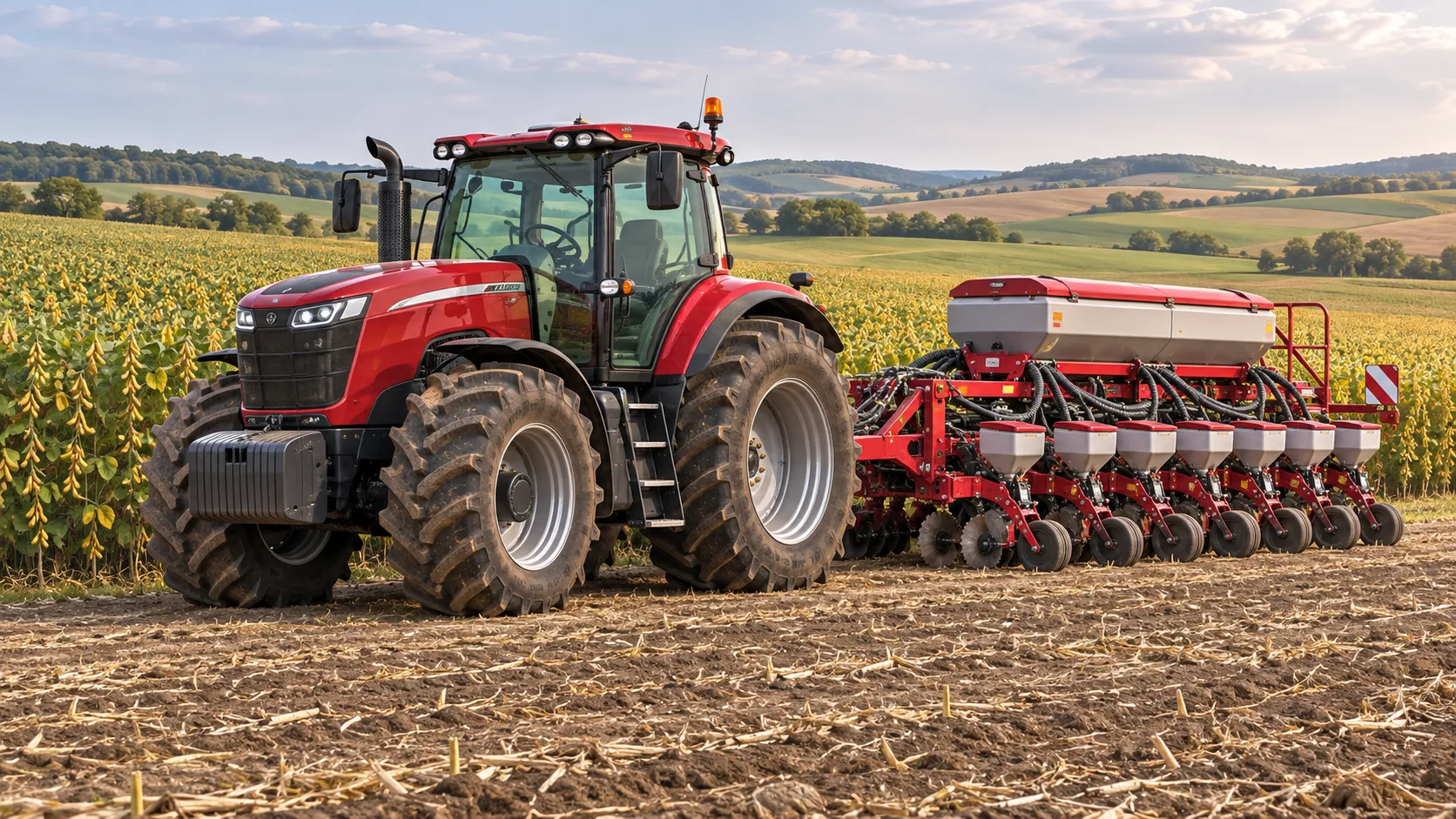
Choosing Heavy-Duty Soybean Machinery for Different Farm Sizes and Soil Types
Choose heavy duty farm machinery for soybeans with confidence. Compare tractors, planters, and combines for your farm size, soil conditions, and budget.
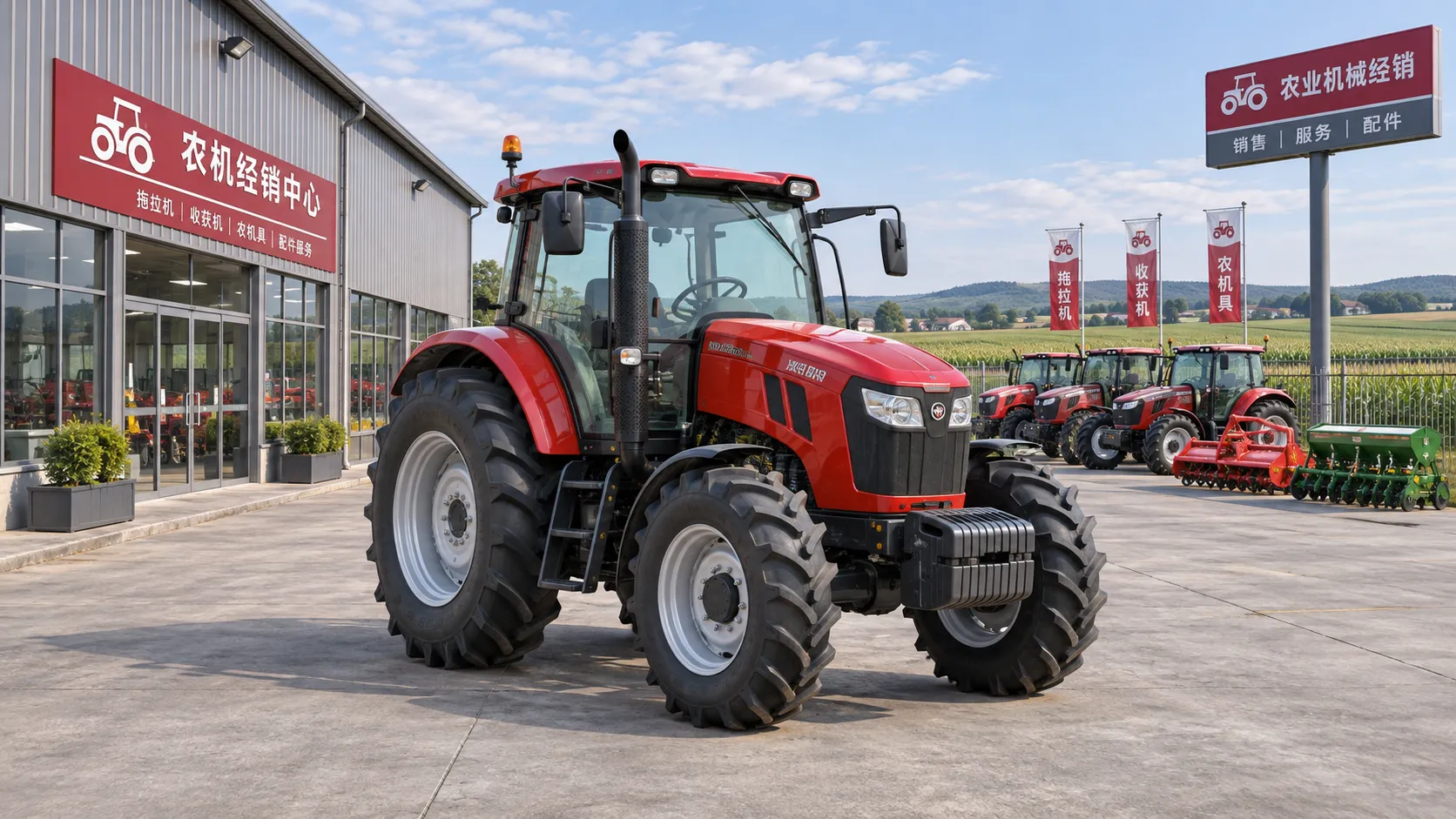
Global Farm Equipment Sales Slide as India and China Show Resilience
Global farm equipment sales are declining, but India and China show resilience. Explore the market outlook and what it means for buyers and suppliers.
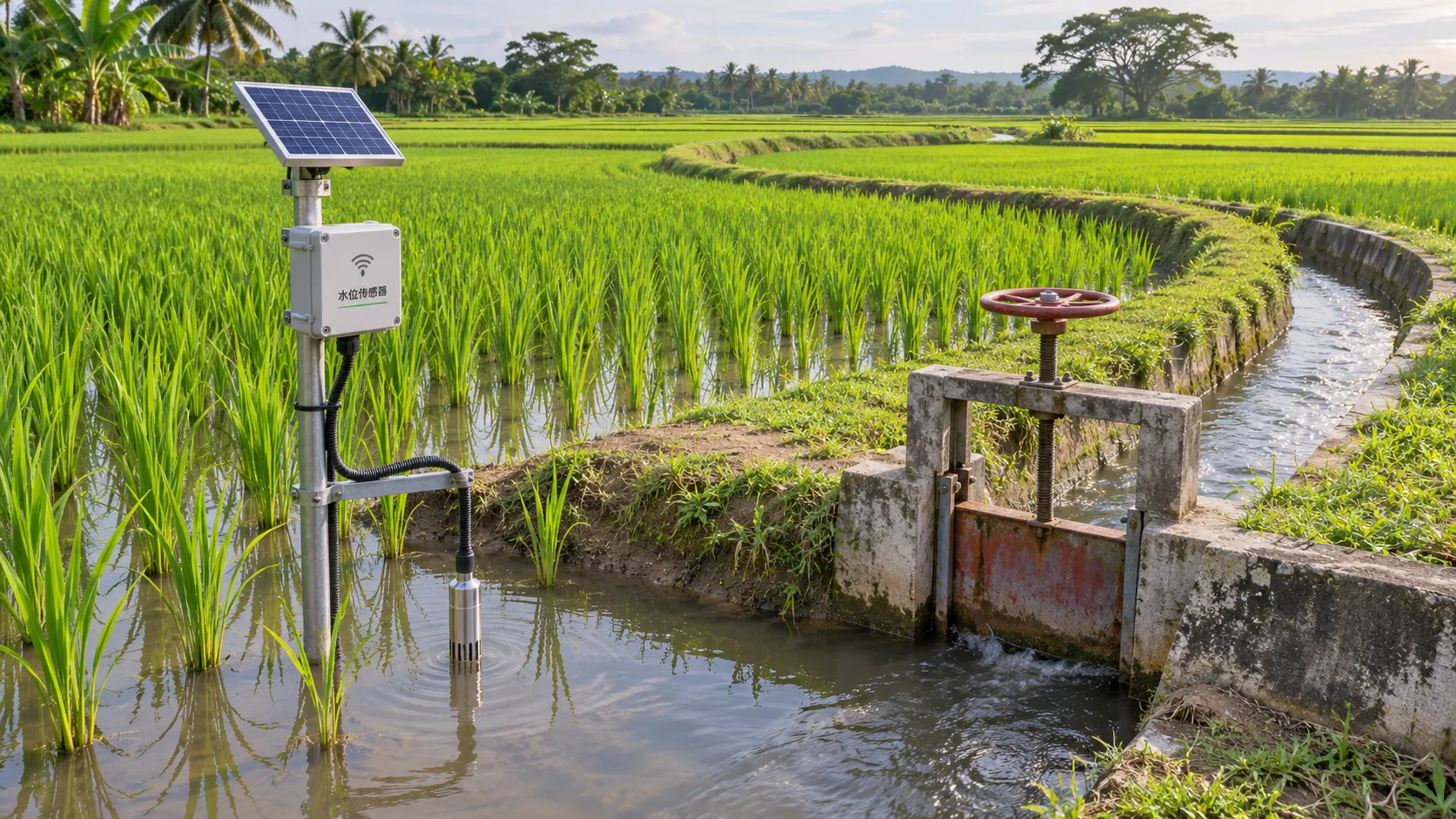
Smart Cultivation Solutions for Rice Farms in Southeast Asia
Explore smart cultivation solutions Southeast Asia rice farms can use to improve water management, mechanization and harvest planning. Start with practical field insights.
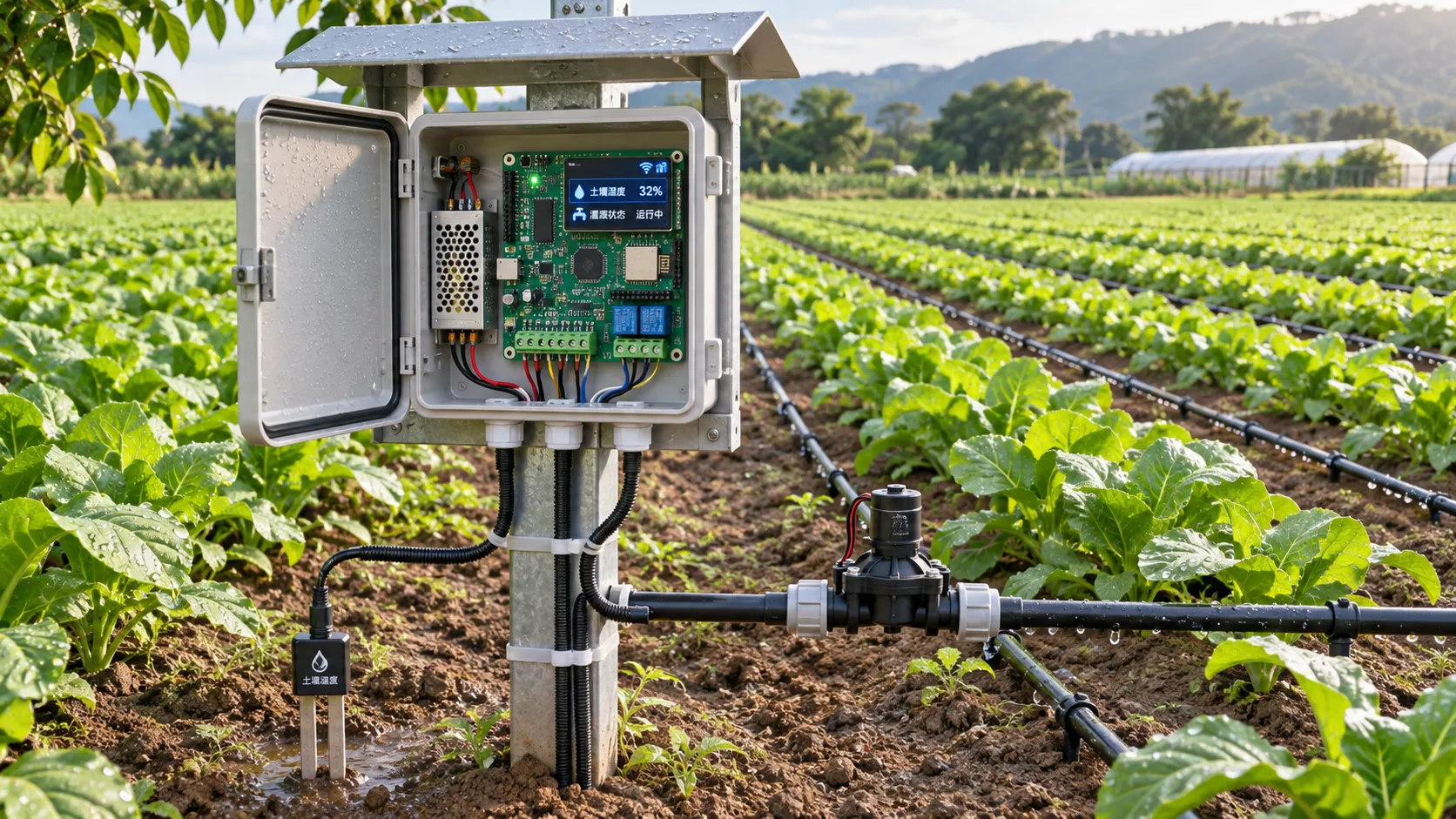
Quantized Edge AI Cuts Microcontroller Irrigation Inference Energy by 73.3%
Quantized edge AI cuts irrigation model inference energy by 73.3% and fits in 8 KB. Explore what this research could mean for smart irrigation devices.
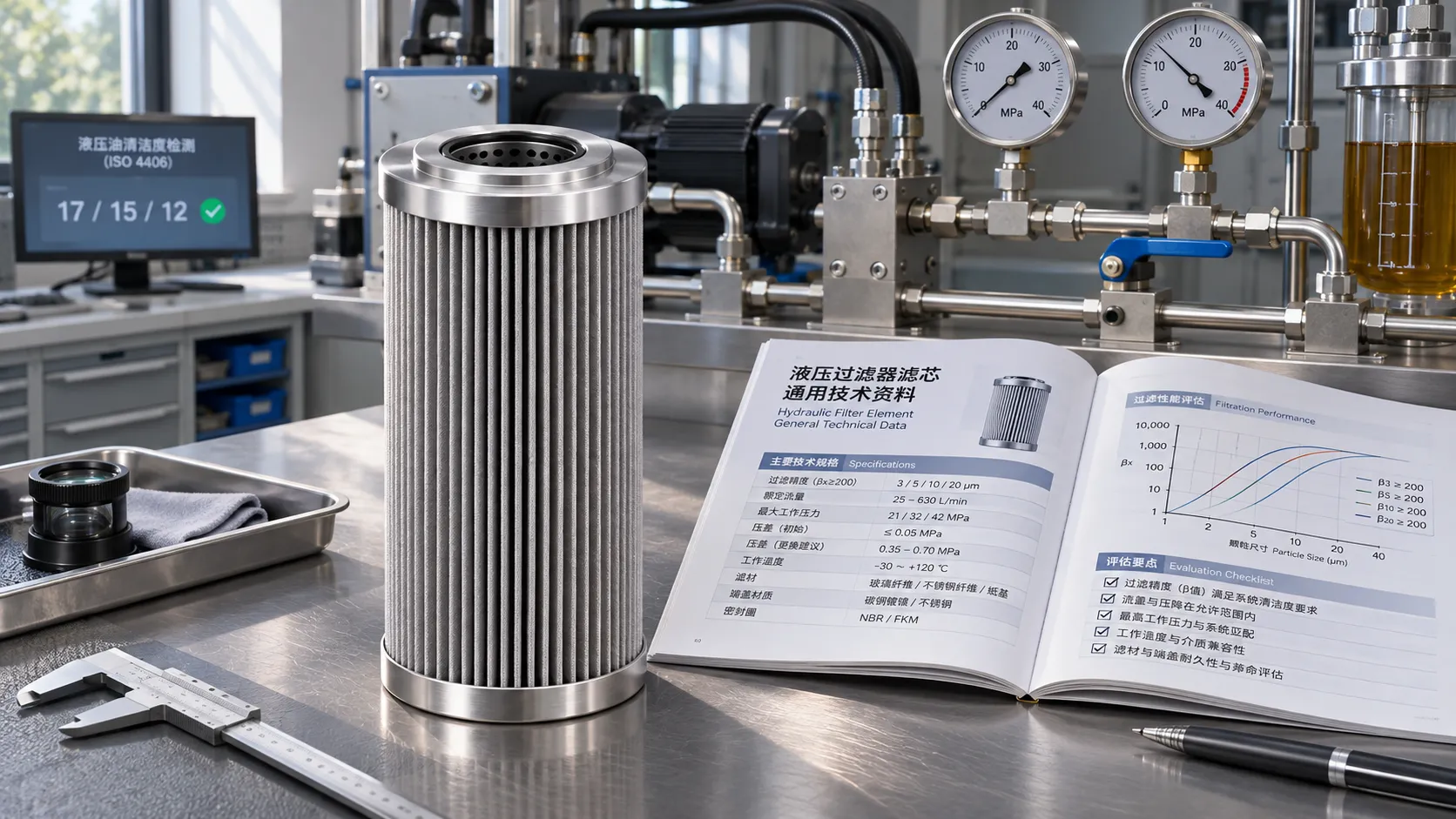
How to Read Filtration Accuracy Specifications: Micron Ratings Explained
Get product specification guidance on filtration accuracy. Learn how to compare micron ratings, beta ratios, and test methods to select the right filter.
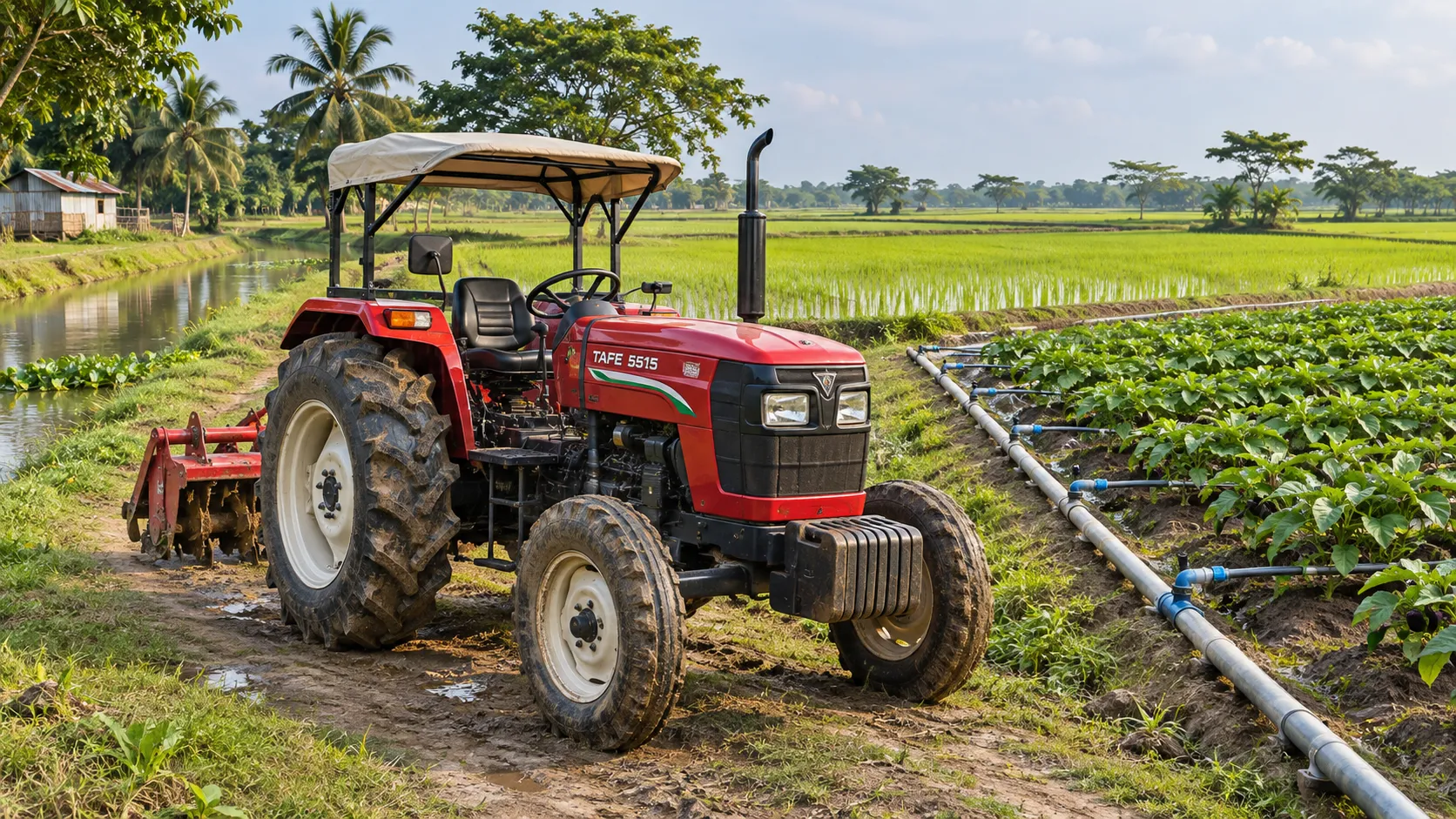
Bangladesh Irrigation and Farm Machinery Receive Less Than 1% of Agricultural Credit
Bangladesh agricultural credit for irrigation and farm machinery was reportedly under 1% of total lending. Explore what this could mean for equipment buyers and suppliers.
Related News
- 00
0000-00
FAO: Global Food Supplies Ample, but Market and Food Security Risks Rise - 00
0000-00
Choosing Heavy-Duty Soybean Machinery for Different Farm Sizes and Soil Types - 00
0000-00
Global Farm Equipment Sales Slide as India and China Show Resilience - 00
0000-00
Smart Cultivation Solutions for Rice Farms in Southeast Asia - 00
0000-00
How to Read Filtration Accuracy Specifications: Micron Ratings Explained
0000-00
Popular Tags
Ms. Elena Rodriguez
Weekly Insights
Stay ahead with our curated technology reports delivered every Monday.