Choosing a Rear Hitch Hydraulic Lift System: Capacity and Compatibility
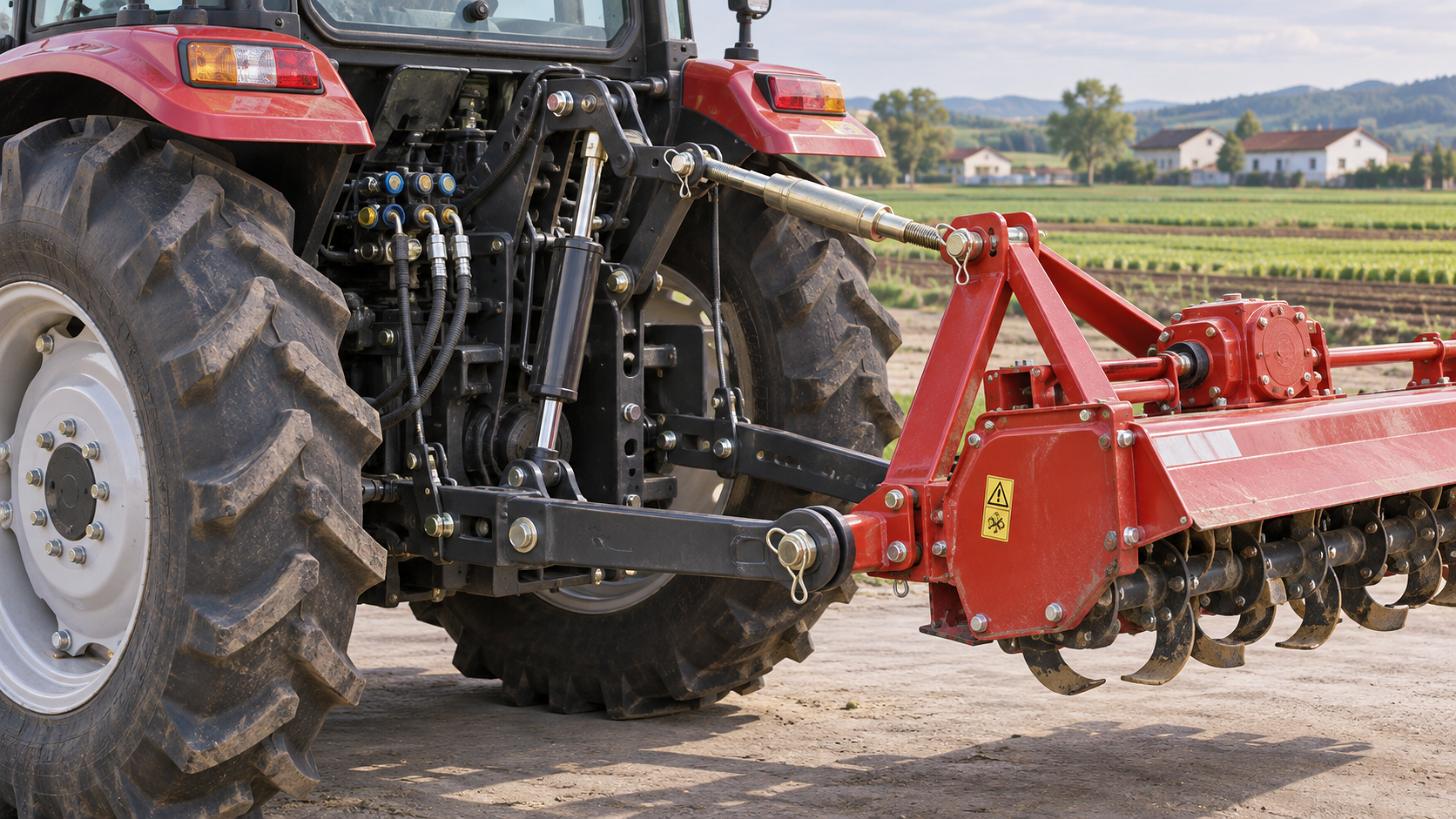




Selecting rear hitch hydraulic lift systems requires more than matching a manufacturer’s rated capacity to implement weight. Technical evaluators must also account for the rating point, implement center of gravity, lift range, hydraulic pressure and flow, hitch geometry, and tractor stability. A system can appear adequate on a specification sheet yet struggle to raise an implement through its full travel—or leave too little steering authority for safe transport.
The most reliable decision is therefore an application-specific one: compare the tractor and hitch against the heaviest credible implement configuration, then verify the complete combination in its working and transport positions.
Start with the load case, not the headline lift rating
A rear three-point hitch rating is meaningful only when its measurement conditions are known. Manufacturers may publish lift capacity at the lower-link ends, at a specified distance behind them, or at a particular position in the lift range. Those figures are not interchangeable. Ask for the rating location, lift height, operating pressure, and applicable tractor configuration before comparing systems.
Use the implement’s maximum operational mass, not simply its shipping weight. Depending on the attachment, that may include seed, fertilizer, water, optional hardware, accumulated soil, and other material carried during the operation. Check whether the implement manufacturer specifies a loaded center of gravity or provides axle-load information for the intended configuration.
Understand what moving the load rearward does
For a preliminary comparison, rearward load moment can be represented as implement weight multiplied by its horizontal distance from a chosen reference point. Using the same reference for both configurations, a 1,000 kg implement acting 1.0 m behind that point produces the same static gravitational moment as a 500 kg implement acting 2.0 m behind it. This is a simplified comparison, not a hitch-capacity calculation.
Actual lower-link forces also depend on top-link geometry, the implement’s own attachment points, hitch position, and tractor linkage design. Do not scale a published lift rating by distance alone and treat the result as an approved capacity. Obtain a manufacturer’s assessment or capacity data at the relevant load position, especially for long planters, mounted tanks, or equipment carried on an extension frame.
Check the weakest relevant position. An implement must clear the ground at the bottom of the stroke, reach the required working and headland positions, and achieve safe transport clearance. Confirm capacity throughout that range, rather than assuming the highest advertised value applies everywhere.
Check hitch geometry before assessing hydraulic upgrades
Mechanical fit is a separate gate from lifting power. The tractor hitch category, implement pin sizes and spacing, and top-link arrangement must be compatible with one another. ISO 730 defines rear-mounted three-point linkage categories and dimensions for agricultural wheeled tractors; consult the applicable edition and the equipment manufacturers’ specifications for the exact interfaces. Source: International Organization for Standardization, ISO 730, “Agricultural wheeled tractors — Rear-mounted three-point linkage” (https://www.iso.org/standard/80010.html).
Category labels alone are not enough. Quick hitches, conversion bushings, adjustable lower links, and oversized implement frames can introduce fit or clearance problems even when nominal pin dimensions appear compatible. A bushing may adapt a pin diameter, but it does not increase the rated strength of the linkage or establish compatibility with the implement’s top-link geometry.
- Measure the connection envelope: Check lower-link spacing, pin diameters, top-link reach, implement mast clearance, and the working angles of joints through the entire lift range.
- Inspect lateral control: Verify stabilizers, sway limits, and tire clearance with the implement raised, lowered, and offset as intended.
- Confirm travel and ground clearance: Assess both the working depth and transport height with realistic tire sizes, ballast, and implement settings.
- Account for PTO and driveline movement: If the implement is powered, check shaft overlap, operating angles, guards, and interference throughout hitch travel using the implement supplier’s instructions.
- Review attachment structure: Establish that brackets, pins, tractor mounting points, and any aftermarket frame are approved for the actual load and configuration.
If an adapter moves the implement farther behind the tractor, reassess both lift demand and front-axle loading. An adapter that makes the pins fit can make the overall combination less suitable.
Match pressure, flow, and controls to the task
Hydraulic compatibility is more nuanced than comparing pump flow figures. Cylinder force depends on pressure and effective piston area, while linkage geometry converts that cylinder force into lift at the hitch. Available flow influences actuator speed, but the flow reaching the hitch can be lower than total pump output when steering, transmission, or auxiliary functions share the supply.
For a retrofit or auxiliary lift, obtain the tractor’s permitted pressure and usable flow at the intended connection, as well as the lift supplier’s operating limits. Verify whether the circuit is open-center, closed-center, or load-sensing, and whether the valve and return arrangement are approved for that architecture. An incompatible connection can cause overheating, poor control, or equipment damage.
Questions to resolve with both suppliers
- What pressure is available under load? Compare the system’s required pressure with the tractor’s specified operating pressure and the rated limits of every component. Never raise a relief setting beyond the manufacturer’s approved value to compensate for insufficient capacity.
- What flow is actually available? Ask for lift performance while relevant hydraulic consumers are operating, not only at maximum pump output with no competing demand.
- How is the implement controlled? Confirm whether position control, draft control, float, rate adjustment, and height limits are available and appropriate for the job. A retrofit should not be assumed to retain every original tractor function.
- What happens when the engine stops or a hose fails? Identify the manufacturer’s specified load-holding and lowering behavior. A hydraulic circuit is not a substitute for a mechanical support when anyone must work beneath raised equipment.
- Are connections and oil compatible? Check coupler type, pressure and return ports, filtration requirements, oil specification, and contamination controls against both manuals.
When comparing rear hitch hydraulic lift systems, request lift time and temperature information for the intended operating cycle where available. Repeated headland lifts with a heavy implement impose a different demand from occasional positioning in a yard. A system that can make one lift is not necessarily suited to sustained cycling.
Separate lifting ability from tractor stability
A hitch can raise an implement while the tractor combination remains unsuitable for transport or field work. Rear-mounted mass transfers load toward the rear axle and reduces front-axle load; acceleration, braking, slopes, and uneven ground can further change the forces acting on the machine. This makes steering and stability checks essential, not optional.
Use the tractor manufacturer’s axle-load limits, tire ratings, ballast instructions, and minimum front-axle loading requirements where specified. Include the operator, fuel, existing attachments, and the implement’s maximum credible load in the assessment. Where practical, measure individual axle weights on a suitable scale with the implement in the intended transport position; compare the results with the manufacturer’s limits and applicable local transport rules.
Front ballast can restore front-axle load, but it also adds total weight and may push tires or axles beyond their limits. It does not increase the hitch’s structural rating. If the combination cannot meet all limits simultaneously, select a lighter or closer-coupled implement, a different hitch arrangement approved by the manufacturers, or a tractor with greater suitable capacity.
For operating guidance, consult the tractor’s own manual and relevant safety resources. The U.S. Occupational Safety and Health Administration addresses agricultural tractor safety, including rollover protective structures and operating requirements, in 29 CFR 1928.51 and 1928.57: https://www.osha.gov/laws-regs/regulations/standardnumber/1928. Local legal requirements may differ.
A practical evaluation sequence for rear hitch hydraulic lift systems
When several tractor and lift combinations are under consideration, use the same application sheet for each supplier. This makes missing evidence visible and prevents an attractive peak rating from dominating the comparison.
- Define the duty: Record implement configurations, maximum loaded mass, center of gravity, required working depth, transport clearance, field conditions, and expected lift frequency.
- Eliminate mechanical mismatches: Verify hitch category, dimensions, structural ratings, PTO clearance, and the effect of any quick hitch or adapter.
- Compare capacity on a common basis: Request ratings at the relevant load point and across the required lift range. Flag any rating whose test conditions are unknown.
- Validate the hydraulic interface: Check circuit architecture, pressure, usable flow, control functions, oil compatibility, and the demands of simultaneous operations.
- Calculate and verify stability: Review total and axle loads, tire limits, and ballast requirements in working and transport configurations. Measure axle loads when feasible.
- Conduct an approved functional check: Following both manufacturers’ instructions, test lift, lowering control, clearances, and normal operating functions in a controlled area with the implement secured and people clear.
Document unresolved assumptions. If a supplier cannot confirm a critical load point, attachment rating, or hydraulic interface, treat that item as an open technical risk rather than estimating it away. Before maintenance or inspection under a raised implement, lower it or use properly rated mechanical supports in accordance with the equipment manual.
Frequently asked questions
Is the tractor’s maximum hitch rating enough for an implement of the same weight?
Not necessarily. The rating may apply at a different distance or lift height, while the implement’s loaded center of gravity may sit farther rearward. Verify the rating conditions, full lift range, structural limits, and tractor axle loads before approving the combination.
Can a larger hydraulic cylinder solve an undersized hitch?
A larger cylinder may change available force and required flow, but it can also overload linkage components or exceed mounting and hydraulic limits. It is not an acceptable upgrade unless the tractor and lift manufacturers approve the complete configuration.
Should the system be evaluated with the implement empty or full?
Evaluate every relevant state, including the maximum credible loaded condition and any condition that changes the center of gravity or axle loading. An empty implement may be useful for initial clearance checks, but it does not establish loaded lifting or transport suitability.
Related News
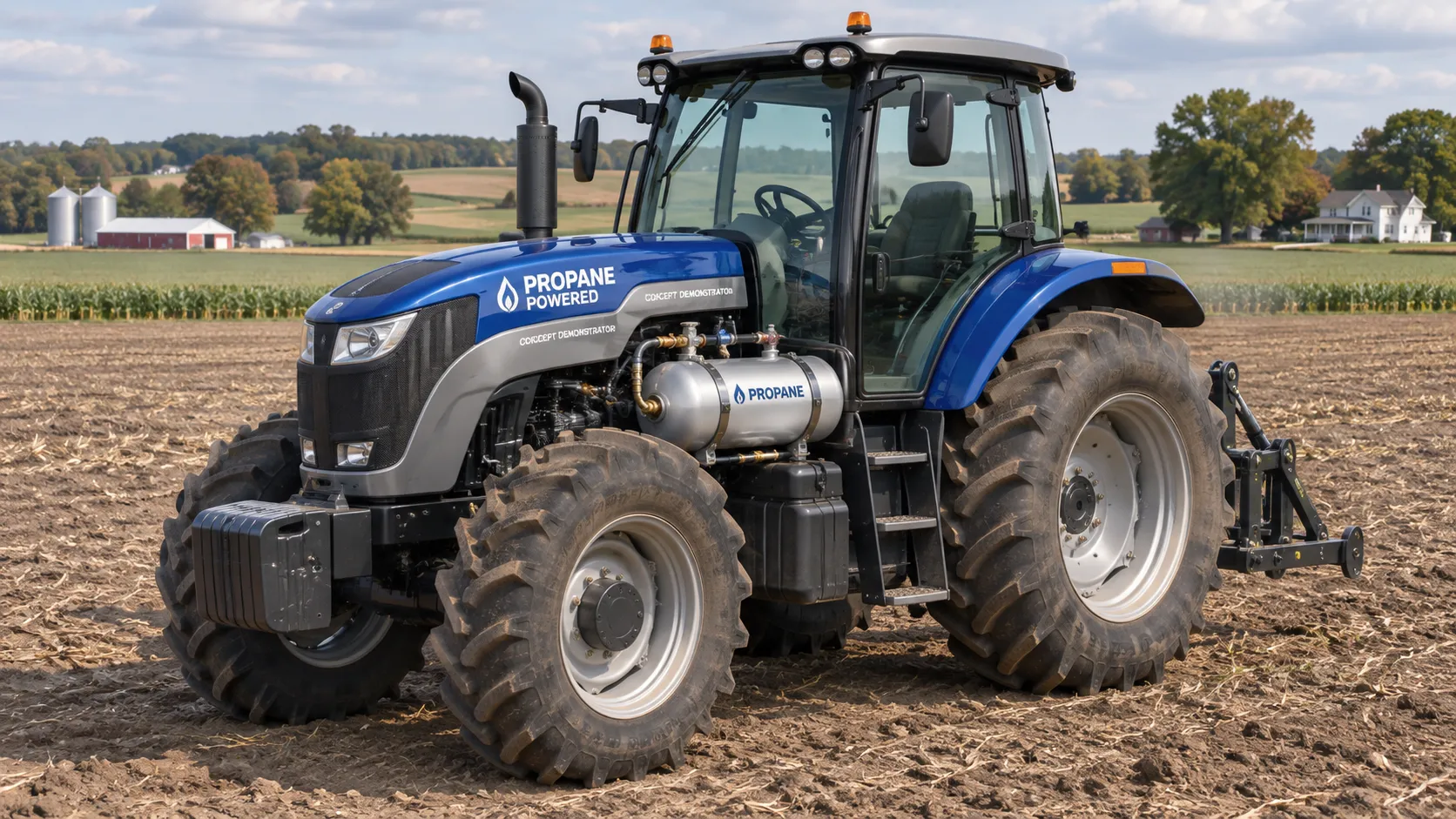
PERC and Daedong Launch Propane Tractor Demonstration Project
PERC and Daedong launch a propane tractor demonstration to explore farm performance, operating costs and emissions. Discover what the year-long project could reveal.
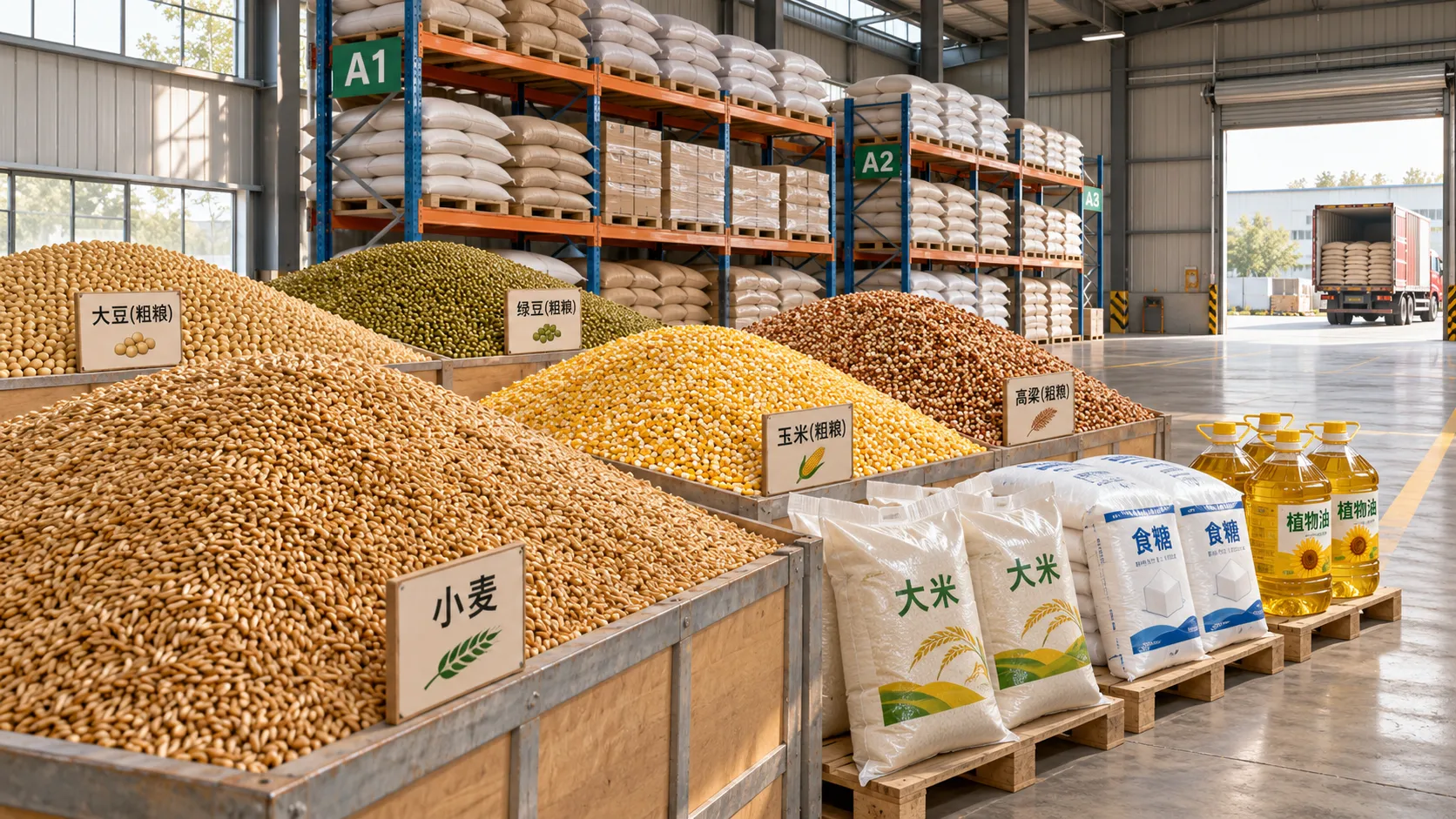
FAO: Global Food Supplies Ample, but Market and Food Security Risks Rise
FAO's global food supply outlook reveals ample grain stocks but tighter rice, sugar and vegetable oil markets. Explore the risks to food security.
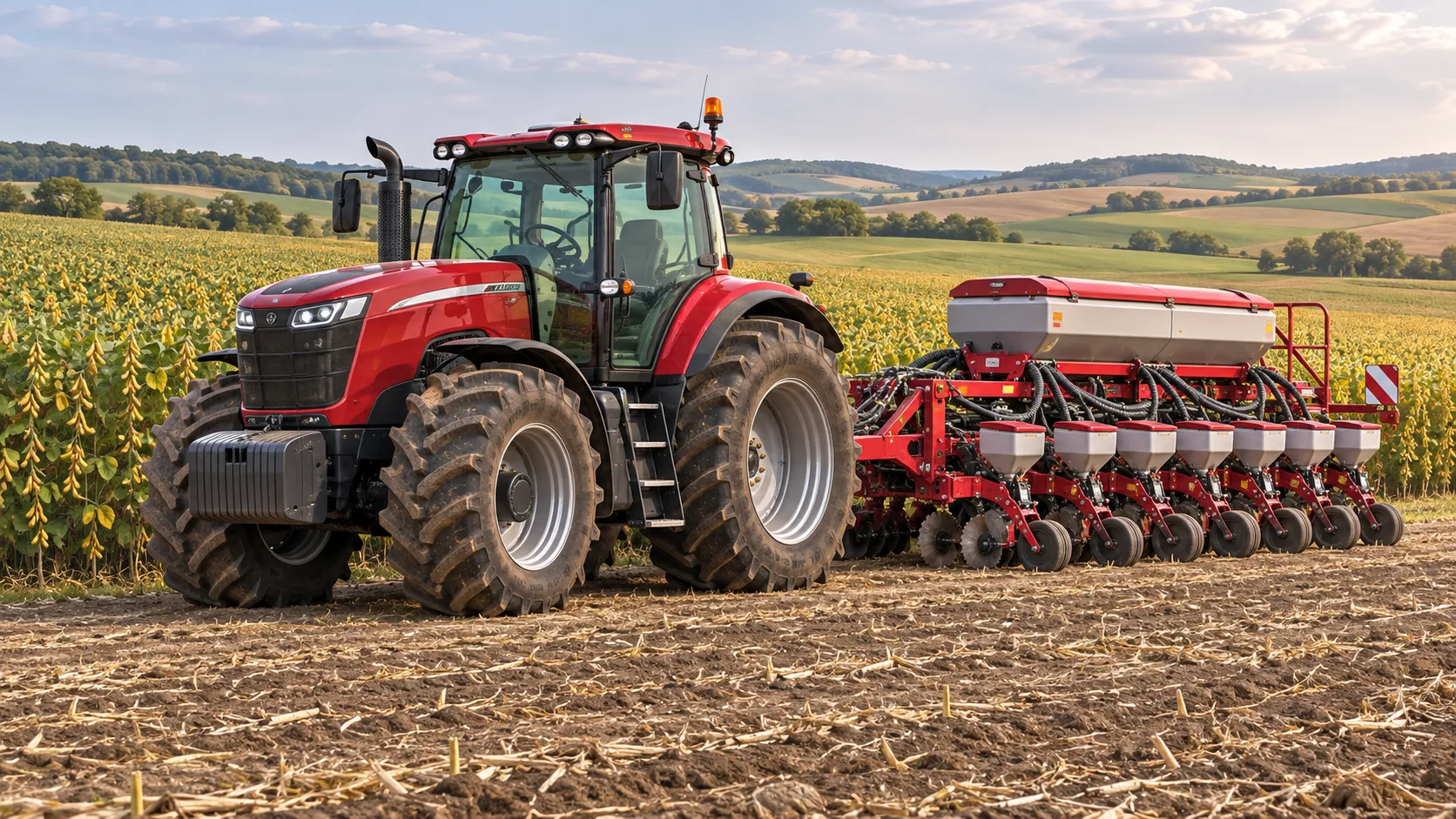
Choosing Heavy-Duty Soybean Machinery for Different Farm Sizes and Soil Types
Choose heavy duty farm machinery for soybeans with confidence. Compare tractors, planters, and combines for your farm size, soil conditions, and budget.
Global Farm Equipment Sales Slide as India and China Show Resilience
Global farm equipment sales are declining, but India and China show resilience. Explore the market outlook and what it means for buyers and suppliers.

Smart Cultivation Solutions for Rice Farms in Southeast Asia
Explore smart cultivation solutions Southeast Asia rice farms can use to improve water management, mechanization and harvest planning. Start with practical field insights.
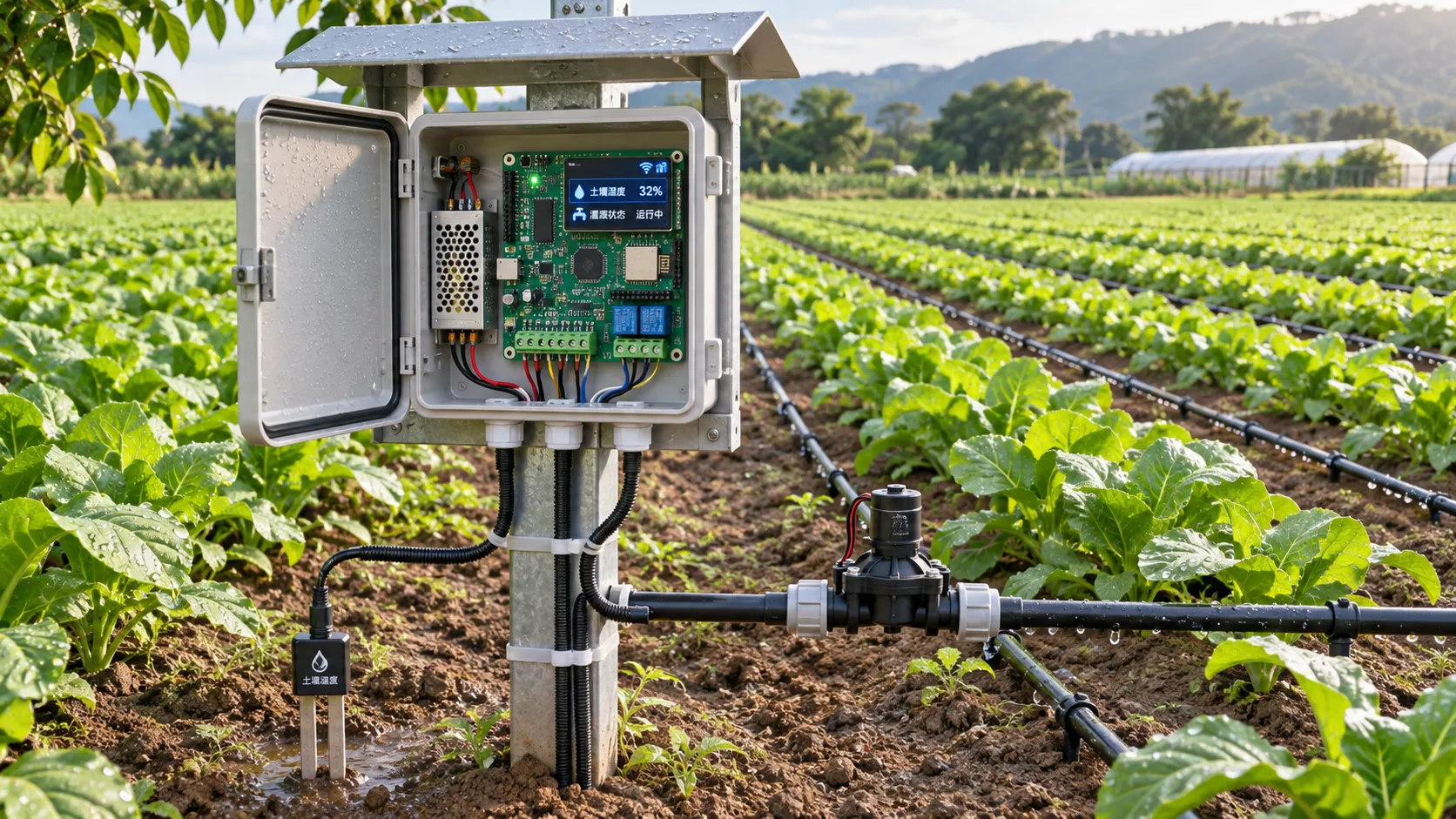
Quantized Edge AI Cuts Microcontroller Irrigation Inference Energy by 73.3%
Quantized edge AI cuts irrigation model inference energy by 73.3% and fits in 8 KB. Explore what this research could mean for smart irrigation devices.
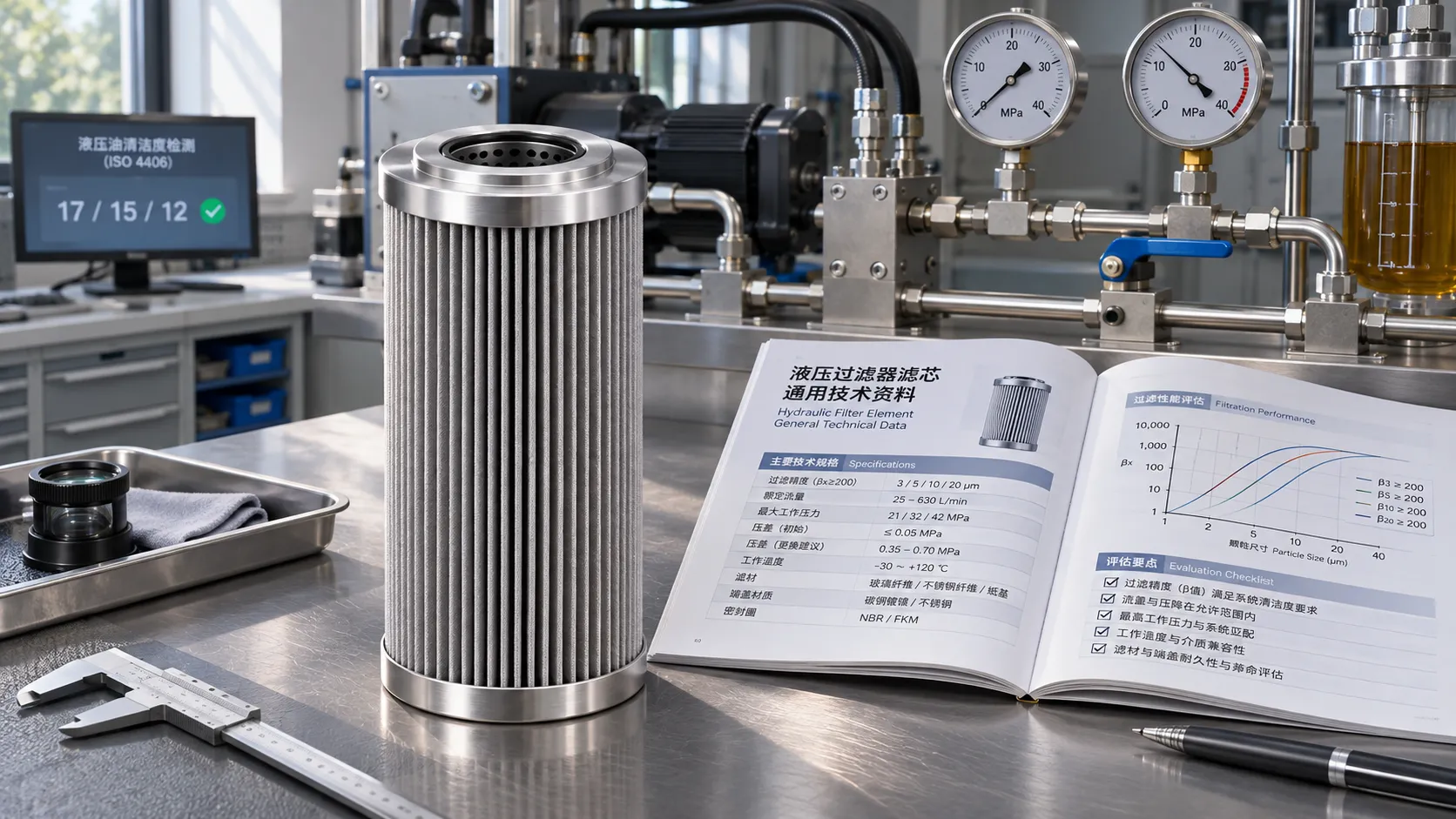
How to Read Filtration Accuracy Specifications: Micron Ratings Explained
Get product specification guidance on filtration accuracy. Learn how to compare micron ratings, beta ratios, and test methods to select the right filter.
Bangladesh Irrigation and Farm Machinery Receive Less Than 1% of Agricultural Credit
Bangladesh agricultural credit for irrigation and farm machinery was reportedly under 1% of total lending. Explore what this could mean for equipment buyers and suppliers.
Smart Farm Tool Prices: What Buyers Should Budget Beyond Equipment Costs
Compare intelligent farm tools price quotes beyond hardware. Discover the costs of installation, subscriptions, training, and support before you buy.
Related News
- 00
0000-00
Choosing a Rear Hitch Hydraulic Lift System: Capacity and Compatibility - 00
0000-00
Tractor Hydraulic Systems Troubleshooting: Diagnosing Weak Lift and Slow Implements - 00
0000-00
Which Implements Are Compatible With a 200 HP Tractor for Mixed Cropping? - 00
0000-00
How to Select Agricultural Hydraulic Systems for Sprayers by Flow, Pressure, and Boom Demand - 00
0000-00
Australia Tightens Carbon Rules for Hydraulic Lift System Imports
0000-00
Popular Tags
Tractor Power Architect
Weekly Insights
Stay ahead with our curated technology reports delivered every Monday.