
Australia Tightens Carbon Rules for Hydraulic Lift System Imports
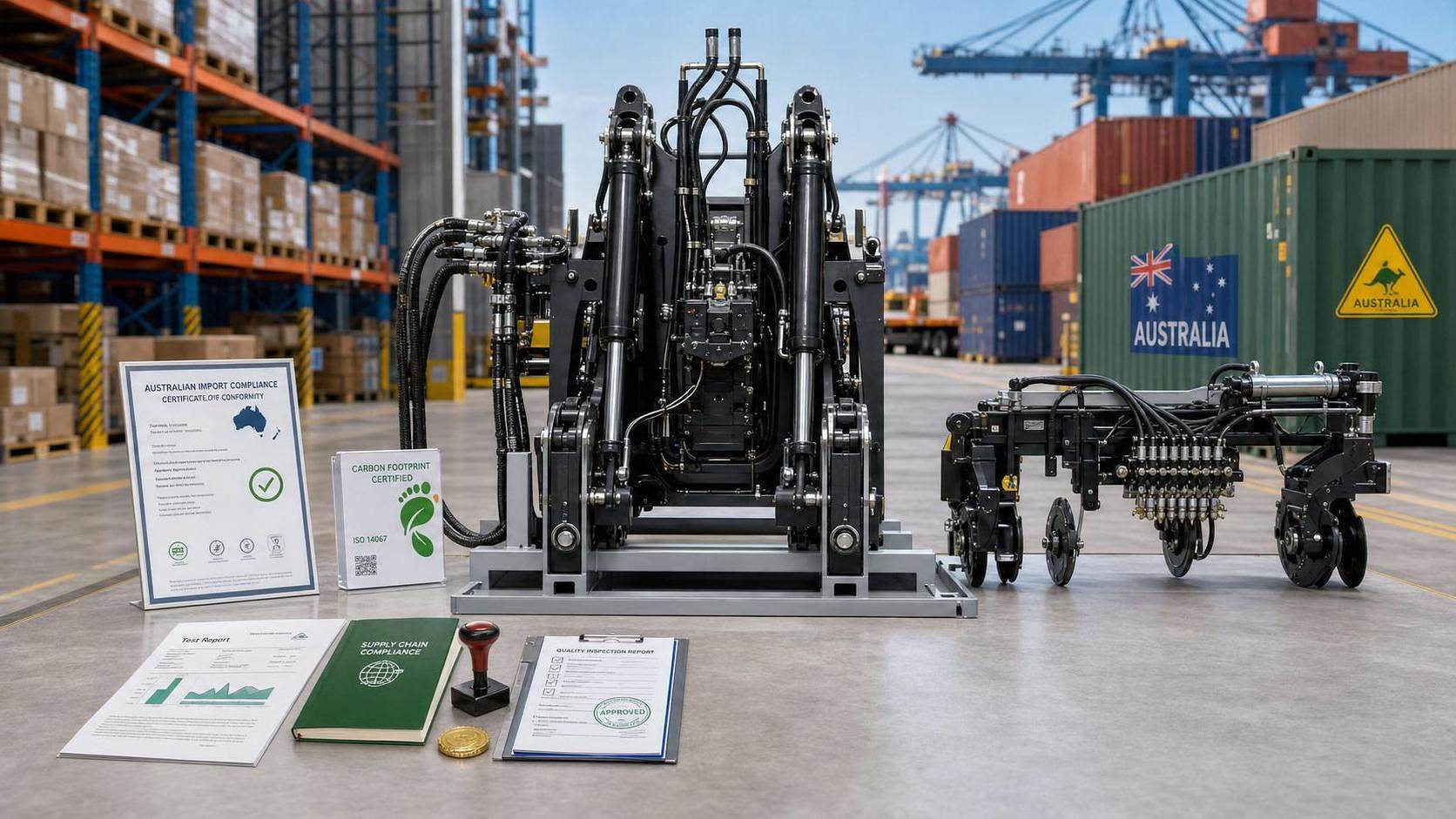




On July 10, 2026, Australia’s Department of Agriculture and Water Resources (DAFF) announced a new import compliance requirement for Hydraulic Lift Systems. From October 1, 2026, imported products in this category, including tractor hydraulic hitch systems and seeder lifting modules, must be accompanied at customs by a third-party certified full life-cycle carbon footprint report under ISO 14040/14044, with a threshold of no more than 12.8 tCO2e per unit. This is worth close attention from manufacturers exporting to Australia, local distributors, and supply chain service providers because it directly affects documentation readiness, certification cost, and delivery timing.
What DAFF Has Confirmed
According to the information provided, the DAFF announcement was made on July 10, 2026, and the new requirement will take effect on October 1, 2026. The rule applies to all imported Hydraulic Lift Systems, specifically including tractor hydraulic hitch systems and seeder lifting modules. For customs clearance, import shipments must include a third-party certified life-cycle carbon footprint report prepared in line with ISO 14040/14044. The stated carbon threshold is less than or equal to 12.8 tCO2e per unit.
The provided information also indicates that this requirement is expected to affect export certification costs and delivery cycles for Chinese manufacturers, while Australian distributors will need to reserve additional time for carbon accounting before shipment and clearance.
Where the Operational Pressure May Appear
Export manufacturers face a new documentation gate
From an industry perspective, manufacturers supplying the Australian market may be affected first because the new requirement is tied to import declarations. The immediate pressure point is not only product compliance, but also the preparation of a third-party certified life-cycle carbon footprint report that meets the named standards and threshold. In practice, this may influence pre-shipment document preparation, internal coordination, and export scheduling.
Australian distributors need to adjust lead-time assumptions
Analysis shows that distributors in Australia may be affected through procurement timing and customs planning. Because the requirement takes effect at the import declaration stage, distributors may need to confirm earlier whether suppliers can provide compliant reports on time. What deserves closer attention is the risk of treating carbon documentation as a final-step filing issue, when it may instead affect ordering windows and delivery commitments.
Supply chain and customs service providers may see tighter coordination demands
Observably, logistics coordinators, customs support teams, and related service providers may also be affected because document completeness becomes more sensitive once the rule is in force. Their exposure is likely to center on shipment readiness, declaration sequencing, and communication between exporter and importer. The key change to watch is whether carbon reporting becomes a standard checkpoint in booking and clearance preparation.
What Companies Should Watch Now
The gap between the effective date and internal readiness
What deserves closer attention is the short transition window between the July 10, 2026 announcement and the October 1, 2026 effective date. Companies involved in Australia-bound shipments may need to assess whether their current compliance workflow already covers life-cycle carbon reporting with third-party certification, or whether new preparation steps must be added.
Product scope and document matching
Analysis shows that product classification and document alignment deserve careful review. The information provided specifically mentions tractor hydraulic hitch systems and seeder lifting modules under the broader Hydraulic Lift Systems category. For businesses handling multiple agricultural equipment components, the practical issue is whether each shipment line that falls within this scope is matched with the required report at the declaration stage.
Certification timing and delivery commitments
Observably, delivery planning may need revision because the rule is linked to both certification cost and lead time. Exporters and importers should pay attention to whether customer delivery promises, shipment bookings, and customs filing schedules still reflect the added carbon accounting step. This is less about general sustainability positioning and more about whether documents can be produced in time for routine trade execution.
Customer and supplier communication
From an industry perspective, one immediate task is expectation management across the transaction chain. Australian buyers may need earlier confirmation from suppliers on report availability, while exporters may need clearer communication on documentation status, certification progress, and any impact on shipment timing. The practical focus should remain on preventing avoidable declaration or handover delays.
How This Development Should Be Read
Analysis shows that this update should not be treated as a routine filing change. It introduces a measurable carbon threshold and ties it to third-party certified life-cycle reporting at the customs stage, which gives the requirement operational weight beyond a general policy statement.
At the same time, it is more appropriate to understand this as both an immediate compliance change and a longer-term policy signal that deserves continued monitoring. The confirmed fact is the new requirement and its effective date. The broader market implications, including how consistently the rule is applied in practice across transactions and suppliers, still require observation rather than assumption.
Why the Market Should Keep Tracking It
For the industry, the significance of this development lies in its direct connection between import access and carbon documentation. The near-term issue is execution: whether exporters, distributors, and service providers can adapt workflows before October 1, 2026. The broader implication, based on observation rather than confirmed expansion, is that carbon reporting is becoming harder to separate from normal trade operations in this product area.
At this stage, it is more appropriate to understand the announcement as a concrete compliance change with immediate operational consequences, and also as a signal that companies serving the Australian market should keep watching for further clarification, implementation detail, or related rule development.
Basis of This Article
This article is based on the user-provided news title, event date, and event summary concerning DAFF’s July 10, 2026 announcement on carbon footprint reporting requirements for imported Hydraulic Lift Systems.
For this type of industry update, source categories typically relevant for ongoing verification include official government announcements, company statements, industry association notices, authoritative media coverage, and standard-setting organization documents. A specific official source link was not provided in the input, so the exact source document still needs continued verification. Follow-up attention should focus on any further official clarification regarding implementation details, document interpretation, and compliance handling in actual import procedures.
Related News
Farm Machinery Sourcing: How to Vet Suppliers, Specs, and Lifecycle Costs
Farm machinery information for sourcing: learn to vet suppliers, compare specifications, control lifecycle costs, and secure reliable uptime for smarter equipment purchases.
How to calculate ROI on precision agriculture equipment before buying
Calculating ROI on precision agriculture equipment: learn to assess total ownership costs, savings, payback, NPV, risks, and farm-scale value before you buy.
Tractor Specification Sheets: Matching PTO, Hydraulics, and Weight to Farm Tasks
Specification-oriented articles for tractors: match PTO, hydraulics, lift capacity, ballast, and weight to real farm tasks for safer, more efficient equipment choices.
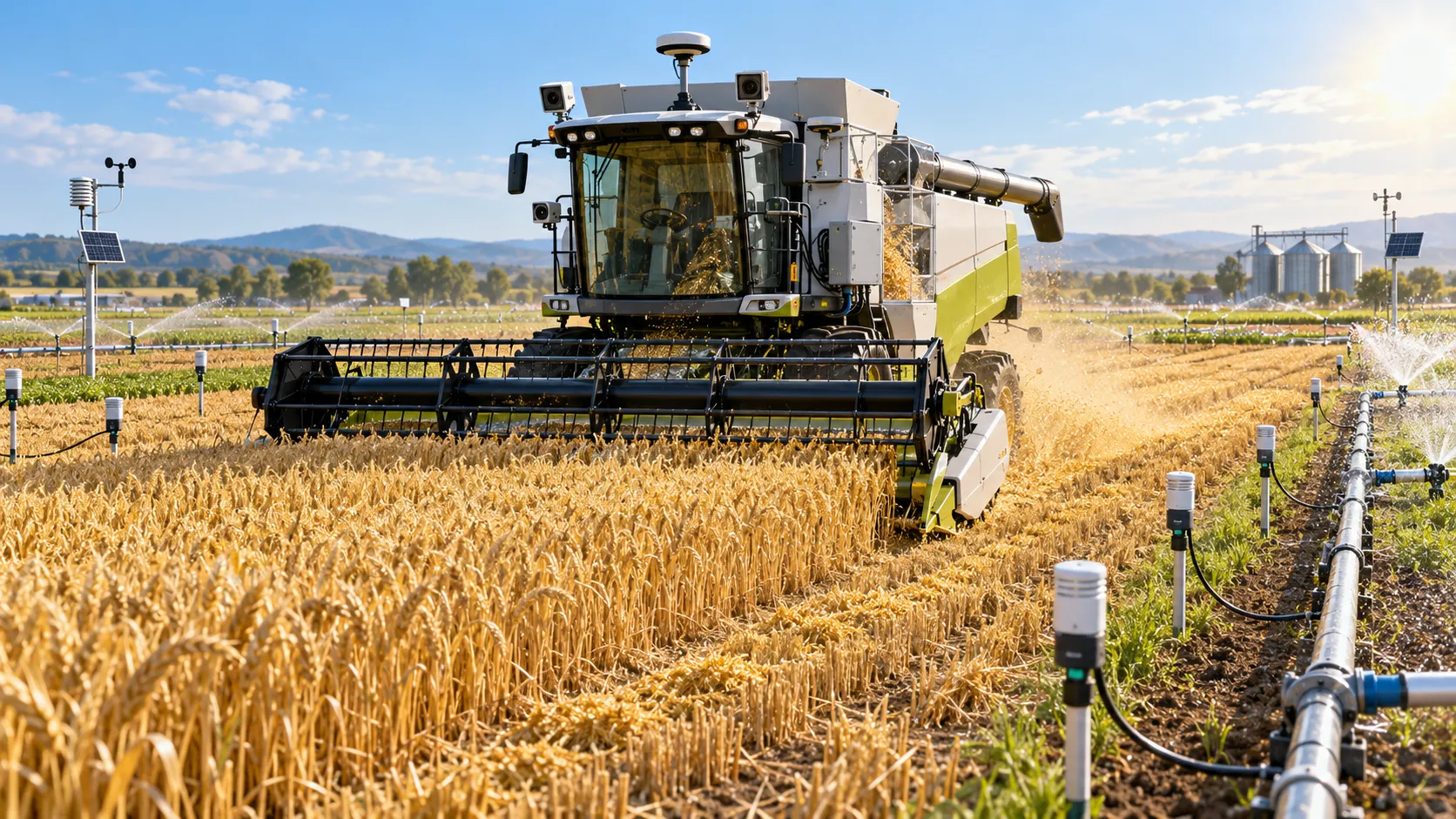
How to Evaluate Dynamic Feedback Algorithm Suppliers for Precision Farming Systems
Dynamic feedback algorithms supplier evaluation guide for precision farming—compare validation, integration, safety, and pilots to choose with confidence.
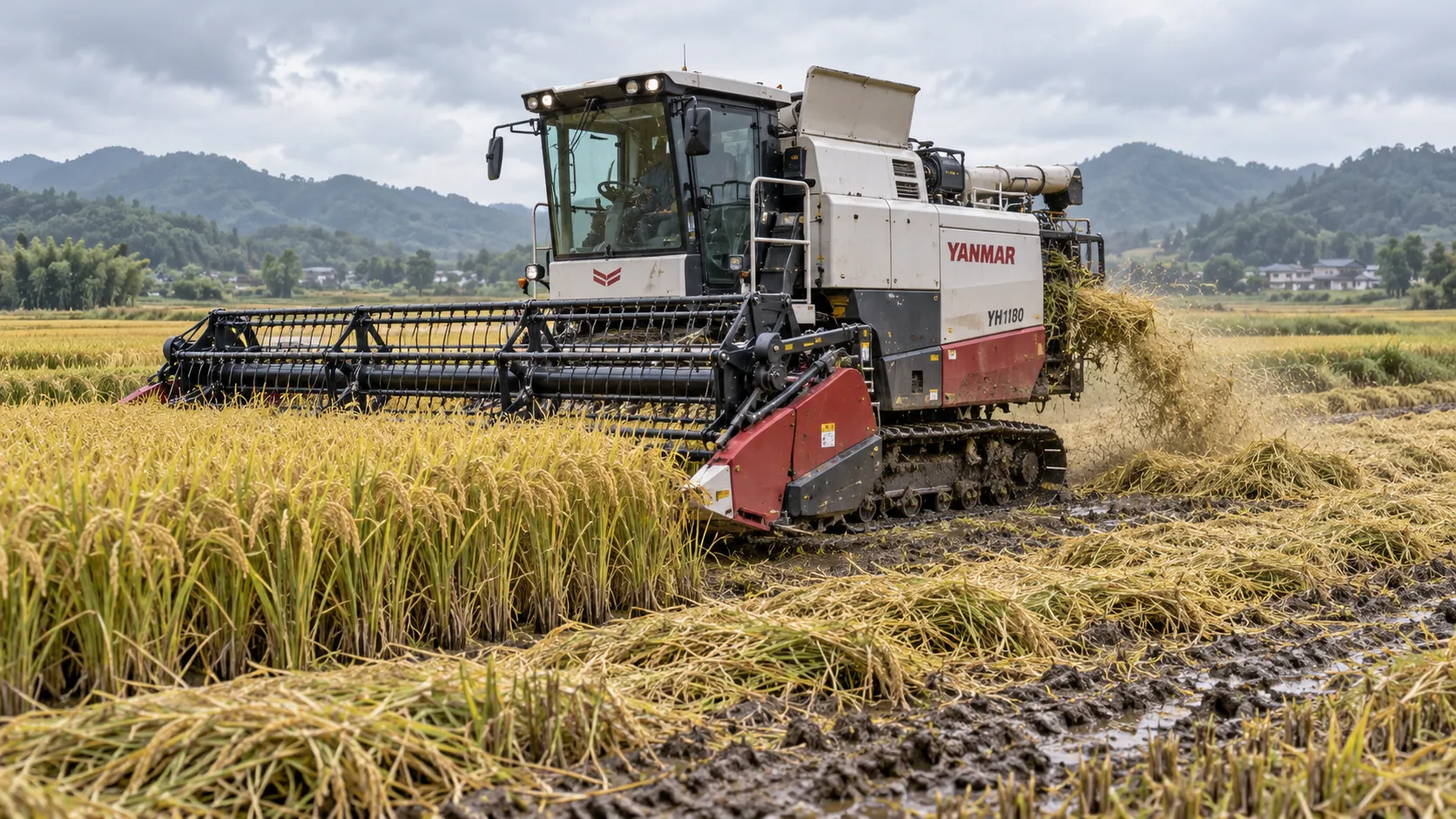
How to Specify Combine Harvester Systems for High-Moisture Grain and Variable Field Conditions
Combine harvester systems for high-moisture grain: learn how to specify threshing, cleaning, headers, traction, and automation for reliable harvests in variable fields.
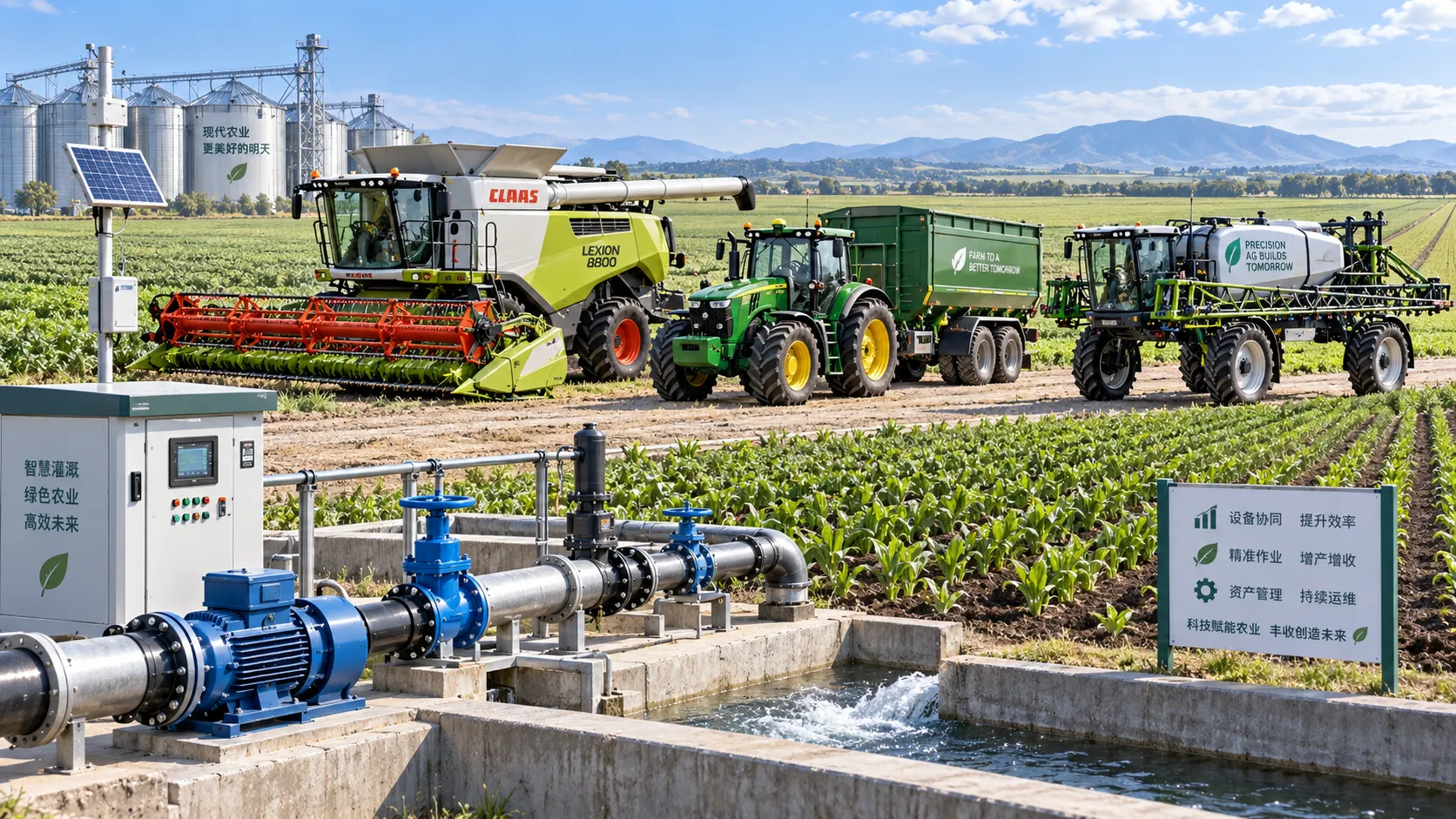
How to Compare Agricultural Equipment Platforms for Fleet Management and ROI
Agricultural equipment platform comparison: evaluate fleet data, maintenance, precision workflows, and ROI to choose a system that delivers measurable results.
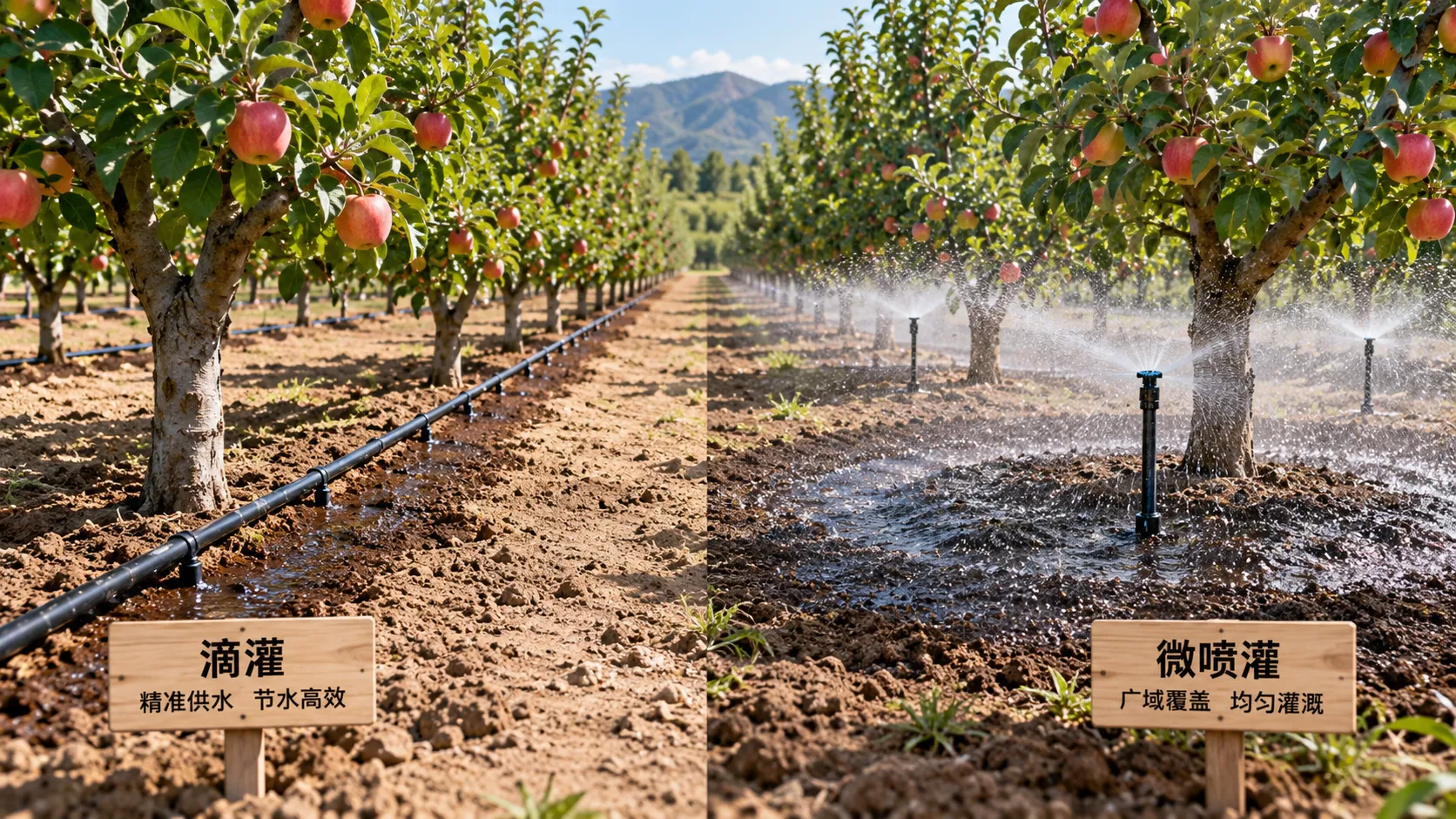
Drip vs. Micro-Sprinkler Irrigation: Which System Fits Your Orchard?
Irrigation solution comparison for orchards: discover whether drip or micro-sprinklers best match your water, soil, roots, fertigation, and frost needs.
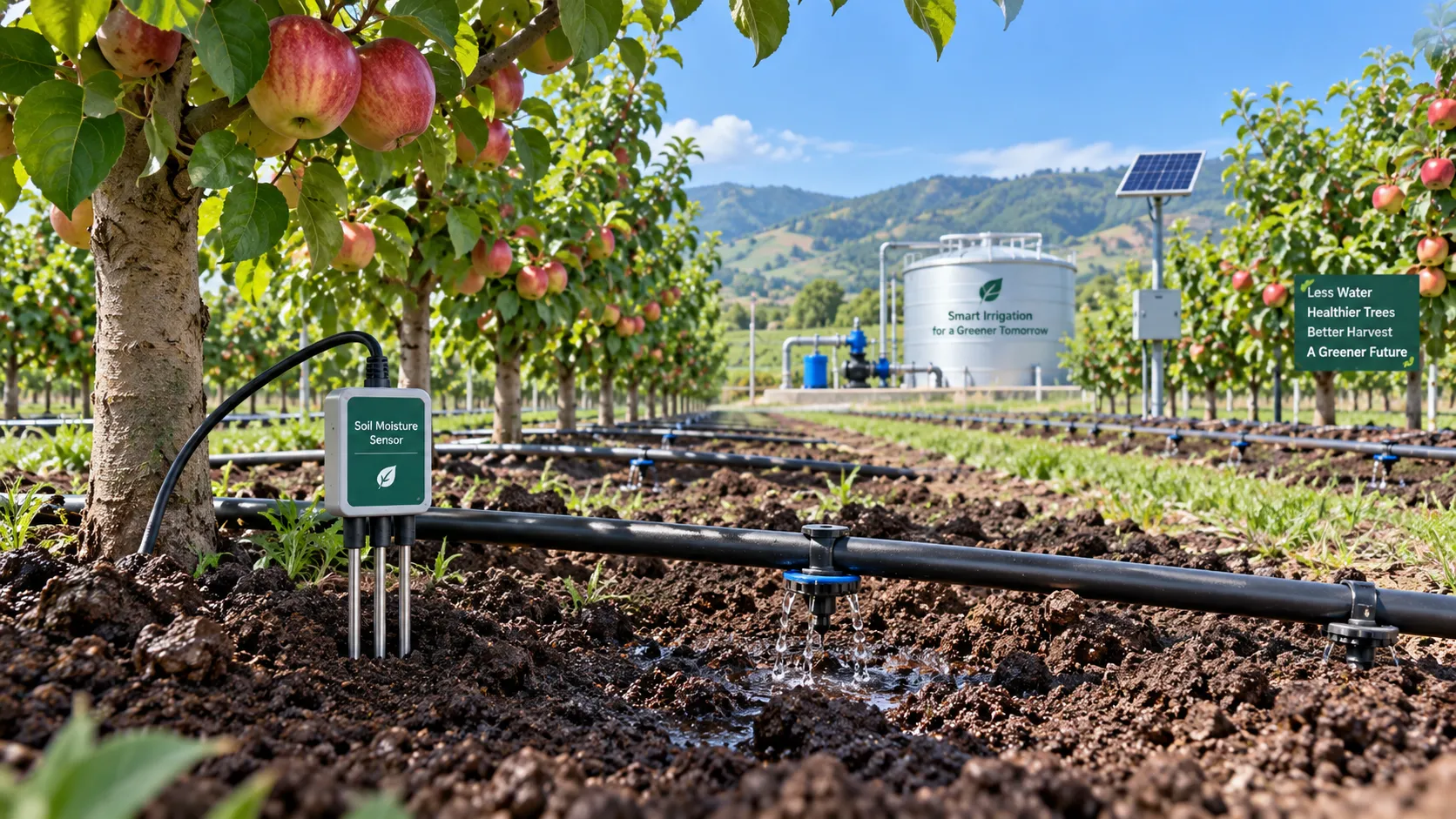
Orchard Water Management: Using Soil Moisture Data to Schedule Irrigation
Agricultural water management for orchards made practical: use soil moisture data to optimize irrigation timing, protect yield, reduce costs, and improve resilience.
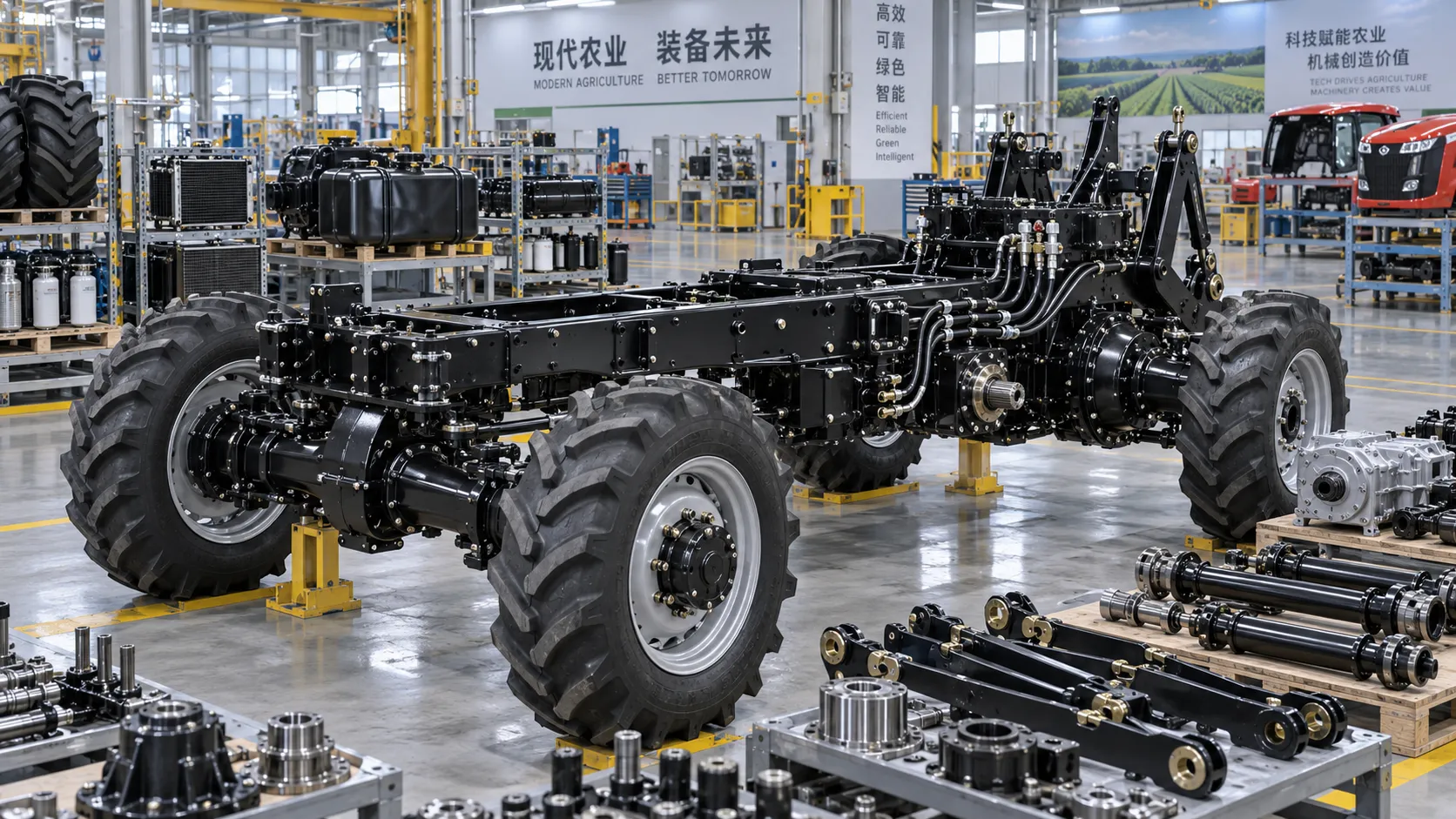
Tractor Chassis Price: What Buyers Should Compare Beyond the Initial Quote
Tractor chassis price is only the start. Compare load capacity, compatibility, durability, and lifecycle costs to choose a reliable, high-value chassis.
Related News
- 00
0000-00
Tractor Hydraulic Systems Troubleshooting: Diagnosing Weak Lift and Slow Implements - 00
0000-00
Which Implements Are Compatible With a 200 HP Tractor for Mixed Cropping? - 00
0000-00
How to Select Agricultural Hydraulic Systems for Sprayers by Flow, Pressure, and Boom Demand - 00
0000-00
Australia Tightens Carbon Rules for Hydraulic Lift System Imports - 00
0000-00
ANATEL Sets New Rules for Wireless Hydraulic Lift Systems
Popular Tags
Tractor Power Architect
Weekly Insights
Stay ahead with our curated technology reports delivered every Monday.