
What Makes Large Scale Agricultural Machinery Systems Work Efficiently Together?
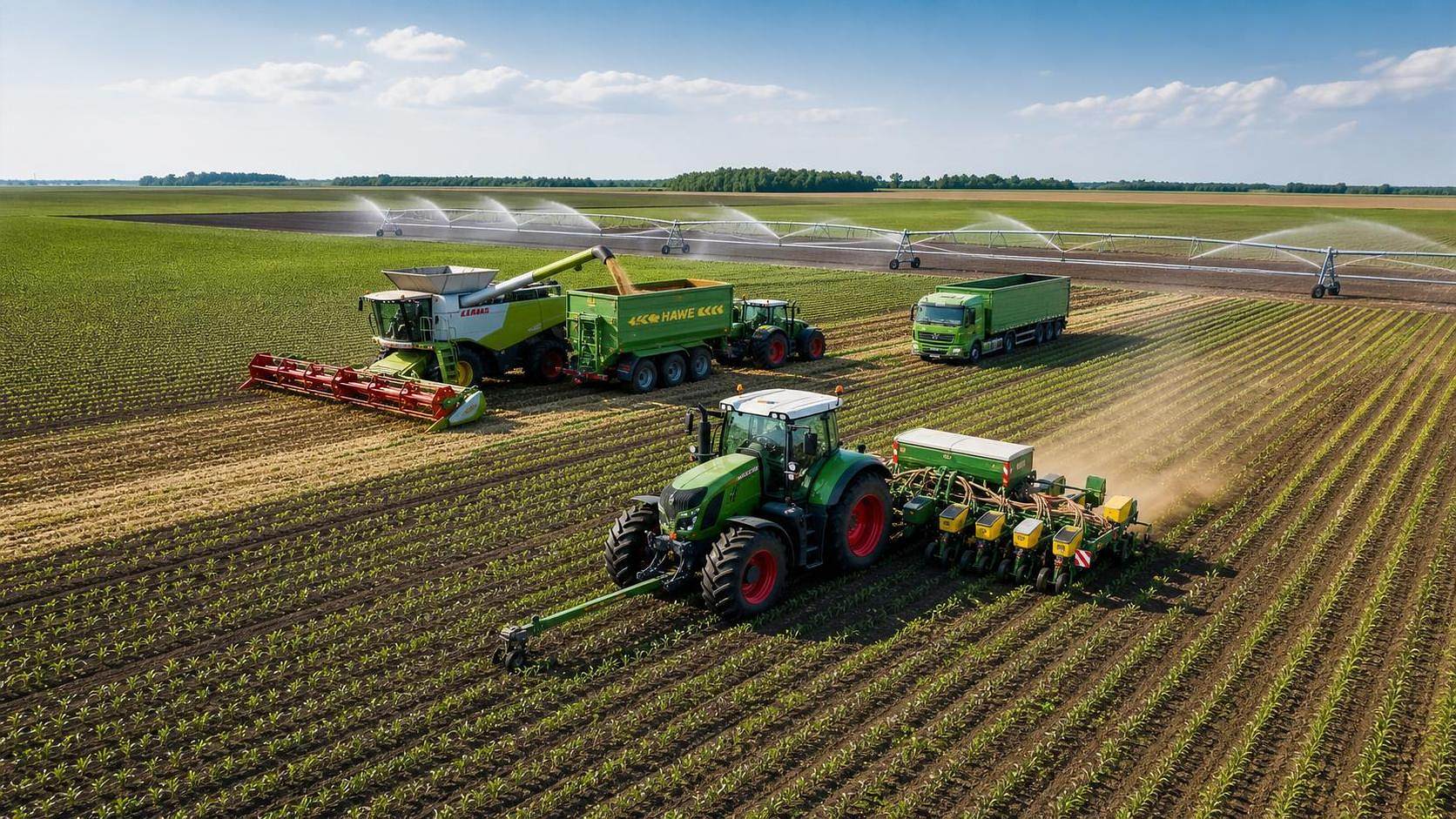




What makes large scale agricultural machinery systems work as a coordinated field ecosystem instead of a lineup of separate machines? The answer usually starts with integration. Power units, harvesting platforms, smart tools, irrigation networks, and data systems need to share operating logic, not just physical space.
That matters more now because farm-scale decisions are tied to input volatility, labor constraints, fuel efficiency, crop timing, and water risk. In that environment, machinery performance is no longer judged by one machine at a time. It is judged by how well the whole system moves.
Across the Agriculture 4.0 landscape observed by AP-Strategy, efficient coordination depends on aligned chassis capability, implement compatibility, precision control, and actionable intelligence. When those pieces fit, large scale agricultural machinery systems deliver higher output with fewer interruptions and more reliable operational planning.
Why system efficiency has become a strategic issue
Field operations now run under tighter windows. Rainfall patterns shift faster, harvest periods compress, and water restrictions affect crop scheduling. A machine that performs well in isolation may still create bottlenecks across the operation.
This is why large scale agricultural machinery systems attract broader attention than before. The discussion is no longer limited to horsepower or cutting width. It includes machine orchestration, transport timing, cleaning loss control, hydraulic responsiveness, and irrigation alignment.
In practical terms, one weak link often sets the pace for the whole chain. A combine waiting on grain cart support, a tractor mismatched with a precision implement, or an irrigation schedule disconnected from field traffic can reduce total efficiency more than a modest engine deficit.
That broader view explains why intelligence platforms such as AP-Strategy focus on the interaction between machinery, agronomic algorithms, and sustainability standards. Efficiency at scale is a coordination problem before it becomes a capacity problem.
The core structure of efficient large scale agricultural machinery systems
At the base level, large scale agricultural machinery systems combine several layers. The first is mechanical capability. The second is digital control. The third is operational workflow. The fourth is decision intelligence.
Mechanical alignment
Machines need compatible power ranges, stable hydraulic output, and durable driveline performance. Tractor chassis selection is especially important because it anchors draft load, transmission behavior, and implement response under changing field conditions.
Harvesting systems add another layer. Combine throughput, grain separation quality, residue handling, and unloading speed must match transport support. Otherwise, the machine may achieve good rated performance while the total harvest line underperforms.
Digital and sensor coordination
Modern field systems depend on positioning signals, sensor feedback, telematics, and controller logic. Intelligent farm tools use this layer to perform variable-rate application, section control, and prescription-based task execution.
The value is not simply automation. The value is consistency. When different machines read field conditions through compatible data logic, operations become more predictable and easier to adjust at scale.
Workflow timing
Large scale agricultural machinery systems succeed when task sequences are engineered, not improvised. Soil preparation, planting, crop protection, harvesting, residue handling, transport, and irrigation all affect one another.
If the sequence is poorly planned, utilization drops even when the fleet is technically strong. If the sequence is calibrated around field capacity and agronomic timing, equipment hours become more productive and delays easier to absorb.
Where coordination creates measurable value
The strongest systems create value in several directions at once. They raise field productivity, reduce downtime exposure, improve input accuracy, and strengthen planning confidence during critical seasonal windows.
This is where broad sector intelligence becomes useful. AP-Strategy’s coverage of combine cleaning feedback, hybrid chassis trends, and irrigation prediction models reflects a practical reality: efficiency gains often come from interdependence, not from one headline machine specification.
The machinery groups that must work together
Efficient large scale agricultural machinery systems usually connect five machinery groups. Each group serves a different role, yet none should be evaluated in isolation when planning a scalable operation.
Primary power platforms
These include tractor chassis and related power units. They determine traction behavior, implement support, transport mobility, and hydraulic consistency across heavy-duty tasks.
Field operation implements
Tillage, planting, spraying, and fertilization tools need correct matching with chassis capability, control systems, and guidance technology. Precision work suffers quickly when those interfaces are weak.
Harvest systems
Combines, headers, grain handling units, and support transport must run as one line. Throughput only becomes profitable when loss rates, residue flow, and unload timing stay under control.
Water management infrastructure
Water-saving irrigation systems now belong in the same operational conversation. Irrigation timing affects field access, crop stress, fuel use patterns, and the value of precision prescriptions.
Data and decision layers
This layer converts machine signals into decisions. It includes telematics, maintenance indicators, route planning, yield data, moisture readings, and environmental policy awareness.
Common failure points in field-scale integration
In many operations, inefficiency does not come from dramatic breakdowns. It comes from recurring mismatch. The signs usually appear early, although they are often treated as normal seasonal friction.
- Implements exceed available hydraulic or traction capacity during peak conditions.
- Harvest support logistics fail to keep pace with combine throughput.
- Guidance, sensor, and prescription systems operate on fragmented data standards.
- Maintenance planning focuses on repairs rather than uptime continuity.
- Irrigation schedules are set independently from machinery traffic and crop operations.
- Capital decisions prioritize headline machine size over system balance.
These issues matter because large scale agricultural machinery systems tend to magnify small coordination errors. As scale grows, minor timing gaps become lost acres, fuel waste, or quality variation across large production blocks.
How to evaluate system fit before expanding capacity
A useful evaluation starts with process flow rather than equipment catalogues. Map the operation from soil entry to harvest exit, then identify where waiting time, overlap, or reactive decisions appear.
Next, compare machine capability against field reality. Rated output matters, but so do terrain variability, crop density, transport distance, refill cycles, and weather disruption.
It also helps to judge whether the data architecture is scalable. If telematics, variable-rate maps, maintenance alerts, and irrigation models cannot be interpreted together, system efficiency will plateau early.
- Check power-to-implement matching under peak load, not average load.
- Review combine loss data alongside transport response times.
- Align irrigation control with crop stage and machinery access windows.
- Use uptime indicators and parts availability in lifecycle planning.
- Track whether software and control platforms support shared decision-making.
This is also where market intelligence has practical value. AP-Strategy’s focus on commercial demand shifts, policy signals, and technology evolution can help frame whether an investment solves a current bottleneck or creates a new one.
A practical direction for the next decision cycle
The most effective large scale agricultural machinery systems are rarely built through isolated purchases. They are shaped through compatibility decisions, field data discipline, and realistic workflow design.
That makes the next step fairly clear. Review the machinery chain as an operating system. Identify where output depends on another machine, another dataset, or another timing assumption.
From there, compare capacity balance, control integration, and water-management links before adding new assets. A well-judged upgrade path usually begins with better coordination standards, then moves to targeted equipment and intelligence improvements.
For organizations tracking long-cycle agricultural investment, the stronger question is not which machine is largest or newest. It is whether the full system can translate mechanical power, precision decisions, and sustainability pressure into dependable field performance.
Related News
Farm Machinery Sourcing: How to Vet Suppliers, Specs, and Lifecycle Costs
Farm machinery information for sourcing: learn to vet suppliers, compare specifications, control lifecycle costs, and secure reliable uptime for smarter equipment purchases.
How to calculate ROI on precision agriculture equipment before buying
Calculating ROI on precision agriculture equipment: learn to assess total ownership costs, savings, payback, NPV, risks, and farm-scale value before you buy.
Tractor Specification Sheets: Matching PTO, Hydraulics, and Weight to Farm Tasks
Specification-oriented articles for tractors: match PTO, hydraulics, lift capacity, ballast, and weight to real farm tasks for safer, more efficient equipment choices.
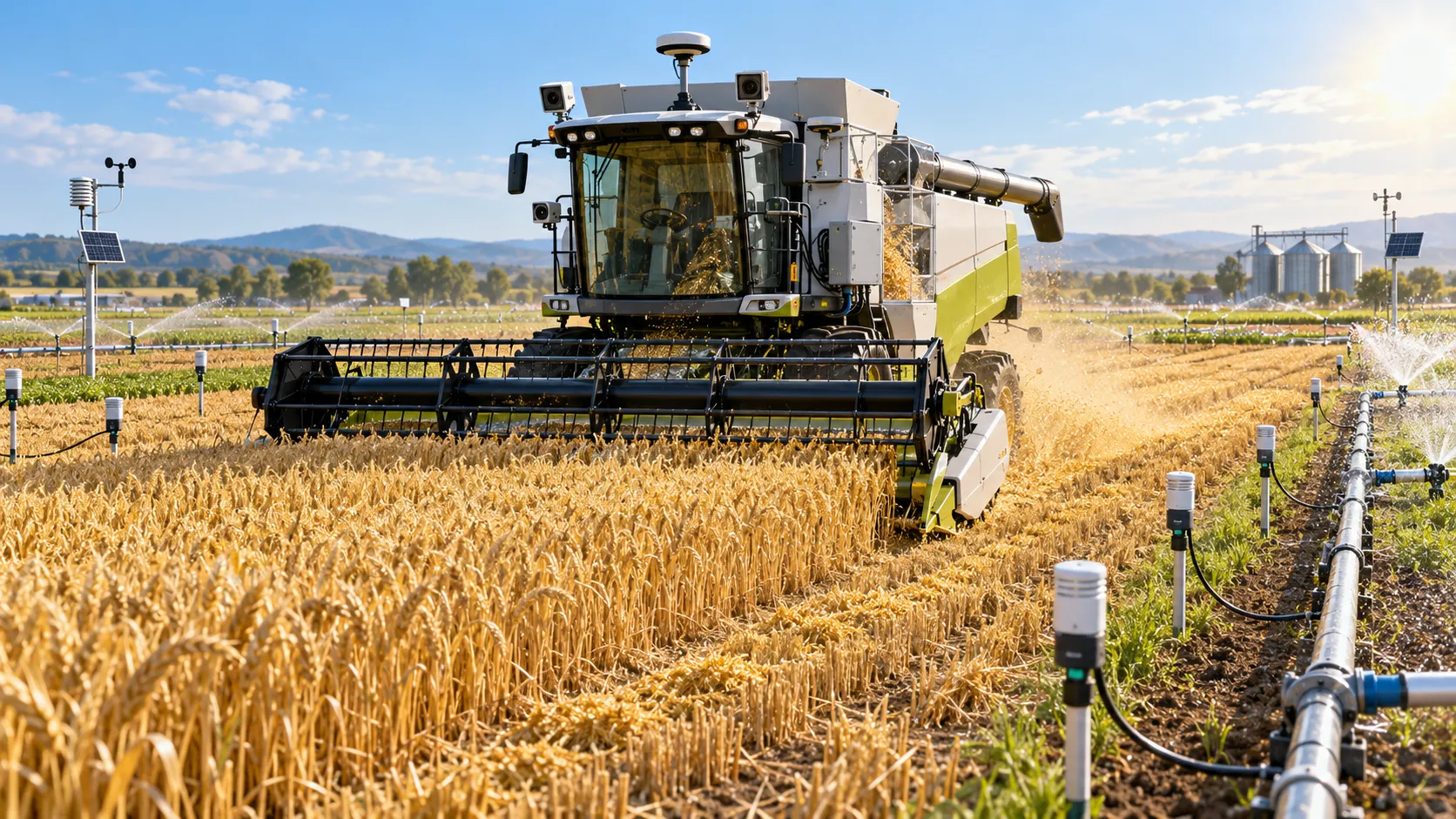
How to Evaluate Dynamic Feedback Algorithm Suppliers for Precision Farming Systems
Dynamic feedback algorithms supplier evaluation guide for precision farming—compare validation, integration, safety, and pilots to choose with confidence.
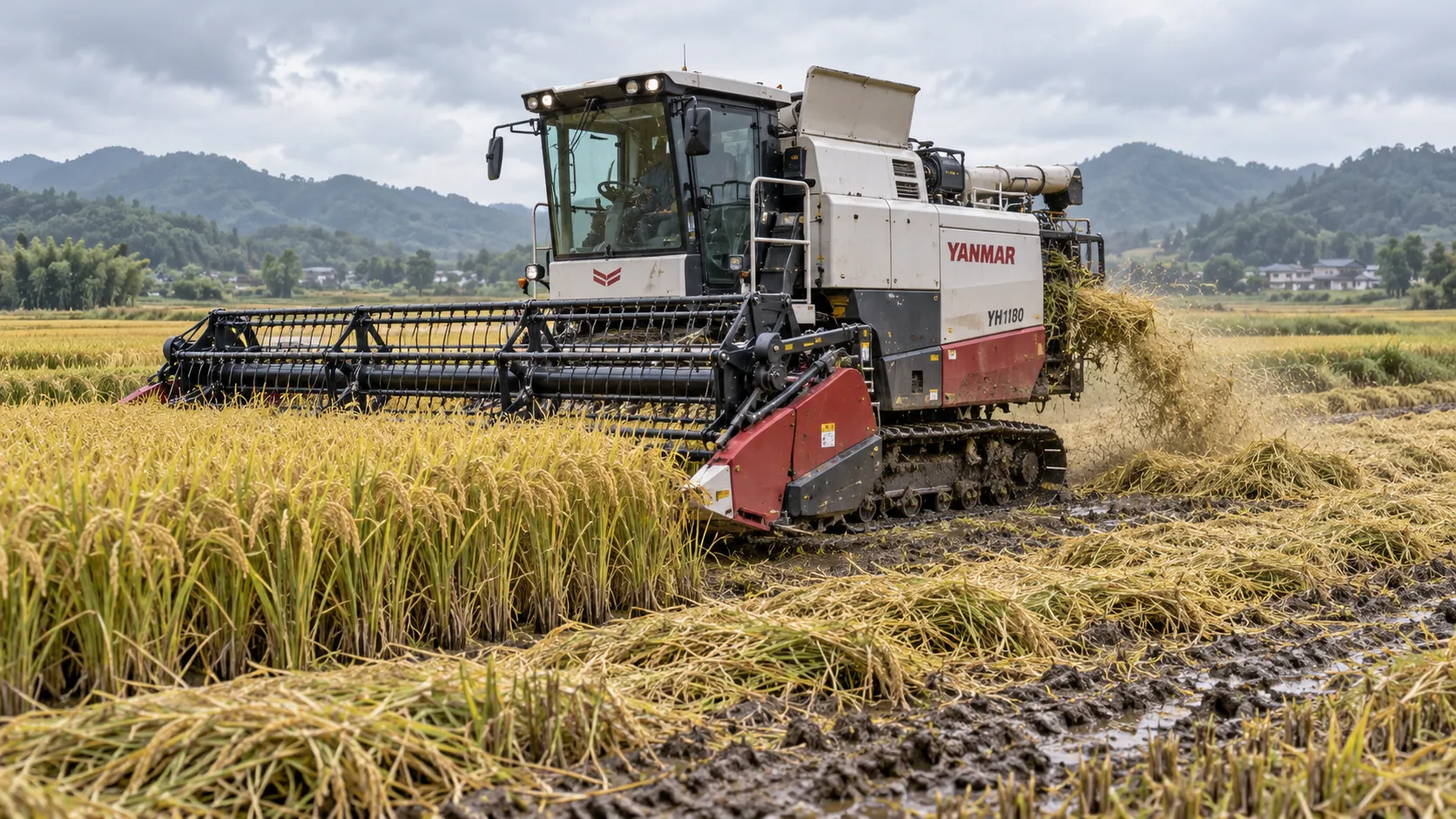
How to Specify Combine Harvester Systems for High-Moisture Grain and Variable Field Conditions
Combine harvester systems for high-moisture grain: learn how to specify threshing, cleaning, headers, traction, and automation for reliable harvests in variable fields.
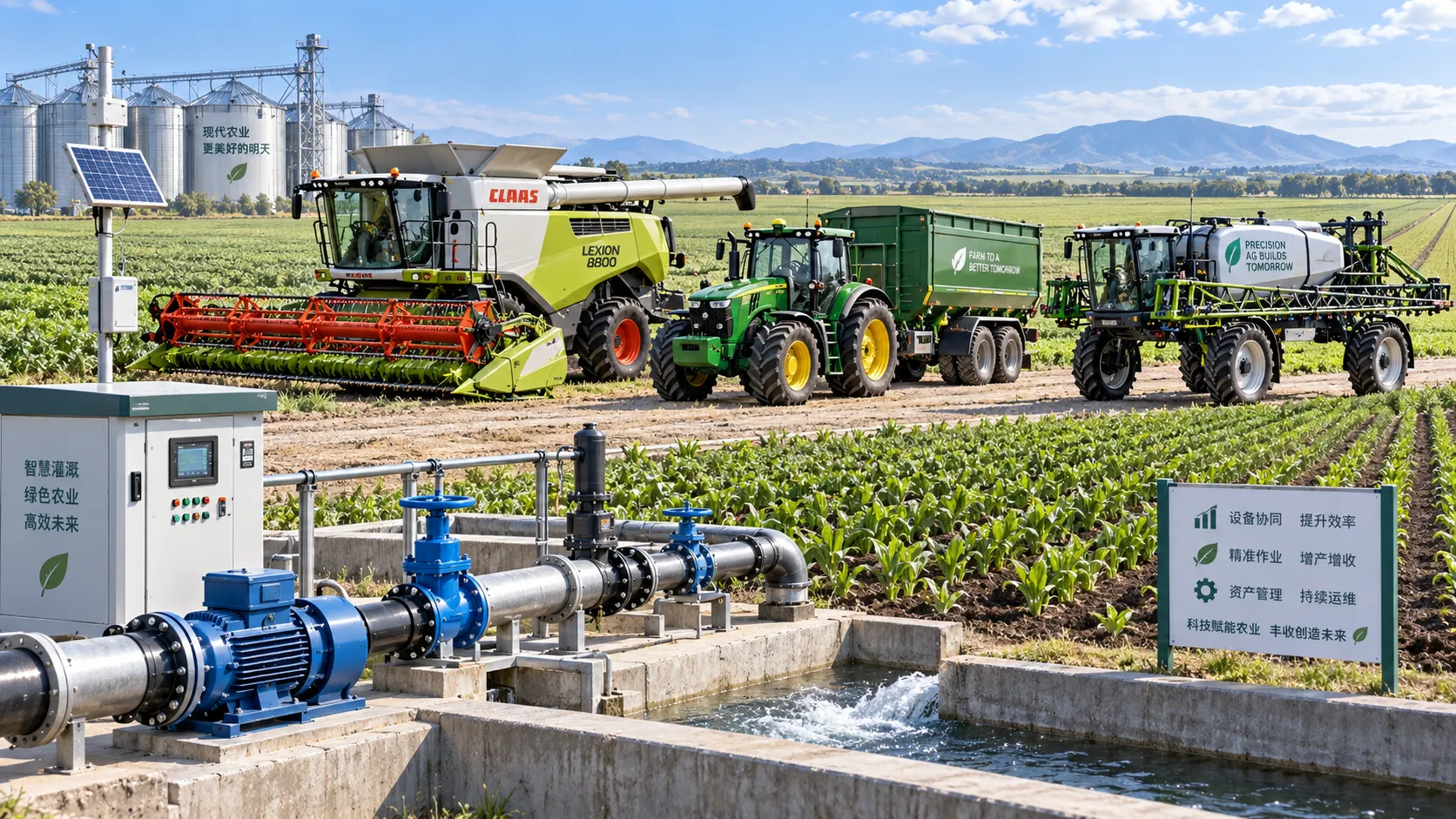
How to Compare Agricultural Equipment Platforms for Fleet Management and ROI
Agricultural equipment platform comparison: evaluate fleet data, maintenance, precision workflows, and ROI to choose a system that delivers measurable results.
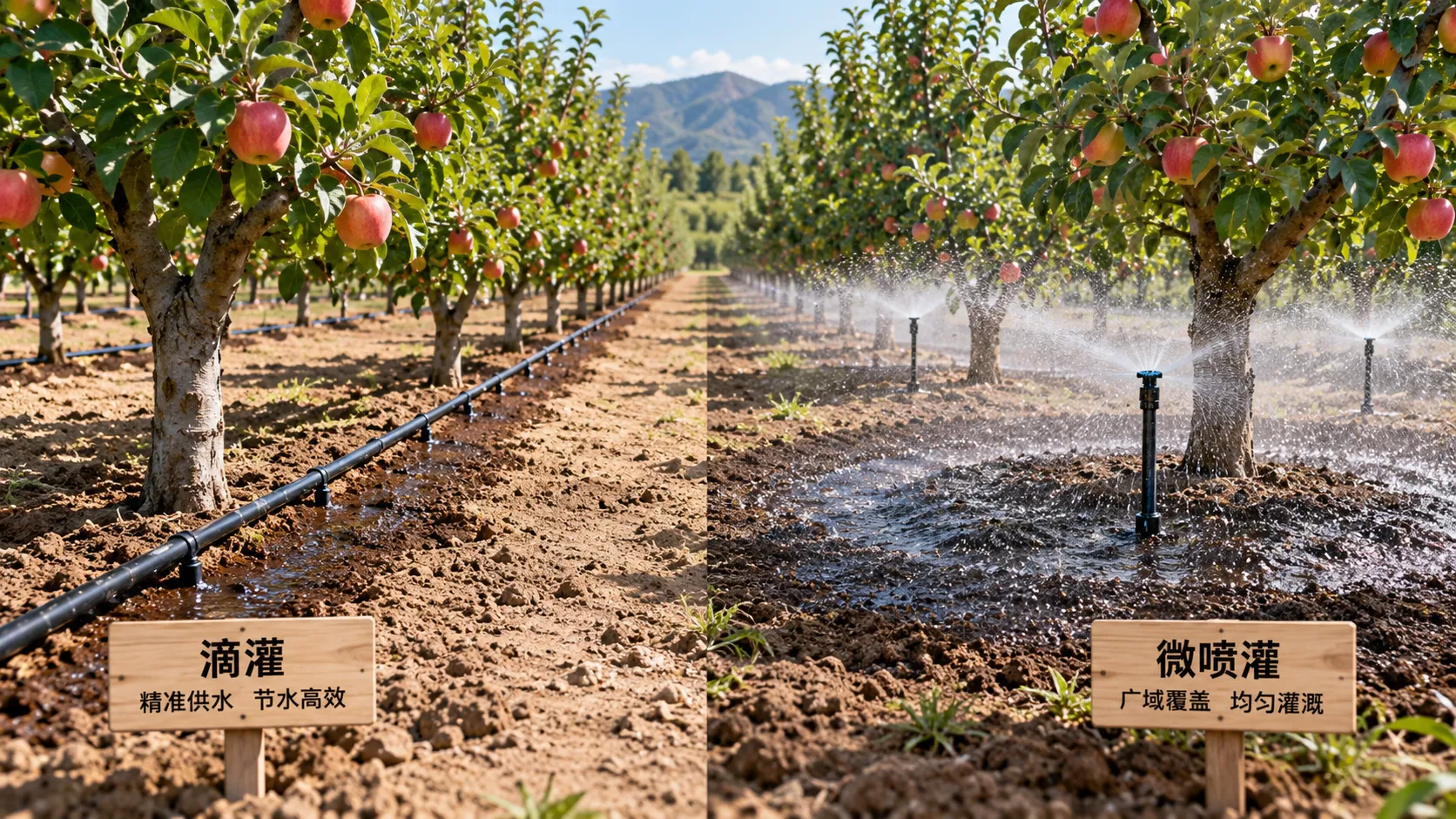
Drip vs. Micro-Sprinkler Irrigation: Which System Fits Your Orchard?
Irrigation solution comparison for orchards: discover whether drip or micro-sprinklers best match your water, soil, roots, fertigation, and frost needs.
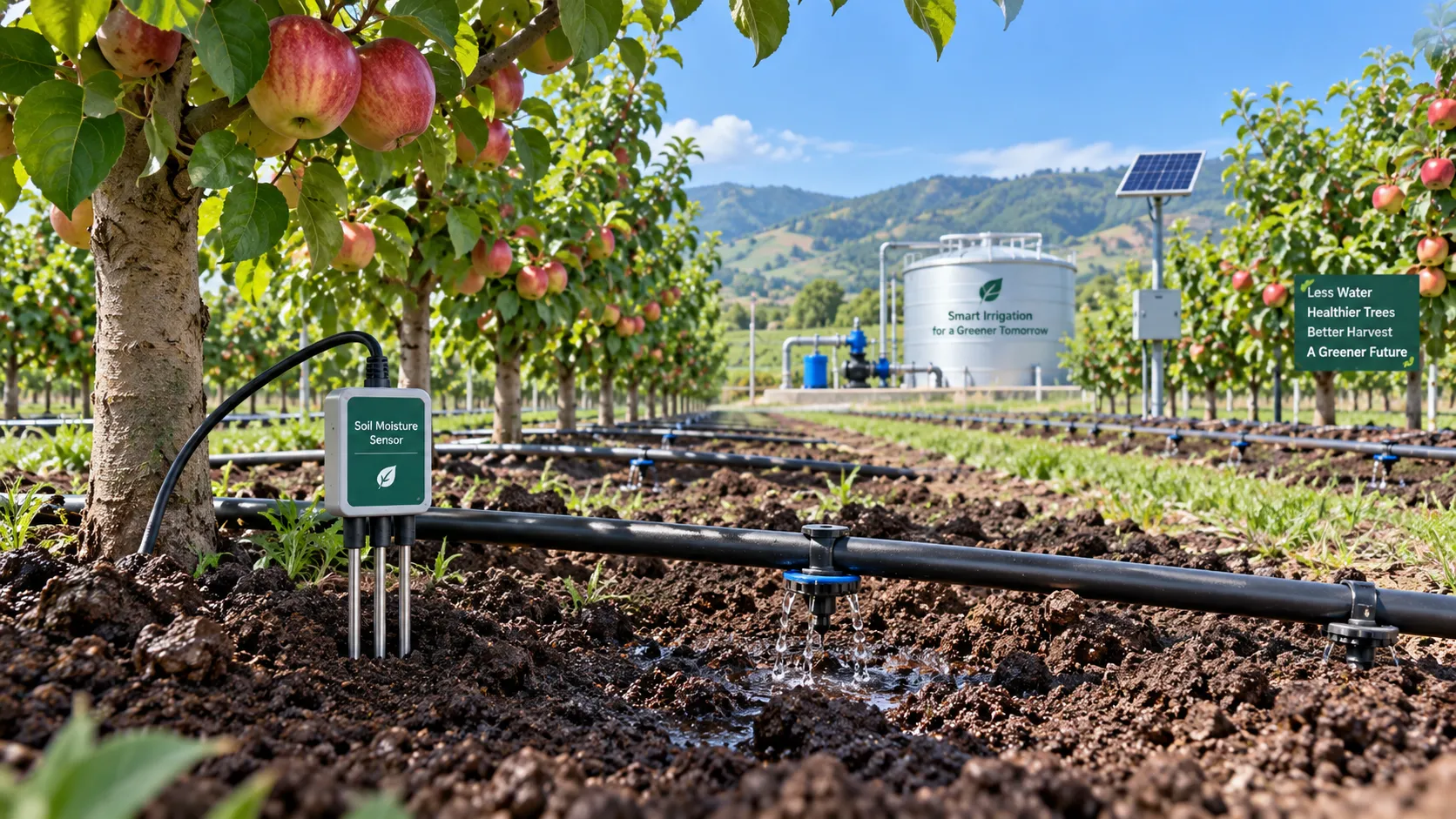
Orchard Water Management: Using Soil Moisture Data to Schedule Irrigation
Agricultural water management for orchards made practical: use soil moisture data to optimize irrigation timing, protect yield, reduce costs, and improve resilience.
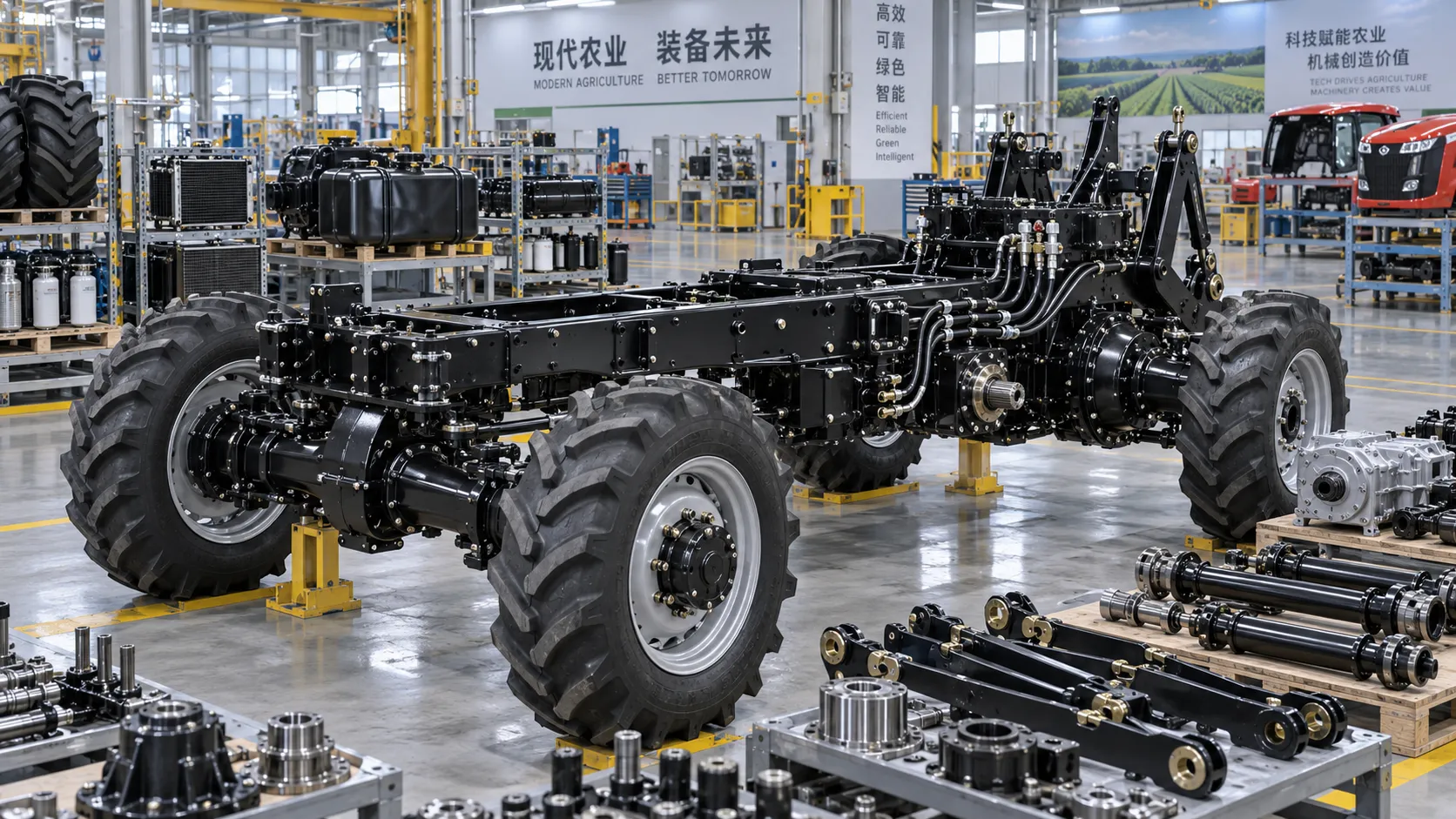
Tractor Chassis Price: What Buyers Should Compare Beyond the Initial Quote
Tractor chassis price is only the start. Compare load capacity, compatibility, durability, and lifecycle costs to choose a reliable, high-value chassis.
Related News
- 00
0000-00
GPS-Guided Farm Machinery: Where It Delivers Measurable Field Efficiency Gains - 00
0000-00
ISOBUS for Smart Agriculture: How It Connects Tractors, Implements, and Farm Data - 00
0000-00
How North American Farms Can Select Crop Monitoring Systems by Acreage and Connectivity - 00
0000-00
How Tractor Intelligence Systems Improve Field Efficiency and Input Accuracy - 00
0000-00
Which equipment for larger fields maintains accuracy at higher speeds?
Popular Tags
Tractor Power Architect
Weekly Insights
Stay ahead with our curated technology reports delivered every Monday.