
Large-Scale Farm Equipment Decision Factors: 7 Criteria to Compare Before You Buy
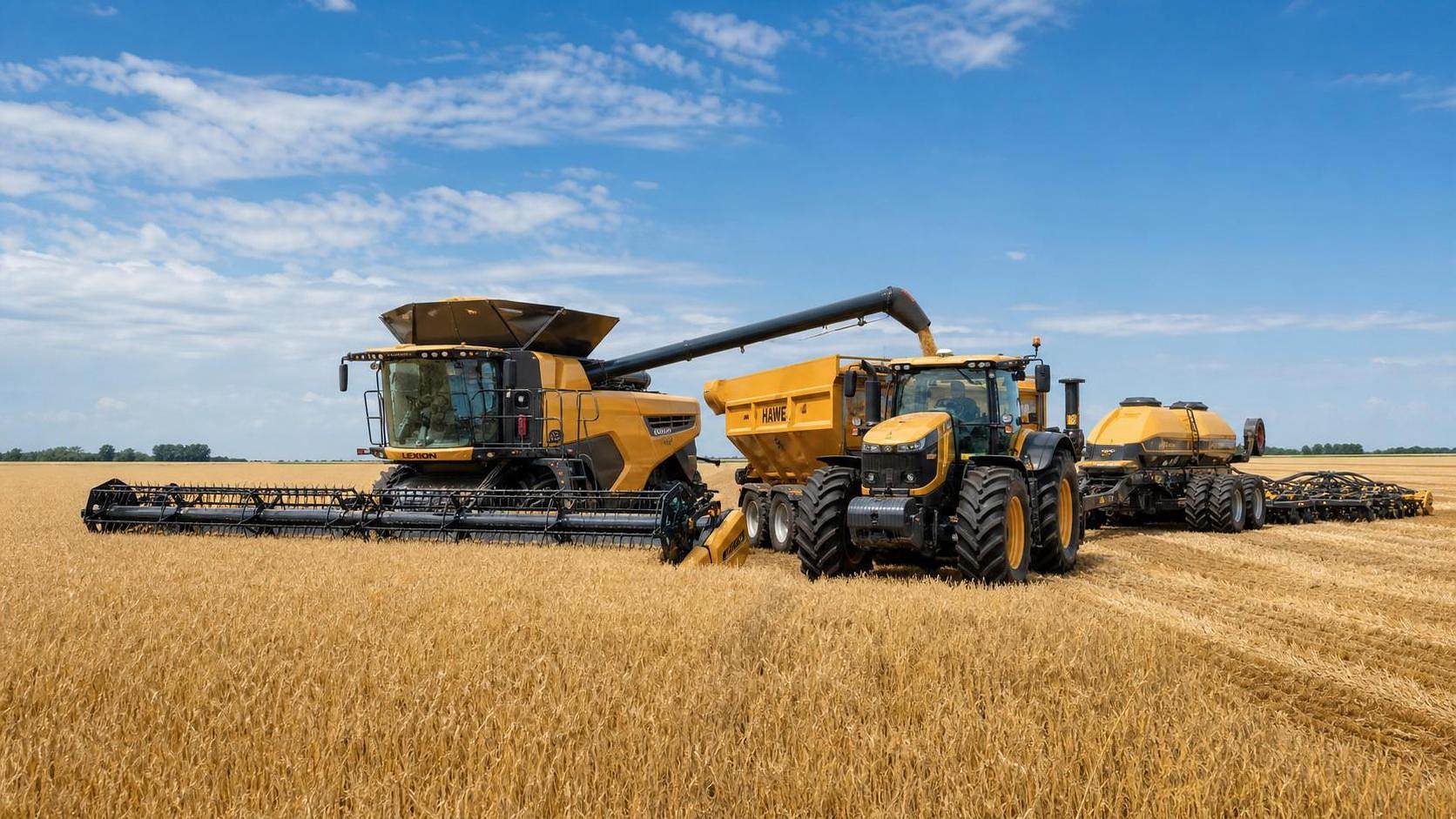




Large-Scale Farm Equipment Decision Factors: 7 Criteria to Compare Before You Buy
Choosing the right machinery is a high-stakes investment for teams running large operations.
A wrong purchase can lock capital, disrupt field timing, and raise operating costs for years.
That is why large-scale farm equipment decision factors should be reviewed as a full business case, not a simple price comparison.
From recent market shifts, the clearer signal is this: buyers are now judged by uptime, compatibility, and lifecycle return.
This guide breaks the process into seven practical criteria.
Use them to compare machines with more confidence before signing a contract.
1. Match Equipment Capacity to Real Field Demand
One of the first large-scale farm equipment decision factors is capacity fit.
Bigger is not always better, especially when transport windows, labor, and field size vary by season.
Start with crop acreage, working days, harvest window, soil conditions, and expected weather delays.
Then compare those needs against engine power, working width, hopper size, throughput, and daily output.
In practice, overcapacity often creates underused assets.
Undercapacity creates late operations, yield loss, and overtime costs.
- Estimate required hectares per hour under normal conditions.
- Add realistic downtime for refueling, unloading, and transport.
- Check whether peak demand occurs in short seasonal windows.
This step sets the baseline for every other purchasing decision.
2. Compare Total Cost of Ownership, Not Just Purchase Price
Price matters, but it is only one part of the buying equation.
Among all large-scale farm equipment decision factors, total cost of ownership usually changes the final ranking.
A cheaper machine may consume more fuel, need more repairs, or lose resale value faster.
A higher-priced model may pay back through uptime and lower service events.
When reviewing large-scale farm equipment decision factors, request a five-year cost model from each supplier.
That makes hidden cost differences much easier to spot.
3. Check Reliability, Uptime, and Performance Consistency
A machine that performs well in demos but fails during peak season is a poor investment.
That is why reliability is one of the most important large-scale farm equipment decision factors.
Look past headline horsepower and ask for field performance records.
Pay attention to breakdown frequency, average repair time, and output under difficult crop or soil conditions.
For combines, cleaning efficiency, grain loss, and moisture tolerance are critical.
For tractors and irrigation systems, hydraulic stability, control accuracy, and continuous-duty performance matter just as much.
- Ask for uptime data from farms with similar acreage.
- Review warranty claim trends if available.
- Verify output in wet, dusty, or uneven conditions.
Consistency matters more than isolated best-case performance.
4. Evaluate Compatibility with Existing Fleet and Farm Systems
Another overlooked item in large-scale farm equipment decision factors is system compatibility.
A new machine should fit the operation around it.
That includes implements, trailers, guidance systems, telematics platforms, irrigation controls, and maintenance workflows.
If integration is weak, the real cost appears later through delays, adapter purchases, and duplicated software.
In the Agriculture 4.0 environment, data compatibility is now part of operational efficiency.
This is especially true for precision farming workflows.
Check these points before approval:
- Can the unit connect with current GPS and sensor systems?
- Will existing operators use familiar interfaces and controls?
- Do parts and attachments match fleet standards?
- Can machine data flow into the current reporting system?
Strong compatibility reduces both training time and process friction.
5. Measure Service Network Strength and Parts Availability
Service support can decide whether a machine creates value or causes disruption.
That makes dealer coverage one of the most practical large-scale farm equipment decision factors.
A well-known brand is not enough if parts take ten days to arrive during harvest.
Review the supplier’s local footprint, technician capacity, emergency response process, and parts stocking policy.
Also check whether remote diagnostics are available.
Faster fault detection often means shorter downtime.
- Ask for response-time commitments in writing.
- Review the list of locally stocked critical parts.
- Speak with existing users about support quality during peak season.
A lower bid with weak support often becomes the expensive option later.
6. Review Operator Experience, Safety, and Training Burden
Human factors deserve a place in any serious equipment comparison.
Among large-scale farm equipment decision factors, ease of operation affects productivity faster than many buyers expect.
If controls are confusing, setup is slow, or visibility is poor, efficiency drops in the field.
That also raises safety risk and training cost.
The best machine is not just powerful.
It should be usable under long shifts and changing conditions.
Look at cab ergonomics, interface language, camera support, automation features, and operator alert systems.
Then estimate how many hours are needed before teams can work at full efficiency.
In real operations, faster adoption can be a major hidden gain.
7. Consider Future Readiness, Efficiency, and Resale Potential
The final item in large-scale farm equipment decision factors is long-term fit.
A machine bought for today should still make sense three to seven years from now.
This includes fuel efficiency, emissions compliance, upgrade paths, autonomy support, and data-driven management features.
It also includes brand stability and resale demand in the secondary market.
More buyers now weigh sustainability and resource efficiency alongside output.
That is especially relevant for irrigation equipment, smart farm tools, and high-use tractor platforms.
A future-ready purchase usually shows three traits:
- It lowers resource use without reducing field performance.
- It supports software, sensor, or control upgrades later.
- It remains attractive in resale or redeployment planning.
A Practical Comparison Framework
To use these large-scale farm equipment decision factors well, score each supplier against the same structure.
Keep the scoring simple and evidence-based.
For example, rate capacity fit, total cost, reliability, compatibility, support, training burden, and future readiness on a five-point scale.
Then assign weights based on operational priorities.
A harvesting fleet may weight uptime highest.
An irrigation project may weight energy efficiency and control integration more heavily.
That approach keeps procurement decisions disciplined when multiple stakeholders are involved.
Conclusion
The best buying decision rarely comes from the lowest quote alone.
It comes from comparing the right large-scale farm equipment decision factors in a structured way.
When capacity, lifecycle cost, reliability, compatibility, service, usability, and future value are reviewed together, risk drops sharply.
That also improves asset utilization over the long run.
Before final approval, gather field data, verify service commitments, and compare five-year ownership scenarios side by side.
A disciplined review now usually prevents expensive corrections later.
Related News
How to Size Low-Pressure Water-Saving Irrigation Systems for Uneven Fields
Low pressure water-saving irrigation systems for uneven fields: learn zoning, pressure mapping, pipe sizing, and pump selection to improve uniformity and reduce water waste.
Farm Machinery Sourcing: How to Vet Suppliers, Specs, and Lifecycle Costs
Farm machinery information for sourcing: learn to vet suppliers, compare specifications, control lifecycle costs, and secure reliable uptime for smarter equipment purchases.
Which costs matter most when calculating precision agriculture ROI?
Calculating ROI on precision agriculture equipment? Discover the costs that shape returns, from installation and subscriptions to downtime, labor, and data integration.
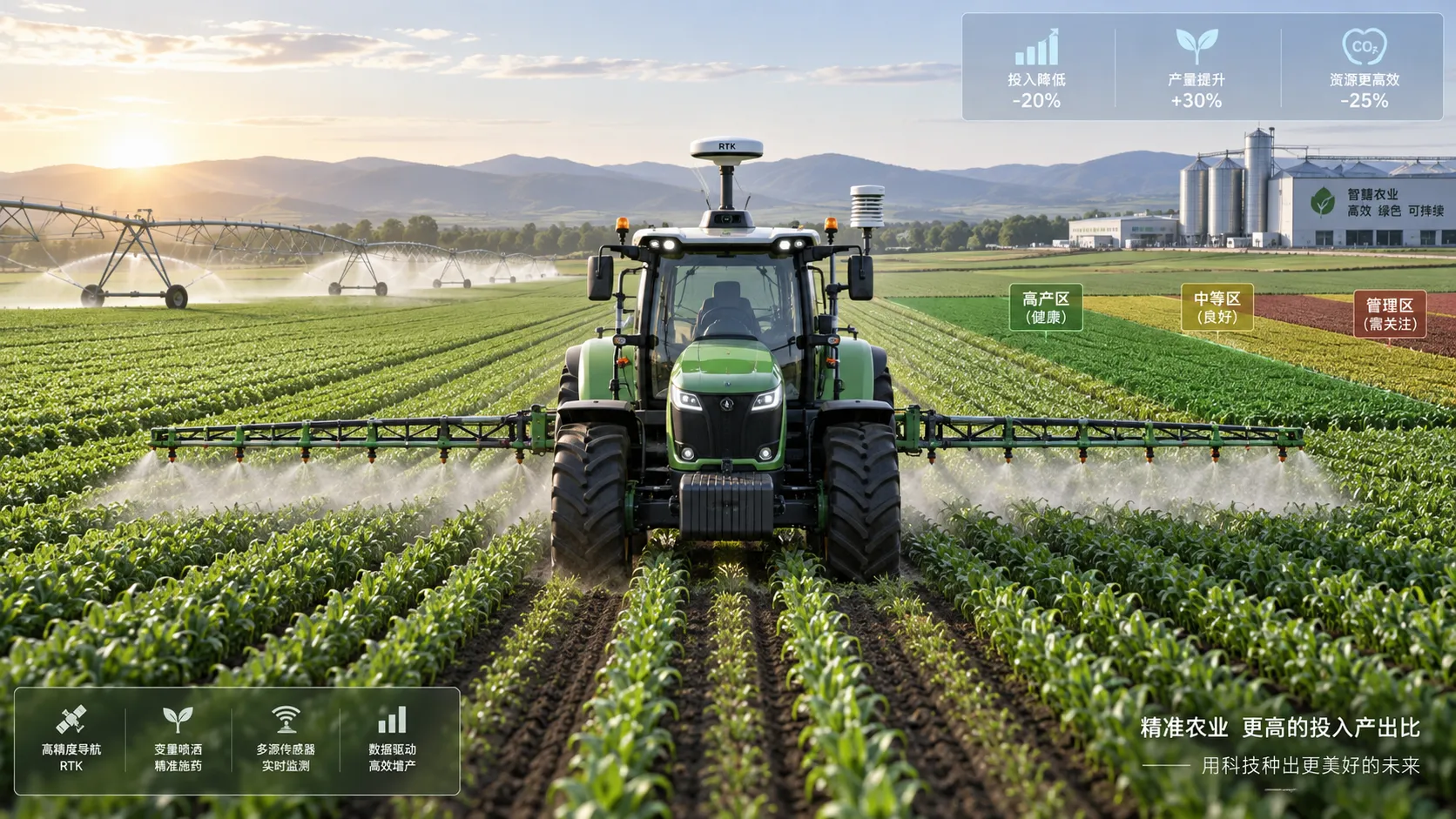
How to calculate ROI on precision agriculture equipment before buying
Calculating ROI on precision agriculture equipment: learn to assess total ownership costs, savings, payback, NPV, risks, and farm-scale value before you buy.
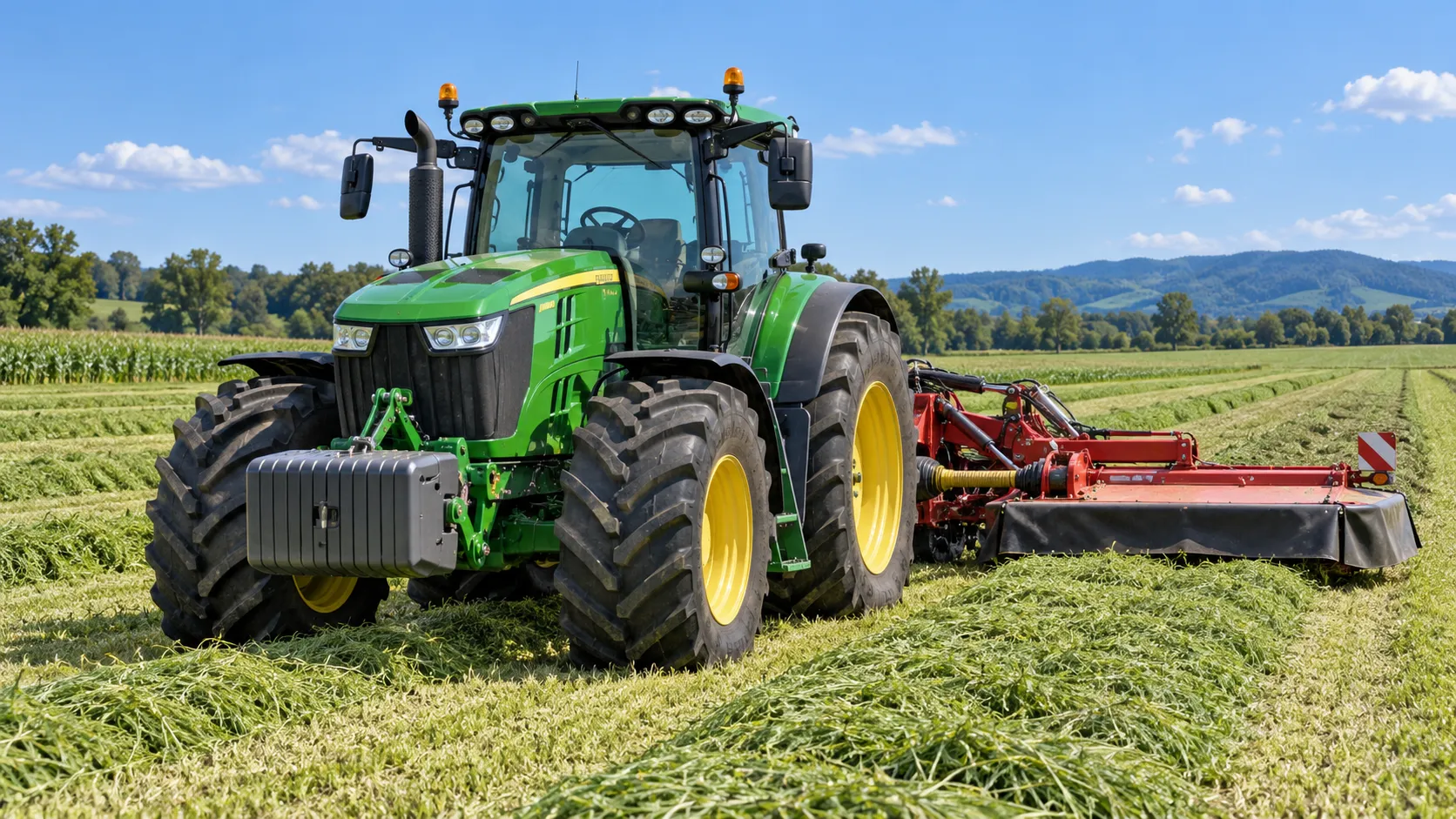
Tractor Specification Sheets: Matching PTO, Hydraulics, and Weight to Farm Tasks
Specification-oriented articles for tractors: match PTO, hydraulics, lift capacity, ballast, and weight to real farm tasks for safer, more efficient equipment choices.
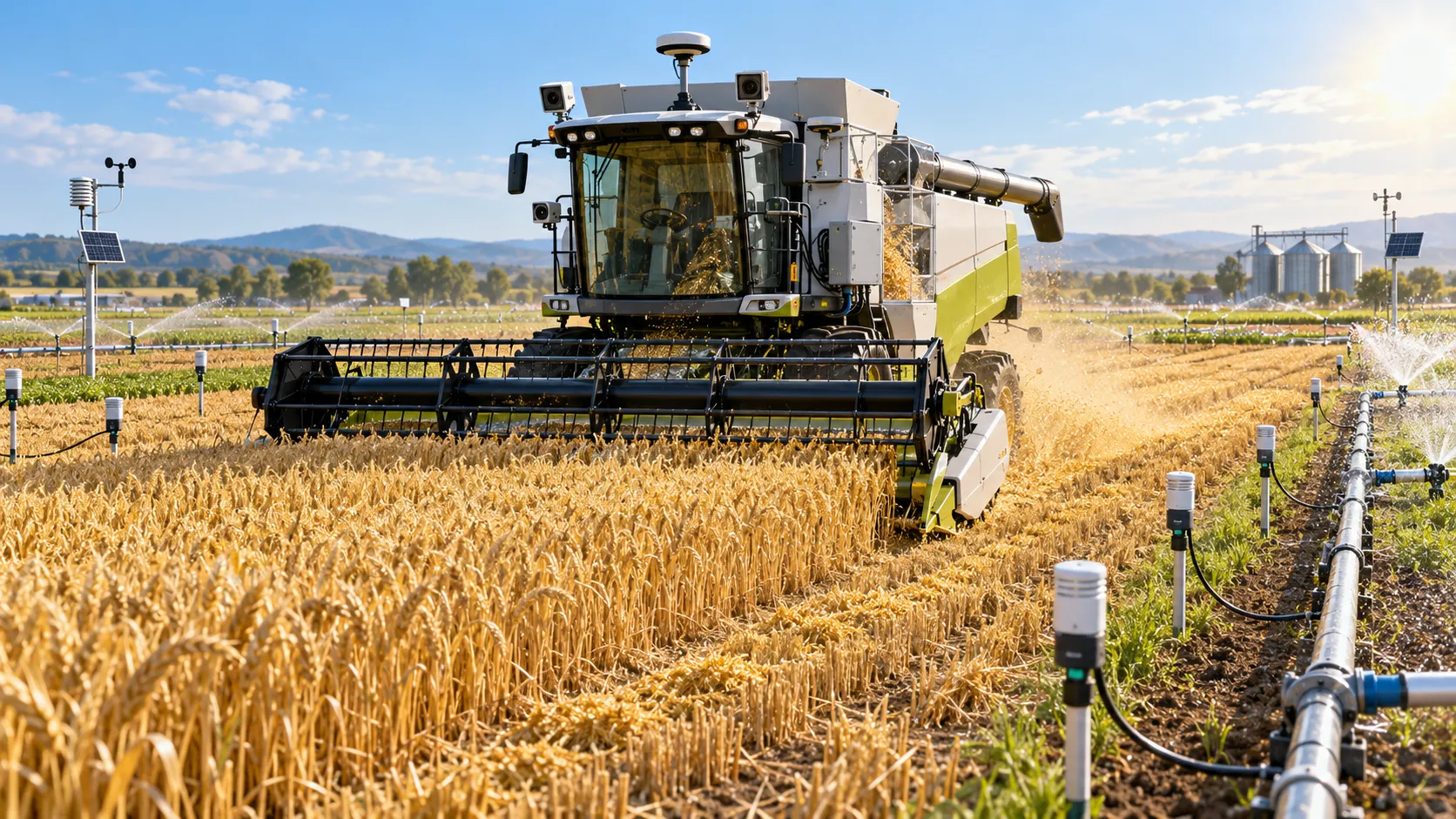
How to Evaluate Dynamic Feedback Algorithm Suppliers for Precision Farming Systems
Dynamic feedback algorithms supplier evaluation guide for precision farming—compare validation, integration, safety, and pilots to choose with confidence.
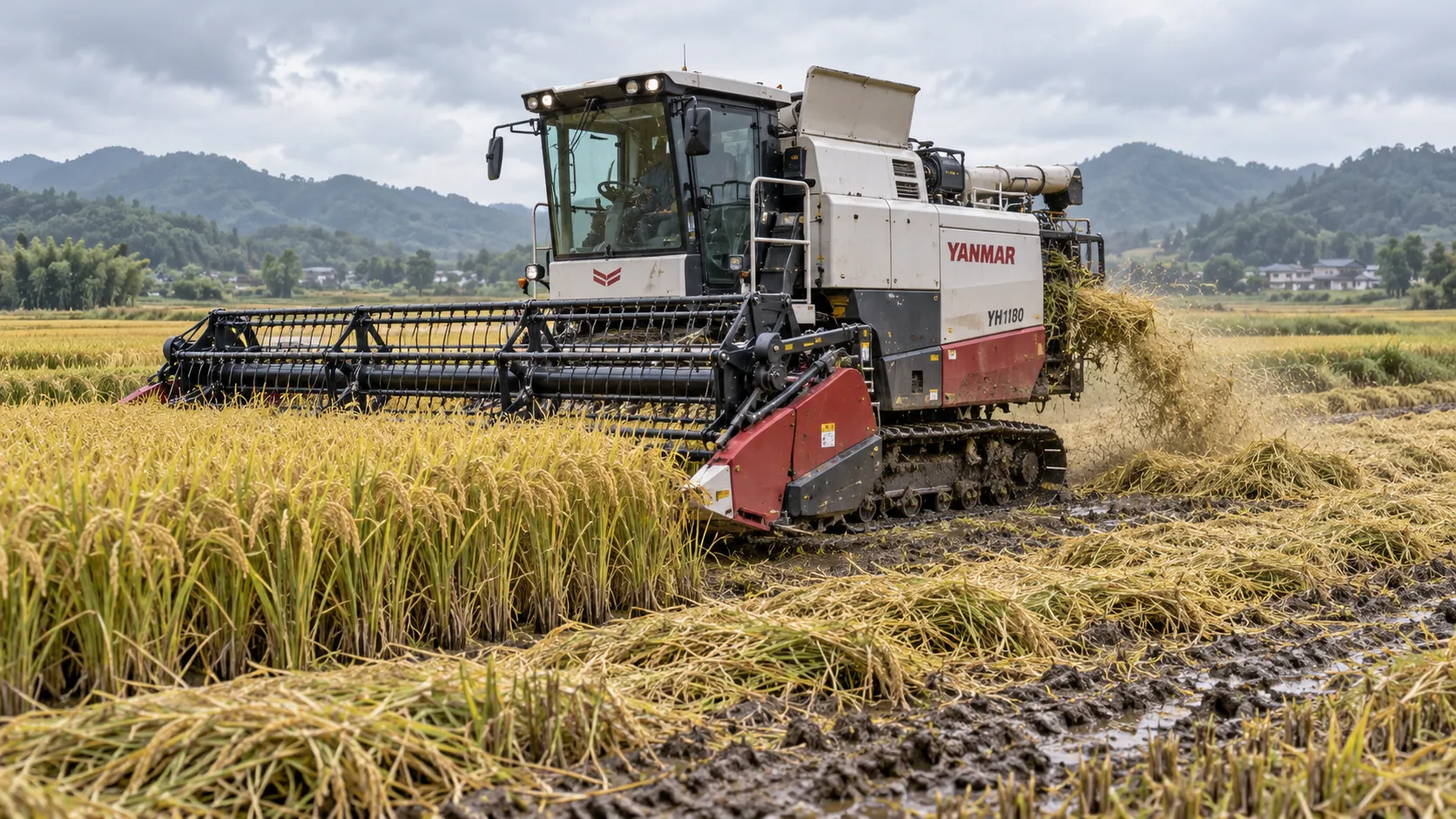
How to Specify Combine Harvester Systems for High-Moisture Grain and Variable Field Conditions
Combine harvester systems for high-moisture grain: learn how to specify threshing, cleaning, headers, traction, and automation for reliable harvests in variable fields.
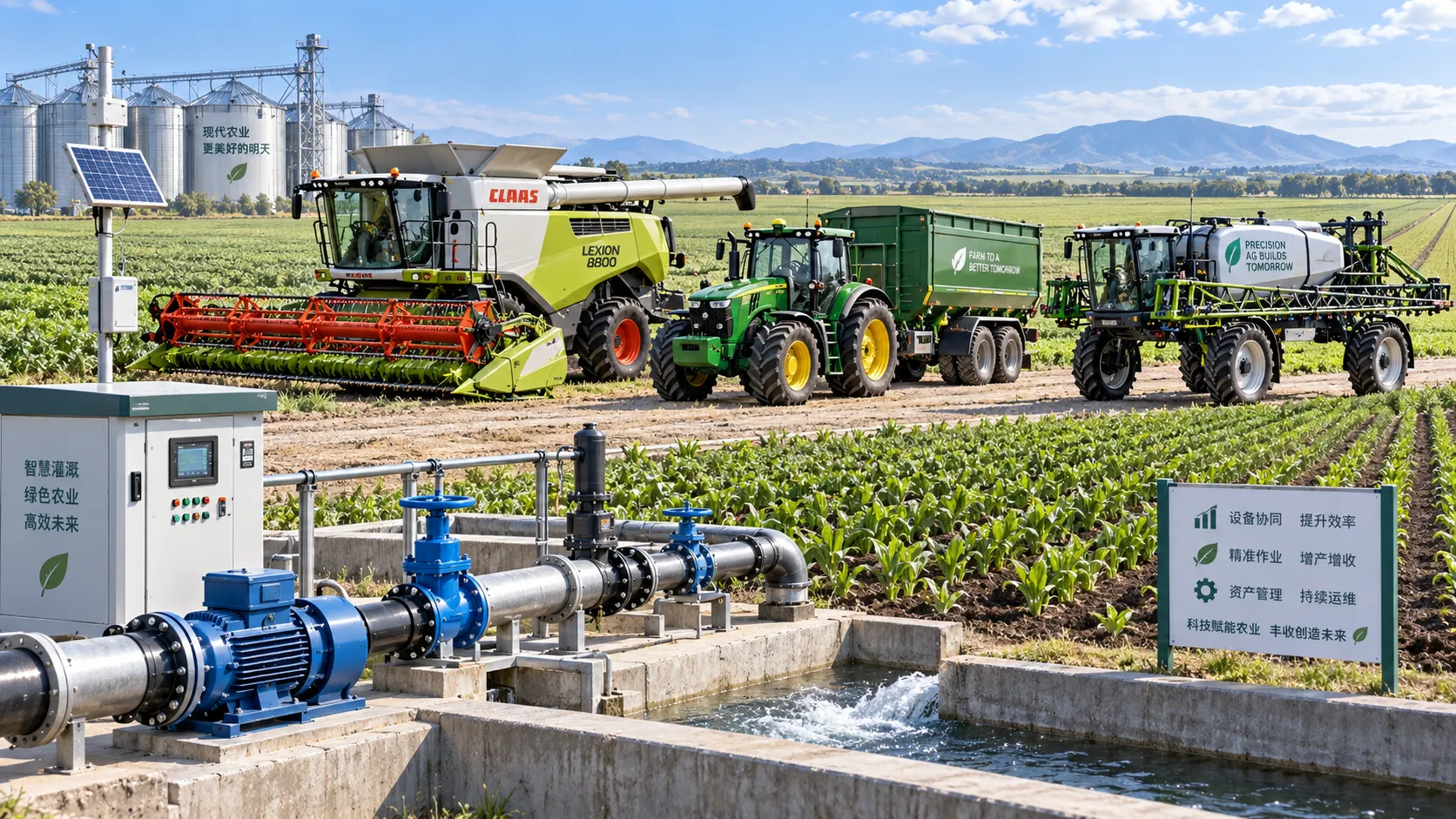
How to Compare Agricultural Equipment Platforms for Fleet Management and ROI
Agricultural equipment platform comparison: evaluate fleet data, maintenance, precision workflows, and ROI to choose a system that delivers measurable results.
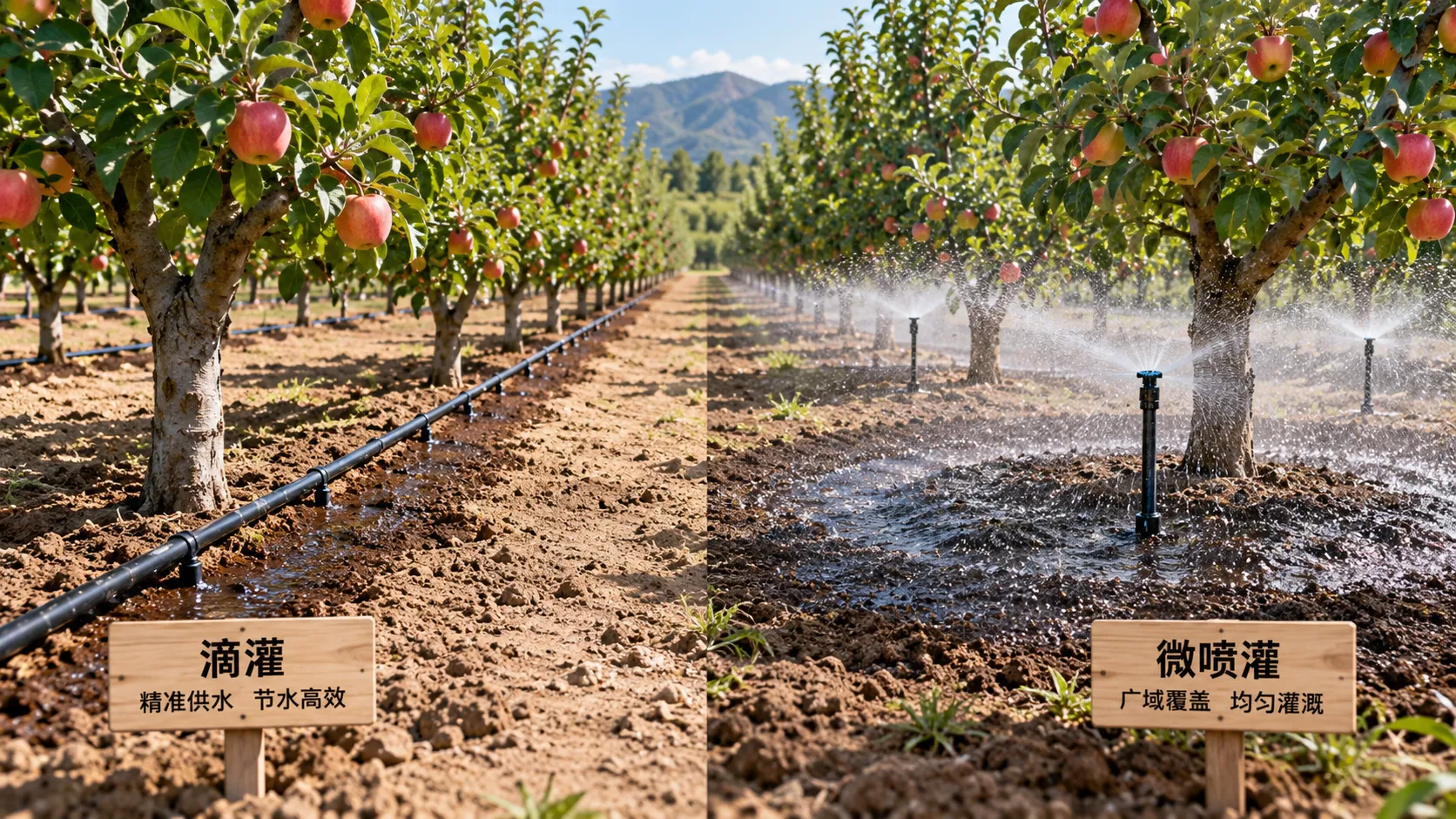
Drip vs. Micro-Sprinkler Irrigation: Which System Fits Your Orchard?
Irrigation solution comparison for orchards: discover whether drip or micro-sprinklers best match your water, soil, roots, fertigation, and frost needs.
Related News
- 00
0000-00
Farm Machinery Sourcing: How to Vet Suppliers, Specs, and Lifecycle Costs - 00
0000-00
Which costs matter most when calculating precision agriculture ROI? - 00
0000-00
How to calculate ROI on precision agriculture equipment before buying - 00
0000-00
Tractor Specification Sheets: Matching PTO, Hydraulics, and Weight to Farm Tasks - 00
0000-00
How to Compare Agricultural Equipment Platforms for Fleet Management and ROI
Popular Tags
Ms. Elena Rodriguez
Weekly Insights
Stay ahead with our curated technology reports delivered every Monday.