
Farm Equipment Intelligence for Fleet Management: Which Data Points Matter Most?
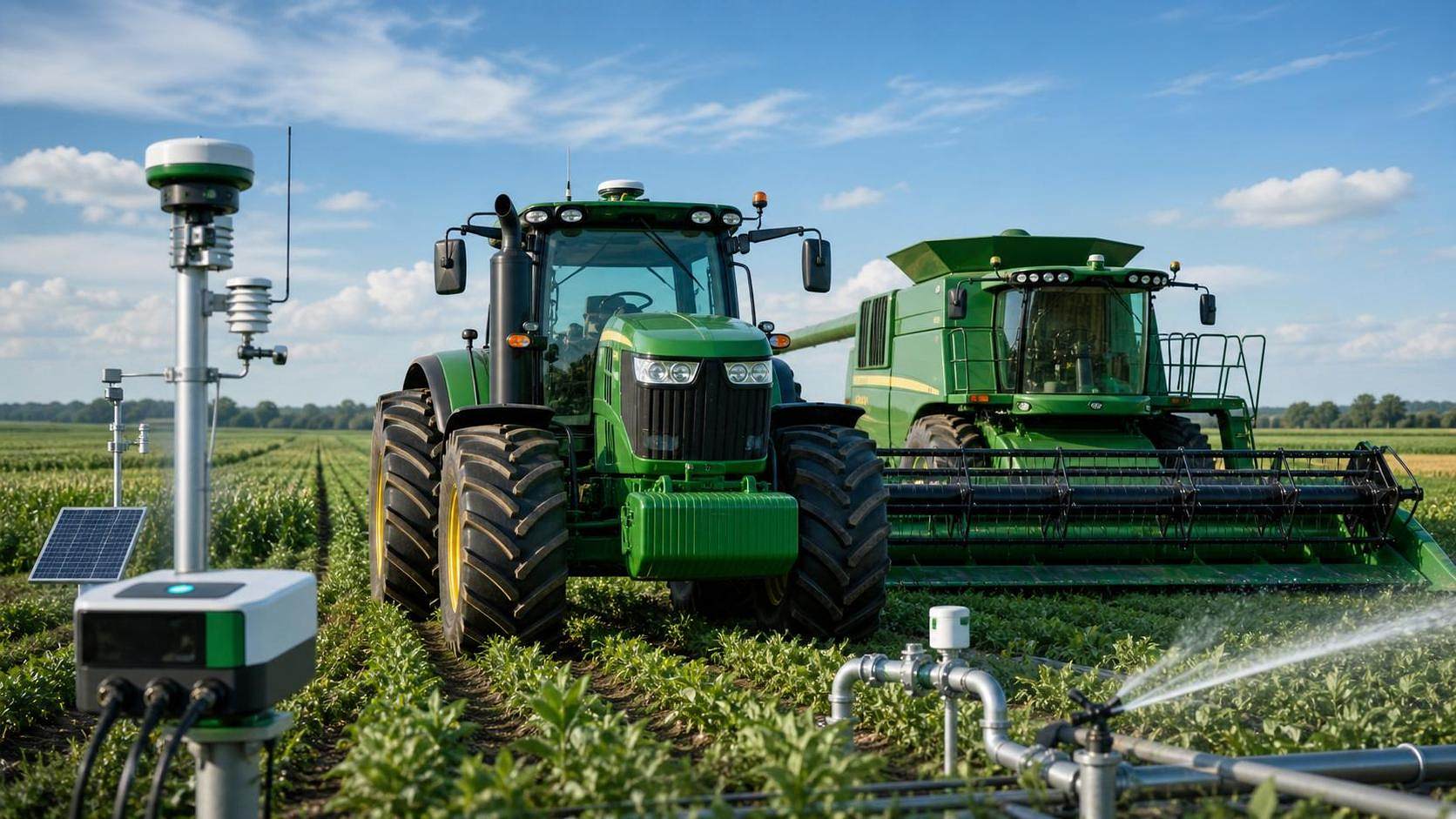




Farm Equipment Intelligence for Fleet Management: Which Data Points Matter Most?
In modern agriculture, more machines now report more signals than teams can realistically use.
That is why farm equipment intelligence for fleet management matters less as a data collection exercise, and more as a decision discipline.
The real value comes from knowing which numbers affect uptime, cost, output, and operating risk.
For large fleets, the wrong dashboard creates noise. The right one changes dispatch, maintenance timing, and field execution.
AP-Strategy follows this shift closely across tractors, combine harvesters, smart implements, and water-saving systems.
From a technical and operational view, a few data points consistently outperform the rest.
Why data selection matters more than data volume
Many fleets already have telematics, engine diagnostics, GPS, and implement sensors.
Still, some operators struggle with avoidable downtime and unstable field performance.
The reason is simple. Raw machine visibility does not automatically produce usable farm equipment intelligence for fleet management.
A fleet team needs data that supports action within the operating day, not just monthly reporting.
This means prioritizing signals that answer four practical questions:
- Is the machine available when the job window opens?
- Is it consuming more fuel, parts, or labor than expected?
- Is field performance meeting the target for quality and speed?
- Is failure risk increasing before the operator notices it?
Once those questions define the dashboard, the data stack becomes much easier to manage.
The core data points that matter most
1. Equipment uptime and availability status
Availability is the first pillar of farm equipment intelligence for fleet management.
A machine that is powerful but unavailable has zero productive value during a narrow planting or harvest window.
The best fleets track:
- Real-time machine status
- Hours lost to unplanned downtime
- Mean time between failures
- Mean time to repair
These indicators reveal whether the fleet problem is technical reliability, spare parts delay, or poor service coordination.
That distinction matters because each issue needs a different operational response.
2. Fuel consumption by machine, task, and field condition
Fuel is still one of the fastest ways to expose inefficiency.
But total fuel volume alone is too crude for serious fleet decisions.
Useful farm equipment intelligence for fleet management compares fuel burn against load, field speed, implement type, and soil conditions.
A spike in fuel use can signal poor route planning, excessive idle time, incorrect ballast, or weak operator habits.
In harvesting fleets, it can also point to crop density changes or suboptimal threshing settings.
3. Idle time and low-load operating hours
Idle time often looks harmless until it is measured consistently.
Across large fleets, it quietly drains fuel, compresses maintenance intervals, and lowers output per labor hour.
This is one of the most actionable metrics in farm equipment intelligence for fleet management.
It helps teams identify waiting at field edges, transport bottlenecks, and poor handoff between machines.
4. Preventive maintenance indicators
Calendar-based maintenance is no longer enough for mixed and high-utilization fleets.
What matters is service timing based on hours, load profile, temperature behavior, vibration, and fault history.
Priority indicators include engine temperature deviation, hydraulic pressure variation, battery health, filter restriction, and lubrication alerts.
These signals support condition-based service and reduce expensive in-season breakdowns.
5. Utilization rate across assets
Not every fleet problem comes from overuse. Underuse can be just as costly.
Utilization data shows whether the right machine is assigned to the right job window.
Strong farm equipment intelligence for fleet management highlights both overloaded units and expensive assets sitting inactive.
This supports better capital planning, rental decisions, and inter-site equipment balancing.
6. Field productivity and work quality
A fleet can look efficient on paper while still underperforming in the field.
That is why output metrics must be tied to task quality.
For tractors and smart implements, key figures include hectares per hour, overlap rate, missed coverage, and input application accuracy.
For combine harvesters, grain loss, cleaning efficiency, moisture variation, and throughput stability matter more.
This is where farm equipment intelligence for fleet management connects directly to agronomic and commercial outcomes.
7. Location, routing, and task sequence
GPS data becomes useful when it improves movement logic.
Location tracking should answer where machines are, how long they stay there, and whether movement supports the day’s field priorities.
Excess transport distance, poor field entry timing, and weak task sequencing can erase the gains from better equipment.
How to rank data points by decision value
Not every operation should rank the same indicators equally.
A harvesting contractor, irrigation network operator, and row-crop fleet manager face different cost structures.
A practical ranking method is to score each data point against four filters:
- Impact on downtime reduction
- Impact on operating cost
- Impact on field quality or output
- Speed of operational response
If a signal scores high on all four, it belongs in the daily control layer.
If it is useful only for long-term planning, it should sit in a separate review layer.
Common mistakes in farm equipment intelligence for fleet management
One common mistake is treating all machines as if they generate comparable performance signals.
A tractor chassis, combine harvester, and intelligent sprayer do not fail or perform in the same way.
Another mistake is tracking only machine health while ignoring task quality.
A third problem is collecting data without escalation rules.
If no one knows what threshold triggers action, even strong farm equipment intelligence for fleet management becomes passive reporting.
The better model is simple: define thresholds, assign owners, and link each alert to a field decision.
What a practical intelligence framework looks like
A useful framework does not begin with software. It begins with operating priorities.
For most fleets, the rollout sequence should stay focused:
- Start with uptime, fuel, idle time, and maintenance alerts
- Add field productivity and quality metrics next
- Then connect routing, utilization, and seasonal asset planning
This staged approach keeps farm equipment intelligence for fleet management tied to measurable gains.
It also reduces resistance from operators and service teams who need clear benefits, not more screens.
Final take
The best farm equipment intelligence for fleet management is not the broadest dataset.
It is the smallest set of trusted signals that consistently improves field decisions.
In most large-scale operations, uptime, fuel efficiency, idle time, maintenance condition, utilization, and task quality deserve top priority.
From there, location logic and advanced sensor analytics can add another layer of precision.
For teams building a more resilient fleet, the next step is straightforward.
Audit current machine data, remove low-value indicators, and promote the metrics that change action within the same operating cycle.
Related News
Tractor Specification Sheets: Matching PTO, Hydraulics, and Weight to Farm Tasks
Specification-oriented articles for tractors: match PTO, hydraulics, lift capacity, ballast, and weight to real farm tasks for safer, more efficient equipment choices.
How to Evaluate Dynamic Feedback Algorithm Suppliers for Precision Farming Systems
Dynamic feedback algorithms supplier evaluation guide for precision farming—compare validation, integration, safety, and pilots to choose with confidence.
How to Specify Combine Harvester Systems for High-Moisture Grain and Variable Field Conditions
Combine harvester systems for high-moisture grain: learn how to specify threshing, cleaning, headers, traction, and automation for reliable harvests in variable fields.
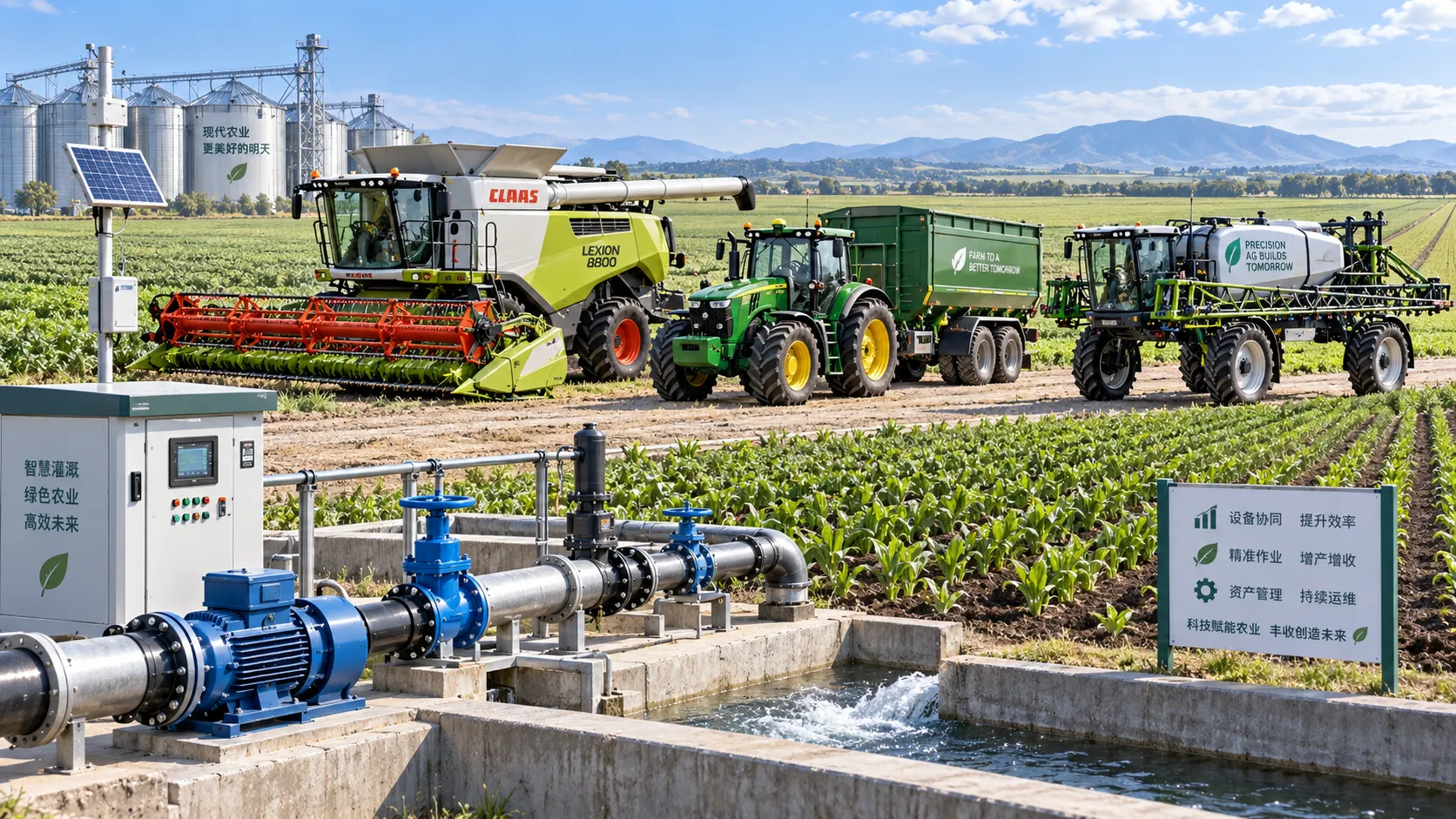
How to Compare Agricultural Equipment Platforms for Fleet Management and ROI
Agricultural equipment platform comparison: evaluate fleet data, maintenance, precision workflows, and ROI to choose a system that delivers measurable results.
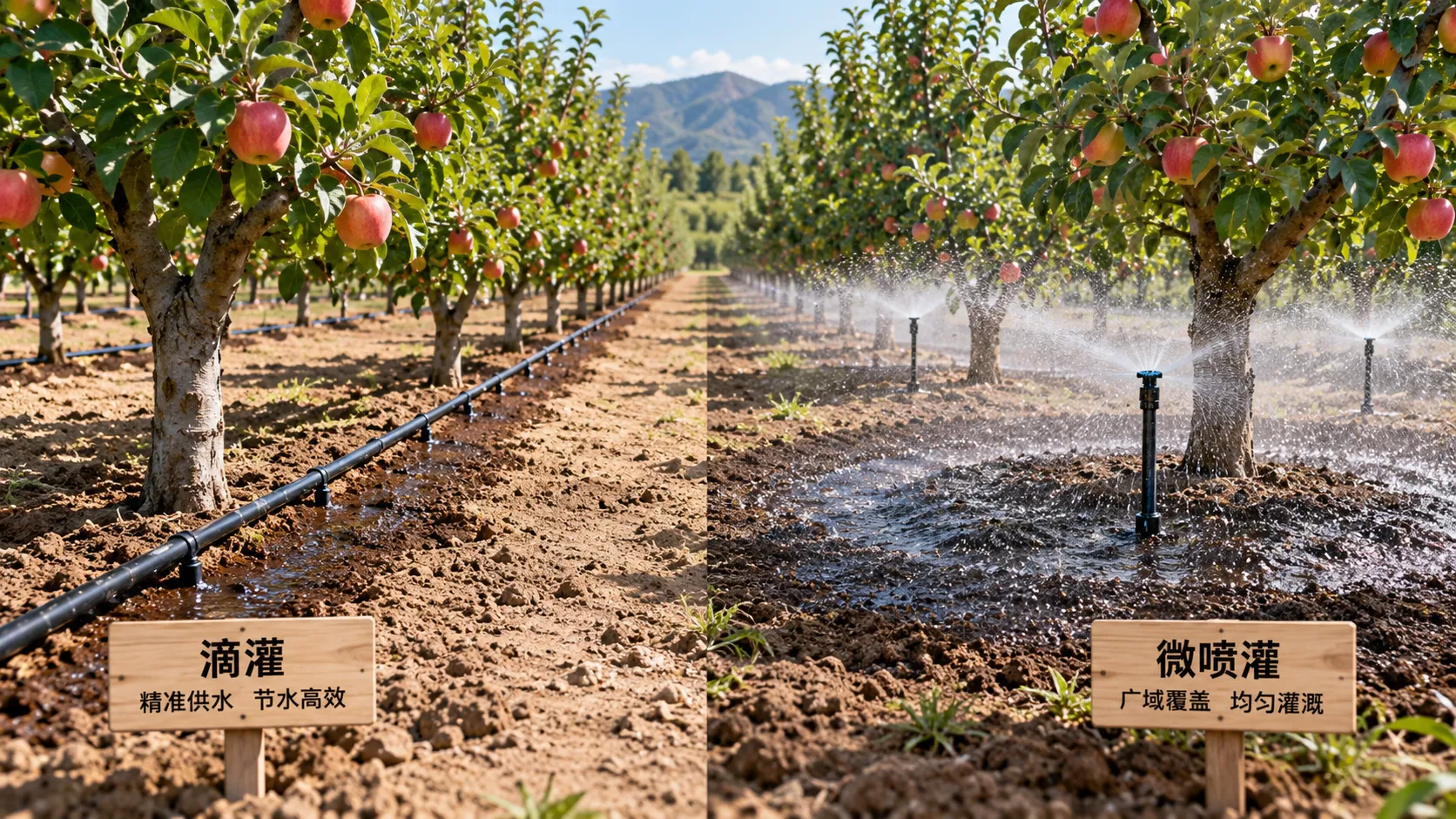
Drip vs. Micro-Sprinkler Irrigation: Which System Fits Your Orchard?
Irrigation solution comparison for orchards: discover whether drip or micro-sprinklers best match your water, soil, roots, fertigation, and frost needs.
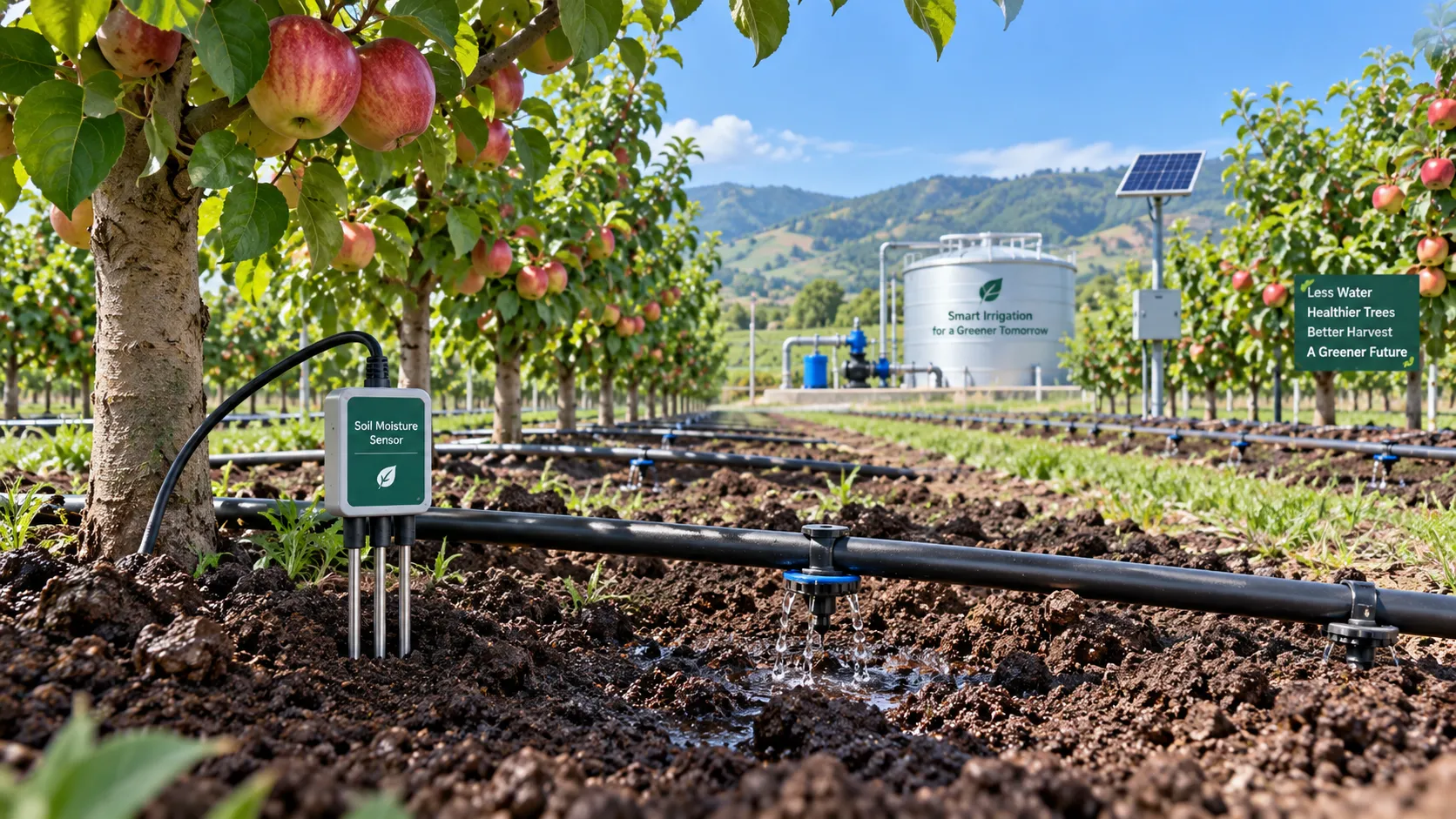
Orchard Water Management: Using Soil Moisture Data to Schedule Irrigation
Agricultural water management for orchards made practical: use soil moisture data to optimize irrigation timing, protect yield, reduce costs, and improve resilience.
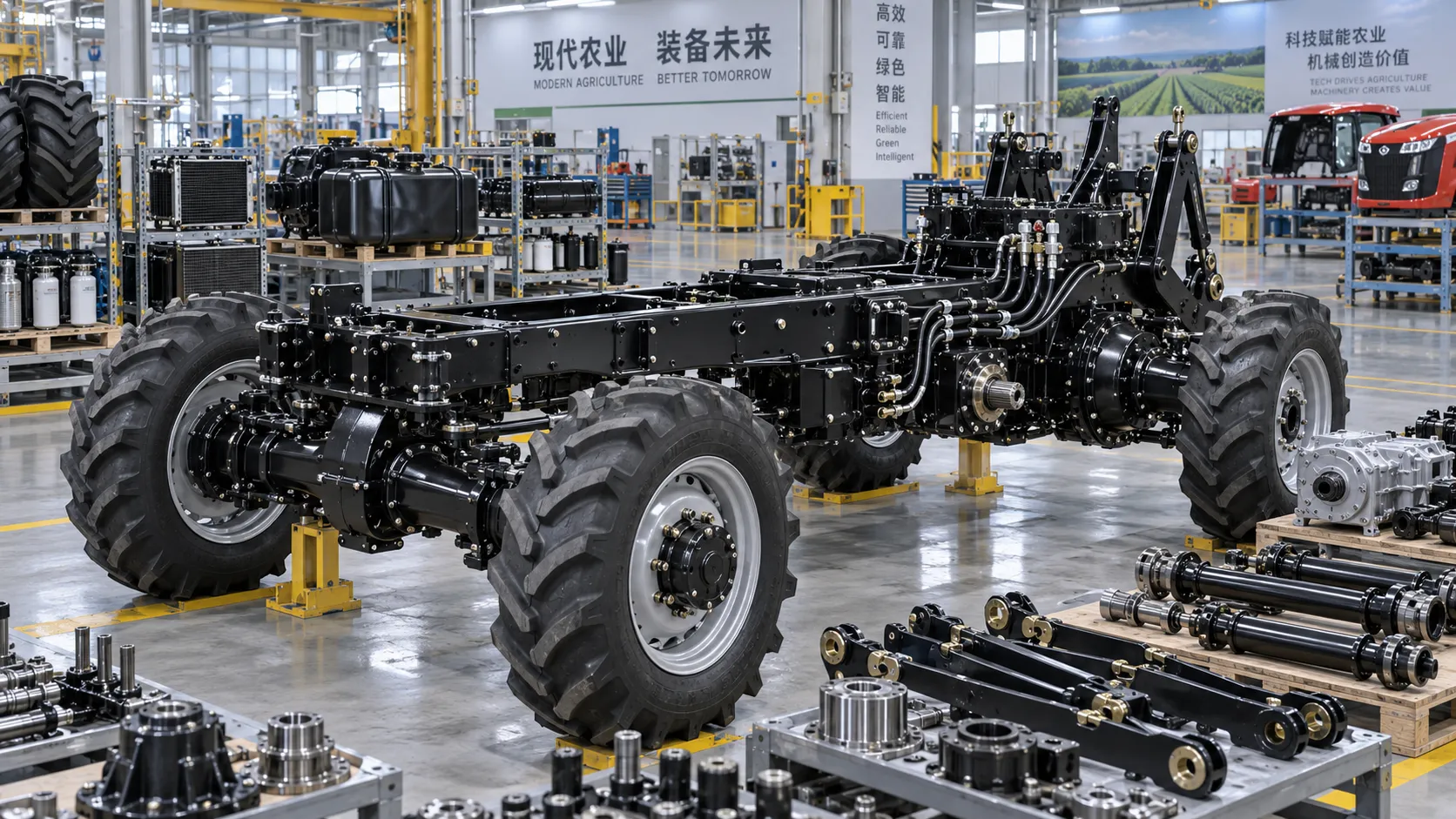
Tractor Chassis Price: What Buyers Should Compare Beyond the Initial Quote
Tractor chassis price is only the start. Compare load capacity, compatibility, durability, and lifecycle costs to choose a reliable, high-value chassis.
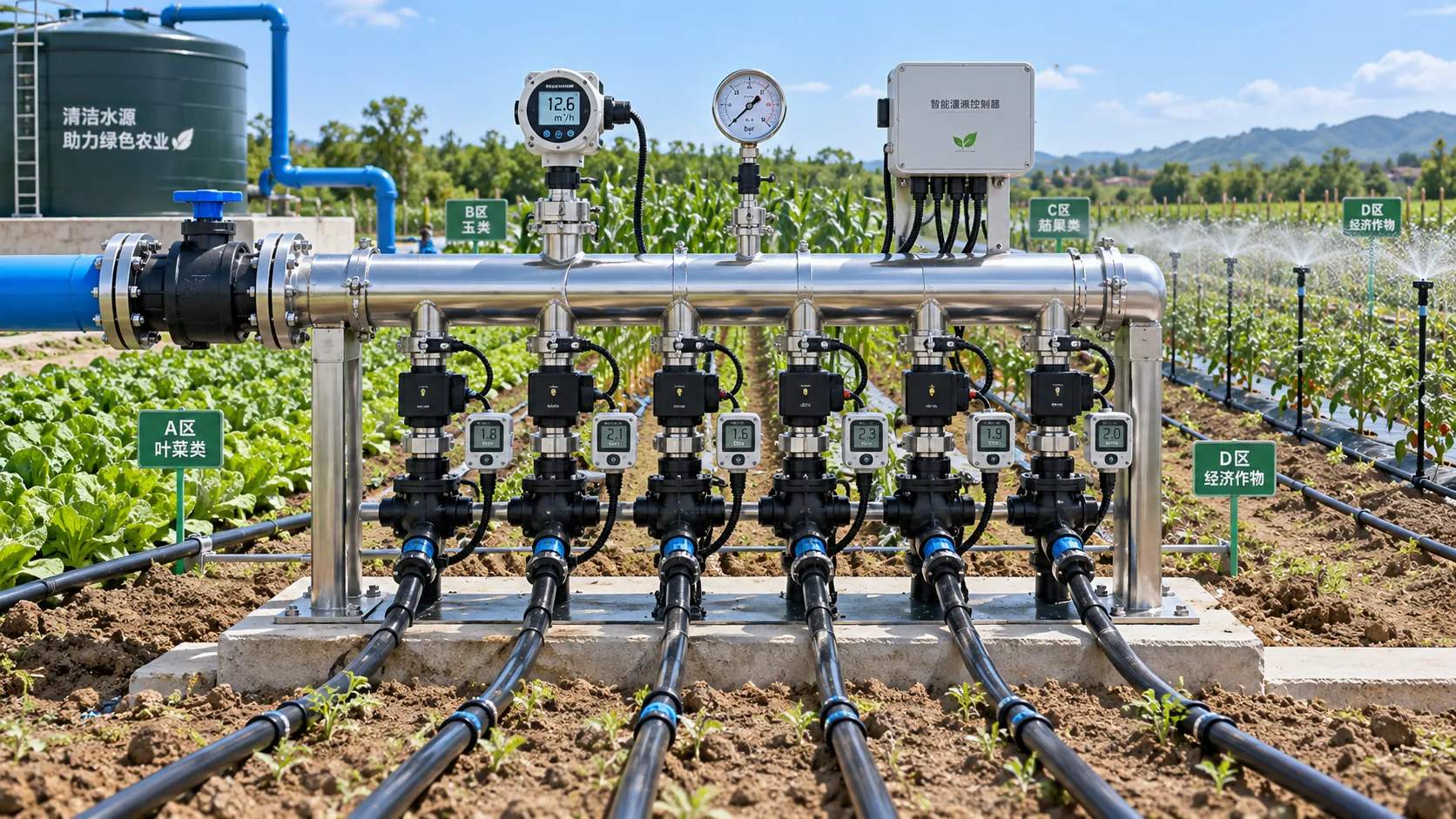
How to Select Smart Irrigation Valves for Multi-Zone Water Management?
Intelligent irrigation systems valves: learn how to match smart valves with multi-zone flow, pressure, control, feedback, and communication needs for reliable water management.
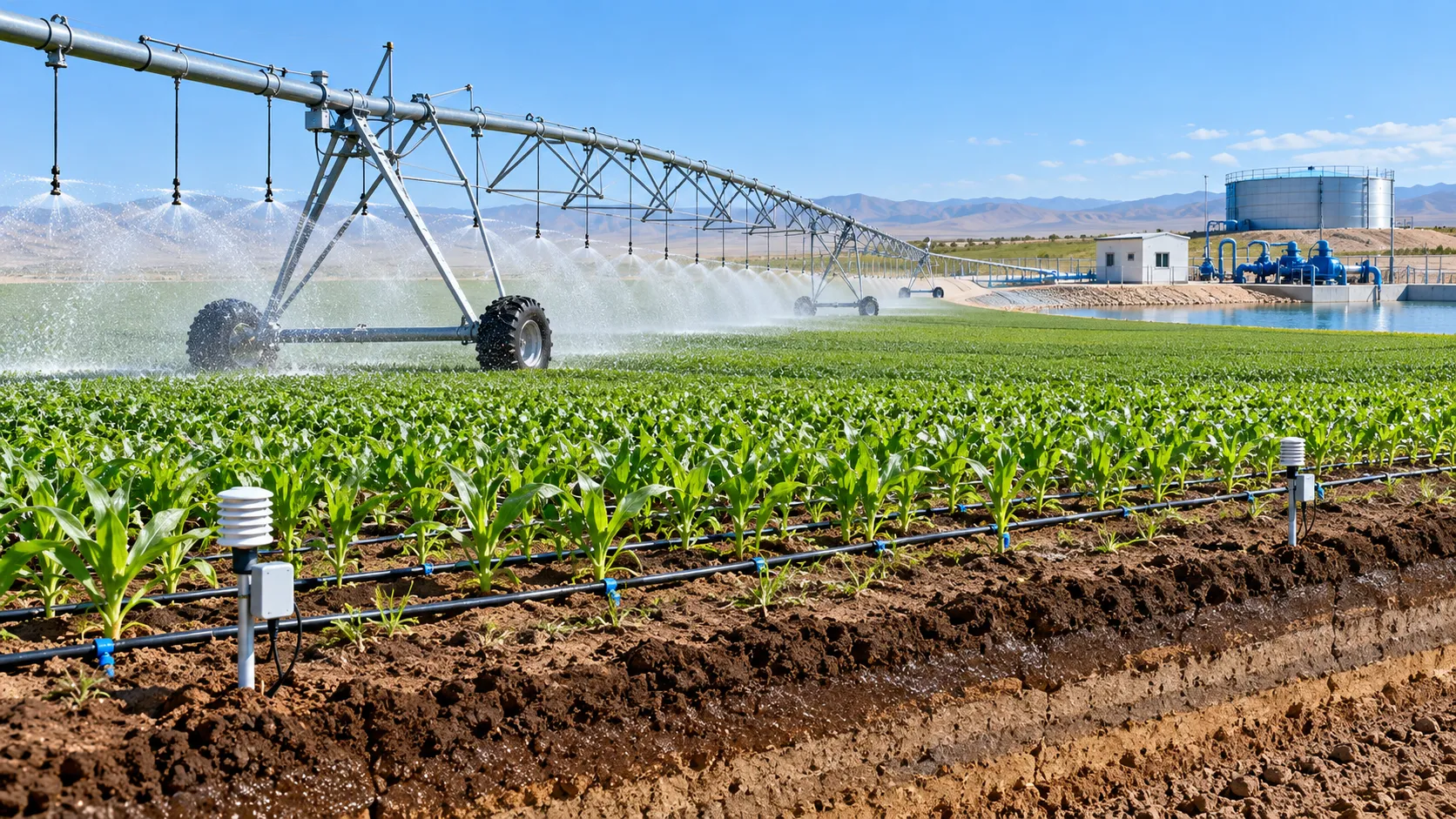
Climate-Smart Farming for Drought: A Practical Plan for Protecting Yields
Climate-smart farming for drought: build smarter water budgets, protect critical crop stages, improve irrigation uniformity, and safeguard yields with practical field-proven strategies.
Related News
- 00
0000-00
Tractor Specification Sheets: Matching PTO, Hydraulics, and Weight to Farm Tasks - 00
0000-00
How to Compare Agricultural Equipment Platforms for Fleet Management and ROI - 00
0000-00
Tractor Chassis Price: What Buyers Should Compare Beyond the Initial Quote - 00
0000-00
How Digital Agriculture Platforms Turn Field Data Into Better Input Decisions - 00
0000-00
When Does Agricultural Machinery Leasing Cost Less Than Owning Equipment?
Popular Tags
Ms. Elena Rodriguez
Weekly Insights
Stay ahead with our curated technology reports delivered every Monday.