
Vietnam Mandates Vietnamese Energy Labels for Imported Threshing Systems
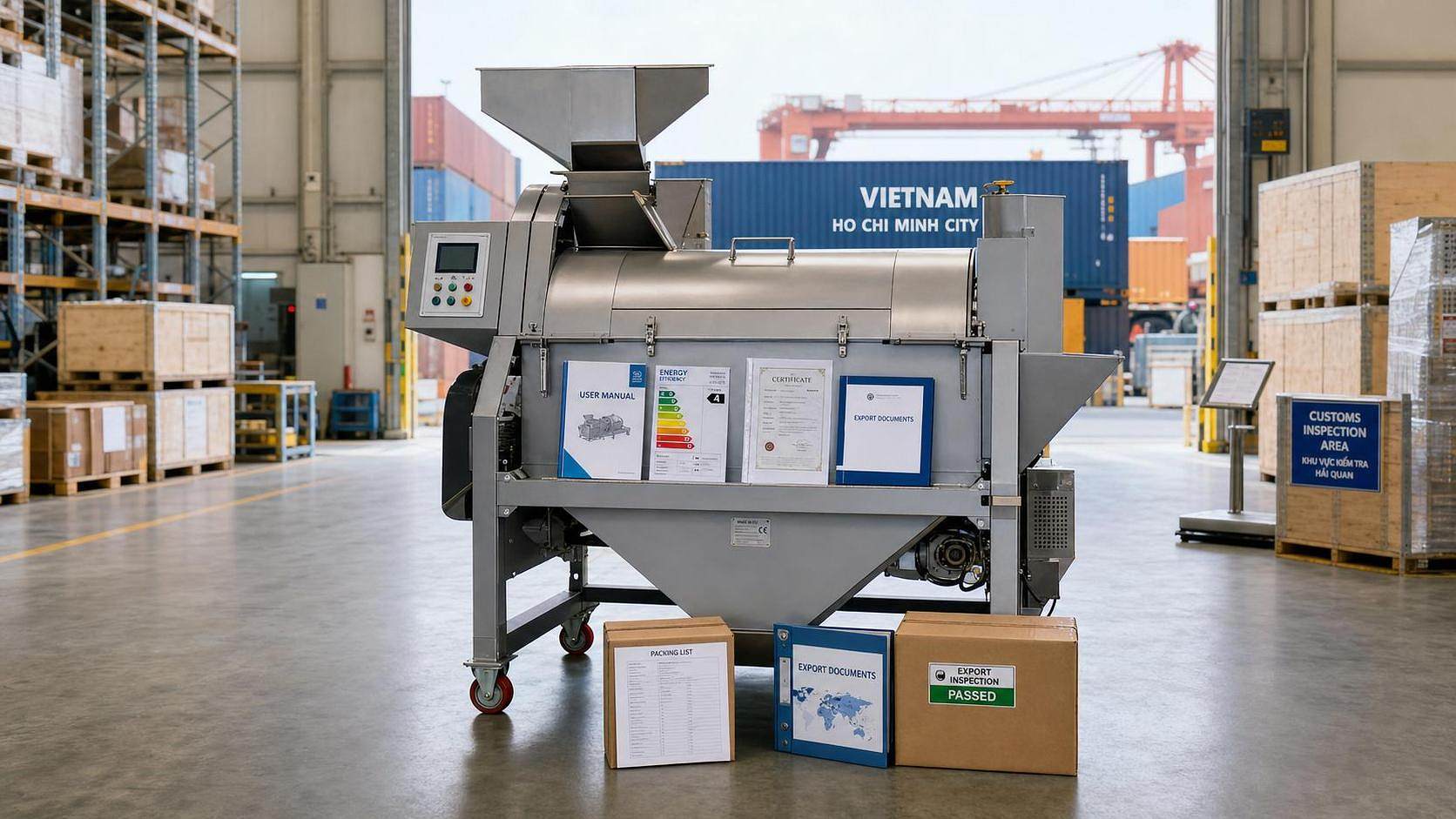




On July 11, 2026, Vietnam began enforcing MOIT Circular No. 28/2026/TT-BCT, introducing a stricter import requirement for threshing systems. The rule matters to equipment exporters, regional distributors, importers, and supply chain operators because compliance now extends beyond product shipment to localized labeling, documentation, and verified energy-efficiency testing. For companies active in Southeast Asia, the immediate concern is not only market access, but also whether existing delivery plans, customs clearance timing, and price structures can still hold under the new requirement.
What the Rule Now Requires
According to the information provided, all imported threshing systems must carry a Vietnamese-language energy-efficiency label, identified as the VIEE Label, on both the equipment nameplate and the user manual. The energy-efficiency value must be tested by a laboratory recognized by Vietnam's STAMEQ. Products that do not meet the requirement will be denied customs clearance. The measure is being enforced under MOIT Circular No. 28/2026/TT-BCT from July 11, 2026.
Where the Pressure Will Be Felt First
Import and trading businesses face a tighter customs threshold
From an industry perspective, importers and direct trading companies are likely to feel the impact first because the rule is tied directly to customs clearance. The main exposure lies in whether product files, labeling, and test recognition are aligned before shipment or before arrival. What deserves closer attention is that a non-compliant unit is not described as facing a minor correction step, but as being refused clearance.
Distributors must absorb new localization work
Analysis shows that channel partners and distributors in Southeast Asia may face higher localization costs because the requirement covers both the equipment nameplate and the user manual in Vietnamese. This affects practical steps such as product adaptation, document preparation, and coordination with upstream suppliers. The immediate business issue is whether these additional compliance steps alter delivery timing and downstream quotations.
Manufacturers and suppliers are pulled into pre-delivery compliance
For manufacturers and upstream suppliers, the likely impact is concentrated in product preparation before export. Observably, the rule links market entry to verified energy-efficiency values and Vietnamese-language presentation, which means suppliers may need closer coordination with import-side partners on testing recognition, labeling execution, and manual preparation. The key change to watch is that compliance is no longer only a commercial preference; it now affects whether the product can enter the market at all.
Procurement and end users may see timing and pricing effects
Buyers and end-use businesses may not be the direct compliance party, but they can still be affected through delayed delivery and changed pricing. Based on the provided information, higher localization costs and customs risks may feed into procurement schedules and final equipment pricing. For purchasing teams, the practical concern is whether quoted lead times and landed costs still reflect the new regulatory reality.
What Companies Should Check Now
Whether current products already match the labeling scope
Companies should first verify whether the imported threshing systems they sell or procure already include the required Vietnamese-language energy label on the nameplate and in the user manual. This is a concrete compliance point, not a general policy signal.
Whether test results are recognized by the required authority
Another immediate checkpoint is the energy-efficiency value itself and whether the supporting test was issued by a laboratory recognized by STAMEQ. The distinction between having a test result and having an accepted test result is operationally important under the rule described.
Whether delivery schedules still account for compliance lead time
Analysis shows that delivery planning now needs to account for testing recognition, document updates, and label preparation. Businesses relying on tight shipment schedules should pay close attention to whether compliance work has been built into order confirmation, production release, and shipping timelines.
Whether customer communication and pricing need adjustment
Because the provided information indicates higher localization costs and possible effects on end pricing, companies should review how they communicate with customers, distributors, and procurement teams. The practical issue is less about broad strategy and more about preventing disputes over delivery timing, product acceptance, and revised quotations.
Why This Looks Larger Than a Single Labeling Update
Observably, this is not just a packaging or translation matter. The rule combines three control points: Vietnamese-language labeling, documentation alignment, and recognized efficiency testing. Analysis shows that when these elements are tied to customs clearance, the policy functions as an access condition rather than a soft compliance preference. It is more appropriate to understand this as a concrete near-term operating change for affected imports, while also treating it as a longer-term regulatory signal that localization and verifiable technical compliance may carry more weight in market entry.
How the Industry May Need to Read This Development
At this stage, the most grounded interpretation is that the rule creates an immediate compliance burden for imported threshing systems and a measurable operational risk for companies that are not prepared. It would be premature to extend the conclusion beyond the provided facts, but the development clearly deserves attention from businesses managing Vietnam-bound agricultural equipment trade. Current industry reading should focus on execution risk, cost pass-through, and shipment readiness rather than broad market forecasts.
Basis of This Article and What Still Needs Verification
This article is based on the user-provided news title, event date, and event summary. For this type of development, relevant source categories typically include official government circulars, regulator notices, company compliance updates, industry association releases, authoritative media coverage, and standard-related documents. A specific official source link was not provided in the input, so the exact text and any later interpretive guidance should continue to be verified. Follow-up attention should remain on any further official clarification around enforcement practice, accepted testing arrangements, and implementation details affecting import operations.
Related News

Farm Machinery Sourcing: How to Vet Suppliers, Specs, and Lifecycle Costs
Farm machinery information for sourcing: learn to vet suppliers, compare specifications, control lifecycle costs, and secure reliable uptime for smarter equipment purchases.
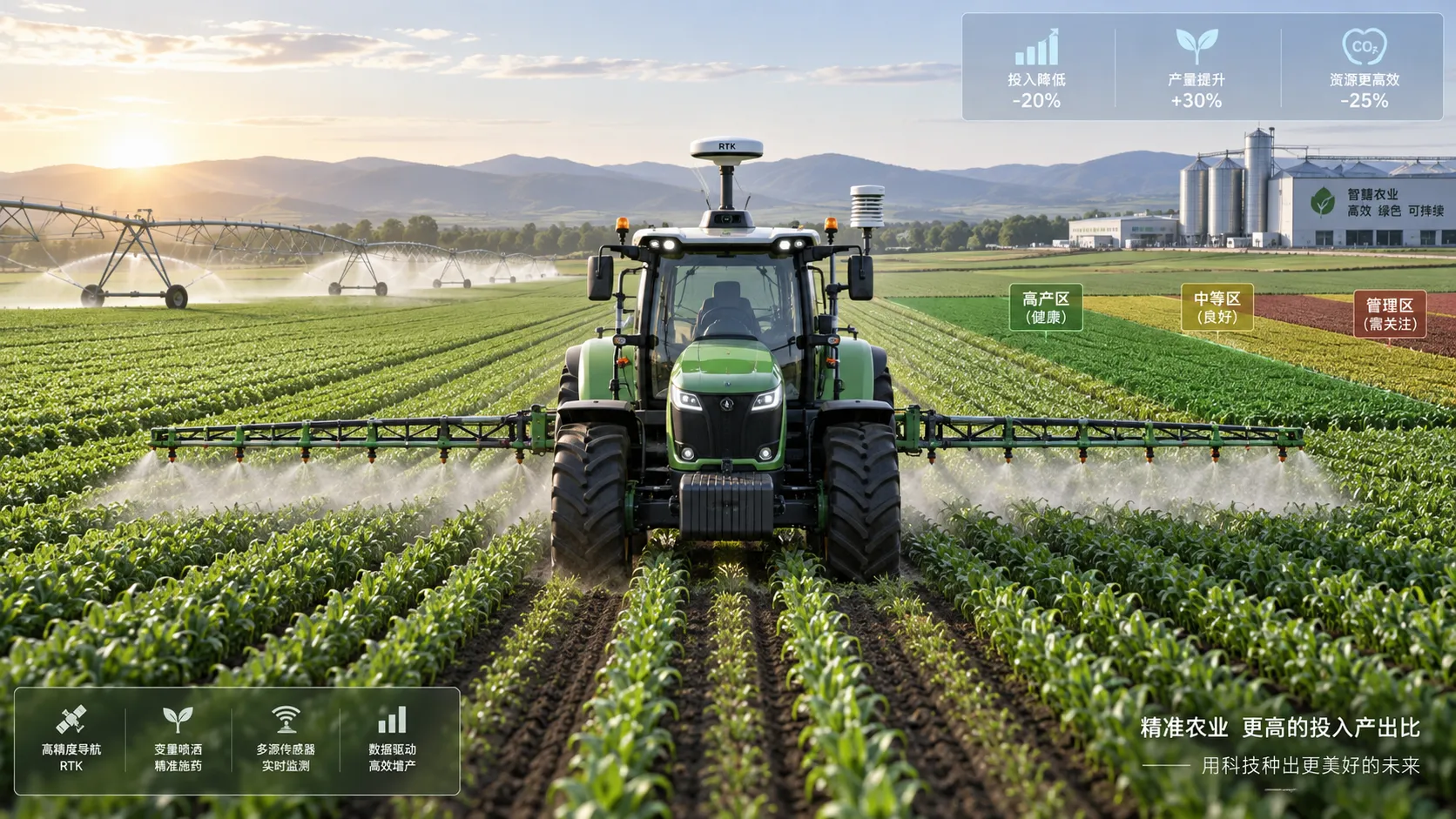
How to calculate ROI on precision agriculture equipment before buying
Calculating ROI on precision agriculture equipment: learn to assess total ownership costs, savings, payback, NPV, risks, and farm-scale value before you buy.

Tractor Specification Sheets: Matching PTO, Hydraulics, and Weight to Farm Tasks
Specification-oriented articles for tractors: match PTO, hydraulics, lift capacity, ballast, and weight to real farm tasks for safer, more efficient equipment choices.
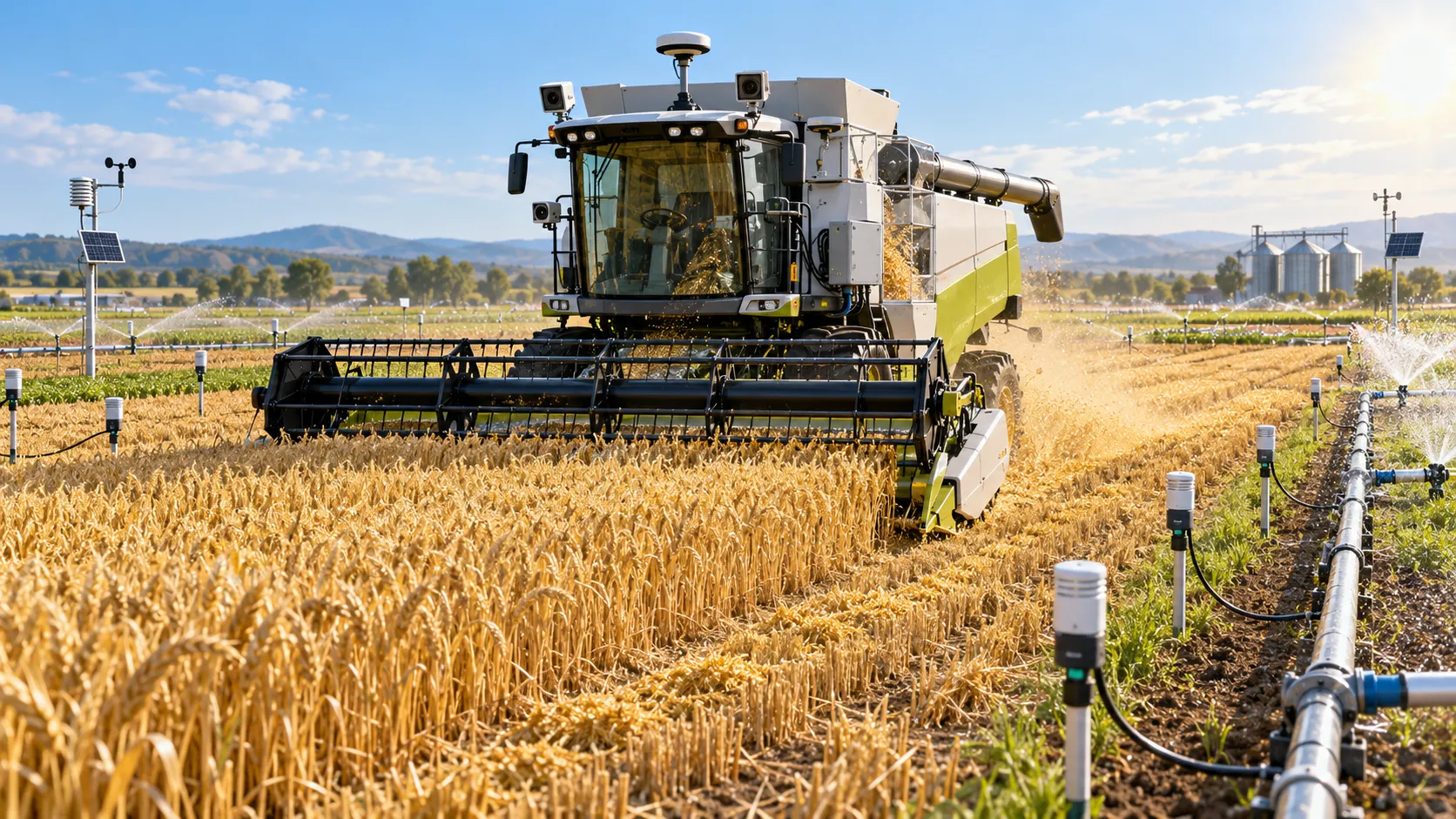
How to Evaluate Dynamic Feedback Algorithm Suppliers for Precision Farming Systems
Dynamic feedback algorithms supplier evaluation guide for precision farming—compare validation, integration, safety, and pilots to choose with confidence.

How to Specify Combine Harvester Systems for High-Moisture Grain and Variable Field Conditions
Combine harvester systems for high-moisture grain: learn how to specify threshing, cleaning, headers, traction, and automation for reliable harvests in variable fields.
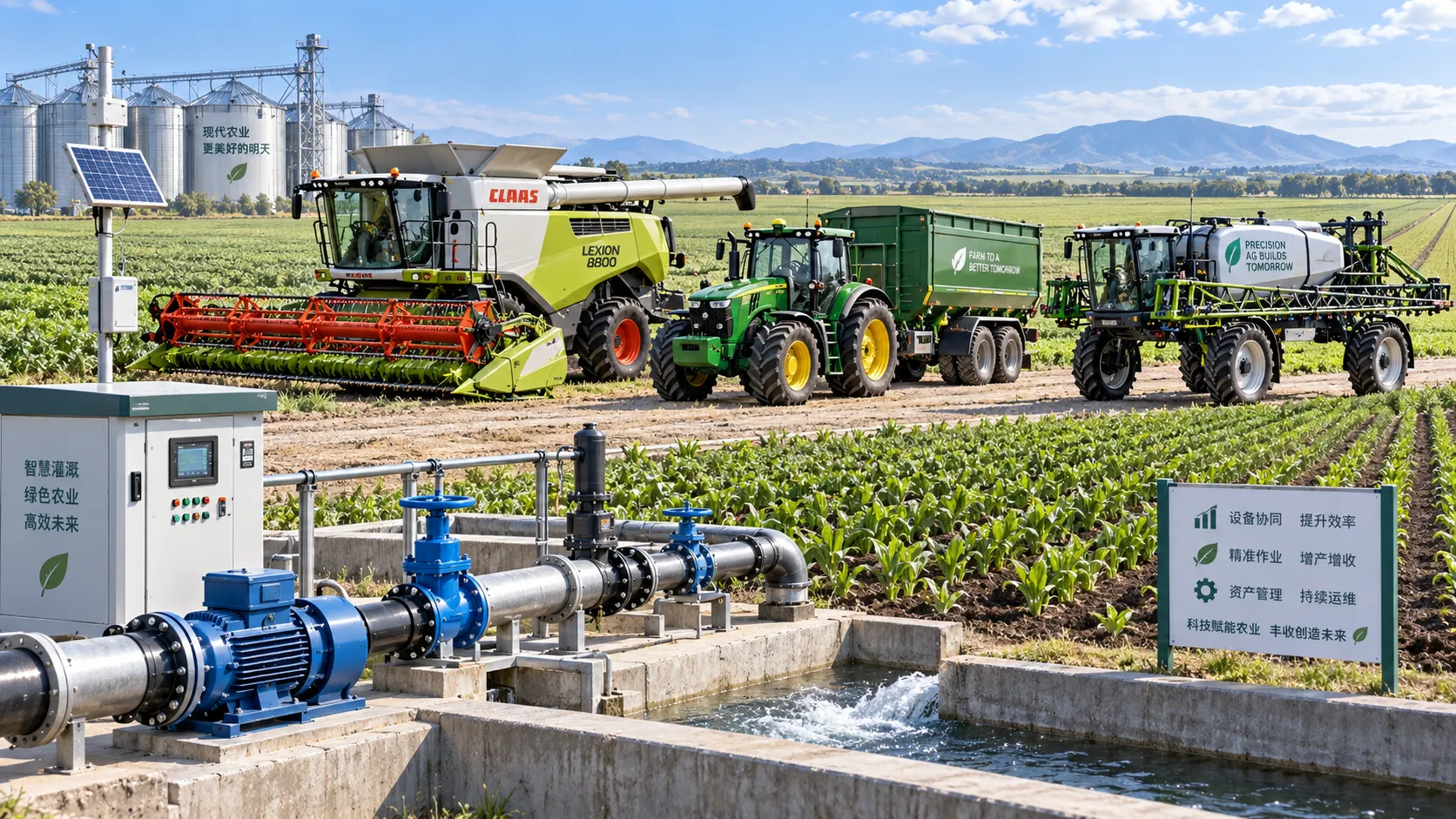
How to Compare Agricultural Equipment Platforms for Fleet Management and ROI
Agricultural equipment platform comparison: evaluate fleet data, maintenance, precision workflows, and ROI to choose a system that delivers measurable results.
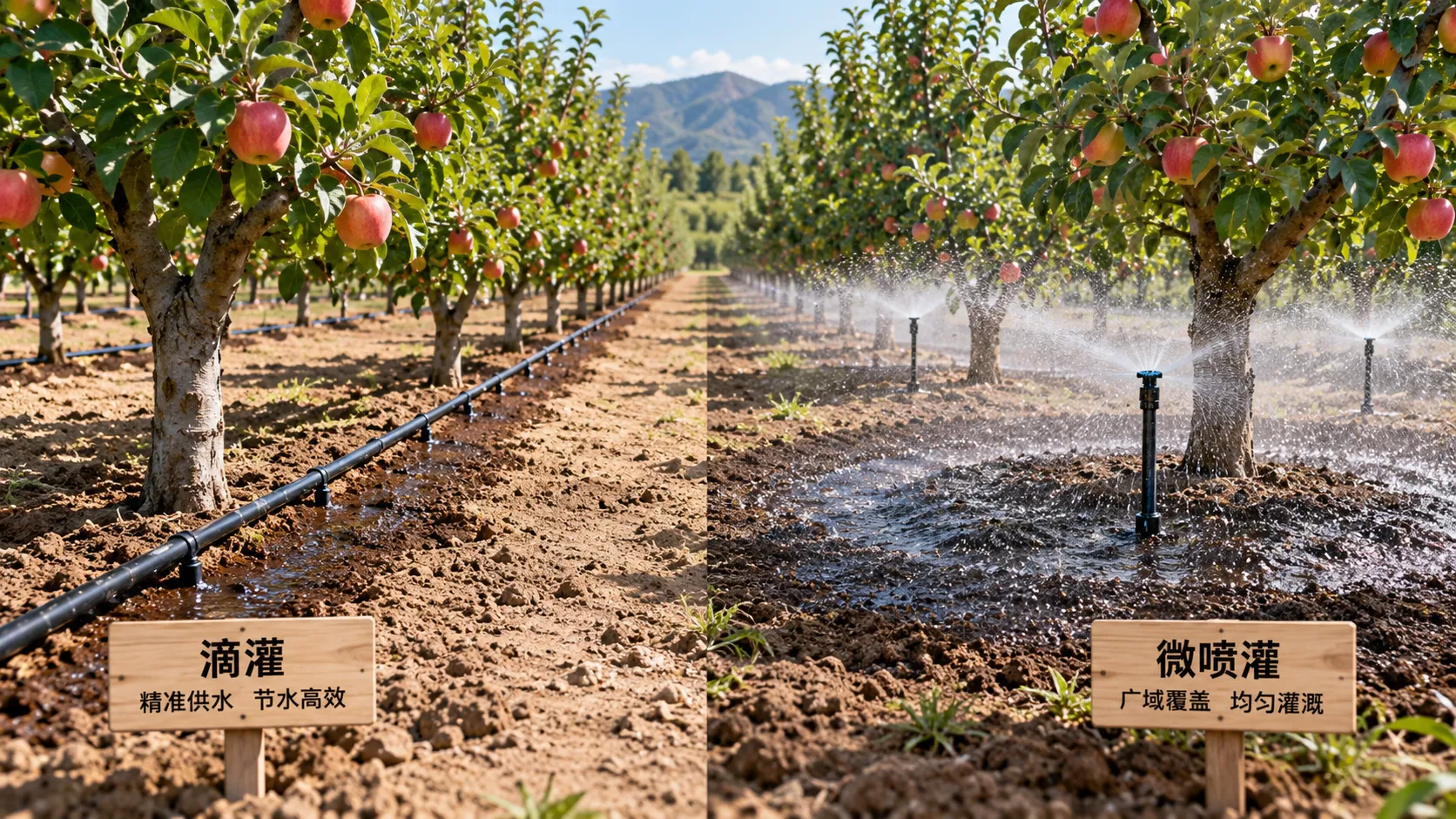
Drip vs. Micro-Sprinkler Irrigation: Which System Fits Your Orchard?
Irrigation solution comparison for orchards: discover whether drip or micro-sprinklers best match your water, soil, roots, fertigation, and frost needs.
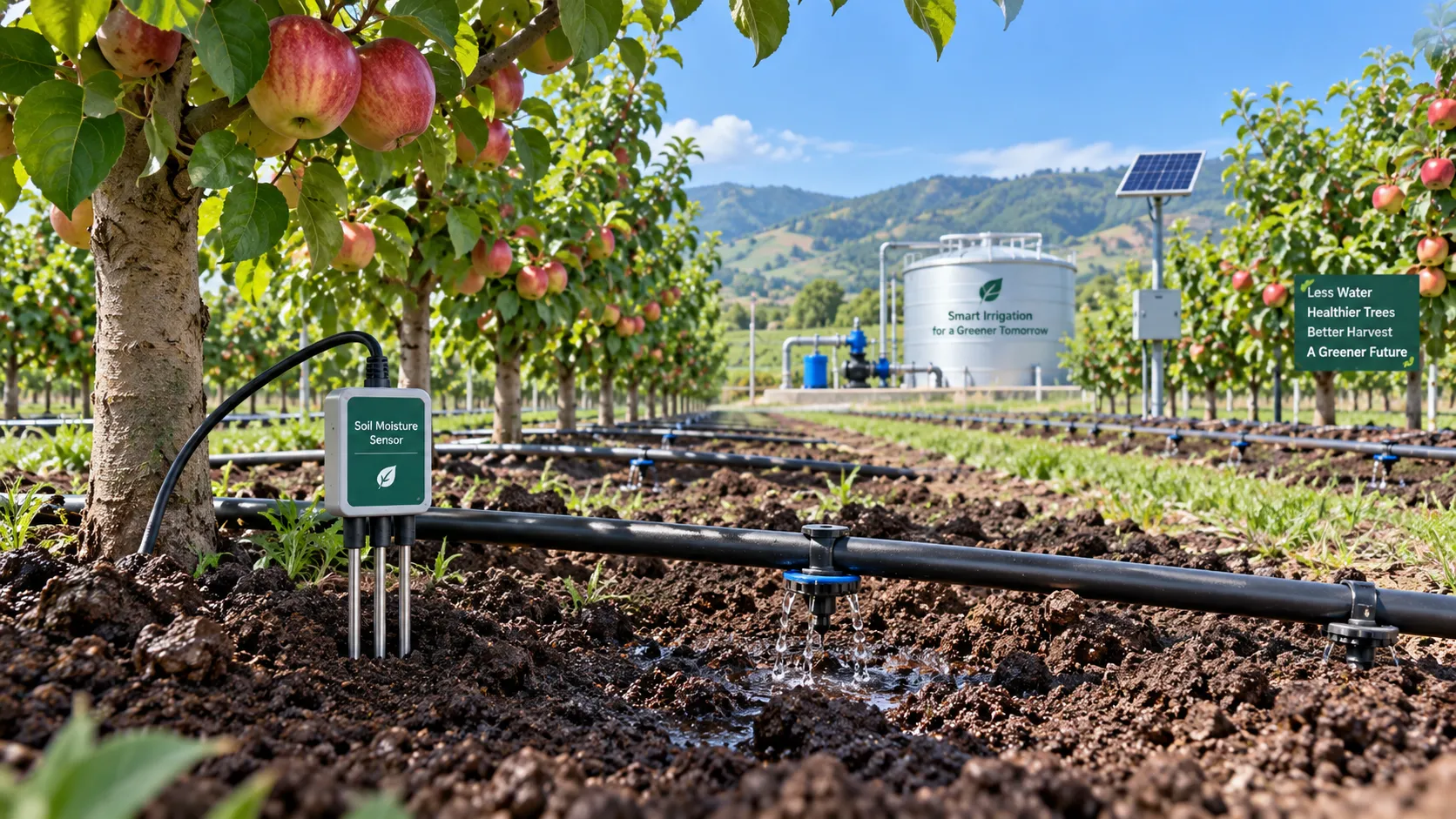
Orchard Water Management: Using Soil Moisture Data to Schedule Irrigation
Agricultural water management for orchards made practical: use soil moisture data to optimize irrigation timing, protect yield, reduce costs, and improve resilience.

Tractor Chassis Price: What Buyers Should Compare Beyond the Initial Quote
Tractor chassis price is only the start. Compare load capacity, compatibility, durability, and lifecycle costs to choose a reliable, high-value chassis.
Related News
- 00
0000-00
How to Specify Combine Harvester Systems for High-Moisture Grain and Variable Field Conditions - 00
0000-00
What Harvesting Machinery Works Best for Small Grains on Hills? - 00
0000-00
GRIMME Tianjin Signs to Join Changchun Agricultural Machinery Expo Center - 00
0000-00
Vietnam Mandates Vietnamese Energy Labels for Imported Threshing Systems - 00
0000-00
Crop Harvesting Solutions for Wheat: Which System Fits Yield, Moisture, and Field Size?
Popular Tags
Harvesting Efficiency Expert
Weekly Insights
Stay ahead with our curated technology reports delivered every Monday.