
BIS Extends Fast-Track Approval for Self-Propelled Sprayers
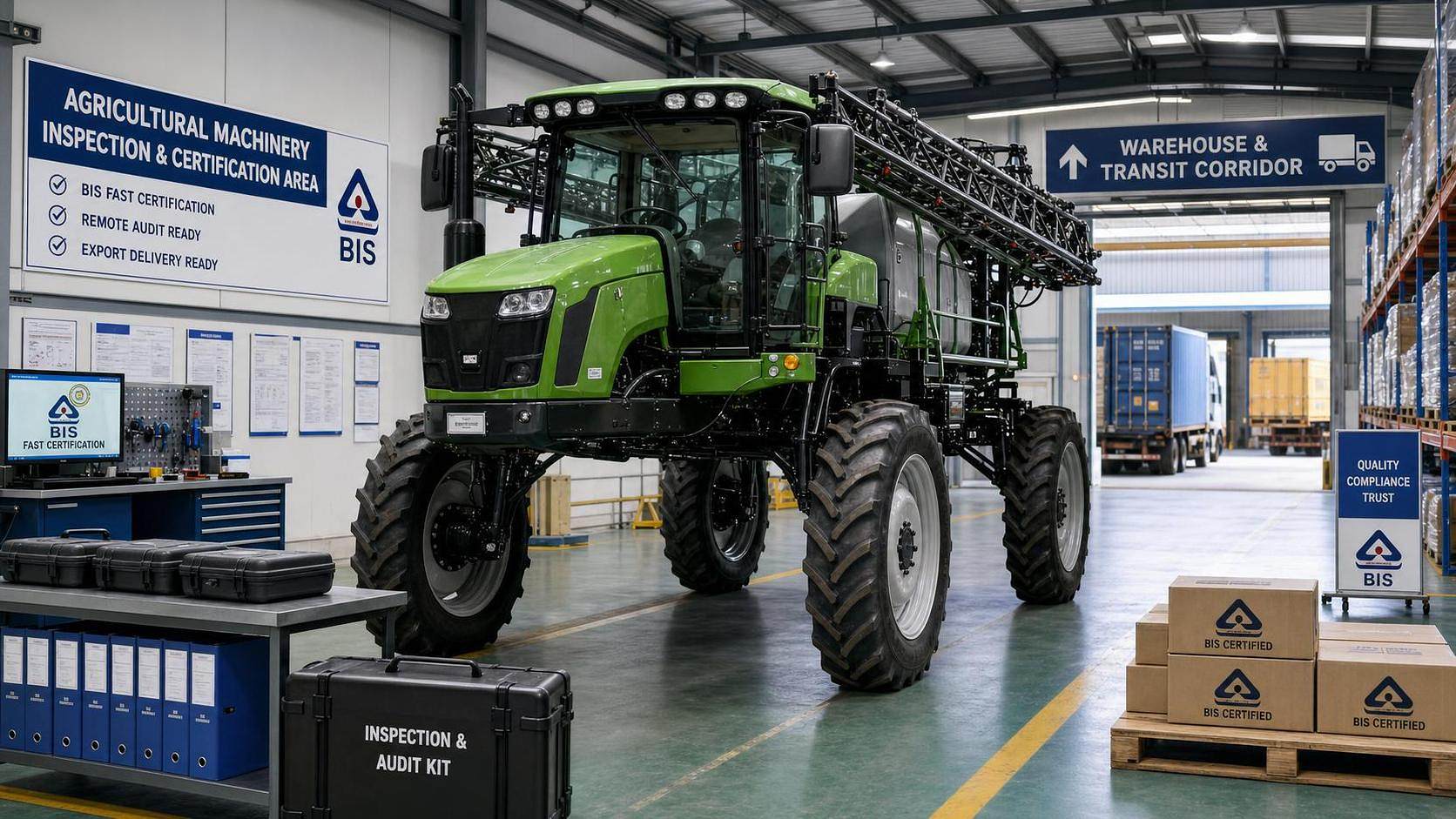




On July 10, 2026, the Bureau of Indian Standards (BIS) announced an extension of its fast-track certification program for agricultural spraying machinery through March 31, 2027, with coverage expanded across all Self-propelled Sprayers models. The update matters because it changes how market access can be handled in practice: remote factory audits are now supported, modular test reports can be mutually recognized, and the certification timeline has been reduced to 14 working days. For manufacturers, importers, certification teams, and procurement functions serving South Asia, this is not just a procedural adjustment but a compliance and delivery issue that may affect approval planning, document preparation, and supplier selection.
What BIS Confirmed on July 10
According to the information provided, BIS extended the fast-track certification program for agricultural spraying machinery until March 31, 2027. The arrangement applies to all Self-propelled Sprayers models. The updated pathway allows remote factory audits and recognizes modular test reports on a mutual basis. The certification cycle under this channel has been shortened to 14 working days. The same information also indicates that the change lowers entry barriers for importers in South Asia and is particularly favorable to Chinese manufacturers that already hold ISO 5682-2:2024 certification.
Where the Rule Change May Be Felt First
Export planning is likely to become more time-sensitive
From an industry perspective, exporters of Self-propelled Sprayers may be affected first because certification timing often shapes shipment readiness and market entry sequencing. With a shorter approval cycle now available, the practical focus may shift toward whether technical files, audit materials, and test documentation are already aligned with the fast-track route. What deserves closer attention is not only the shorter timeline itself, but whether exporters can present documentation in a form that fits remote review and modular report recognition.
Importers may adjust supplier screening and order timing
Analysis shows that importers serving South Asia may respond by reassessing entry timing, supplier qualification, and procurement windows. If certification can be completed faster, buyers may place greater weight on whether a supplier can support compliant documentation quickly and consistently. In that context, certification status, report structure, and responsiveness during audit preparation may become more relevant in purchasing decisions than before.
Manufacturers with existing standards alignment may gain operational flexibility
Observably, manufacturers that already hold ISO 5682-2:2024 certification may be better positioned to use the updated channel because the provided information identifies them as likely beneficiaries. The operational effect may appear in shorter pre-shipment preparation, faster coordination with import partners, and a tighter link between technical compliance work and commercial delivery schedules. Even so, companies should treat this as a compliance opportunity rather than an automatic approval outcome.
Testing and certification support functions will need to focus on document compatibility
Certification-related service providers and internal compliance teams may see the main change in documentation review rather than in product design itself. Because the new route includes mutual recognition of modular test reports and remote factory audits, the practical question becomes whether existing reports and supporting records are complete, consistent, and acceptable for this pathway. That can affect handover quality between manufacturing, testing, and market access teams.
What Companies Should Watch in the Near Term
Check whether current files are usable for the fast-track route
Companies involved in Self-propelled Sprayers should first review whether their current technical dossiers, test materials, and audit records can support remote assessment and modular report recognition. The information provided confirms that these mechanisms are part of the updated route, but it does not set out detailed operating criteria. That means businesses should focus on file readiness and consistency while continuing to monitor how the pathway is applied in practice.
Track how procurement and delivery schedules are being reset
Analysis shows that a 14-working-day certification cycle can affect procurement rhythm and shipment planning, especially where approval timing previously constrained delivery commitments. Companies should therefore examine whether internal lead times, booking assumptions, and customer promises still reflect the old certification pace. This is particularly relevant for suppliers and buyers coordinating cross-border delivery windows.
Pay attention to standards-backed positioning in commercial discussions
The provided information specifically highlights an advantage for Chinese manufacturers with ISO 5682-2:2024 certification. What deserves closer attention is how that certification is presented in tenders, supplier qualification files, and buyer discussions. Businesses should avoid assuming that possession of a standard-related credential alone resolves all market access questions, but they should recognize that standards alignment may now carry more weight in competitive evaluation.
Continue to monitor official wording and execution practice
Observably, the announcement signals a real procedural opening, but the input does not provide detailed implementation language beyond the extension, scope, remote audits, modular test report recognition, and shorter approval timing. Companies should therefore keep watching for further official wording, execution interpretation, and any changes in documentary expectations that could affect certification handling or transaction timing.
How This Update Is Best Understood at This Stage
Analysis shows that this development is best read as an execution-oriented policy signal rather than a purely symbolic extension. The reason is that the update affects specific operational points: who is covered, how audits may be conducted, how test evidence may be recognized, and how long certification may take. At the same time, it is more appropriate to understand this as a rule change that has opened a clearer pathway, while the consistency of implementation still merits attention. For market participants, the key issue is not only whether access has become easier on paper, but how quickly commercial and compliance workflows adapt to the revised process.
Why the Market Should Keep Following This Through 2027
This BIS decision has significance because it connects certification procedure directly with trade execution for Self-propelled Sprayers. The confirmed facts point to faster approval and lower entry barriers for relevant importers, while also creating a more favorable setting for manufacturers already aligned with ISO 5682-2:2024. A balanced reading is that the change should be treated as a concrete market-access development with immediate practical relevance, but not as a basis for broad assumptions about outcomes beyond the information provided. For now, it is more appropriate to view the update as a meaningful compliance and trade signal that still requires continued observation as implementation unfolds.
Basis of This Article and Follow-Up Verification
This article is based on the user-provided news title, event date, and event summary. For developments of this kind, commonly relevant source categories may include official regulatory announcements, notices from standards bodies, trade or customs authority releases, industry association updates, standards documentation, and reporting by authoritative media. No specific official source link was provided in the input, so the exact official publication link still needs to be verified on an ongoing basis. It also remains necessary to monitor any later policy detail, certification interpretation, tender document changes, market feedback, and company-level execution practice related to this update.
Related News

Tractor Specification Sheets: Matching PTO, Hydraulics, and Weight to Farm Tasks
Specification-oriented articles for tractors: match PTO, hydraulics, lift capacity, ballast, and weight to real farm tasks for safer, more efficient equipment choices.

How to Evaluate Dynamic Feedback Algorithm Suppliers for Precision Farming Systems
Dynamic feedback algorithms supplier evaluation guide for precision farming—compare validation, integration, safety, and pilots to choose with confidence.

How to Specify Combine Harvester Systems for High-Moisture Grain and Variable Field Conditions
Combine harvester systems for high-moisture grain: learn how to specify threshing, cleaning, headers, traction, and automation for reliable harvests in variable fields.

How to Compare Agricultural Equipment Platforms for Fleet Management and ROI
Agricultural equipment platform comparison: evaluate fleet data, maintenance, precision workflows, and ROI to choose a system that delivers measurable results.
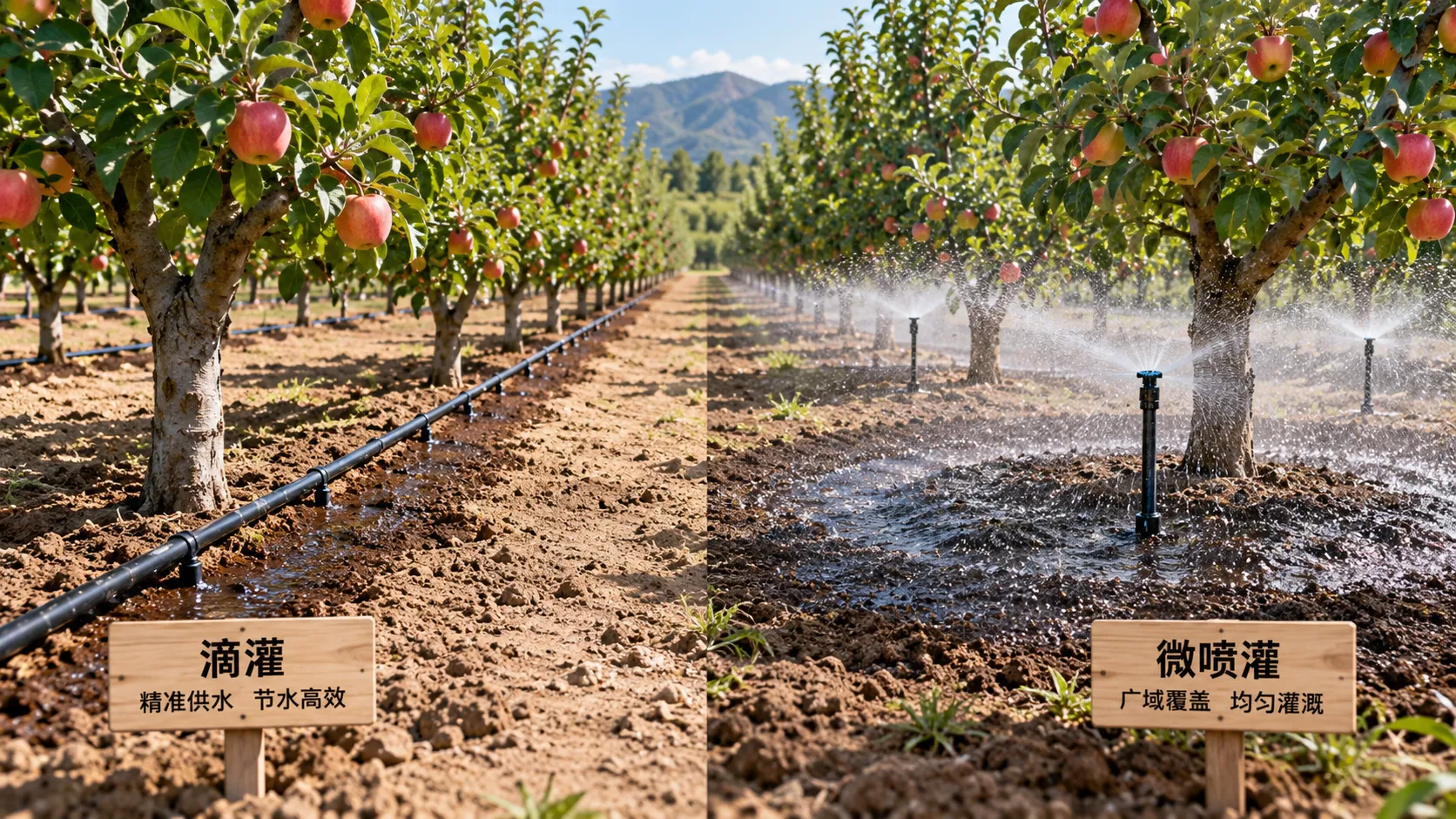
Drip vs. Micro-Sprinkler Irrigation: Which System Fits Your Orchard?
Irrigation solution comparison for orchards: discover whether drip or micro-sprinklers best match your water, soil, roots, fertigation, and frost needs.
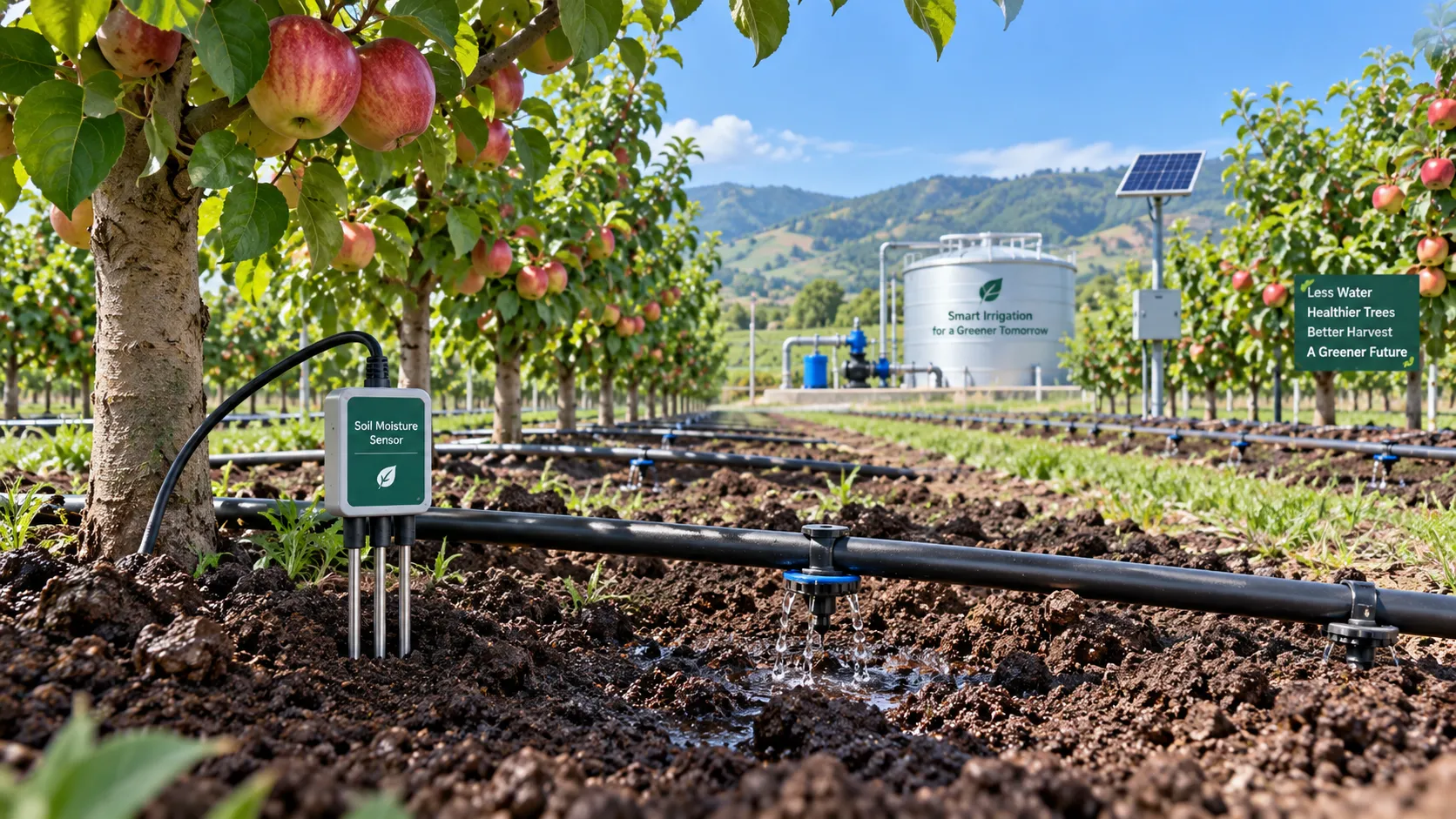
Orchard Water Management: Using Soil Moisture Data to Schedule Irrigation
Agricultural water management for orchards made practical: use soil moisture data to optimize irrigation timing, protect yield, reduce costs, and improve resilience.

Tractor Chassis Price: What Buyers Should Compare Beyond the Initial Quote
Tractor chassis price is only the start. Compare load capacity, compatibility, durability, and lifecycle costs to choose a reliable, high-value chassis.
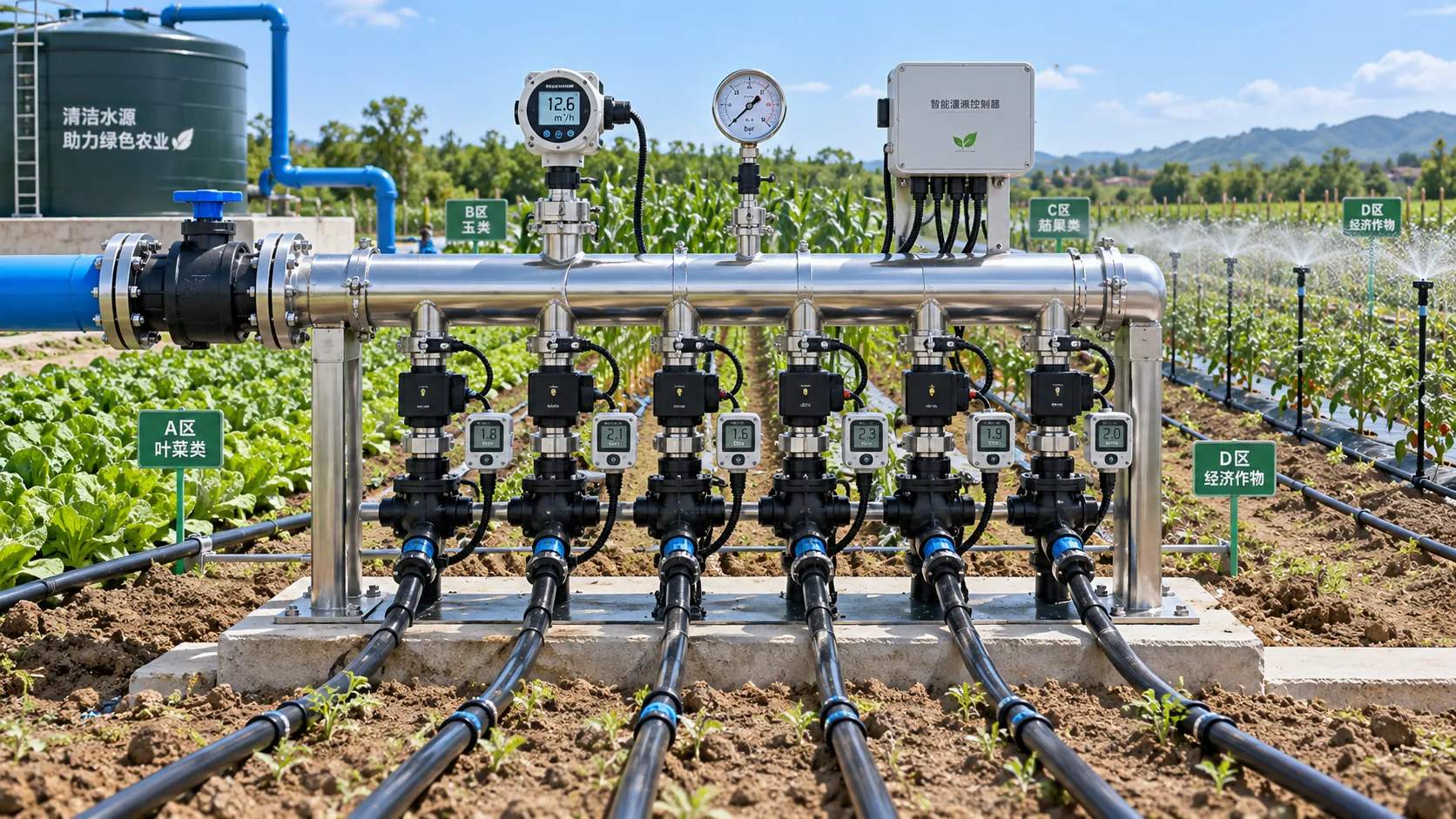
How to Select Smart Irrigation Valves for Multi-Zone Water Management?
Intelligent irrigation systems valves: learn how to match smart valves with multi-zone flow, pressure, control, feedback, and communication needs for reliable water management.
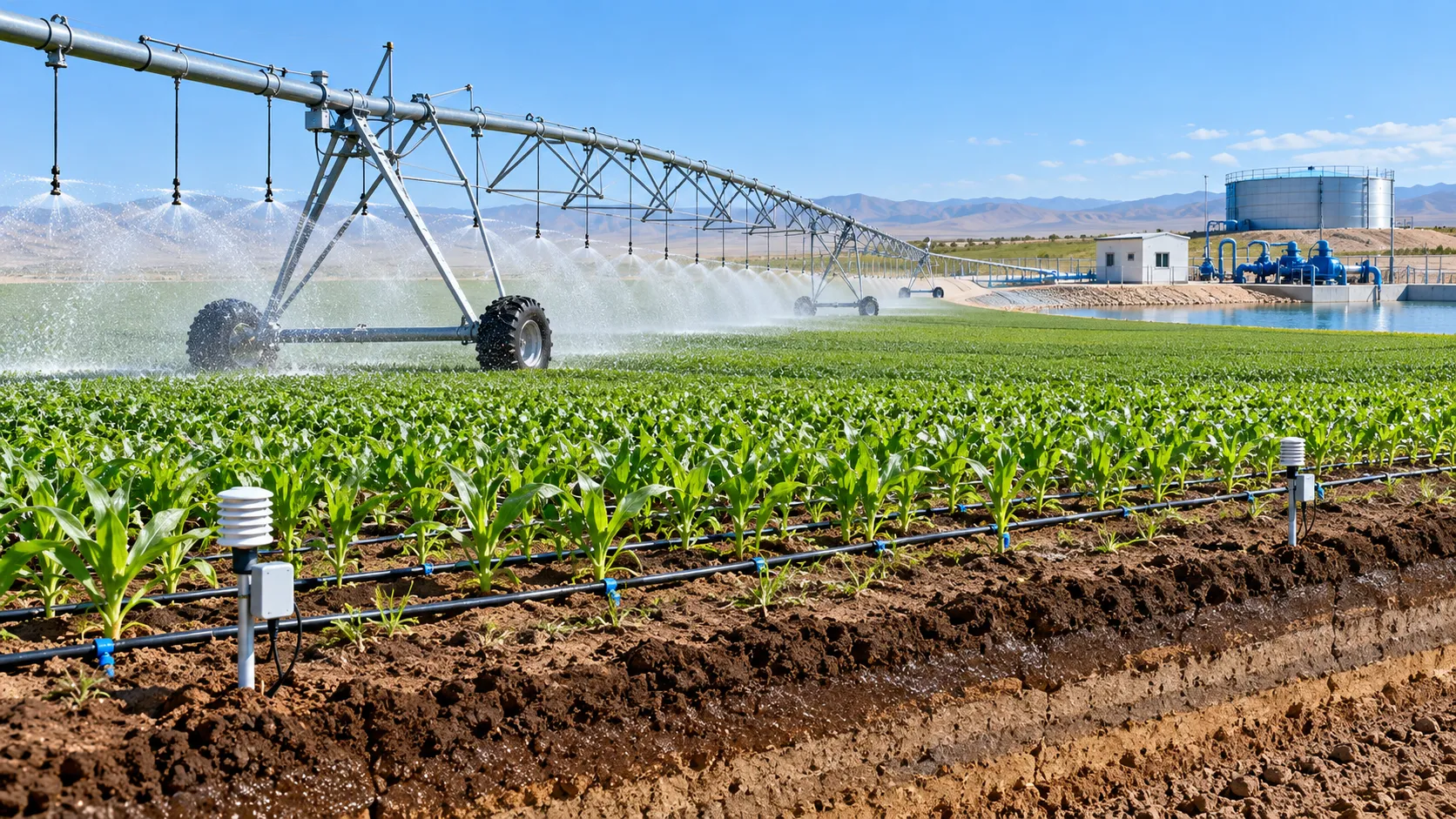
Climate-Smart Farming for Drought: A Practical Plan for Protecting Yields
Climate-smart farming for drought: build smarter water budgets, protect critical crop stages, improve irrigation uniformity, and safeguard yields with practical field-proven strategies.
Related News
- 00
0000-00
How to Choose Plant Protection Equipment for Vineyard Pests - 00
0000-00
How to Read Agricultural Equipment Specifications for Sprayers Before You Compare Models - 00
0000-00
BIS Extends Fast-Track Approval for Self-Propelled Sprayers - 00
0000-00
Intelligent Sprayer Technology: Which Functions Matter Most for Field Efficiency? - 00
0000-00
How to Choose Plant Protection Equipment for Orchards by Tree Height, Row Spacing, and Spray Drift
Popular Tags
Agri-Mechanization Fellow
Weekly Insights
Stay ahead with our curated technology reports delivered every Monday.