
Orchard Water Management: Using Soil Moisture Data to Schedule Irrigation
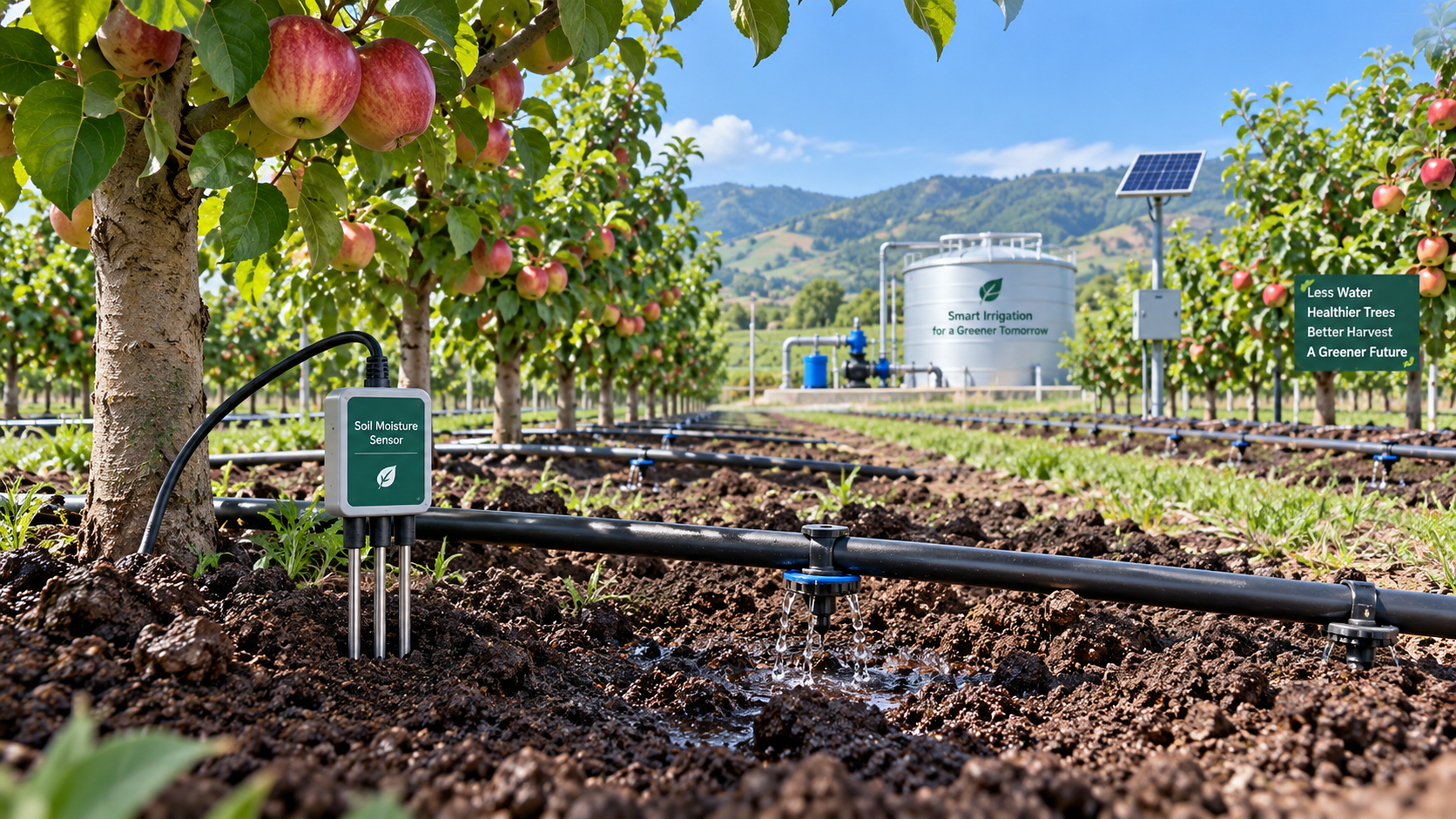




Effective agricultural water management for orchards starts with knowing when the active root zone needs water, rather than following a calendar or waiting for visible stress.
For project managers, soil moisture data turns irrigation from a routine operating cost into a controlled production decision with measurable consequences for yield, quality, energy, and risk.
What Project Leaders Need From Soil Moisture Data
The practical objective is not to collect more readings. It is to apply the right amount of water, in the right zone, before water stress affects orchard performance.
Permanent crops respond differently from annual field crops because root systems, canopy size, crop value, and irrigation infrastructure remain in place for many seasons.
A poor scheduling decision can reduce fruit size, increase sunburn risk, weaken next season's bud development, or create disease pressure through prolonged wet soil conditions.
Soil moisture monitoring helps teams replace broad assumptions with site-specific evidence. It shows whether irrigation actually reaches the intended depth and whether roots can access it.
For a commercial orchard, the most useful question is usually simple: how many operating hours are needed before the next moisture threshold is reached?
This makes agricultural water management for orchards easier to govern across blocks, crews, pumping stations, irrigation districts, and competing seasonal water allocations.
Data also creates accountability. Managers can compare planned irrigation against actual field response, identify underperforming zones, and document why operational decisions were made.
The best systems connect sensor measurements with field inspections, weather forecasts, crop stages, equipment capacity, and the practical limits of labor availability.
Start With the Root Zone, Not the Sensor Dashboard
Soil moisture readings are only valuable when they represent the soil volume where most active feeder roots are extracting water during the current growth stage.
Root depth varies by orchard age, soil texture, rootstock, irrigation method, compaction layers, and local management history. One sensor depth rarely represents an entire block.
Young orchards often have shallower, concentrated root zones. Mature trees may extract water across greater depths, although most uptake can still occur near emitters.
Project teams should define representative management zones before installing sensors. A zone should have similar soil, tree vigor, irrigation design, slope, and crop demand.
Do not place sensors only in convenient locations near roads, valves, or weather stations. These sites often fail to represent the block's real water condition.
Installation should include at least one depth near the primary feeder-root layer and another below it, allowing managers to detect both depletion and deep drainage.
For drip-irrigated orchards, sensor placement must account for the wetted bulb. A probe between dry areas of the row can suggest stress even when roots receive water.
Before scaling an installation, validate several locations using auger observations, irrigation application tests, root inspections, and local soil maps where available.
Set Action Thresholds That Match Soil and Crop Risk
Scheduling requires decision thresholds, not merely charts. Teams need to define when soil water has declined enough to trigger irrigation and when to stop applying water.
Field capacity is the upper storage condition after free drainage has slowed. Permanent wilting point is the lower boundary where plants cannot recover available water.
Between those points lies plant-available water. However, orchards should not routinely reach the lowest boundary because production losses can occur well before permanent wilting.
A management allowable depletion threshold identifies how much available water may be used before irrigation begins. The appropriate percentage depends on crop stage and business objectives.
During fruit expansion, heat events, flowering, and early canopy development, managers commonly use more conservative thresholds to protect productivity and reduce operational exposure.
During selected postharvest periods, regulated deficit irrigation may be appropriate for some crops, but it requires agronomic validation rather than a generic water-saving target.
Soil texture changes threshold interpretation. Sandy soils store less available water and require more frequent decisions, while clay soils may hold water longer but drain slowly.
Establish thresholds by combining laboratory texture data, field calibration, crop advisor guidance, sensor trends, and historical yield records from comparable orchard blocks.
Translate Sensor Readings Into an Irrigation Runtime
A sensor alert does not automatically specify irrigation duration. Managers must translate the measured soil water deficit into the volume needed within the active root zone.
The basic calculation begins with root-zone depth, estimated depletion, soil water-holding capacity, and the percentage of soil area effectively wetted by the irrigation system.
That net water requirement must then be adjusted for irrigation efficiency. Distribution uniformity, pressure variation, clogged emitters, leaks, and runoff all affect delivered water.
For example, a block may need fifteen millimeters of net replacement water, but an eighty-five percent application efficiency requires a higher gross application volume.
Convert the gross volume into hours using verified flow rates for the block. Design flow rates are useful, but field-tested flow rates are more reliable.
Long irrigation sets are not always better. Water may move below the root zone, especially in coarse soils, while short pulses may improve control under certain drip configurations.
Managers should review readings after irrigation to confirm wetting depth. If lower sensors rise sharply while upper sensors remain dry, the issue may be placement or hydraulic performance.
Runtime calculations should be recorded in a standard irrigation log. This creates an auditable link between sensor data, operational decisions, water use, and crop outcomes.
Use Trends and Forecasts Instead of Reacting to Single Readings
A single moisture reading can be misleading because of sensor drift, installation disturbance, local variability, or temporary changes following rainfall and irrigation events.
Trend lines are more useful because they show depletion rates over days. A rapidly falling line may indicate high crop demand, reduced irrigation output, or unusually dry soil.
Weather data adds essential context. High temperatures, low humidity, wind, and solar radiation increase evapotranspiration and can quickly change the irrigation requirement.
Reference evapotranspiration estimates provide a forecast of atmospheric demand. Crop coefficients then help translate that reference value into an approximate orchard water-use estimate.
Soil moisture data and evapotranspiration should be used together. Forecast demand predicts what may happen, while soil data confirms what is occurring in the root zone.
Rainfall should not be credited automatically. Light showers may wet only the surface, while intense rain can create runoff without replenishing deeper roots.
A useful operating routine reviews moisture trends, projected weather, pump capacity, water delivery limits, and the number of blocks approaching their action thresholds.
This forward-looking process allows project leaders to prioritize water allocation before a heat event, rather than discovering shortages after trees have already experienced stress.
Build a Repeatable Decision Workflow Across Orchard Blocks
Large operations need a consistent process so irrigation decisions do not depend entirely on one experienced operator interpreting dashboards during a demanding production season.
First, assign every block to a management zone with documented soil conditions, irrigation hardware, crop variety, rootstock, planting age, and target production strategy.
Second, establish sensor locations, depths, thresholds, expected refill patterns, and responsible personnel. These details should be accessible to field and management teams.
Third, review a prioritized exception list each day or several times weekly. Focus attention on blocks approaching thresholds, abnormal sensor patterns, and forecast-driven risks.
Fourth, confirm whether infrastructure can execute the recommendation. Pumping capacity, filtration performance, valve availability, water restrictions, and labor schedules can constrain the plan.
Fifth, document the decision and verify results after the irrigation event. A closed-loop workflow prevents repeated errors from becoming accepted operational habits.
Standard operating procedures should state who can override automated recommendations, what evidence is required, and when an agronomist or irrigation engineer must be consulted.
This governance matters when water supplies are limited. It provides a defensible basis for allocating water to blocks with the highest economic or biological priority.
Recognize the Costs and Limits of Monitoring Technology
Sensor programs have costs beyond devices. Budgets should include site assessment, installation, communications, software, maintenance, calibration checks, training, and periodic field validation.
The return on investment usually comes from avoided water waste, lower pumping energy, reduced yield variability, improved fruit quality, and earlier detection of irrigation failures.
Economic value is highest where water is scarce, energy costs are substantial, crop value is high, or blocks have uneven soils and complex irrigation layouts.
Managers should avoid assuming that every block needs identical sensor density. Intensive monitoring is most justified in high-risk, high-value, variable, or hydraulically sensitive areas.
Conversely, a few poorly selected sensors can create false confidence. Decisions based on unrepresentative locations may be worse than careful scheduling using verified field observations.
Communication outages and damaged probes are operational realities. The irrigation plan must include fallback procedures using weather data, flow records, manual checks, and recent trend history.
Training should focus on interpretation, not just dashboard navigation. Staff need to understand what normal refill looks like and when a pattern indicates a problem.
Technology should support professional judgment. It cannot replace inspections for emitter blockages, pressure deficiencies, disease symptoms, soil sealing, or unexpected changes in canopy condition.
Measure Performance Beyond Total Water Applied
Water volume alone is an incomplete performance measure. A lower annual total is not automatically a success if yield, packout, tree health, or future productivity decline.
Track water applied by block, irrigation hours, energy use, pressure readings, flow totals, soil moisture trends, weather demand, yield, fruit size, and quality grades.
Compare performance against historical seasons only after accounting for crop load, weather variation, orchard age, management changes, and differences in harvested area.
Distribution uniformity testing should be scheduled regularly. Soil moisture data may reveal symptoms of uneven delivery, but it does not replace hydraulic system verification.
Review blocks that repeatedly require unexpected run times. Causes may include leaks, inadequate pressure regulation, clogged filtration, emitter variation, shallow roots, or erroneous assumptions.
At season end, evaluate threshold settings against crop outcomes. This review can identify where earlier irrigation would have protected value or where water was applied unnecessarily.
Use the findings to improve next season's budgets, pump schedules, sensor placement, and capital priorities. Agricultural water management for orchards improves through iterative learning.
For multi-site operations, standardized reporting enables useful comparison. It helps leaders identify which practices transfer across regions and which require local adaptation.
Conclusion: Make Irrigation Timing a Managed Business Decision
Soil moisture data is most valuable when it drives clear action: start irrigation at a defined depletion level, apply a calculated volume, and verify root-zone refill.
For project managers, the priority is building a reliable operating system around measurements, rather than purchasing sensors without thresholds, workflows, accountability, and validation procedures.
The strongest orchard programs combine representative monitoring, crop-aware thresholds, verified system capacity, weather forecasts, and disciplined records of every important irrigation decision.
That approach reduces uncertainty while protecting productive trees, scarce water supplies, and operating budgets. It also gives irrigation leaders evidence for investment and allocation decisions.
When data is connected to field realities, agricultural water management for orchards becomes more precise, more resilient, and better aligned with long-term orchard profitability.
Related News
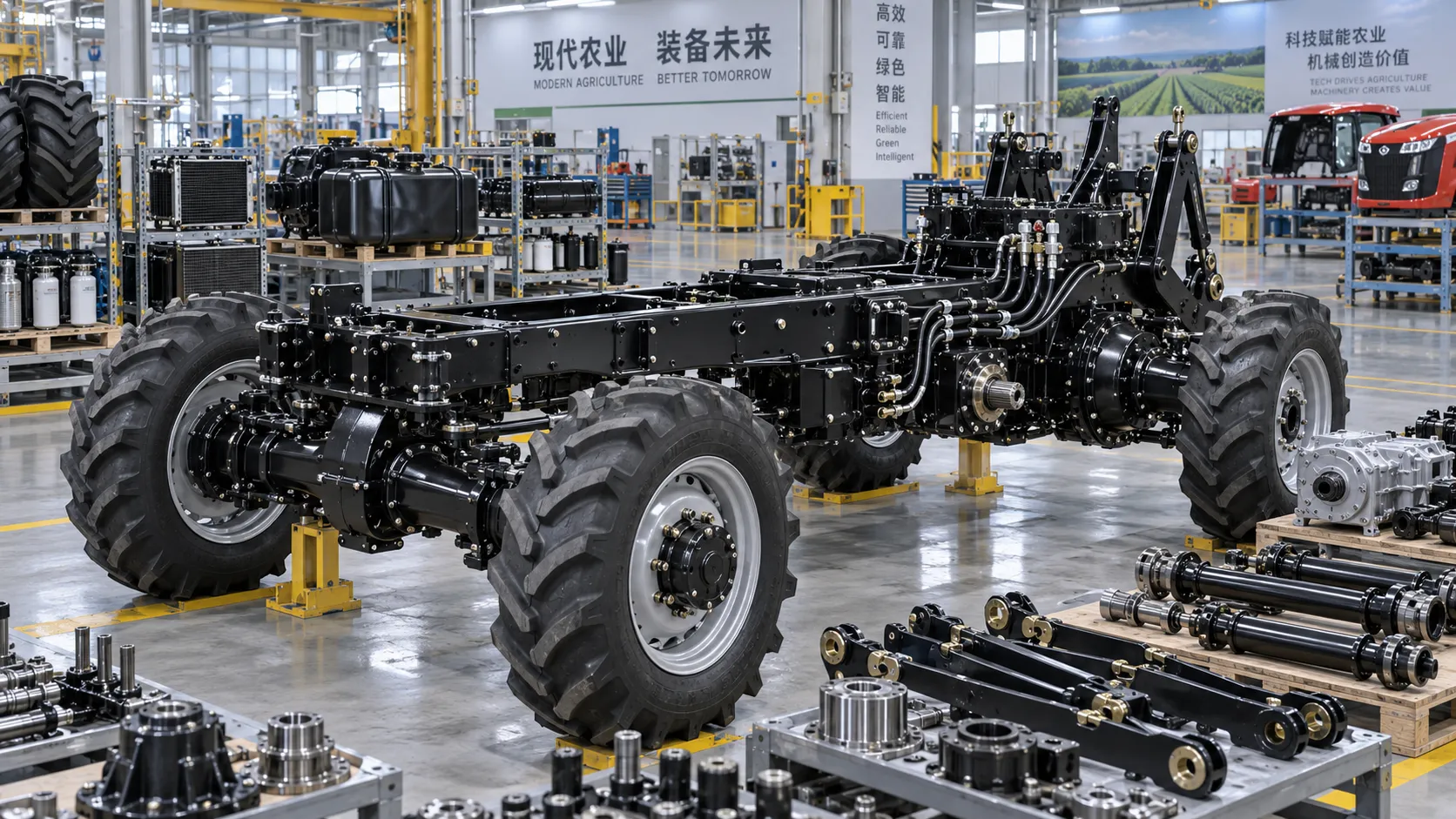
Tractor Chassis Price: What Buyers Should Compare Beyond the Initial Quote
Tractor chassis price is only the start. Compare load capacity, compatibility, durability, and lifecycle costs to choose a reliable, high-value chassis.
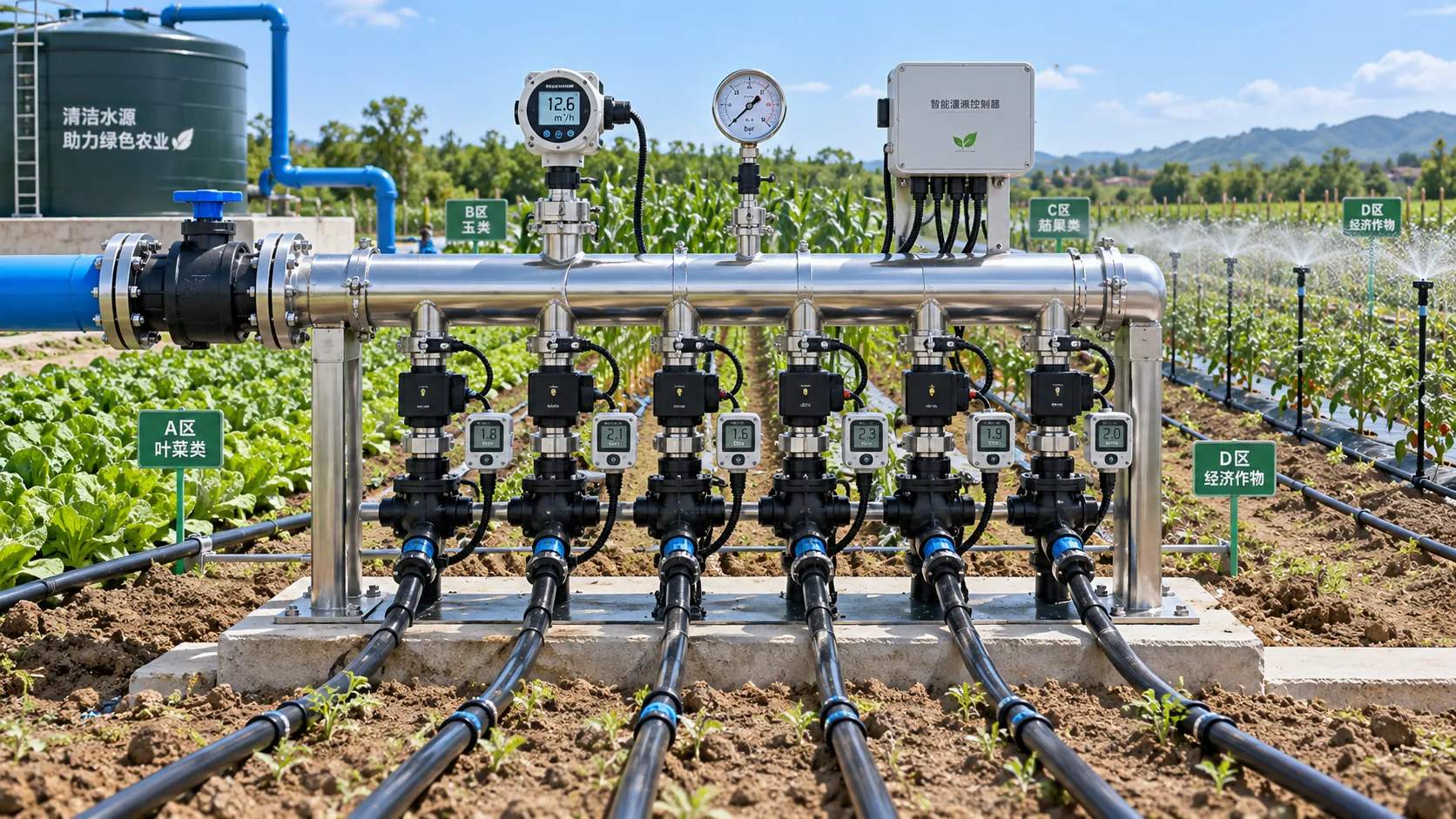
How to Select Smart Irrigation Valves for Multi-Zone Water Management?
Intelligent irrigation systems valves: learn how to match smart valves with multi-zone flow, pressure, control, feedback, and communication needs for reliable water management.
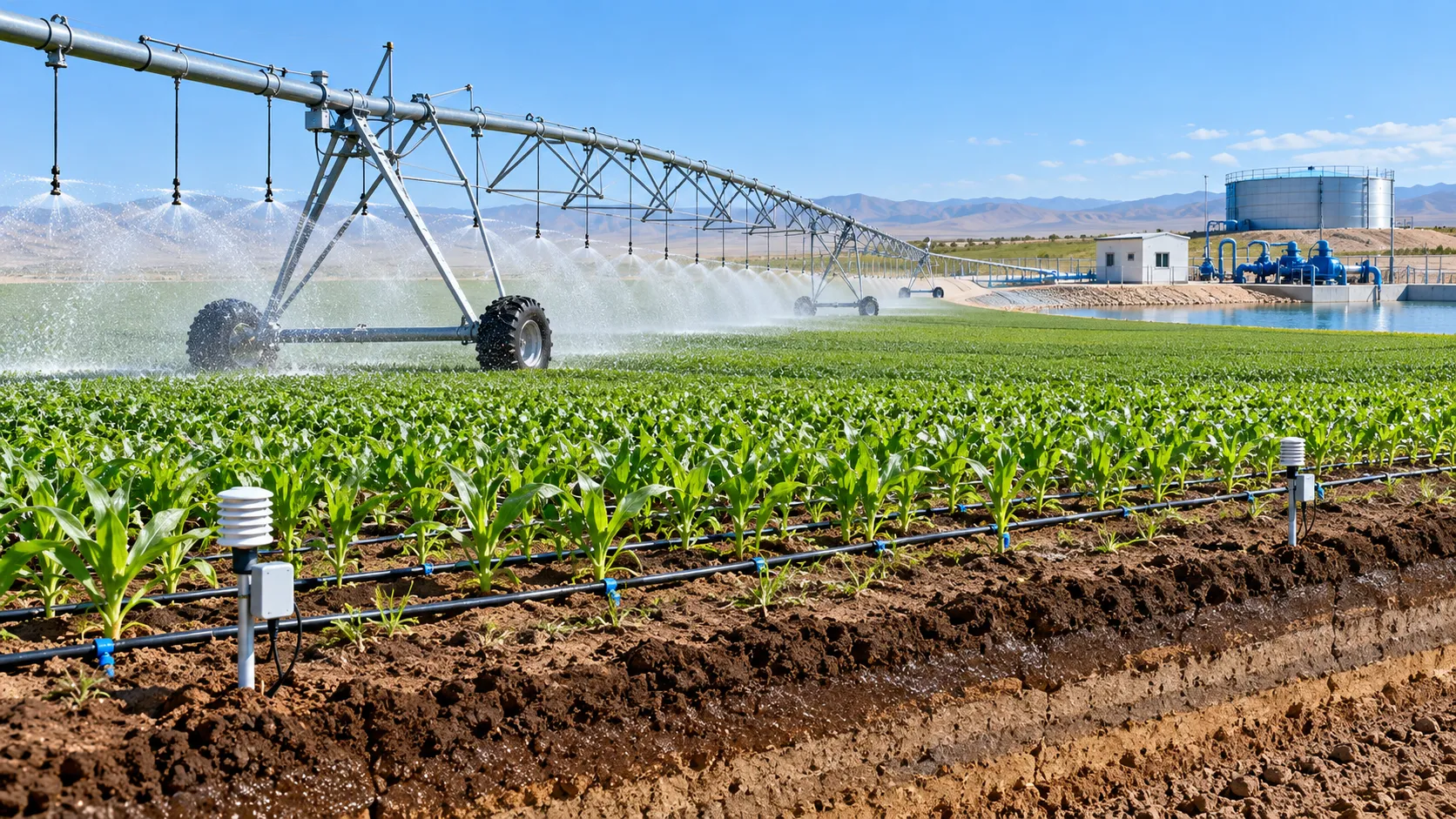
Climate-Smart Farming for Drought: A Practical Plan for Protecting Yields
Climate-smart farming for drought: build smarter water budgets, protect critical crop stages, improve irrigation uniformity, and safeguard yields with practical field-proven strategies.
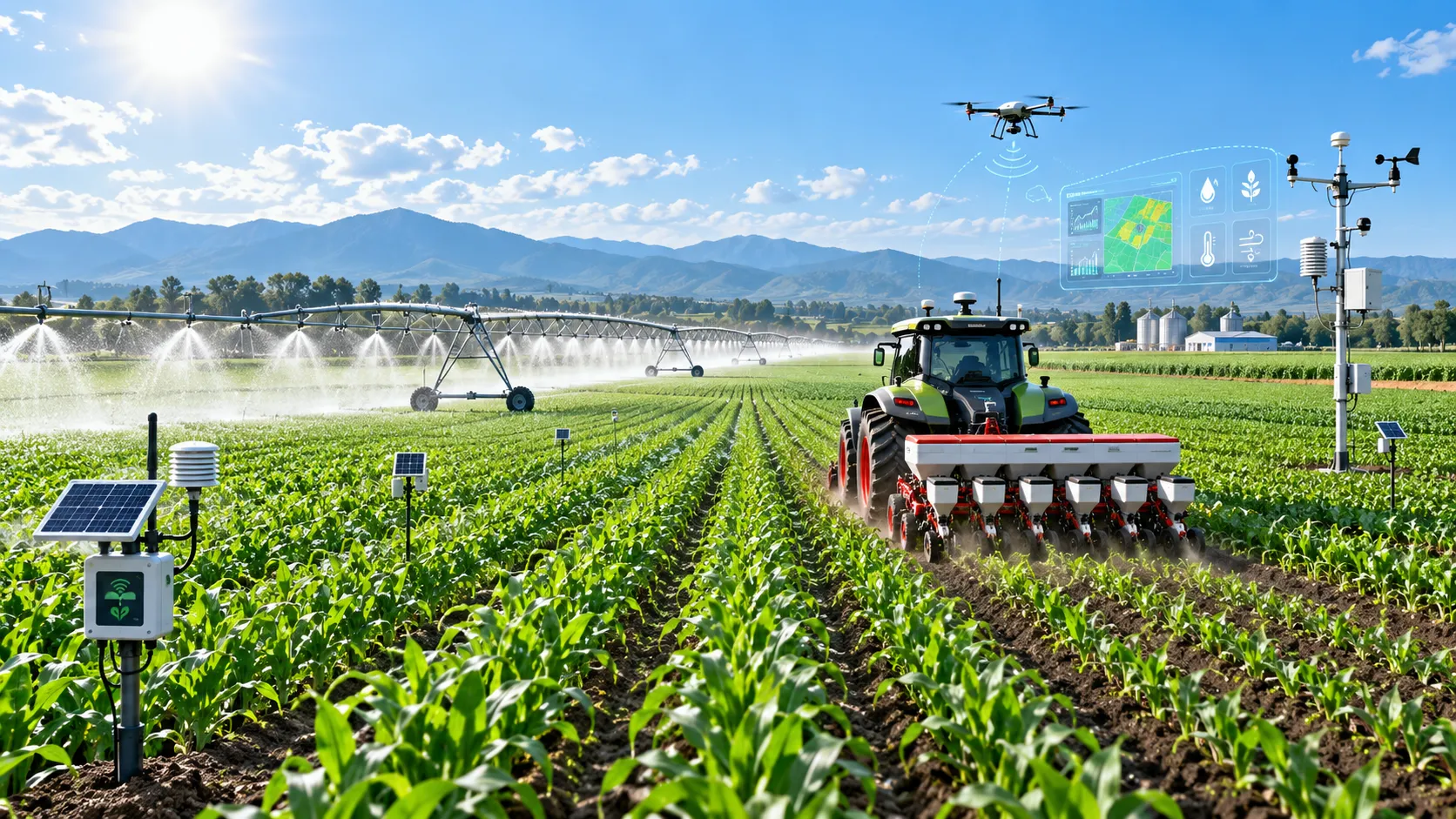
How Digital Agriculture Platforms Turn Field Data Into Better Input Decisions
Digital agriculture platforms turn field data into smarter fertilizer, water, seed, and equipment decisions—helping farms cut risk, improve margins, and scale sustainability.
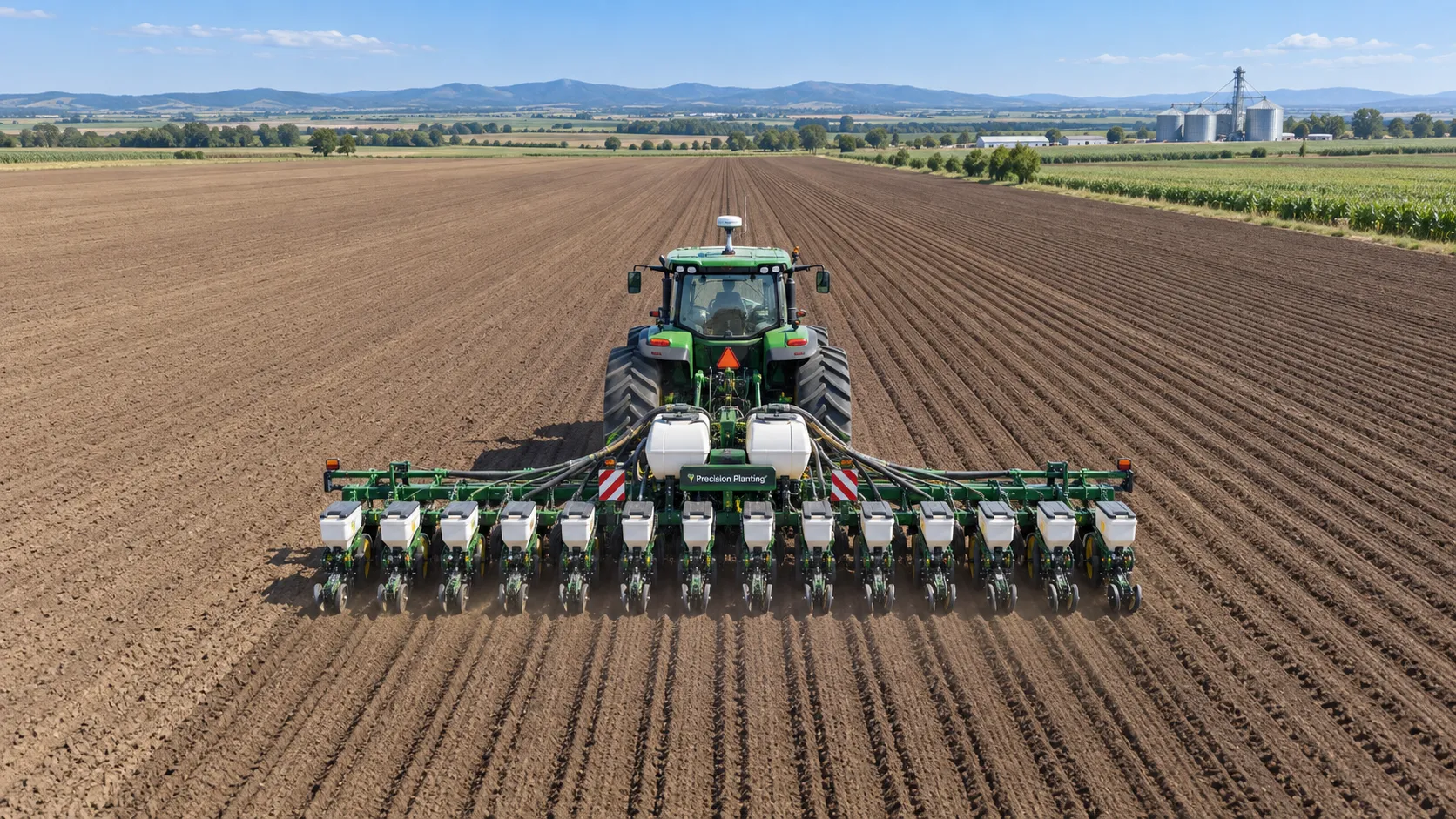
GPS-Guided Farm Machinery: Where It Delivers Measurable Field Efficiency Gains
Agri-mechanization GPS guided systems deliver measurable field efficiency gains through reduced overlap, precise planting, smarter inputs, and reliable farm data.
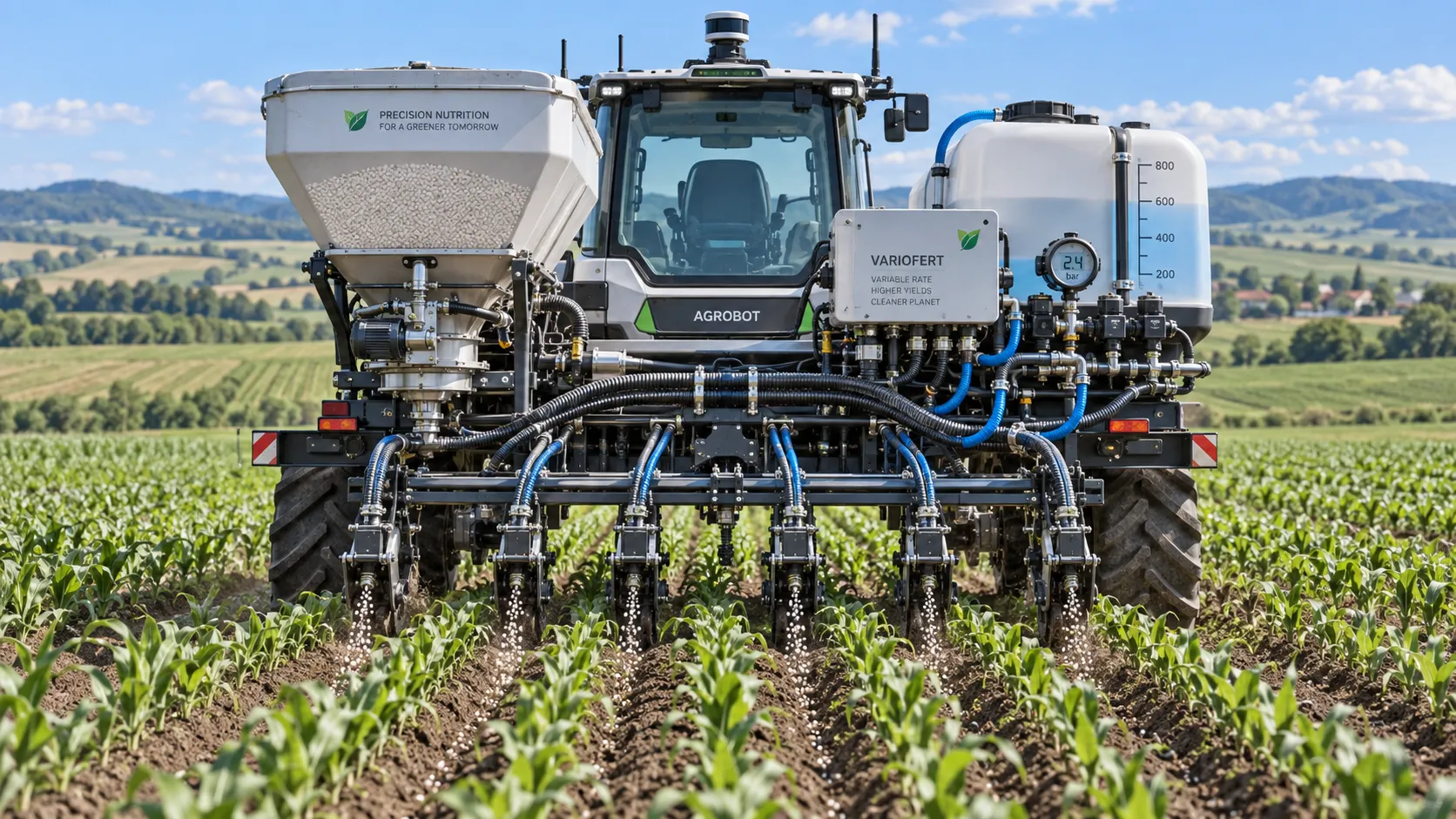
How Sensor Feedback Enables Accurate Variable-Rate Fertilization in Field Conditions
Precision fertilization systems with sensor feedback improve variable-rate accuracy by verifying flow, managing latency, and ensuring reliable field application.
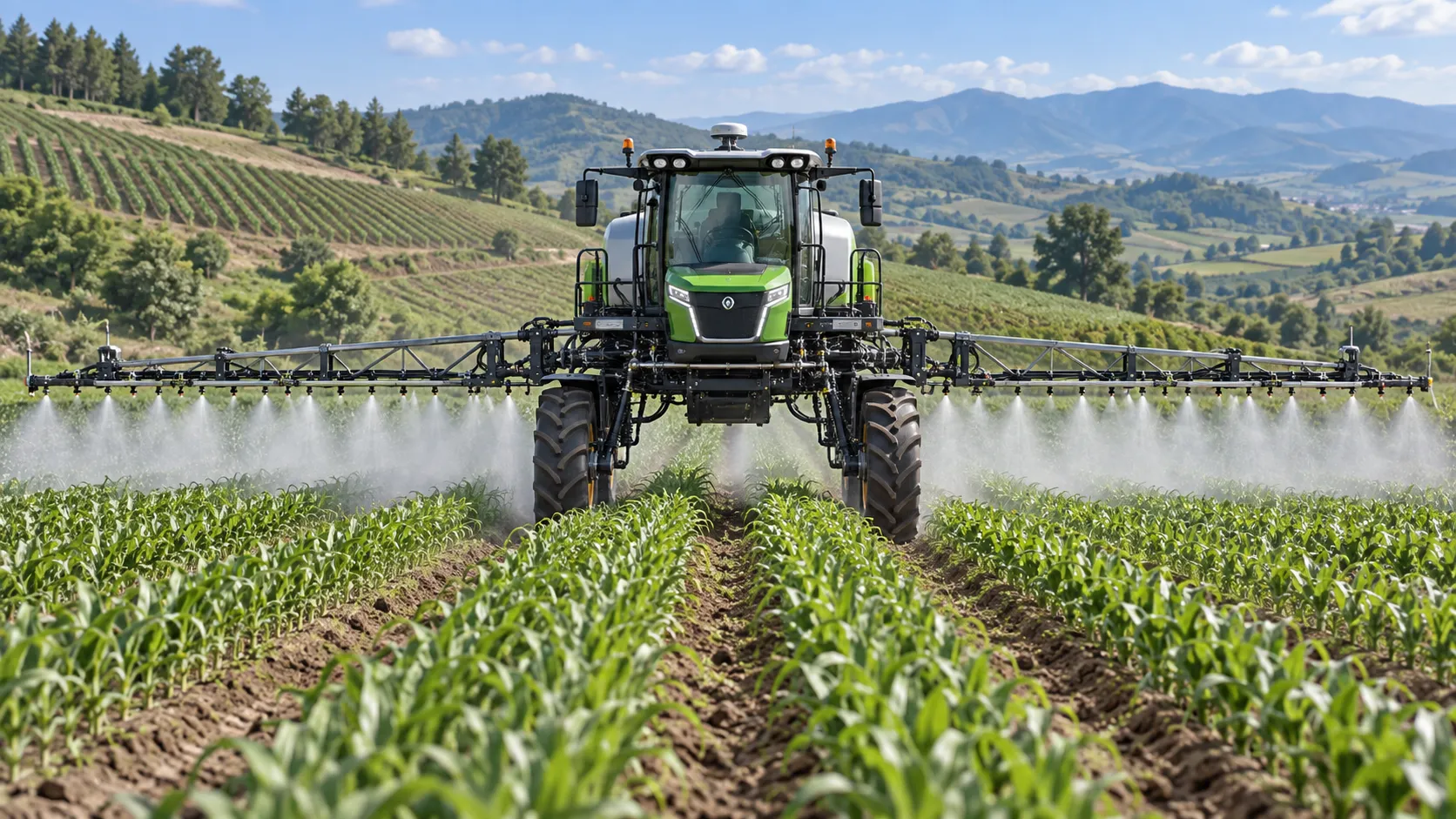
How to Select Precision Crop Protection Equipment for Variable Field Conditions
Precision crop protection equipment selection made simple: compare terrain, canopy, weather, control accuracy, and data workflows for reliable applications.
When Does Agricultural Machinery Leasing Cost Less Than Owning Equipment?
Agricultural machinery leasing can lower farm costs when use is seasonal or uncertain. Compare utilization, maintenance, cash flow, and risk to make a smarter equipment decision.
How to Evaluate Precision Fertilization System Suppliers for Farm-Scale Deployment
Precision fertilization systems suppliers: learn how to compare accuracy, integration, uptime, service, and total cost for confident farm-scale deployment.
Related News
- 00
0000-00
Orchard Water Management: Using Soil Moisture Data to Schedule Irrigation - 00
0000-00
Climate-Smart Farming for Drought: A Practical Plan for Protecting Yields - 00
0000-00
Selecting Real-Time Soil Moisture Sensors for Irrigation Zone Control - 00
0000-00
How Does Climate-Smart Farming Reduce Water Use in Semi-Arid Areas? - 00
0000-00
USDA Rule Takes Effect: Dual FCC and NRCS Approval for Soil Moisture Sensors
Popular Tags
Hydrological Resource Strategist
Weekly Insights
Stay ahead with our curated technology reports delivered every Monday.