
USDA Rule Takes Effect: Dual FCC and NRCS Approval for Soil Moisture Sensors
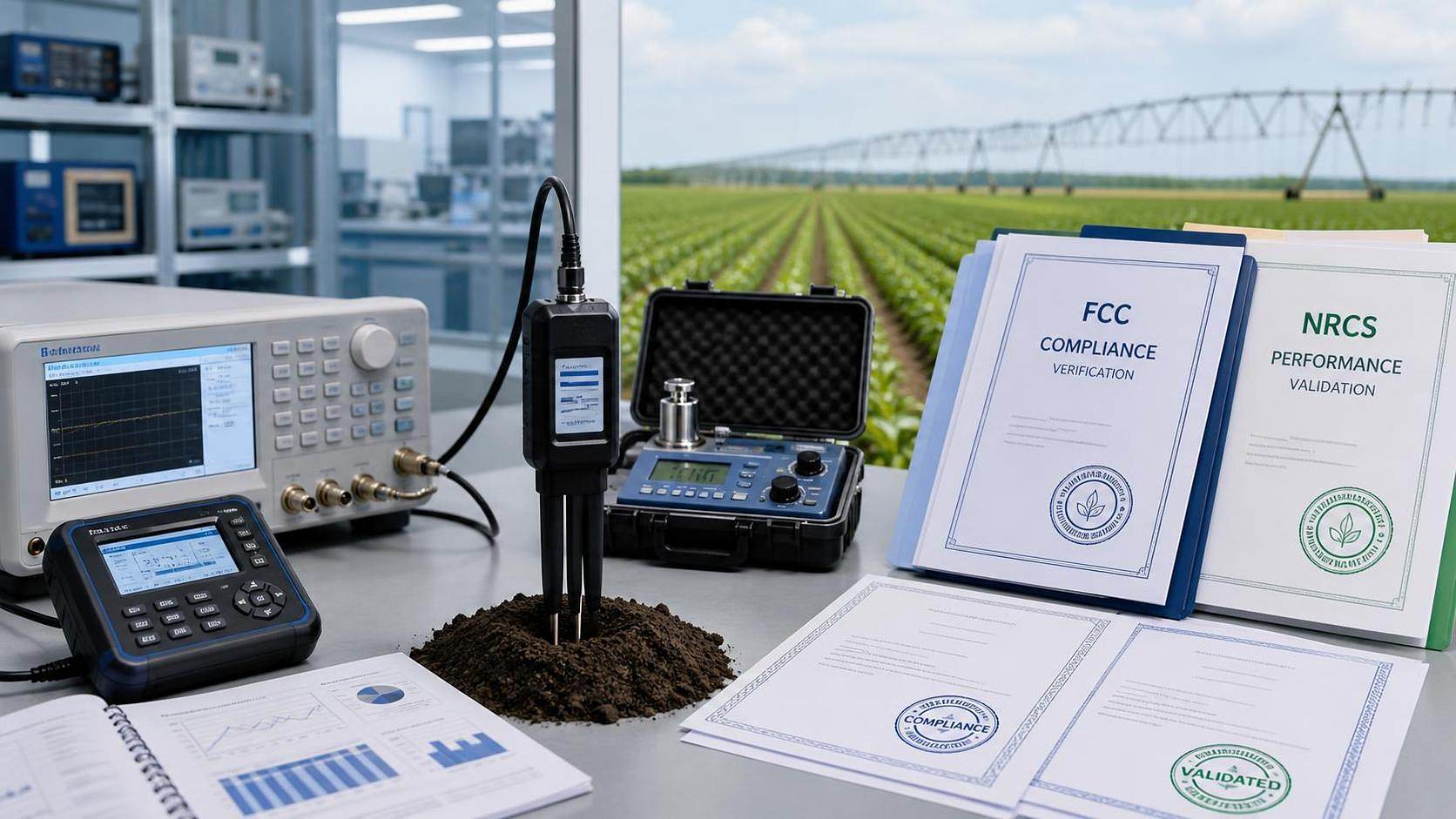




On August 7, 2026, a new U.S. market access requirement took effect for soil moisture sensors as the USDA's NRCS began implementing the Precision Irrigation Device Certification Rule. For exporters, importers, testing partners, and procurement teams involved in shipments to the United States, the change is worth close attention because market entry now depends on both radio compliance and field performance verification, with documentation expectations extending into customs clearance.
What the rule now requires
The confirmed change is that all soil moisture sensors entering the U.S. market must now meet two requirements at the same time: FCC radio-frequency compliance certification and performance verification under the latest NRCS Field-Verified Performance Protocol, version 3.2.
The rule was formally implemented by the Natural Resources Conservation Service, an agency under the USDA, on August 7, 2026. The information provided also states that importers must present a verification report issued by an NRCS-authorized laboratory before customs clearance.
The stated commercial effect is that this mandatory certification framework will affect delivery timelines and compliance costs for Chinese manufacturers exporting these products to the United States.
Where the commercial impact is likely to appear first
Export shipments now face a dual-gate compliance process
From an industry perspective, exporters of soil moisture sensors are likely to feel the change first because shipment readiness is no longer tied to a single certification track. The practical issue is not only whether a device has FCC compliance, but whether it also has the required NRCS performance verification in place before goods move into the U.S. market. What deserves closer attention is the sequencing of testing, file preparation, and shipment scheduling.
Importers need to treat verification reports as a pre-clearance document
For U.S.-bound import operations, the reported requirement to provide an NRCS-authorized laboratory report before customs clearance changes the documentation threshold. Observably, this raises the importance of document completeness at the point of import, not just at the point of product development or factory release. Importers and their logistics counterparts should therefore pay attention to whether compliance files are available in time to support customs procedures.
Manufacturers may need to reassess delivery and cost assumptions
Analysis shows that manufacturers supplying the U.S. market may need to revisit current assumptions on lead times and compliance budgeting. The confirmed information already indicates an effect on delivery cycles and compliance costs for Chinese producers. That does not by itself define the full scale of the impact, but it does suggest that product launch timing, customer commitments, and quotation validity may all require closer internal review.
Testing and certification service providers become more central to trade execution
For laboratories, certification advisers, and related service providers, the rule shifts part of the export process toward earlier technical verification. The key operational point is that compliance is no longer limited to radio certification alone; performance validation under NRCS protocol v3.2 now sits alongside it as a market-entry condition for the covered product category.
What companies should review now
Check whether existing U.S. compliance files are still sufficient
Analysis shows that companies already selling soil moisture sensors into the United States should review whether current approval packages cover both sides of the new requirement. FCC compliance by itself may no longer be enough for market access under the rule now in force.
Align testing schedules with shipping plans
What deserves closer attention is the interaction between testing timelines and outbound delivery commitments. Because the provided information points to both certification requirements and pre-clearance documentation, companies may need to examine whether production release, booking, and customs preparation are still aligned with customer delivery windows.
Recheck technical files and trade documents
Observably, the compliance burden is not limited to testing itself. Exporters and importers should closely review technical documentation, verification reports, and trade paperwork connected to U.S. shipments. Since the available information does not provide further procedural detail, this should be understood as a document-readiness issue that requires continued attention rather than as a fully defined execution checklist.
Watch for how buyers and channel partners update their requirements
From an industry perspective, procurement teams, distributors, and project buyers may start reflecting the new rule in purchasing terms, vendor qualification reviews, or delivery conditions. The input does not confirm how quickly this will happen, so companies should treat it as an execution signal to monitor rather than an already uniform market response.
Why this looks more like an execution signal than a distant policy notice
Observably, this development is better understood as a rule already in force rather than a draft-stage policy discussion. The implementation date is explicit, and the compliance expectation is tied to both certification and customs documentation. At the same time, analysis shows that the market still needs to watch how the requirement is applied in practice, especially around certification workflow, document handling, and buyer-side adoption of the new threshold.
It is more appropriate to understand this as a concrete compliance tightening for a defined product category, with some operational details still requiring continued observation through actual trade execution and market feedback.
How the market should read this change
In practical terms, the August 7, 2026 rule change raises the entry requirements for soil moisture sensors going into the U.S. market by combining FCC compliance with NRCS performance verification. For the supply chain, the immediate relevance lies in certification sequencing, customs documentation, delivery planning, and cost control.
A measured reading is that this is an implemented market-access change with direct implications for exporters and importers, but not yet a basis for broad claims beyond the facts provided. The most reasonable current interpretation is that companies should treat it as an active compliance requirement and continue monitoring how execution standards develop in day-to-day trade and procurement activity.
Basis of this article and what still needs verification
This article is generated from the user-provided news title, event date, and event summary. For developments of this kind, relevant source categories usually include official notices, regulator publications, customs or trade administration information, industry association updates, standards documents, and reporting from established trade media.
No specific official source link was provided in the input, so the underlying official publication path still needs to be verified on an ongoing basis. Further observation is also needed on implementation detail, certification interpretation, procurement document changes, market feedback, and how companies carry the requirement into actual export and import operations.
Related News
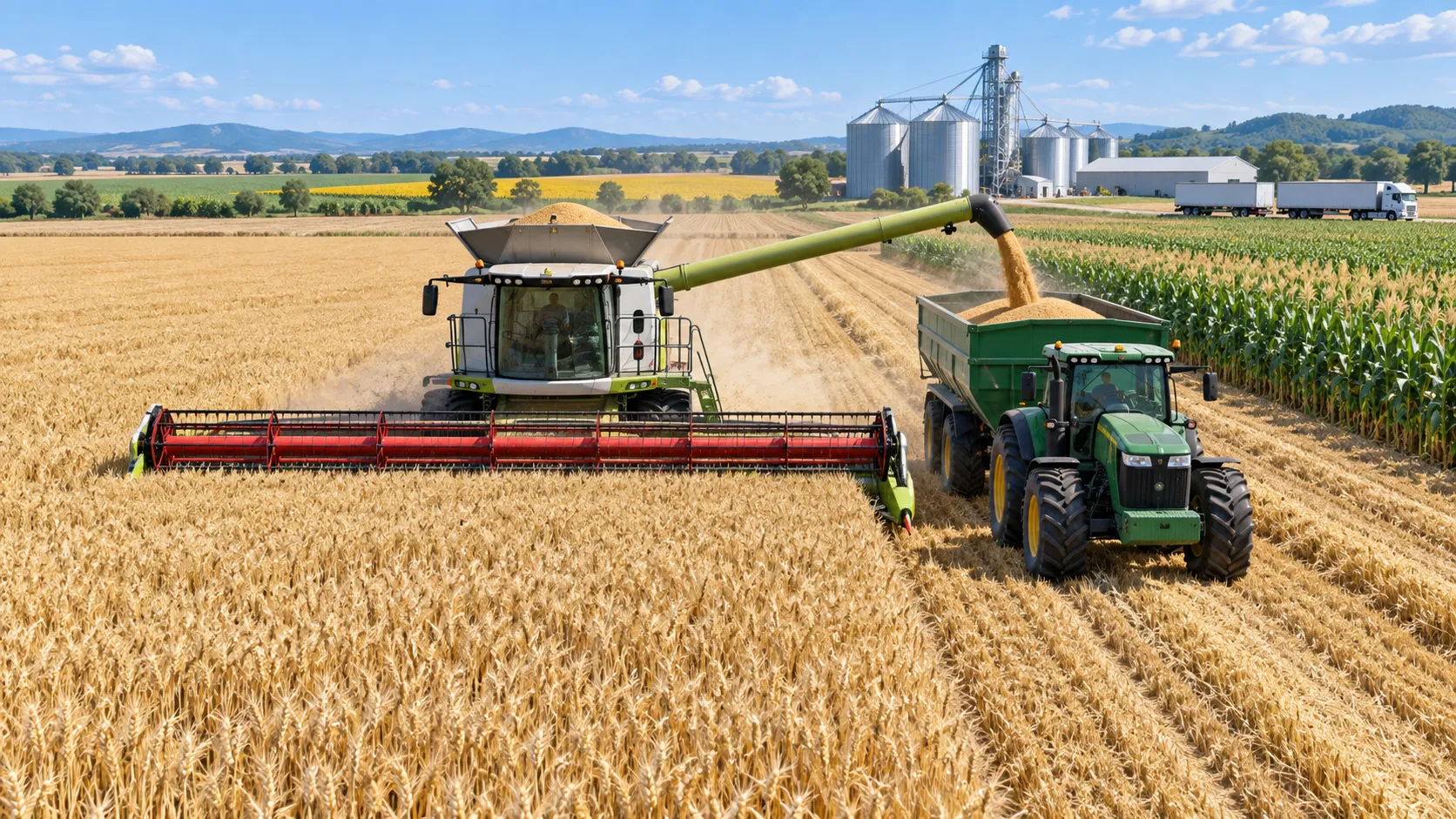
Selecting Grain Farm Equipment by Acreage, Crop Mix, and Harvest Window
Agricultural equipment selection for grain farming: match machinery to acreage, crop mix, and harvest windows to improve uptime, efficiency, and returns.
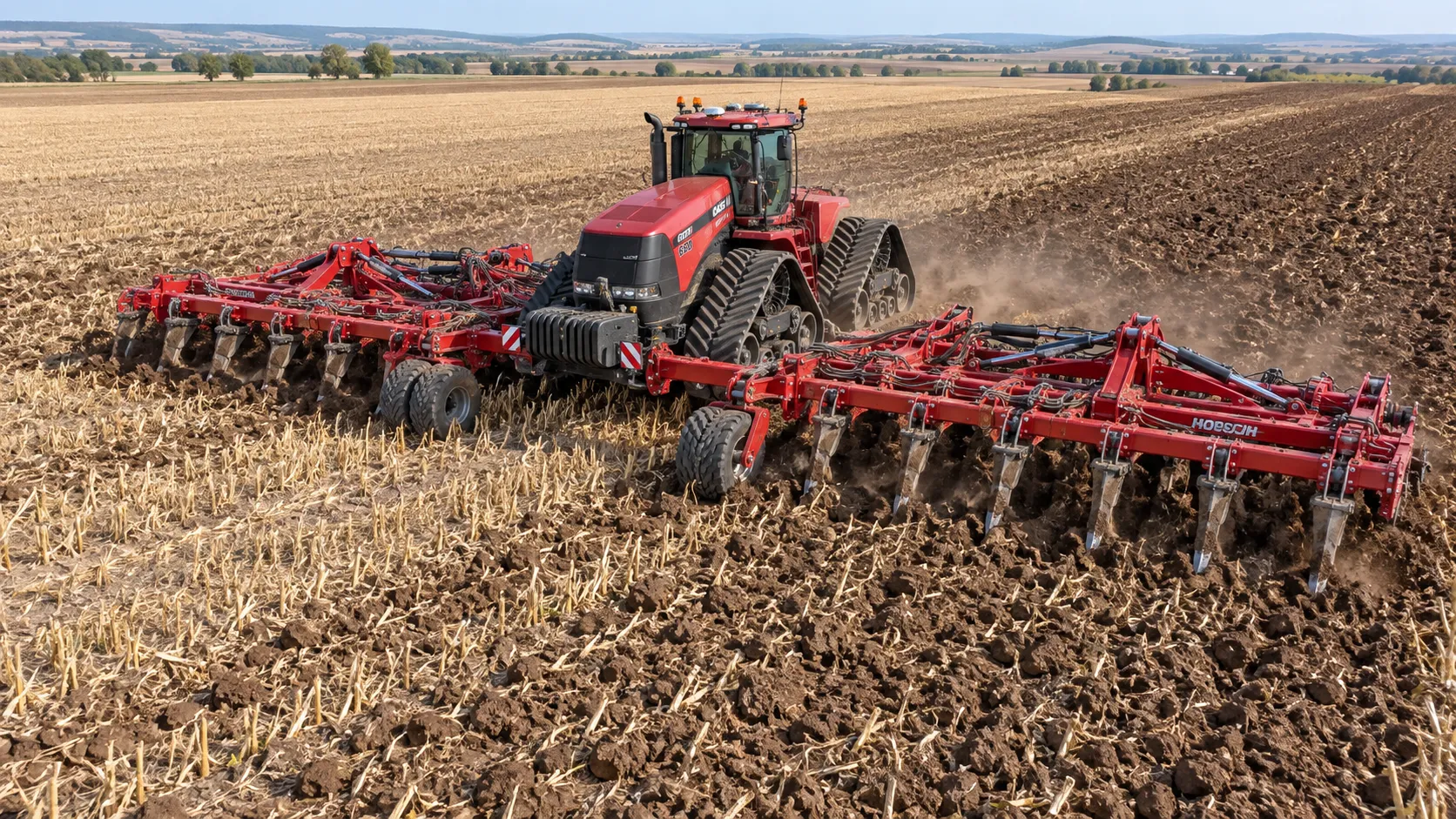
How to Select Heavy-Duty Farm Implements for High-Acreage, High-Horsepower Operations
Heavy duty farm implements: learn how to match draft, hydraulics, hitch capacity, frame strength, and field conditions for reliable high-acreage performance.
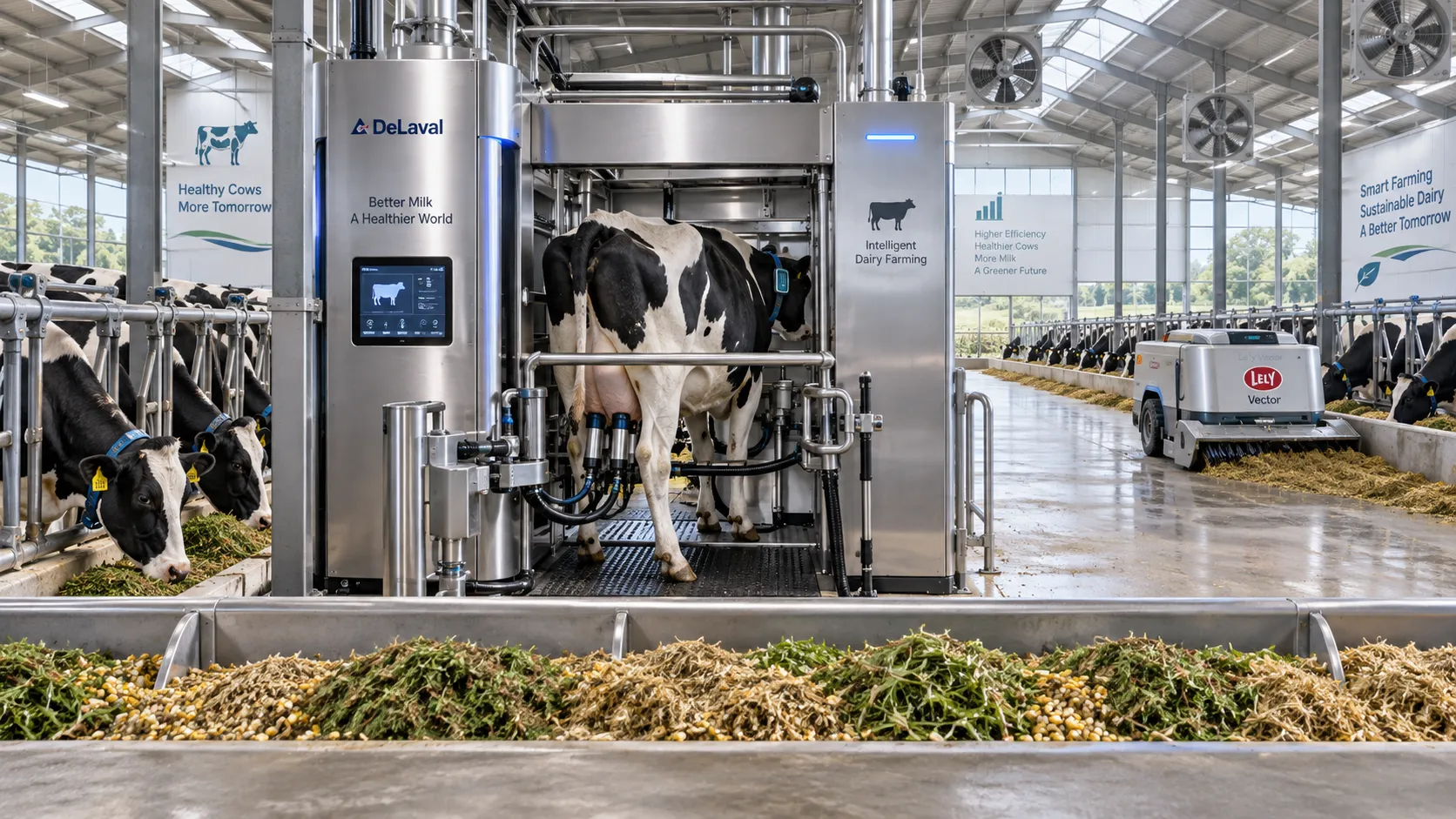
Smart Farming Technology for Dairy Farms: Where Automation Delivers Measurable ROI
Smart farming technology for dairy farms delivers measurable ROI through automation, precision feeding, health monitoring, and data-driven cost control.
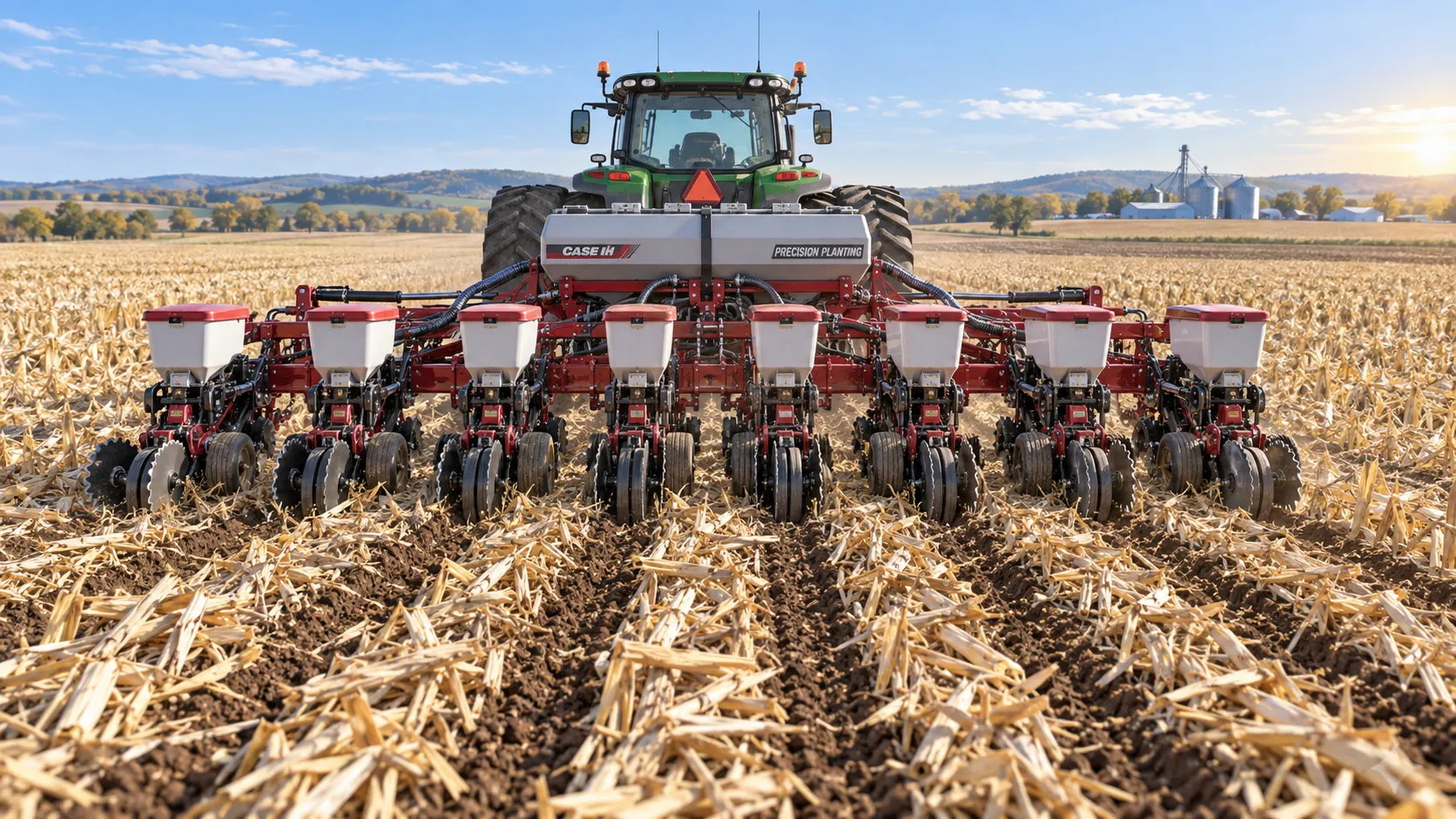
How to Select a Heavy-Duty Seeder for Large Acreage and High-Residue Fields
Heavy duty seeders for large acreage: compare residue handling, depth control, downforce, metering accuracy, and precision features to select the right model.
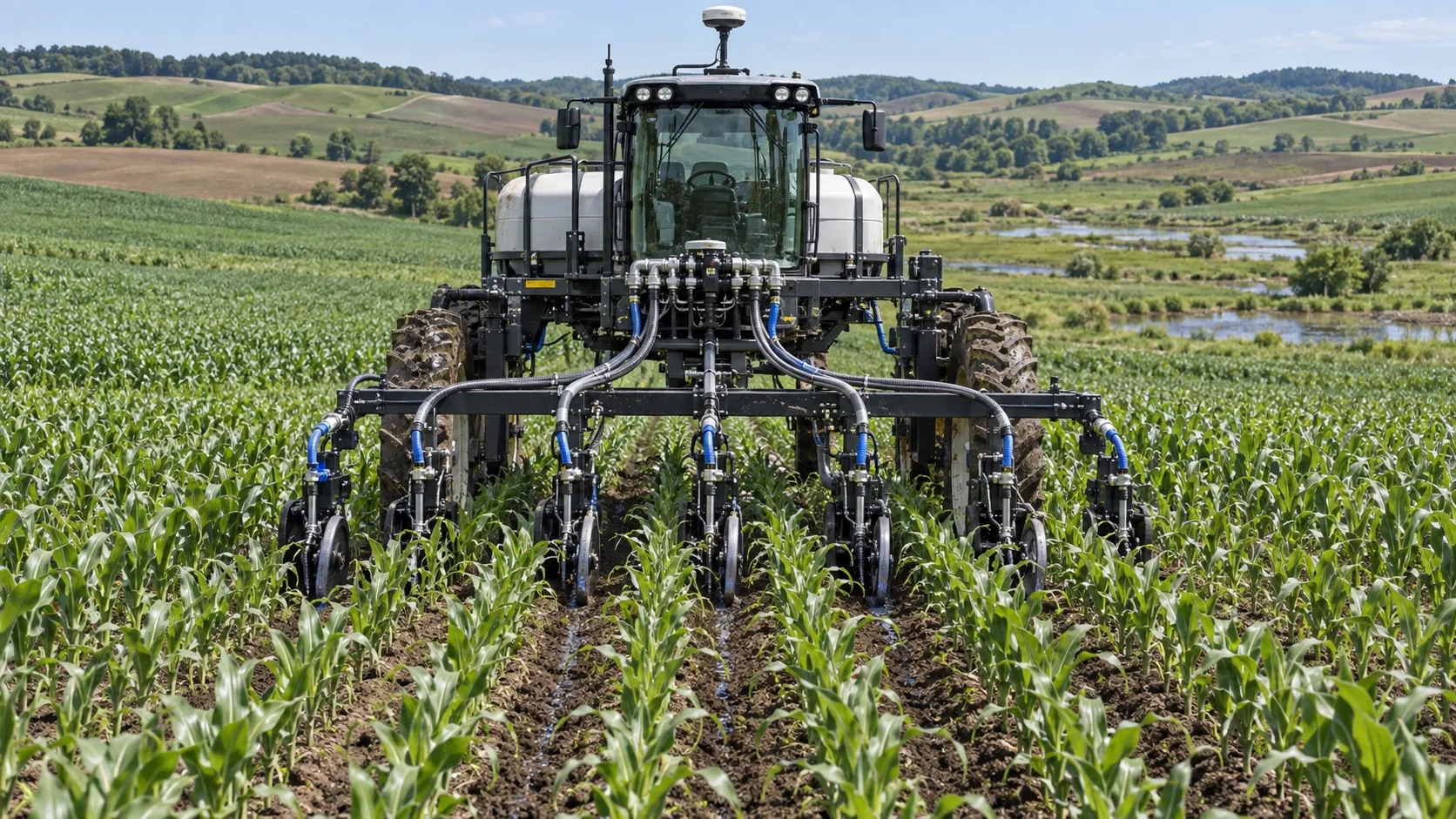
How to Select a Precision Fertilization System for Variable Corn Field Conditions
Precision fertilization systems for corn farming: learn how to match data, placement, control accuracy, and ROI to variable field conditions for better results.
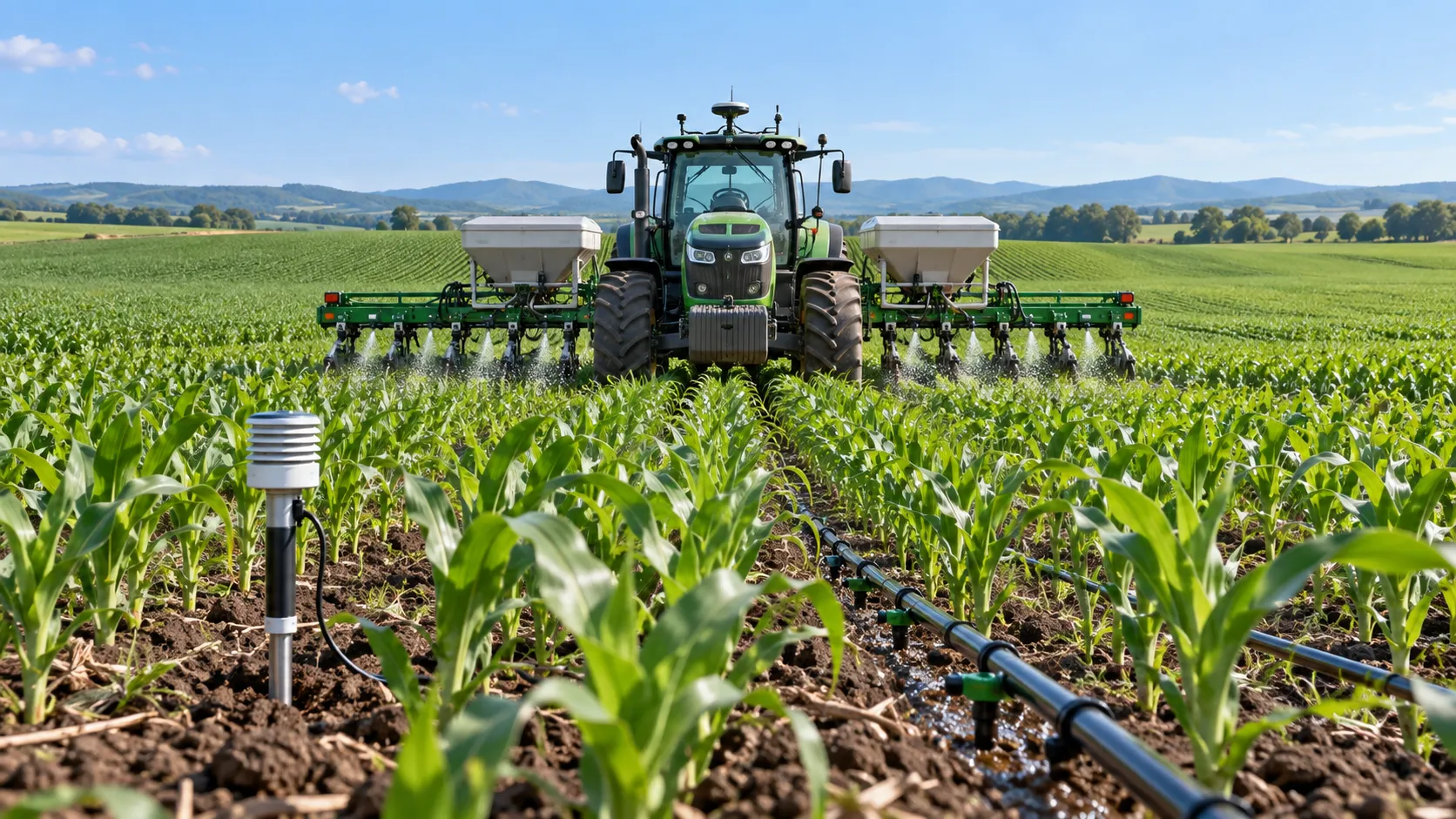
Selecting Precision Farming Products by Application: Field Conditions, Crops, and ROI
Application-based product selection for precision farming: match technology to field conditions, crops, machinery, and ROI for smarter, reliable farm investments.
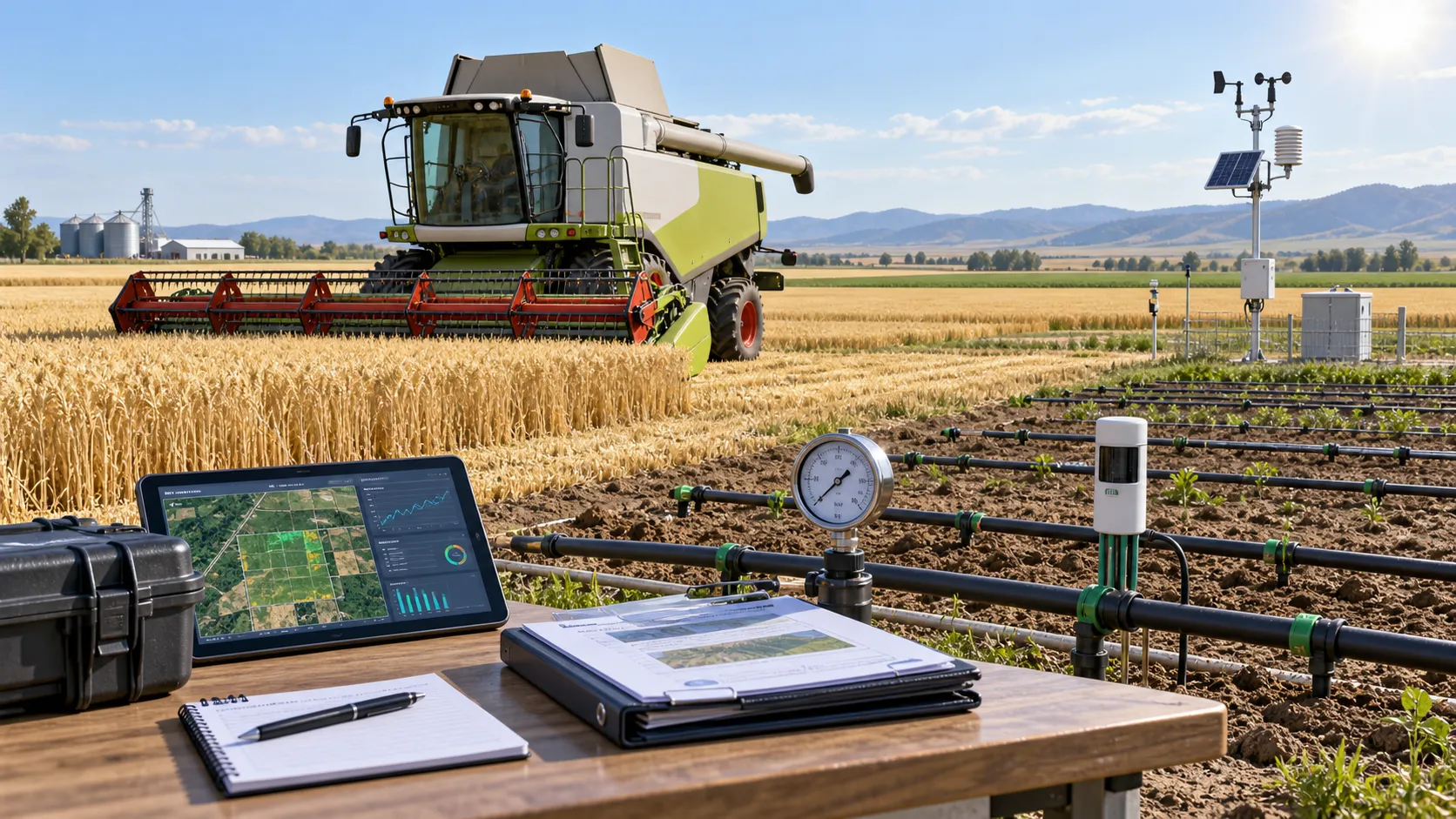
How to Evaluate Agricultural Product Information Sources for Reliable Farm Decisions
Agricultural product information reference guide: evaluate reliable farm data, verify claims, and make smarter machinery, irrigation, and crop decisions.
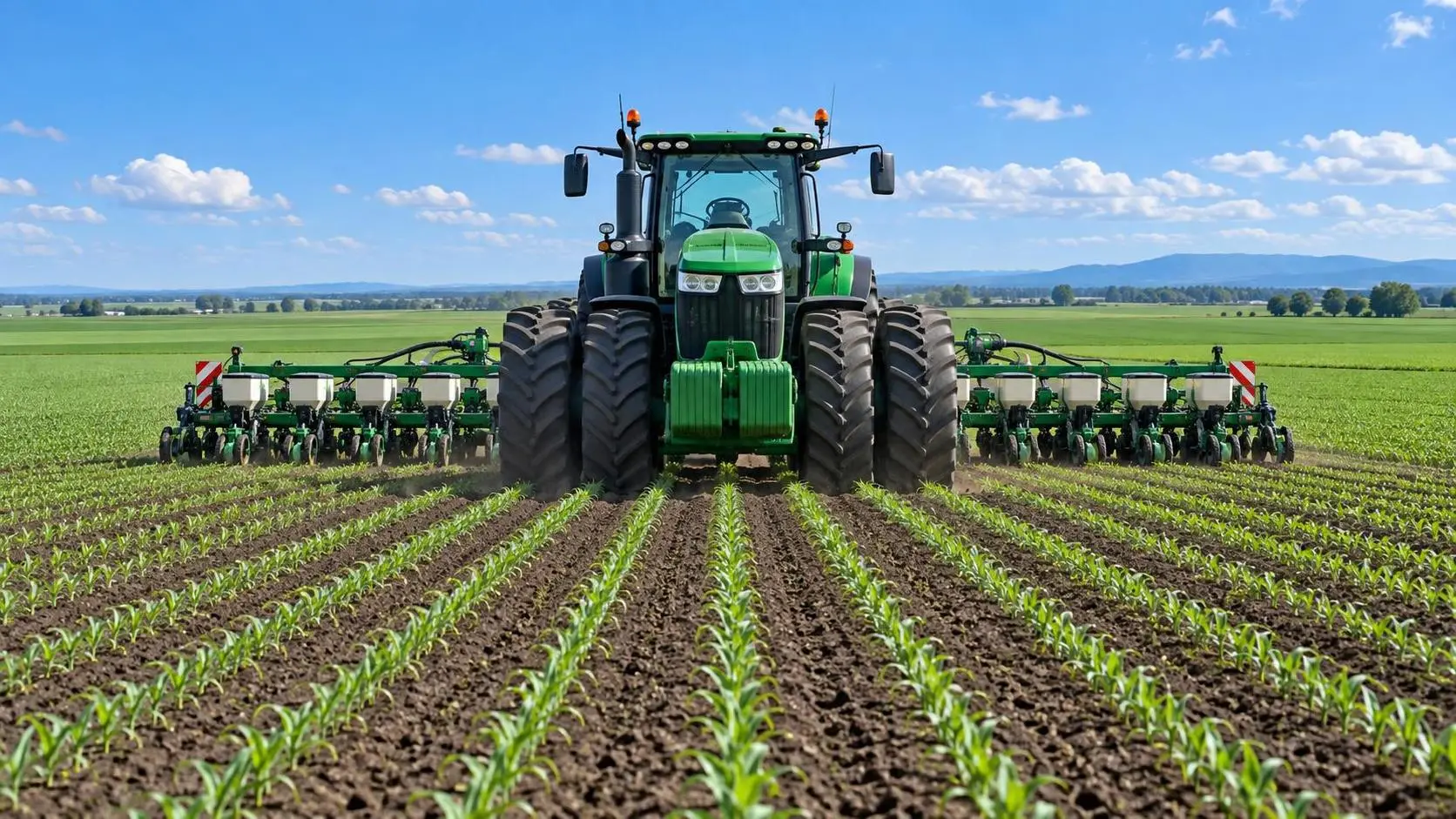
Farm Machinery Guide: Matching Tractor Horsepower and Implements to Farm Size
Farm machinery guide for tractors: match horsepower, implement width, hydraulics, traction, and fleet capacity to farm size for lower costs and reliable field performance.
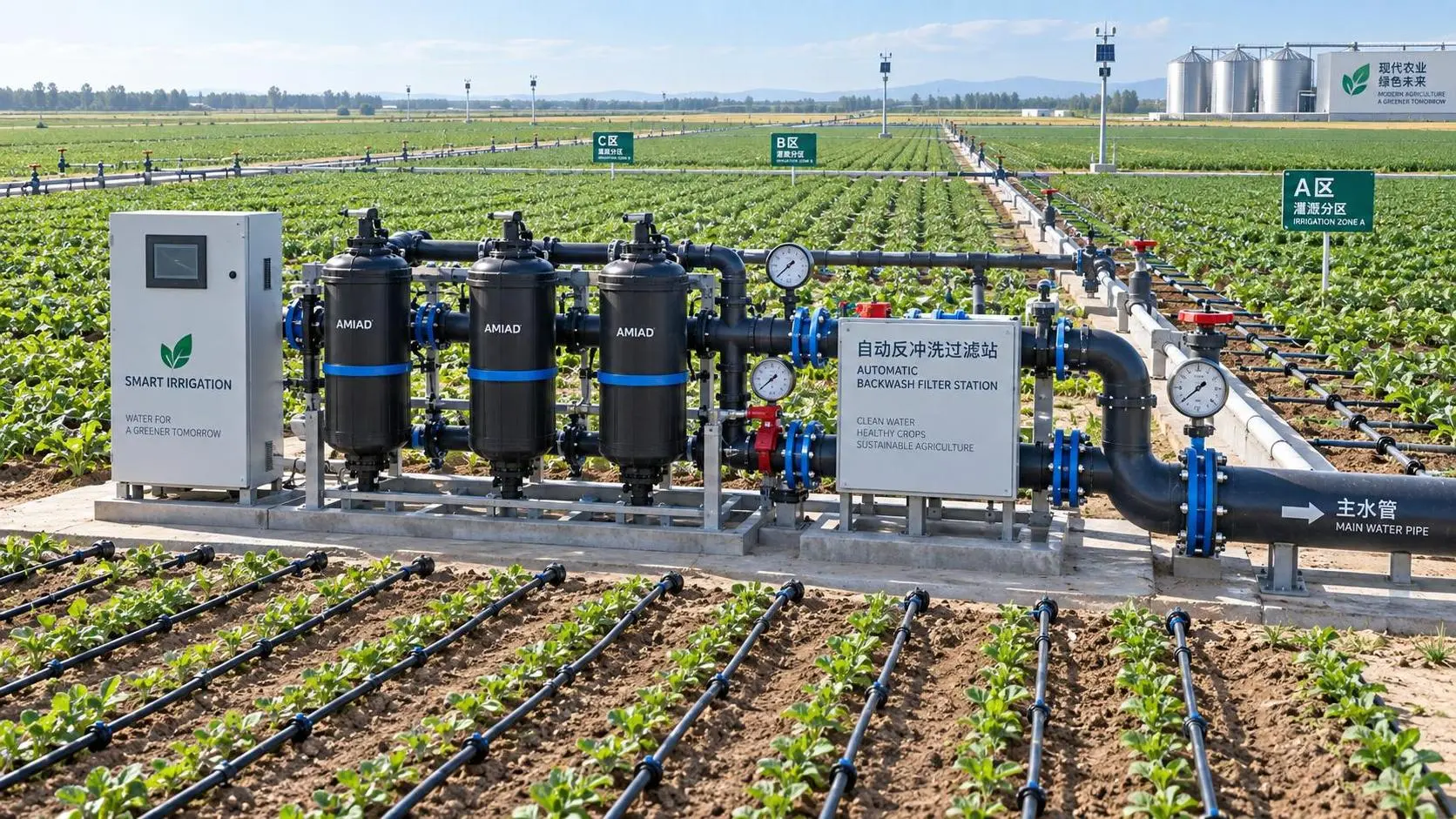
How to Evaluate Drip Irrigation System Manufacturers for Large Farm Projects
Drip irrigation systems manufacturer evaluation guide for large farms: compare hydraulic design, filtration, quality control, scalability, delivery, and support.
Related News
- 00
0000-00
Selecting Real-Time Soil Moisture Sensors for Irrigation Zone Control - 00
0000-00
How Does Climate-Smart Farming Reduce Water Use in Semi-Arid Areas? - 00
0000-00
USDA Rule Takes Effect: Dual FCC and NRCS Approval for Soil Moisture Sensors - 00
0000-00
EU Rule Takes Effect: Soil Moisture Sensors Need Revised CE-EMC Certification - 00
0000-00
How to Choose Wireless Smart Irrigation Systems for Better Water Control
Popular Tags
Hydrological Resource Strategist
Weekly Insights
Stay ahead with our curated technology reports delivered every Monday.