
Selecting Grain Farm Equipment by Acreage, Crop Mix, and Harvest Window




Selecting Grain Farm Equipment by Acreage, Crop Mix, and Harvest Window
Effective agricultural equipment selection for grain farming is rarely solved by comparing horsepower, header width, or purchase price in isolation. A machine can look efficient on a dealer specification sheet and still become the wrong investment once it meets short harvest windows, uneven field blocks, mixed crops, limited labor, or a local service network that cannot supply parts when weather finally turns favorable.
For procurement teams, the central question is not “What is the largest machine we can afford?” It is “What fleet can complete the critical operations at the right time, with acceptable grain loss, manageable operating cost, and enough resilience when one machine is down?” That distinction matters most in grain production, where a few delayed days can affect crop condition, drying requirements, field traffic, and the next planting schedule.
A practical equipment plan should begin with acreage, but it should not end there. Crop rotation, field geography, soil carrying capacity, storage logistics, operator skill, and the usable number of harvest days all influence the right tractor, combine, header, grain cart, planter, sprayer, and precision-farming package.
Acreage Is a Starting Point, Not a Fleet Specification
Farm size is usually the first filter because it determines the broad scale of machinery. Yet total hectares or acres can be misleading. A farm operating in several large, contiguous blocks has a very different machinery requirement from one with the same area divided among small, distant, irregular fields. Road travel, trailer moves, narrow gates, bridges, and time spent opening fields all reduce the productive hours that brochure capacity calculations tend to assume.
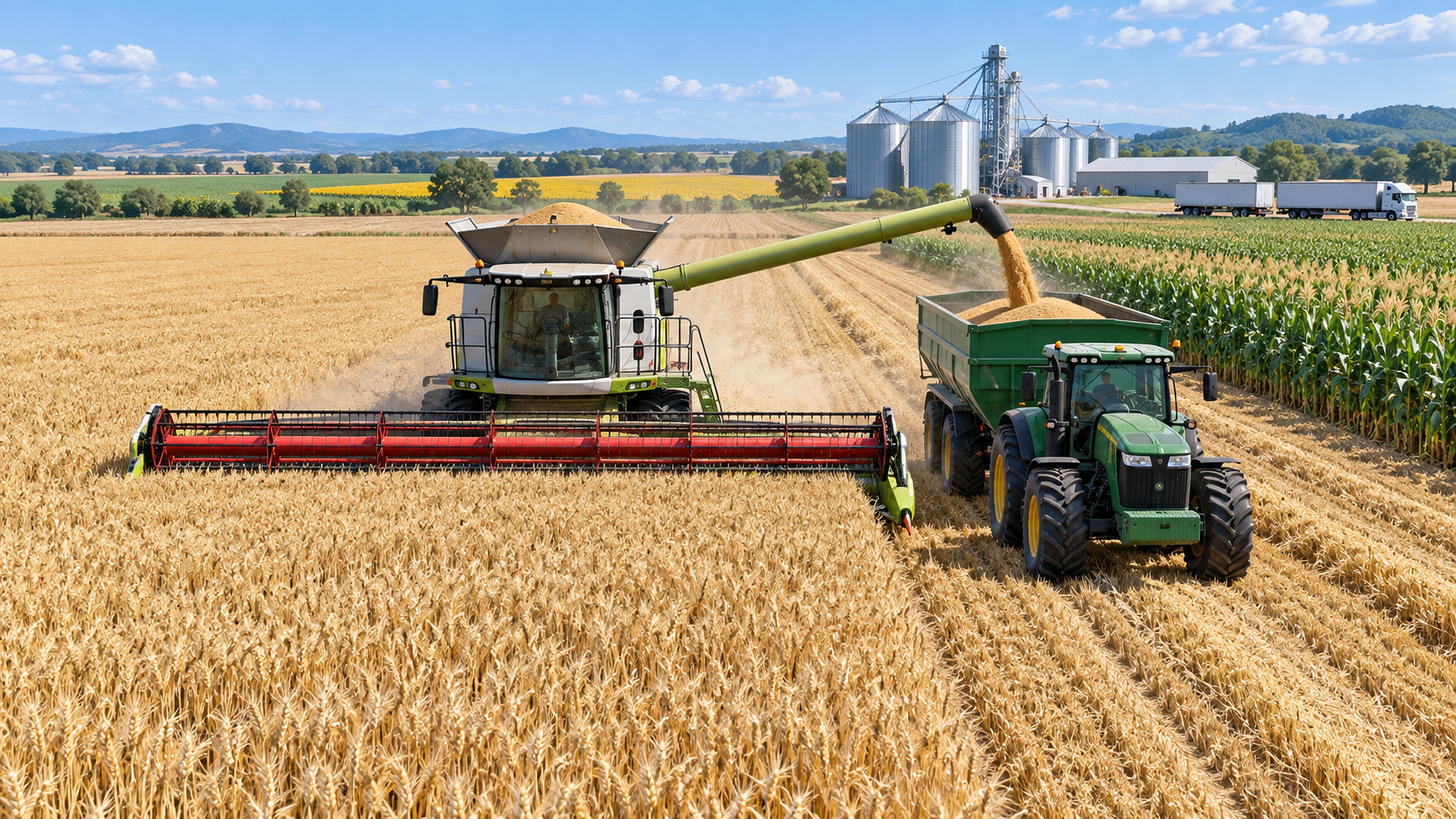
When evaluating capacity, use realistic field time rather than theoretical maximum output. The useful question is how many acres the machine can consistently complete in the actual workday after fueling, unloading, turning, weather interruptions, transport, operator breaks, and routine adjustments. For combines, unloading logistics are especially important. A high-capacity harvester loses its advantage when it must stop repeatedly because the grain cart, truck, or storage intake cannot keep pace.
Small and mid-sized grain operations often make one of two opposite mistakes. Some buy too little capacity and then depend on an unusually long stretch of good weather. Others buy a large primary machine that sits underutilized for most of the year but still requires finance cost, insurance, maintenance, and trained labor. The better choice is often a balanced fleet: sufficient capacity for the deadline, with well-matched support equipment and access to rental, custom harvesting, or dealer backup where those arrangements are genuinely dependable.
Crop Mix Changes the Meaning of “Versatile”
A combine or tractor that performs well in one crop is not automatically the economical answer for a diverse rotation. Wheat, maize, soybeans, rice, rapeseed, barley, and other grains place different demands on feeding, threshing, separation, cleaning, residue handling, headers, and moisture management. The purchase decision should be based on the most operationally demanding crop and period—not merely the crop with the largest planted area.
For example, a grain farm with predominantly cereals but a smaller soybean area may need a flex-capable header arrangement and careful attention to low cutting performance. A corn-heavy program should examine corn head configuration, stalk residue distribution, tire or track choices, and the downstream requirement for tillage or strip-till. In wet or lodged cereals, feederhouse capacity, header control, ground clearance, and cleaning adjustment range can be more consequential than headline engine output.
“Multi-crop” should therefore be treated as a verification task, not a marketing label. Ask what components are changed between crops, how long the conversion takes, whether the farm has space and handling equipment for spare headers, and how often settings must be recalibrated. A machine that requires extensive conversion in the middle of a compressed harvest may be technically versatile but operationally inconvenient.
The same principle applies to tractors. A heavy draft tractor may be ideal for deep tillage or large air seeding equipment, but oversized power can be inefficient for lighter spraying, mowing, grain handling, and road travel. Many fleets work better with a high-utilization primary tractor and a smaller utility unit than with one expensive machine attempting every job. The correct balance depends on whether operations overlap: planting, fertilizing, spraying, forage work, and hauling can all compete for the same tractor at the busiest point in the season.
Build the Harvest Plan Around the Narrowest Weather Window
Harvest timing should carry more weight in agricultural equipment selection for grain farming than it often does in initial procurement discussions. The usable harvest window is not the number of calendar days between crop maturity and the next field operation. It is the smaller number of days when crop moisture, weather, soil conditions, labor, transport, and machine availability align.
A procurement team should map this window crop by crop. Identify which fields mature together, which crops become vulnerable to shattering, lodging, weather damage, or quality loss, and whether late harvesting will interfere with winter crop establishment. If several crops reach their ideal timing simultaneously, a single combine may become a bottleneck even if its average annual utilization appears reasonable.
There is also a less obvious issue: harvest capacity does not end at the combine. Grain carts, trucks, trailers, dryers, storage intake, aeration, and personnel must be sized as one flow system. If wet grain must be dried, the dryer and handling system can become the real limiting factor. Running a combine at maximum output only to queue grain at the yard may increase handling stress without protecting crop quality.
For farms in regions where rain, high humidity, or soft soils frequently interrupt harvest, mobility deserves explicit review. Track systems, tire selection, flotation, axle loading, and soil compaction risk should be assessed against actual field conditions. A heavier machine may cover more ground in ideal conditions but become difficult to operate when the season turns wet. The answer is not always tracks; it is an honest comparison of bearing capacity, maintenance needs, road use, transport rules, and field recovery consequences.
Match Tractor Power to Draft, Hydraulics, and the Chassis Beneath It
Tractor selection is frequently reduced to horsepower. That shortcut overlooks the chassis, transmission, hydraulic flow, ballast strategy, tire configuration, and implement match that determine whether power reaches the ground efficiently. A tractor can have adequate engine output and still underperform if hydraulic demand exceeds available flow, the transmission ratios do not suit the task, or wheel slip rises in difficult soil.
Start with the implements that create the highest sustained load: primary tillage, high-capacity seeders, grain carts, manure or fertilizer applicators where relevant, and heavy transport. Review their draft requirement, PTO need, hydraulic circuits, electrical connections, hitch category, and axle-load implications. Then consider whether these jobs occur under conditions that require low ground pressure, high traction, or precise travel-speed control.
Transmission choice deserves a practical test, particularly for farms shifting between field work and road transport. The best option is not necessarily the most sophisticated. It is the one that gives operators repeatable speed control, suits the duty cycle, can be serviced locally, and does not add complexity the farm cannot support. In large-scale fleets, standardized controls and common diagnostic platforms can reduce training friction and simplify spare-parts planning.
AP-Strategy’s coverage of tractor chassis, harvesting systems, and precision-agriculture tools points to a useful procurement lesson: machine performance is increasingly shaped by the interaction of mechanics and data. However, a sophisticated guidance or telemetry package should not be purchased simply because it is available. It must fit the farm’s data workflow, correction-signal access, operator capability, and agronomic decision process.
Precision Tools Should Solve a Specific Field Problem
Auto-steering, section control, variable-rate capability, yield mapping, machine telematics, and moisture monitoring can be valuable additions to a grain fleet. Their value varies widely, though. On large fields with repeated passes and costly overlaps, guidance and section control may have a clear operational case. On fragmented farms, fleet tracking and maintenance alerts may matter more because travel and coordination consume so much time.
Before approving a precision package, define the decision it will improve. Is the goal to reduce overlap, document field operations, improve input placement, monitor combine loss settings, schedule maintenance, or support irrigation decisions? If no one is assigned to review and act on the data, the system can become an expensive display in the cab.
Compatibility is often the hidden cost. Mixed-brand fleets may require separate displays, subscriptions, data exports, or support channels. Open data transfer and long-term access to machine records should be discussed before purchase. This is particularly relevant when adding intelligent irrigation equipment, where sensor data, irrigation scheduling, pump controls, and field variability need to work as an operating system rather than a set of disconnected devices.
Procure for Uptime, Not Just Acquisition Cost
The lowest quoted machine price can be the costliest choice when a critical component fails during a short harvest window. Procurement evaluation should include dealer response capacity, parts stocking, technician availability, seasonal service agreements, remote diagnostics, and access to a replacement machine where the dealer offers such support. These factors are difficult to reduce to one spreadsheet cell, but they directly affect operational risk.
Ask dealers and suppliers precise questions: Which wear parts should the farm keep on hand? What maintenance tasks are expected before harvest? Can technicians support the machine during peak season? Are software updates performed remotely? What is the lead time for specialized headers, belts, sensors, or electronic control modules? Vague assurances are not enough when the equipment is central to crop removal.
Also separate fleet standardization from brand loyalty. Standardizing around fewer platforms can simplify operator training, tooling, diagnostics, and spare inventory. But it should not prevent the farm from selecting a specialist machine where the operational need is clear. The goal is controlled complexity, not uniformity for its own sake.
A Better Way to Make the Final Decision
Before signing a purchase order, run the proposed fleet through one difficult season rather than an average one. Assume delayed maturity, several wet days, an operator absence, a field with poor trafficability, and a service interruption. Then test whether the machine plan can still protect the harvest schedule. This exercise often exposes missing capacity in grain handling, labor, transport, or maintenance—not necessarily in the combine itself.
A sound selection process brings agronomy, operations, finance, maintenance, and suppliers into the same conversation. It compares lifecycle exposure rather than simply purchase price, and it recognizes that a machine’s value is determined in the field during the few hours when timing matters most. For grain farms planning long-cycle machinery investments, intelligence on harvester loss management, chassis performance, precision tools, and water-use conditions can sharpen that judgment. But the final specification must still be built around the farm’s own acres, crops, soils, people, and harvest deadline.
Related News
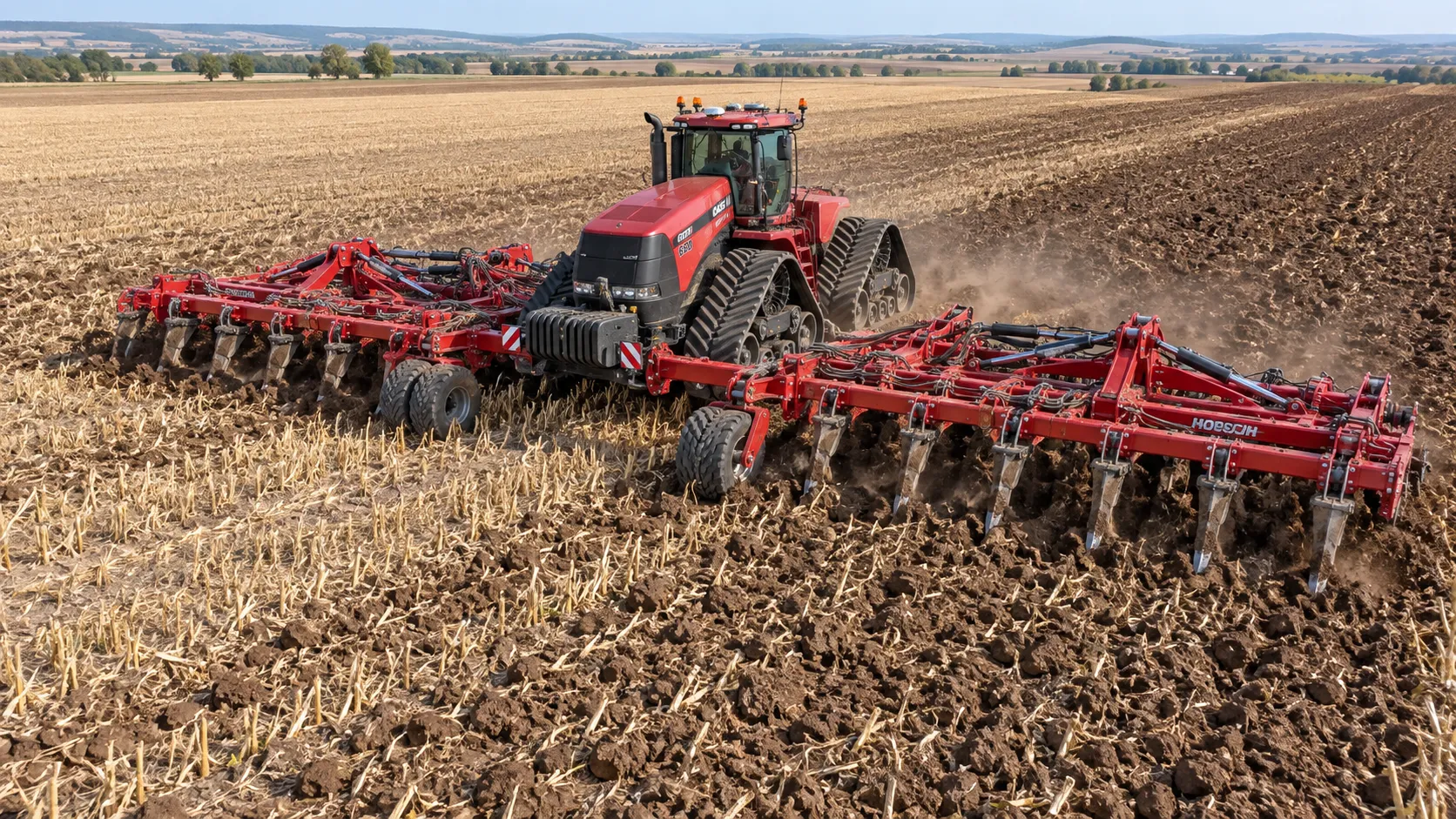
How to Select Heavy-Duty Farm Implements for High-Acreage, High-Horsepower Operations
Heavy duty farm implements: learn how to match draft, hydraulics, hitch capacity, frame strength, and field conditions for reliable high-acreage performance.
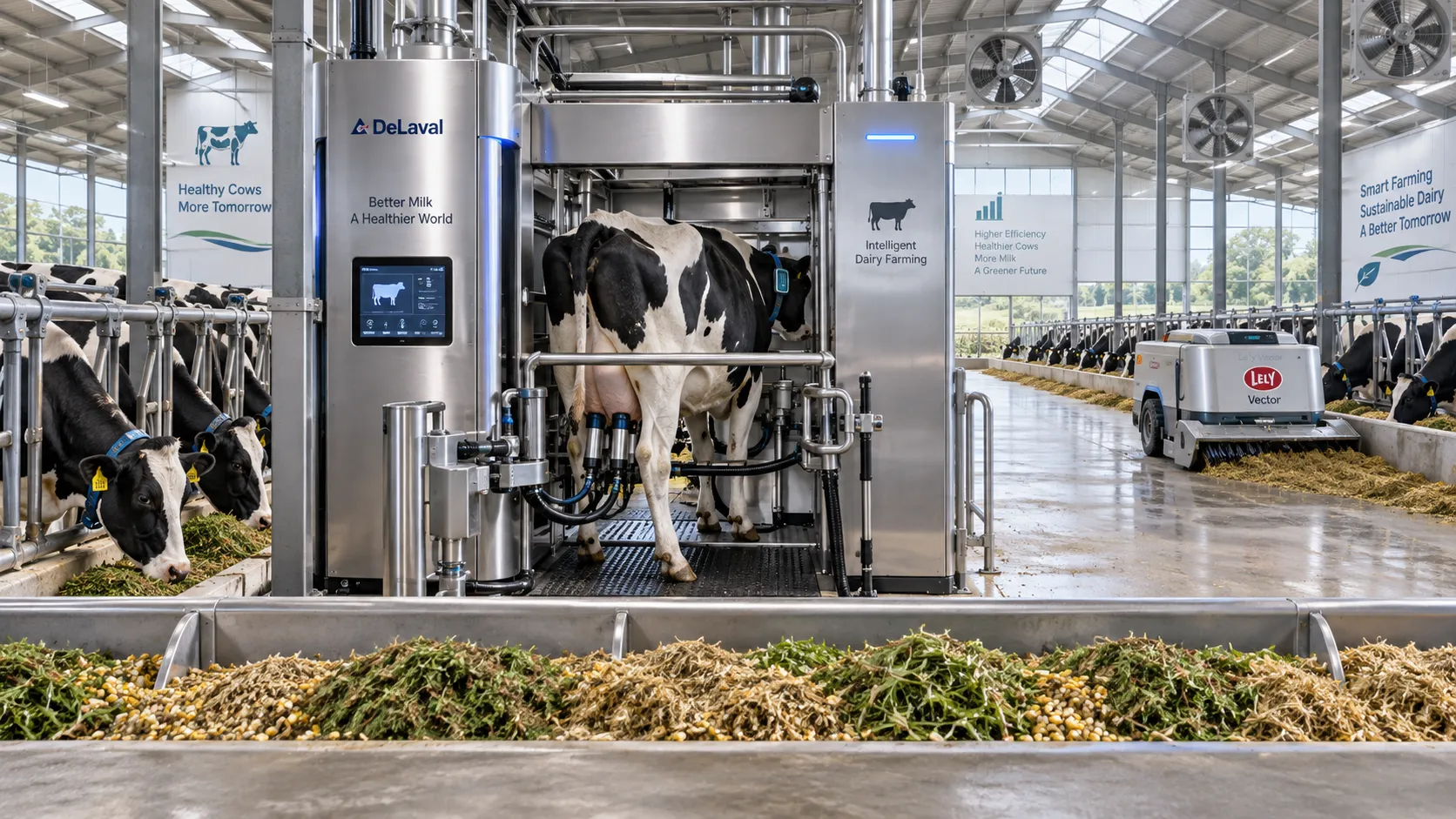
Smart Farming Technology for Dairy Farms: Where Automation Delivers Measurable ROI
Smart farming technology for dairy farms delivers measurable ROI through automation, precision feeding, health monitoring, and data-driven cost control.
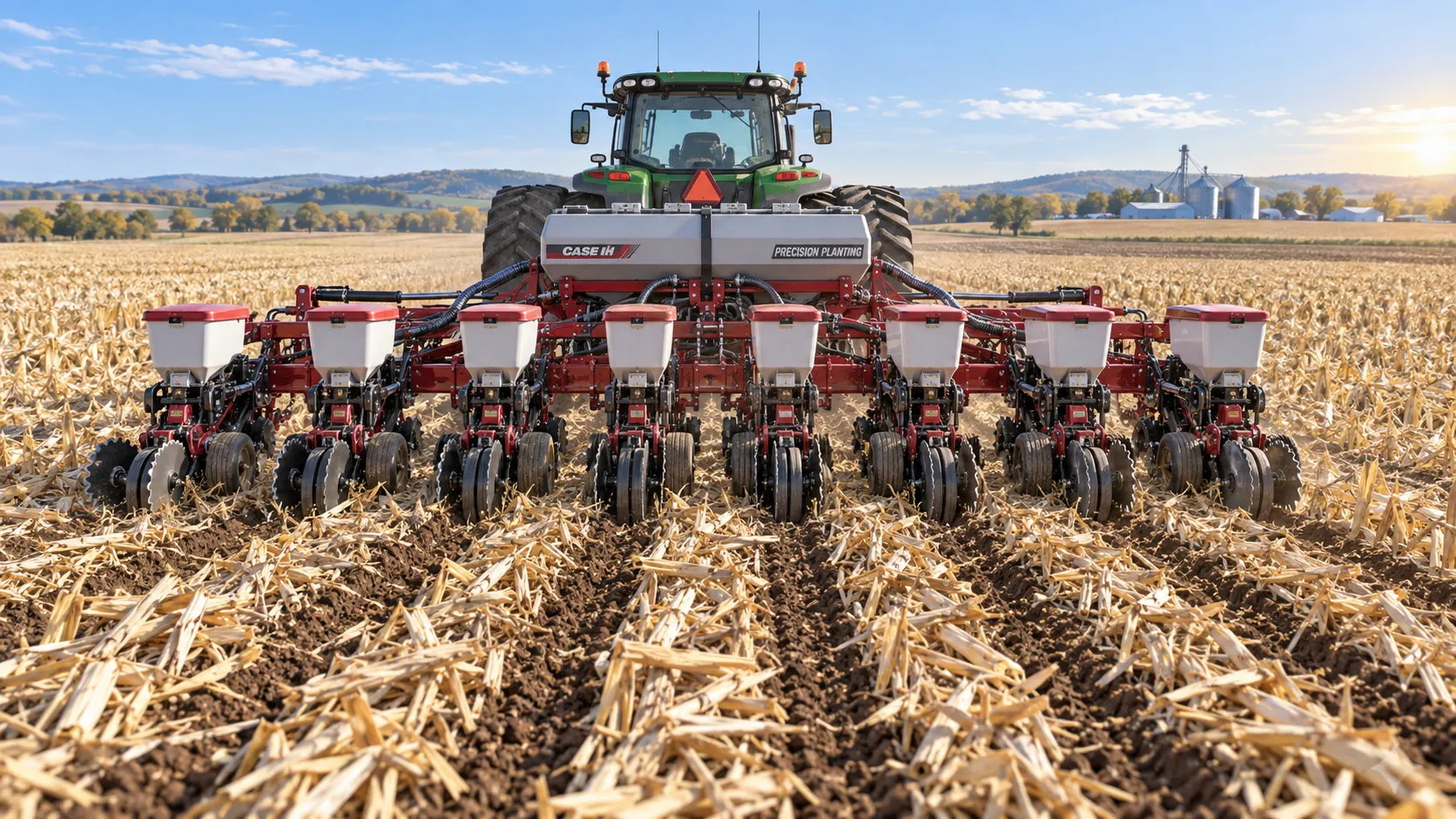
How to Select a Heavy-Duty Seeder for Large Acreage and High-Residue Fields
Heavy duty seeders for large acreage: compare residue handling, depth control, downforce, metering accuracy, and precision features to select the right model.
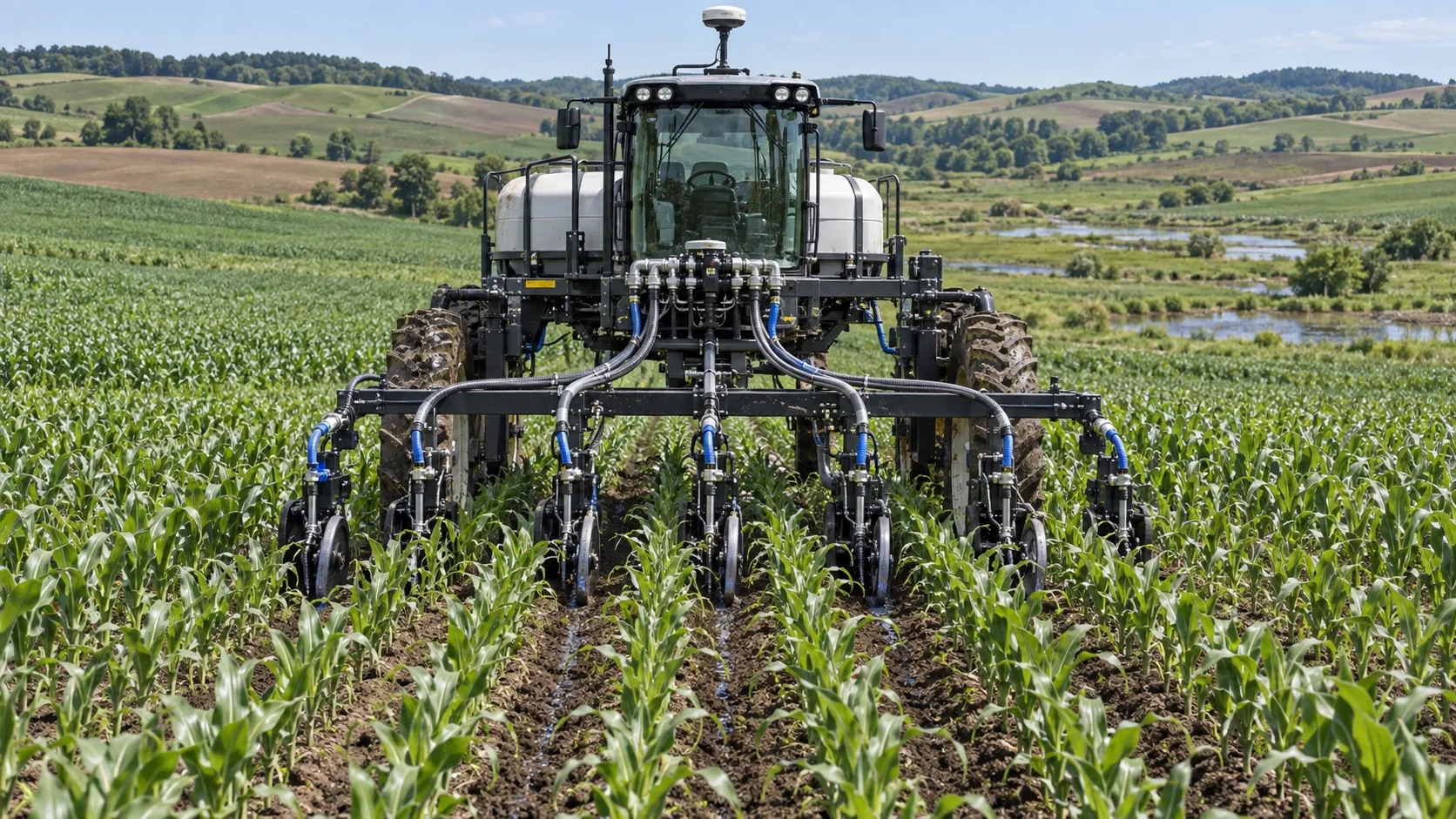
How to Select a Precision Fertilization System for Variable Corn Field Conditions
Precision fertilization systems for corn farming: learn how to match data, placement, control accuracy, and ROI to variable field conditions for better results.
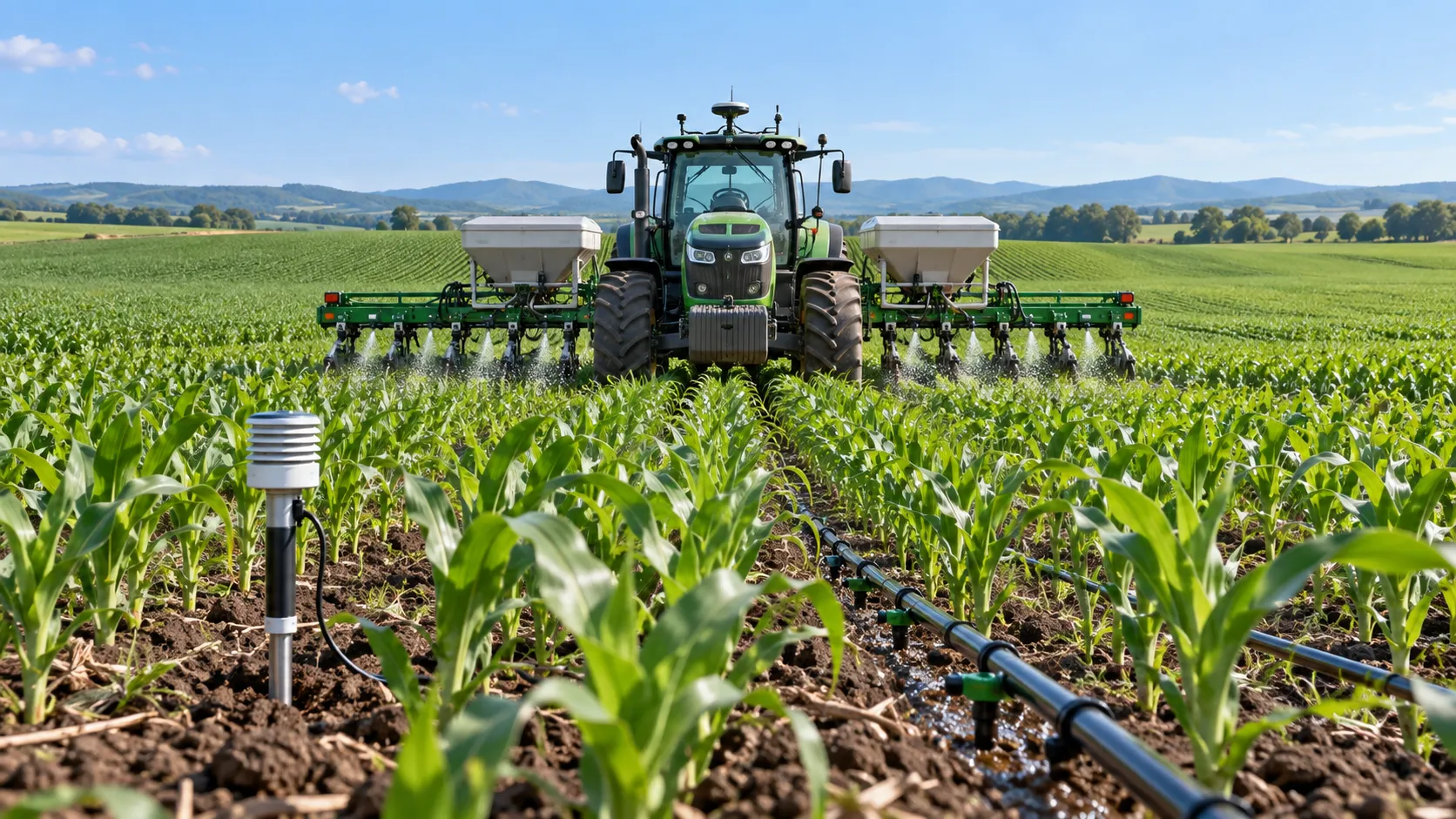
Selecting Precision Farming Products by Application: Field Conditions, Crops, and ROI
Application-based product selection for precision farming: match technology to field conditions, crops, machinery, and ROI for smarter, reliable farm investments.
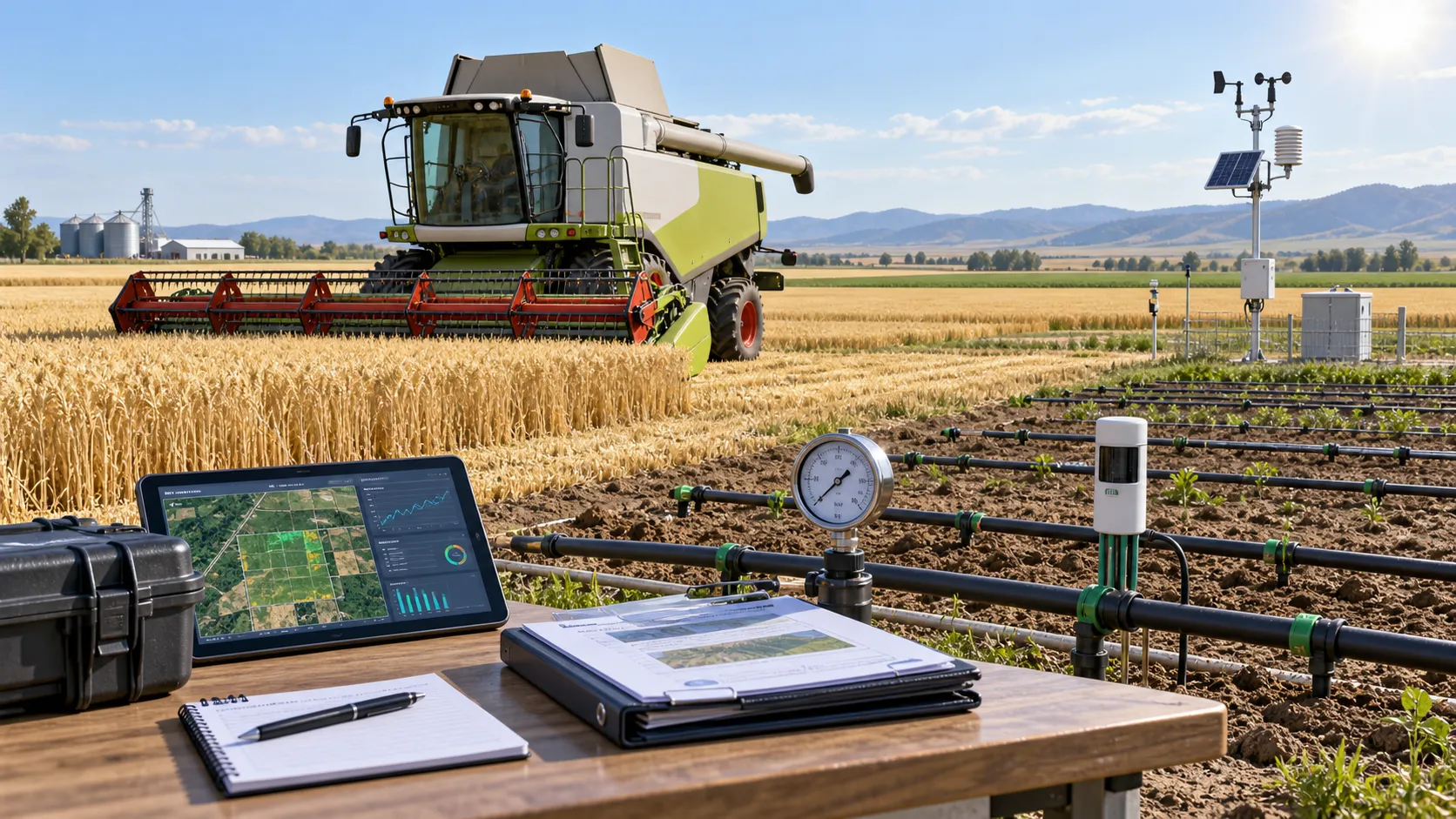
How to Evaluate Agricultural Product Information Sources for Reliable Farm Decisions
Agricultural product information reference guide: evaluate reliable farm data, verify claims, and make smarter machinery, irrigation, and crop decisions.
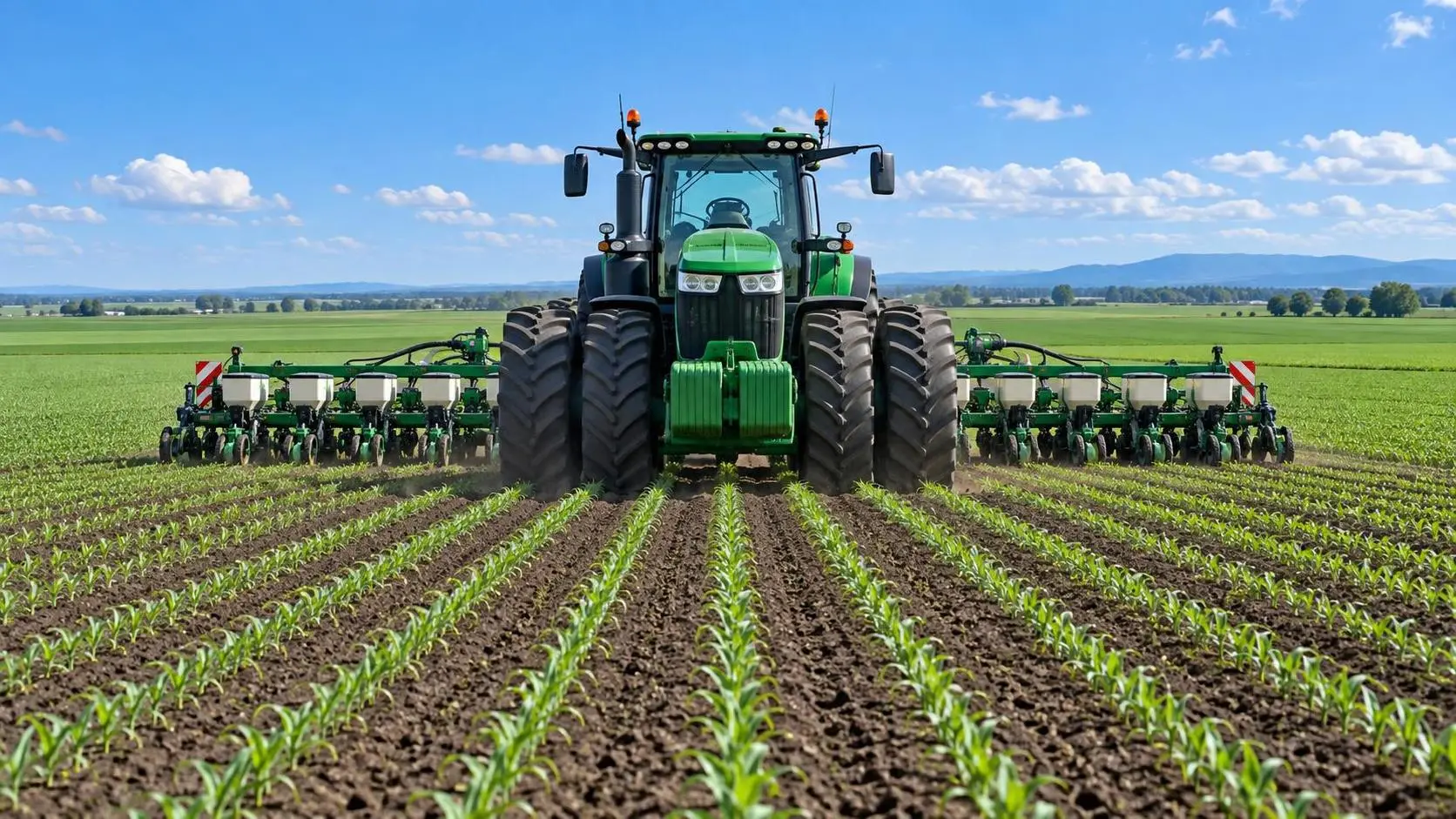
Farm Machinery Guide: Matching Tractor Horsepower and Implements to Farm Size
Farm machinery guide for tractors: match horsepower, implement width, hydraulics, traction, and fleet capacity to farm size for lower costs and reliable field performance.
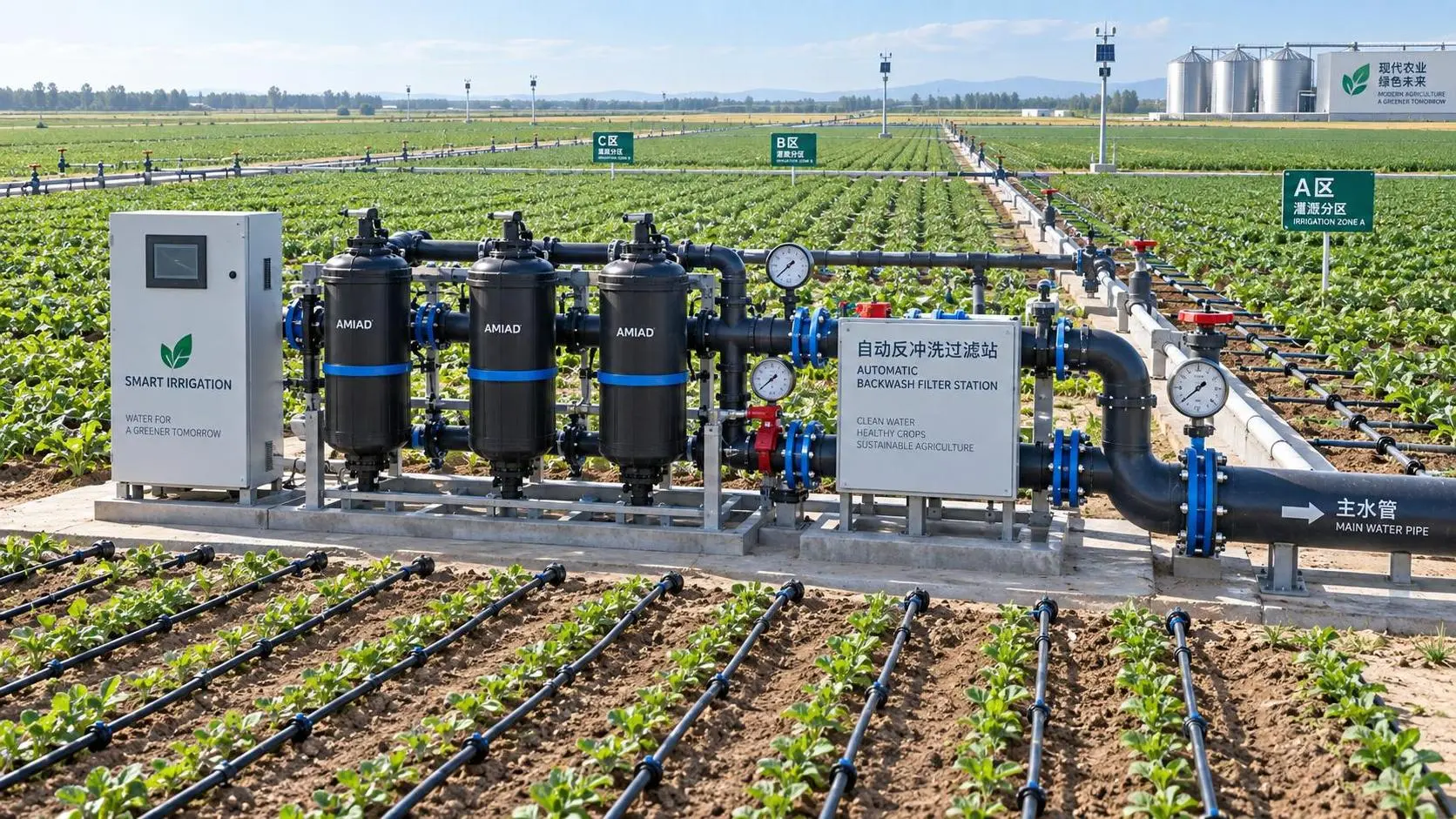
How to Evaluate Drip Irrigation System Manufacturers for Large Farm Projects
Drip irrigation systems manufacturer evaluation guide for large farms: compare hydraulic design, filtration, quality control, scalability, delivery, and support.
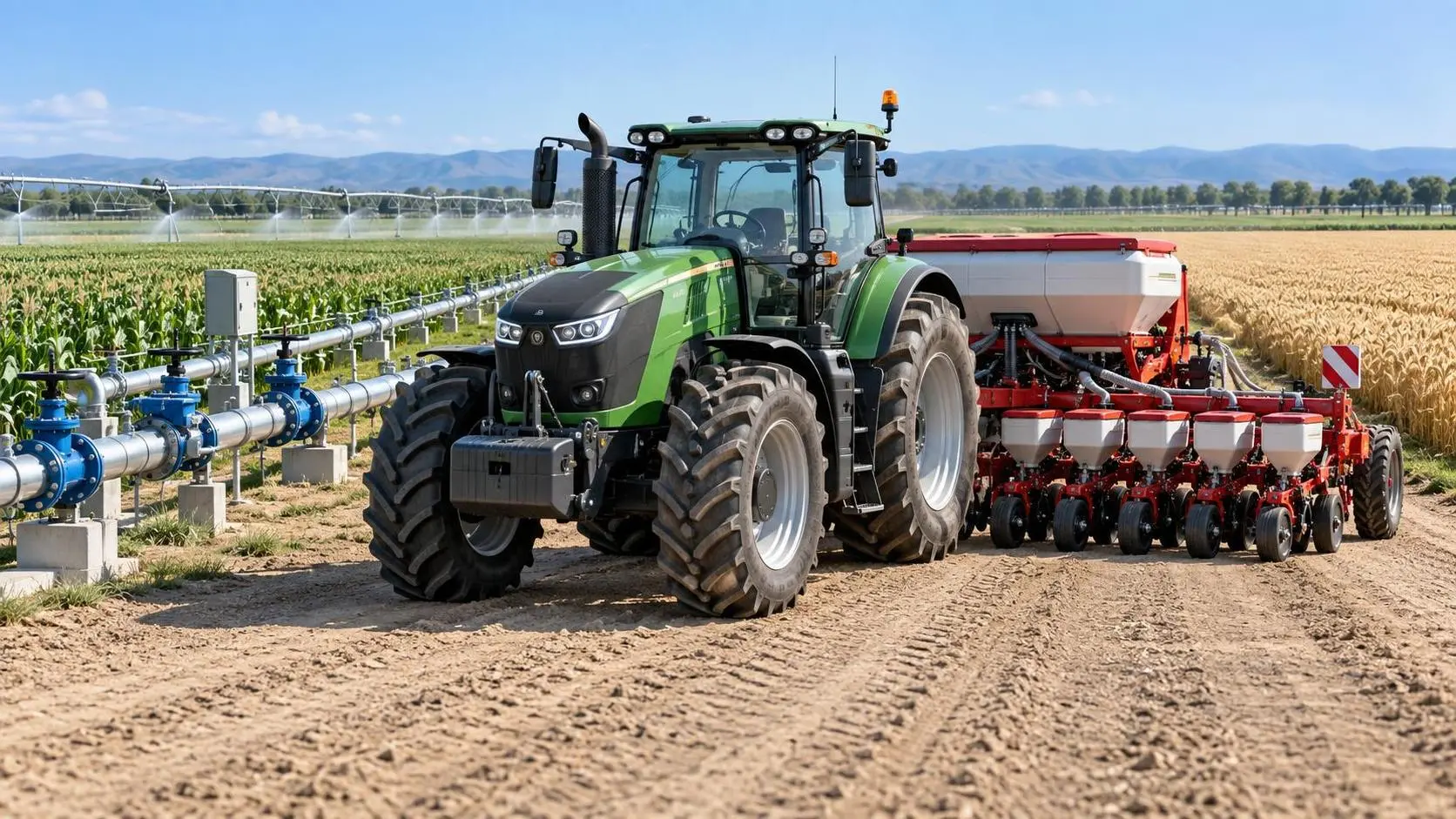
Specification Planning: A Practical Framework for Defining Equipment Requirements
Application guidance for specification planning: define measurable equipment requirements, prioritize performance, and avoid costly procurement mistakes.
Related News
- 00
0000-00
Selecting Grain Farm Equipment by Acreage, Crop Mix, and Harvest Window - 00
0000-00
How to Select Heavy-Duty Farm Implements for High-Acreage, High-Horsepower Operations - 00
0000-00
Smart Farming Technology for Dairy Farms: Where Automation Delivers Measurable ROI - 00
0000-00
Selecting Precision Farming Products by Application: Field Conditions, Crops, and ROI - 00
0000-00
How to Evaluate Agricultural Product Information Sources for Reliable Farm Decisions
Popular Tags
Ms. Elena Rodriguez
Weekly Insights
Stay ahead with our curated technology reports delivered every Monday.