Agricultural Automation Still Needs Human Oversight, Study Finds
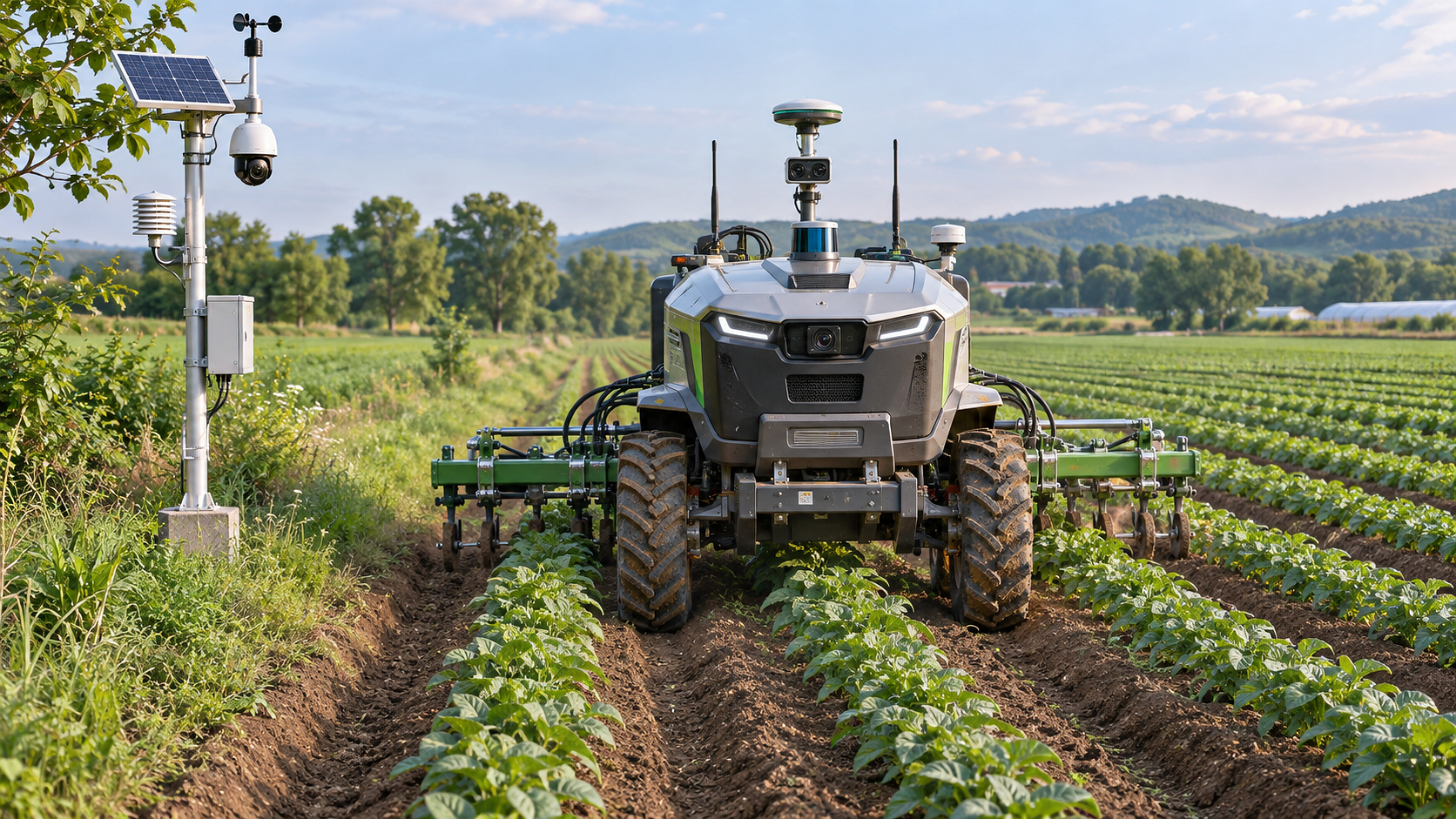




A study reported by Farm Progress suggests that agricultural automation continues to depend on substantial human oversight. Rather than simply eliminating jobs, AI and automated equipment are changing the skills agricultural workers need to manage complex situations.
The report points to Jeff Huber, agronomy manager at Wisconsin-based Alsum Farms & Produce, as an example of the changing relationship between farm workers and technology. The finding focuses attention on a practical question for precision agriculture: when equipment takes on more tasks, who manages the decisions and exceptions that remain?
Automation changes the work around a task
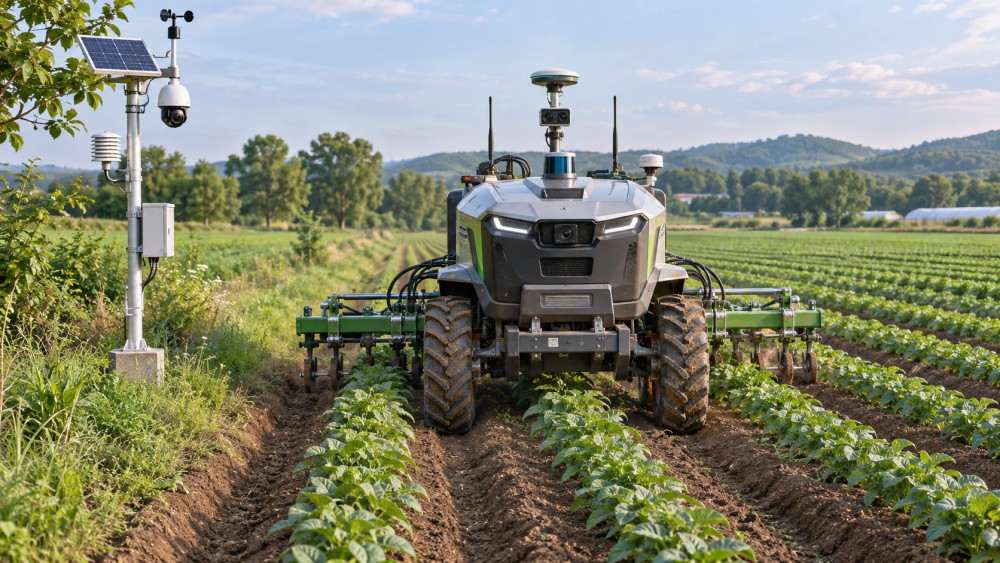
The distinction between automating a task and replacing a worker matters. A machine may carry out part of an agricultural operation, while a person remains responsible for deciding how it is used, monitoring its performance and responding when the situation calls for intervention. The study’s reported finding suggests that those responsibilities remain central when automated systems encounter complexity.
That shift can change what farms need from their workers. Familiarity with an operation may still be valuable, but workers using AI and automated equipment may also need to understand the system well enough to recognize when its output or behavior needs attention. The human role can therefore move beyond carrying out a task to include supervision and judgment.
For farm managers, the implication is that adopting equipment and organizing work are connected decisions. A system’s ability to perform an operation is one consideration; the attention and skills needed to oversee it are another. The potential value of automation depends in part on how those responsibilities fit into the work that people already perform.
What the finding means for agricultural jobs
The report challenges the assumption that introducing automation automatically removes the need for labor. It does not, however, establish that every job will stay the same or that every farm will experience the same outcome. Different tools and working conditions can place different demands on the people responsible for them.
For workers, the distinction is practical: a changing role may require learning how to work alongside equipment as well as drawing on agricultural knowledge. For employers, it raises questions about how supervisory duties are assigned and how workers develop the skills needed to handle them. The account of Huber at Alsum Farms & Produce illustrates the relevance of those questions to an agronomy role, without establishing a uniform model for every operation.
The longer-term effect on employment remains a separate issue from the immediate need for oversight. Even if a system performs more of a particular task, the balance between routine work, monitoring and intervention can vary. The study’s reported conclusion supports a measured view: human involvement remains necessary, while the precise shape of agricultural jobs will depend on how technologies are used.
Further reporting on the study and on how farms manage automated equipment could help clarify which responsibilities change most and what skills become more important. For now, the clearest industry signal is that the development of smart machinery and the development of its workforce need to be considered together.
Related News
Choosing a Precision Fertilization Equipment Manufacturer: What to Check
Choose a precision fertilization equipment manufacturer with confidence. Compare accuracy, compatibility, service and total ownership costs before you buy.
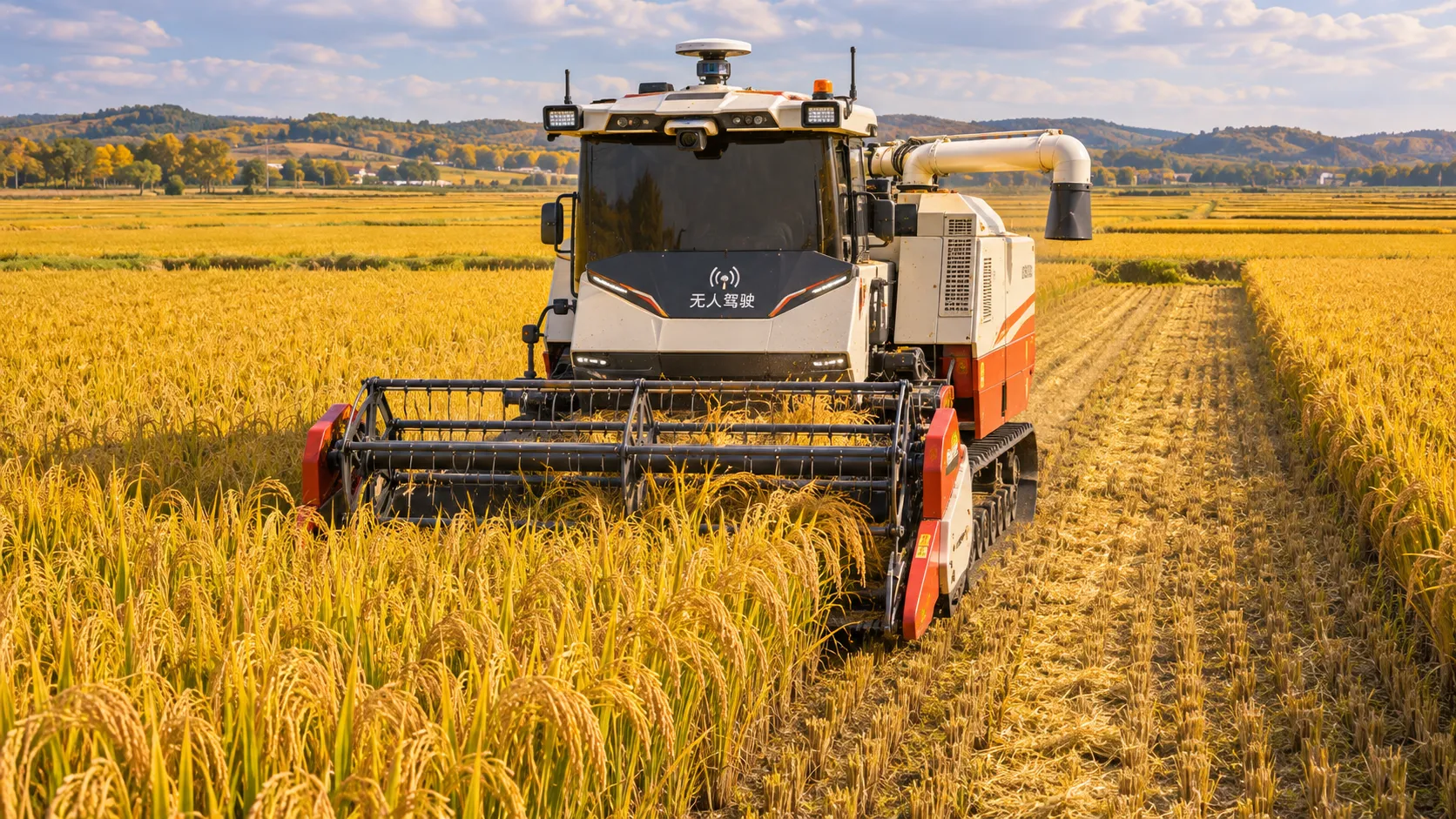
China's Autumn Grain Harvest Highlights Role of Machinery and Precision Farming
China's autumn grain harvest highlights machinery and precision farming. Explore how coordinated practices support harvesting and yield improvement.
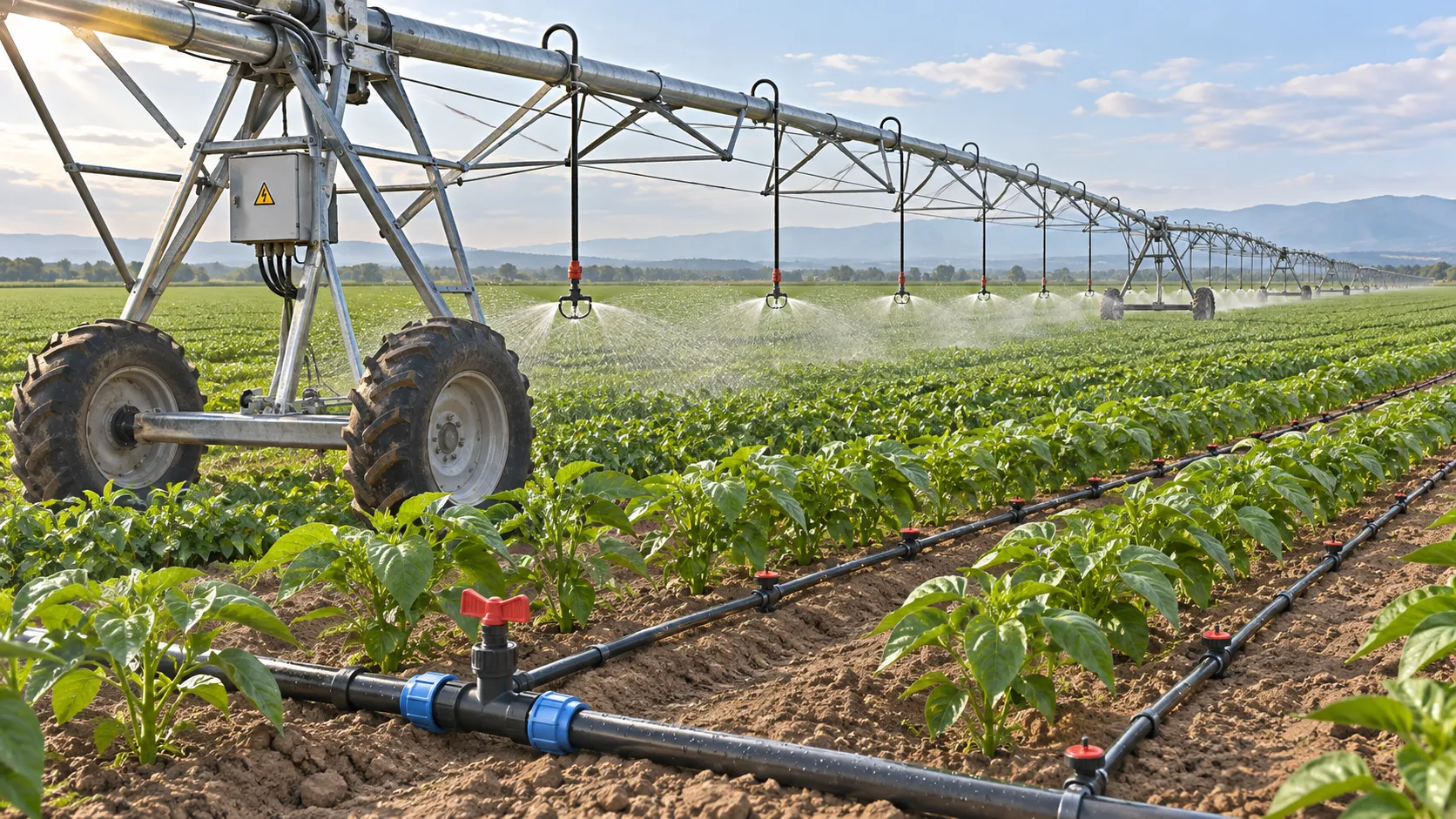
Drip vs. Center Pivot Irrigation: Maintenance Tasks and Costs Compared
Use this irrigation solution comparison by maintenance to weigh drip vs. center pivot tasks, costs and downtime—and choose the best fit for your field.
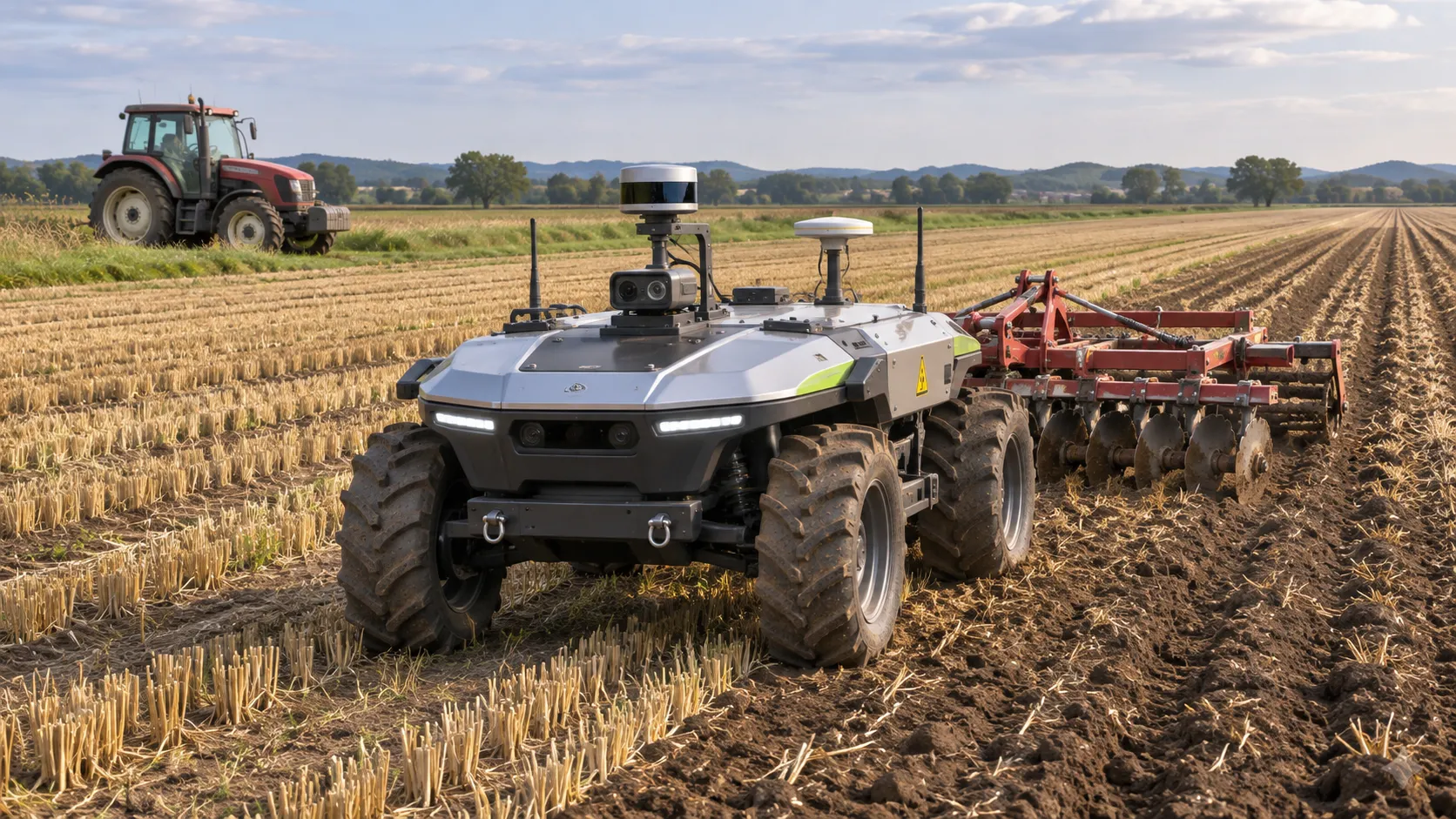
EIMA 2026: Six Tractor of the Year Awards Include Autonomous Robot
Explore the Tractor of the Year awards at EIMA 2026, featuring six winners, including the AgXeed autonomous robot and leading tractor models.
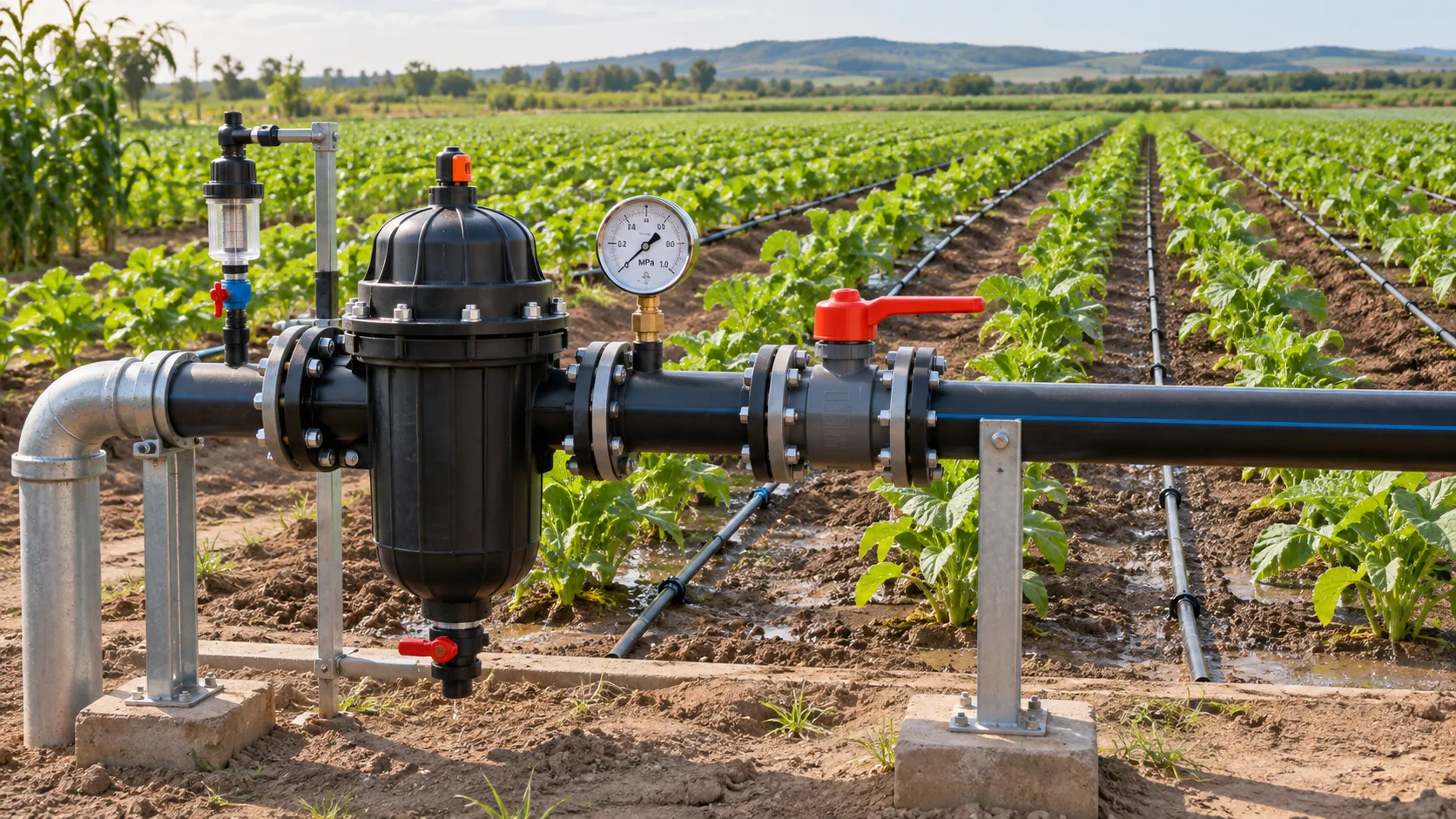
Choosing Irrigation Systems for Government Projects: Water, Cost and Compliance
What factors affect irrigation system selection for government projects? Explore water supply, lifecycle costs and compliance to make a confident, well-informed choice.
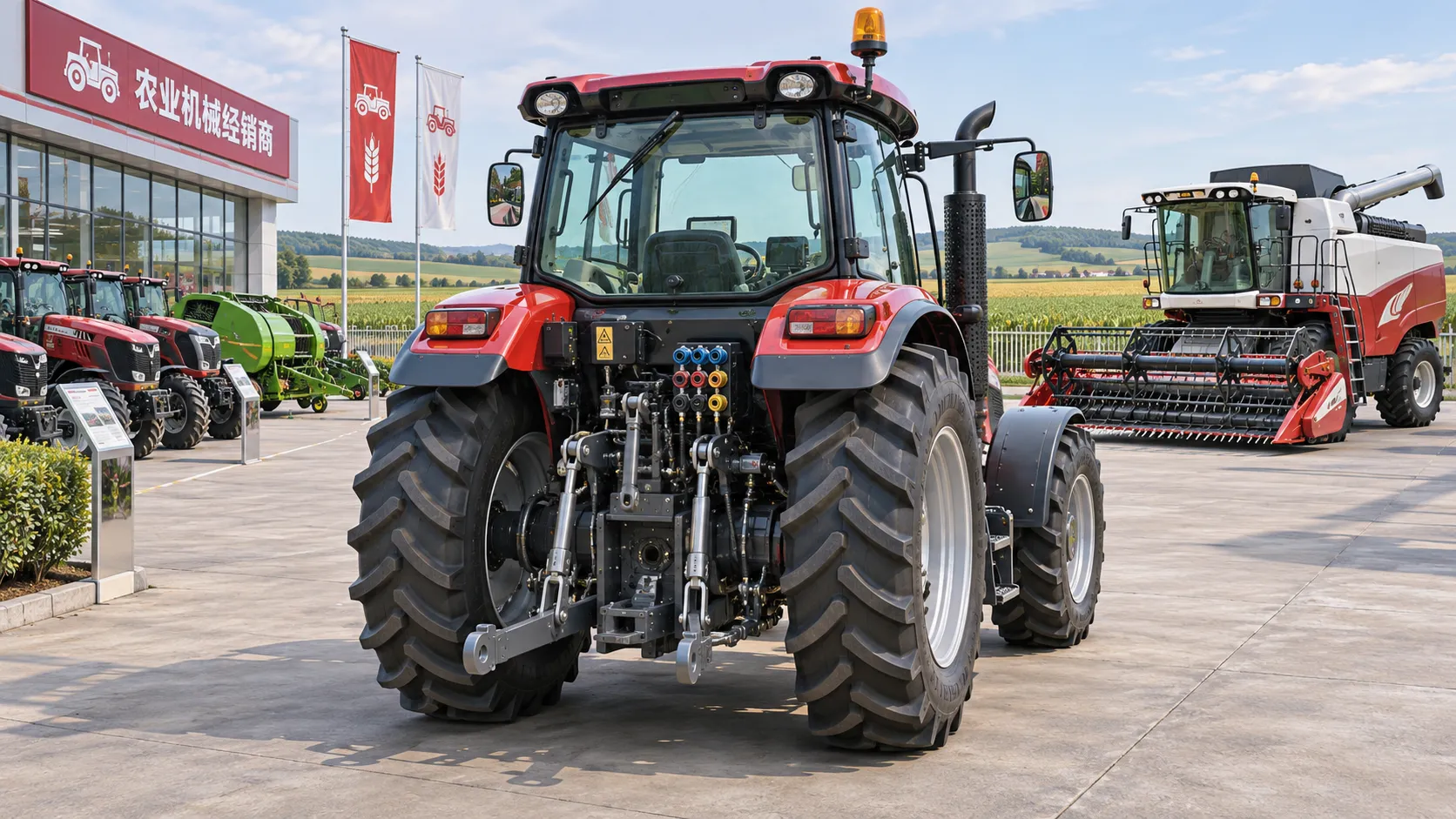
Choosing an Agricultural Machinery Platform: Listings, Pricing, and Support
Choosing an agricultural machinery platform? Compare listings, pricing, supplier verification, and support to make a more confident equipment purchase.
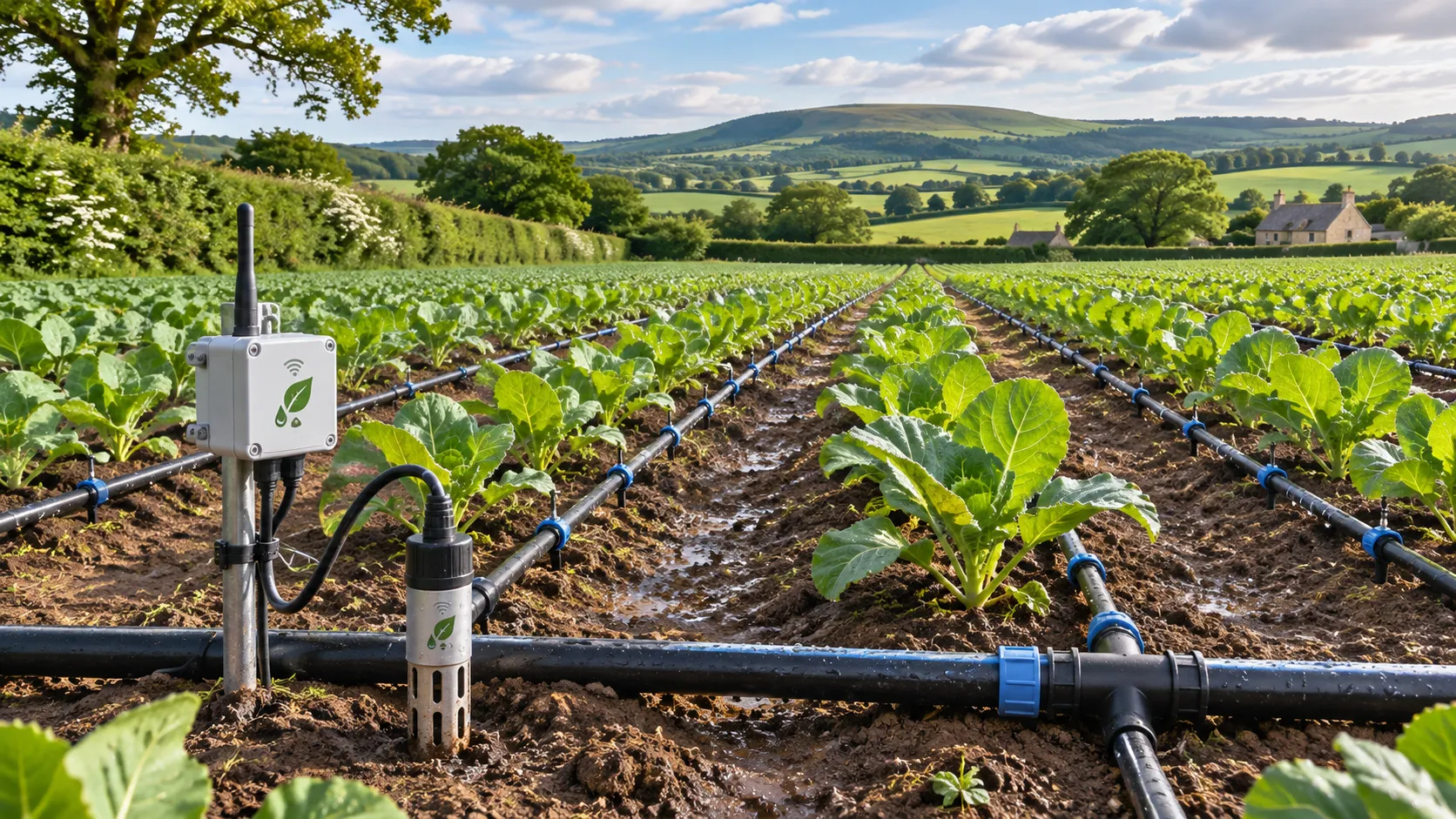
Ofwat Launches £8 Million Agri-Water Innovation Challenge
Ofwat’s £8 million Agri-Water Innovation Challenge supports smart irrigation, water reuse and water-saving solutions. Explore the funding and its potential impact.
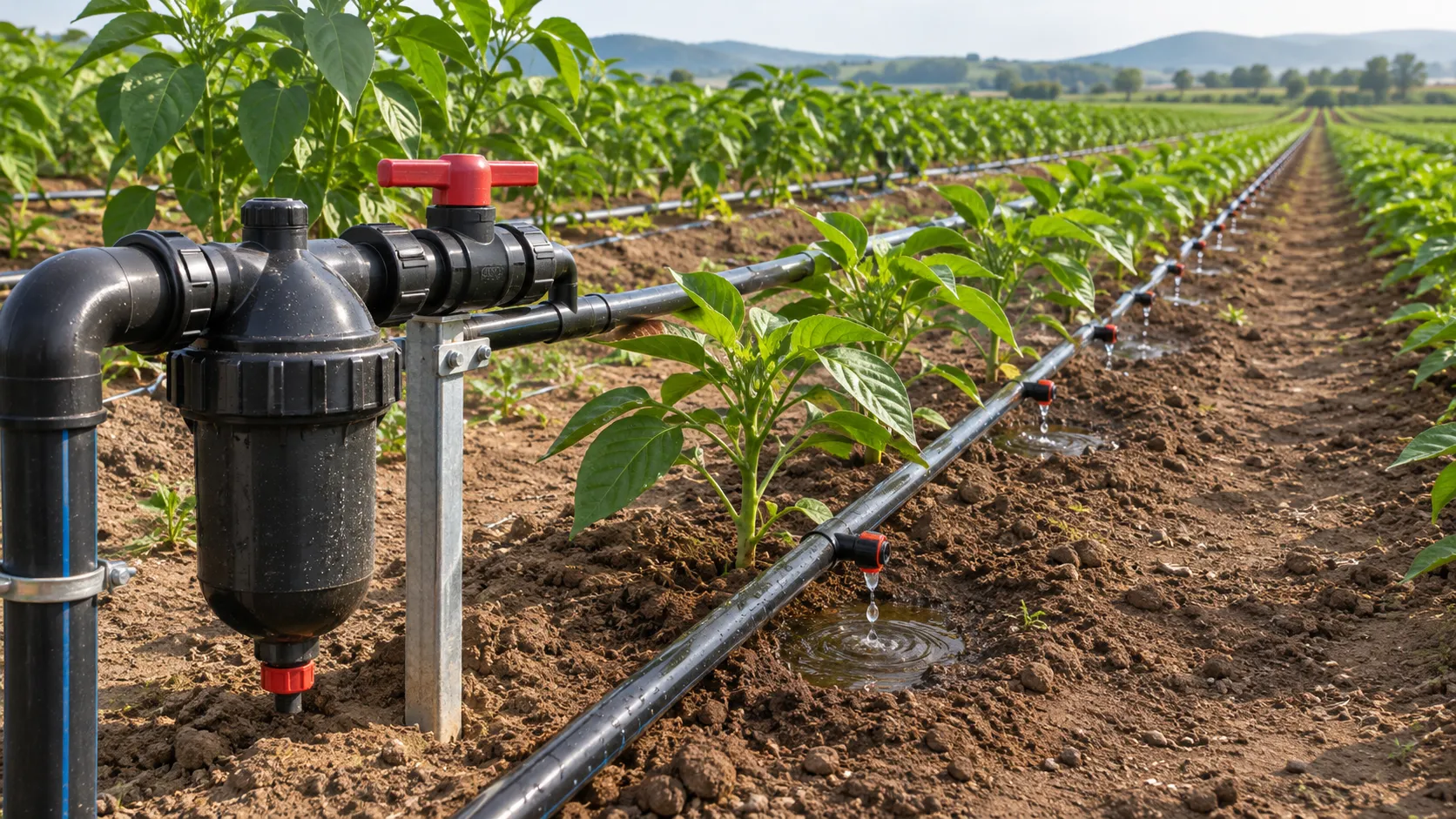
Choosing a Water-Saving Irrigation Supplier: 5 Key Procurement Criteria
Choose a water-saving irrigation systems supplier with confidence. Explore five procurement criteria to reduce risk and maximize long-term value.
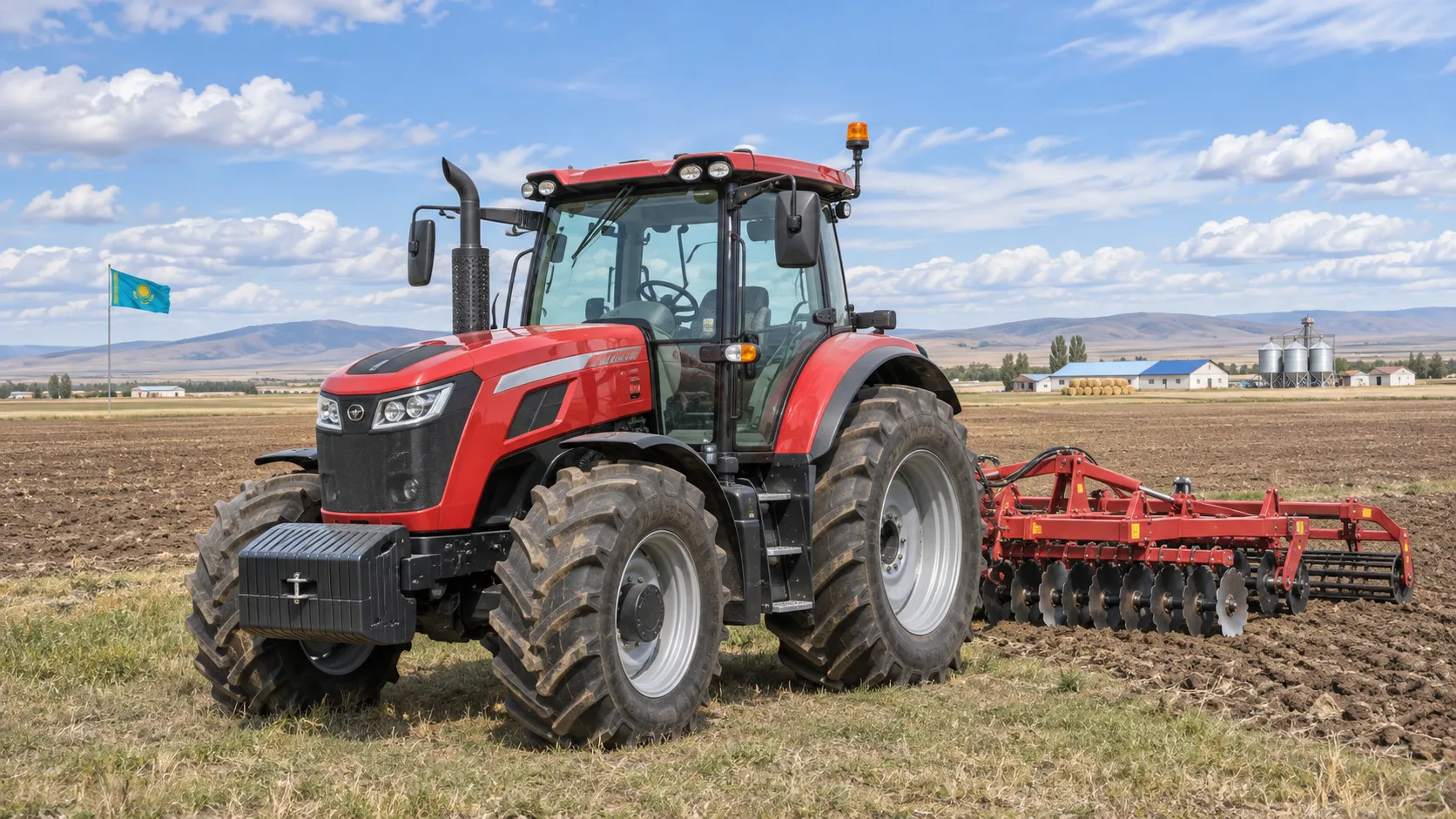
KazAgroFinance Resumes Applications for Preferential Farm Machinery Leasing
KazAgroFinance plans to reopen farm machinery leasing applications on November 9, 2026. Explore the opportunities and key terms to verify before applying.
Related News
- 00
0000-00
Agricultural Automation Still Needs Human Oversight, Study Finds - 00
0000-00
China's Autumn Grain Harvest Highlights Role of Machinery and Precision Farming - 00
0000-00
FEMA Fall Conference Highlights Four Paths for Agricultural AI and Autonomy - 00
0000-00
What maintenance challenges come with hybrid agricultural machines? - 00
0000-00
Can hybrid propulsion systems reduce fuel use in farm machinery?
0000-00
Popular Tags
Prof. Marcus Chen
Weekly Insights
Stay ahead with our curated technology reports delivered every Monday.