Choosing a Precision Fertilization Equipment Manufacturer: What to Check
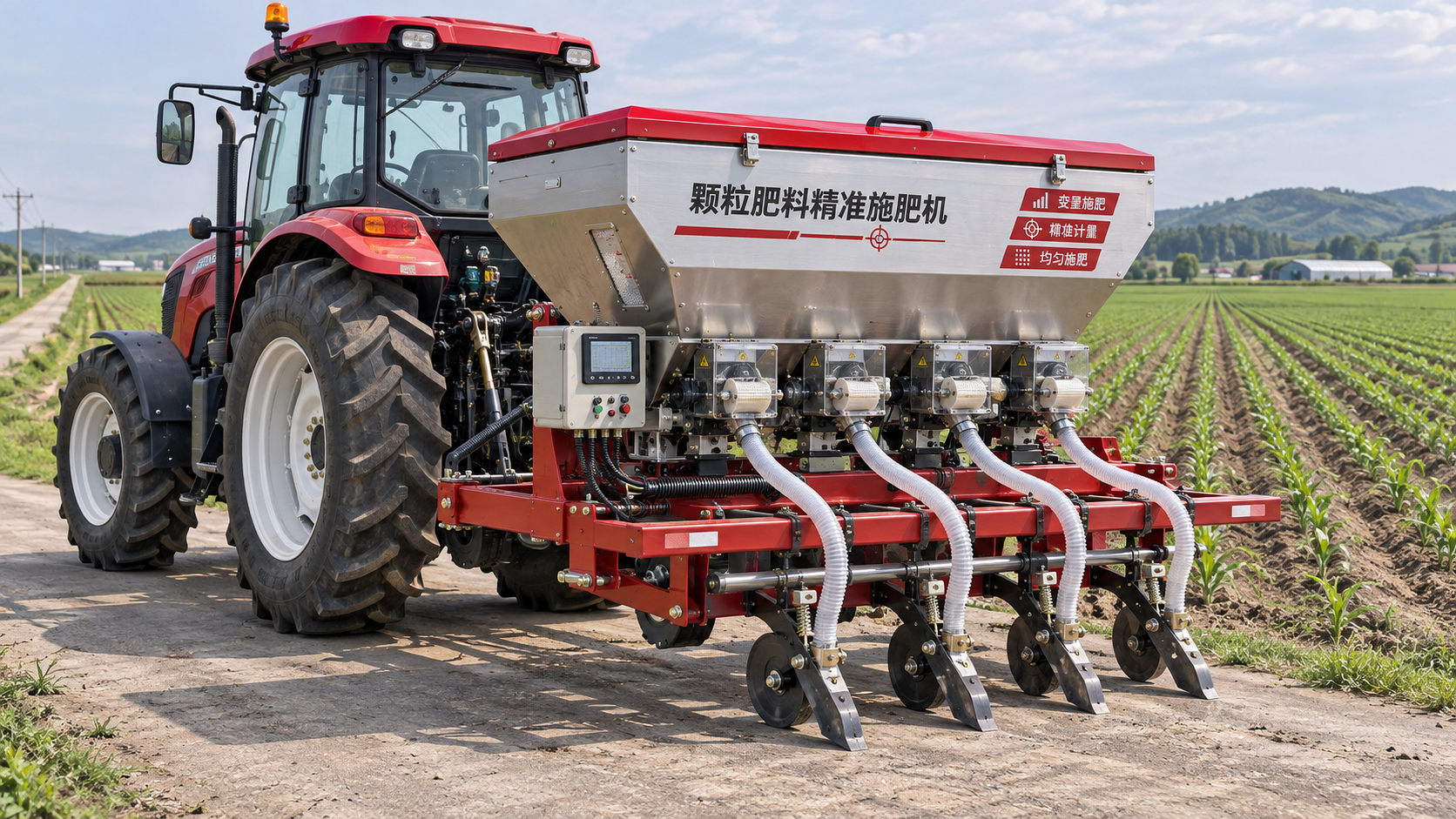




A low equipment quote can become expensive when an applicator cannot handle the planned fertilizer, connect to an existing tractor, or receive parts during a narrow application window. Choose a precision fertilization equipment manufacturer by testing its claims against your actual operating conditions, then compare the complete cost of getting accurate, supported application in the field.
Start with a defined workload and ask each supplier for evidence on metering accuracy, compatibility, calibration, production capability, and service response. A machine that meets a specification on paper is not necessarily the best purchase if that specification excludes the products, travel speeds, or prescription files you intend to use.
Define the application before requesting comparable quotes
Manufacturers may offer granular spreaders, liquid applicators, fertilizer attachments for planters, or systems designed for irrigation. These are not interchangeable purchases. The right configuration depends on where and when nutrients must be placed, as well as whether the equipment will work independently or alongside another field operation.
Give shortlisted suppliers the same operating brief. Include the fertilizer forms and typical products, desired application-rate range, working width or row spacing, expected travel speeds, field conditions, and annual workload. Identify whether you need uniform application, variable-rate control, section shutoff, or more than one product applied at a time.
Also describe the machines and digital tools already in use. Tractor hydraulic capacity, electrical supply, hitch or mounting arrangement, terminal, positioning signal, and farm-management software can all affect the final configuration. Ask suppliers to identify assumptions and exclusions rather than quote a base machine that requires substantial additions later.
Examine accuracy claims in the conditions you will buy for
Application accuracy has several dimensions. A system may meter the intended total quantity but still distribute material unevenly across its working width. It may perform well at a steady speed yet respond slowly when the target rate changes. Ask manufacturers to distinguish between metering accuracy, distribution uniformity, placement, and control response instead of accepting a single broad accuracy claim.
Granular products
Particle size, density, moisture, and product condition can affect flow through the metering system and the spread pattern. Request test or calibration information for fertilizer with properties close to those you will use. For broadcast machines, ask how the manufacturer establishes the effective working width, checks overlap, and adjusts settings when product characteristics change.
For row-applied material, examine how outlets share product and how the system detects a blocked line. A total-rate display alone may not reveal that one row is receiving too little. Where the machine relies on operator checks rather than individual-row sensing, establish how frequently those checks are practical during operation.
Liquid products
For liquid systems, verify the usable flow and pressure range across the planned speeds and rates. Nozzle or outlet selection, pump capacity, filtration, and control-valve response should suit both the lowest and highest expected application rates. Ask how the system handles pressure changes during section switching and whether the quoted configuration can maintain the intended application pattern at field edges.
Liquid fertilizer compatibility is also a materials question. Request confirmation for tanks, seals, hoses, pumps, and fittings based on the products and concentrations you expect to use. Discuss flushing, storage, and corrosion prevention; a system that is difficult to clean can generate downtime and premature component replacement.
Ask for test conditions, not just a result
Useful evidence identifies the machine configuration, product used, target rate, speed, test method, and conditions under which the result was obtained. Ask whether the data come from a controlled bench test, a field assessment, or a calculation. Each can be informative, but they answer different questions. A bench test of the meter does not by itself establish the field spread pattern.
Where practical, agree on a demonstration or acceptance test using a representative product and operating range. Record the target and measured quantities, the calibration procedure, and any adjustments needed. Define in advance who supplies the fertilizer, measuring equipment, labor, and test site, and what happens if the agreed criteria are not met.
Check whether variable-rate control works end to end
A supplier may describe a machine as variable-rate capable even though a separate controller, unlock, positioning receiver, or software subscription is needed. Request a complete list of hardware, licenses, and services required to load a prescription and execute it in the field.
Trace a typical job from prescription creation to application record. Confirm the file formats accepted, how data move to the terminal, and whether field boundaries, rate units, and product information transfer correctly. Ask for a demonstration using a representative file from your existing workflow. A file that opens is not enough: the displayed rates, units, and field location must also be correct.
Confirm what happens when a positioning signal is lost, a prescription contains a gap, or the operator moves outside a mapped boundary. The control system should have a documented behavior and allow the operator to recognize the condition. Check whether applied-rate logs can be exported in a usable format and whether access to historical records continues if a subscription ends.
Where compatibility is claimed through a common communication standard, ask which functions have actually been tested with your tractor and terminal combination. Basic connection does not guarantee that section control, task data, alarms, and all settings will work as expected.
Assess the machine behind the controller
Precision control cannot compensate for an unsuitable chassis, inadequate hydraulic flow, or unreliable material delivery. Review the quoted machine as a complete operating system, including the implement, drive, plumbing or distribution hardware, sensors, and controller.
- Tractor and mounting: Confirm hitch category or attachment dimensions, lifting capacity, axle loading, power requirements, hydraulic connections, and electrical supply with the machine loaded as intended.
- Field capacity: Check hopper or tank size against refill arrangements, transport limits, and the application window. A larger capacity is not automatically useful if it exceeds the carrier’s limits or increases compaction risk.
- Wear and maintenance: Identify wear parts, lubrication points, filter access, and the time and tools needed for routine inspection. Ask which components are exposed to abrasive or corrosive fertilizer.
- Operator access: Examine filling, cleanout, calibration, and blockage-clearing procedures. Guards and access points should allow these tasks to be performed according to the supplied safety instructions.
Request the operator and maintenance documentation before placing the order. Incomplete instructions can turn routine calibration or troubleshooting into a service call. Confirm that documentation and controller interfaces are available in a language operators can use.
Verify the manufacturer’s ability to deliver consistently
A successful demonstration does not establish that every production machine will be assembled and checked to the same standard. Ask where the equipment is manufactured or assembled, which major components are sourced externally, and who is responsible for the finished machine. If a distributor is the contracting party, clarify how it coordinates technical support and warranty decisions with the factory.
Request a description of quality controls relevant to the purchase: incoming component checks, assembly inspections, controller configuration, calibration or functional testing, and final inspection records. Ask what identification is used to trace a machine and its significant components. Supplier-provided certificates or declarations should be checked for their actual scope and validity rather than treated as proof of application performance.
Production capacity matters most when delivery must align with an application season. Obtain a written schedule covering configuration approval, manufacturing, shipment, commissioning, and training. Ask which components are currently critical to the schedule and how changes are communicated. A quoted dispatch date should not be mistaken for the date on which the equipment will be ready to work.
Compare ownership costs on the same scope
Normalize quotations before ranking them. One supplier may include a terminal and commissioning while another prices only the implement. Use a cost comparison that separates one-time charges from recurring expenses and identifies assumptions about usage.
Use your own projected workload and operating period when estimating total cost. Do not treat potential fertilizer savings as guaranteed: they depend on agronomic decisions, baseline practices, product characteristics, and actual machine performance. If savings are included in the business case, state the assumptions separately and test whether the purchase remains acceptable when those savings are lower than expected.
Payment terms also affect the comparison. Link any staged payments to clearly defined events, such as configuration approval, delivery, and successful commissioning, where commercially agreed. Check currency exposure, responsibility for freight damage, and the treatment of optional extras before comparing final prices.
Put service commitments and acceptance criteria in writing
During a short fertilization window, a replacement sensor or control module may matter more than a generous warranty stated in general terms. Ask where common spare parts are stocked, how they are ordered, and what delivery options are available to the operating location. Distinguish between the time taken to acknowledge a support request and the time required to diagnose and repair a fault.
Review warranty duration, coverage, exclusions, labor and travel charges, and the process for authorizing repairs. Confirm whether normal wear, corrosion, software faults, and damage associated with incompatible fertilizer are covered or excluded. Establish who provides training for new operators and whether remote diagnostics require an active connection or subscription.
Before signing, attach the final configuration and operating requirements to the purchase agreement. Include the agreed delivery and commissioning milestones, documents to be supplied, and measurable acceptance criteria appropriate to the machine. Define the procedure for recording a deficiency, allowing corrective work, and repeating the relevant test. This gives both parties a practical way to resolve a disputed performance claim without relying on sales literature alone.
Related News
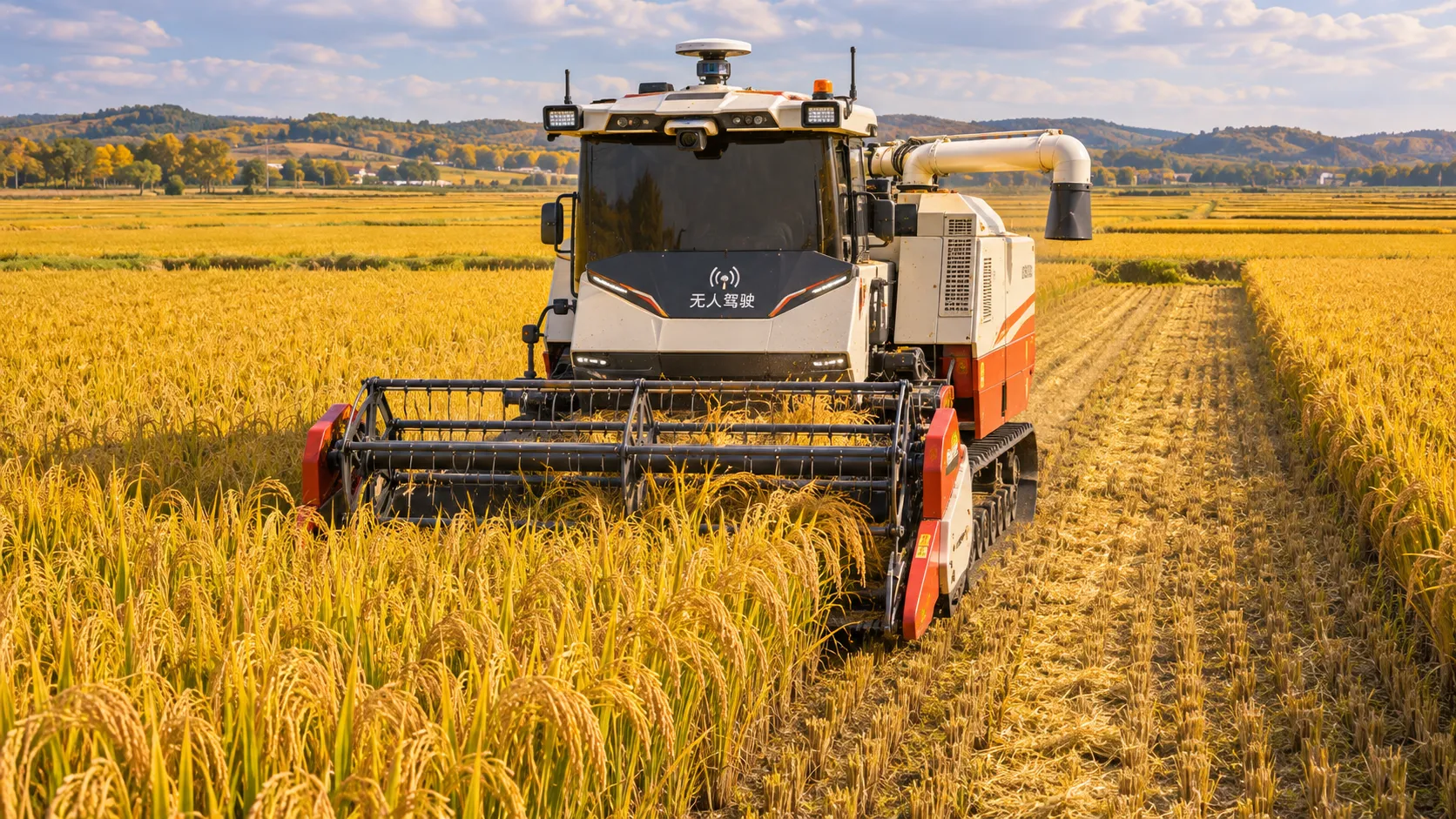
China's Autumn Grain Harvest Highlights Role of Machinery and Precision Farming
China's autumn grain harvest highlights machinery and precision farming. Explore how coordinated practices support harvesting and yield improvement.
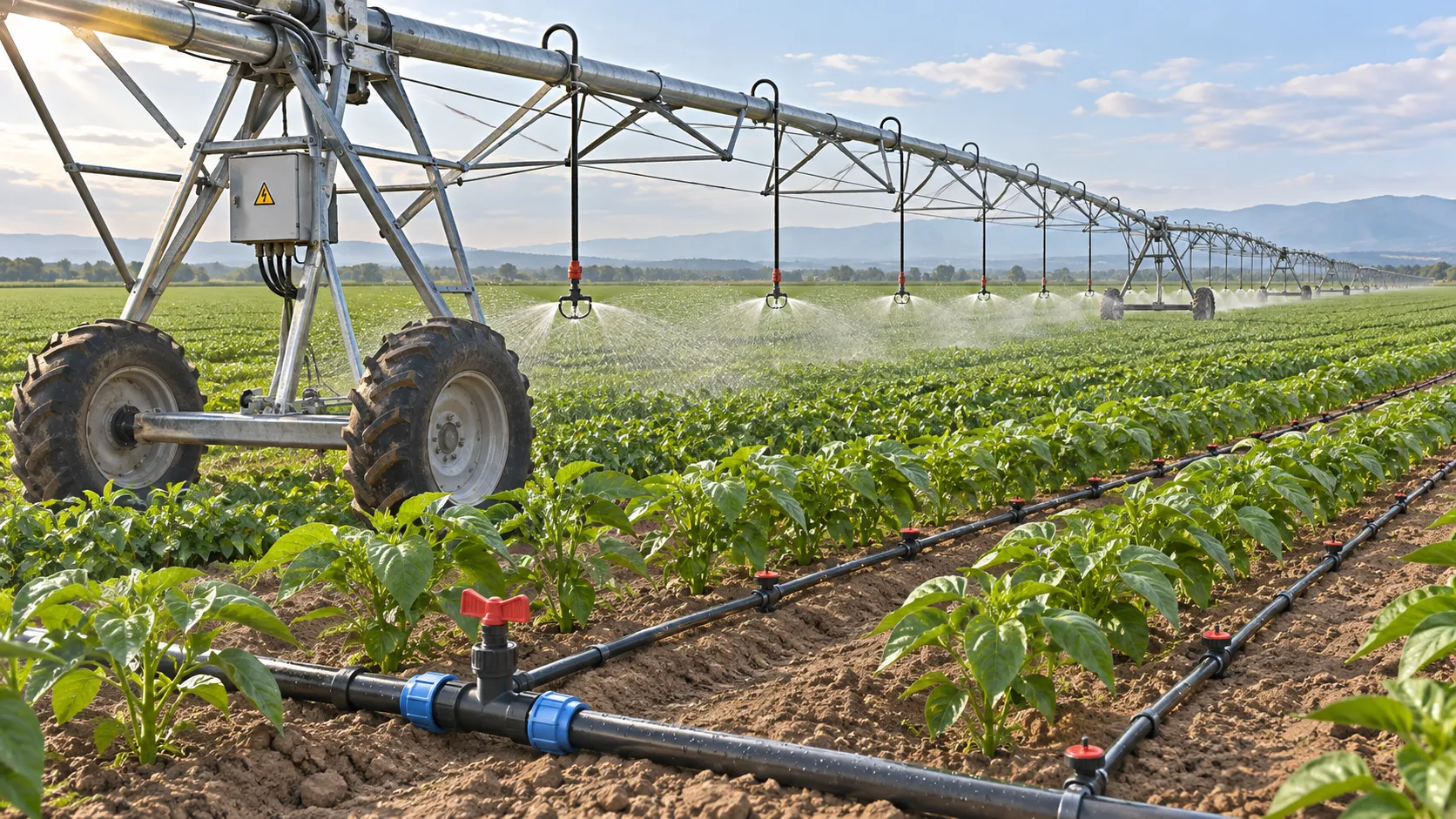
Drip vs. Center Pivot Irrigation: Maintenance Tasks and Costs Compared
Use this irrigation solution comparison by maintenance to weigh drip vs. center pivot tasks, costs and downtime—and choose the best fit for your field.
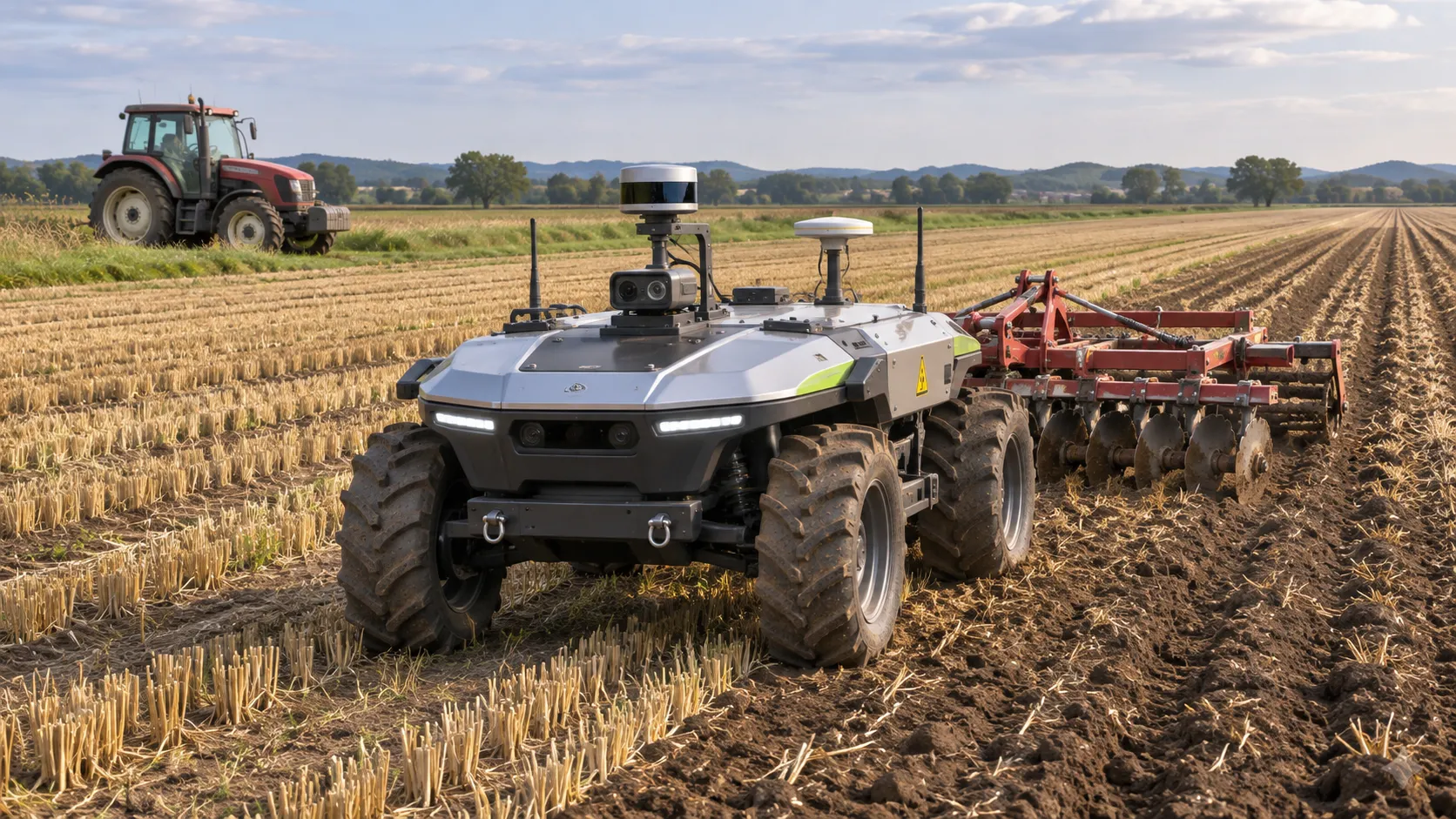
EIMA 2026: Six Tractor of the Year Awards Include Autonomous Robot
Explore the Tractor of the Year awards at EIMA 2026, featuring six winners, including the AgXeed autonomous robot and leading tractor models.
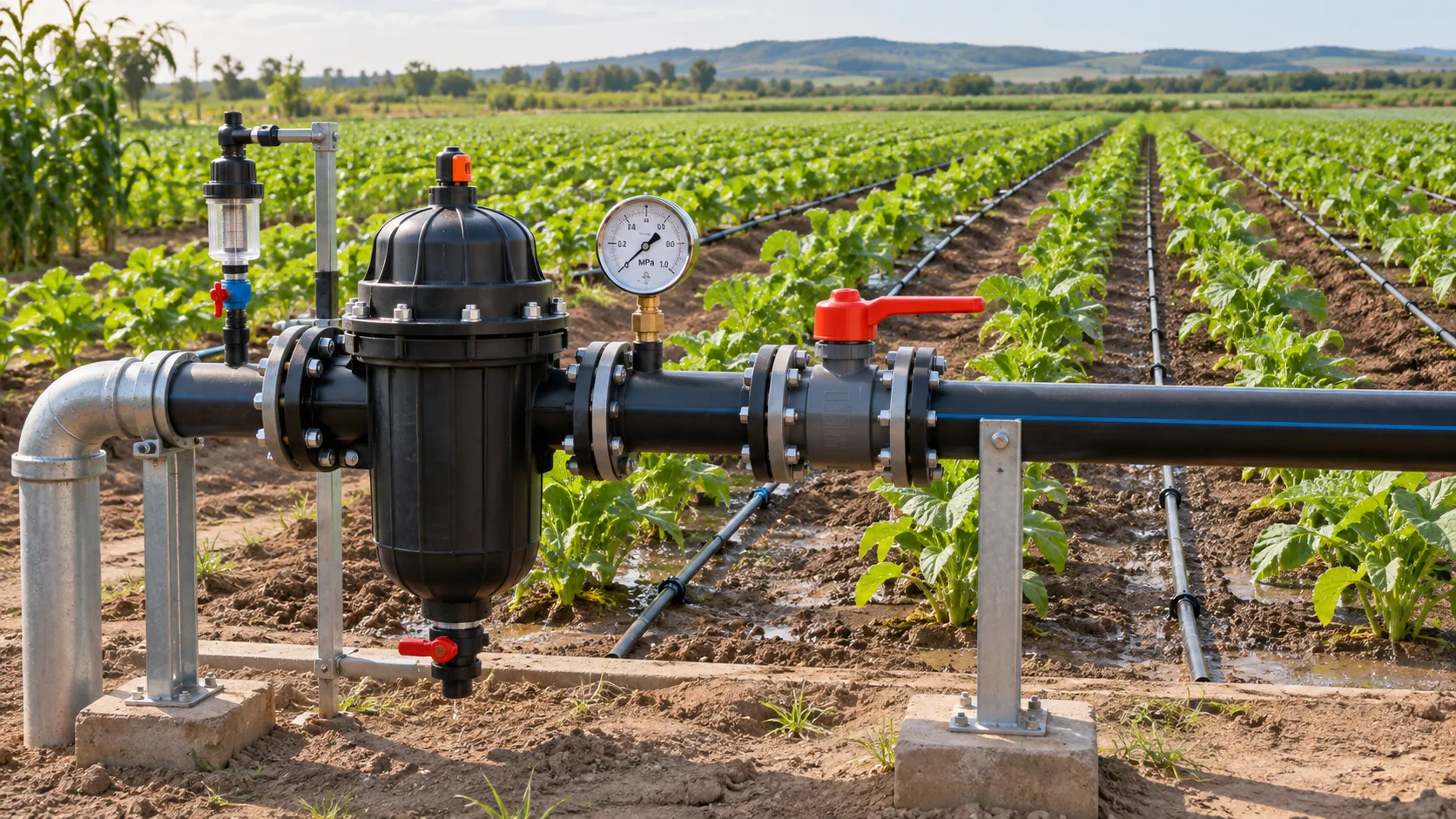
Choosing Irrigation Systems for Government Projects: Water, Cost and Compliance
What factors affect irrigation system selection for government projects? Explore water supply, lifecycle costs and compliance to make a confident, well-informed choice.
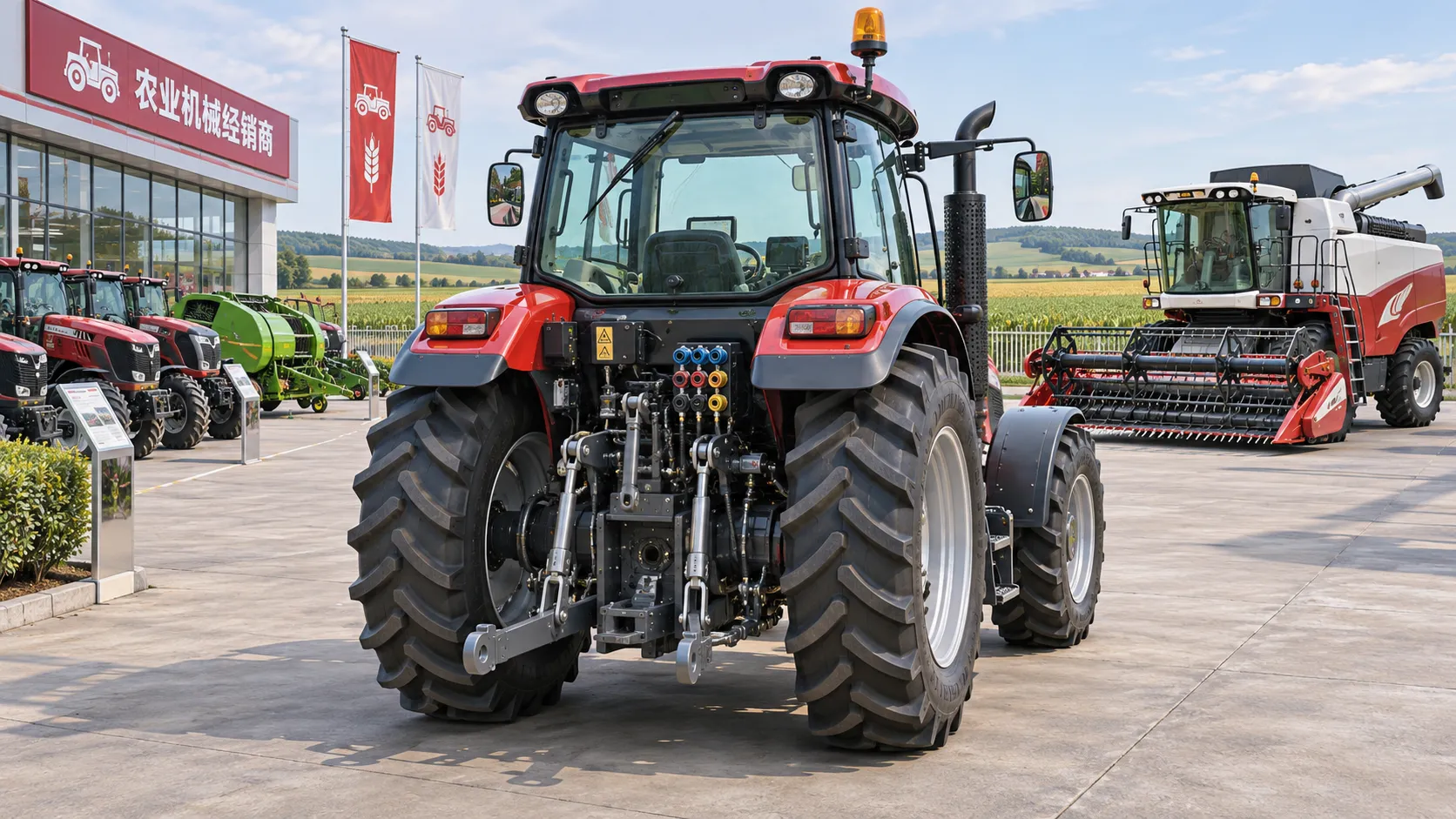
Choosing an Agricultural Machinery Platform: Listings, Pricing, and Support
Choosing an agricultural machinery platform? Compare listings, pricing, supplier verification, and support to make a more confident equipment purchase.
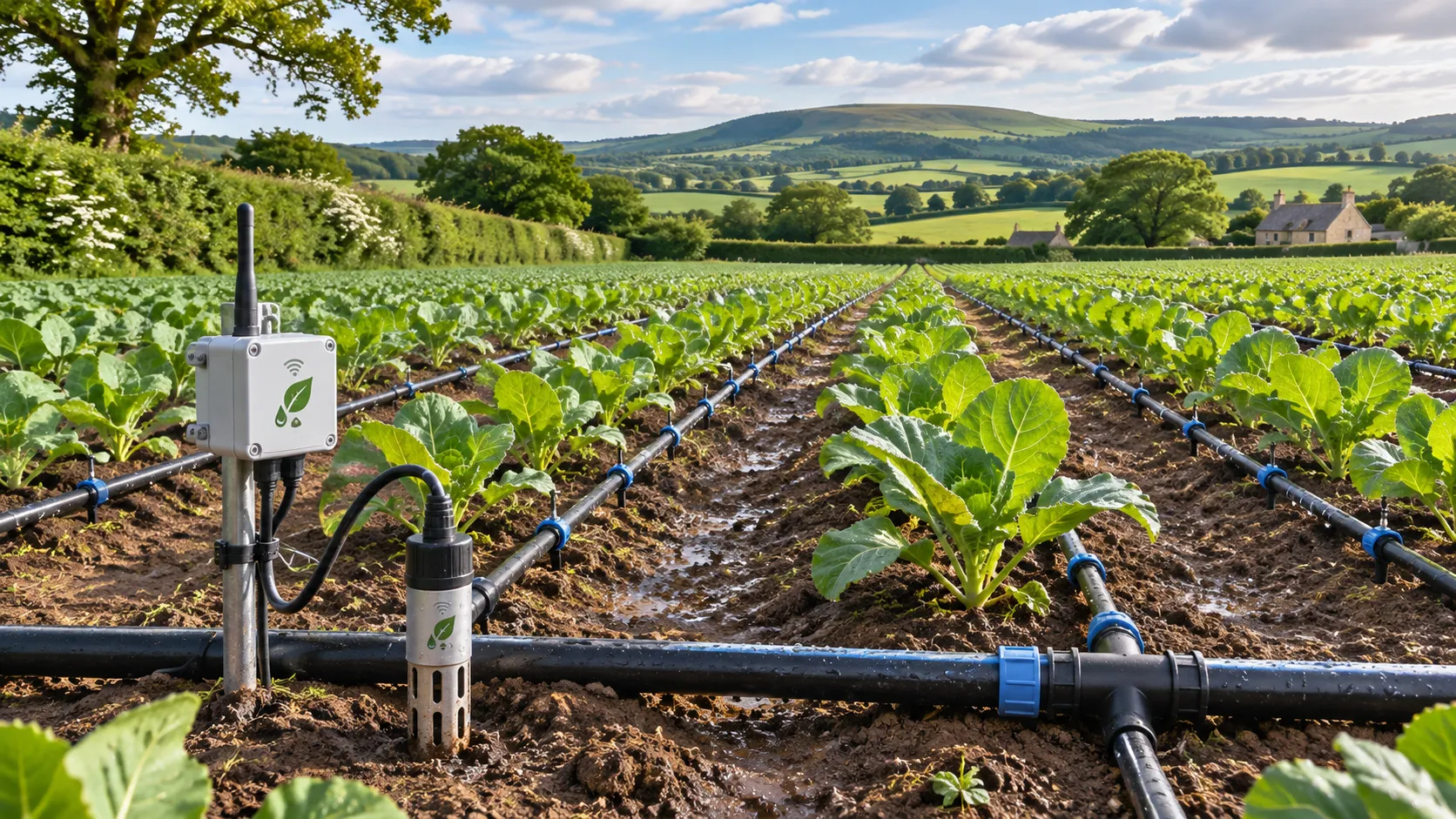
Ofwat Launches £8 Million Agri-Water Innovation Challenge
Ofwat’s £8 million Agri-Water Innovation Challenge supports smart irrigation, water reuse and water-saving solutions. Explore the funding and its potential impact.
Choosing a Water-Saving Irrigation Supplier: 5 Key Procurement Criteria
Choose a water-saving irrigation systems supplier with confidence. Explore five procurement criteria to reduce risk and maximize long-term value.
KazAgroFinance Resumes Applications for Preferential Farm Machinery Leasing
KazAgroFinance plans to reopen farm machinery leasing applications on November 9, 2026. Explore the opportunities and key terms to verify before applying.
304 vs 316 Stainless Steel for Ingredient Processing Equipment
Ingredient processing technology stainless steel guide: Compare 304 vs 316 for corrosion resistance, cleaning and lifecycle costs to choose equipment with confidence.
Related News
- 00
0000-00
Choosing a Precision Fertilization Equipment Manufacturer: What to Check - 00
0000-00
How Smart Sprayers Adjust Application Rates Across a Field - 00
0000-00
Choosing Precision Agriculture Controllers: ISOBUS and Variable-Rate Compatibility - 00
0000-00
When digital crop monitoring detects stress before visible damage - 00
0000-00
How to Evaluate Dynamic Feedback Algorithm Suppliers for Precision Farming Systems
0000-00
Popular Tags
Tractor Power Architect
Weekly Insights
Stay ahead with our curated technology reports delivered every Monday.