Choosing Precision Agriculture Controllers: ISOBUS and Variable-Rate Compatibility
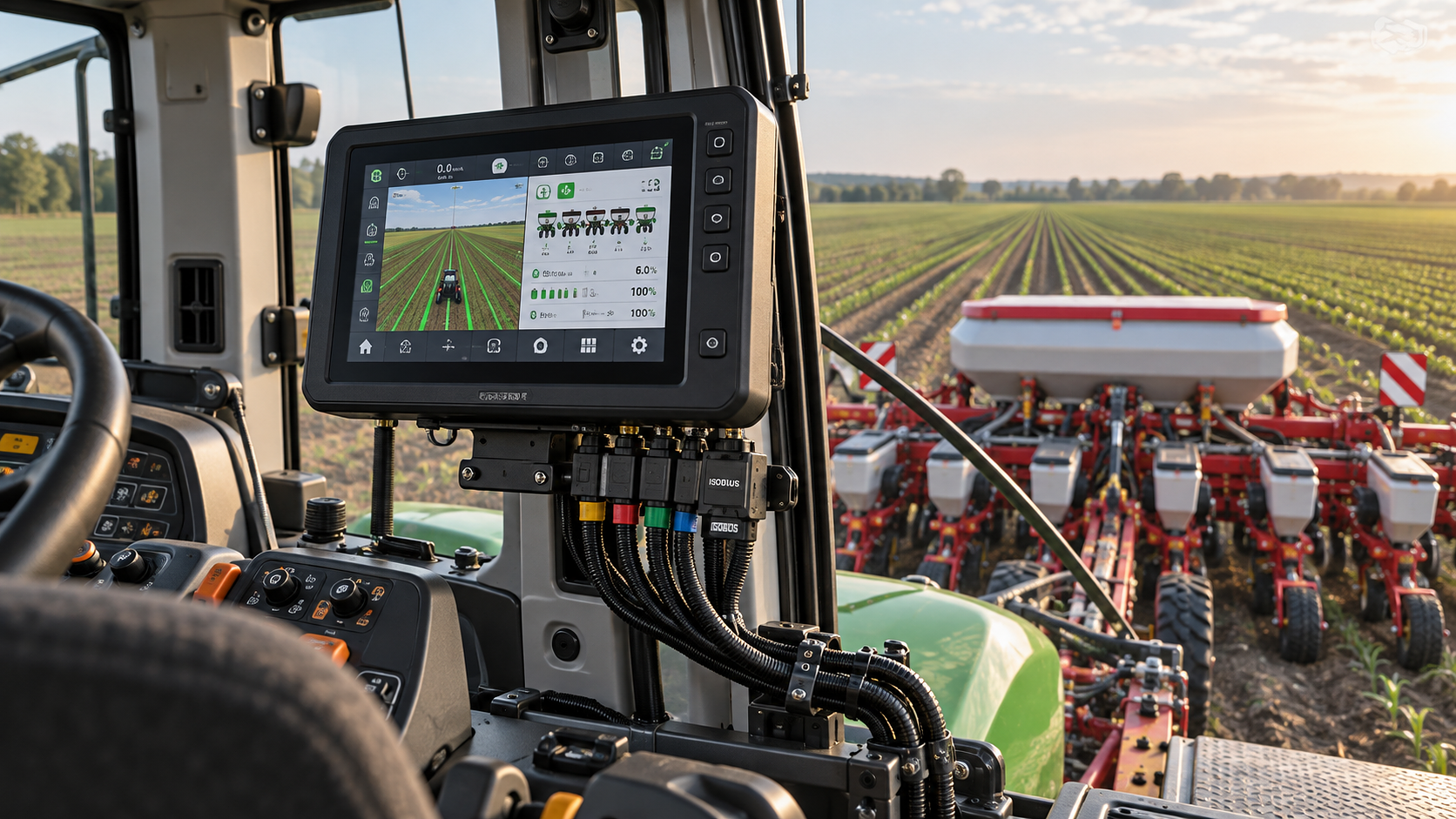




Choosing precision agriculture controllers starts with a practical question: can the proposed system execute your field operations using the tractors, implements, and prescription files you already have? An ISOBUS connection alone does not establish that. A display may operate an implement’s controls while lacking the functionality needed for automatic section switching or map-based rate changes.
A sound purchase decision therefore needs evidence at three levels: supported ISOBUS functions, reliable prescription execution, and usable data exchange. Evaluate the complete combination of display, implement controller, positioning source, software, and licenses. Compatibility belongs to that combination, rather than to any single component.
Define what the controller must actually control
The word “controller” can describe an in-cab display, an implement electronic control unit, or an integrated package containing both. Establish the proposed architecture before comparing specifications. The display usually provides the operator interface and may host task-controller functions; the implement ECU manages machine functions, such as metering or valve operation. Those roles need to work together.
Build a requirement around each operation. A fertilizer spreader following management zones needs geographic rate control and dependable metering. A planter may also require section control, separate product channels, and documentation. A sprayer introduces different constraints, including boom geometry, pressure limits, and the relationship between travel speed and nozzle output.
Record the tractor and implement models, ECU versions, working widths, controllable sections, product channels, positioning equipment, and farm software involved. Include machines that will share the display. This inventory exposes integration requirements that a generic feature list cannot resolve.
Read ISOBUS compatibility by functionality
ISOBUS provides a standardized framework for communication between agricultural equipment. However, “ISOBUS compatible” is too broad to serve as a purchasing specification. Different functions support different jobs, and the relevant components must support the functions your operation requires.
UT operation does not demonstrate variable-rate compatibility. An implement can appear on the screen and respond to manual inputs without supporting the required task-controller workflow. Likewise, section control and variable-rate control are separate capabilities: having one does not establish the other.
Use the Agricultural Industry Electronics Foundation (AEF) ISOBUS Database, where applicable, to examine tested functionality combinations. Match entries to the equipment and software versions being proposed. Combine that evidence with a demonstration of the actual workflow, because interoperability testing does not establish every file-import path, optional feature, or agronomic operating limit.
Ask for a written compatibility matrix identifying required functions, licenses, firmware, and hardware. A statement that “these brands work together” leaves too much unresolved.
Follow a prescription from the office to the metering system
Variable-rate compatibility is a chain. The agronomy software creates a prescription; the display imports and interprets it; the task controller sends targets; the implement controller regulates output. A failure at any stage can produce a convincing map on screen without correct application in the field.
File support must include the complete import workflow
ISOXML is used for ISOBUS task-data exchange. Some displays also accept shapefiles or proprietary prescription formats, sometimes through conversion software. A supported file extension is only the starting point. The import process must preserve field coordinates, product assignments, rate attributes, and units.
Use a prescription exported from the software that will actually supply the farm. Check which attribute becomes the application rate, how products are assigned, and whether multiple rate layers can be used together. A shapefile can contain several numeric attributes; selecting the wrong one can create a technically successful import with incorrect targets.
Unit interpretation deserves explicit attention. Mass per area, liquid volume per area, and seed population represent different quantities. Product calibration and density settings may also affect execution. Require the imported task to show understandable units and plausible values before enabling application.
Multiple products need independent control paths
A controller capable of changing one application rate may not support several products independently. A seeding operation applying seed and fertilizer needs the appropriate prescription assignments, supported control channels, and implement hardware for each product.
Distinguish independently controlled products from independently controlled sections. Multiple sections may all follow one rate target, while a machine with several product tanks may have limited independent metering. Similarly, automatic section switching does not establish individual-row rate control.
For each product, identify the target source, metering device, feedback signal, and recorded output. This connects a display specification to the physical machine and exposes unsupported combinations early.
Define behavior outside valid prescription areas
Prescriptions may contain gaps, zero-rate zones, or boundaries that differ from the field boundary loaded on the display. Establish what happens outside mapped areas, during positioning loss, and when a rate value is missing. Possible responses include a configured fallback rate, continued application at the previous target, or stopped application, depending on the system.
A deliberate zero-rate instruction must be handled distinctly from missing data. Operators also need a clear indication when prescription control is inactive or overridden. These behaviors affect both input use and the ability to diagnose an unexpected result.
Check whether the implement can physically deliver the target
Digital compatibility cannot overcome metering limits. A prescription can request a rate that the machine cannot deliver at the selected travel speed. Pumps, valves, seed meters, and spreading mechanisms have operating ranges, and their response to a new command takes time.
For spraying, evaluate the relationship among rate, speed, nozzle capacity, and acceptable pressure. For spreading, consider how product characteristics and metering adjustment affect delivery and distribution. For seeding, assess population changes alongside meter performance. A controller may transmit the requested target correctly while application quality deteriorates.
Assess zone size against the complete response chain. Position updates, processing, actuator movement, and material travel all contribute to where a rate change takes effect. Very short zones can demand changes faster than the equipment can execute. Look-ahead settings can compensate for predictable delay, but they require suitable setup and field verification.
Positioning requirements also depend on the job. Broad management zones may tolerate more positional variation than narrow treatment bands. Repeat passes, controlled traffic, and precise boundary work can require stronger repeatability. Choose the positioning service around those requirements, then check antenna placement and implement offsets.
Section control depends on geometry and timing
Automatic section control uses the system’s representation of the machine to determine where application occurs. Incorrect working width, antenna offsets, hitch dimensions, or section locations can cause gaps and overlap even when communication works correctly.
Trailed implements introduce another consideration: the tractor’s position does not always represent the implement’s path through a turn. Establish how the proposed system handles the relevant implement geometry, especially for curved boundaries and headland work.
Switch-on and switch-off timing should reflect material delivery and implement response. Test entry into untreated ground, exit into covered ground, and angled boundary crossings. Inspect the physical result as well as the coverage map; the screen’s record alone cannot prove that material reached the intended location.
Make the demonstration an acceptance test
A useful demonstration uses the proposed equipment configuration and representative farm data. Agree on observable pass criteria before the session, including acceptable rate response, section behavior, and documentation completeness. Keep safety interlocks active and use an appropriate test setup.
- Load a representative task. Check field location, units, products, rate zones, and assignments without rebuilding the prescription manually.
- Operate each required product channel. Show independent target changes and the feedback available from the implement.
- Cross rate boundaries at realistic speeds. Observe target changes, machine response, and whether the operator can identify an application limit.
- Exercise section control. Include headlands, partial-width overlap, and re-entry into untreated areas.
- Test defined interruption behavior. Demonstrate prescription gaps, task suspension, and recovery using safe procedures.
- Export the completed job. Open it in the intended farm software and inspect coverage, rates, products, and totals.
Distinguish commanded rate from measured application feedback during evaluation. An “as-applied” layer may represent the target, a controller-reported value, or sensor-derived information, depending on the system. Establish what each recorded field means. Otherwise, documentation may appear to verify delivery when it only confirms that a command was issued.
Choose an integration approach that fits the fleet
An integrated system from one supplier can simplify setup and support where the fleet already shares that ecosystem. Its value depends on how well it handles existing implements and outside data sources. Evaluate those interfaces before treating integration as a purchasing advantage.
A multi-brand ISOBUS display can make sense when equipment moves between tractors or implements come from several manufacturers. Its usefulness depends on supported functionality across those combinations, clear operator workflows, and accessible support. Standardized communication reduces some barriers but does not eliminate configuration work.
Retrofitting an existing implement may be appropriate when its mechanics remain suitable. Include wiring, sensors, actuators, calibration, and installation in the evaluation. An older machine may require more than a display upgrade to deliver dependable variable-rate application.
Compare the complete cost of making each option operational: task-controller activations, positioning subscriptions, harnesses, implement upgrades, data services, training, and seasonal support. Separate permanent capabilities from subscription-dependent services. For equipment shared across tractors, include the time and settings needed for each transfer.
Before ordering, require a configuration record covering hardware, software, licenses, supported functions, file workflows, and responsibility for integration support. Tie acceptance to successful prescription execution and readable job records. That gives the purchase a practical standard: the system must perform the required operation, on the intended machines, through a workflow the farm can repeat.
Related News
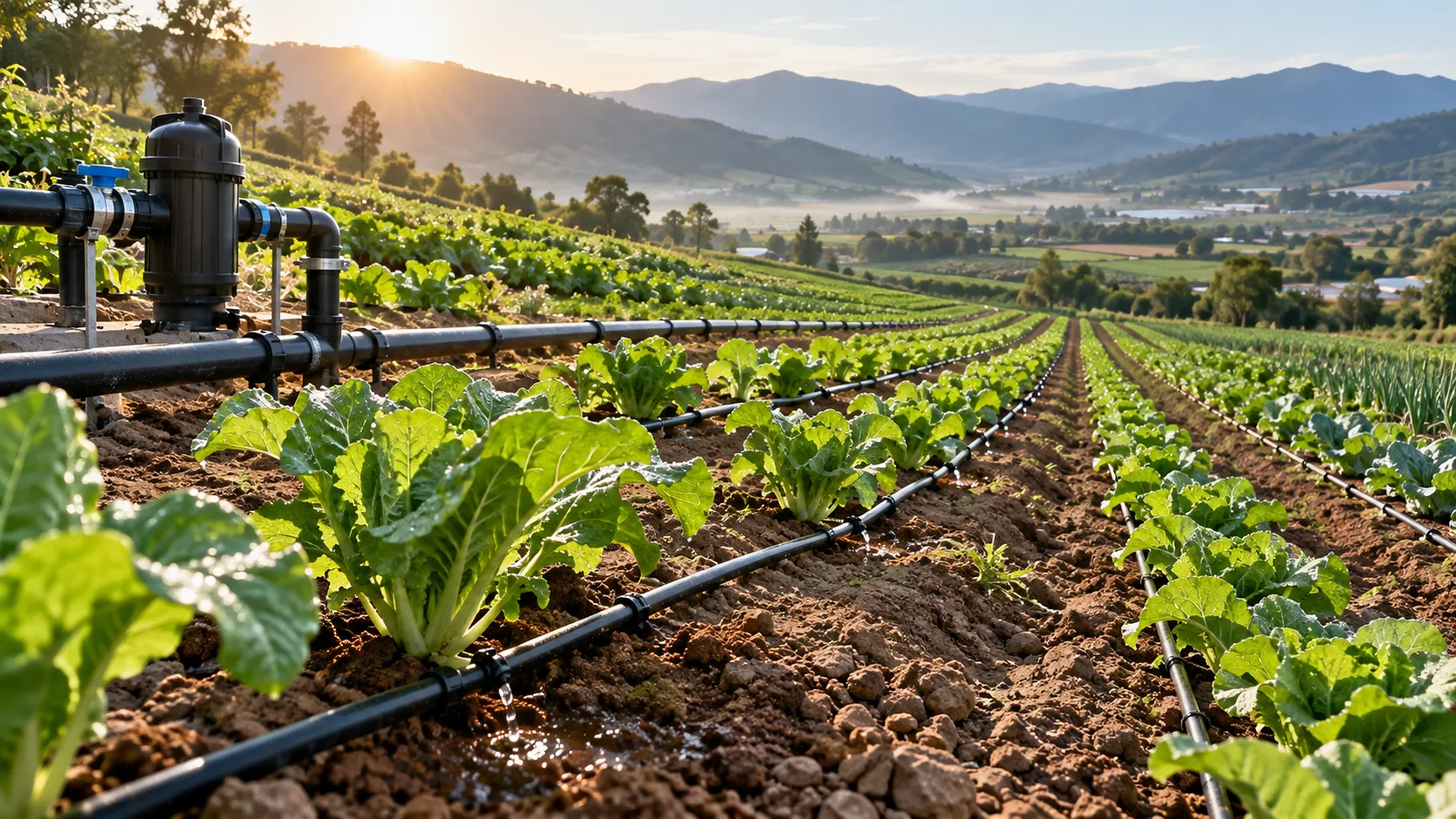
Choosing Drip Irrigation Systems for Open Fields: Soil, Slope, and Water Quality
Choose drip irrigation systems for open fields with confidence. Discover how soil, slope, and water quality shape emitter spacing, pressure, and filtration—and avoid costly design mistakes.
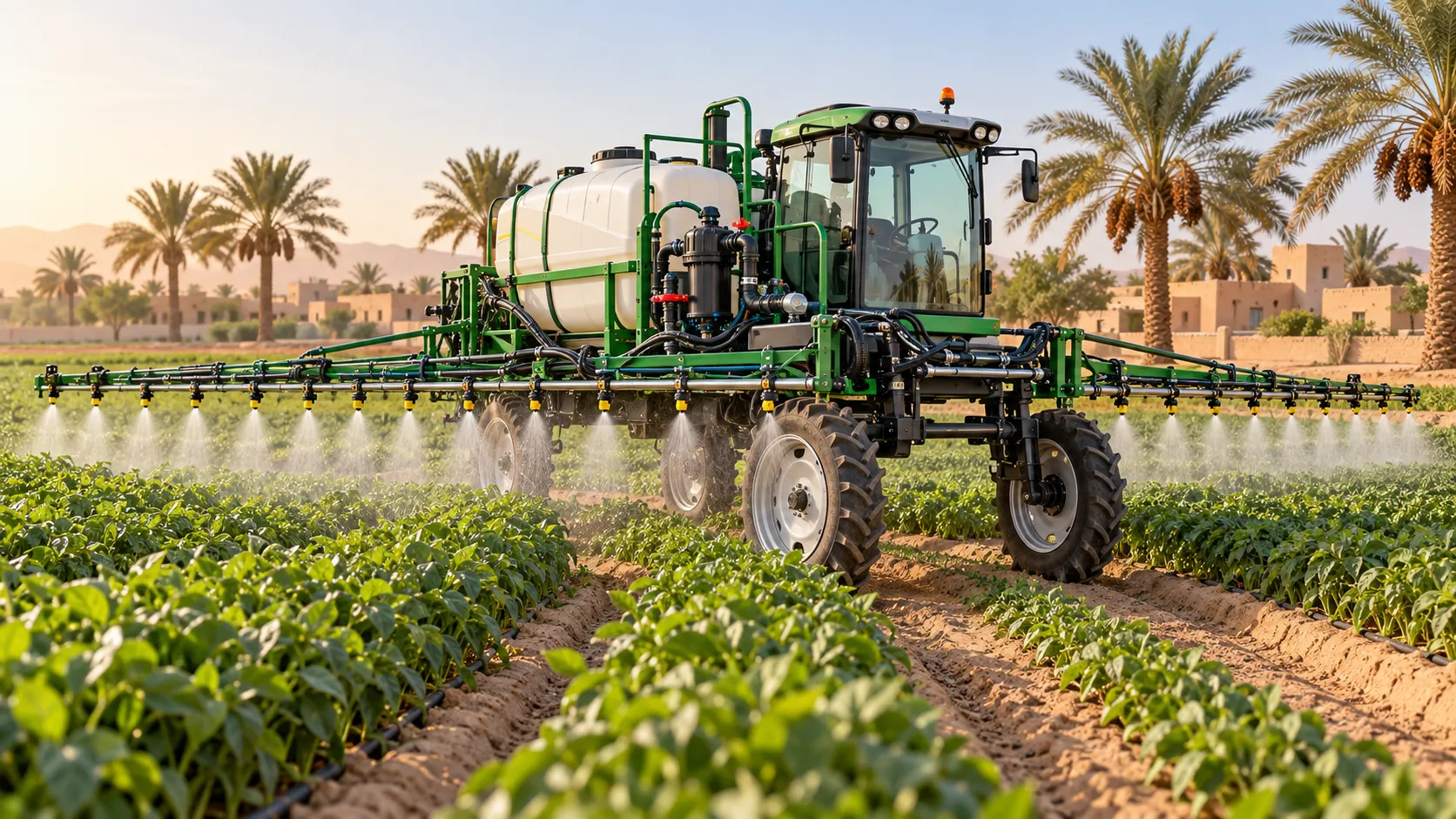
Choosing Crop Protection Equipment for Hot, Windy Middle Eastern Farms
Compare crop protection equipment Middle East farms need for hot, windy conditions. Discover key nozzle, drift-control, and durability checks to choose the right sprayer.
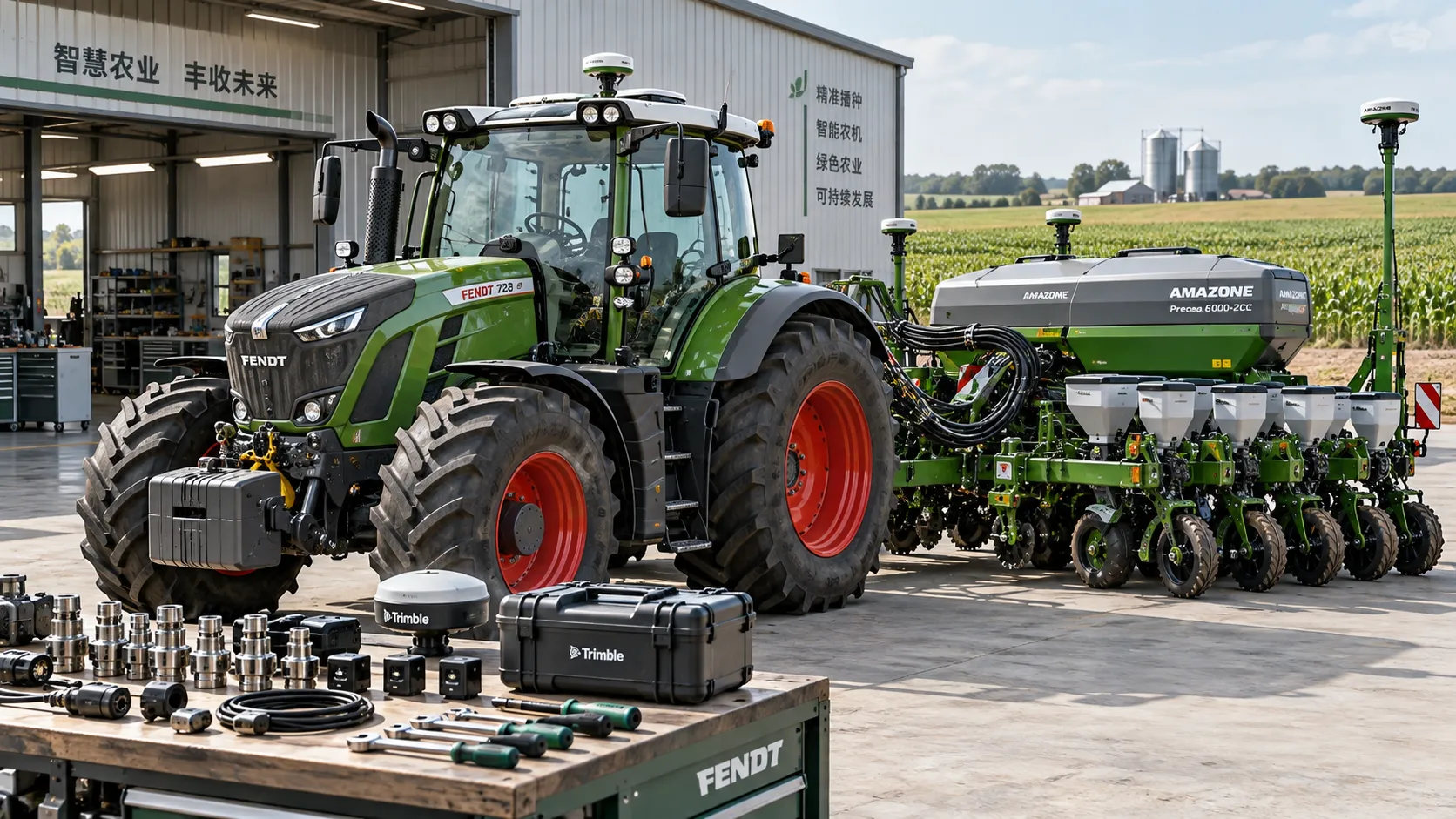
Choosing an Agriculture 4.0 Supplier: Compatibility, Support, and Total Cost
Choose an Agriculture 4.0 supplier with confidence. Learn how to verify compatibility, assess support, and compare total ownership costs to avoid hidden fees and costly downtime.
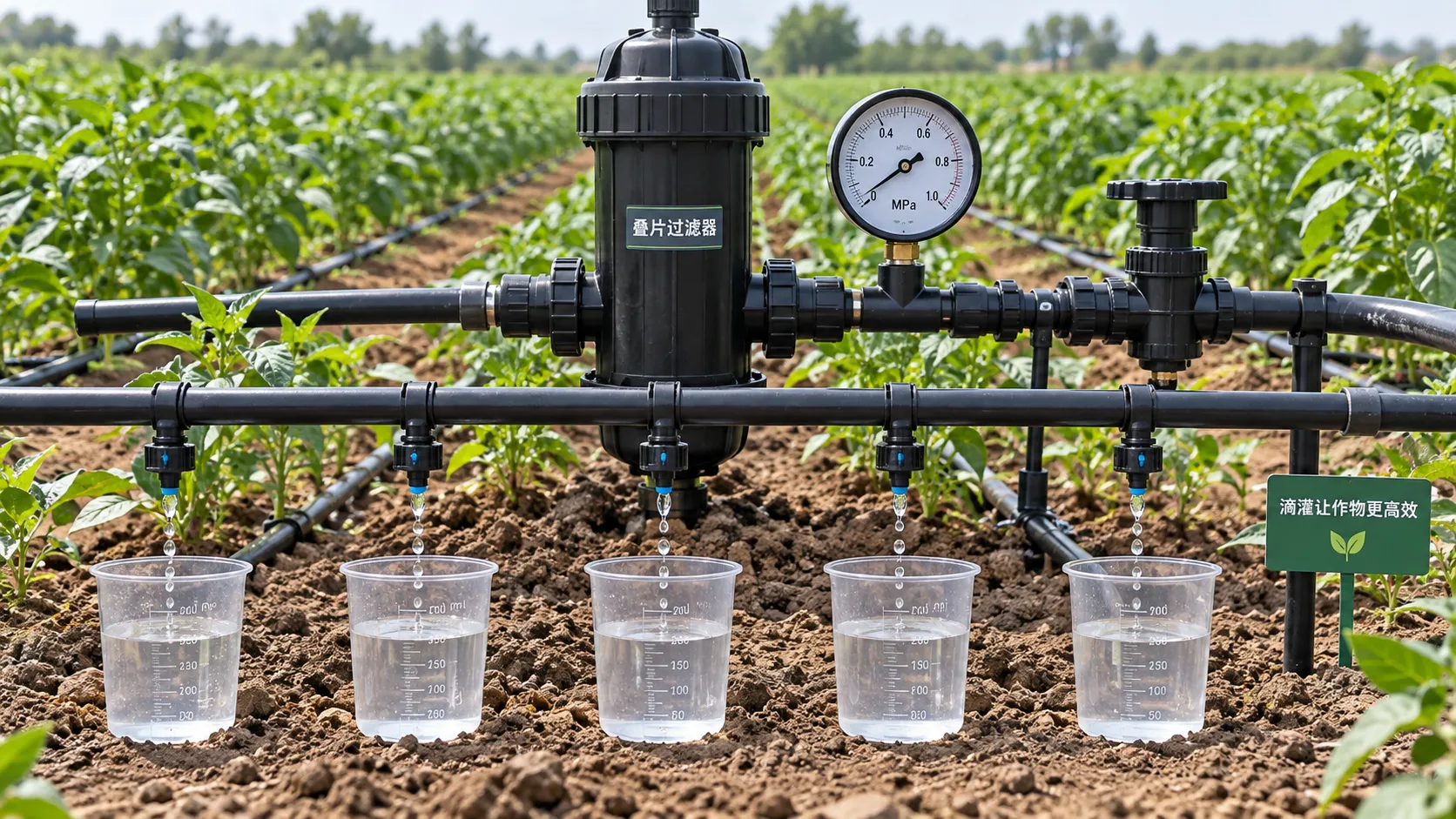
Low-Pressure Drip Irrigation: How to Fix Uneven Watering Without Raising Pressure
Optimize low pressure water-saving irrigation systems: discover how to fix uneven watering, clear blockages, and reduce hydraulic losses without raising supply pressure.
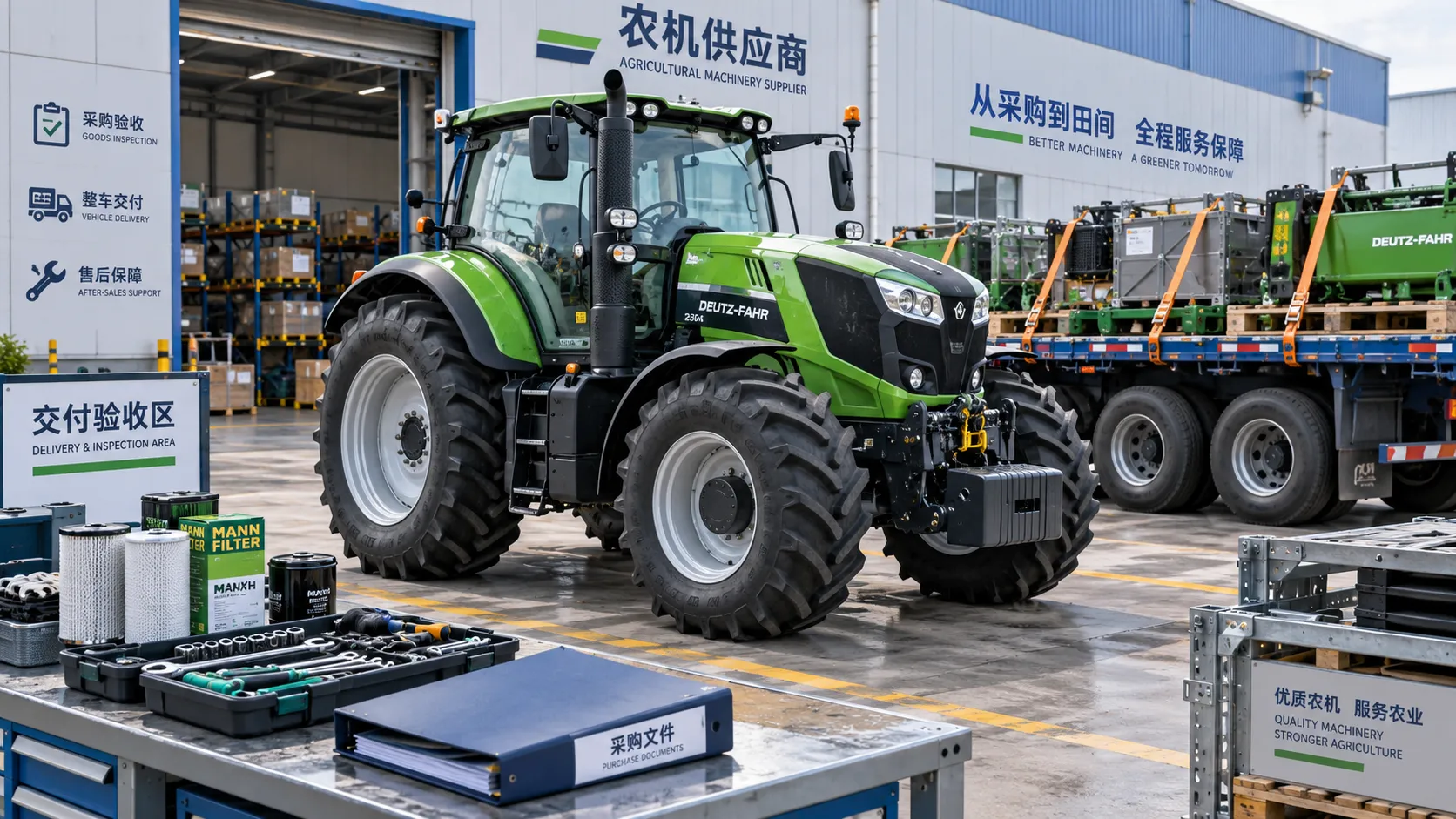
Comparing Farm Equipment Supplier Quotes: Price, Freight, and Warranty
Simplify supplier comparison for farm equipment price: assess freight, field-ready costs, and warranty coverage. Learn how to avoid hidden charges and choose a reliable supplier.
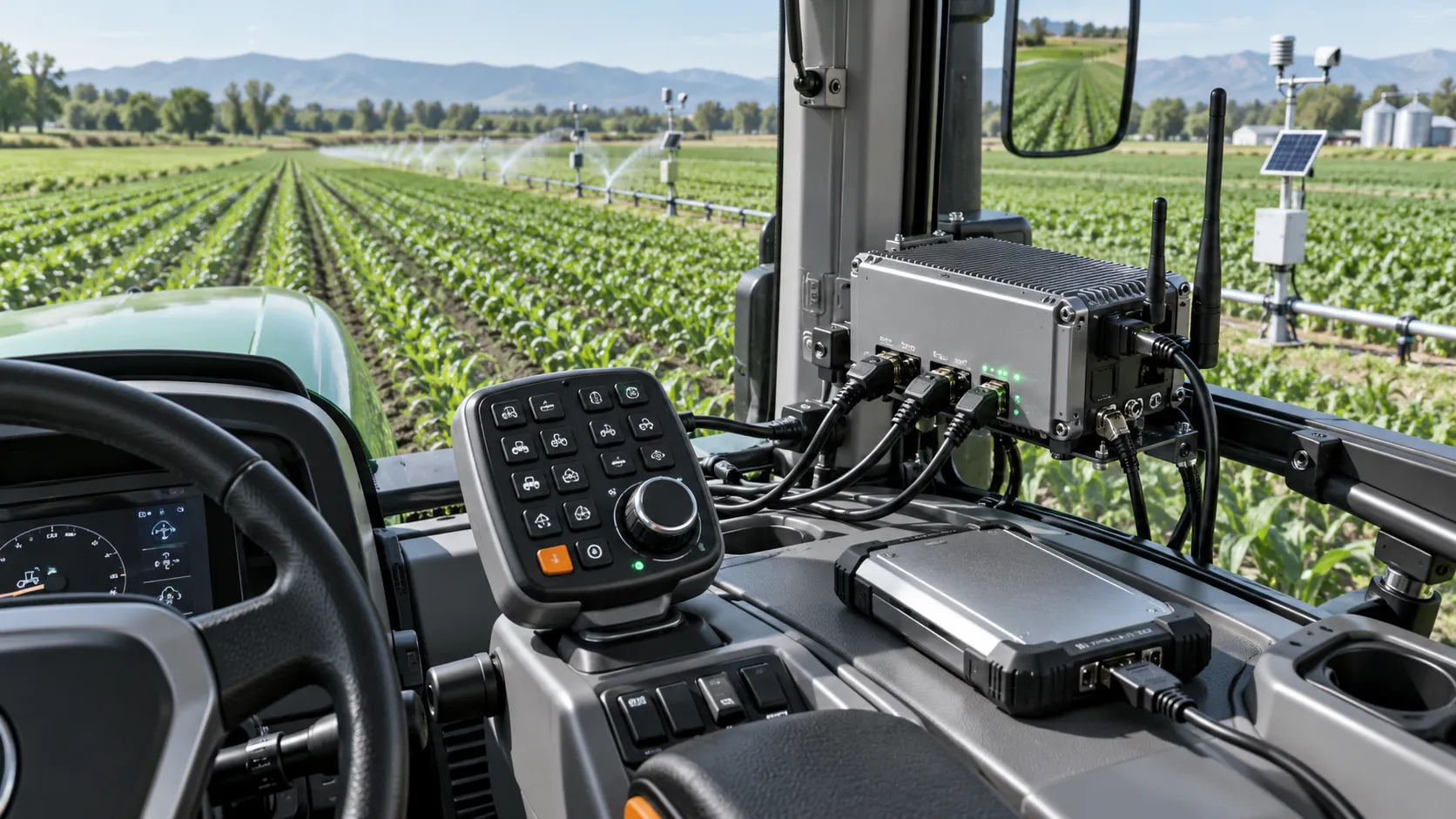
Choosing a Digital Farming Platform Provider: Compatibility and Data Ownership
Compare digital farming platforms providers on equipment compatibility, data ownership, and export rights. Discover practical checks to avoid lock-in and choose with confidence.
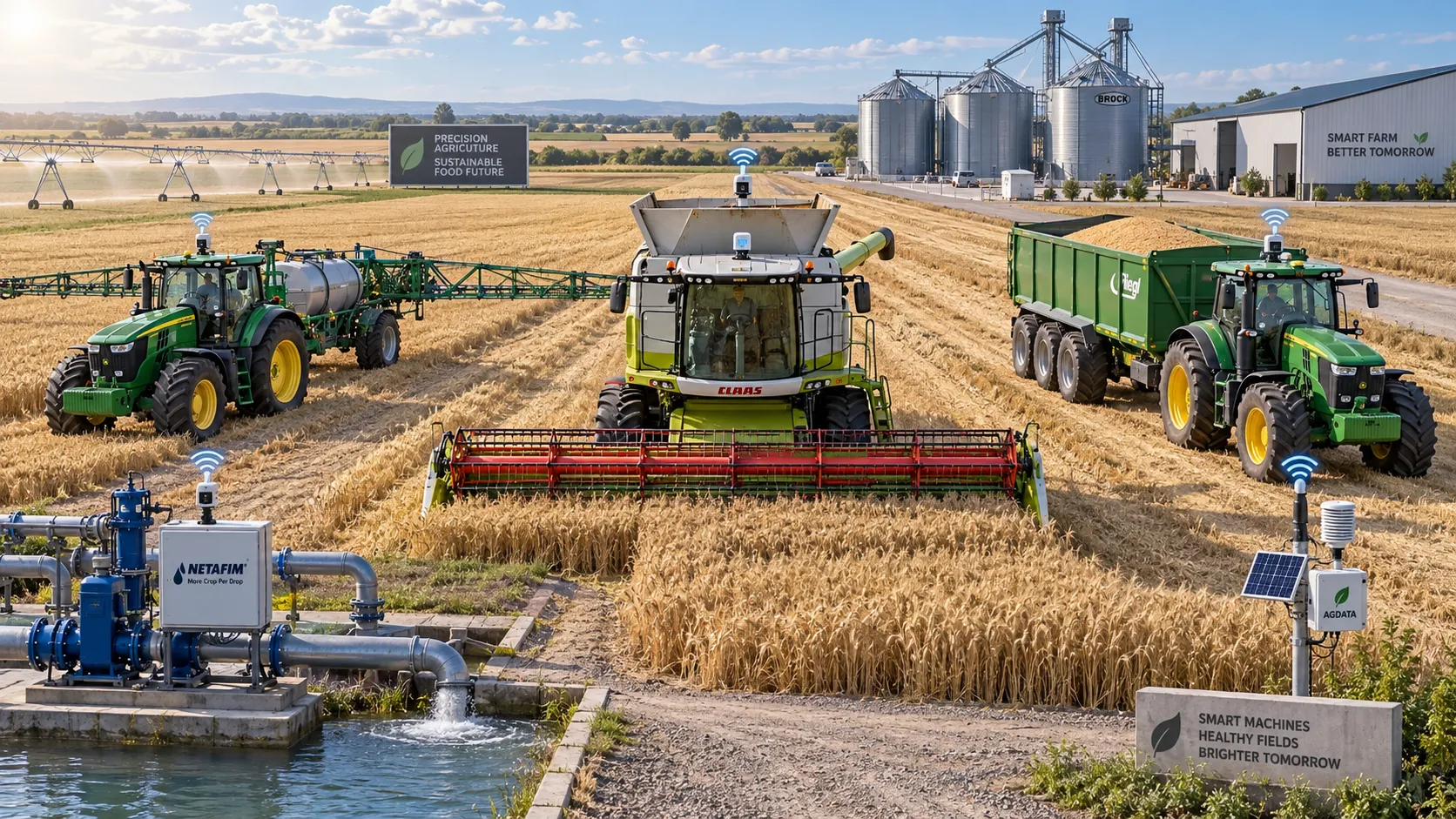
How Large-Scale Farm Telematics Cuts Downtime Across Mixed Fleets
Large-scale farm equipment telematics cuts mixed-fleet downtime with real-time alerts, smarter maintenance, and stronger operational control. Learn how to protect critical farm workflows.
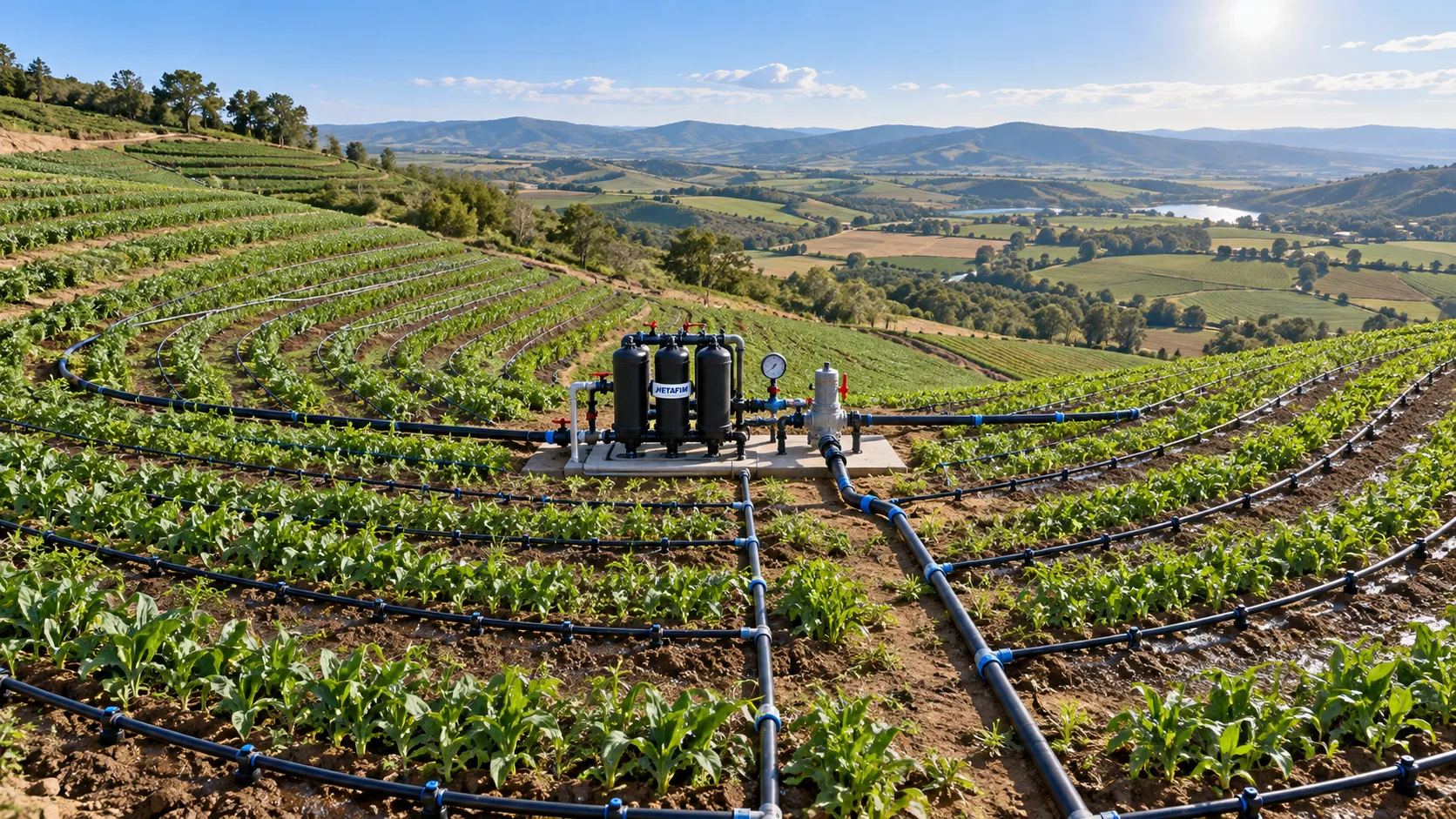
How to Size Low-Pressure Water-Saving Irrigation Systems for Uneven Fields
Low pressure water-saving irrigation systems for uneven fields: learn zoning, pressure mapping, pipe sizing, and pump selection to improve uniformity and reduce water waste.

Farm Machinery Sourcing: How to Vet Suppliers, Specs, and Lifecycle Costs
Farm machinery information for sourcing: learn to vet suppliers, compare specifications, control lifecycle costs, and secure reliable uptime for smarter equipment purchases.
Related News
- 00
0000-00
Choosing Precision Agriculture Controllers: ISOBUS and Variable-Rate Compatibility - 00
0000-00
When digital crop monitoring detects stress before visible damage - 00
0000-00
How to Evaluate Dynamic Feedback Algorithm Suppliers for Precision Farming Systems - 00
0000-00
How Sensor Feedback Enables Accurate Variable-Rate Fertilization in Field Conditions - 00
0000-00
How to Select Precision Crop Protection Equipment for Variable Field Conditions
Popular Tags
Tractor Power Architect
Weekly Insights
Stay ahead with our curated technology reports delivered every Monday.