



Choosing an Agriculture 4.0 Supplier: Compatibility, Support, and Total Cost
Choose an Agriculture 4.0 supplier by verifying three things: compatibility with your existing assets, dependable support during critical operations, and transparent costs throughout ownership.
For procurement teams, equipment specifications and upfront pricing provide only part of the picture. Connected machinery must fit existing workflows and remain serviceable throughout its working life.
A lower purchase price quickly loses its appeal when integration charges, software subscriptions, unavailable spare parts, or operational downtime exceed the savings negotiated initially.
This guide explains how to build a defensible shortlist, test supplier claims, and compare lifetime value across connected machinery, precision farming tools, and intelligent irrigation systems.
Define the Operational Requirements Before Comparing Suppliers
Start with the operational problem and its financial consequences. Procurement requirements should connect each proposed technology to measurable improvements in field performance or operating costs.
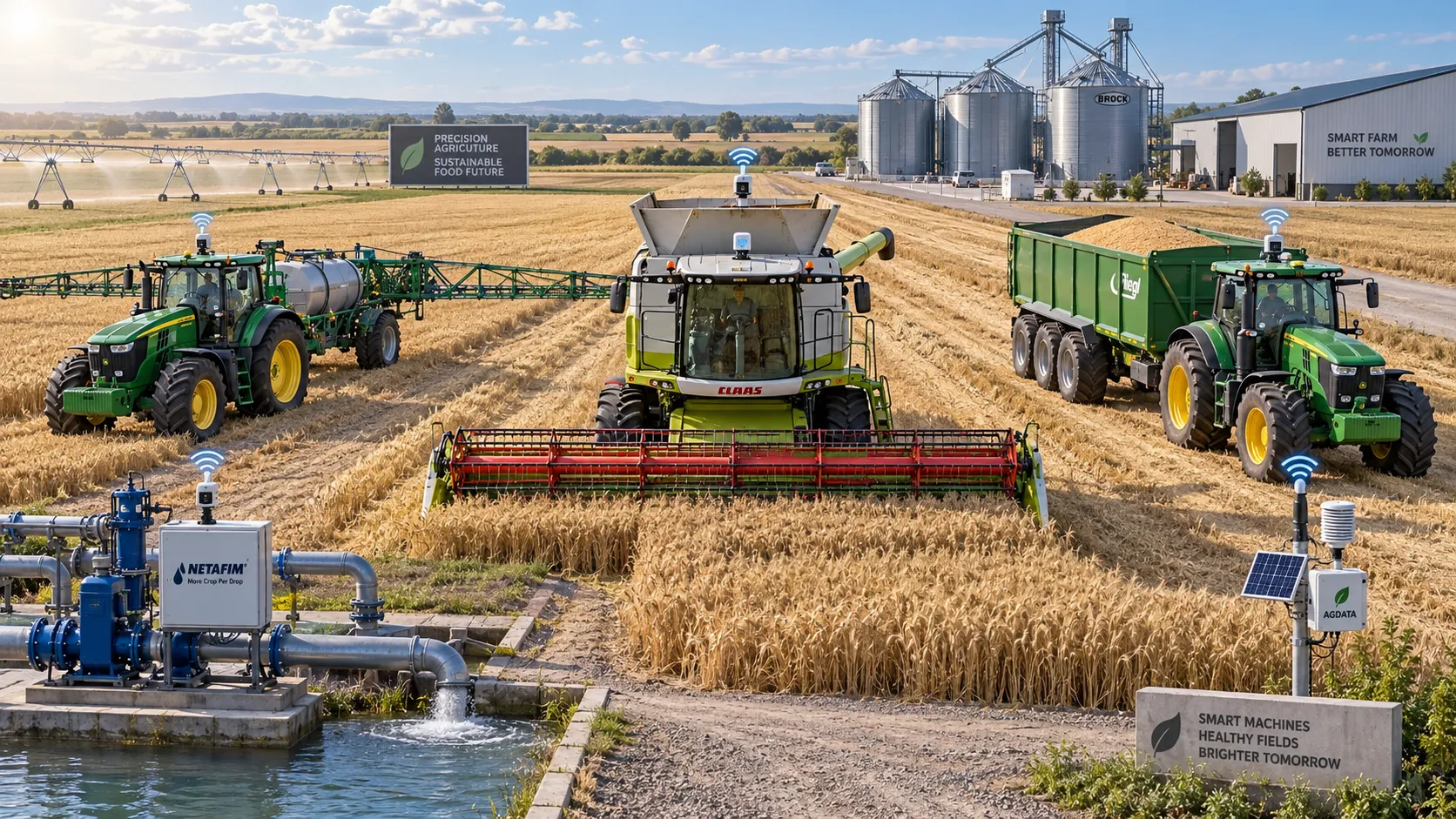
For harvesting equipment, priorities may include throughput, grain loss, service accessibility, and timely completion. For irrigation, examine water delivery, pumping energy, and scheduling reliability.
Separate essential capabilities from optional features. A dashboard offers limited value if operators cannot maintain application accuracy or control irrigation when connectivity becomes unreliable.
Document your installed equipment, controller models, software versions, communications coverage, and internal technical capacity. These details determine whether an otherwise capable solution will fit.
Ask shortlisted suppliers to identify exclusions and dependencies against this inventory. Written exceptions reveal integration risks earlier than broad assurances about supporting mixed fleets.
- Operational baseline: Record current downtime, fuel or energy consumption, labor requirements, input application, and relevant output measures before estimating potential improvements.
- Procurement scope: Identify who supplies hardware, installation, connectivity, configuration, training, integration, and ongoing maintenance, including responsibilities assigned to subcontractors.
- Success criteria: Define measurable acceptance conditions and the operating environments in which suppliers must demonstrate them before final acceptance.
Will the Technology Work With Your Existing Fleet?
Compatibility should be assessed at three levels: physical connection, functional operation, and data exchange. Passing one level does not establish compatibility at the others.
A controller may connect successfully yet fail to support section control, variable rate application, or task documentation. Request confirmation for each required operating function.
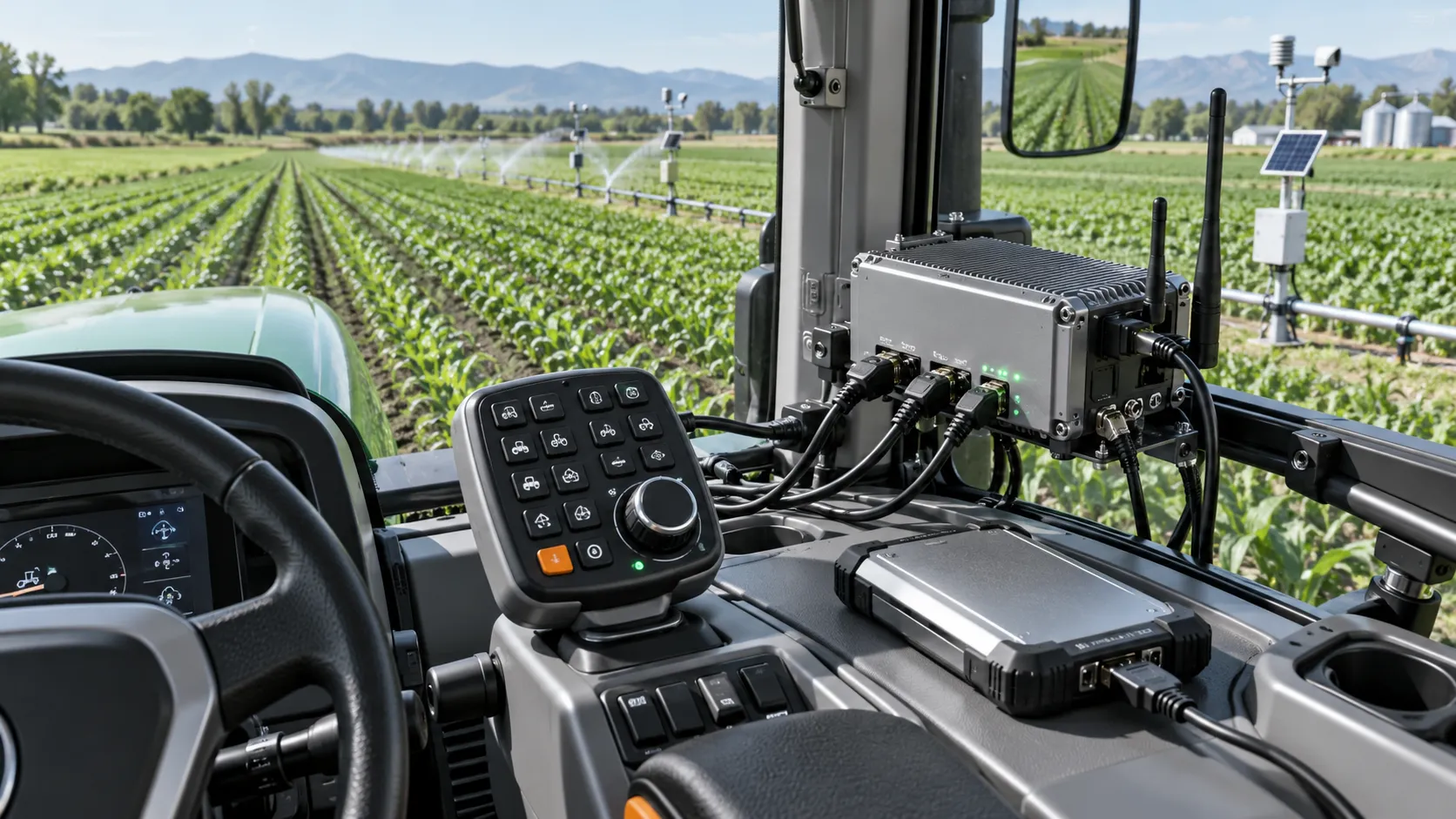
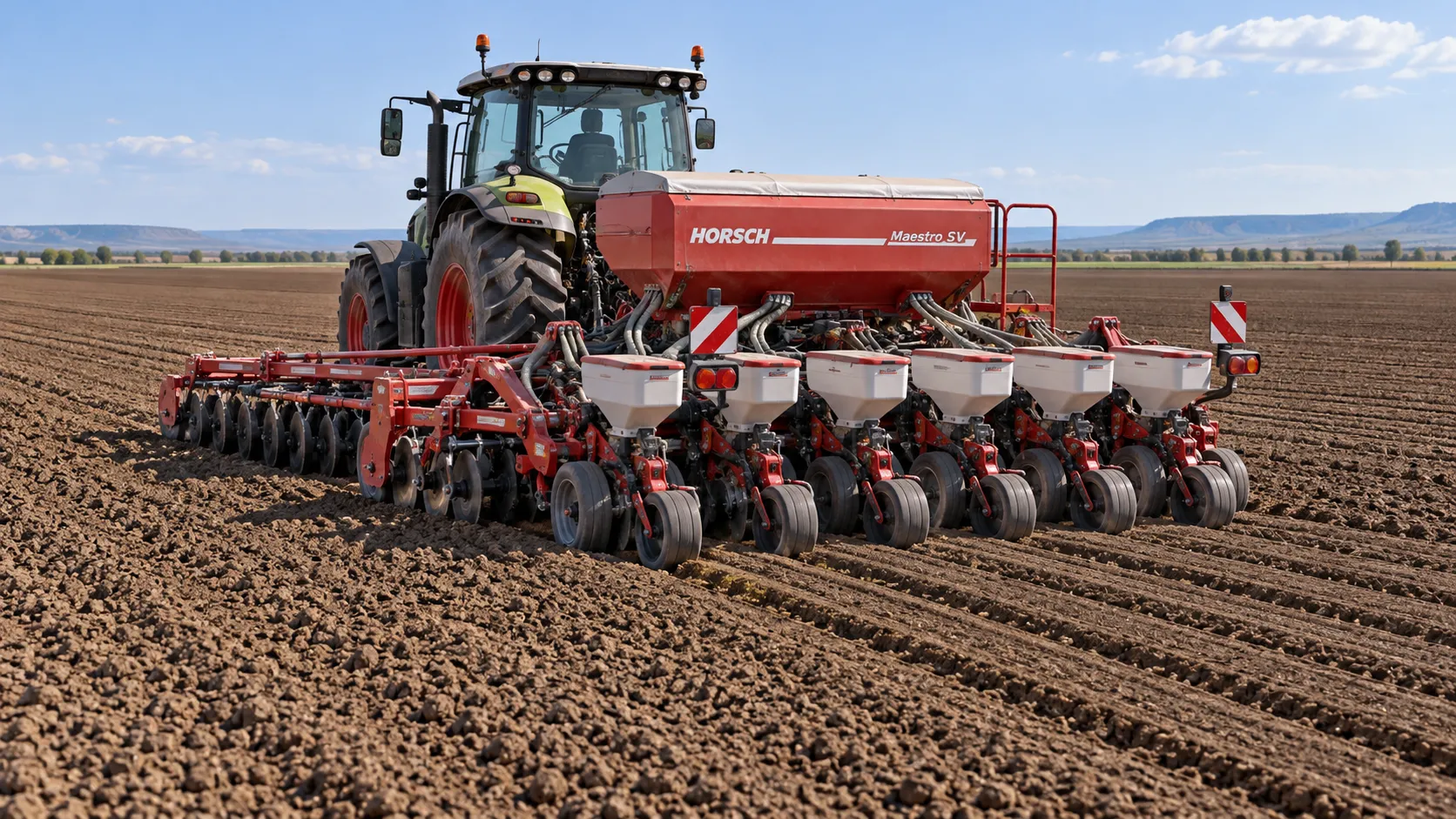
For ISOBUS equipment, ask about relevant AEF certifications and check the exact tractor, terminal, implement, and software combinations. Certification scope matters more than general branding.
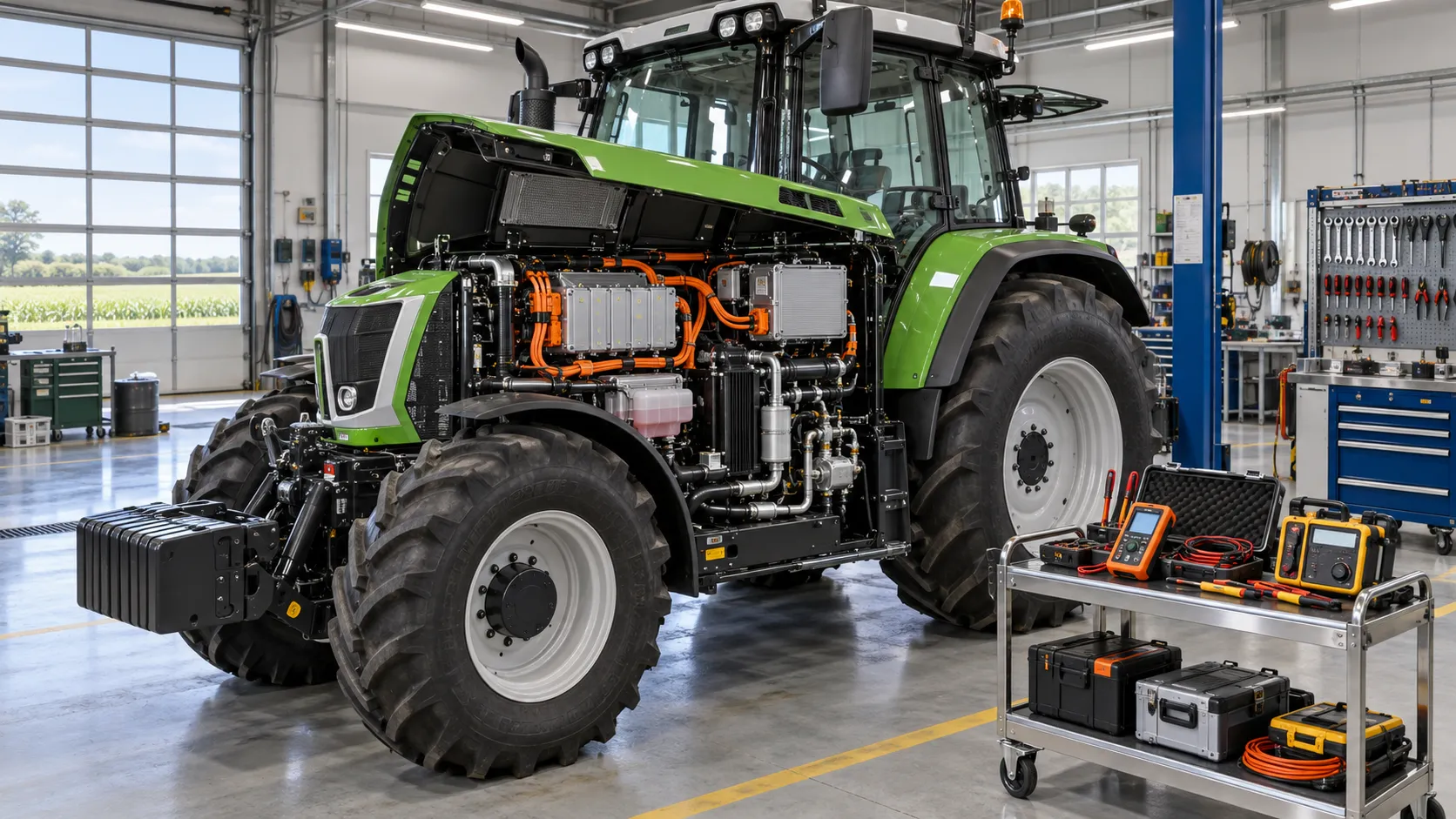
For mechanical and hydraulic interfaces, verify coupling requirements, flow, pressure, electrical demand, mounting arrangements, and operating limits against the actual machines involved in deployment.
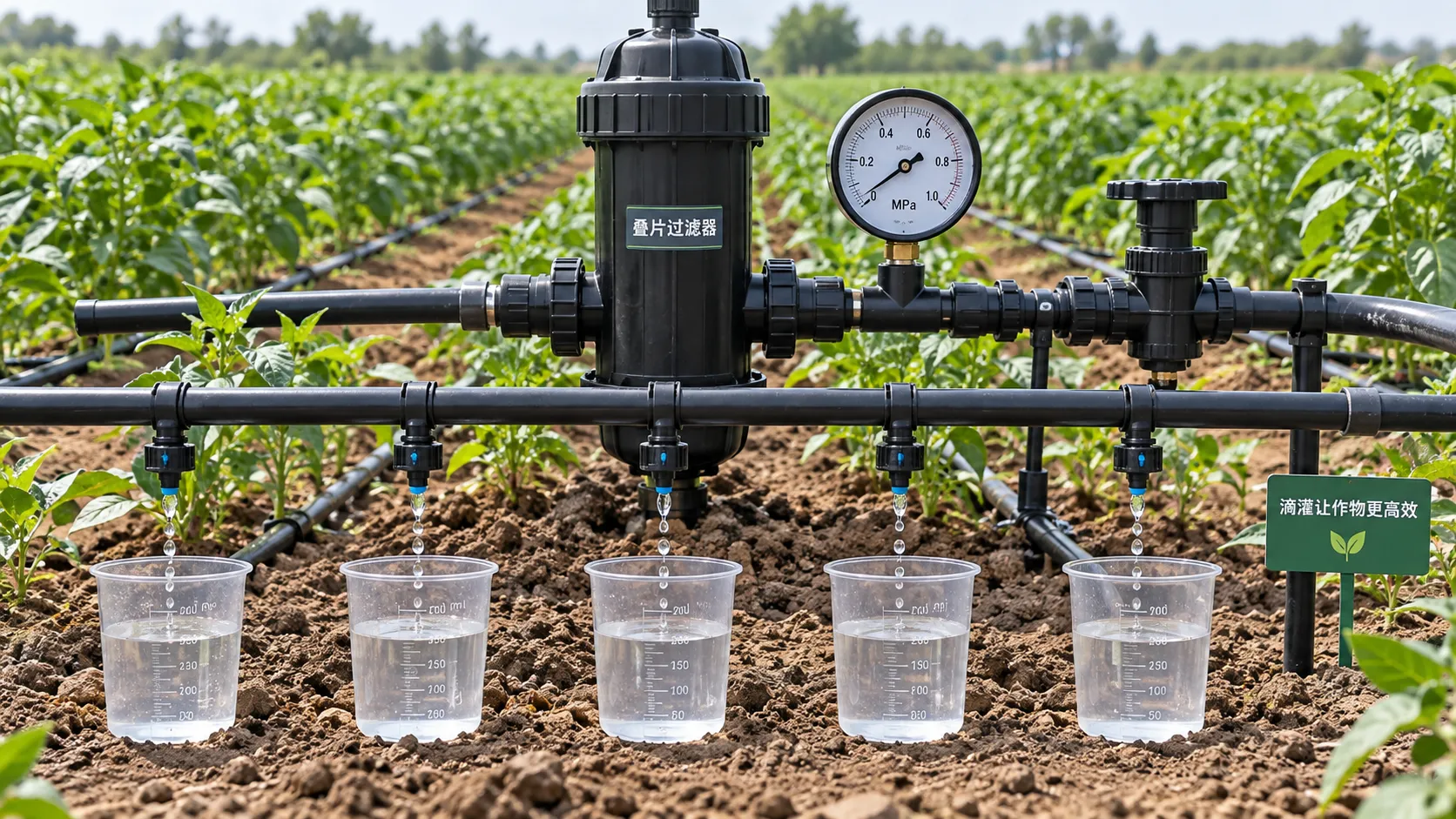
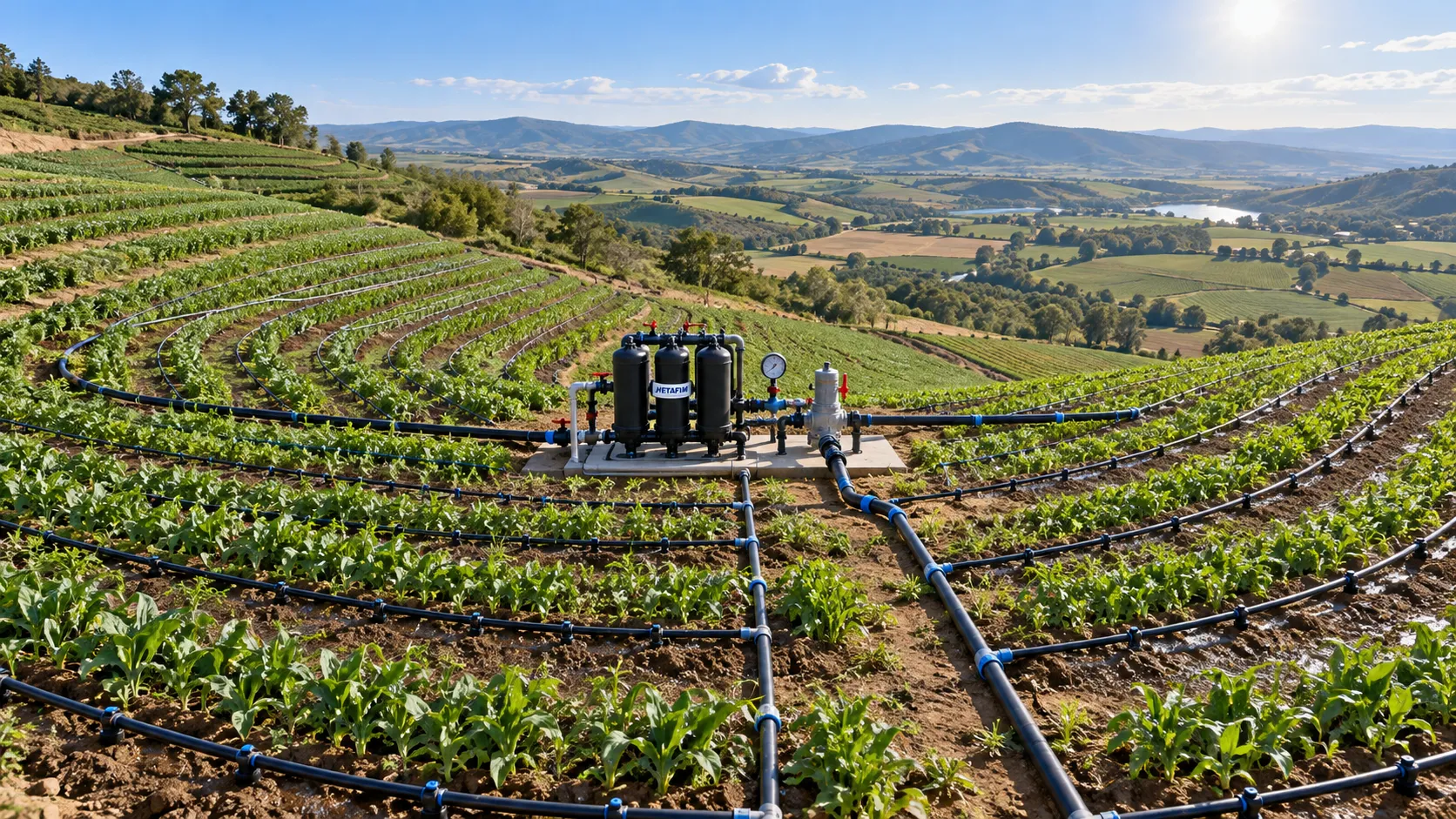
For smart irrigation, confirm sensor communication, controller protocols, valve operation, pump interfaces, and electrical protection. Check whether existing components require replacement or additional gateways.
Require a compatibility schedule identifying supported models, firmware versions, required licenses, adapters, and limitations. Attach the agreed schedule to the purchase contract for accountability.
Can You Access Your Data and Keep Working Offline?
Data access influences future supplier choice, reporting costs, and operational continuity. Assess ownership, export rights, access permissions, and retention before accepting a platform subscription.
Request sample exports containing field boundaries, application records, machine activity, and irrigation histories. Verify that your intended receiving software can actually use those files.
An available API does not guarantee affordable integration. Establish access charges, rate limits, documentation quality, supported data fields, and responsibility when an interface changes.
Test what happens when mobile coverage disappears. Identify which functions continue locally, how records synchronize afterward, and whether operators can recover without specialist assistance.
For connected irrigation and remote control, establish behavior after communication loss or sensor failure. Local controls, defined permissions, and safe operating states need explicit agreement.
Include an exit process covering export formats, transfer assistance, timing, charges, and deletion requirements. Confirm what remains operational if subscriptions expire or hosting ends.
What Support Will Be Available During Peak Operations?
Agricultural downtime has a seasonal cost. A delayed repair during harvest or a failed irrigation controller during heat stress can outweigh substantial purchase savings.
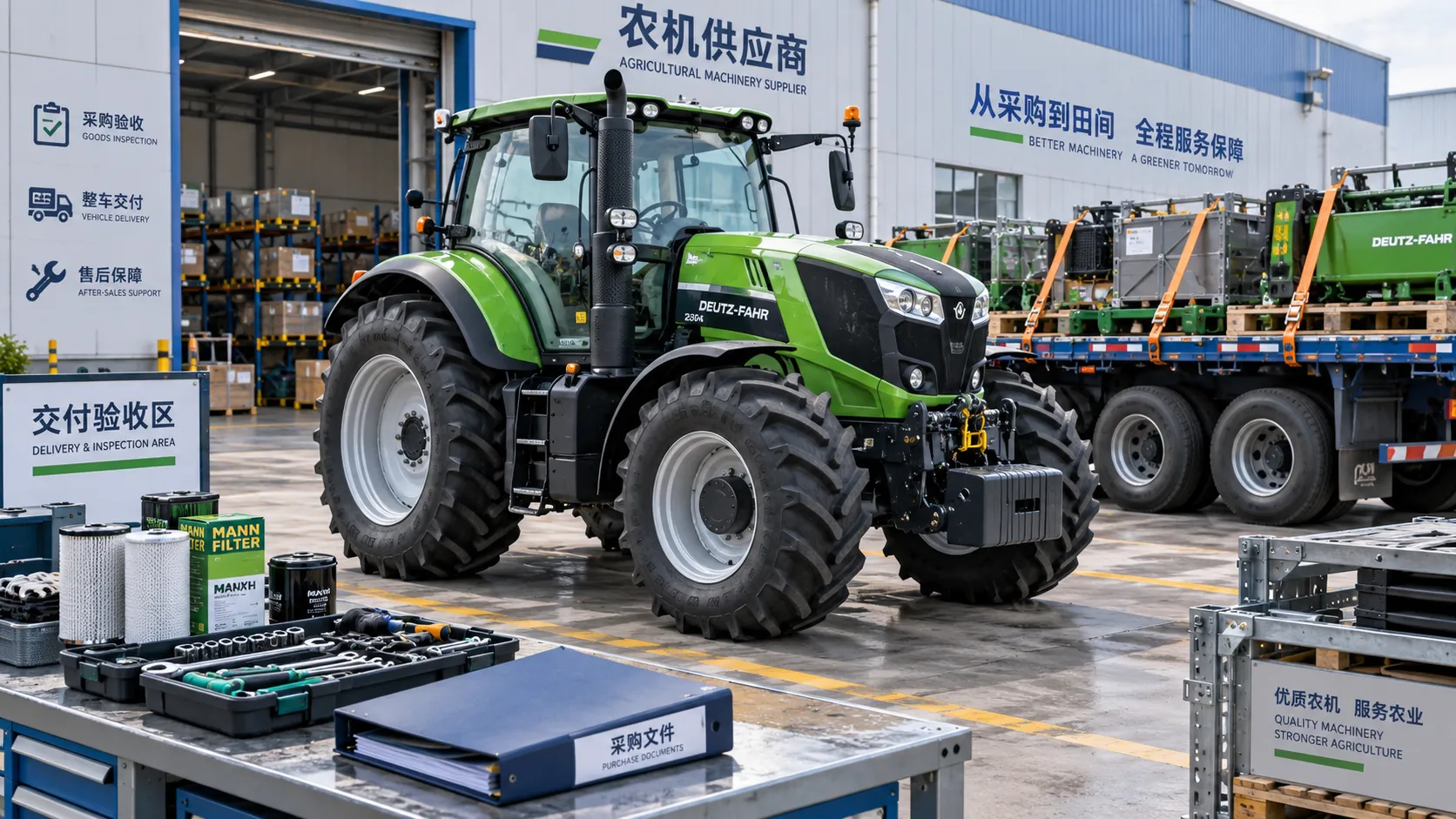
Evaluate the support network where equipment will operate, including technician availability, travel time, diagnostic capability, and access to specialists during peak demand periods locally.
Distinguish response time from restoration time. A rapid acknowledgment provides little protection unless the supplier can diagnose failures, deliver parts, and restore critical functions.
Ask for historical parts availability and service performance for comparable installations. References should reflect similar geography, equipment complexity, and seasonal workloads wherever possible locally.
Training should include operators, maintenance staff, and administrators. Specify practical instruction, refresher access, documentation language, and support for staff turnover during the ownership period.
- Support coverage: Define operating hours, seasonal extensions, contact channels, escalation routes, and the party accountable when multiple vendors are involved.
- Recovery arrangements: Identify locally stocked critical parts, loan equipment, remote diagnostic procedures, and temporary operating options while repairs are underway.
- Contract remedies: Negotiate measurable service obligations and appropriate remedies, while recognizing that credits alone may not compensate for lost operating time.
Compare Total Cost of Ownership Across the Same Period
An Agriculture 4.0 supplier comparison becomes meaningful when every bid covers the same operating scope, utilization assumptions, ownership period, and required level of support.
Include acquisition, installation, integration, training, subscriptions, connectivity, maintenance, consumables, repairs, and expected downtime. Subtract a defensible residual value at the end of the period.
Account for mandatory dependencies separately. Correction services, cloud storage, API access, sensor replacement, and additional user accounts can materially change the economics of connected equipment.
Use one consistent approach to financing and discounting. Avoid counting the purchase price and loan principal repayments together, which would overstate the ownership cost.
Compare base, favorable, and adverse scenarios. Changes in annual utilization, repair frequency, subscription pricing, or service delays can reverse an apparent advantage between bids.
Which Claimed Benefits Can You Defend Financially?
Separate operational benefits from cash savings. Time saved creates financial value when it reduces paid hours, avoids contractor costs, or enables additional productive work.
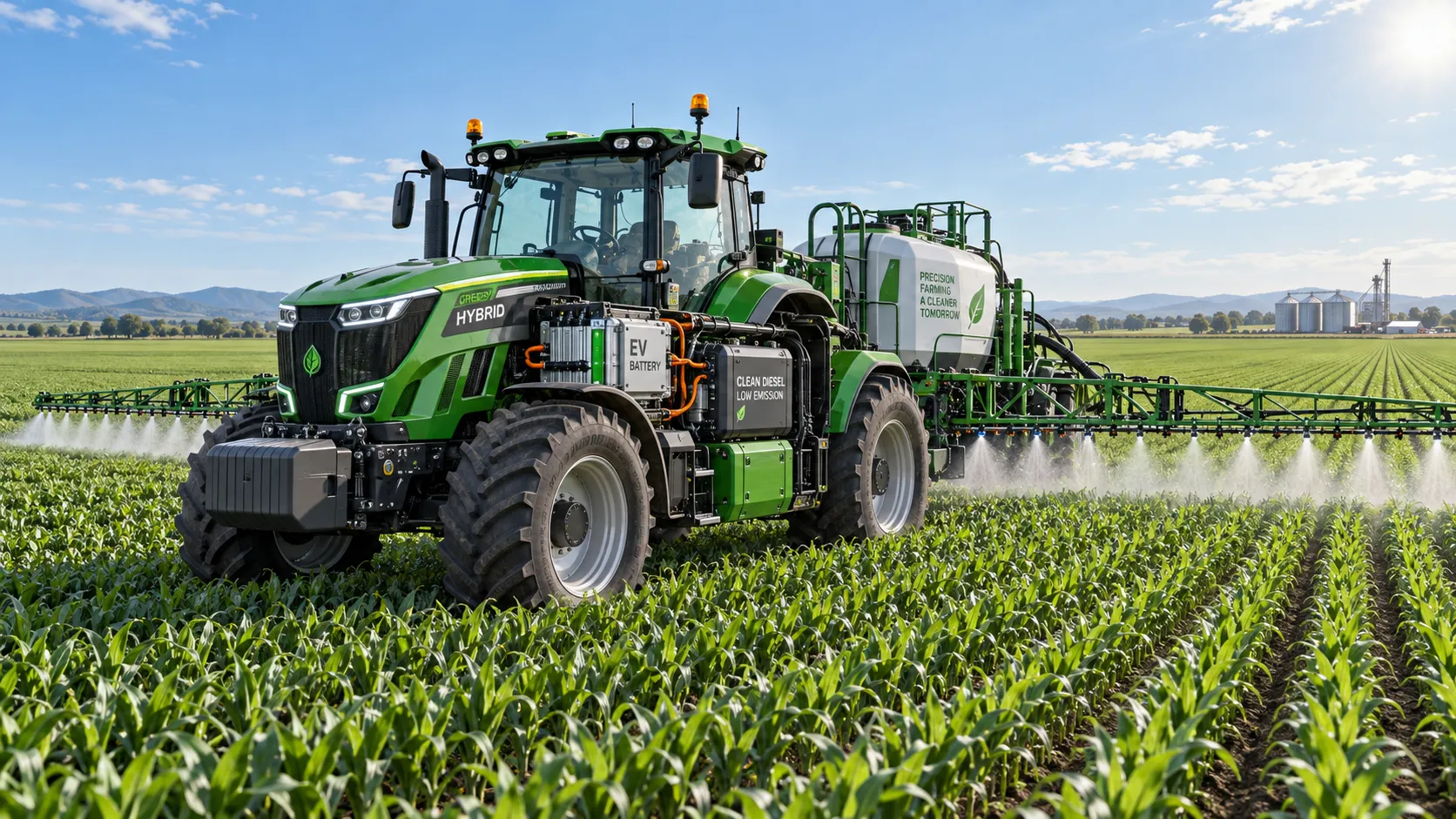
For precision application, calculate potential input savings against measured current practice. Check that reduced application maintains the agronomic outcome required for the relevant crop.
For irrigation, evaluate water use alongside pumping energy, labor, and crop performance. Lower water application alone does not establish a favorable overall investment return.
Illustratively, a $30,000 incremental investment delivering $10,000 in annual net savings has a three year simple payback, before considering discounting, taxes, or residual value.
Label supplier projections as estimates until validated. Avoid counting overlapping benefits twice, such as treating the same reduction in machine hours as multiple independent savings.
Require a Pilot That Tests Your Actual Operating Conditions
A demonstration establishes what equipment can do under selected conditions. An acceptance trial should establish whether the proposed configuration meets your documented operational requirements.
Use representative fields, operators, crops, slopes, connectivity conditions, and existing equipment. Agree on the test method, baseline, measurement responsibilities, and acceptance thresholds before starting.
For harvesting, measure throughput alongside losses and grain quality. For precision tools, check application accuracy; for irrigation, assess delivery performance and controller response together.
Include foreseeable disruptions: lost connectivity, failed sensors, interrupted power, and operator handovers. Observe recovery effort, retained records, alarms, and whether support resolves problems effectively.
Record configuration details and unresolved defects. Link final acceptance and an appropriate payment milestone to agreed outcomes, with clear retesting arrangements if requirements remain unmet.
Turn Supplier Evidence Into a Clear Purchasing Decision
Use mandatory gates before weighted scoring. A supplier that fails essential compatibility, operational safety, or service requirements should not qualify through attractive pricing alone.
For qualified bids, a starting weighting could assign compatibility 30%, service 25%, ownership cost 25%, data and security 10%, and implementation capability 10% overall.
Adjust those weights to reflect operational exposure. Remote locations may justify greater emphasis on service coverage, while complex mixed fleets may prioritize demonstrated integration.
Score evidence consistently: independent checks and successful trials deserve greater confidence than unsupported commitments. Record uncertainty explicitly so decision makers can see remaining exposure.
Before signing, confirm warranty boundaries, update obligations, support duration, price adjustment terms, and responsibility for integration faults. Assign one accountable contact for resolving cross-vendor problems.
The strongest Agriculture 4.0 supplier delivers verified compatibility, credible operational support, and defensible lifetime economics. Award the contract when documented evidence supports all three requirements.