
Farm Machinery Sourcing: How to Vet Suppliers, Specs, and Lifecycle Costs
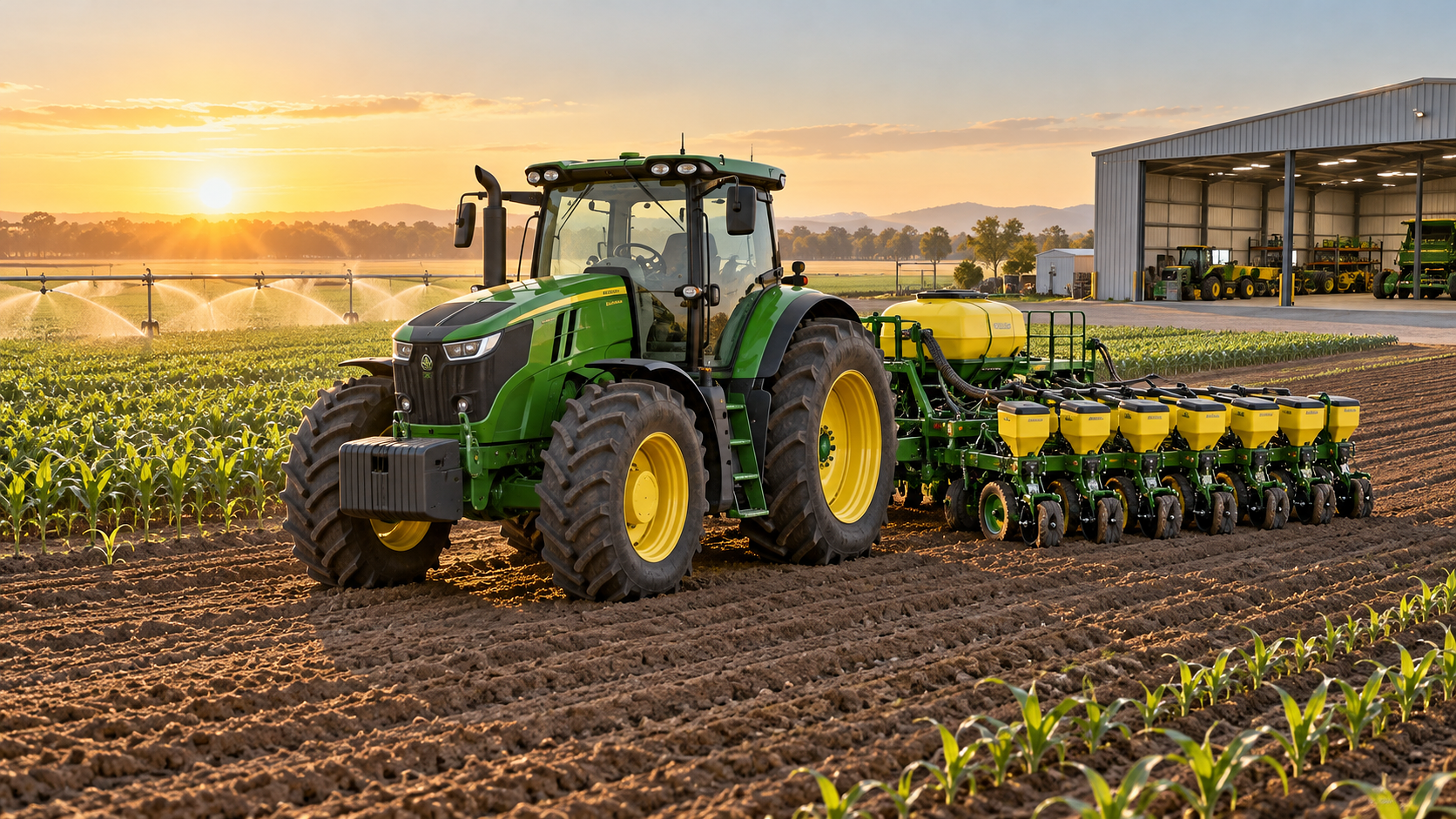




Start with the operating job, not the machine category
Farm machinery sourcing fails most often when a buyer begins with a model, horsepower figure, or quoted price before defining the work the asset must complete. A tractor that looks competitive on paper can be underpowered for its implements, oversized for row spacing and transport routes, or dependent on service support that does not exist during the planting window. A combine can meet nominal capacity requirements yet produce unacceptable grain loss in the crop, moisture range, or terrain where it will actually work.
The practical starting point is a job profile. For each machine under consideration, procurement should establish the operating conditions that cannot be compromised: crop type, annual hectares, peak-season working days, field size and shape, soil condition, terrain, residue level, transport distance, operator availability, and the implements or systems already in use. This turns a broad request for “a high-capacity tractor” or “an intelligent irrigation solution” into a specification that suppliers can respond to consistently.
For a tractor, the job profile may identify drawbar demand, hydraulic flow, rear lift capacity, PTO requirements, tire or track configuration, and the need for front linkage or loader compatibility. For a combine harvester, it should cover crop mix, expected yield range, header width, unloading logistics, permitted grain loss, straw handling requirements, and the time available before weather risk becomes material. For irrigation systems, water source quality, pressure variation, filtration needs, field geometry, power supply, and automation integration are often more consequential than the headline flow rate.
This discipline makes farm machinery information for sourcing more useful. A supplier brochure describes the machine at its best. A job profile establishes the conditions under which that machine must perform, and exposes where the brochure leaves unanswered questions.
Translate specifications into comparable evidence
Quoted specifications are only useful when their measurement basis is clear. Procurement teams should resist comparing isolated headline figures across brands, configurations, or markets. Engine power, for example, may be stated as rated power or maximum power; hydraulic output may refer to total pump capacity rather than the usable flow available to external remotes; harvesting capacity may depend on a crop condition that bears little resemblance to the intended operation.
Ask each supplier to submit a completed compliance matrix against the same operating requirements. The matrix should distinguish between standard equipment, optional equipment, third-party attachments, and features that require local engineering or software activation. It should also identify the version of the machine being quoted. Regional configurations can differ in engine emissions equipment, tires, axle options, lighting, control systems, language settings, and available implements.
A compliance matrix should not become a paperwork exercise. Its value lies in the exceptions column. If a supplier proposes a technically equivalent substitute, ask how it changes capacity, maintenance, warranty, delivery timing, or interoperability. A lower-priced offer often becomes difficult to compare because exclusions sit outside the headline quotation: weights, guidance receiver, header trailer, commissioning, special tires, filtration equipment, spare parts kit, or operator training.
For complex assets, require a demonstration plan tied to the operating job rather than a general product presentation. The supplier should explain what will be demonstrated, under which field conditions, what settings will be used, and which performance observations can be documented. A demonstration cannot guarantee annual performance, but it can reveal operator visibility issues, service access limitations, control complexity, crop flow behavior, hydraulic response, and compatibility problems before a purchase order is issued.
Vet the supplier as a long-term operating partner
A machine supplier is not fully evaluated when its legal identity and financial quotation have been checked. Farm equipment is exposed to narrow seasonal windows. A delayed bearing, sensor, hose, software authorization, or header component can immobilize an asset precisely when each workable day has value. Supplier due diligence therefore needs to examine the path from factory to field and back to service support.
Start by clarifying the commercial chain. Is the bidding party the manufacturer, an authorized distributor, a trading company, or a project integrator? Who holds the warranty obligation? Who will perform pre-delivery inspection, commissioning, warranty repairs, scheduled maintenance, software updates, and emergency call-outs? A supplier may be technically credible but lack the authority to approve warranty work or access diagnostic systems locally.
Ask for evidence that can be checked through normal procurement channels:
- Manufacturer authorization covering the territory and product family being quoted.
- A list of service locations, mobile technicians, and their coverage area, with named escalation contacts for peak season.
- Parts availability arrangements for fast-moving wear items, critical electronic components, filters, belts, bearings, hoses, and crop-specific consumables.
- Training scope for operators, maintenance personnel, and precision-agriculture system users.
- Warranty terms that specify duration, hour limits where applicable, travel charges, exclusions, response process, and responsibility for consequential transport or commissioning costs.
- References to comparable equipment deployments where the supplier is permitted to provide them, especially in similar crops and operating conditions.
Parts support deserves a more demanding review than a generic promise of availability. Request a recommended opening stock list for the specific machine configuration. Separate items that are expected to wear from items whose failure would stop the machine. Then ask where each category is stocked, the normal replenishment route, and who bears freight costs when an urgent part is required. This is particularly important for imported machinery, proprietary electronics, and precision tools that rely on controllers or sensors.
Software and data support have become part of supplier vetting. Guidance, variable-rate control, remote diagnostics, telemetry, and irrigation automation can create operational value, but only if licenses, connectivity, and support are clear. Buyers should establish whether features are perpetual, subscription-based, transferable upon resale, or dependent on a named service provider. They should also confirm who owns operational data, how it can be exported, and whether the machine can continue basic work if a cloud service or correction signal is unavailable.
Build lifecycle cost around uptime, not just depreciation
Purchase price is visible and easy to negotiate. Lifecycle cost is harder because it includes uncertain events: weather delays, component wear, fuel variation, labor availability, financing, and resale conditions. Yet a sourcing decision that ignores those elements can reward the lowest initial bid even when it creates a more expensive operating asset.
A workable total-cost model does not need false precision. It should put the major cost drivers into the same decision frame over the expected ownership period:
- Delivered acquisition cost, including freight, duties where applicable, assembly, commissioning, attachments, guidance hardware, and initial consumables.
- Financing or capital cost, based on the buyer's actual funding structure rather than a generic interest assumption.
- Fuel, energy, water, and other operating inputs tied to expected annual workload.
- Planned maintenance, wear parts, lubricants, filters, tires or tracks, and seasonal inspection requirements.
- Unplanned repair exposure, considering warranty coverage, local labor rates, parts logistics, and the maturity of the model.
- Operator training, staffing needs, and the productivity effect of automation or simplified controls.
- Downtime cost during critical field windows, including rental alternatives or the cost of maintaining backup capacity.
- Expected residual value and the likely market for the machine's configuration at disposal.
The downtime line is often the most underdeveloped. It should not be treated as a generic penalty applied equally to every month. A breakdown during a quiet maintenance period and a breakdown during harvest have different economic consequences. For a combine, delayed harvesting may affect crop quality, field losses, labor scheduling, and transport arrangements. For a planting tractor, a missed weather window can disrupt the entire crop calendar. For an irrigation system, a control failure during a period of crop water stress can create a cost far beyond the replacement value of a component.
Use scenario ranges rather than a single forecast. Compare a base case with at least one high-utilization or adverse-season case. The purpose is not to predict every repair. It is to test whether the sourcing choice remains sound when utilization rises, fuel costs change, spare parts are delayed, or a substitute machine must be hired. A lower-cost machine can still be the right choice when its service model and configuration fit the risk profile. It should not win merely because excluded costs were left outside the comparison.
Do not buy capacity that the operation cannot use
Over-specification is a recurring procurement issue in farm machinery. More horsepower, a wider header, additional automation, or a larger pumping system may appear to protect future capacity. In practice, excess capability can introduce higher capital cost, transport constraints, soil compaction, greater fuel use, more difficult servicing, or operator complexity without enough productive hours to justify it.
The opposite error is sourcing for average conditions when the operation must perform in peak conditions. Machinery utilization is seasonal, and annual averages can conceal the few weeks that determine whether the asset earns its place. Buyers should calculate required field capacity from the time window that matters, then test it against realistic field efficiency. Turning, refilling, unloading, travel, adjustments, weather interruption, and operator breaks reduce productive time. A supplier estimate based only on theoretical working width and travel speed should be treated as an input for further validation, not a procurement conclusion.
Compatibility also places a limit on “future-proofing.” A tractor with advanced guidance may deliver little value if existing implements cannot accept section control or variable-rate commands. A high-capacity combine may create a bottleneck in grain hauling or drying. An automated irrigation platform can be constrained by filtration, pump control, valve layout, or inconsistent communications coverage. Capital planning should therefore consider the operating system around the machine, including attachments, labor, transport, storage, service access, and data infrastructure.
Make award conditions specific enough to manage later
The final sourcing decision should convert material assumptions into contractual obligations. Broad statements about quality, delivery, training, or after-sales service leave too much room for interpretation after payment has been made. The purchase order or contract should identify the exact configuration, included attachments, documentation set, inspection process, delivery point, commissioning responsibilities, acceptance conditions, warranty workflow, training deliverables, and parts support commitments.
For machinery with significant seasonal exposure, acceptance should be staged. Pre-delivery inspection confirms that the ordered configuration has arrived. Commissioning confirms installation, calibration, safety systems, and operator handover. Field acceptance, where appropriate, confirms that the machine can complete agreed functions in representative conditions. The agreement should also state how defects found at each stage will be handled and whether they affect final payment.
Procurement teams do not need perfect forecasts to source farm machinery well. They need a disciplined connection between field work, machine configuration, supplier accountability, and the cost of keeping the asset available when it is needed. Once those links are visible, price remains important, but it no longer has to carry the full decision.
Related News
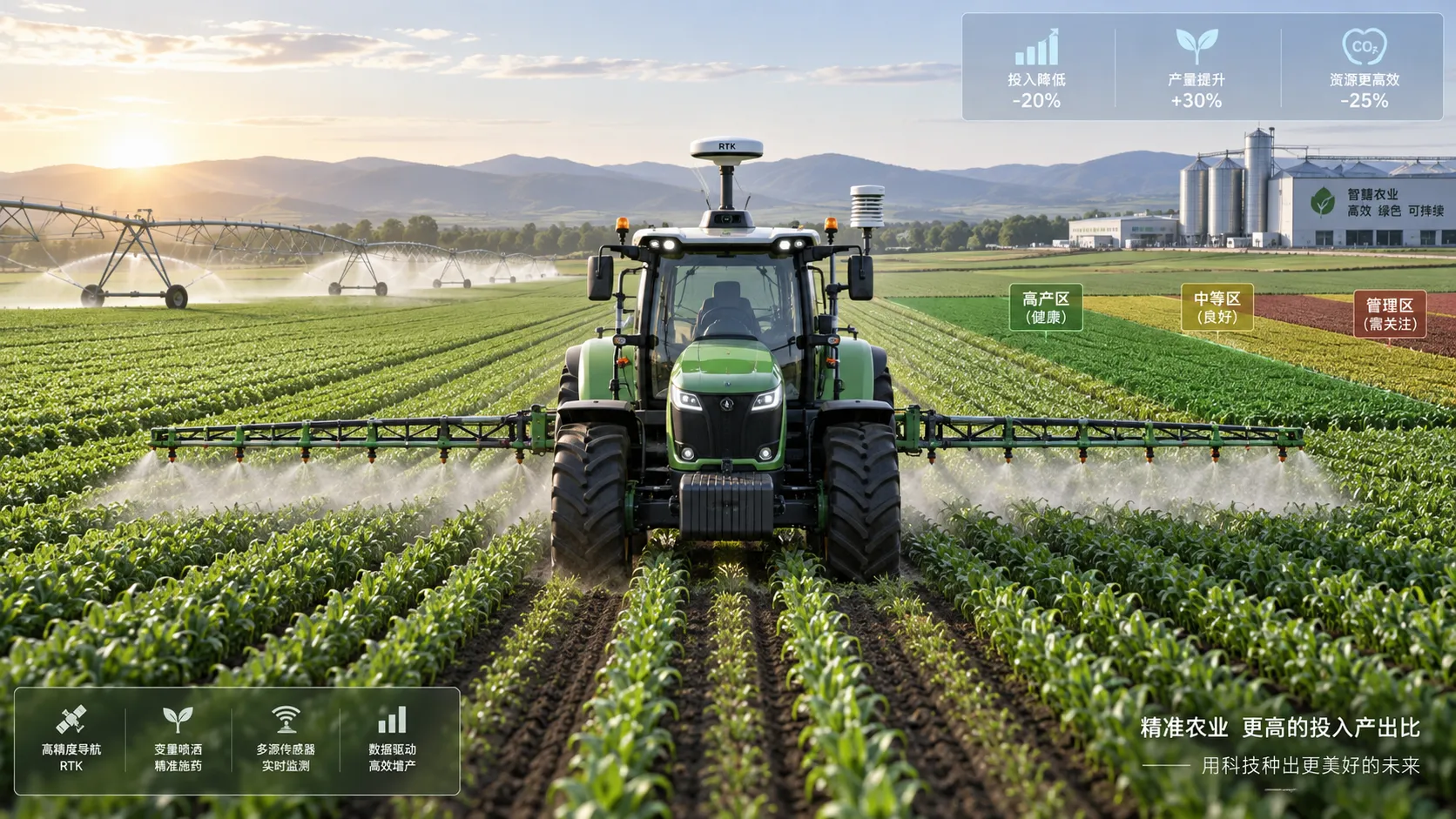
How to calculate ROI on precision agriculture equipment before buying
Calculating ROI on precision agriculture equipment: learn to assess total ownership costs, savings, payback, NPV, risks, and farm-scale value before you buy.
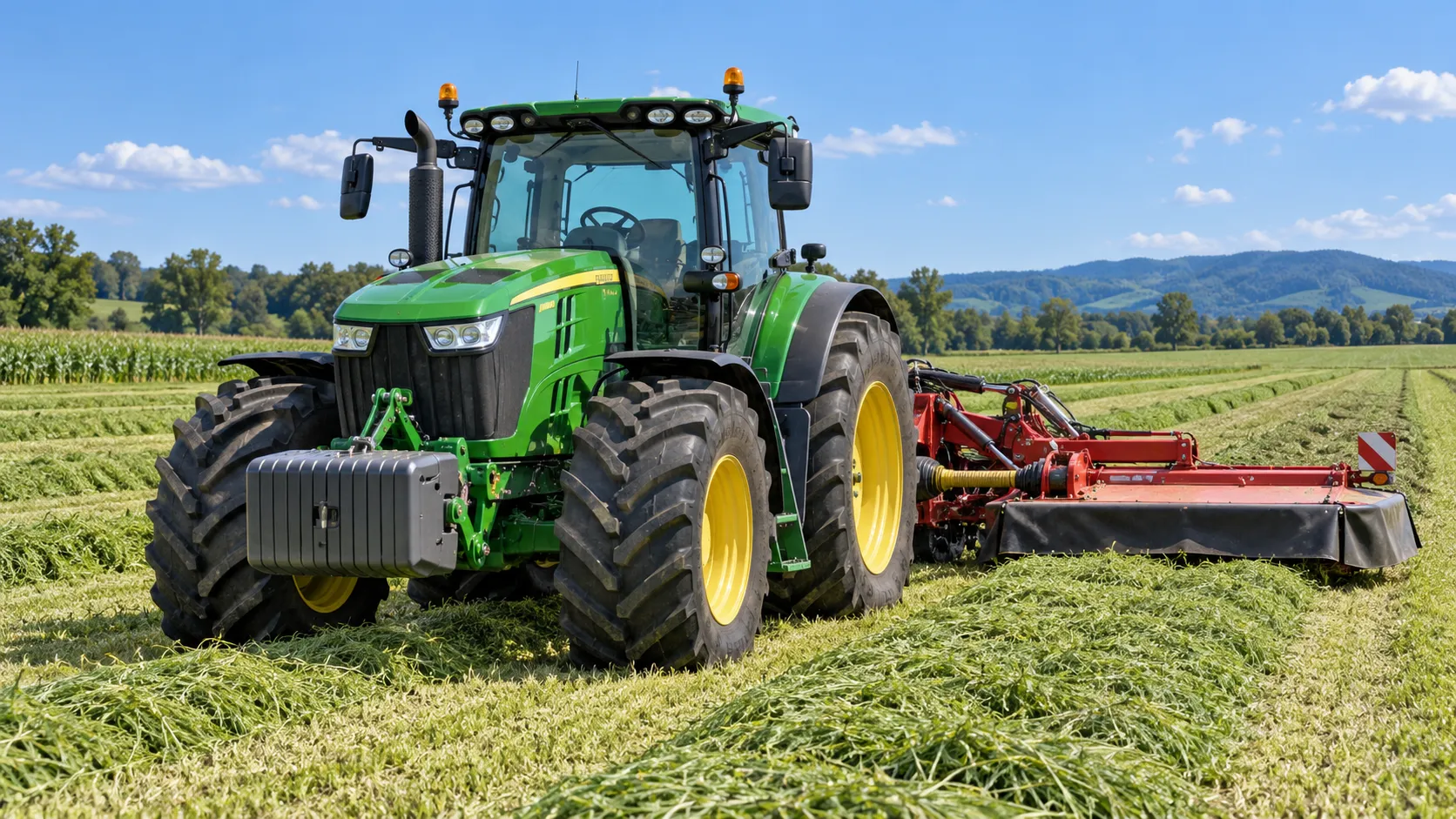
Tractor Specification Sheets: Matching PTO, Hydraulics, and Weight to Farm Tasks
Specification-oriented articles for tractors: match PTO, hydraulics, lift capacity, ballast, and weight to real farm tasks for safer, more efficient equipment choices.
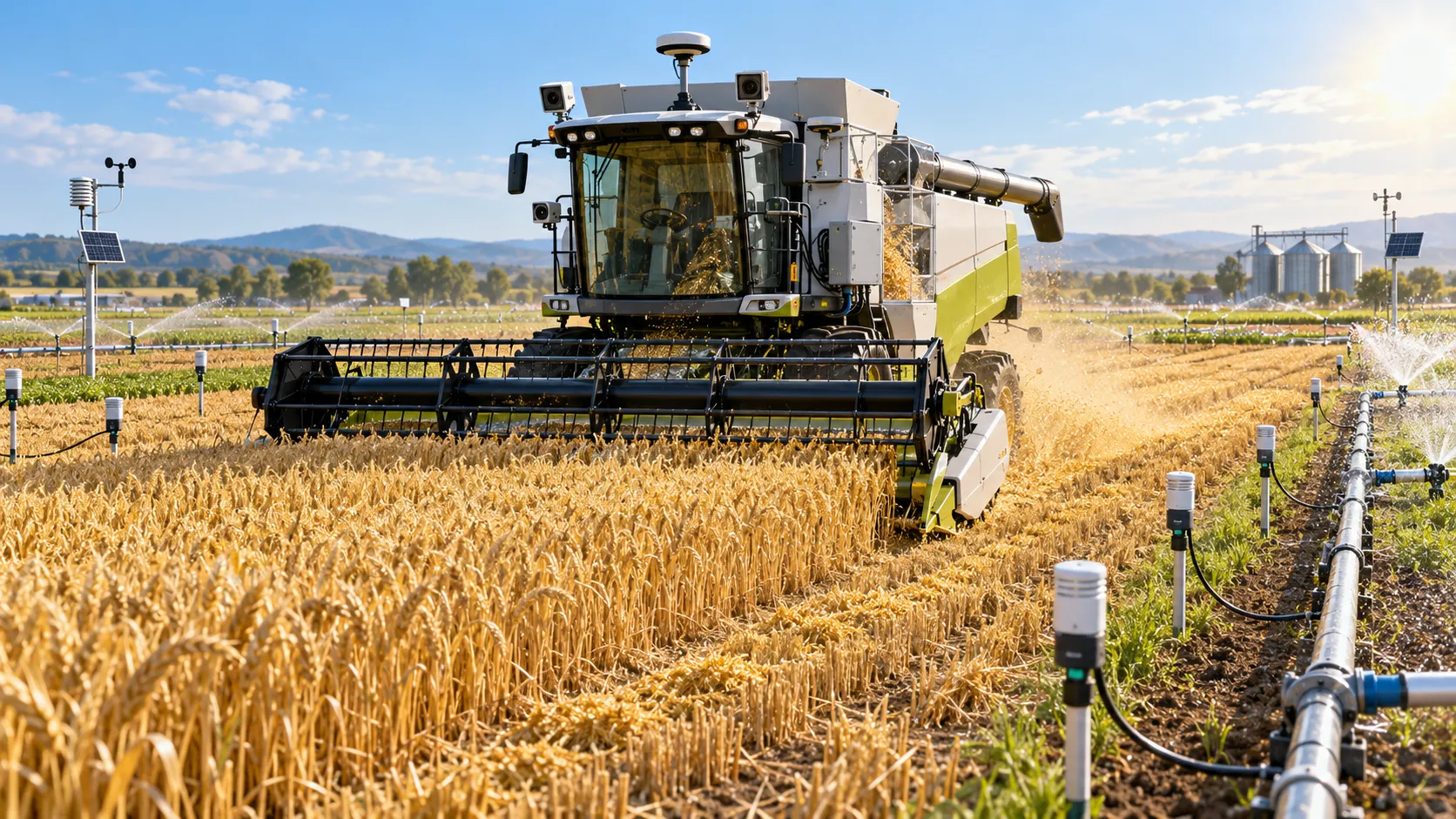
How to Evaluate Dynamic Feedback Algorithm Suppliers for Precision Farming Systems
Dynamic feedback algorithms supplier evaluation guide for precision farming—compare validation, integration, safety, and pilots to choose with confidence.
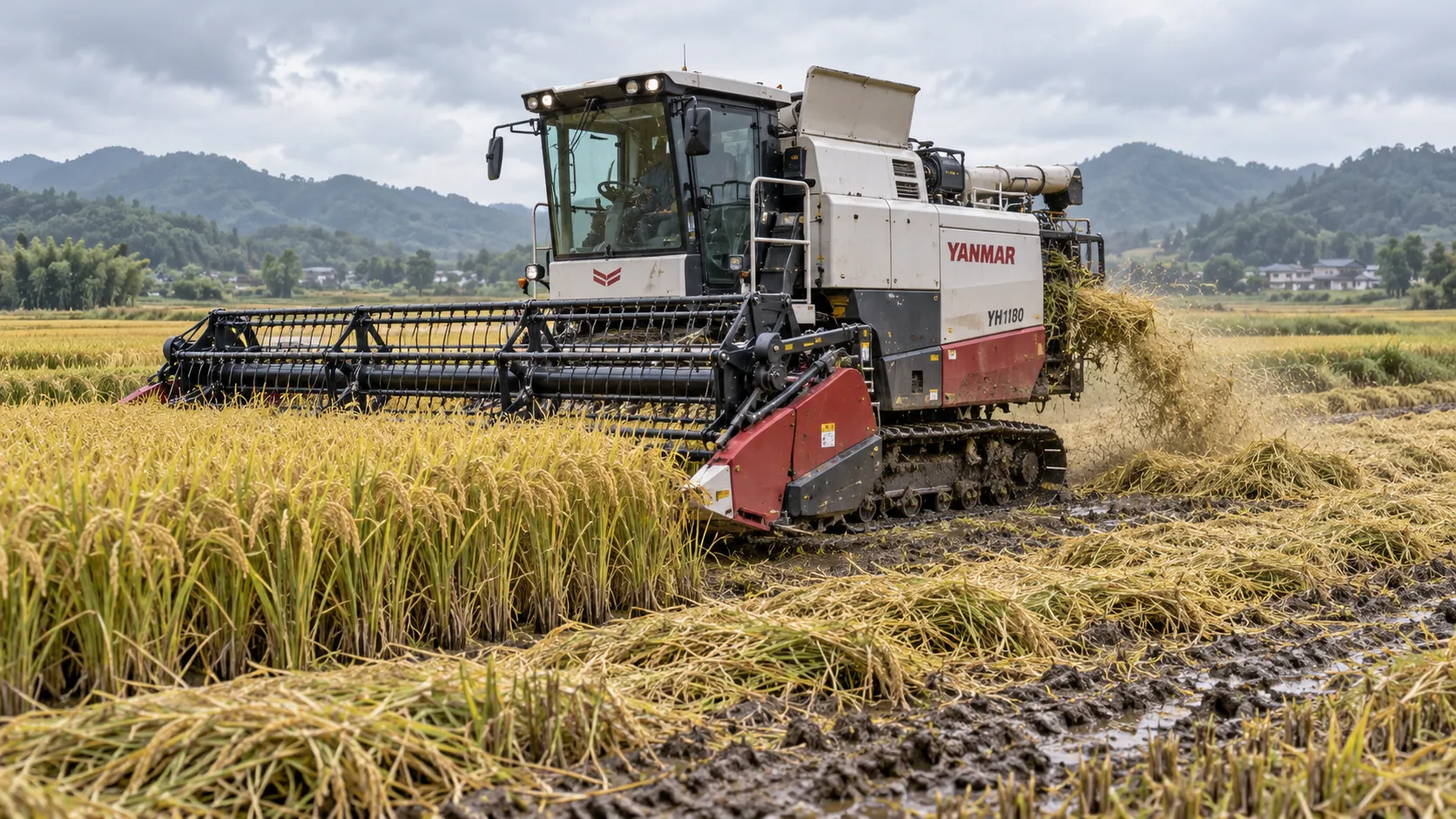
How to Specify Combine Harvester Systems for High-Moisture Grain and Variable Field Conditions
Combine harvester systems for high-moisture grain: learn how to specify threshing, cleaning, headers, traction, and automation for reliable harvests in variable fields.
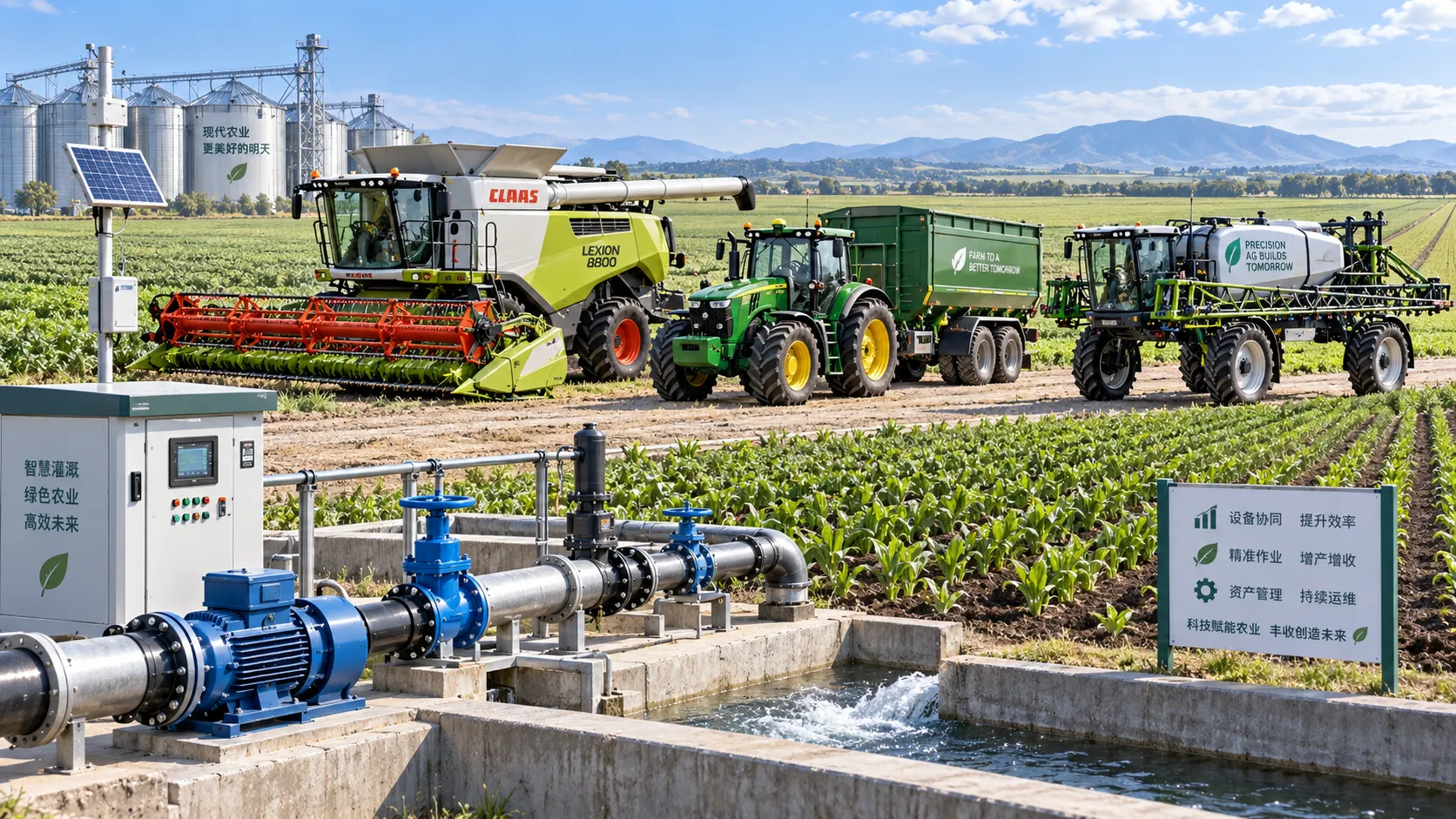
How to Compare Agricultural Equipment Platforms for Fleet Management and ROI
Agricultural equipment platform comparison: evaluate fleet data, maintenance, precision workflows, and ROI to choose a system that delivers measurable results.
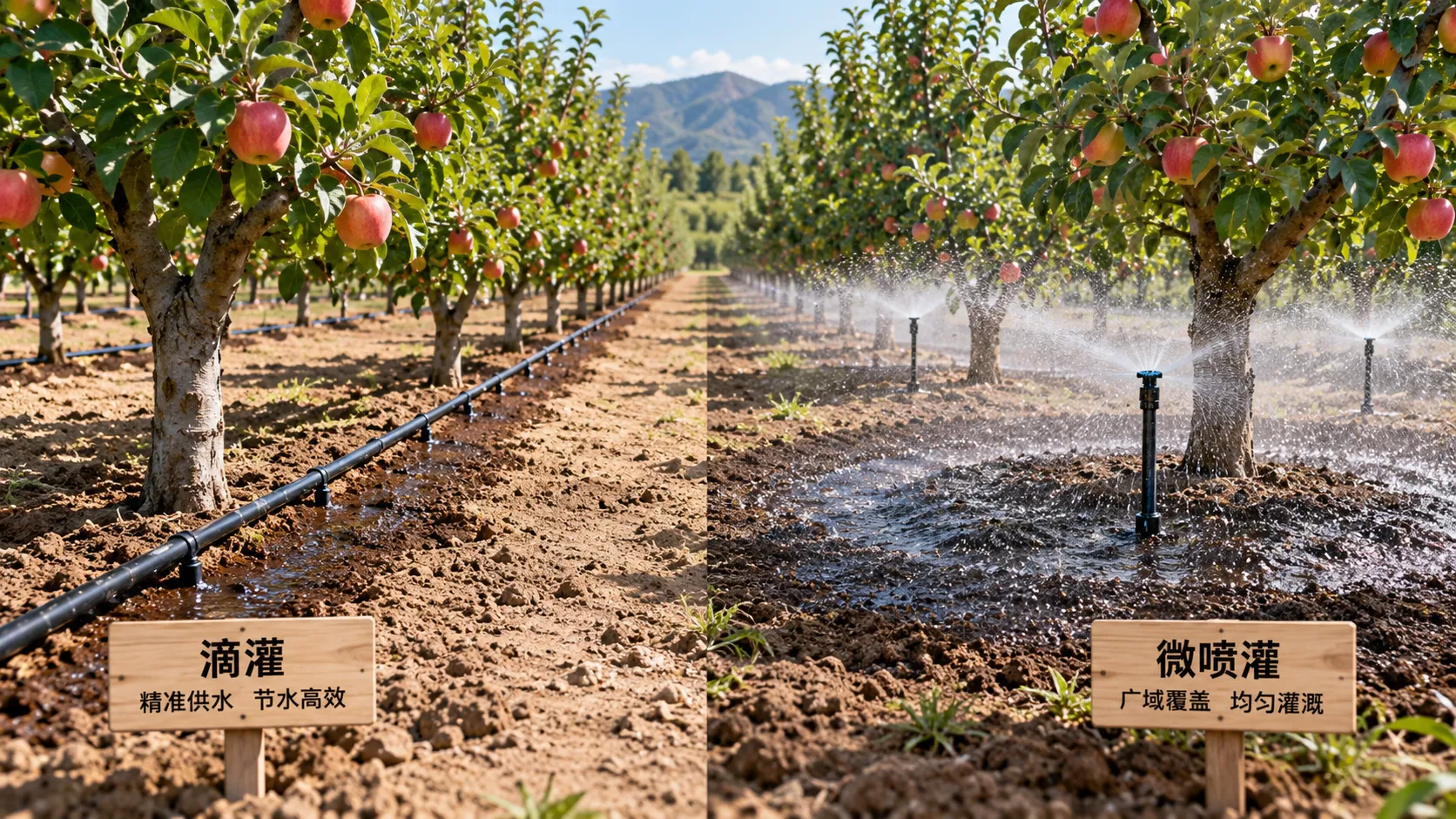
Drip vs. Micro-Sprinkler Irrigation: Which System Fits Your Orchard?
Irrigation solution comparison for orchards: discover whether drip or micro-sprinklers best match your water, soil, roots, fertigation, and frost needs.
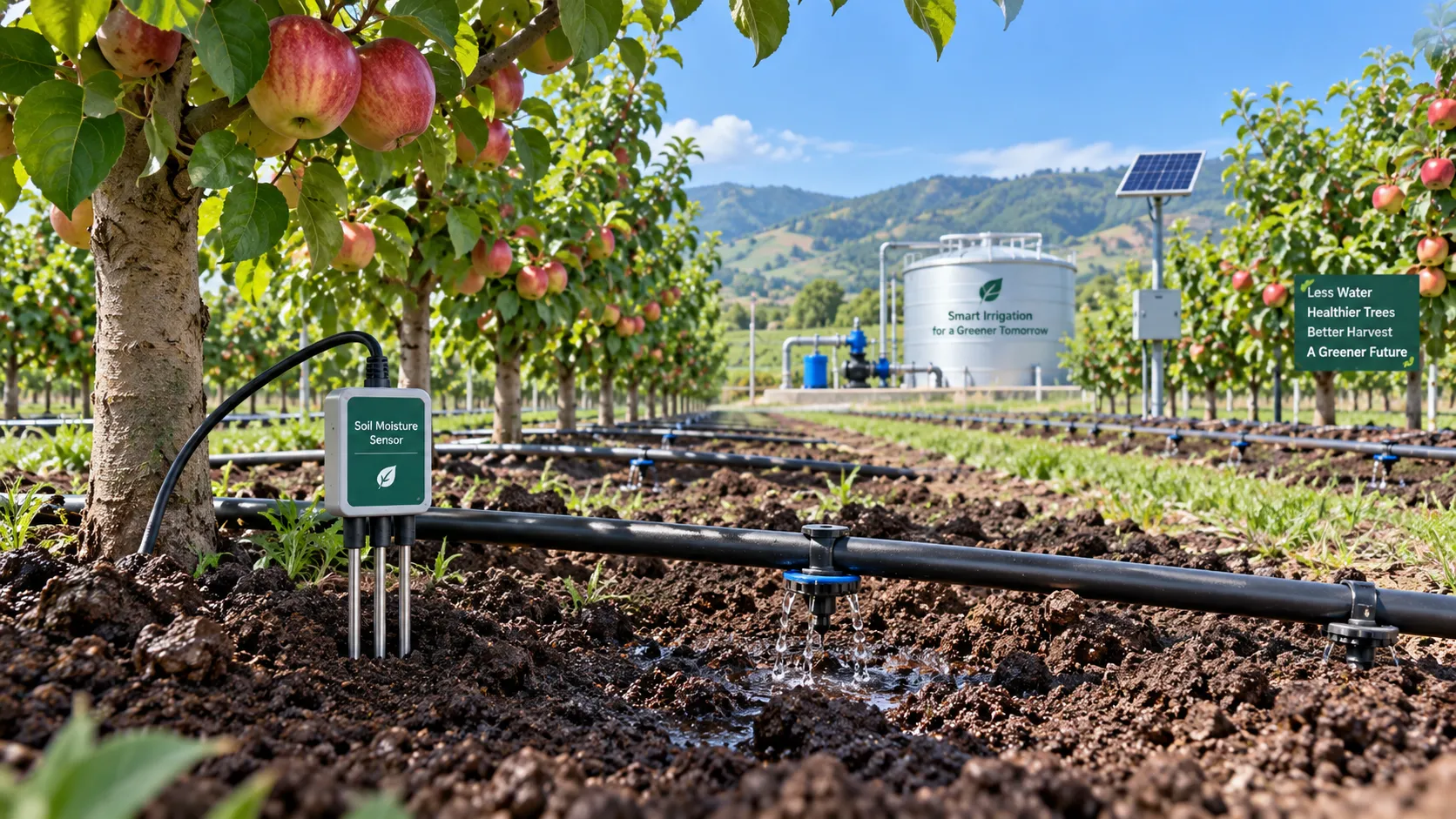
Orchard Water Management: Using Soil Moisture Data to Schedule Irrigation
Agricultural water management for orchards made practical: use soil moisture data to optimize irrigation timing, protect yield, reduce costs, and improve resilience.
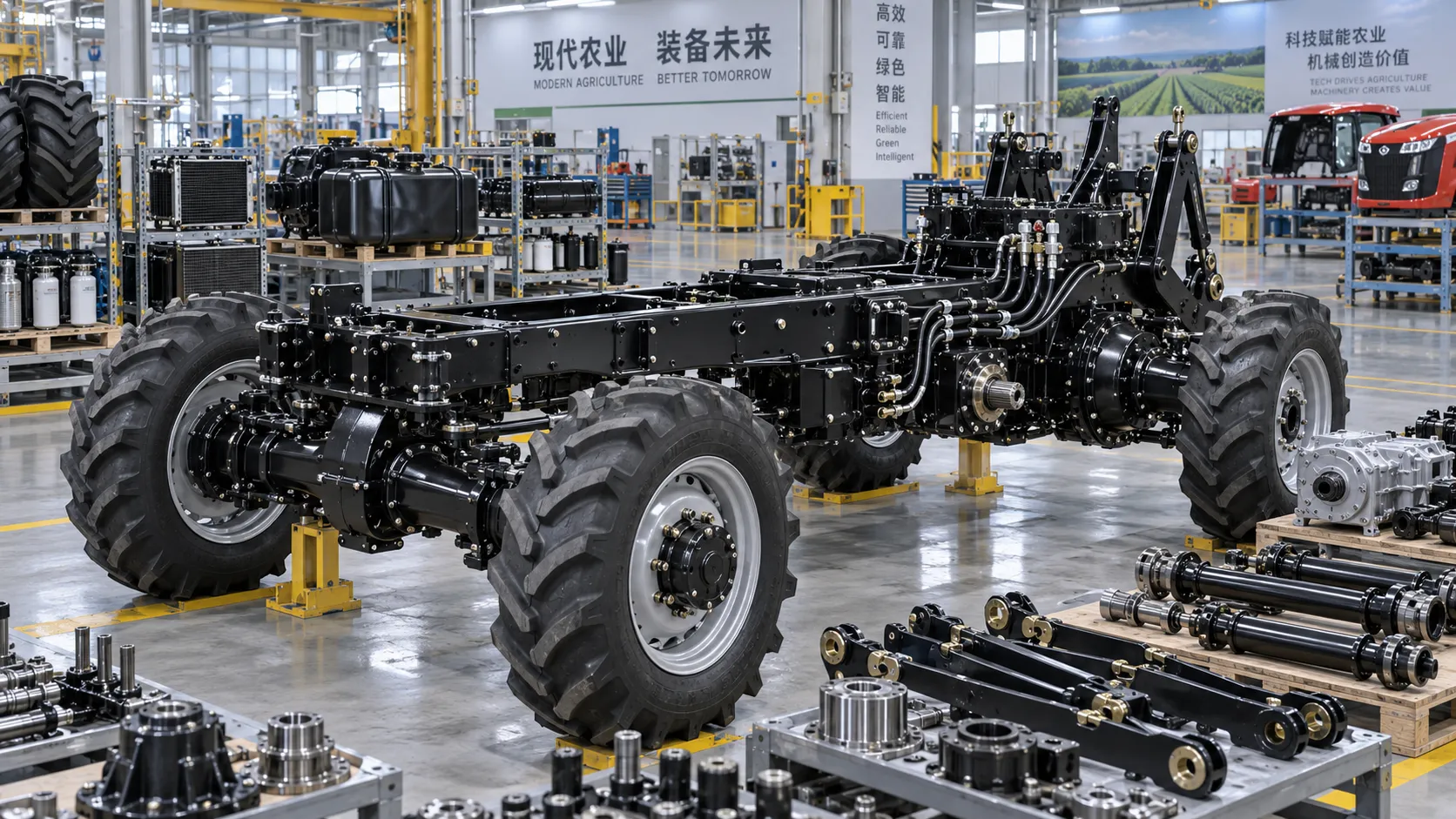
Tractor Chassis Price: What Buyers Should Compare Beyond the Initial Quote
Tractor chassis price is only the start. Compare load capacity, compatibility, durability, and lifecycle costs to choose a reliable, high-value chassis.
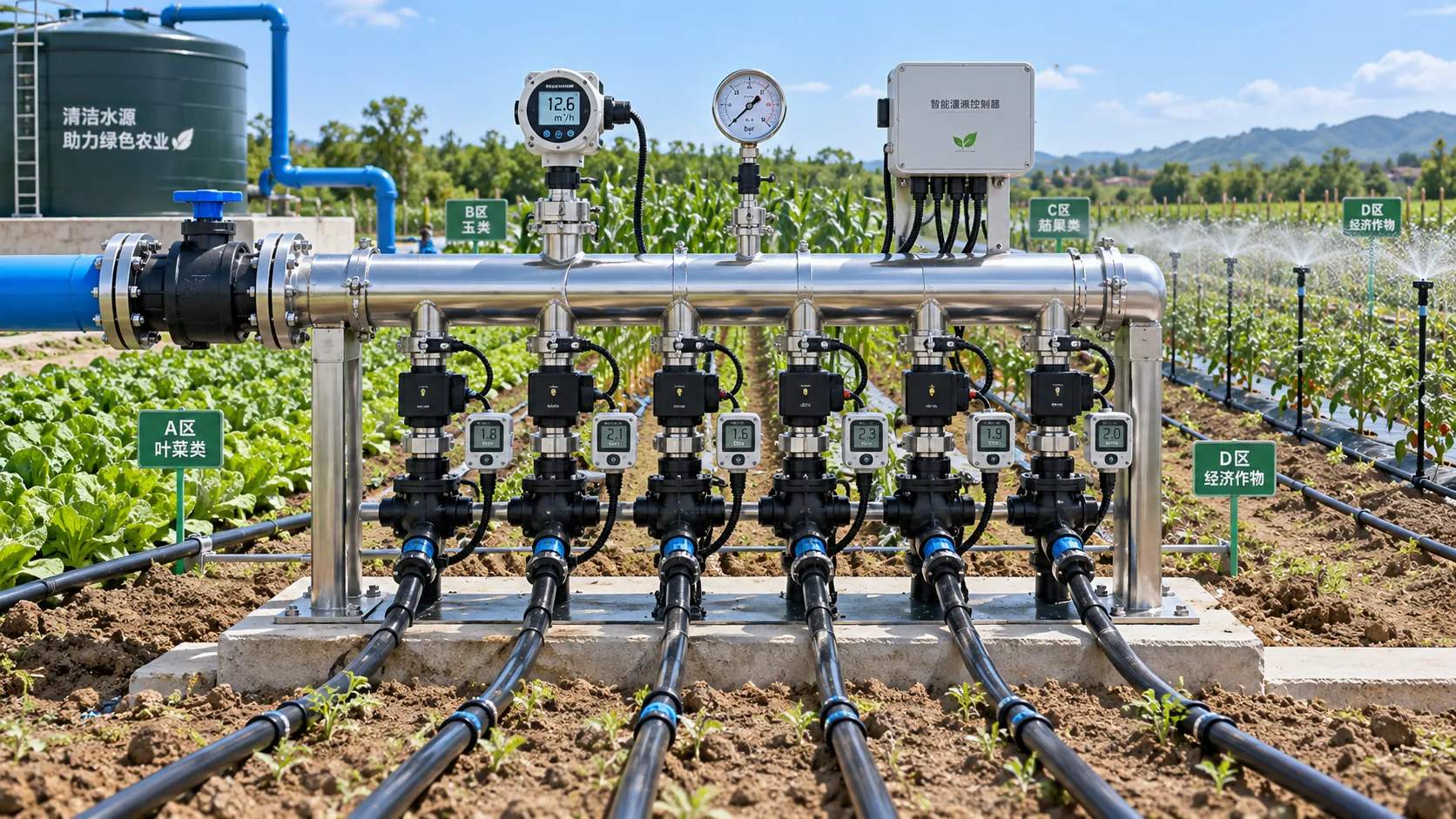
How to Select Smart Irrigation Valves for Multi-Zone Water Management?
Intelligent irrigation systems valves: learn how to match smart valves with multi-zone flow, pressure, control, feedback, and communication needs for reliable water management.
Related News
- 00
0000-00
Farm Machinery Sourcing: How to Vet Suppliers, Specs, and Lifecycle Costs - 00
0000-00
How to calculate ROI on precision agriculture equipment before buying - 00
0000-00
Tractor Specification Sheets: Matching PTO, Hydraulics, and Weight to Farm Tasks - 00
0000-00
How to Compare Agricultural Equipment Platforms for Fleet Management and ROI - 00
0000-00
Tractor Chassis Price: What Buyers Should Compare Beyond the Initial Quote
Popular Tags
Ms. Elena Rodriguez
Weekly Insights
Stay ahead with our curated technology reports delivered every Monday.