
How to calculate ROI on precision agriculture equipment before buying
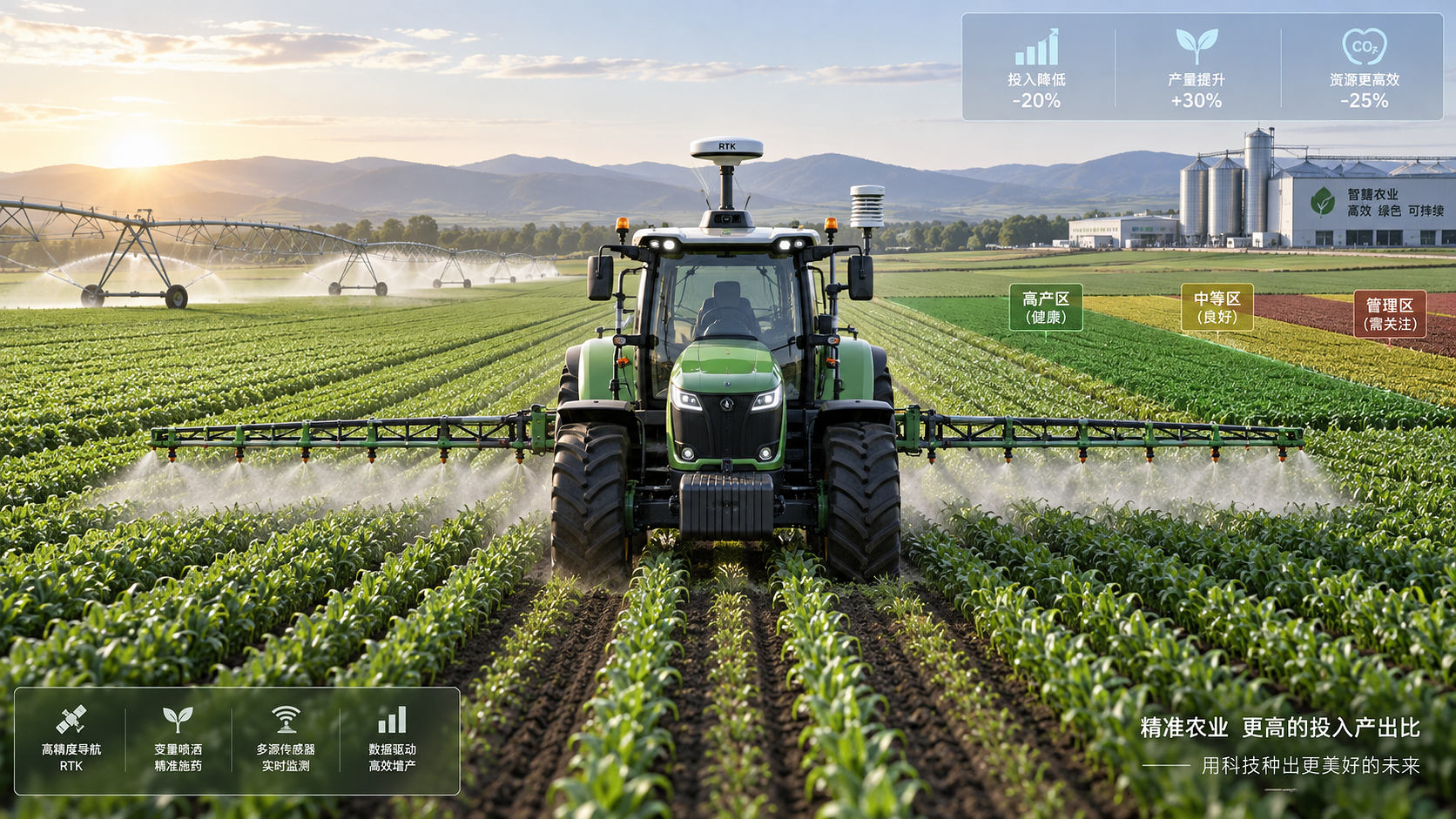




Before approving precision agriculture equipment, finance leaders need a defensible investment case that connects field performance to measurable cash flow, risk, and capital priorities.
Vendor claims about efficiency and yield are not enough. A credible decision requires conservative assumptions, farm-specific operating data, and a lifecycle view of costs and benefits.
Calculating ROI on precision agriculture equipment means estimating whether expected savings, revenue gains, and avoided losses exceed the total ownership cost over its useful life.
This framework helps financial approvers compare guidance systems, variable-rate tools, irrigation controls, sensors, telematics, and autonomous equipment before committing capital.
Start With the Decision That Finance Actually Needs to Make
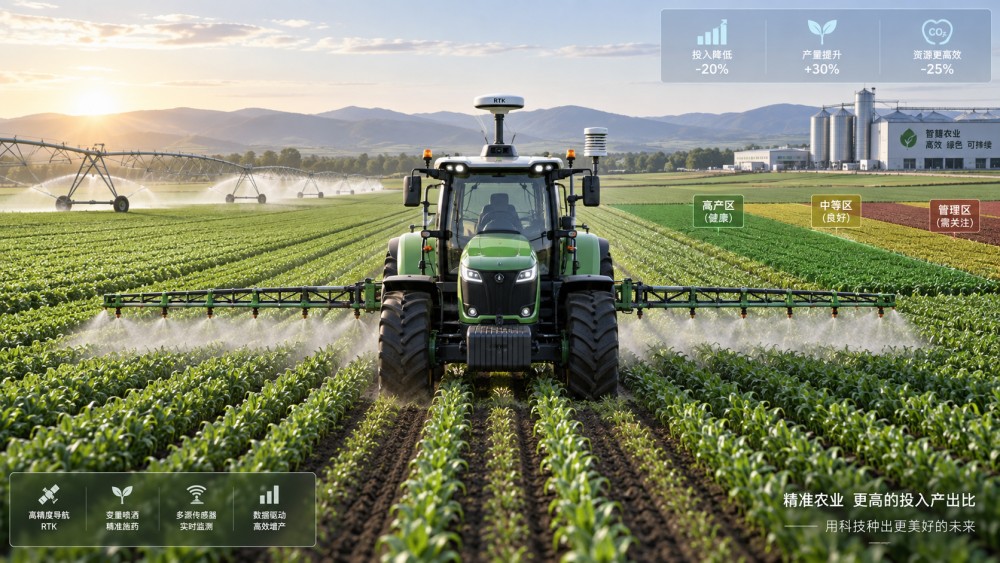
The central question is not whether a precision tool is technically impressive. It is whether the equipment produces sufficient incremental economic value under realistic operating conditions.
For finance teams, ROI should support a capital allocation decision. The model must show payback timing, annual cash impact, downside exposure, and sensitivity to assumptions.
Begin by defining the investment boundary. Include the equipment, installation, software subscriptions, connectivity, data integration, operator training, and any required machinery upgrades.
A guidance display may appear inexpensive until antenna upgrades, correction signals, compatible controllers, and seasonal subscriptions are included in the approved budget.
Likewise, an intelligent irrigation system can require pumps, valves, sensors, communications infrastructure, engineering support, and ongoing maintenance beyond the controller purchase price.
Build the model around incremental performance. Compare the farm's expected results with the equipment against its current operating baseline, rather than comparing technology with zero activity.
The baseline should reflect recent field records, not idealized benchmarks. Use actual acreage, crop mix, application rates, labor hours, fuel consumption, yields, and downtime history.
When reliable farm data is unavailable, use a range of industry benchmarks and label every external assumption clearly. Transparent uncertainty is preferable to false precision.
Calculate Total Cost of Ownership Before Estimating Benefits
The purchase price is only one component of the investment. Total cost of ownership captures the full cash requirement needed to obtain, operate, support, and eventually replace the asset.
Separate costs into upfront capital expenditures and recurring operating expenditures. This distinction matters because payback calculations, budgets, depreciation schedules, and financing costs treat them differently.
Upfront costs commonly include equipment acquisition, freight, taxes, installation, field calibration, integration with tractors or implements, initial training, and implementation consulting.
Recurring costs can include software licenses, data plans, cloud storage, annual support, replacement sensors, calibration, maintenance labor, and paid agronomic analytics services.
Do not overlook internal implementation time. Managers, operators, mechanics, and agronomists may spend significant hours configuring systems, learning workflows, and validating field prescriptions.
Assign a realistic labor cost to those hours. Even when employees remain on payroll, implementation work can delay maintenance, field preparation, reporting, or other productive activities.
Depreciation should also be considered, although it is not a direct cash outflow. It affects tax planning, asset value, accounting performance, and replacement-cycle decisions.
Estimate residual value conservatively. Precision components may depreciate faster than core machinery because software compatibility, sensor accuracy, communication standards, and buyer demand can change quickly.
For financed equipment, include interest expense, loan fees, lease charges, and timing of payments. A project with positive accounting ROI may still strain seasonal operating cash.
A useful starting formula is: Total Ownership Cost equals acquisition cost plus implementation cost plus operating cost plus financing cost minus expected residual value.
Identify the Benefits That Can Be Measured and Verified
Benefits should be grouped by source because each requires different evidence. The principal categories are input savings, labor savings, fuel savings, yield improvement, quality improvement, and loss avoidance.
Input savings are often the easiest benefits to verify. Variable-rate fertilizer, seed, pesticides, and irrigation can reduce applied volume while maintaining target crop performance.
Calculate savings using the expected reduction in units applied, multiplied by the fully loaded cost per unit. Include product, delivery, handling, storage, and application costs.
For example, a variable-rate fertilizer system may reduce nitrogen use by eight percent. The financial benefit depends on acres treated, baseline rates, and local fertilizer prices.
Labor savings can arise from automated steering, remote monitoring, section control, irrigation scheduling, and reduced rework. However, saved hours only create value when labor capacity is actually redeployed.
If workers remain idle during the saved time, the cash benefit may be limited. If capacity prevents overtime, contractor costs, or additional hiring, the value is stronger.
Fuel savings are usually modest individually but material across large operations. Reduced overlap, fewer passes, optimized routes, and lower idle time should be quantified from equipment records.
Yield improvement deserves the most scrutiny because it often drives optimistic ROI models. Use replicated field evidence, local agronomic conditions, and conservative adoption assumptions where possible.
Yield gains may result from better seeding accuracy, more timely operations, improved water management, reduced compaction, and earlier identification of crop stress.
Quality gains can matter as much as yield. Precision harvesting tools may reduce grain loss, improve cleanliness, protect premium-grade crops, and lower dockage or rejection penalties.
Loss avoidance is particularly relevant for irrigation automation and equipment telemetry. Avoided pump failures, leak detection, weather-driven application delays, and machine downtime can protect substantial revenue.
Quantify avoided losses carefully. Use historical incidents and probability-weighted estimates, rather than treating rare but severe events as guaranteed annual savings.
Use a Practical ROI Formula and Add Payback Analysis
The basic ROI formula is straightforward: ROI equals net benefit divided by total investment cost, multiplied by one hundred to express the result as a percentage.
Net benefit equals total annual benefits minus annual operating costs. For multi-year equipment decisions, calculate benefits and costs across the expected useful life of the asset.
Consider a guidance and section-control package costing $72,000, including installation. Its recurring annual software, maintenance, and connectivity costs total $6,000.
Assume annual gross benefits of $24,000 from reduced overlap, lower fuel use, fewer labor hours, and improved application consistency across the farm.
The annual net benefit is therefore $18,000 after recurring costs. First-year ROI is 25 percent when the $18,000 net benefit is divided by the $72,000 investment.
Simple payback is calculated by dividing initial investment by annual net cash benefit. In this example, the estimated payback period is four years.
Simple ROI and payback are useful screening tools, but they do not account for the changing value of money over time. Larger projects require discounted cash flow analysis.
Use net present value, or NPV, when benefits extend over several seasons. Discount future cash flows using the organization’s weighted cost of capital or required project return.
A positive NPV indicates that projected returns exceed the organization’s required return after considering timing. Compare projects using NPV when capital availability is constrained.
Internal rate of return, or IRR, can also assist comparison. However, IRR should not replace NPV because unusual cash flow patterns can make it misleading.
For board-level approval, present simple ROI, payback period, NPV, and annual cash flow together. Each metric answers a different but relevant investment question.
Model Three Scenarios Instead of Relying on One Forecast
A single forecast encourages overconfidence. Finance teams should evaluate downside, expected, and upside scenarios based on changes in adoption, crop prices, weather, input costs, and utilization.
The downside scenario should not be a disaster case. It should reflect credible underperformance, such as delayed implementation, lower acreage coverage, or smaller yield gains.
Expected performance should use evidence-based assumptions. Avoid simply selecting the midpoint between vendor promises and pessimistic estimates without validating either source.
The upside scenario can show opportunity, but it should not drive the approval case. Capital decisions should remain viable when operating conditions are merely adequate.
For precision irrigation, test rainfall variability, water pricing, pumping energy costs, and crop value. A system may be highly attractive in dry years but weaker during wet seasons.
For autonomous or semi-autonomous machinery, test labor availability, operator utilization, maintenance response times, and acreage scale. Utilization often determines whether automation economics work.
Sensitivity analysis should identify the assumptions with the greatest financial effect. Usually these include acres covered, yield response, input savings percentage, crop price, and utilization rate.
Present these variables in a simple table or tornado chart. Decision-makers should see exactly which assumptions need further validation before a purchase order is approved.
Check Whether the Farm Has Enough Scale to Capture Value
Precision equipment is not automatically profitable because it is modern. The economics depend heavily on the number of acres, annual operating hours, crop complexity, and field variability.
Fixed technology costs are spread across more acres on larger operations. This can make guidance, telematics, prescription tools, and irrigation controls more attractive at scale.
Calculate annual cost per acre by dividing annualized ownership costs by acres actually covered. Then compare that figure with the expected economic benefit per acre.
Use realistic coverage estimates. A machine may be technically capable of treating every acre, yet crop rotations, equipment compatibility, staffing, and seasonal timing can reduce actual usage.
Multi-farm or contractor models may improve equipment utilization. Shared access can lower cost per acre, although scheduling conflicts, data ownership, and service responsibilities need clear agreements.
Some investments are justified by operational resilience rather than direct per-acre savings. Remote irrigation monitoring may protect dispersed sites where travel time and response delays are costly.
In contrast, specialized sensors with limited field coverage may struggle to justify ownership. Leasing, service contracts, or pilot deployments can be more suitable than outright purchase.
Validate Vendor Claims With Field-Level Evidence
Vendor demonstrations show technical capability, not necessarily financial performance on your operation. Request evidence that matches your crop types, soil conditions, climate, machinery fleet, and acreage.
Ask vendors to distinguish measured savings from modeled savings. Measured results should specify the farm population, time period, baseline method, and conditions influencing results.
Require clarity on what performance depends on agronomic decisions versus equipment capability. A variable-rate platform creates value only when quality data and sound prescriptions are available.
Reference customers can provide useful insight, but choose operations with similar scale and production systems. Ask about downtime, support responsiveness, training requirements, and subscription renewal costs.
Where possible, structure a paid pilot with success criteria. Define acreage, operating conditions, data collection methods, expected benefits, and an exit option before deployment begins.
Measure pilot results against comparable fields or historical field zones. Record input volumes, operating hours, fuel, yield, quality, maintenance events, and operator observations.
Do not accept aggregate farm results without context. Favor field-level data because it exposes whether gains are repeatable or concentrated in a small number of favorable locations.
Include Operational and Technology Risks in the Approval Case
Precision agriculture investments carry risks that traditional machinery budgets may not fully capture. Connectivity, interoperability, cybersecurity, supplier concentration, and data access can affect realized value.
Confirm compatibility with existing tractors, implements, controllers, farm-management systems, and correction networks. Integration failures can delay benefits through an entire production season.
Review the vendor’s support model before purchase. Remote support may be sufficient for software issues, but critical planting, harvesting, or irrigation periods may require local technical coverage.
Clarify data ownership, export rights, storage costs, and access after contract termination. Historical field data can be strategically valuable and should not become trapped in one platform.
Cybersecurity deserves attention when systems control pumps, vehicles, or remotely accessible farm infrastructure. Establish user permissions, update procedures, backup processes, and incident response responsibilities.
Also assess technology obsolescence. Hardware that depends on proprietary software or discontinued communications networks may have a shorter economic life than its mechanical components.
Risk adjustments do not require rejecting innovation. They require reserving contingency, setting measurable milestones, and avoiding return assumptions that depend on flawless implementation.
Build an Approval Memo That Can Survive Scrutiny
A strong approval memo begins with the operational problem: overlap, rising water costs, labor scarcity, inconsistent application, harvest loss, machine downtime, or limited field visibility.
Then describe the proposed solution in practical terms. Specify what equipment will be acquired, which acres or operations it will serve, and who owns implementation accountability.
Include a complete ownership-cost schedule, annual benefit schedule, scenario analysis, payback period, NPV, and the assumptions supporting every significant value estimate.
State the conditions required for success, including operator training, data quality, agronomy support, service availability, and minimum annual utilization. These conditions make the business case actionable.
Identify leading indicators that will be monitored after approval. Examples include acres covered, overlap reduction, input use per acre, irrigation runtime, labor hours, and machine availability.
Set review points during the first season and after harvest. Early review enables management to correct adoption problems before the project becomes an unexamined sunk cost.
Finally, compare the investment against alternatives. The best choice may be a different technology, a contractor service, a phased rollout, equipment retrofit, or delayed acquisition.
Make the Purchase Decision on Evidence, Not Equipment Appeal
Calculating ROI on precision agriculture equipment is ultimately a disciplined capital-planning exercise. The goal is to connect technology features with verified operational improvements and durable financial value.
Approve equipment when conservative benefits cover lifecycle costs, payback fits the organization’s capital policy, and the farm has the capability to capture projected gains.
Delay, pilot, lease, or redesign the proposal when value depends on unproven yield assumptions, uncertain utilization, incompatible systems, or operational resources that are not yet available.
For financial approvers, the strongest precision agriculture investment is not the one with the most features. It is the one with transparent assumptions, measurable outcomes, and resilient economics.
Related News
Farm Machinery Sourcing: How to Vet Suppliers, Specs, and Lifecycle Costs
Farm machinery information for sourcing: learn to vet suppliers, compare specifications, control lifecycle costs, and secure reliable uptime for smarter equipment purchases.
Tractor Specification Sheets: Matching PTO, Hydraulics, and Weight to Farm Tasks
Specification-oriented articles for tractors: match PTO, hydraulics, lift capacity, ballast, and weight to real farm tasks for safer, more efficient equipment choices.
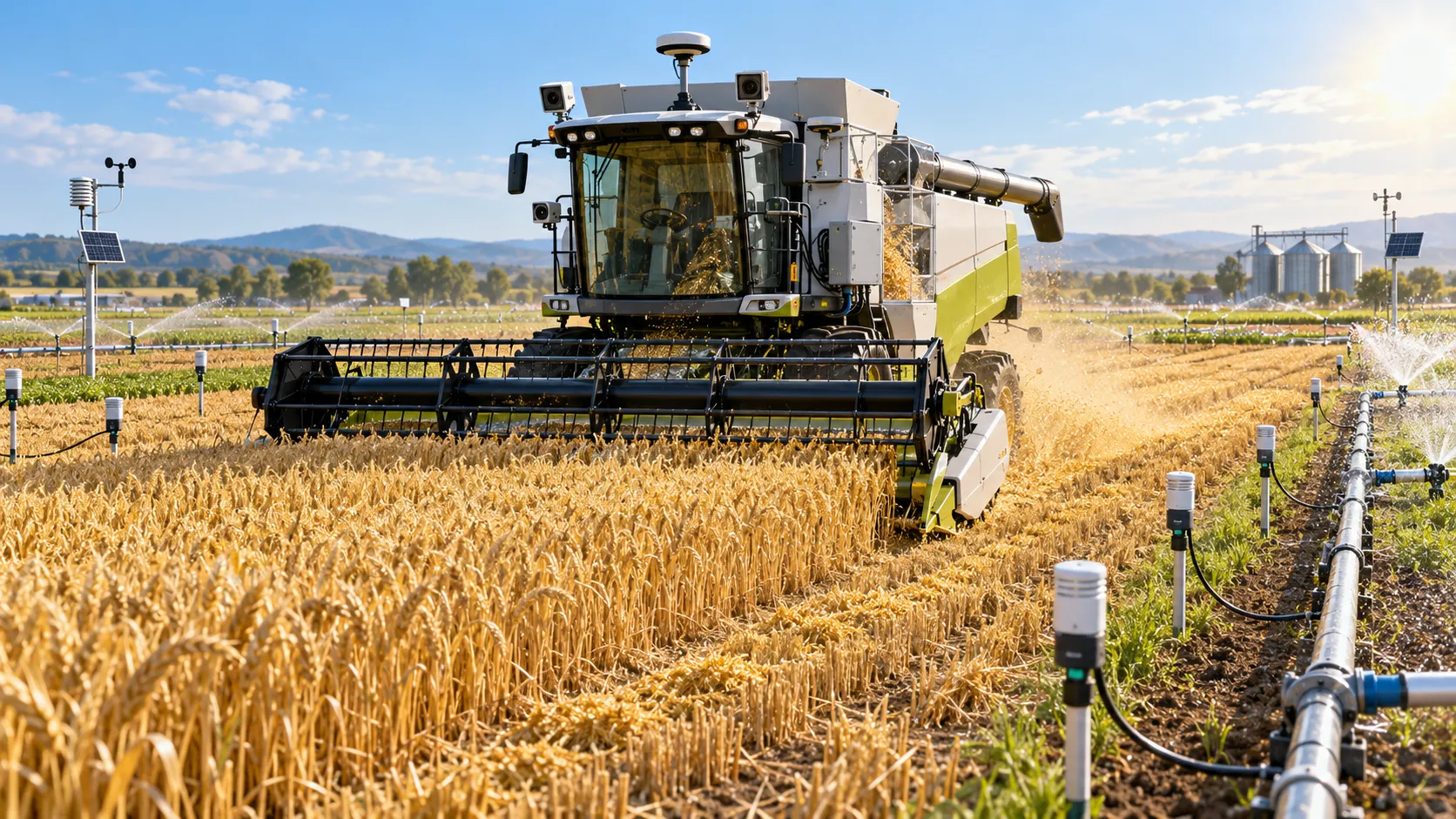
How to Evaluate Dynamic Feedback Algorithm Suppliers for Precision Farming Systems
Dynamic feedback algorithms supplier evaluation guide for precision farming—compare validation, integration, safety, and pilots to choose with confidence.
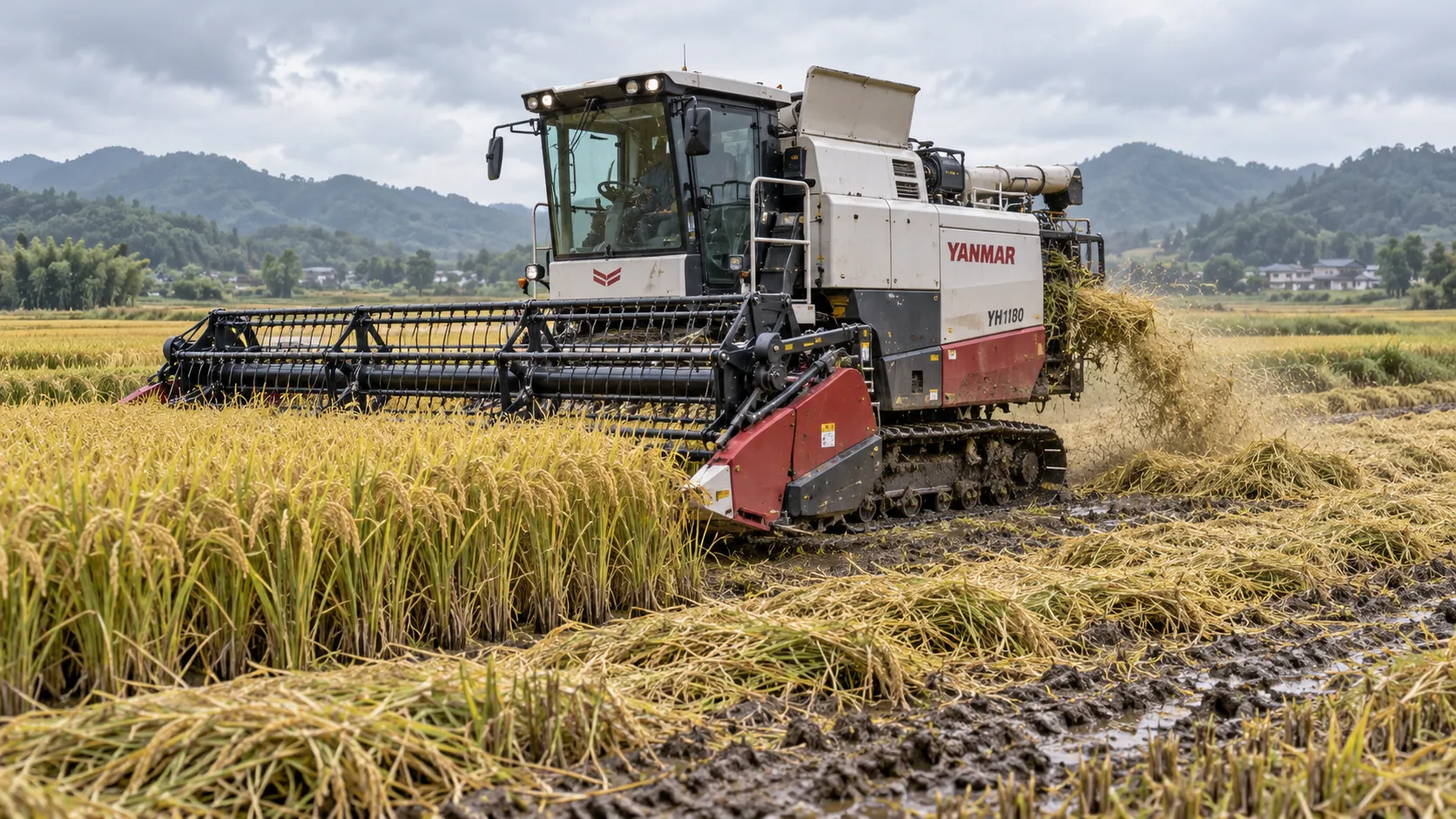
How to Specify Combine Harvester Systems for High-Moisture Grain and Variable Field Conditions
Combine harvester systems for high-moisture grain: learn how to specify threshing, cleaning, headers, traction, and automation for reliable harvests in variable fields.
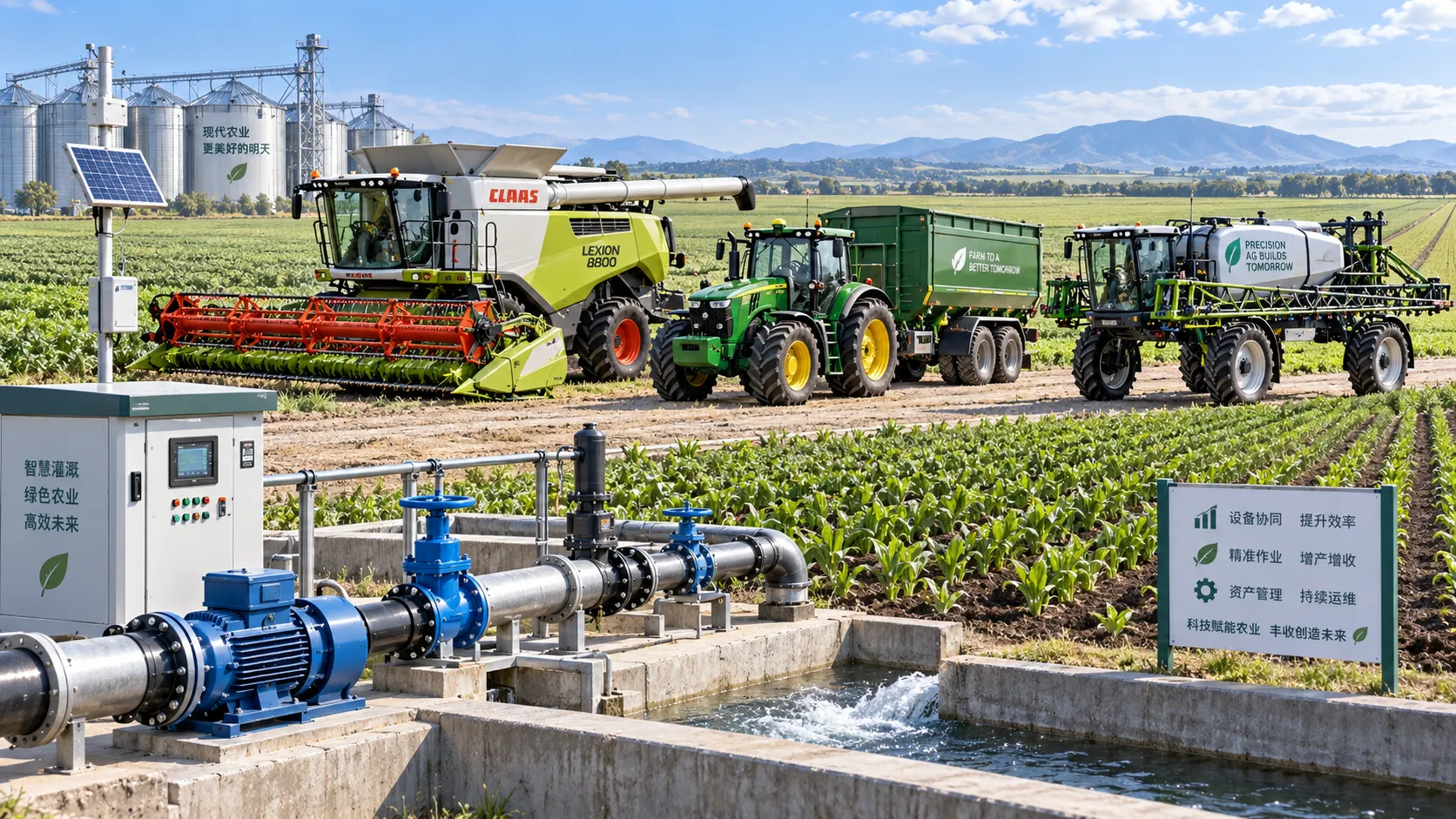
How to Compare Agricultural Equipment Platforms for Fleet Management and ROI
Agricultural equipment platform comparison: evaluate fleet data, maintenance, precision workflows, and ROI to choose a system that delivers measurable results.
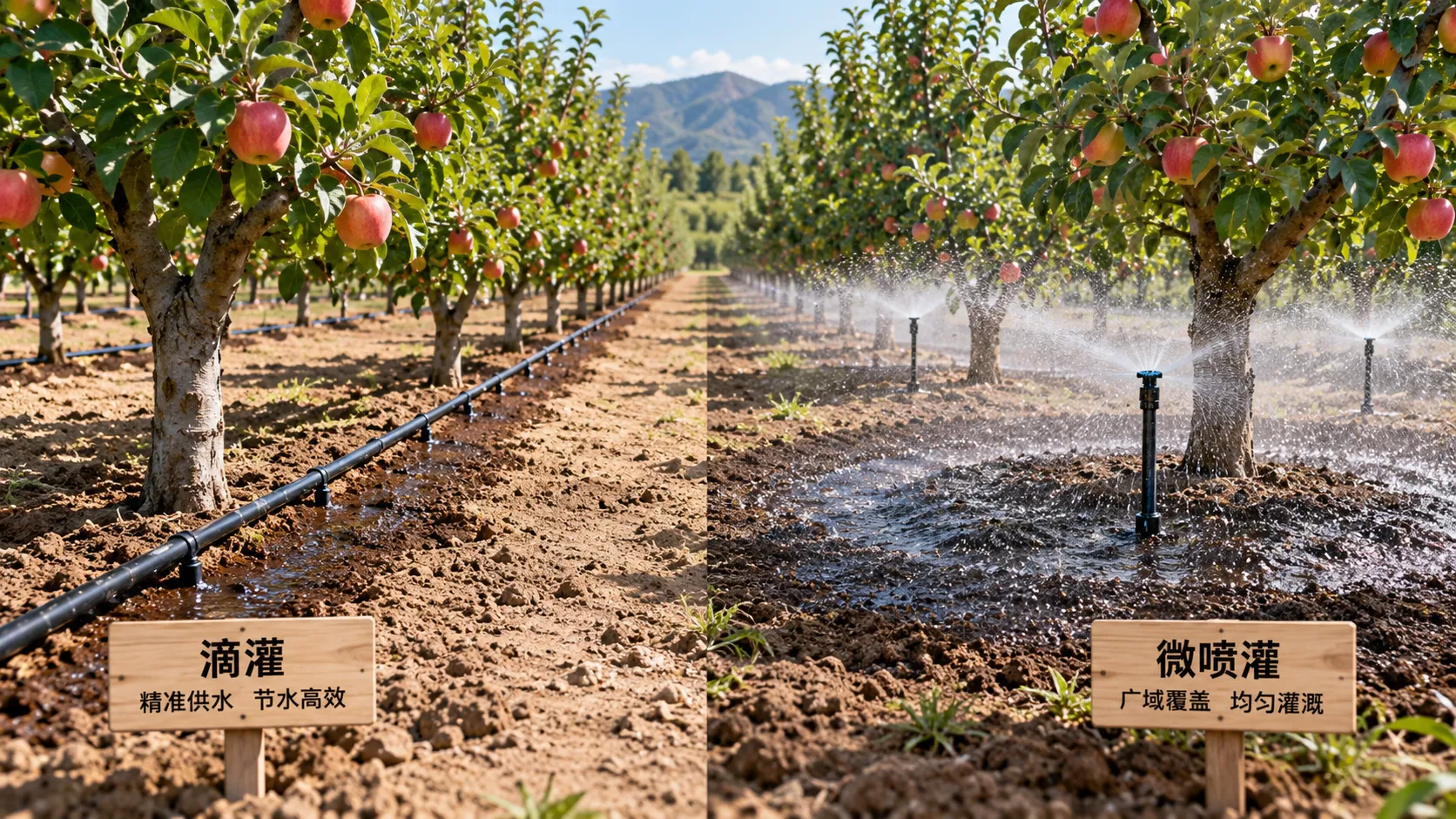
Drip vs. Micro-Sprinkler Irrigation: Which System Fits Your Orchard?
Irrigation solution comparison for orchards: discover whether drip or micro-sprinklers best match your water, soil, roots, fertigation, and frost needs.
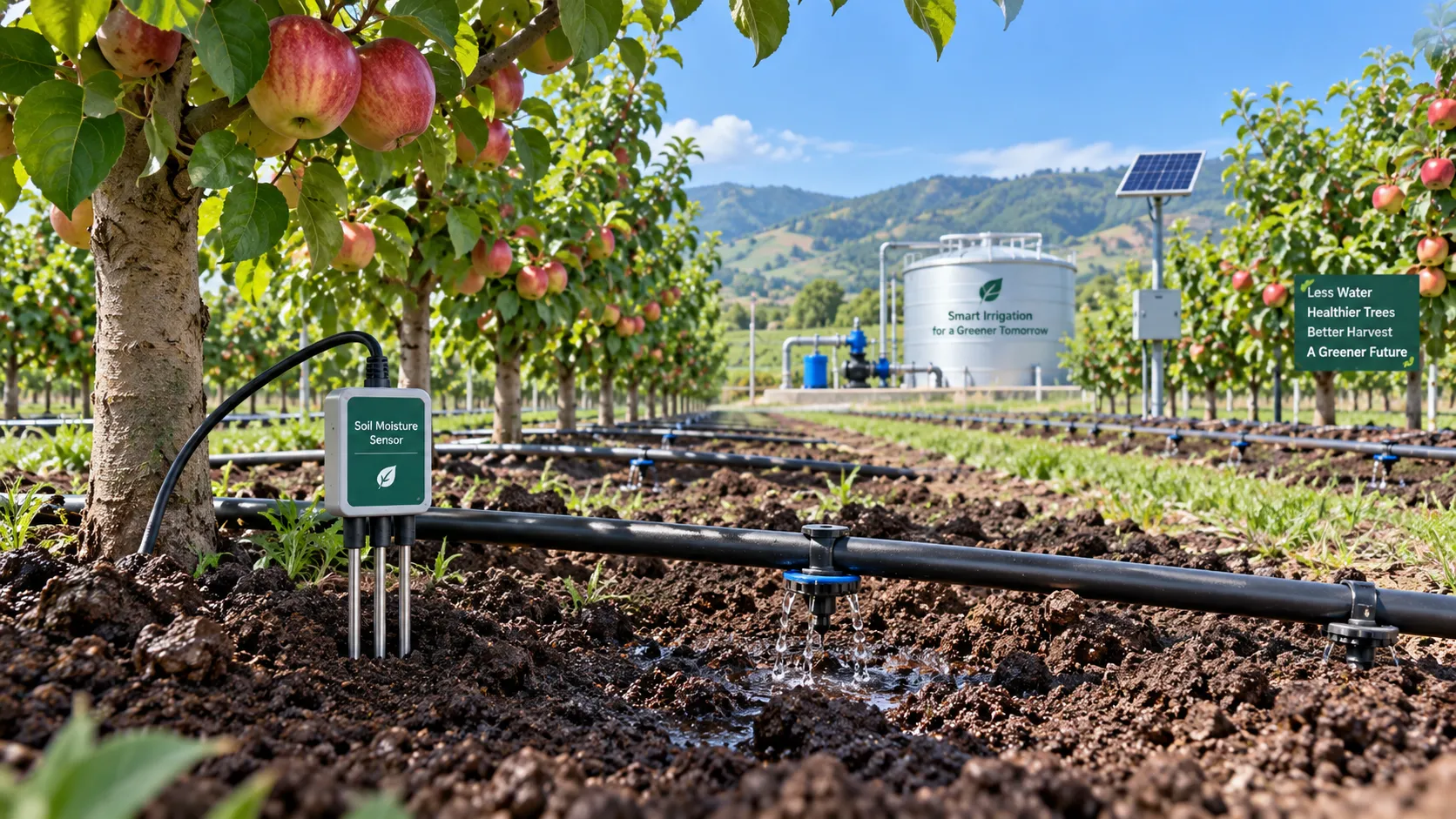
Orchard Water Management: Using Soil Moisture Data to Schedule Irrigation
Agricultural water management for orchards made practical: use soil moisture data to optimize irrigation timing, protect yield, reduce costs, and improve resilience.
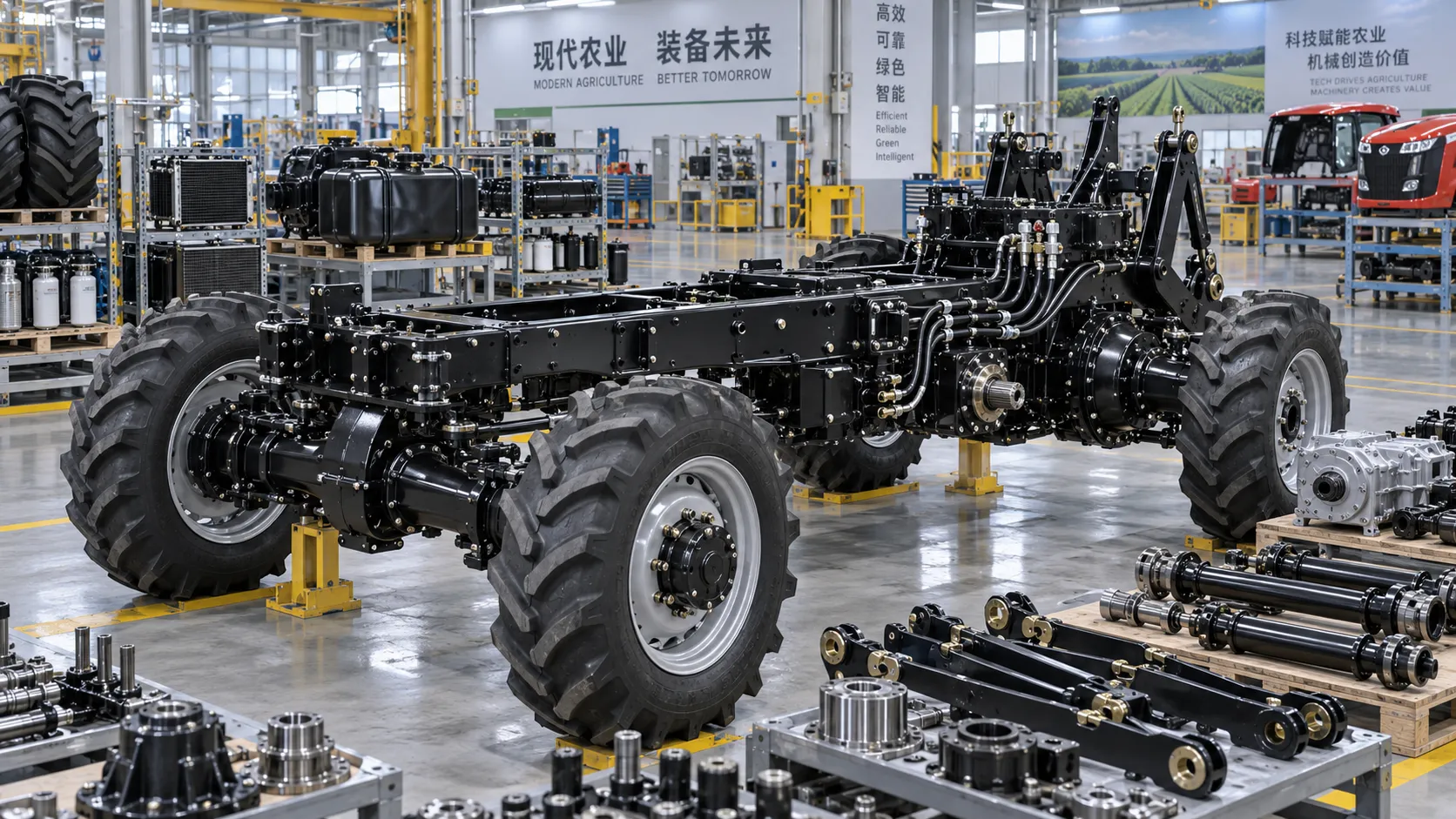
Tractor Chassis Price: What Buyers Should Compare Beyond the Initial Quote
Tractor chassis price is only the start. Compare load capacity, compatibility, durability, and lifecycle costs to choose a reliable, high-value chassis.
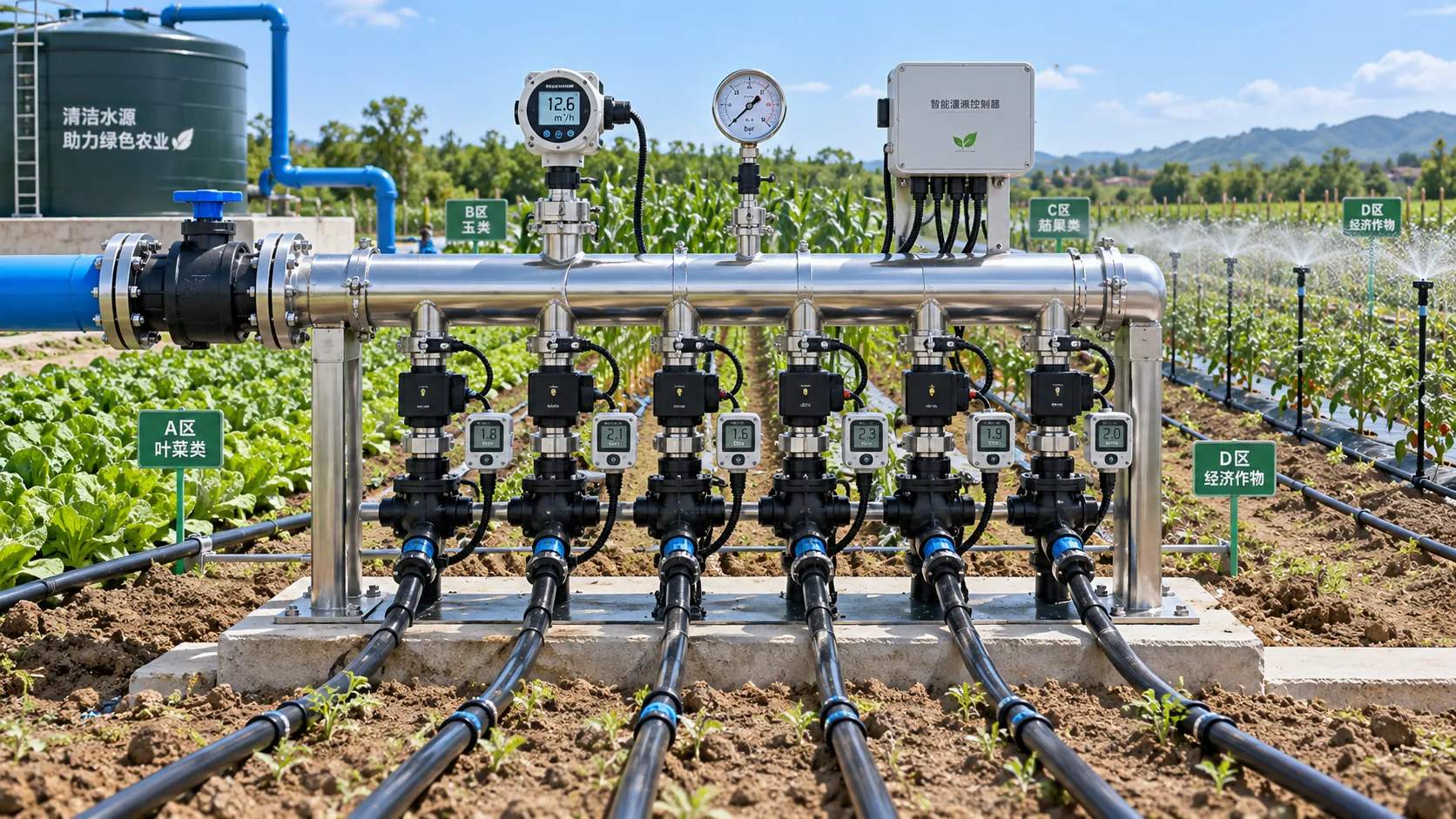
How to Select Smart Irrigation Valves for Multi-Zone Water Management?
Intelligent irrigation systems valves: learn how to match smart valves with multi-zone flow, pressure, control, feedback, and communication needs for reliable water management.
Related News
- 00
0000-00
Farm Machinery Sourcing: How to Vet Suppliers, Specs, and Lifecycle Costs - 00
0000-00
How to calculate ROI on precision agriculture equipment before buying - 00
0000-00
Tractor Specification Sheets: Matching PTO, Hydraulics, and Weight to Farm Tasks - 00
0000-00
How to Compare Agricultural Equipment Platforms for Fleet Management and ROI - 00
0000-00
Tractor Chassis Price: What Buyers Should Compare Beyond the Initial Quote
Popular Tags
Ms. Elena Rodriguez
Weekly Insights
Stay ahead with our curated technology reports delivered every Monday.