
How to Specify Combine Harvester Systems for High-Moisture Grain and Variable Field Conditions
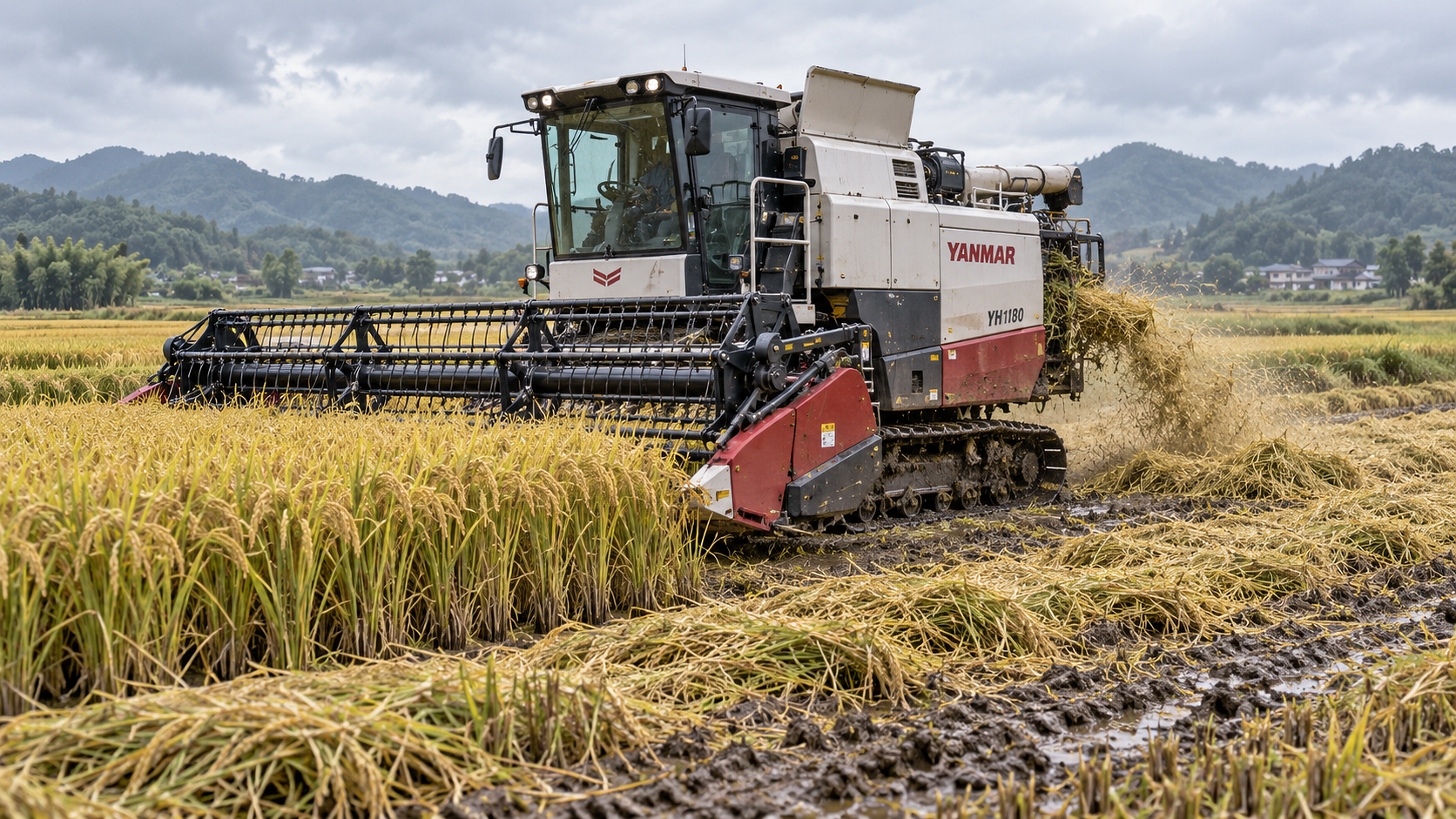




Specifying combine harvester systems for wet grain and inconsistent field conditions is primarily a risk-management exercise. Rated engine power and brochure throughput matter, but they do not show how a machine will react when straw becomes tough, crop density changes within a pass, grain moisture rises toward evening, or soil begins to limit travel speed. The specification should therefore be built around the hardest harvest window the operation expects to work through, not the easiest conditions used to demonstrate capacity.
The objective is not simply to keep the combine moving. A suitable system must maintain acceptable grain separation and cleaning, avoid excessive kernel damage, handle residue predictably, and protect soil structure while operators retain enough control to make sound decisions. A machine that performs well only in dry, uniform cereal crops can become an expensive bottleneck in high-moisture grain.
Start with the crop and harvest window, not the machine class
Before comparing rotor diameters, sieve areas, or horsepower, define the crop conditions the harvester must reliably cover. “High moisture” is not a single operating condition. Moist grain may be accompanied by green stems, tough straw, late weeds, lodged patches, uneven maturity, or heavy residue from the prior crop. Each combination loads a different part of the harvesting system.
A technical specification should identify the likely crop range: cereal grains, oilseeds, maize, pulses, or mixed seasonal programs. It should also state whether the machine is expected to harvest early to protect quality, continue later into the evening, or recover a delayed season. These operating choices affect the required feeder capacity, threshing flexibility, separation reserve, cleaning margin, and traction package.
Do not assume that a combine selected for a high-yield, dry-grain scenario will automatically be the right choice for wet conditions. Dry grain often separates readily and flows through the cleaning system with less resistance. Wet plant material tends to carry more material through the machine, restrict airflow, increase the risk of wrapping or plugging, and make losses harder to interpret from the cab.
Choose threshing and separation architecture for the crop mix
The threshing system must remove grain consistently without creating unnecessary damage. In high-moisture grain, the crop may require more aggressive threshing to release kernels, but increased rotor speed or tighter concave settings can also crack grain, break straw into fine material, and overload the cleaning shoe. The right architecture is the one that provides adjustment range without forcing operators into extreme settings.
Conventional cylinder-and-walker layouts can suit operations where straw quality matters and crop conditions are relatively manageable. Their performance depends heavily on careful concave, drum, and walker loading control. In wet, high-volume crops, separation capacity can become the limiting point before engine power is fully used.
Rotary or hybrid combine harvester systems generally offer strong material-handling capacity and can maintain separation under heavier crop loads. That does not make them universally superior. Their operating success depends on whether rotor speed, concave clearance, vane position, and feed rate can be adjusted precisely for the crop. A rotary system set too aggressively may increase broken kernels and short straw, which then places additional pressure on cleaning performance.
For a mixed-crop fleet, prioritize adjustment accessibility over a single headline capacity figure. The evaluation should ask:
- Can concaves be changed or adjusted without excessive downtime?
- Are rotor, drum, and separator settings broad enough for both damp and dry material?
- Can the machine maintain separation when straw is green without producing excessive fines?
- Does the feederhouse handle uneven crop mats, lodged material, and variable header loading smoothly?
- Can operators see when the limiting factor is threshing, separation, or cleaning?
A combine with less nominal capacity but predictable adjustment behavior may deliver more usable harvesting time than a larger machine that is difficult to tune as conditions change.
Cleaning capacity needs margin, not just a large sieve area
High-moisture harvesting exposes weak cleaning performance quickly. Damp chaff is heavier and less likely to separate cleanly in the air stream. Fine straw, weed seed, and short crop residue can accumulate across the pre-cleaner, upper sieve, lower sieve, returns system, and tailings elevator. If the cleaning system is operating close to its limit, a small change in crop density or hillside angle can produce an abrupt increase in grain loss.
Assess the cleaning shoe as a complete system: pre-cleaning, fan output and control range, sieve adjustment, grain-pan distribution, returns handling, and grain-loss monitoring. A wide cleaning area is useful, but distribution is equally important. Crop material should reach the sieves evenly; otherwise, one side becomes overloaded while the rest of the shoe appears underused.
Automatic optimization can be valuable, especially where crop conditions shift frequently. However, it should be evaluated as operator support rather than a substitute for a well-sized cleaning system. Automation works best when sensors are reliable, the machine has sufficient mechanical margin, and the operator can understand or override the recommended settings when crop behavior changes.
Specify headers and feederhouse capacity as part of the same system
Header selection is often treated as a separate procurement decision, yet it directly determines whether the rest of the combine can operate evenly. A wide header can increase theoretical output, but it can also feed the machine in large uneven slugs when crops are lodged, wet, or variable in height. In these conditions, a slightly narrower working width with stable crop flow may protect throughput and reduce downtime.
The header should match crop type, row configuration where applicable, lodging risk, stone exposure, and ground contour. Flexible cutterbar or terrain-following capability can be important in low-pod crops and uneven ground, while reel control becomes more relevant where damp, tangled, or lodged cereal crops must be lifted into the cutterbar cleanly.
Review feederhouse reversibility, stone protection, conveyor chain design, and the ability to handle varying header weights. Wet conditions make plugging more likely, so recovery time matters. A system that can be cleared safely and quickly has practical value that is rarely reflected in capacity claims.
Traction and soil protection can set the real harvest limit
In variable field conditions, travel capability may constrain daily output before threshing capacity does. Soft soils, compacted headlands, surface residue, ruts, and slopes can reduce traction, increase fuel use, and create compaction that affects the next crop. The specification must consider the combine fully loaded, not only empty transport weight.
Wheel, track, and tire choices should be based on soil bearing capacity, field access, road travel requirements, terrain, and the frequency of wet harvesting. Tracks can provide a larger contact area and improved flotation in some conditions, but they add complexity and may not be the preferred answer where long road moves, firm soils, or simpler fleet maintenance are priorities. High-flotation tires can be appropriate where soil support is generally adequate but ground pressure and rutting remain concerns.
Check the interaction between grain tank size and mobility. A larger tank can reduce unloading interruptions, but it increases the machine’s loaded mass. In soft ground, frequent unloading on the move or earlier unloading may be operationally preferable to carrying maximum grain load across vulnerable areas. The grain cart strategy is therefore part of the harvester specification, not merely a logistics detail.
Residue handling should support the next field operation
High-moisture straw is difficult to chop and spread uniformly. A residue system that looks adequate in dry material may leave windrows, uneven chaff bands, or poorly distributed long straw when moisture rises. Those patterns can interfere with drilling, strip tillage, nutrient placement, and soil warming in the following season.
Specify the residue management package according to the intended post-harvest system. If straw is retained and evenly spread, assess chopper performance, spread width, deflector control, and whether distribution remains consistent across the header width. If straw is baled, the evaluator should focus on swath formation, straw integrity, and the ability to bypass intensive chopping without creating unnecessary losses or bottlenecks.
Residue control also affects combine cleaning. Excessive chopping upstream creates fine material that can challenge the cleaning shoe. The best setting is not always the most aggressive one; it is the setting that matches the field’s residue plan while preserving grain quality and cleaning stability.
Use sensors to expose loss, not to hide it
Modern combine harvester systems may include grain-loss sensors, yield and moisture sensing, camera views, machine-load monitoring, guidance, automated steering, and automated setting adjustments. These tools are useful when they help the operator identify what is limiting performance. They are less useful when teams treat a dashboard target as proof that field losses are acceptable.
Loss sensors should be calibrated and interpreted alongside physical field checks. A loss indication may result from actual grain discharge, a change in crop material, sensor contamination, or a setting change that shifts the source of loss from separation to cleaning. Grain sample quality, tailings level, return volume, cracked grain, unthreshed heads, and ground checks together provide a more defensible evaluation than any single display value.
For fleet specification, prioritize data systems that make information usable across operators and machines. Consistent recording of moisture, yield, machine settings, alarms, and operating conditions can reveal recurring bottlenecks by field zone or crop type. This is where an intelligence-led approach, such as the equipment and precision-agriculture analysis covered by AP-Strategy, becomes relevant: machine performance should be interpreted in relation to crop conditions, logistics, soil constraints, and the next agronomic operation.
A practical specification sequence
Procurement discussions often begin with machine size, then move to options. Reverse that order. First define the crop-risk conditions and operating constraints. Then select the system architecture that can manage them. Finally, size the machine and header around the expected harvesting window.
- Document the wettest likely crop conditions, crop mix, residue load, field slopes, soil limitations, and desired harvest timing.
- Identify the constraint most likely to stop work: wet straw separation, cleaning loss, feeder plugging, soft soil, residue distribution, or unloading logistics.
- Specify required adjustment range for threshing, separation, cleaning, and header control before comparing nominal throughput.
- Evaluate traction and grain-handling arrangements with the machine loaded, including headland turns and unloading routes.
- Require a field demonstration in representative crop conditions where possible, with attention to grain loss, sample quality, residue pattern, and recovery from changing crop load.
- Assess service access, daily maintenance points, parts support, operator training, and calibration procedures as operational requirements rather than afterthoughts.
The common mistake is to buy capacity for an ideal harvest day and then discover that the machine lacks adjustment range, cleaning reserve, or mobility during the days that determine whether the crop is secured. A robust specification gives the operator options when conditions deteriorate. That is usually more valuable than a headline figure achieved only when grain is dry, fields are firm, and crop flow is uniform.
Related News
How to Compare Agricultural Equipment Platforms for Fleet Management and ROI
Agricultural equipment platform comparison: evaluate fleet data, maintenance, precision workflows, and ROI to choose a system that delivers measurable results.
Drip vs. Micro-Sprinkler Irrigation: Which System Fits Your Orchard?
Irrigation solution comparison for orchards: discover whether drip or micro-sprinklers best match your water, soil, roots, fertigation, and frost needs.
Orchard Water Management: Using Soil Moisture Data to Schedule Irrigation
Agricultural water management for orchards made practical: use soil moisture data to optimize irrigation timing, protect yield, reduce costs, and improve resilience.
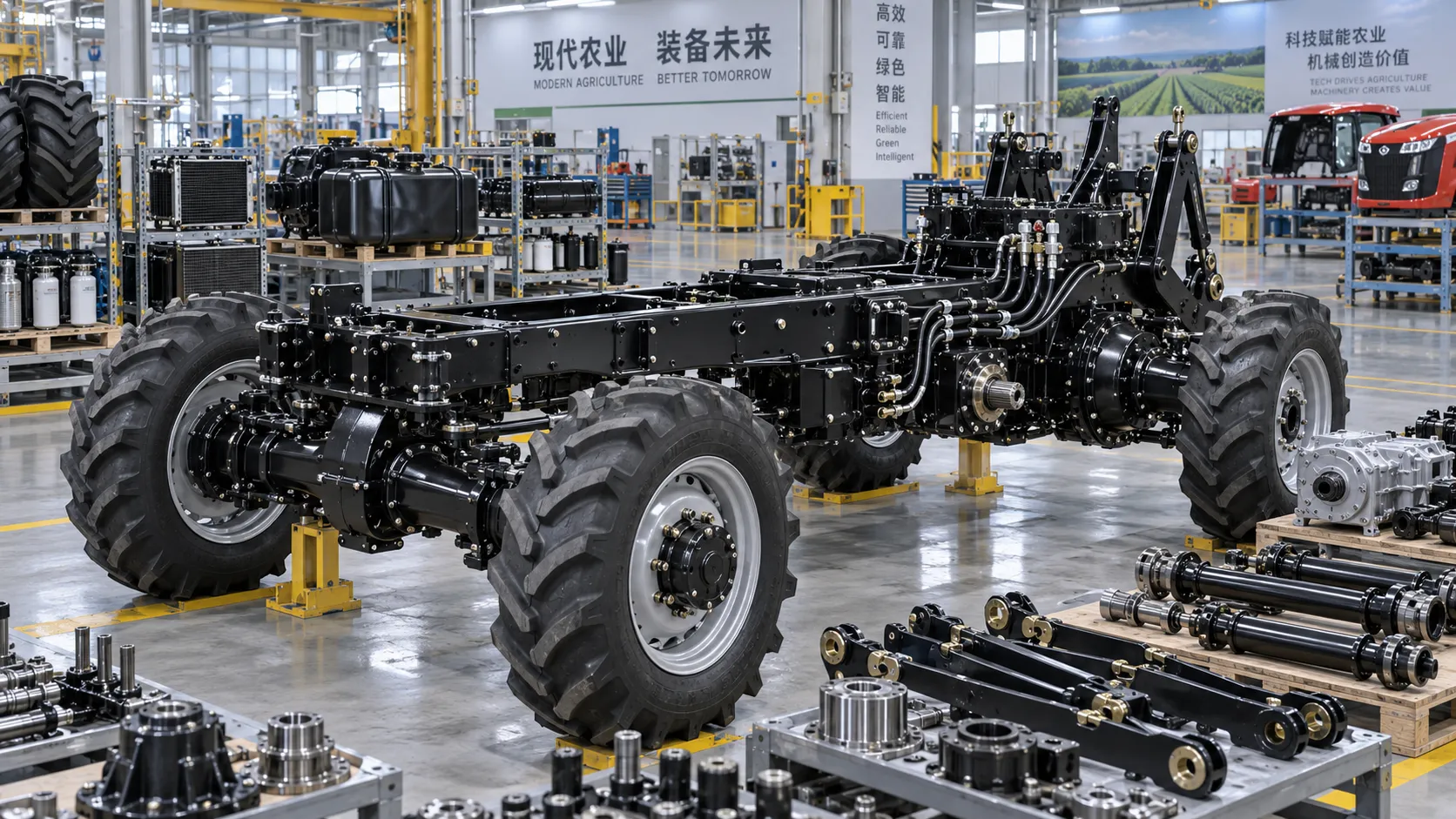
Tractor Chassis Price: What Buyers Should Compare Beyond the Initial Quote
Tractor chassis price is only the start. Compare load capacity, compatibility, durability, and lifecycle costs to choose a reliable, high-value chassis.
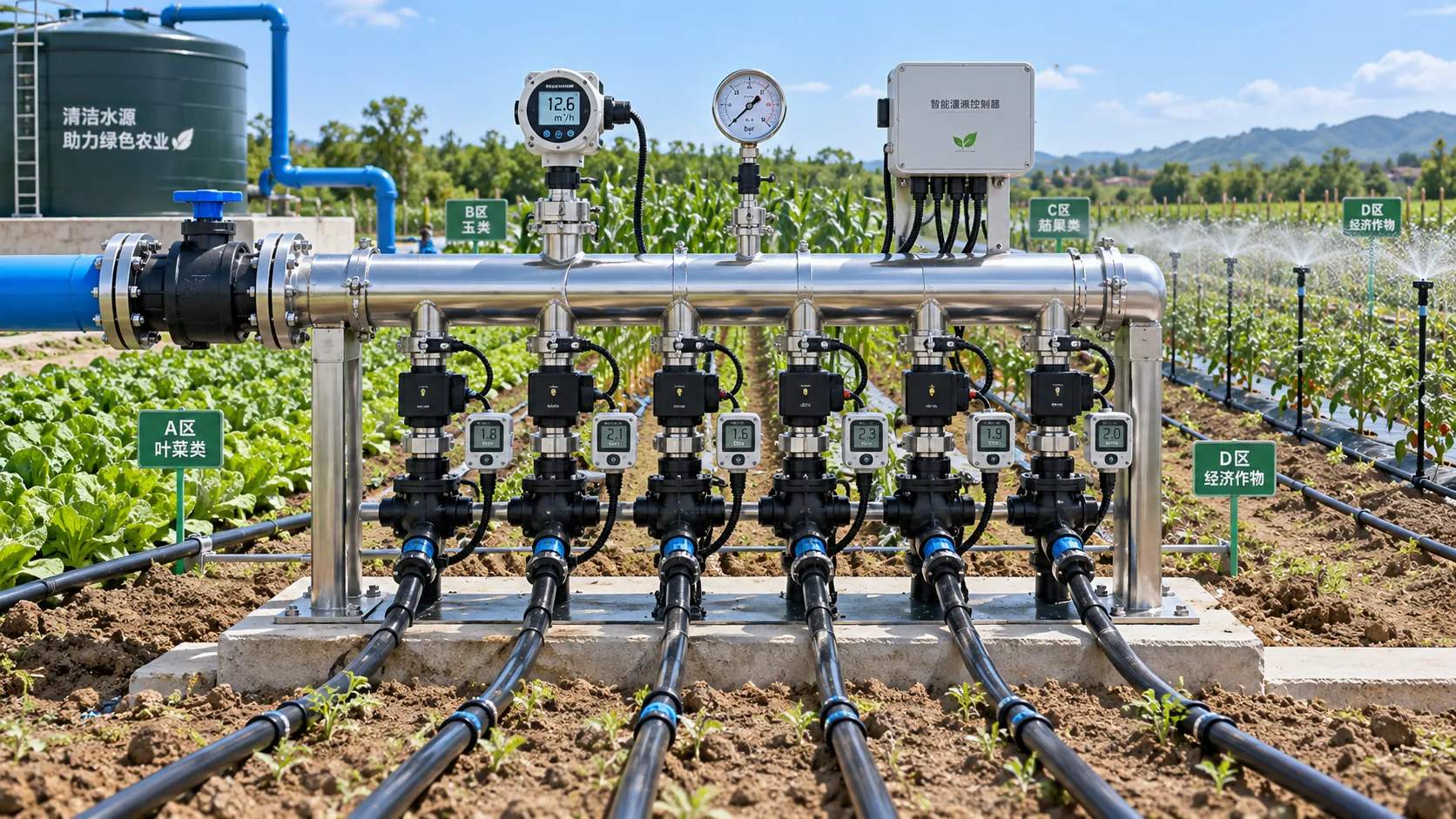
How to Select Smart Irrigation Valves for Multi-Zone Water Management?
Intelligent irrigation systems valves: learn how to match smart valves with multi-zone flow, pressure, control, feedback, and communication needs for reliable water management.
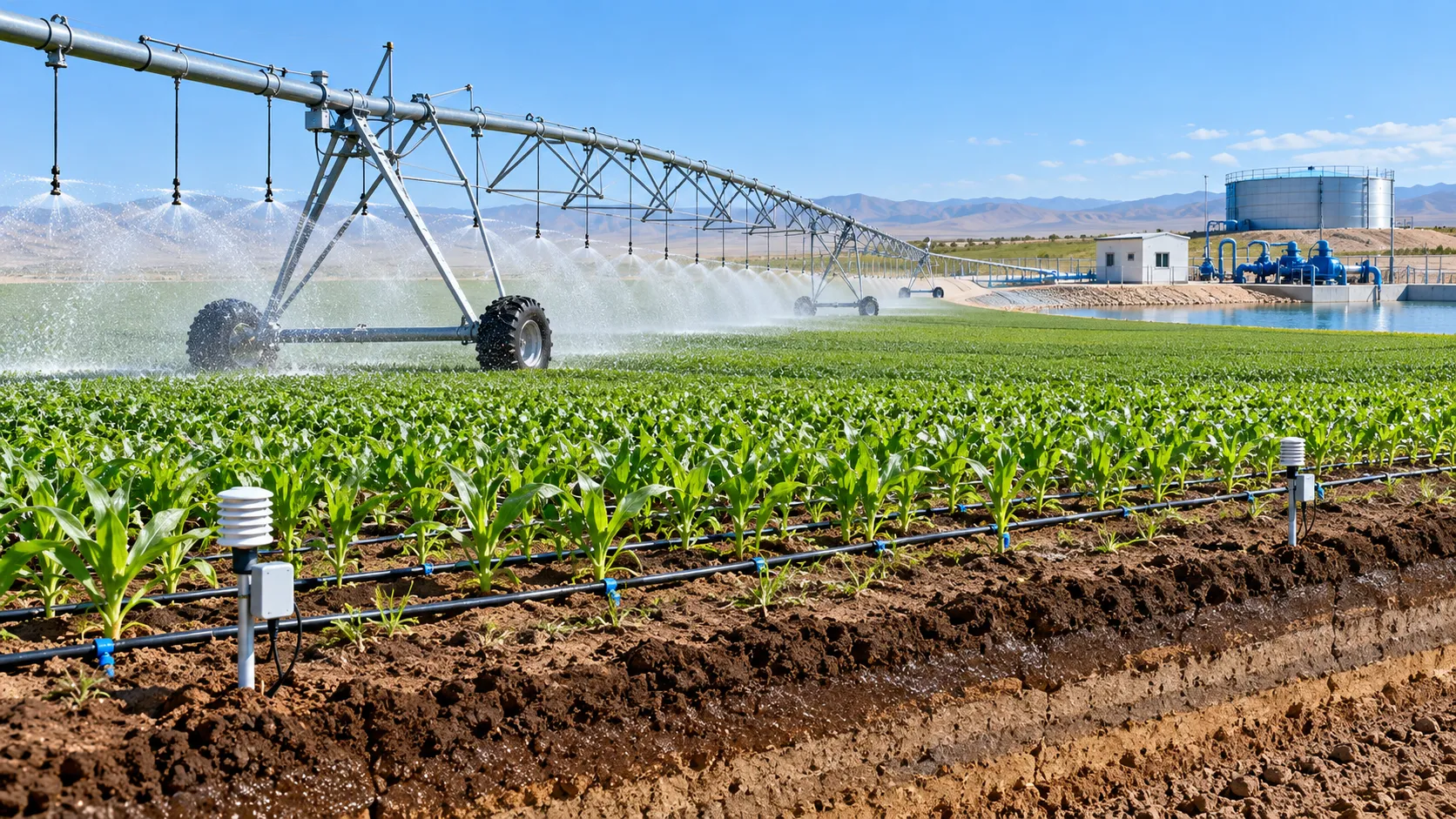
Climate-Smart Farming for Drought: A Practical Plan for Protecting Yields
Climate-smart farming for drought: build smarter water budgets, protect critical crop stages, improve irrigation uniformity, and safeguard yields with practical field-proven strategies.
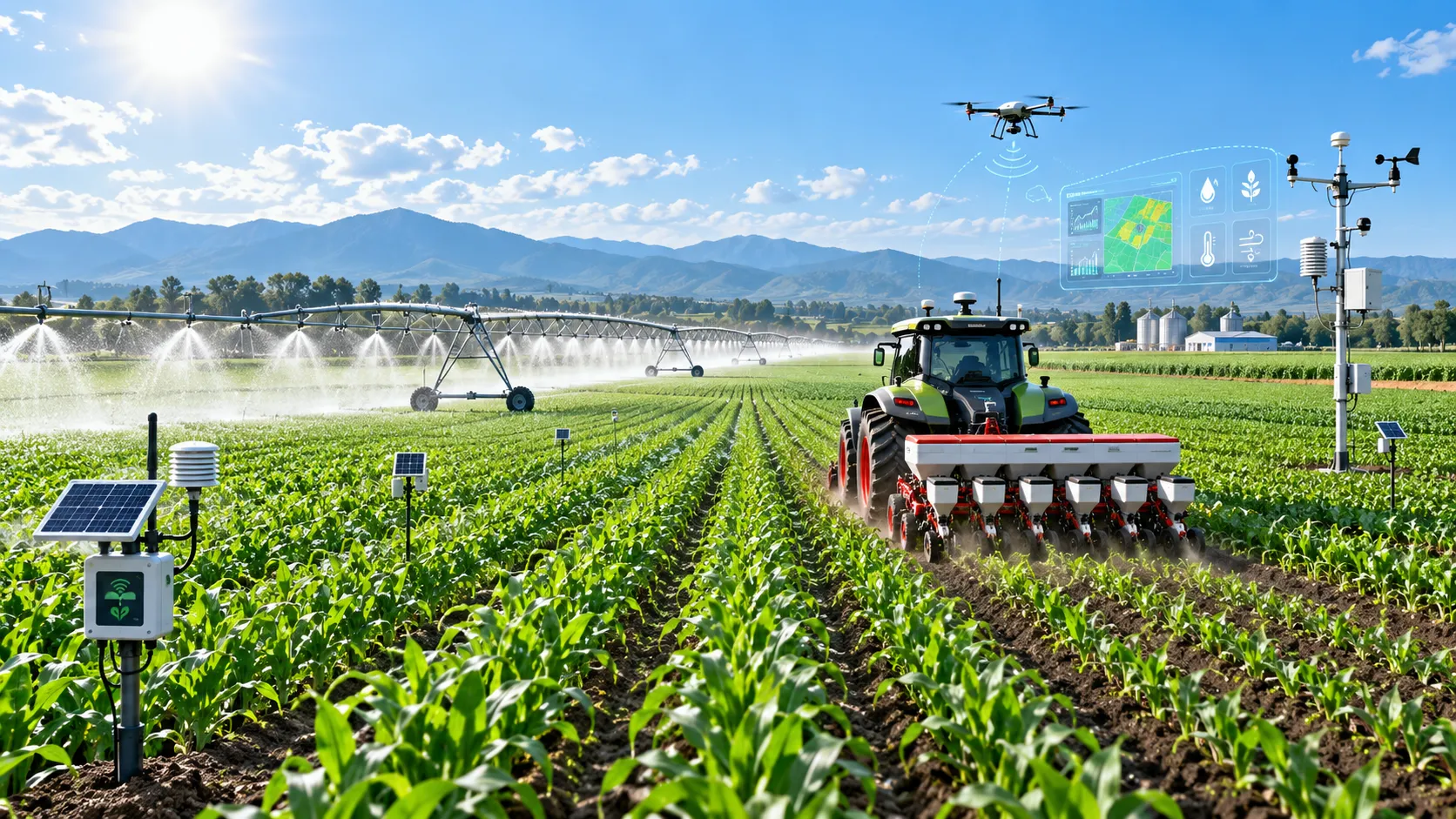
How Digital Agriculture Platforms Turn Field Data Into Better Input Decisions
Digital agriculture platforms turn field data into smarter fertilizer, water, seed, and equipment decisions—helping farms cut risk, improve margins, and scale sustainability.
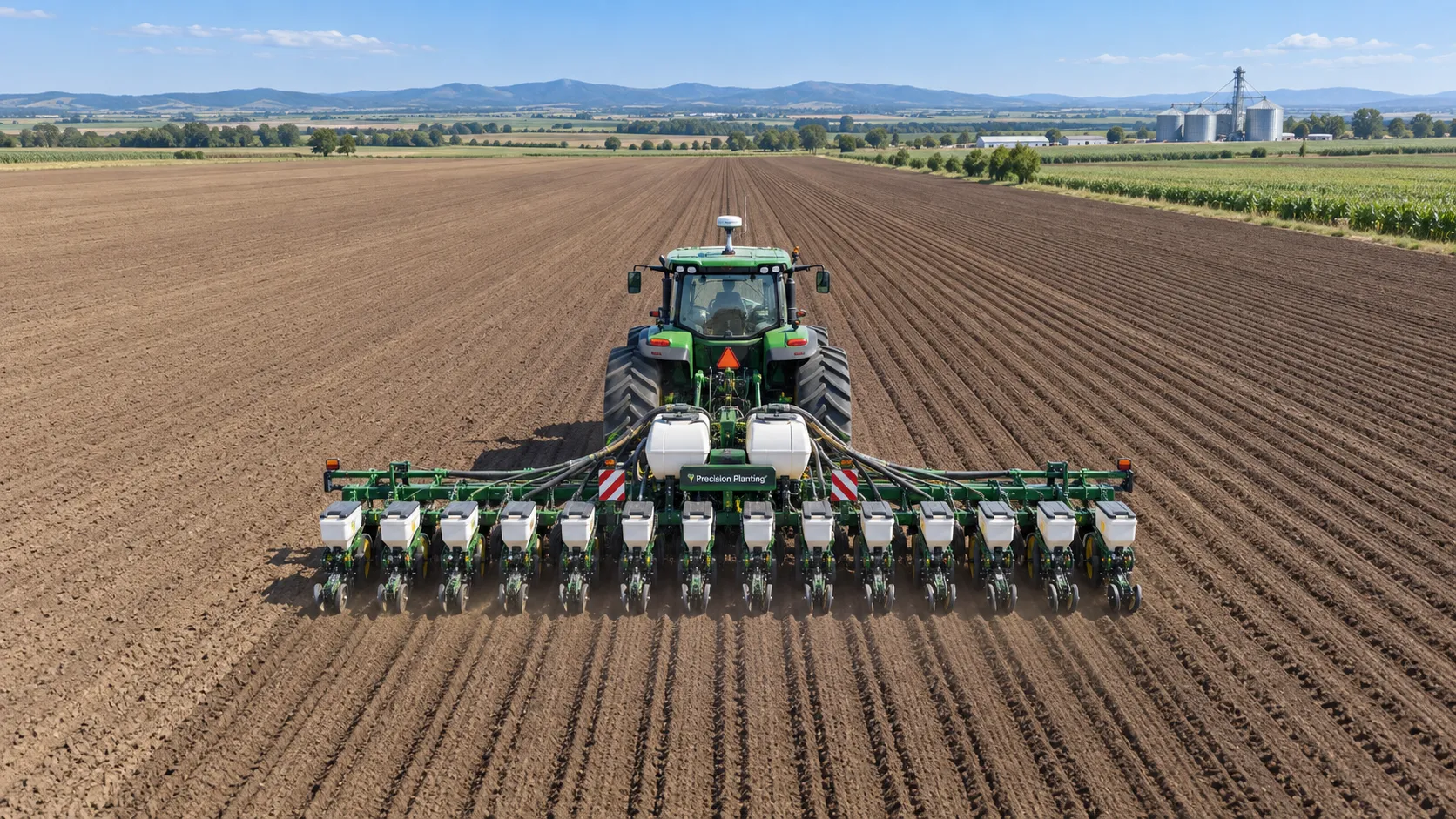
GPS-Guided Farm Machinery: Where It Delivers Measurable Field Efficiency Gains
Agri-mechanization GPS guided systems deliver measurable field efficiency gains through reduced overlap, precise planting, smarter inputs, and reliable farm data.
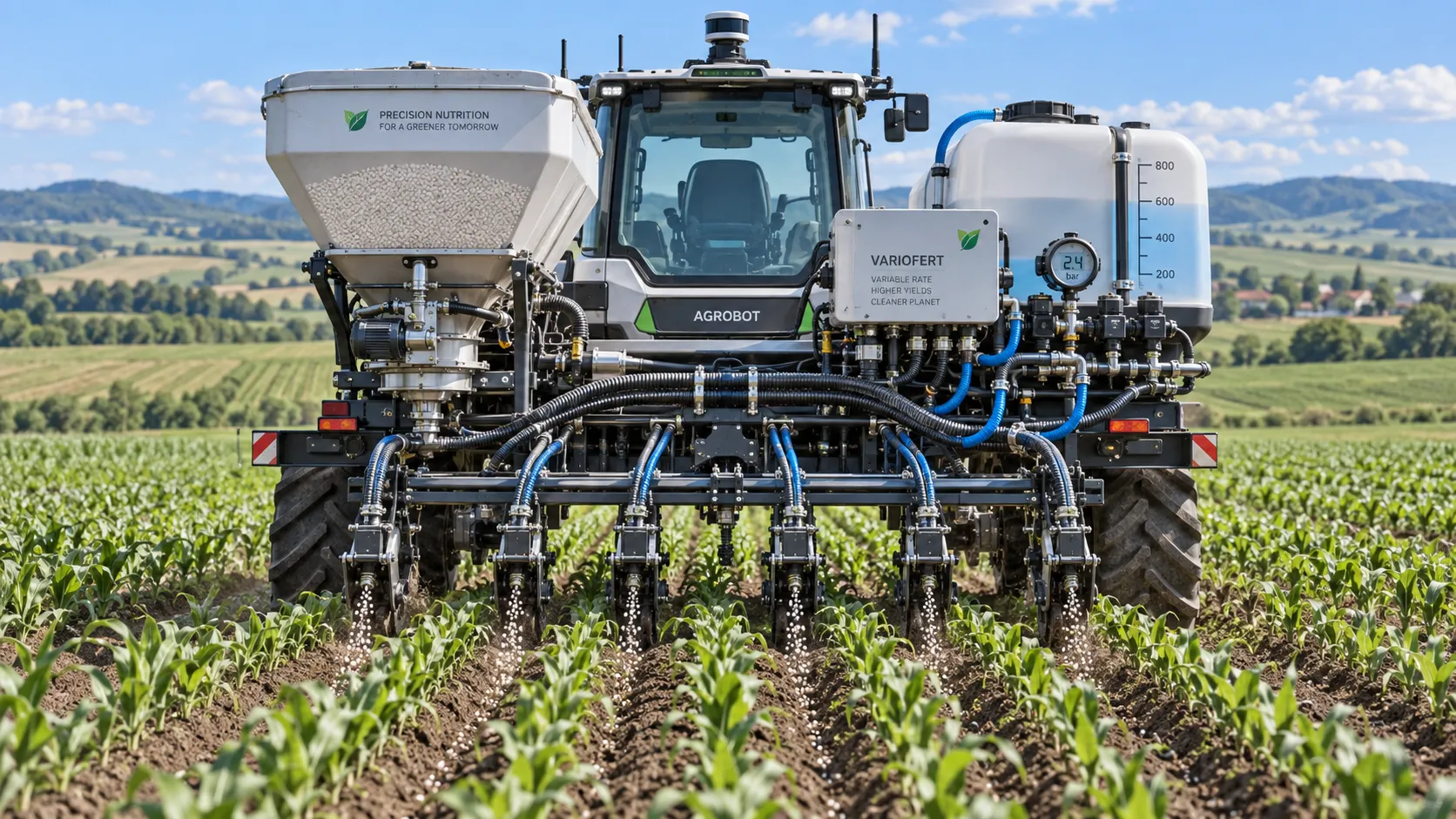
How Sensor Feedback Enables Accurate Variable-Rate Fertilization in Field Conditions
Precision fertilization systems with sensor feedback improve variable-rate accuracy by verifying flow, managing latency, and ensuring reliable field application.
Related News
- 00
0000-00
How to Specify Combine Harvester Systems for High-Moisture Grain and Variable Field Conditions - 00
0000-00
What Harvesting Machinery Works Best for Small Grains on Hills? - 00
0000-00
GRIMME Tianjin Signs to Join Changchun Agricultural Machinery Expo Center - 00
0000-00
Vietnam Mandates Vietnamese Energy Labels for Imported Threshing Systems - 00
0000-00
Crop Harvesting Solutions for Wheat: Which System Fits Yield, Moisture, and Field Size?
Popular Tags
Harvesting Efficiency Expert
Weekly Insights
Stay ahead with our curated technology reports delivered every Monday.