
What Harvesting Machinery Works Best for Small Grains on Hills?
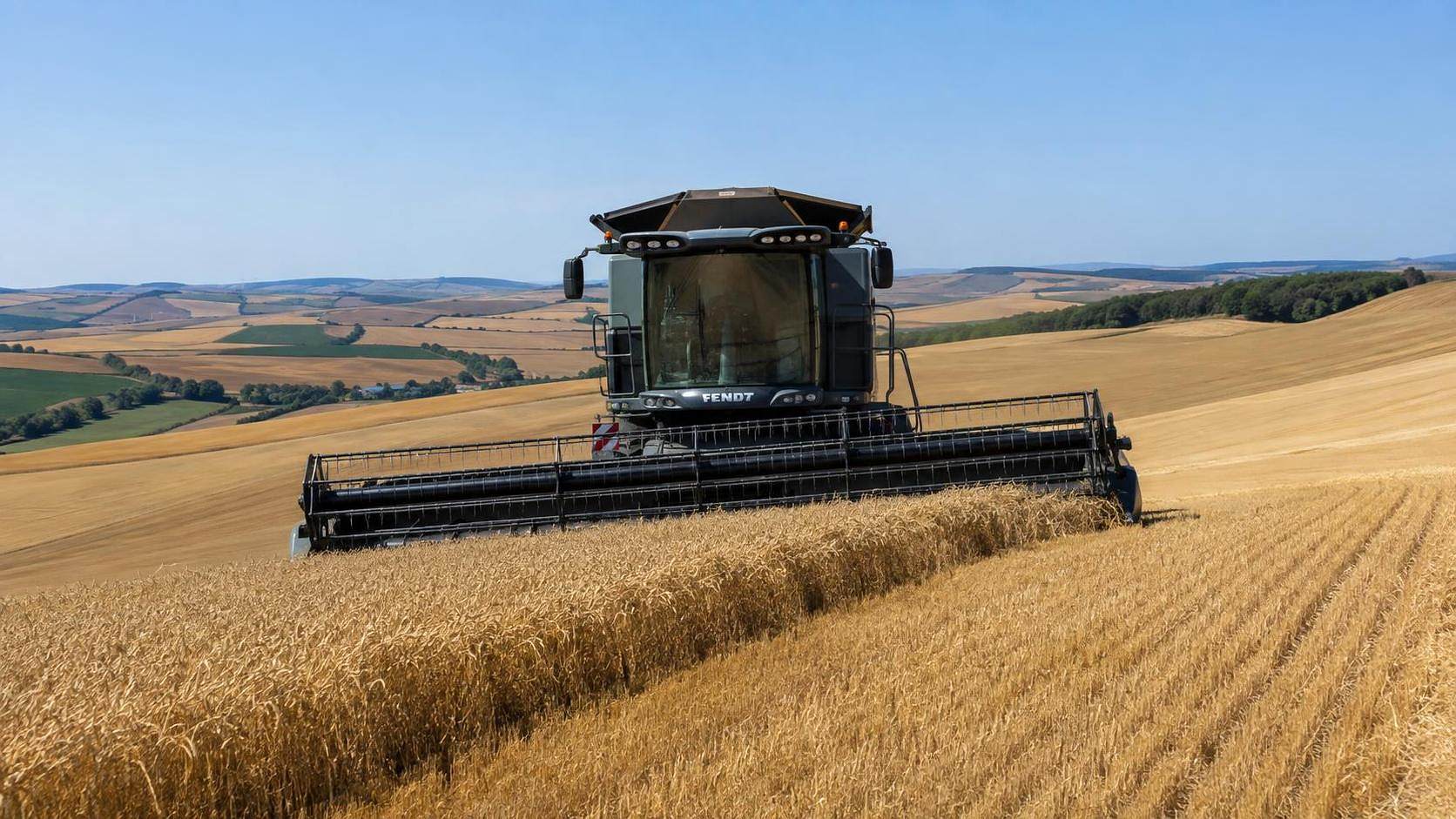




What harvesting machinery works best for small grain on hilly terrain? For most growers, the best answer is not simply “the biggest combine available.” It is a harvesting system matched to the slope, field shape, crop volume, soil conditions, and the operator’s ability to work safely without sacrificing grain quality.
Small grains such as wheat, barley, oats, rye, and triticale can look forgiving from the road. On a hillside, however, the combine must keep the header cutting evenly, maintain stable traction, separate grain without overloading one side of the cleaning system, and travel safely through changing gradients. A machine that performs well on flat ground may lose grain, leave uncut patches, or become unsafe when the field begins to roll.
For larger acreages and sustained hill work, a hillside-capable combine with automatic self-leveling is generally the strongest option. For smaller, fragmented fields or moderate slopes, a compact combine with a correctly sized grain platform, suitable tires or tracks, and disciplined operating practices may be the more practical choice. In very steep or irregular ground, windrowing and pickup harvesting can sometimes reduce risk and improve crop flow.
The short answer: match the machine to the hill, not just the crop
A conventional or hybrid combine fitted with a small-grain header remains the core harvesting machine for most cereal producers. The difference on hilly terrain lies in how well the machine manages side slope and fore-aft pitch.
- Moderate, relatively uniform slopes: A compact or mid-size combine with a properly adjusted grain platform can be effective, especially where field parcels are small and access roads are narrow.
- Long side slopes and rolling terrain: A combine with hillside leveling or automated sieve-leveling systems is usually the better investment because it protects cleaning performance and operator confidence.
- Steep, uneven, or terraced fields: A smaller, lower-center-of-gravity machine, sometimes combined with windrowing and a pickup header, may be safer than trying to force a large combine through difficult contours.
- Wet soils or frequent traction limits: Track systems, flotation tires, and careful harvest timing can matter as much as combine size.
The most appropriate machine is often the one that allows the operator to slow down without creating a bottleneck. A slightly smaller combine that can turn safely, follow contours, and maintain a clean sample may outperform a larger unit that constantly struggles with stability and grain loss.
Why hills make small-grain harvesting more complicated
On flat land, crop material moves through a combine in a reasonably predictable path. On side slopes, gravity shifts grain and chaff toward the downhill side of the machine. That can overload one section of the cleaning shoe, reduce separation efficiency, and send marketable grain out the back with residue. In barley and oats, where straw volume can be substantial, the issue may become visible quickly. In thin wheat, it may be less obvious until losses are checked behind the combine.
Hills also change header behavior. As the machine pitches uphill or downhill, cutterbar height and reel engagement can vary. If the header is too rigidly set, it may scalp high spots, miss lodged crop in depressions, or pull in soil and stones. Uneven feeding then affects threshing and separation further down the machine.
There is also the human factor. Harvest often happens in a narrow weather window. When grain is ready and a storm is approaching, it is tempting to continue on a slope that feels marginal. The right machinery does not remove that responsibility, but it gives the operator more stable control, clearer loss monitoring, and a wider practical operating window.
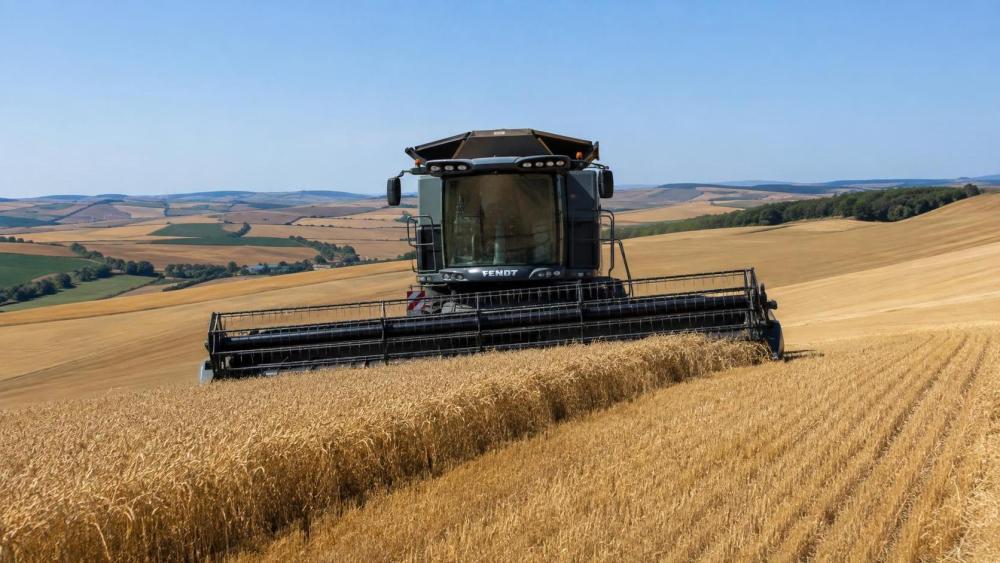
Hillside-leveling combines: the preferred choice for sustained side-slope work
Where hilly small-grain acreage is significant, a self-leveling or hillside combine is usually the most capable solution. These machines use hydraulic or mechanical leveling systems to keep key parts of the combine closer to level while the chassis travels across a slope. Depending on the design, the system may compensate for side slope, fore-aft pitch, or both.
The primary benefit is not just comfort. Keeping the cleaning area level helps distribute material more evenly across sieves and air flow. That supports more consistent separation and can reduce avoidable grain loss. Leveling also helps the header maintain a more predictable cutting attitude and reduces the unsettling sensation of the machine leaning heavily on long traverses.
However, a hillside combine should not be selected based on leveling capability alone. Buyers should examine:
- the manufacturer’s stated slope limits and operating guidance;
- machine width, transport needs, and fit through local gates or farm roads;
- dealer service coverage for hydraulic, sensor, and control-system support;
- header compatibility for the crops and average field size;
- weight distribution when the grain tank is partly or fully loaded;
- residue management needs if straw is baled or chopped.
Leveling systems improve performance, but they do not make every slope harvestable. Ground speed, soil firmness, turning zones, drainage channels, and downhill stopping distance still govern safe operation. Operators should follow the machine manual and local safety requirements rather than relying on a general slope number from another farm or region.
Compact combines can be the sensible answer for smaller fields
Many small-grain growers on hills do not need, or cannot efficiently use, a large hillside combine. Small parcels, irregular field boundaries, stone walls, terraces, and limited storage capacity can all favor a compact machine. A smaller combine may have lower transport complexity, lighter axle loads, easier maneuverability, and a more manageable turning radius around awkward headlands.
That does not mean choosing the smallest machine available. Undersizing can create its own problems: slow harvest progress, excessive engine load in green straw, poor cleaning in heavy crops, and pressure to operate in poor conditions. The aim is to choose a capacity level that suits the realistic harvest window while leaving enough margin to slow down on difficult portions of the field.
For moderate hills, look for a combine with responsive hydrostatic drive, good visibility to the header and downhill side, reliable traction control, and accessible loss-monitoring information. Features such as automatic header height control, yield mapping, camera systems, and guidance can be particularly useful when terrain changes constantly. They do not replace operator judgment, but they reduce fatigue and make repeatable passes easier.
The header often decides whether the combine performs well
A combine may be hillside-ready, yet still harvest poorly if the header is too wide, poorly matched, or incorrectly adjusted. For small grains, the usual choices are rigid grain platforms, flexible cutterbar platforms, draper headers, and pickup headers for windrowed crops.
A narrower grain platform is often the practical choice on hills. It follows contours more easily, reduces the risk of pushing the machine sideways through lodged crop, and makes it easier to keep the cutterbar at a consistent height. The sacrifice is lower theoretical field capacity, but the gain can be better feeding and fewer stressful corrections.
Draper headers can provide smooth, even crop delivery to the feederhouse, which is valuable in uneven stands or lodged cereals. Their benefits depend on crop conditions and machine setup; they are not automatically necessary for every small-grain farm. Where crop flow is already clean and fields are small, a conventional platform may remain the simpler and more economical fit.
Pickup headers are worth considering where producers windrow wheat, barley, or other small grains before combining. Windrowing can help crops dry more uniformly and can allow harvesting in a direction that better follows the terrain. It also introduces another pass, additional equipment, weather exposure, and the risk of windrows moving or becoming damp. It is best viewed as a terrain-management strategy, not a universal replacement for direct cutting.
Tracks, tires, and chassis stability deserve more attention than they usually receive
Hilly harvesting is not only about separation technology. The contact between machine and soil is fundamental. Tires with the right load rating, inflation pressure, tread condition, and spacing can improve stability and reduce compaction. In some situations, track systems offer a larger contact area and more confidence in soft or variable ground.
Tracks are not a blanket cure for steep terrain. They add cost, affect transport logistics, and require careful maintenance. Their value is highest where wet conditions, compaction concerns, or traction variability repeatedly delay harvest. A farm with dry, firm rolling ground may gain more from correct tire setup and a lighter machine than from investing in tracks.
Pay attention to grain-tank management as well. A combine behaves differently when empty, half full, and loaded. On hills, unloading frequency, travel route to the grain cart, and the location of safe unloading areas should be planned before the crop reaches maturity. Harvest logistics are part of machine safety, not an afterthought once the tank alarm sounds.
Set the combine for the slope, then verify losses in the field
Even the best machine needs slope-specific adjustment. Concave clearance, rotor or cylinder speed, fan speed, upper and lower sieve settings, and ground speed should be reviewed as crop conditions change. A setting that gives a clean sample on level ground may not control losses on a side hill.
Do not rely only on cab displays. Electronic loss sensors are useful, but they should be checked against physical inspections behind the combine. Stop periodically in representative areas: a side slope, a crest, a low section with heavier straw, and any lodged patch. Separate grain loss from chaff, look for unthreshed heads, and assess whether the machine is cracking grain or overloading the cleaning system.
In practical terms, the best adjustment is rarely the one that produces the fastest forward speed. It is the setting that maintains acceptable grain loss, clean grain, stable feeding, and safe control across the field’s most demanding sections.
Frequently asked questions
Can a standard combine harvest small grains on hills?
Yes, on moderate slopes and firm ground, a standard combine can harvest wheat, barley, oats, and similar crops successfully. Its limits depend on the machine’s design, header width, tire setup, crop density, and the direction of travel. If side-slope work is frequent, automatic leveling or sieve-compensation technology becomes increasingly valuable.
Is a self-leveling combine necessary for every hilly farm?
No. It is most justified where side slopes are regular, acreage is large enough to support the investment, and cleaning losses are a recurring concern. Farms with smaller fields and occasional rolling terrain may be better served by a compact combine, a narrower header, strong operator practices, and carefully planned travel patterns.
Should harvesting be done across the slope or up and down it?
There is no universal direction. Traveling across a slope may improve header presentation in some fields but increases side-slope loading. Traveling up and down may reduce lateral lean but introduces fore-aft pitch and can create traction or braking concerns. Field shape, slope severity, soil condition, machine guidance, and the manufacturer’s safety instructions should determine the plan. Avoid sharp turns on slopes whenever possible.
What is the biggest mistake when choosing harvesting machinery for hills?
The most common mistake is buying for peak capacity on ideal ground rather than reliable performance on the farm’s hardest acres. A wide header, high-capacity combine, or heavily loaded grain tank can look efficient until the machine reaches a steep side hill, lodged crop, or soft headland. Select equipment around the conditions that most often control harvest progress.
A practical buying lens for hilly small-grain operations
Before comparing brochures, map the farm’s actual harvest environment. Note the longest side slopes, steepest approaches, narrowest entrances, softest fields, average crop yield, lodging history, and distance to grain handling. Then arrange demonstrations in conditions that resemble your own fields—not only on a dealer’s level test area.
At AP-Strategy, we view hillside harvesting as a system question. Combine leveling, chassis behavior, header crop flow, grain-loss feedback, satellite guidance, and harvest logistics all connect. The right machine is the one that lets a producer bring in grain with control rather than urgency: stable on the slope, gentle on the crop, and capable of delivering a harvest that reflects the work invested all season.
Related News
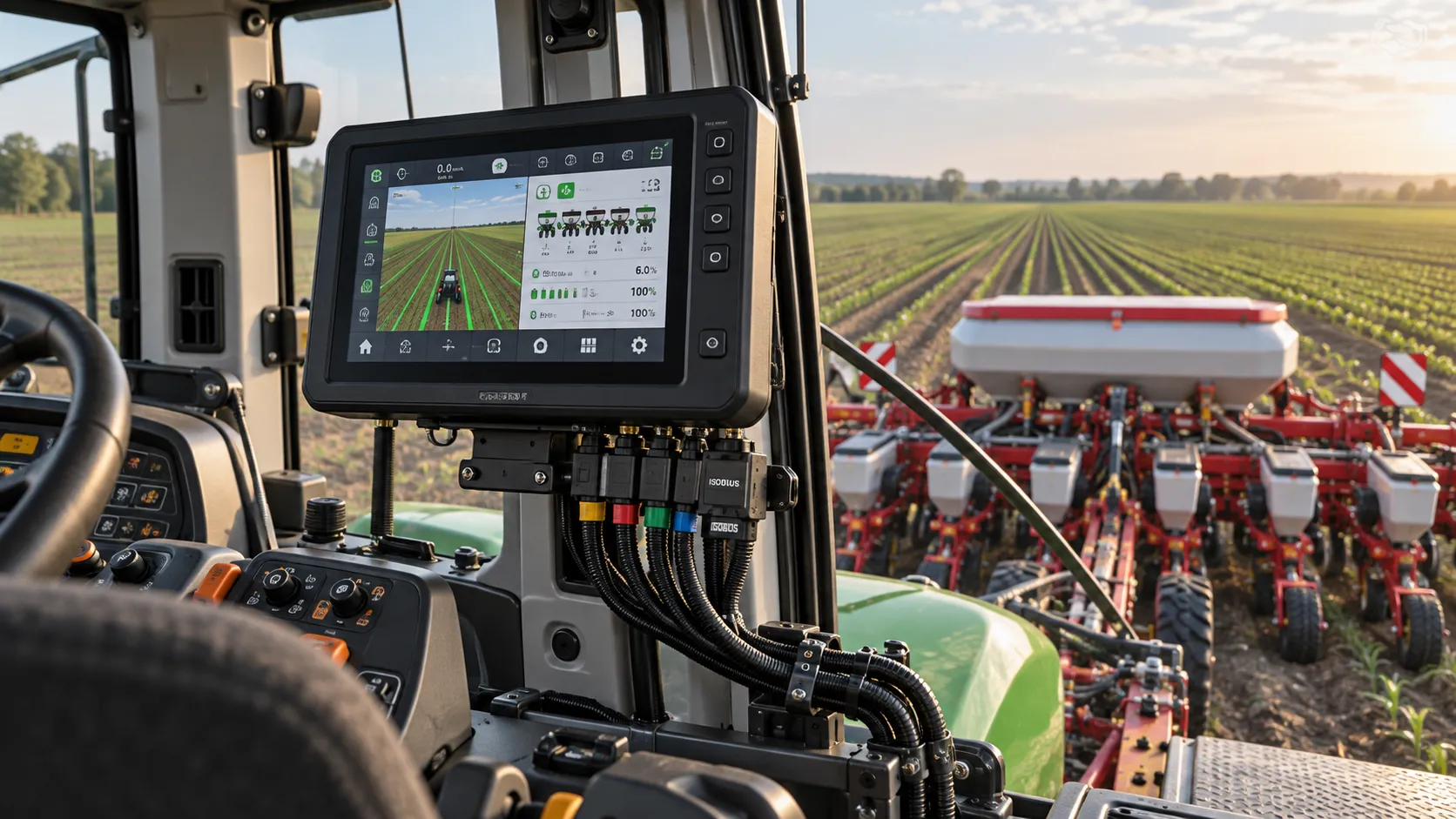
Choosing Precision Agriculture Controllers: ISOBUS and Variable-Rate Compatibility
Compare precision agriculture controllers for ISOBUS functionality, variable-rate compatibility, and data exchange. Discover what to test before buying to find the right fit for your fleet.
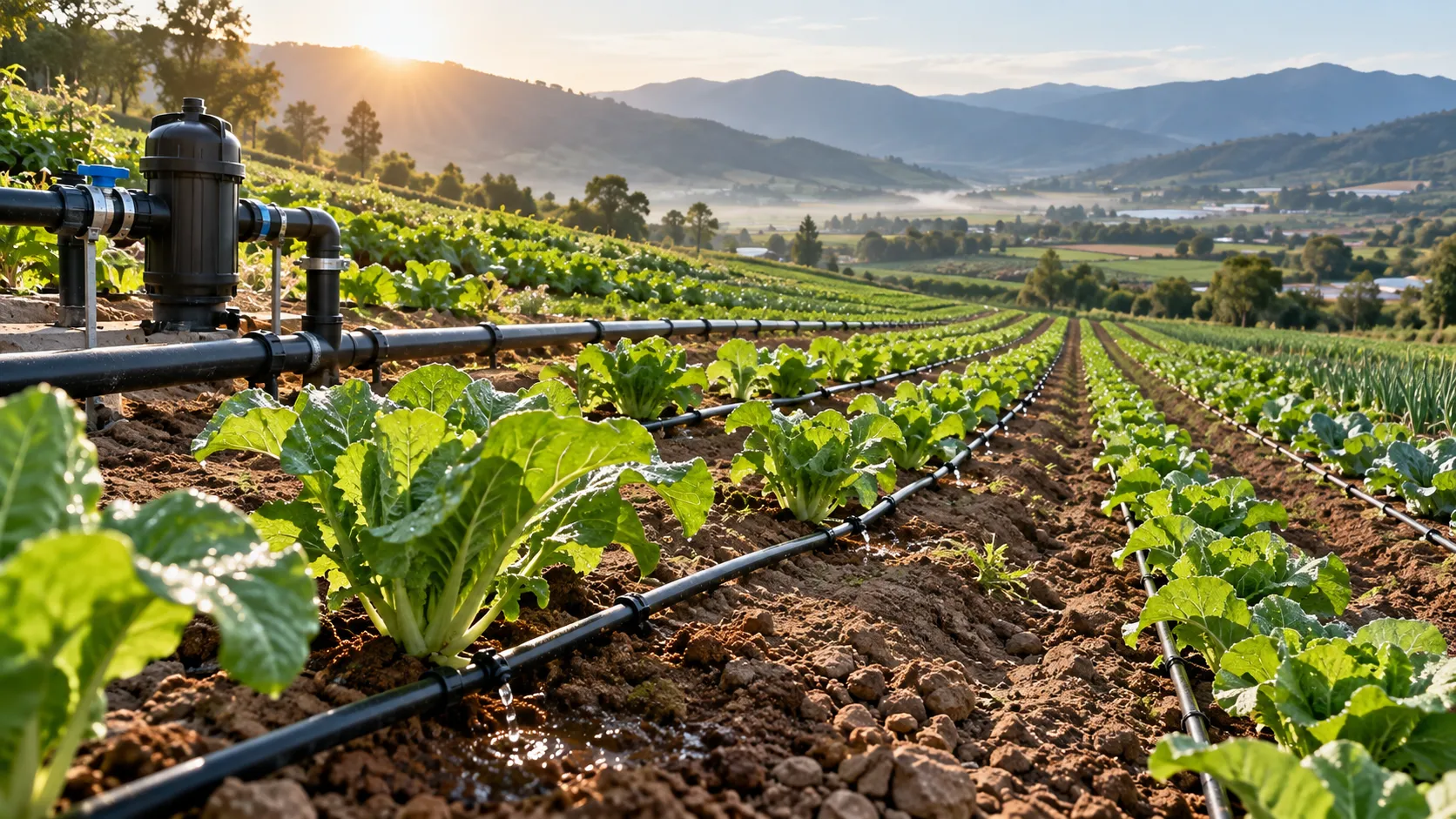
Choosing Drip Irrigation Systems for Open Fields: Soil, Slope, and Water Quality
Choose drip irrigation systems for open fields with confidence. Discover how soil, slope, and water quality shape emitter spacing, pressure, and filtration—and avoid costly design mistakes.
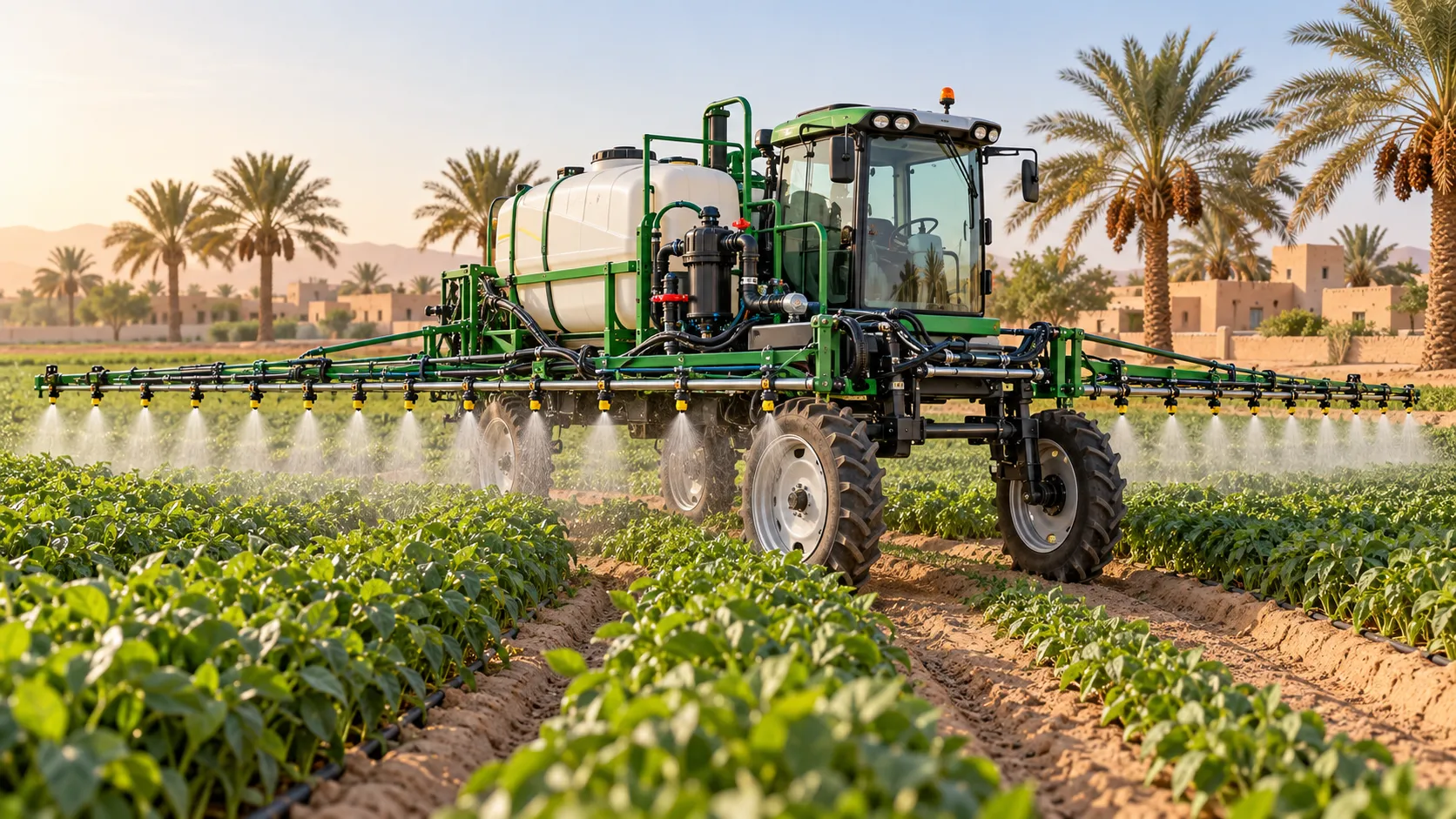
Choosing Crop Protection Equipment for Hot, Windy Middle Eastern Farms
Compare crop protection equipment Middle East farms need for hot, windy conditions. Discover key nozzle, drift-control, and durability checks to choose the right sprayer.
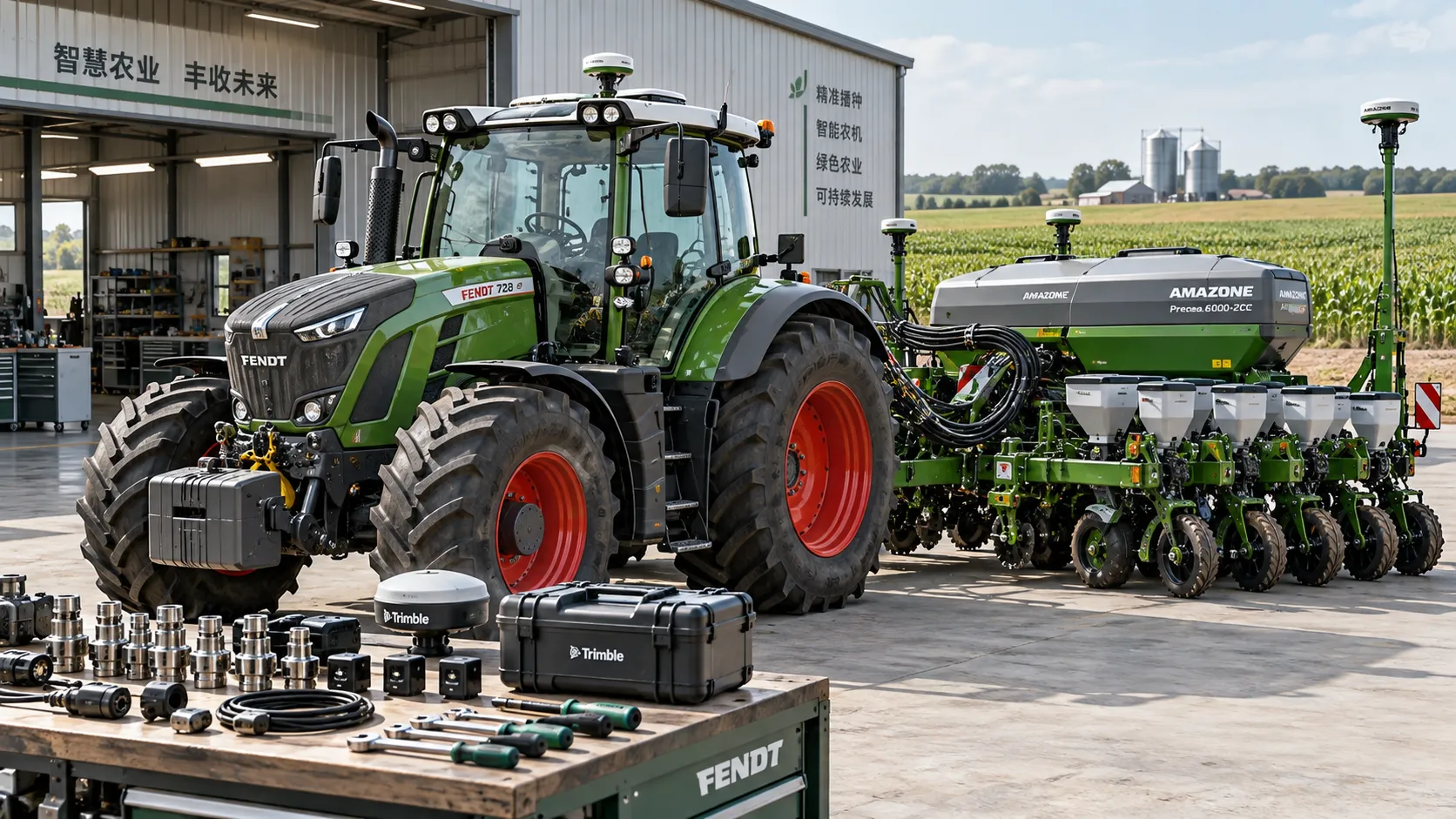
Choosing an Agriculture 4.0 Supplier: Compatibility, Support, and Total Cost
Choose an Agriculture 4.0 supplier with confidence. Learn how to verify compatibility, assess support, and compare total ownership costs to avoid hidden fees and costly downtime.
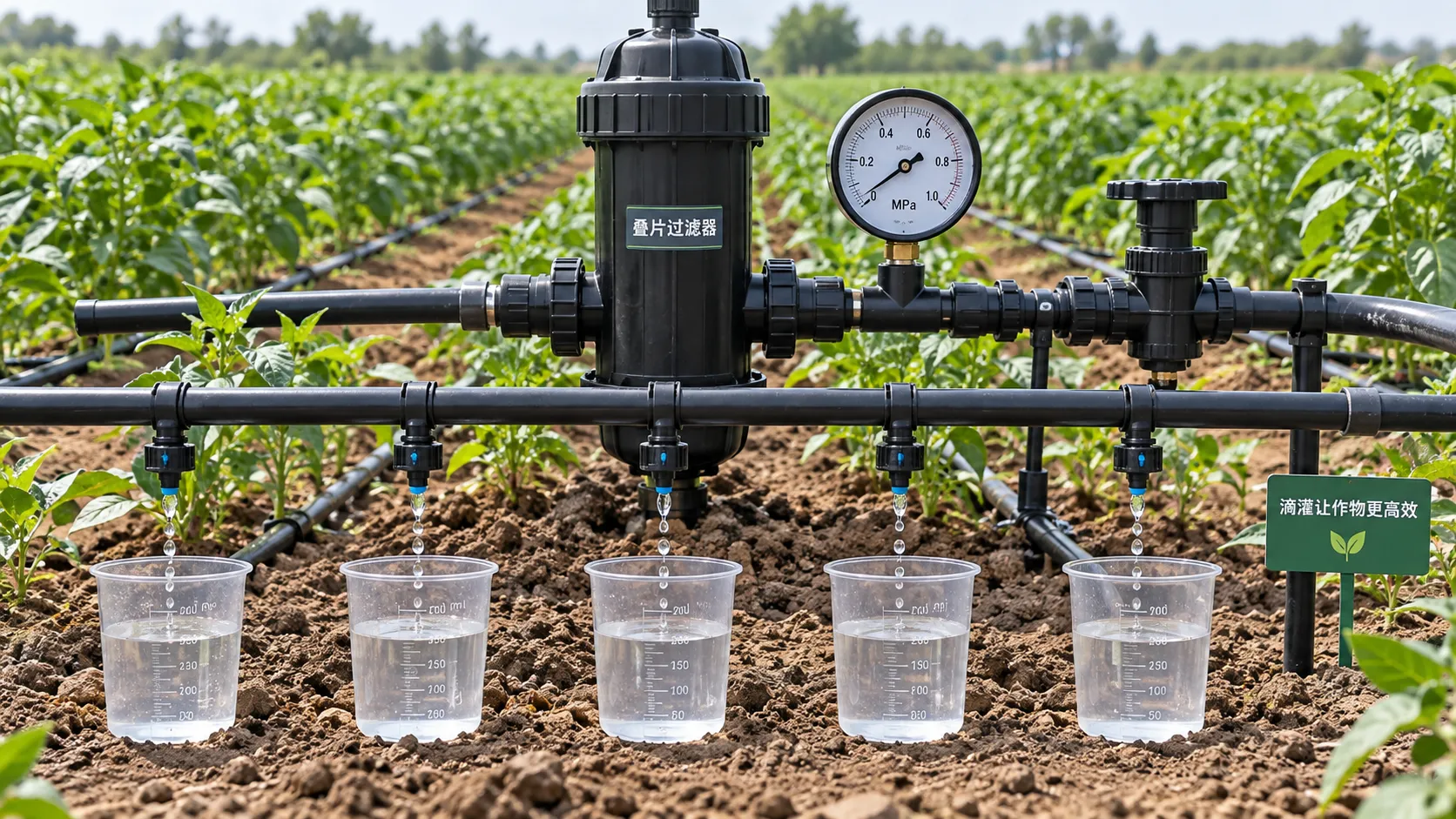
Low-Pressure Drip Irrigation: How to Fix Uneven Watering Without Raising Pressure
Optimize low pressure water-saving irrigation systems: discover how to fix uneven watering, clear blockages, and reduce hydraulic losses without raising supply pressure.
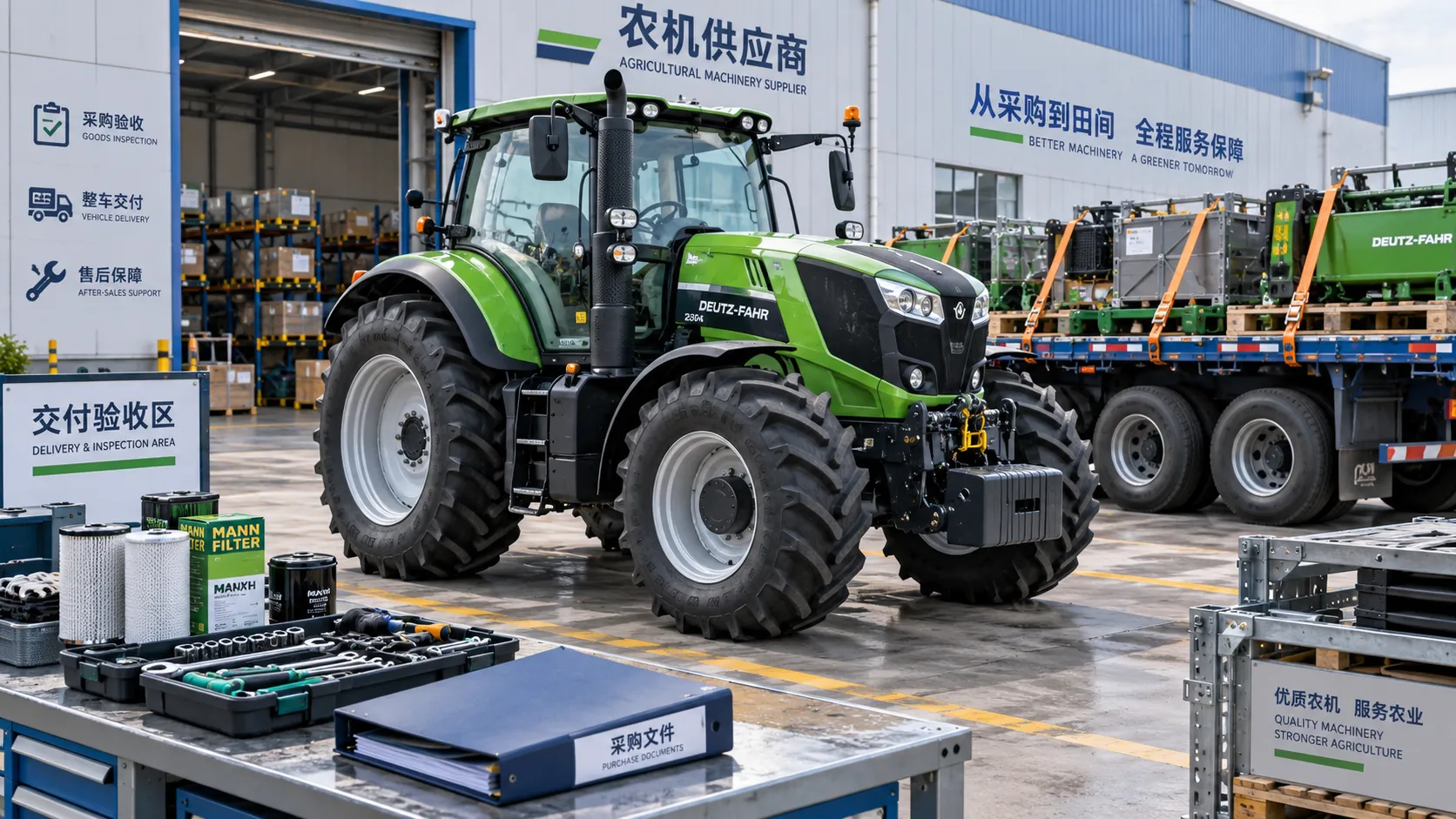
Comparing Farm Equipment Supplier Quotes: Price, Freight, and Warranty
Simplify supplier comparison for farm equipment price: assess freight, field-ready costs, and warranty coverage. Learn how to avoid hidden charges and choose a reliable supplier.
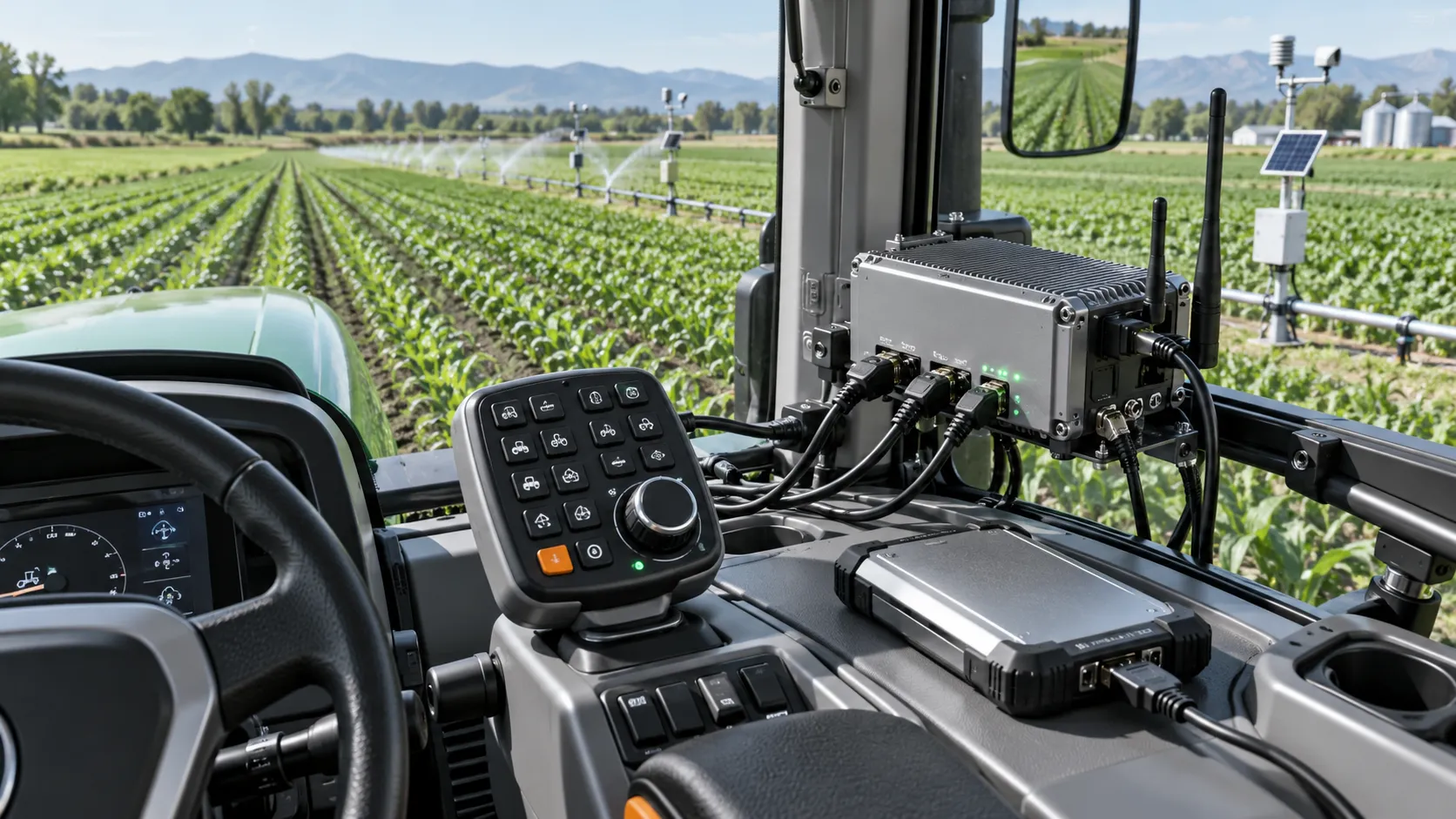
Choosing a Digital Farming Platform Provider: Compatibility and Data Ownership
Compare digital farming platforms providers on equipment compatibility, data ownership, and export rights. Discover practical checks to avoid lock-in and choose with confidence.
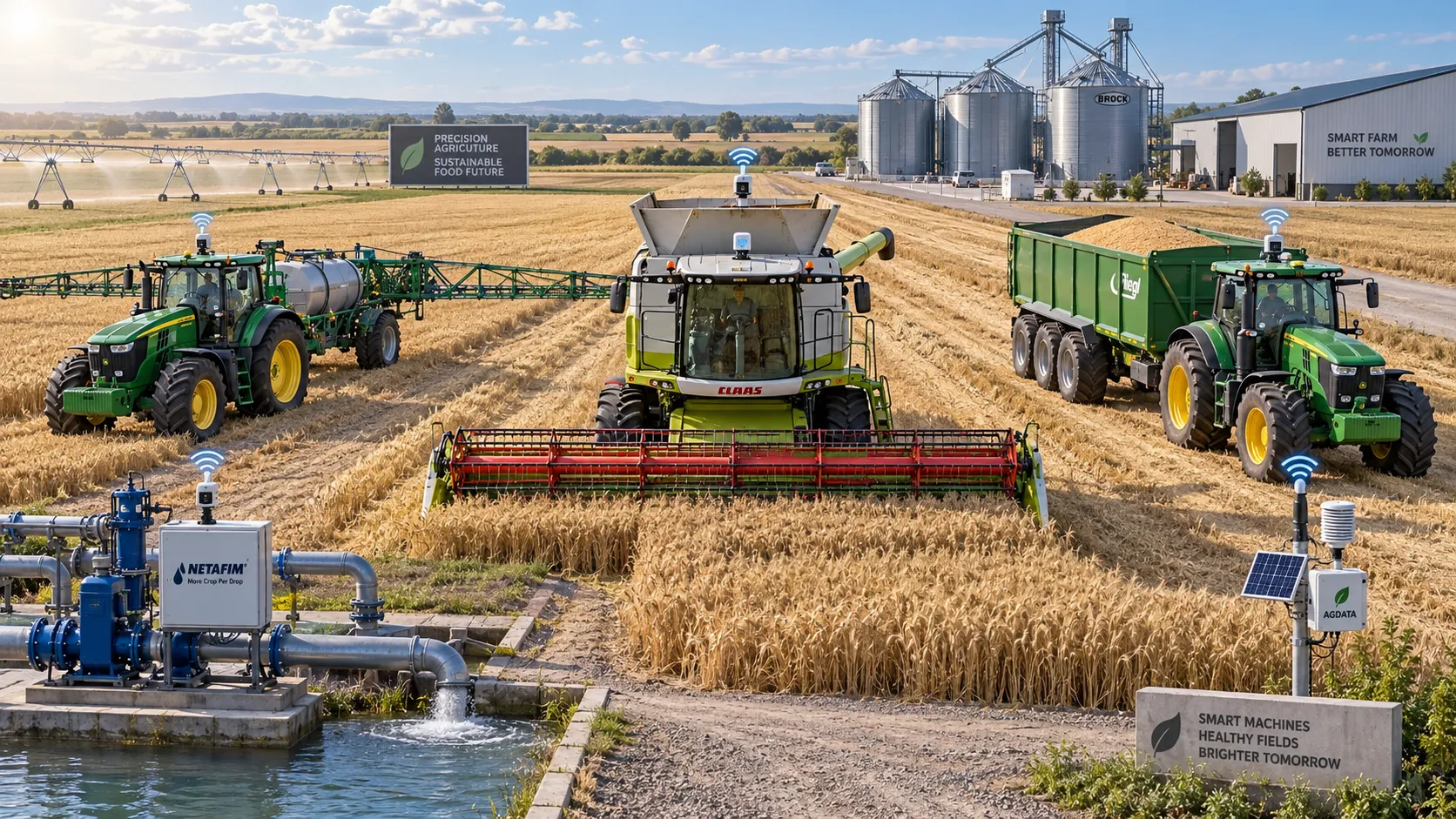
How Large-Scale Farm Telematics Cuts Downtime Across Mixed Fleets
Large-scale farm equipment telematics cuts mixed-fleet downtime with real-time alerts, smarter maintenance, and stronger operational control. Learn how to protect critical farm workflows.
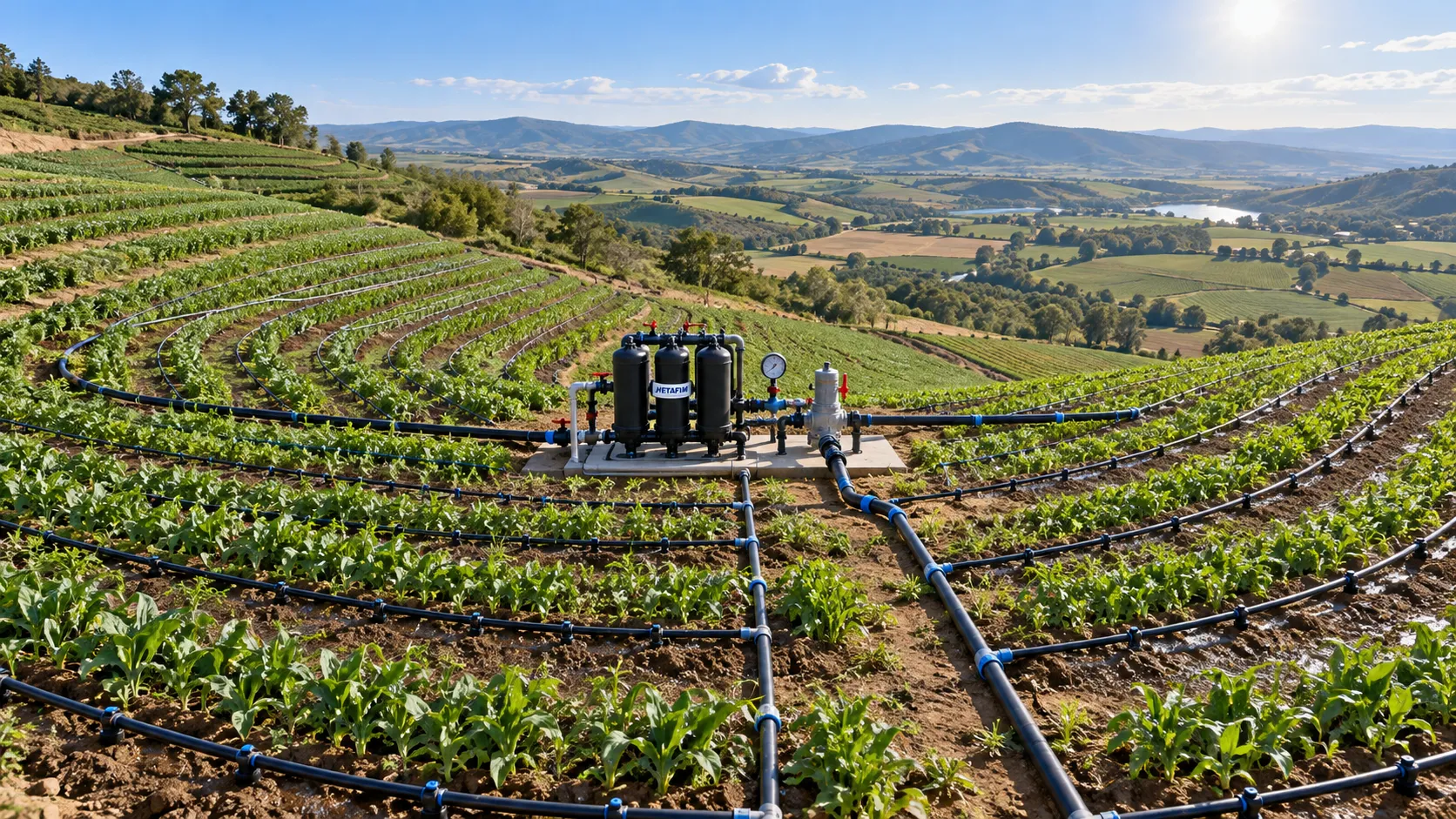
How to Size Low-Pressure Water-Saving Irrigation Systems for Uneven Fields
Low pressure water-saving irrigation systems for uneven fields: learn zoning, pressure mapping, pipe sizing, and pump selection to improve uniformity and reduce water waste.
Related News
- 00
0000-00
How to Specify Combine Harvester Systems for High-Moisture Grain and Variable Field Conditions - 00
0000-00
What Harvesting Machinery Works Best for Small Grains on Hills? - 00
0000-00
GRIMME Tianjin Signs to Join Changchun Agricultural Machinery Expo Center - 00
0000-00
Vietnam Mandates Vietnamese Energy Labels for Imported Threshing Systems - 00
0000-00
Crop Harvesting Solutions for Wheat: Which System Fits Yield, Moisture, and Field Size?
Popular Tags
Harvesting Efficiency Expert
Weekly Insights
Stay ahead with our curated technology reports delivered every Monday.