How Large-Scale Farm Telematics Cuts Downtime Across Mixed Fleets




How Large-Scale Farm Telematics Cuts Downtime Across Mixed Fleets
For project managers, unplanned machinery failures can disrupt harvest timing, labor deployment, contractor schedules, and seasonal budgets across an entire agricultural operation.
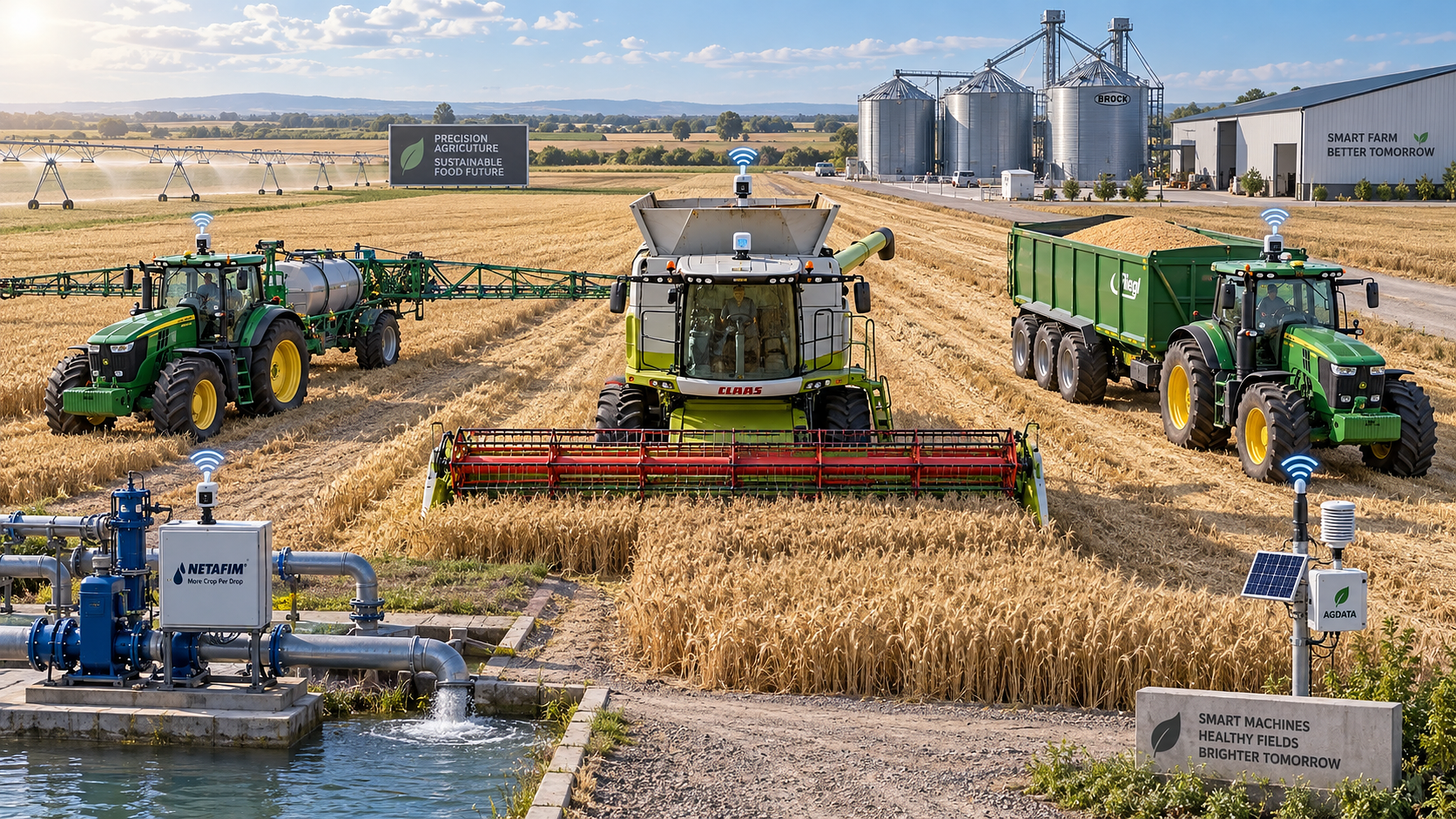
Large-scale farm equipment telematics provides real-time visibility into machine condition, utilization, and emerging faults, helping managers control downtime before failures become operational emergencies.
Why Mixed Fleets Create a Downtime Management Problem
Large farms rarely operate a uniform fleet. They combine tractors, harvesters, sprayers, loaders, irrigation pumps, trailers, and specialized implements from multiple manufacturers.
Each asset category has different maintenance cycles, operating loads, data formats, service requirements, and failure patterns. Managing them through spreadsheets quickly becomes unreliable during peak season.
A combine failure during a narrow harvest window has different consequences than a tractor issue during cultivation. Both matter, but their urgency and recovery options differ.
Project managers therefore need more than maintenance reminders. They need a fleet-wide operational view that connects equipment health with field plans, labor availability, and crop timing.
Without connected data, teams often discover problems only when an operator reports reduced performance, warning lights, hydraulic loss, overheating, or complete machine shutdown.
That reactive model increases repair cost because technicians must diagnose under pressure, source parts urgently, and potentially travel between distant fields or farm locations.
Mixed fleets also complicate accountability. A delayed operation may originate from machinery condition, operator practice, implement mismatch, fuel quality, irrigation pressure, or poor work planning.
Farm telematics creates a shared evidence base. It helps managers distinguish between a genuine mechanical risk and a planning problem that requires different corrective action.
What Large-Scale Farm Equipment Telematics Actually Delivers
Large-scale farm equipment telematics collects machine data through onboard sensors, controllers, GPS receivers, communication modules, and connected management platforms.
The most useful systems combine location, engine status, operating hours, fuel consumption, error codes, implement activity, maintenance history, and operator behavior.
For project leaders, the value is not simply seeing dots on a map. The value comes from turning machine signals into practical operational decisions.
A telematics dashboard can show which tractors are active, idling, unavailable, overdue for service, traveling between sites, or operating outside planned working hours.
For combines, connected data can reveal engine load, grain loss alerts, throughput conditions, fuel consumption, cooling issues, and repeated diagnostic events during harvesting.
For irrigation assets, monitoring can identify pump runtime, pressure deviations, energy consumption, flow anomalies, and periods when water delivery does not match schedules.
These signals help managers prioritize action. A minor warning on a backup machine may wait, while a repeating hydraulic temperature alert on a critical tractor requires immediate review.
The strongest platforms normalize data from different equipment brands. This is essential when farms operate inherited machinery, leased equipment, new autonomous units, and contractor-owned assets.
How Telematics Reduces Unplanned Downtime
Telematics reduces downtime by moving maintenance decisions earlier. Instead of responding after a failure, teams can intervene when data shows abnormal conditions developing.
Early warnings may include repeated fault codes, higher-than-normal coolant temperature, low battery voltage, unusual fuel use, excessive engine idle time, or declining hydraulic pressure.
One warning does not always mean a breakdown is imminent. However, repeated signals across several operating cycles justify inspection before the machine enters a critical task.
Maintenance teams can use alerts to schedule repairs during weather delays, shift changes, transport windows, or lower-priority field work rather than during peak production.
This approach does not eliminate every failure. It reduces the number of surprises that force teams to pause operations while searching for technicians, parts, and replacement equipment.
Telematics also shortens diagnosis time. Remote error-code visibility allows service teams to arrive with likely parts, tools, and technical information already prepared.
For geographically dispersed enterprises, remote diagnostics can prevent unnecessary travel. A technician can first determine whether an issue requires a field visit or operator-level troubleshooting.
Faster diagnosis matters most when multiple machines are interdependent. A stalled grain cart tractor can reduce combine productivity even if the combine itself remains fully functional.
Prioritize Equipment by Operational Criticality
Not every machine deserves the same monitoring rule. Project managers should rank assets according to their impact on the seasonal production plan.
Critical equipment includes machines with limited substitutes, long repair lead times, specialized attachments, high daily output, or direct influence on harvest and irrigation windows.
A large combine operating during a short weather opportunity should receive more aggressive alert thresholds than a utility vehicle used for general transportation.
Managers should also identify bottleneck assets. These are machines whose failure delays several people, fields, workflows, or downstream logistics activities at once.
For example, a single high-capacity planter may determine whether a large acreage program remains on schedule. Its maintenance readiness deserves daily review during planting.
Telematics supports this prioritization by showing actual utilization. Equipment considered important on paper may be lightly used, while an overlooked tractor may carry most transport work.
Usage patterns also reveal whether a farm has enough backup capacity. Frequent operation at maximum utilization leaves little room to absorb a mechanical interruption.
Criticality-based management keeps teams from chasing every alert equally. It directs maintenance resources toward failures with the greatest financial and scheduling consequences.
Use Fleet Data to Improve Preventive Maintenance Timing
Traditional maintenance schedules often rely on calendar dates or engine hours. These remain useful, but they may not reflect the actual stress experienced by each machine.
A tractor performing light haulage accumulates hours differently from one pulling heavy tillage equipment in hot, dusty conditions over extended shifts.
Large-scale farm equipment telematics adds operating context. Managers can compare engine loads, idle time, travel distance, temperatures, and working hours across similar assets.
This allows maintenance intervals to become more risk-based. Machines experiencing severe duty cycles can be inspected earlier, while lightly used equipment avoids unnecessary service disruption.
Condition-based maintenance should begin with a limited set of reliable indicators. Excessive complexity can overwhelm managers and create alert fatigue across the organization.
A practical starting point includes engine temperature, fluid pressure, battery status, recurring fault codes, fuel anomalies, overdue service hours, and excessive idle time.
Managers should establish ownership for every alert category. An alert without a named reviewer, response target, and escalation path does not reduce downtime.
Maintenance records should also be linked to telematics events. This helps teams identify whether repairs resolved recurring issues or simply restored short-term operation.
Manage Operator Behavior Without Turning Telematics Into Surveillance
Operator behavior affects machine availability. Harsh acceleration, prolonged idling, improper warm-up practices, overload conditions, and missed inspections can accelerate wear.
However, telematics programs fail when crews view them only as surveillance tools. Project managers should position connected data as equipment protection and work support.
Useful operator conversations focus on specific patterns. For example, recurring high engine temperature may indicate a cleaning issue, unsuitable operating practice, or difficult field conditions.
Data should be interpreted carefully. A high fuel-use event may be justified by steep terrain, heavy soil, difficult crop conditions, or the use of larger implements.
Comparisons should account for machine model, task type, field conditions, load, and weather. Simplistic rankings can damage trust and encourage unhelpful behavior.
Training becomes more effective when teams use actual fleet data. Operators can see how warm-up procedures, route choices, and idle reduction affect reliability and fuel use.
Clear policies also matter. Staff should understand which data is collected, how it is used, who can access it, and how performance discussions are handled.
A fair telematics program improves adoption because operators are more likely to report issues early when they believe data will support practical problem-solving.
Connect Machine Health With Daily Project Planning
The greatest operational value comes when telematics is integrated into planning routines rather than reviewed only after an incident occurs.
At the start of each shift, project managers should review equipment availability, unresolved alerts, fuel status, planned field assignments, and expected weather constraints.
This daily review helps dispatch the most reliable machines to time-sensitive work. It also prevents crews from traveling to fields with assets already showing serious faults.
During harvest, teams can monitor combine activity, transport coordination, grain cart movement, and refueling requirements to reduce idle time across the work chain.
For irrigation projects, pressure and pump data can be compared with irrigation schedules. Deviations can be investigated before water stress affects crop performance.
Weekly reviews should focus on recurring faults, repair duration, parts delays, utilization imbalance, and assets approaching planned maintenance thresholds.
Monthly analysis can support broader decisions, such as whether to replace aging equipment, redistribute machines between sites, change contractor arrangements, or add backup capacity.
Telematics is most valuable when it supports decisions at several levels: immediate response, weekly coordination, seasonal planning, and long-term capital investment.
Measure Downtime Savings in Business Terms
Project managers need a realistic business case for telematics. The best case is based on avoided disruption, faster repairs, better utilization, and improved maintenance planning.
Start by recording baseline measures before implementation. These may include unplanned downtime hours, repair costs, emergency service calls, idle time, and delayed field operations.
Also measure operational consequences. Consider lost harvesting capacity, overtime labor, contractor charges, crop quality risk, missed irrigation windows, and equipment rental expenses.
After deployment, compare similar seasonal periods where possible. Weather, acreage, crop mix, and machinery age should be considered before assigning savings to telematics.
Useful performance indicators include mean time between failures, mean repair time, planned maintenance completion, recurring fault frequency, and critical asset availability.
Fuel efficiency can provide an additional return, but it should not be the only metric. A system that improves fuel use while increasing harvest risk is poorly configured.
The strongest return often comes from avoiding one major disruption during a narrow operational window. This can outweigh months of smaller efficiency gains.
Managers should present results in business language. Explain how the platform protected working days, reduced emergency costs, improved output reliability, and supported better asset decisions.
Questions to Ask Before Selecting a Telematics Platform
Platform selection should begin with fleet reality. A technically impressive solution has limited value if it cannot connect the equipment actually operating on the farm.
Ask whether the platform supports multiple manufacturers, older machines, implements, irrigation assets, and third-party data feeds through practical integration methods.
Check data ownership, export options, cybersecurity controls, user permissions, historical data retention, and the availability of support during critical operating periods.
Evaluate alert configuration carefully. Managers need thresholds that reflect local conditions, machine types, and work priorities rather than generic notifications from a default template.
Mobile access is important for supervisors working between fields. However, desktop reporting remains valuable for deeper analysis, budgeting, utilization review, and seasonal planning.
Implementation should include asset registration, data validation, role definitions, maintenance workflow design, and training for operators, supervisors, and technicians.
A pilot deployment can reduce risk. Start with critical tractors, combines, pumps, or transport equipment, then expand after proving data quality and workflow adoption.
Do not judge a platform only by dashboard appearance. Its true value depends on whether it creates timely actions that prevent disruption and improve fleet decisions.
Build a Practical Downtime Reduction Program
Successful telematics programs combine technology, maintenance discipline, operational planning, and clear accountability. Installing devices alone does not create reliable equipment availability.
Begin by defining the downtime problems that matter most. These may include harvest interruptions, irrigation failures, repair delays, fuel waste, or poor visibility across sites.
Next, identify critical assets and choose a manageable group of health indicators. Assign named owners for alerts, repairs, approvals, and escalation decisions.
Create simple response rules. For example, recurring critical fault codes require same-day review, while moderate warnings trigger inspection before the next scheduled assignment.
Review alert performance regularly. If teams receive too many low-value notifications, adjust thresholds and remove signals that do not lead to meaningful action.
Keep operators involved throughout the process. Their field knowledge explains conditions that data alone cannot capture, including soil variability, crop conditions, and equipment feel.
As the program matures, combine telematics with maintenance management, inventory planning, agronomic records, and irrigation controls for a more complete operational picture.
This connected approach helps large farms move from reactive breakdown management toward predictable equipment readiness, stronger scheduling discipline, and lower seasonal operating risk.
Conclusion: Telematics Turns Fleet Visibility Into Operational Control
Large-scale farm equipment telematics is most valuable when it helps project managers make earlier, better-informed decisions across tractors, combines, implements, and irrigation systems.
Its central benefit is not data collection. It is the ability to identify risk, prioritize critical machines, schedule intervention, and protect high-value operating windows.
For mixed fleets, success depends on integrating diverse equipment data into practical maintenance and project-management workflows that field teams can consistently use.
Managers should focus first on critical assets, measurable downtime costs, clear response processes, and platform compatibility with existing machines and operational responsibilities.
When implemented with those priorities, connected fleet data can reduce emergency repairs, improve equipment availability, and provide a stronger foundation for long-term agricultural investment decisions.
Related News
How to Size Low-Pressure Water-Saving Irrigation Systems for Uneven Fields
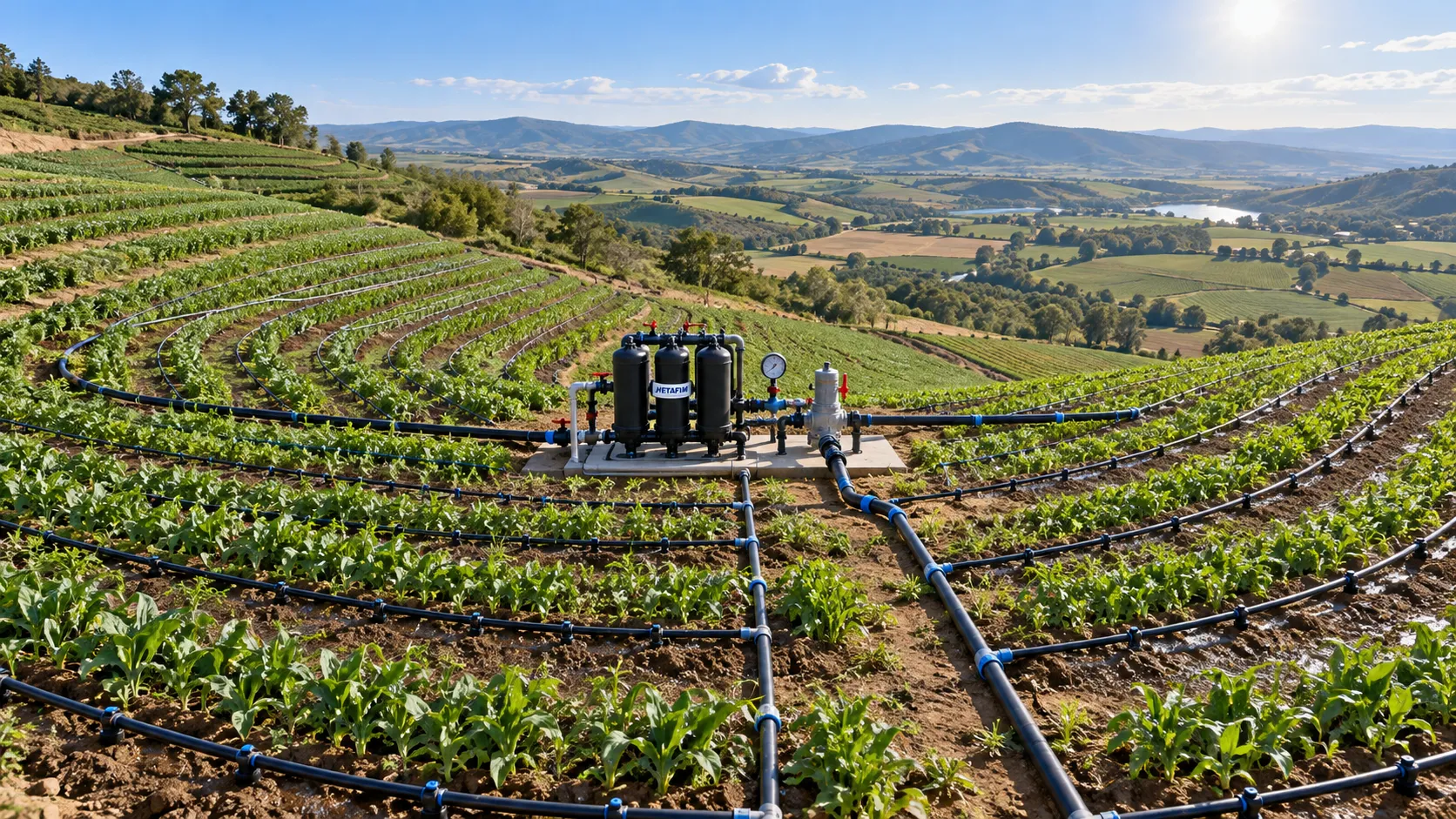
Low pressure water-saving irrigation systems for uneven fields: learn zoning, pressure mapping, pipe sizing, and pump selection to improve uniformity and reduce water waste.
Farm Machinery Sourcing: How to Vet Suppliers, Specs, and Lifecycle Costs
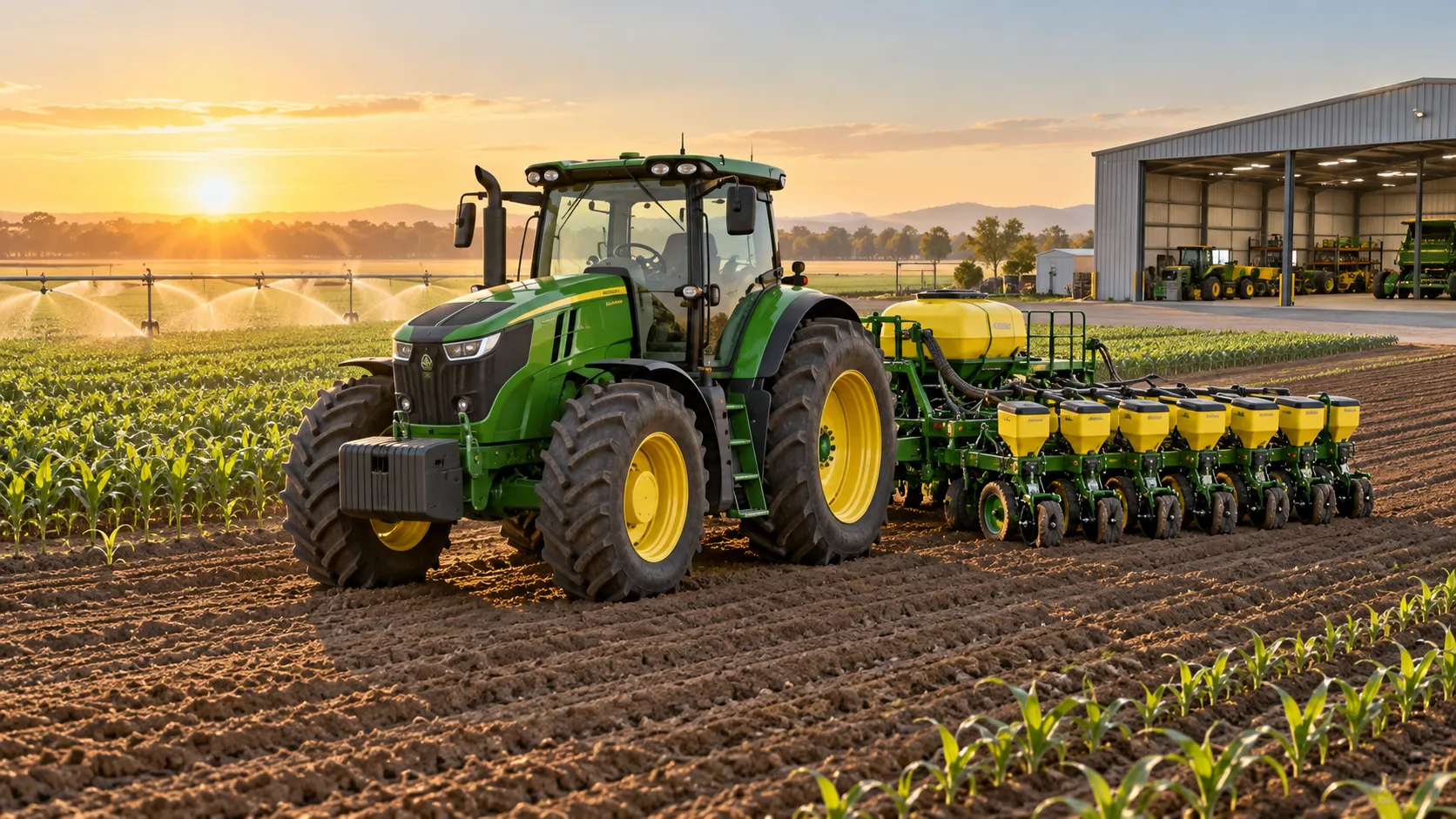
Farm machinery information for sourcing: learn to vet suppliers, compare specifications, control lifecycle costs, and secure reliable uptime for smarter equipment purchases.
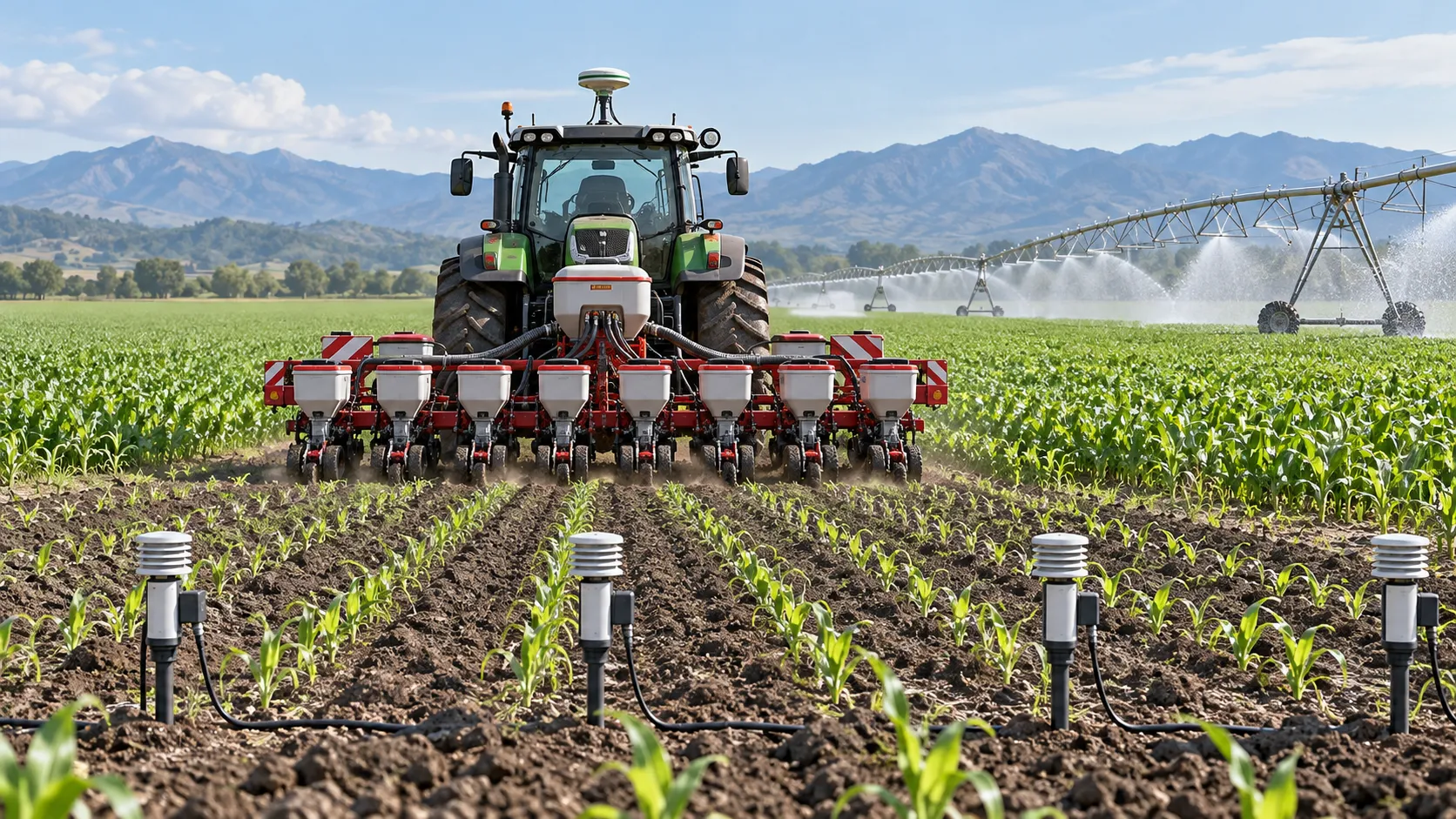
Which costs matter most when calculating precision agriculture ROI?
Calculating ROI on precision agriculture equipment? Discover the costs that shape returns, from installation and subscriptions to downtime, labor, and data integration.
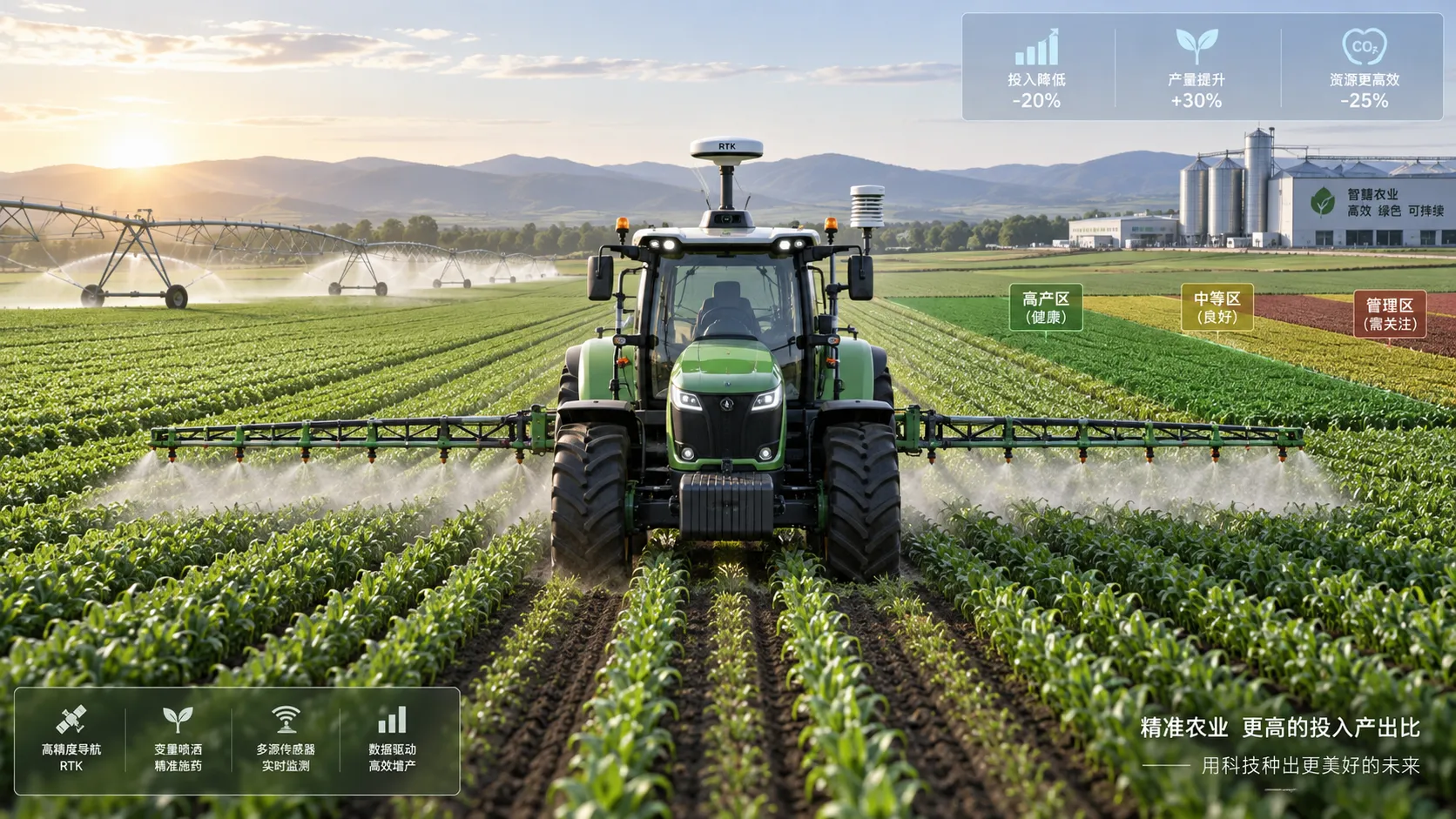
How to calculate ROI on precision agriculture equipment before buying
Calculating ROI on precision agriculture equipment: learn to assess total ownership costs, savings, payback, NPV, risks, and farm-scale value before you buy.
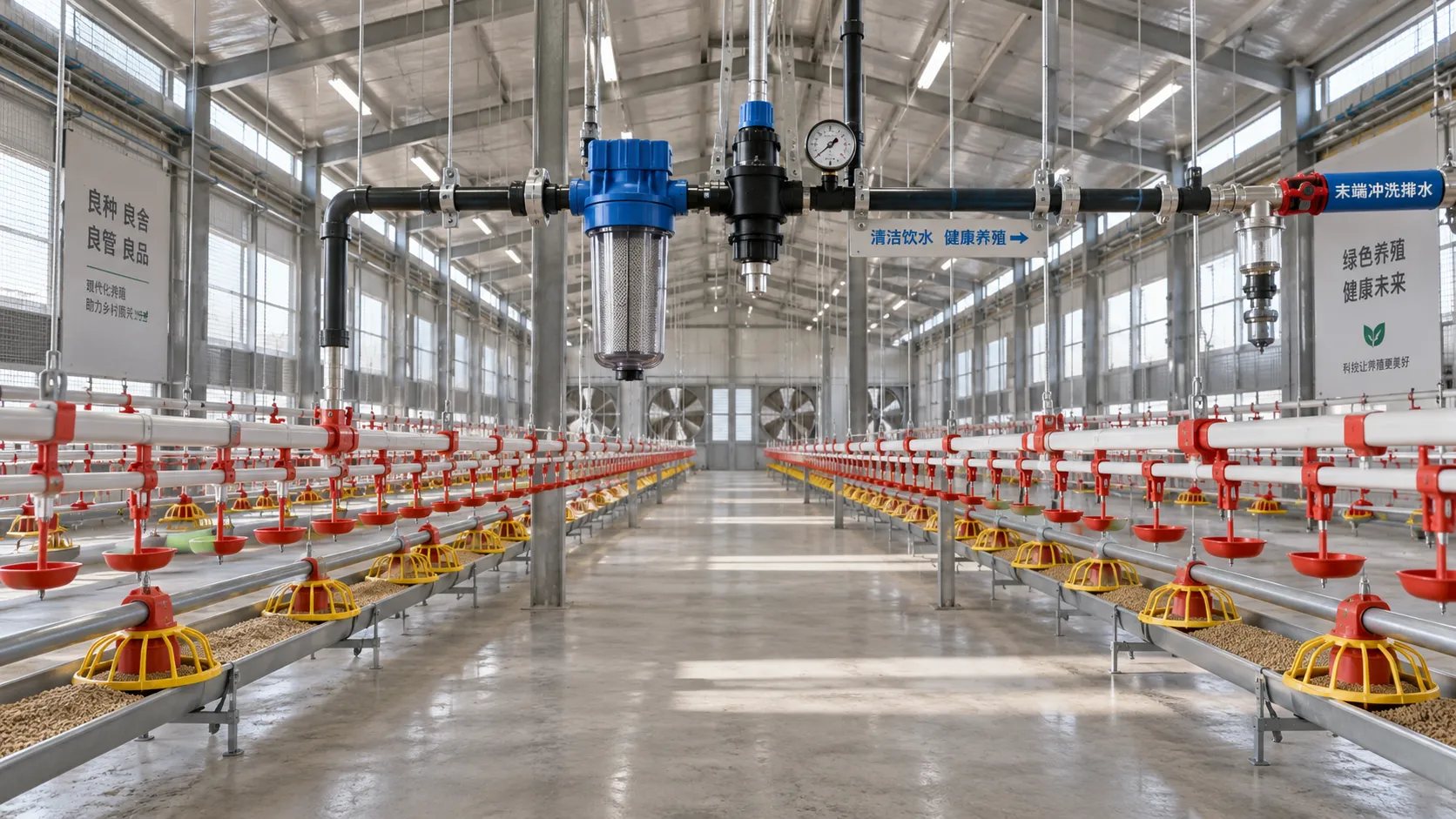
Planning Nipple Drinker Installation for Different Chicken House Layouts
How to install nipple drinker for chicken houses: plan line layouts, pressure control, flushing access, and maintenance for reliable water delivery.
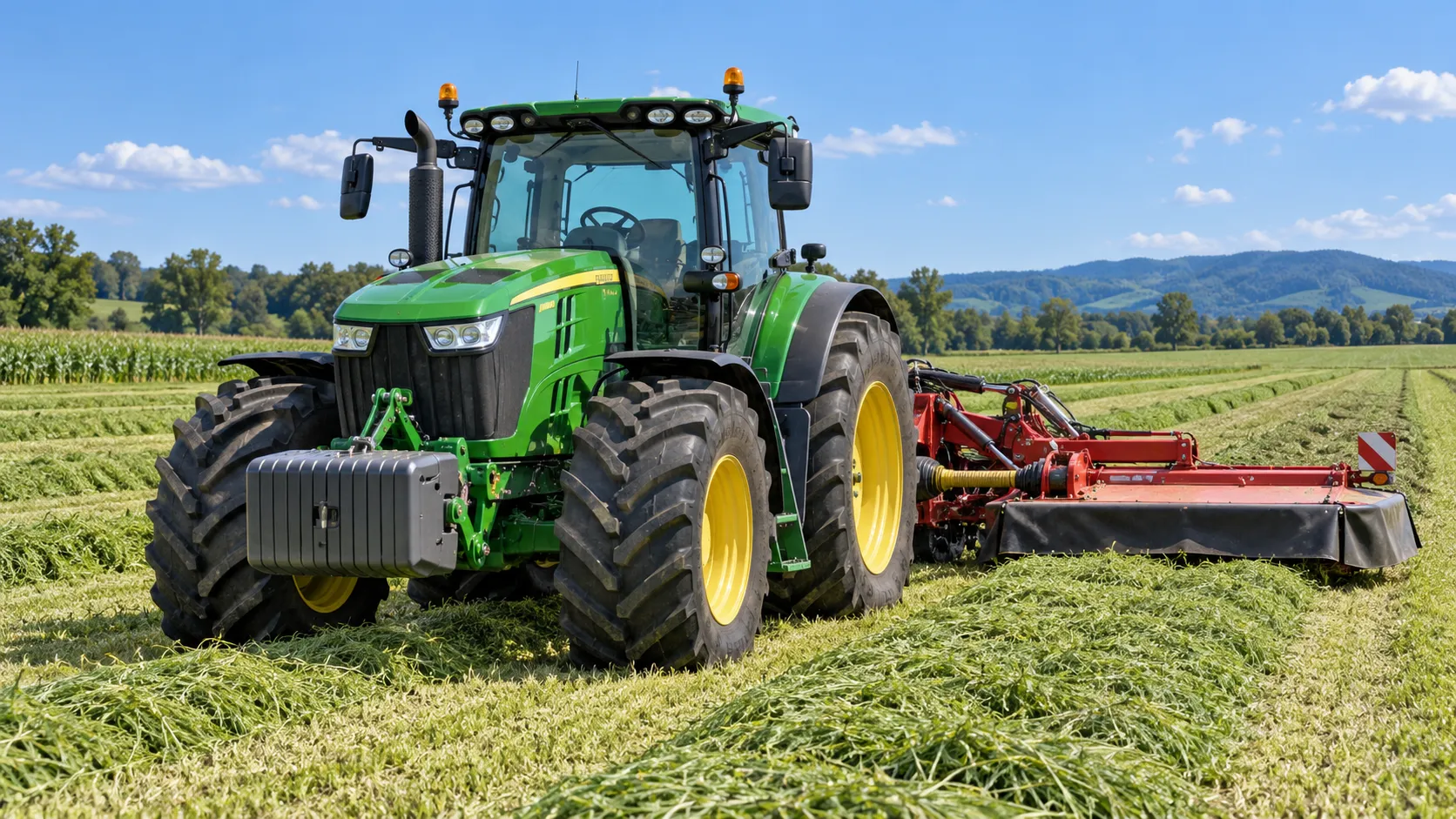
Tractor Specification Sheets: Matching PTO, Hydraulics, and Weight to Farm Tasks
Specification-oriented articles for tractors: match PTO, hydraulics, lift capacity, ballast, and weight to real farm tasks for safer, more efficient equipment choices.
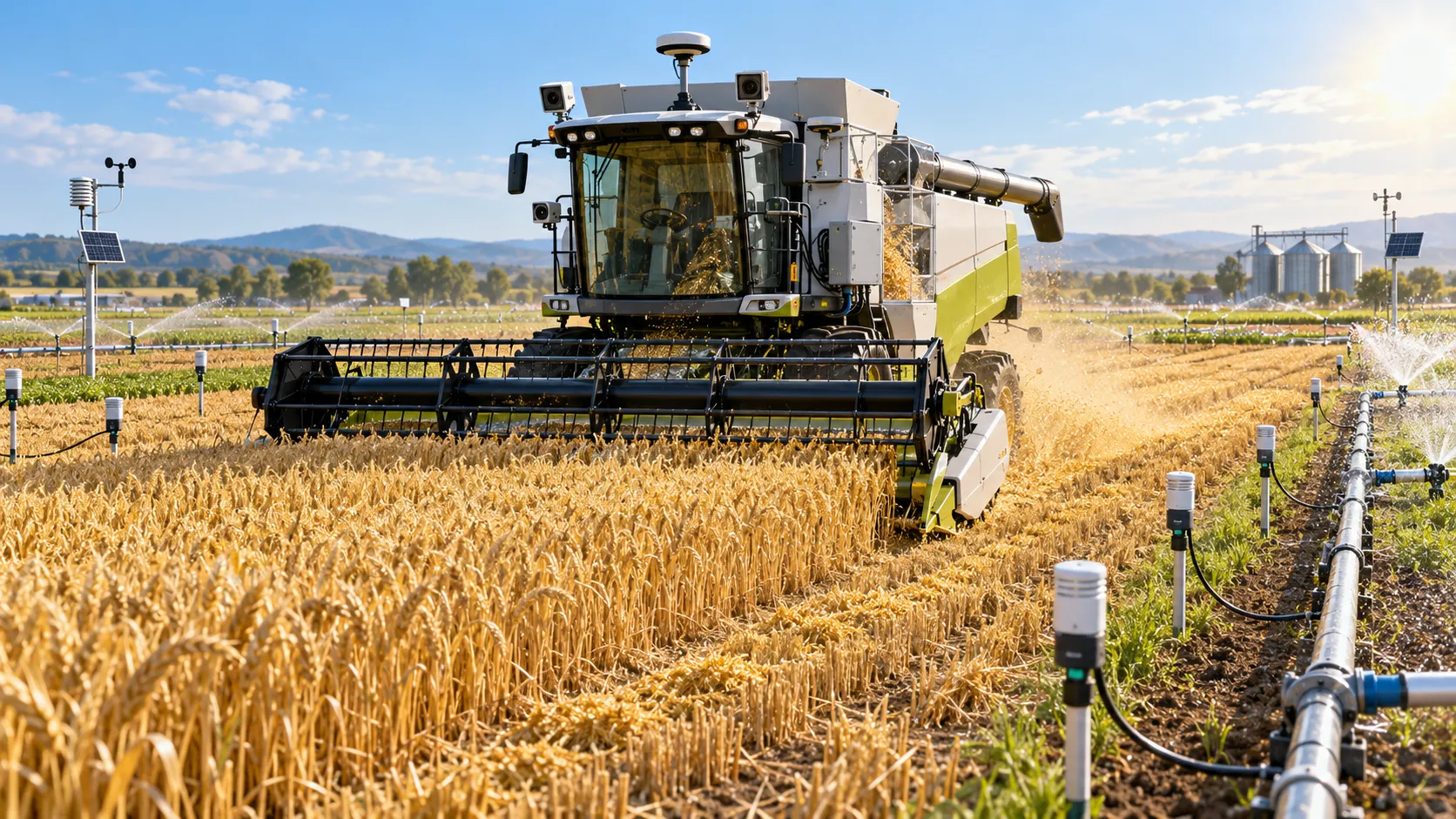
How to Evaluate Dynamic Feedback Algorithm Suppliers for Precision Farming Systems
Dynamic feedback algorithms supplier evaluation guide for precision farming—compare validation, integration, safety, and pilots to choose with confidence.
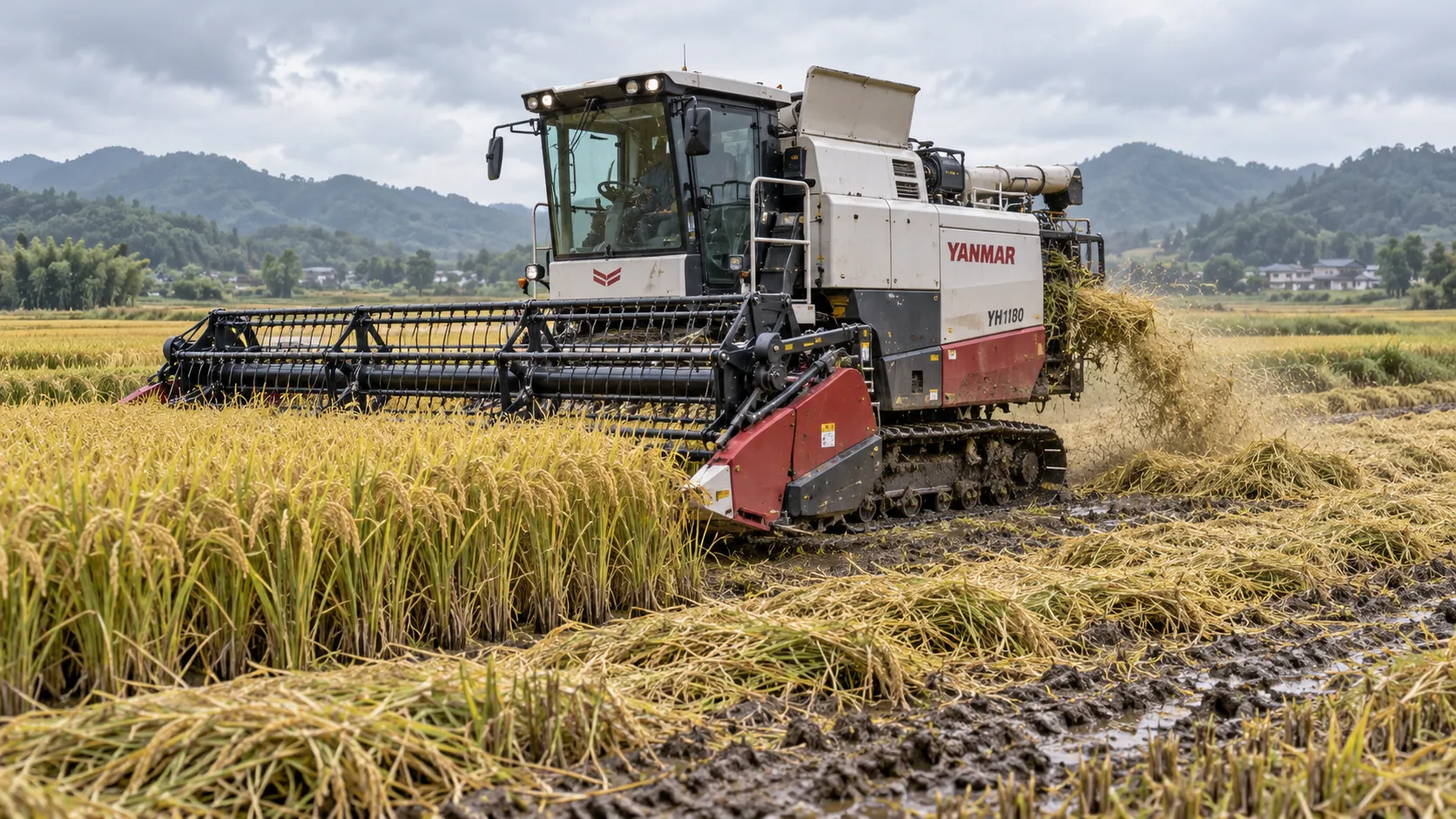
How to Specify Combine Harvester Systems for High-Moisture Grain and Variable Field Conditions
Combine harvester systems for high-moisture grain: learn how to specify threshing, cleaning, headers, traction, and automation for reliable harvests in variable fields.
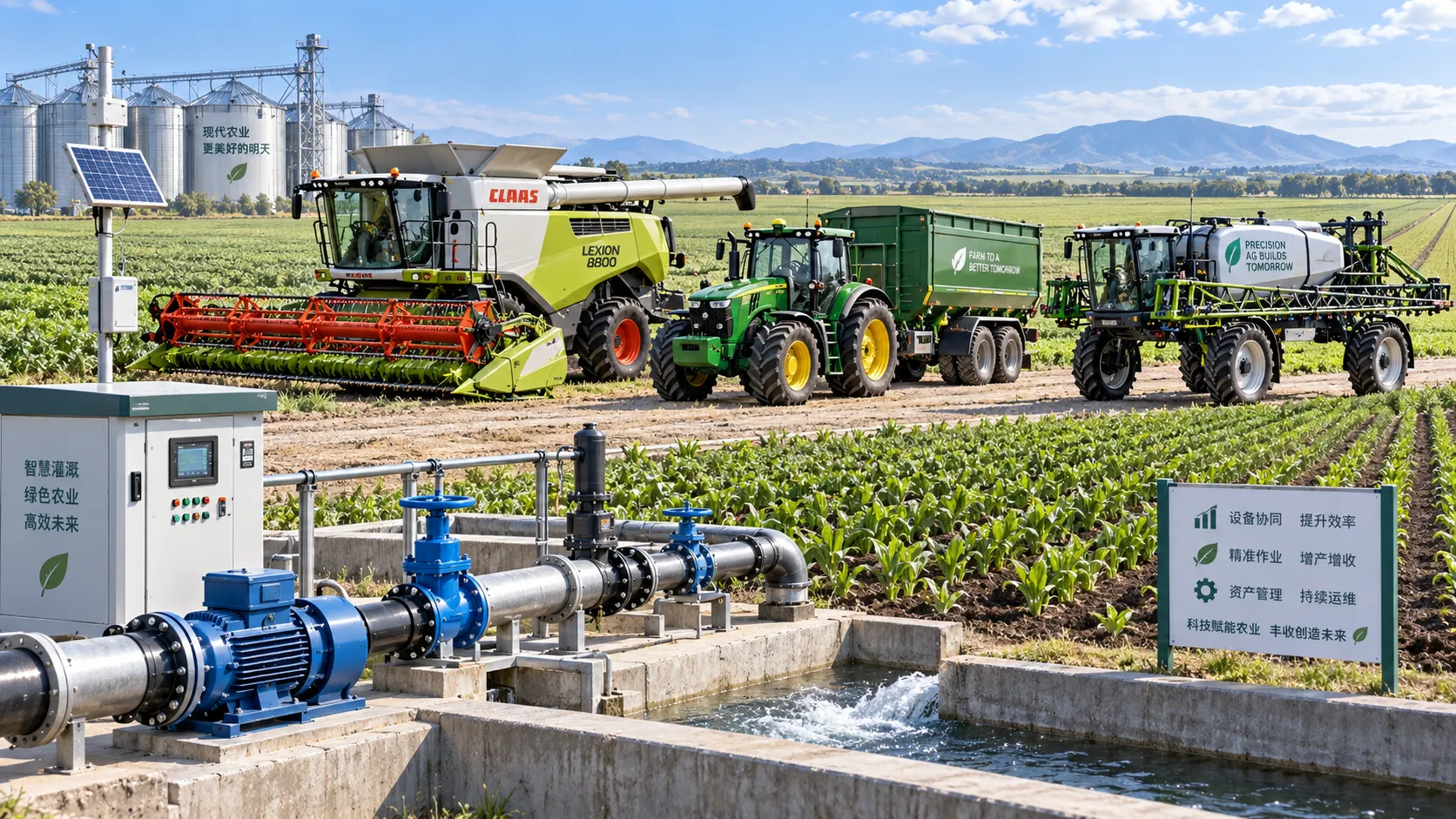
How to Compare Agricultural Equipment Platforms for Fleet Management and ROI
Agricultural equipment platform comparison: evaluate fleet data, maintenance, precision workflows, and ROI to choose a system that delivers measurable results.
Related News
- 00
0000-00
How Large-Scale Farm Telematics Cuts Downtime Across Mixed Fleets - 00
0000-00
Farm Machinery Sourcing: How to Vet Suppliers, Specs, and Lifecycle Costs - 00
0000-00
Which costs matter most when calculating precision agriculture ROI? - 00
0000-00
How to calculate ROI on precision agriculture equipment before buying - 00
0000-00
Planning Nipple Drinker Installation for Different Chicken House Layouts
Popular Tags
Ms. Elena Rodriguez
Weekly Insights
Stay ahead with our curated technology reports delivered every Monday.