
Which costs matter most when calculating precision agriculture ROI?
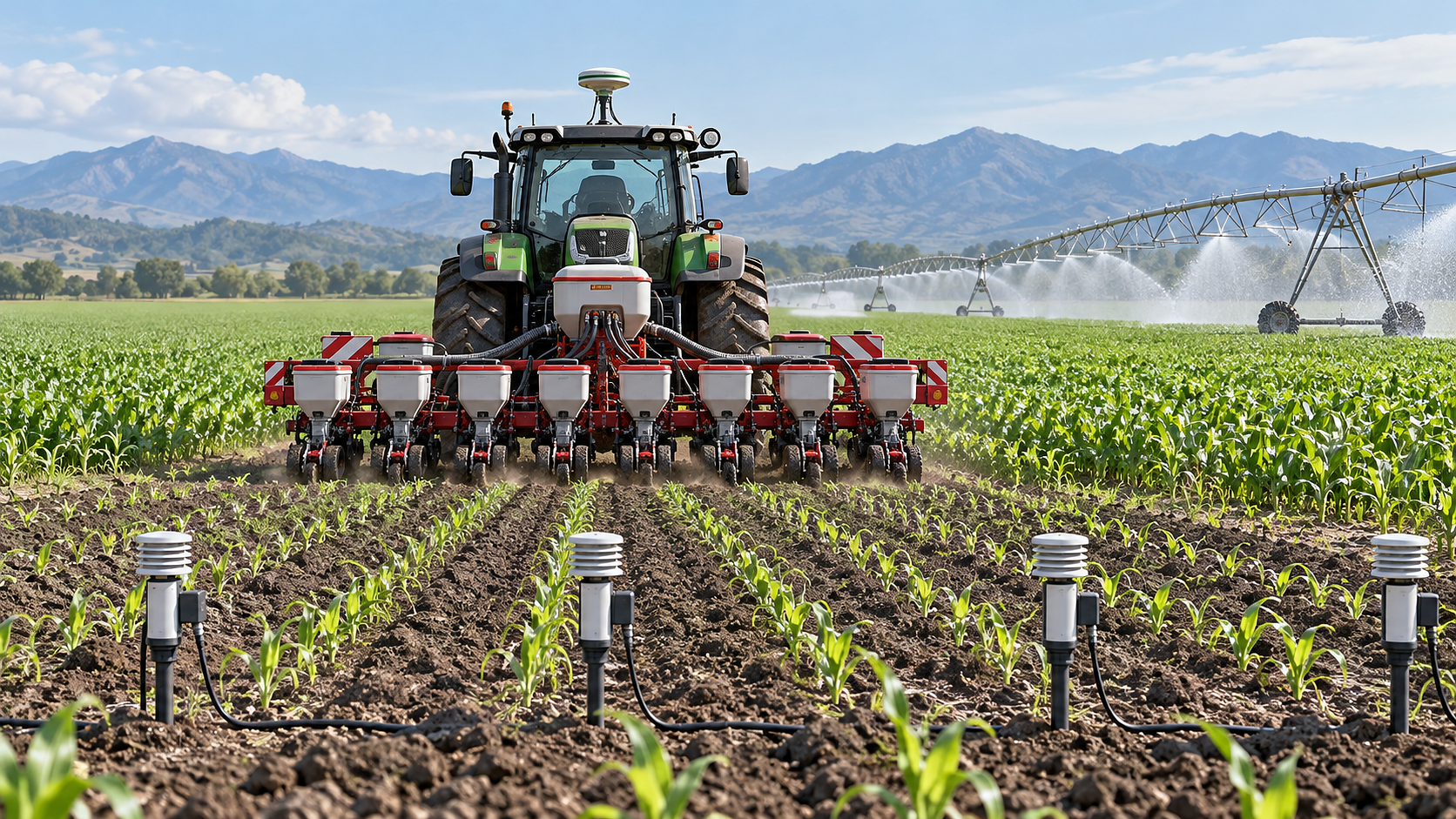




When calculating ROI on precision agriculture equipment, the purchase price is rarely the cost that changes the conclusion. The larger swing factors are the expenses that determine whether a guidance system, variable-rate controller, yield monitor, irrigation sensor network, or machine-vision tool is available, accurate, and used consistently across enough acres or operating hours. A low-priced package with weak connectivity, incomplete field records, and recurring service visits can create a higher effective cost than a more capable system that fits existing machinery and workflows.
A defensible calculation starts with the economic unit that the equipment will affect: acres planted, hectares irrigated, machine hours, tons harvested, or application passes avoided. Costs and benefits should then be tied to the same unit and the same operating period. Comparing one season of input savings with the full capital cost of a multi-year system will understate value; projecting several years of savings while ignoring recurring subscriptions will overstate it.
Total ownership cost starts before the first field pass
Capital expenditure includes more than the display, receiver, controller, sensor, or implement hardware listed in a quotation. Installation often requires harnesses, mounting brackets, hydraulic interfaces, antennas, valves, section-control components, cabling, calibration services, and machine-specific adapters. A planter with electrically controlled rows may accept prescription control with limited modification, while a mechanically driven unit can require extensive retrofitting before it responds reliably to variable-rate commands.
Compatibility deserves separate scrutiny because it is a common source of unplanned spending. Precision components may communicate through an existing tractor terminal, an implement terminal, or a separate display. Each arrangement changes the cost of wiring, license activation, data transfer, troubleshooting, and replacement parts. A system that works with one tractor but must be removed and reinstalled for another can lose value through labor, mounting wear, calibration drift, and missed operating windows.
Financing is also a real ownership cost, not an accounting detail to place outside the ROI model. Lease payments, interest, deposit requirements, seasonal payment timing, and residual-value assumptions affect cash flow even when the nominal equipment price is identical. The analysis should distinguish between a project that produces a favorable lifetime return and one that creates an unacceptable cash requirement before the first measurable benefit arrives.
Freight, commissioning, and field setup should be assigned to the investment when they are necessary to put the asset into productive service. This matters for large irrigation installations and retrofits on combines or high-horsepower tractors, where transport, mechanical access, electrical routing, and initial calibration consume more effort than the base equipment description suggests.
Recurring digital charges can outweigh small hardware differences
Annual software, correction-signal, cloud-storage, telemetry, map-processing, and support subscriptions are easy to underestimate because they appear as separate operating expenses. Yet these charges may determine whether the system retains its intended function. High-accuracy guidance may require a correction service. Remote irrigation control may require a cellular plan for each gateway or field zone. Prescription tools may need paid access to data layers, agronomy modules, or export functions.
The useful question is not whether a subscription exists, but which capability disappears without it. A basic position display and a repeatable steering solution have very different economic value. Likewise, a platform that merely stores records should not be valued as though it automatically produces accurate prescriptions. Separate mandatory services from optional analytics, and identify which costs rise as more machines, fields, pivots, sensors, or data users are added.
Labor cost is broader than time spent in the cab
Precision systems shift work as much as they reduce it. Automatic steering can reduce fatigue and overlap during long passes, but it also requires field boundaries, guidance lines, seasonal setup, and occasional diagnostics. Variable-rate application requires field-zone definitions, input recommendations, file preparation, controller loading, and post-application verification. These tasks may be performed by farm staff, an agronomist, a dealer technician, or a contracted data specialist; the cost belongs in the same model regardless of where it is invoiced.
Training should be valued as paid time and as an operational learning period. A new terminal layout, rate-control interface, or irrigation dashboard can create avoidable errors when crews are rushed by weather. The direct training expense is visible. Less visible are rework costs from an incorrect product rate, a missed shutoff boundary, a wrong field selection, or a map that was created in the wrong coordinate reference. Training is economically justified when it prevents these errors, but it should not be assumed to be free.
Equipment that changes the number of people needed for a task should be assessed carefully. Reduced steering workload does not automatically reduce headcount. Its value may instead be longer productive shifts, more consistent application, fewer skipped passes, or the ability to keep a machine running while another task is managed. Those are valid benefits, but they should be recorded as measurable operational effects rather than converted automatically into labor savings.
Data integration has a cost even when the data already exists
Yield maps, soil tests, machine logs, imagery, flow records, and weather observations are often treated as free inputs because they have already been collected. Their raw existence does not guarantee that they are usable for an investment decision. Records may carry inconsistent field names, duplicated boundaries, missing timestamps, incompatible file formats, or incomplete pass coverage. Cleaning and reconciling these records takes time, and poor data quality can produce prescriptions that look precise while being agronomically weak.
Integration cost rises when the equipment fleet contains mixed generations or multiple brands. The issue is not simply whether a file can be exported. The field identifier, product rate, implement width, time stamp, position accuracy, and applied-area record must remain coherent from planning through execution. A field record that cannot be matched to the right crop, irrigation block, or harvest load has limited value for validating ROI.
Data ownership and access continuity also affect the asset's economic life. If historical records cannot be retrieved, transferred, or interpreted after a provider change, the next system may require expensive rebuilding of field data. This is especially relevant when accumulated information is part of the expected benefit, such as multi-season yield-zone management or irrigation scheduling based on sensor history.
Downtime risk is priced by the operation it interrupts
Maintenance budgets should cover routine inspection, cleaning, firmware updates, sensor calibration, cable repair, wear items, and expected replacement of exposed components. Sensors near fertilizer, dust, vibration, moisture, heat, or crop residue do not face the same service conditions as a protected display in a cab. Flow meters, nozzle controls, soil probes, antenna mounts, and camera lenses each fail differently, so a single percentage allowance applied to every precision asset can hide meaningful differences.
More important than repair cost is the cost of being unable to use the function at the required time. A guidance outage during a low-pressure field day may be manageable. A rate-control failure during a narrow planting or spraying window may lead to overlap, delayed completion, manual fallback, or an incomplete treatment. For irrigation, a lost sensor feed is less serious when manual inspection can substitute quickly, but it becomes more consequential when remote sites, water constraints, or rapid weather changes make delayed adjustments expensive.
The model should therefore include a realistic fallback path. Can the machine work manually? Is a spare display, receiver, controller, or sensor available? Is local dealer support within reach during peak season? Does a software lockout prevent an otherwise functional machine from operating? The cost of downtime is not a universal number; it is the lost margin, extra labor, input waste, or quality exposure associated with a specific missed activity.
Benefits should be matched to the mechanism that creates them
Yield improvement is often the most visible benefit in a precision agriculture proposal, but it is also the easiest to over-credit. A yield difference can result from weather, hybrid selection, field drainage, planting date, pest pressure, harvest timing, or prior nutrient management. To attribute value to a technology, compare treated and untreated areas under conditions that are as similar as practical, retain machine and application records, and avoid using a single unusual season as the lifetime baseline.
Many investments create value through avoided loss rather than higher yield. Section control can reduce seed, fertilizer, crop-protection product, and overlap in irregular fields. Guidance can reduce skips and compaction from unnecessary passes. Irrigation monitoring can reduce water pumping, energy use, excessive application, and crop stress caused by delayed response. Combine monitoring may reveal settings that reduce grain loss or improve grain handling. Each benefit should be calculated from the specific physical change: fewer liters applied, fewer hours run, less fuel consumed, less product purchased, or fewer tons lost.
Input savings must be constrained by the current operating baseline. A field that already has low overlap offers less savings potential from section control than one with point rows, waterways, terraces, or irregular boundaries. Variable-rate fertilizer has limited economic upside where soil variability is low or where the application plan already follows well-established zones. A sensor network cannot claim water savings merely because it measures moisture; savings occur only when readings change an irrigation decision and the system can execute that decision reliably.
Scale, utilization, and timing determine whether fixed cost is absorbed
Precision equipment with high fixed cost needs sufficient annual utilization. A guidance receiver used across tillage, planting, application, and harvest spreads its cost across several value streams. A specialized sensor or camera mounted on a single machine may need a narrower but stronger benefit case. The relevant utilization measure is not always acreage. For a combine system, operating hours and harvested tonnage may better reflect exposure to loss. For irrigation controls, the number of managed zones, pumping hours, and frequency of adjustment can be more meaningful.
Seasonal timing changes the result as well. An investment that frees capacity during a bottleneck can have value beyond its average labor or fuel saving. Planting, spraying, and harvest tasks are not interchangeable across the calendar. If precision guidance allows a critical pass to be completed within an acceptable window, the benefit may arise from avoiding a delay rather than reducing a line-item expense. That benefit should be estimated conservatively and supported by historical field timing, not by assuming every saved hour produces extra revenue.
Use a lifecycle model that exposes assumptions
A practical ROI model should lay out annual cash outflows and annual benefits over the expected service life, then state the assumptions beside each line. Include the initial purchase and installation cost, financing charges where relevant, recurring digital services, training and data-management time, maintenance, anticipated repairs, and an allowance for downtime exposure. Offset these with separately calculated input savings, fuel or energy savings, labor capacity gains that are actually captured, avoided losses, and any residual value at the end of the period.
Do not combine unrelated benefits into one optimistic yield-and-efficiency figure. Keeping them separate reveals which assumptions deserve challenge. It also makes sensitivity testing useful: reduce expected input savings, increase subscription cost, lower annual acreage, delay deployment, or remove a projected yield gain. An investment that remains acceptable when its most uncertain benefits are reduced has a stronger case than one that only works under ideal utilization and perfect seasonal conditions.
The most credible calculation is traceable from field activity to financial result. When each cost is linked to installation, operation, support, or interruption, and each benefit is linked to a measurable change in materials, water, energy, labor capacity, or harvest loss, precision agriculture ROI becomes a realistic ownership assessment rather than a purchase-price comparison.
Related News
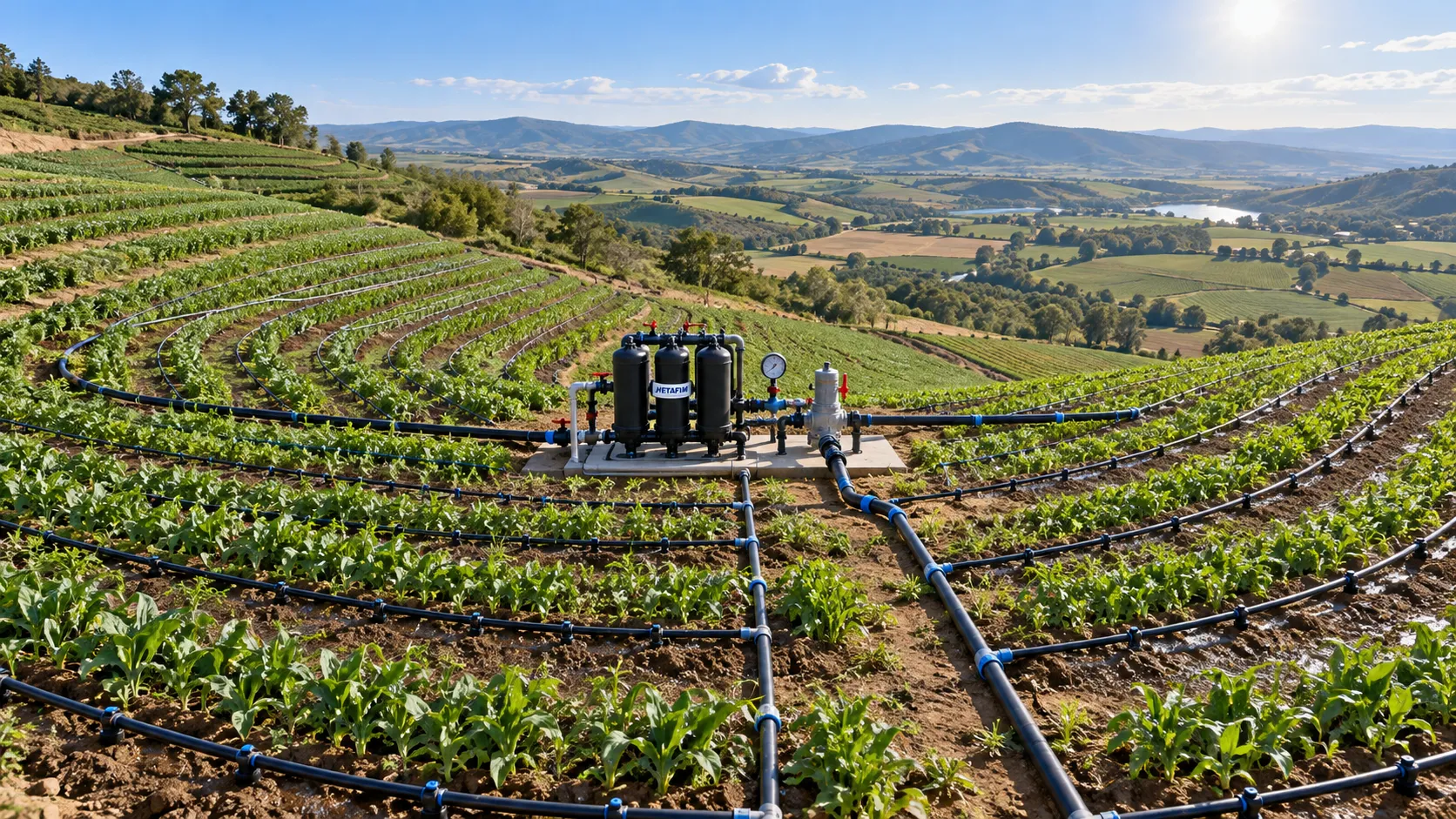
How to Size Low-Pressure Water-Saving Irrigation Systems for Uneven Fields
Low pressure water-saving irrigation systems for uneven fields: learn zoning, pressure mapping, pipe sizing, and pump selection to improve uniformity and reduce water waste.
Farm Machinery Sourcing: How to Vet Suppliers, Specs, and Lifecycle Costs
Farm machinery information for sourcing: learn to vet suppliers, compare specifications, control lifecycle costs, and secure reliable uptime for smarter equipment purchases.
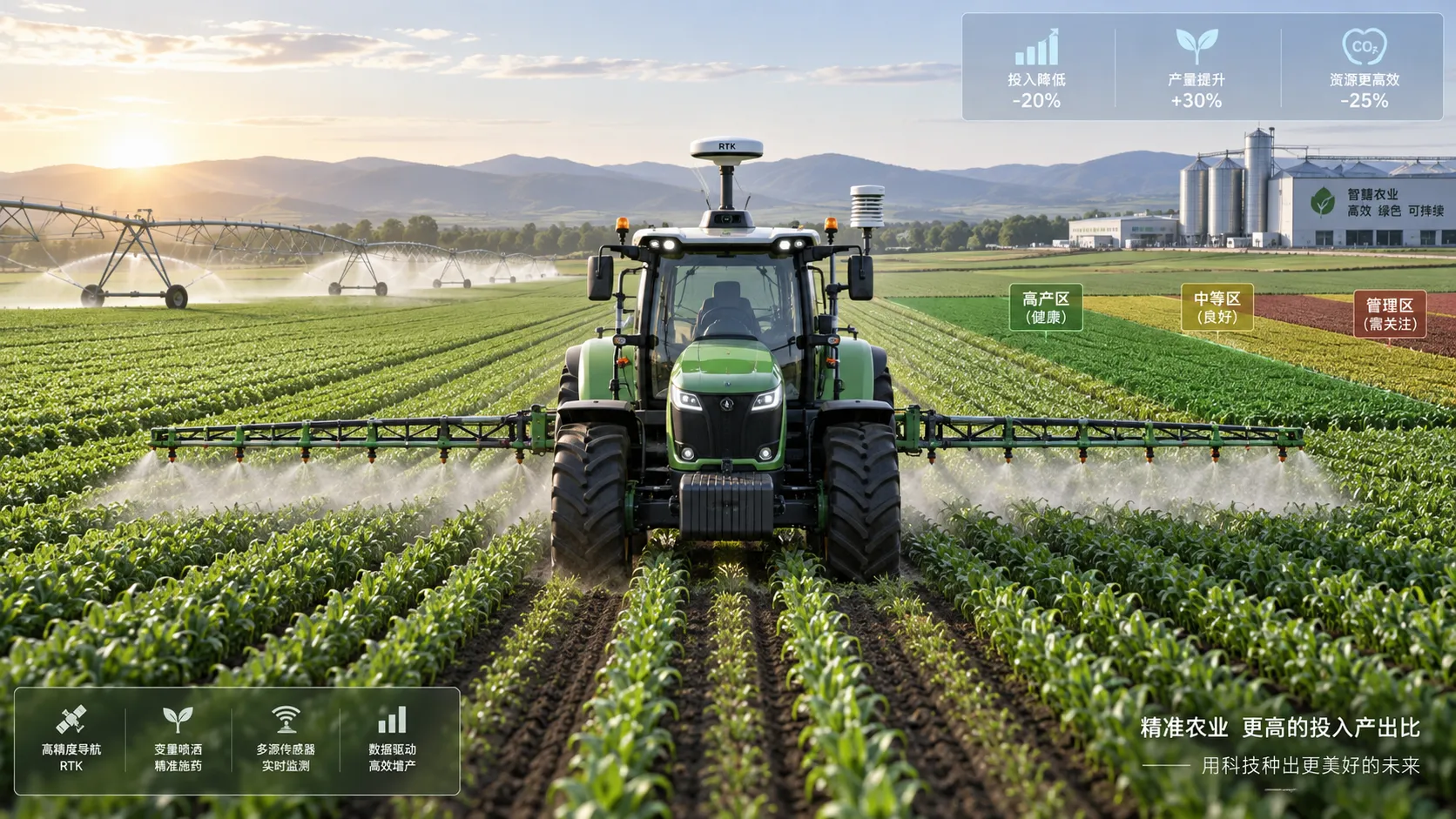
How to calculate ROI on precision agriculture equipment before buying
Calculating ROI on precision agriculture equipment: learn to assess total ownership costs, savings, payback, NPV, risks, and farm-scale value before you buy.
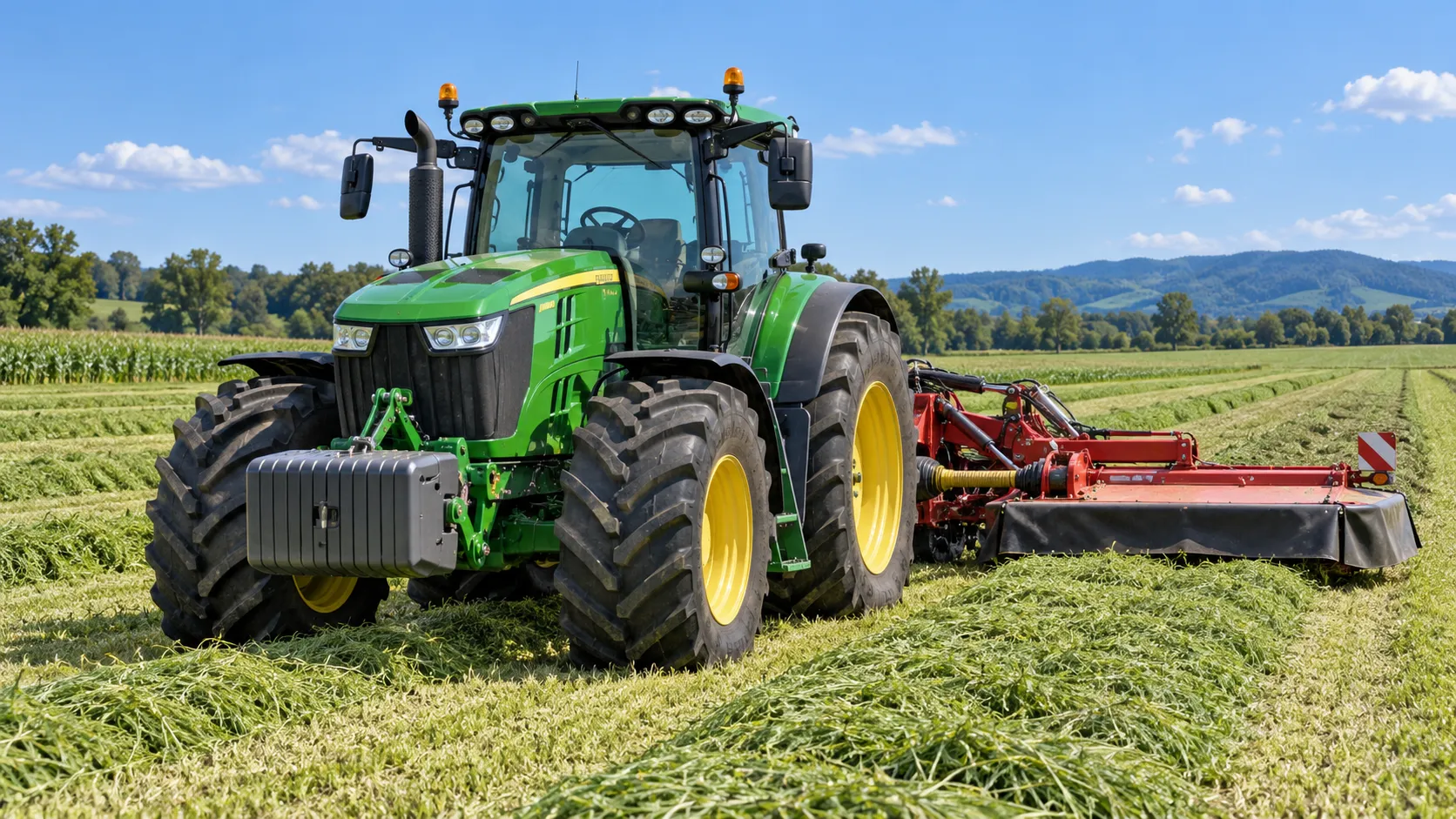
Tractor Specification Sheets: Matching PTO, Hydraulics, and Weight to Farm Tasks
Specification-oriented articles for tractors: match PTO, hydraulics, lift capacity, ballast, and weight to real farm tasks for safer, more efficient equipment choices.
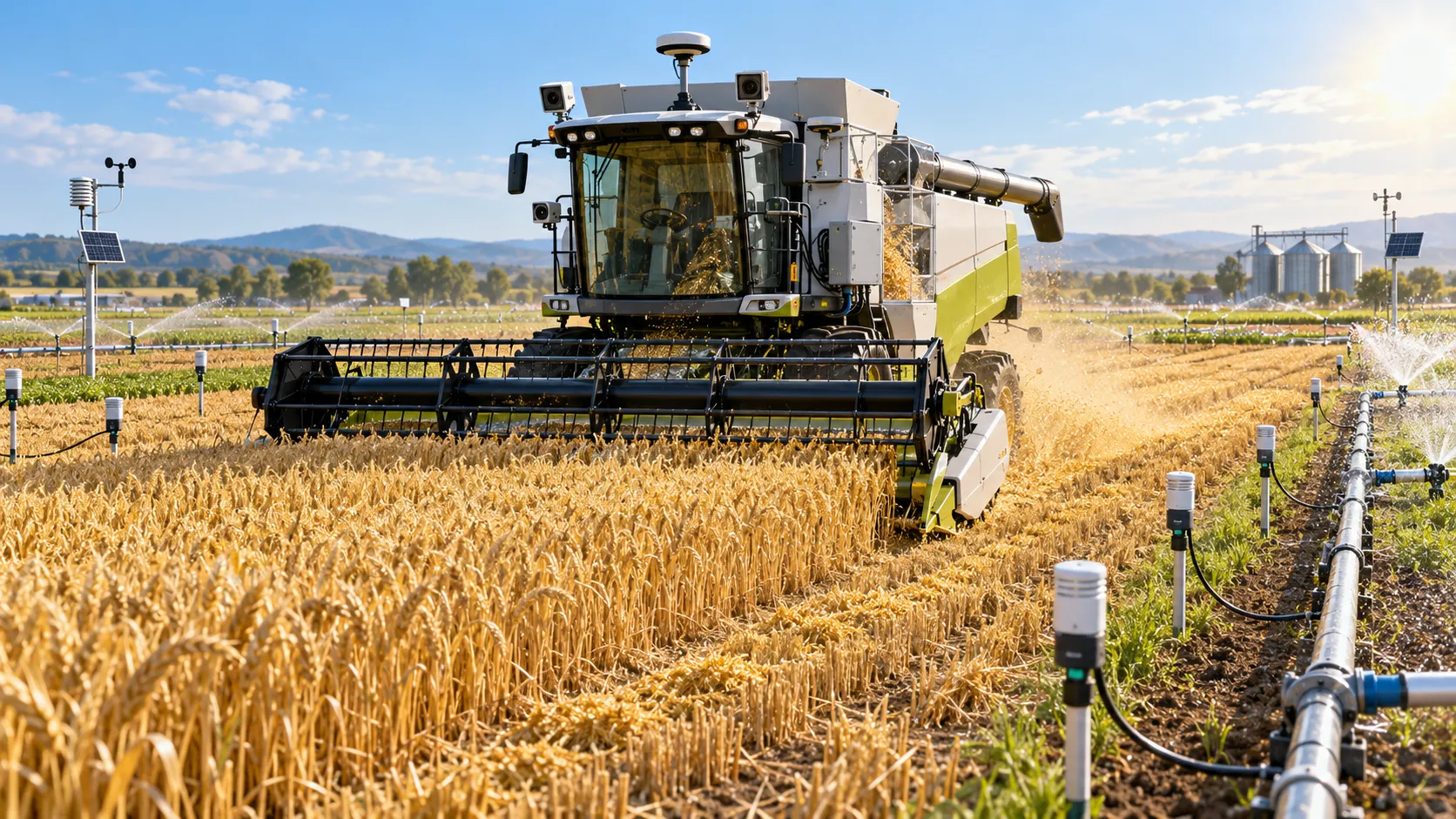
How to Evaluate Dynamic Feedback Algorithm Suppliers for Precision Farming Systems
Dynamic feedback algorithms supplier evaluation guide for precision farming—compare validation, integration, safety, and pilots to choose with confidence.
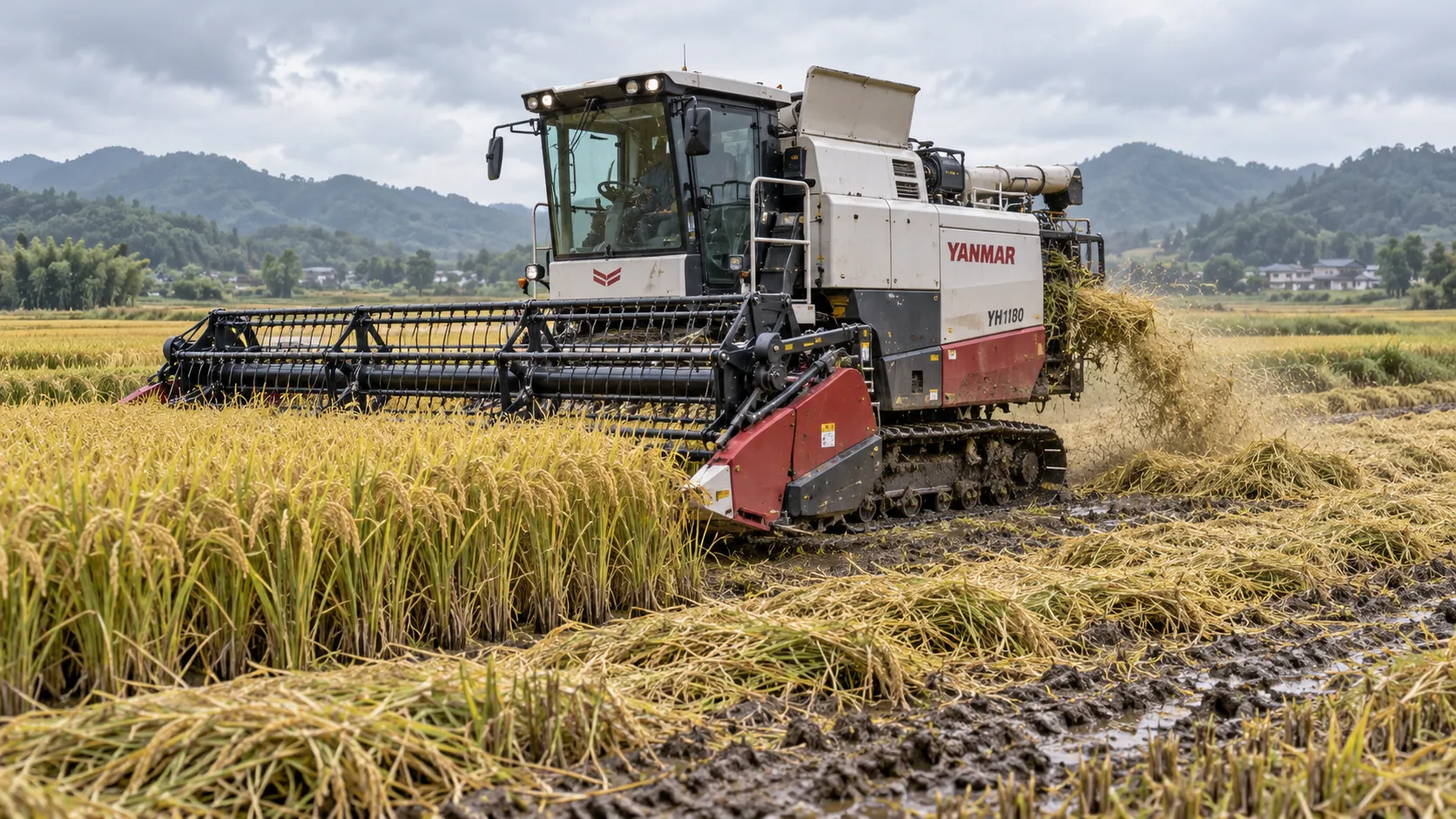
How to Specify Combine Harvester Systems for High-Moisture Grain and Variable Field Conditions
Combine harvester systems for high-moisture grain: learn how to specify threshing, cleaning, headers, traction, and automation for reliable harvests in variable fields.
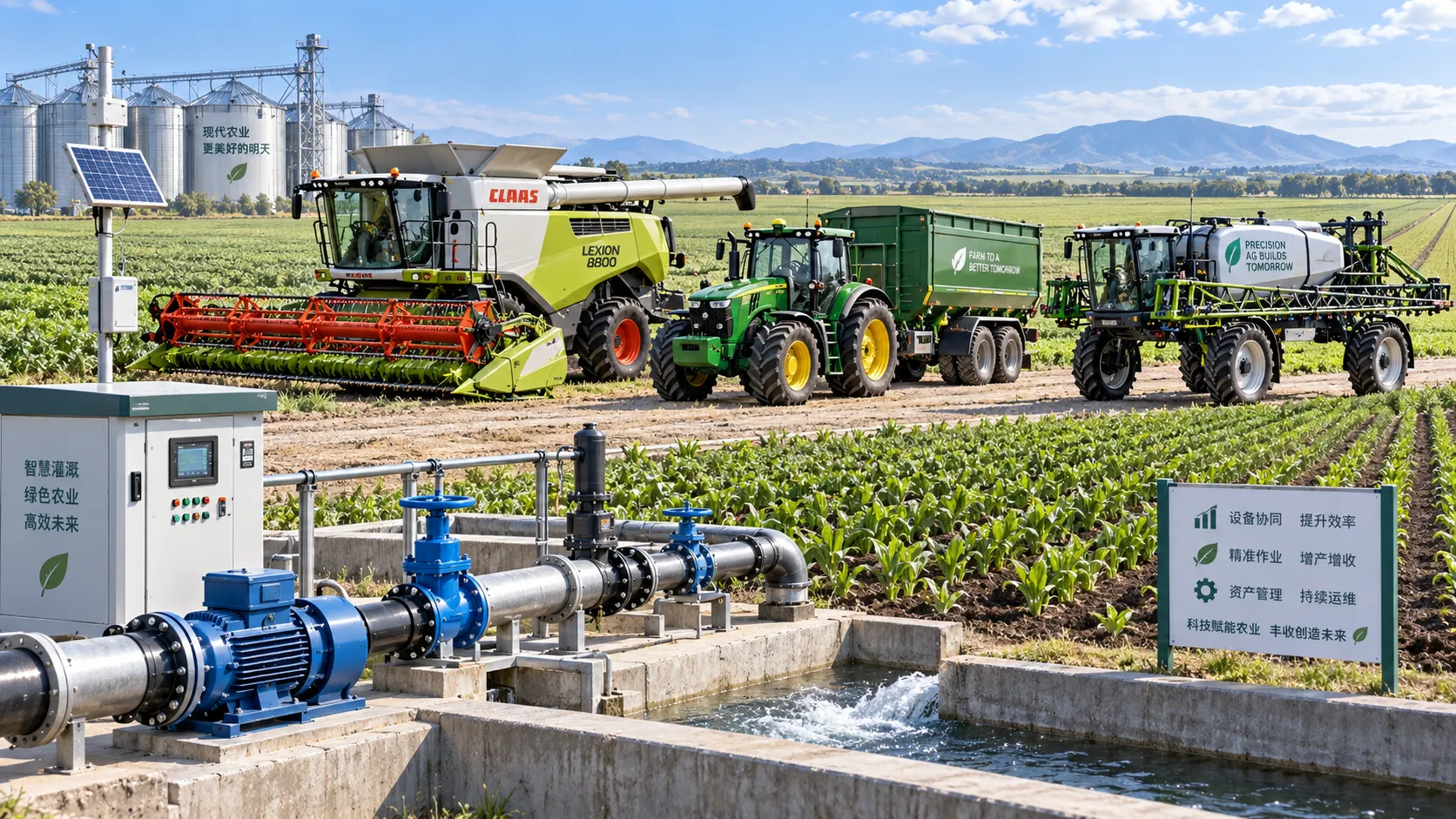
How to Compare Agricultural Equipment Platforms for Fleet Management and ROI
Agricultural equipment platform comparison: evaluate fleet data, maintenance, precision workflows, and ROI to choose a system that delivers measurable results.
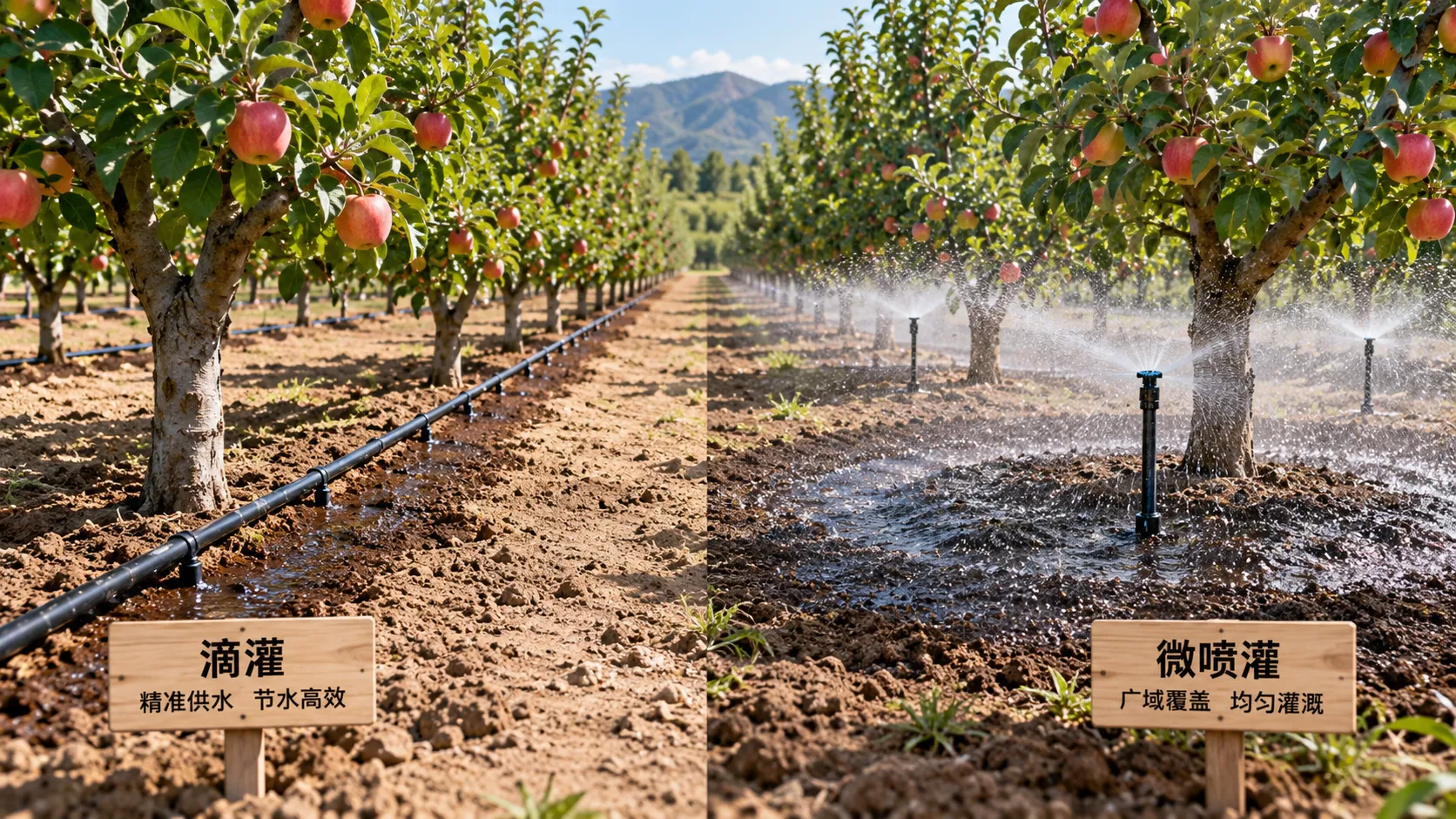
Drip vs. Micro-Sprinkler Irrigation: Which System Fits Your Orchard?
Irrigation solution comparison for orchards: discover whether drip or micro-sprinklers best match your water, soil, roots, fertigation, and frost needs.
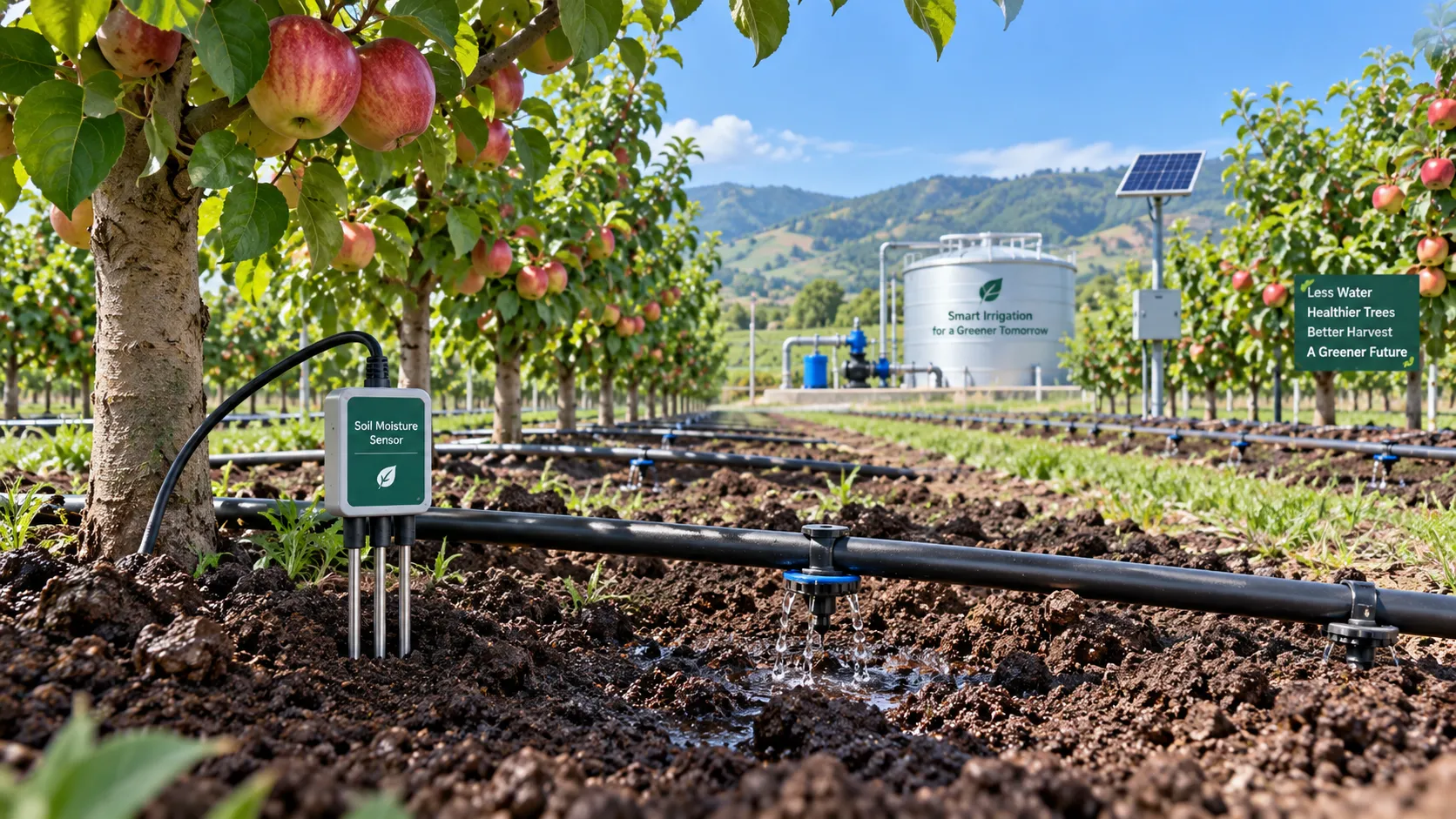
Orchard Water Management: Using Soil Moisture Data to Schedule Irrigation
Agricultural water management for orchards made practical: use soil moisture data to optimize irrigation timing, protect yield, reduce costs, and improve resilience.
Related News
- 00
0000-00
Farm Machinery Sourcing: How to Vet Suppliers, Specs, and Lifecycle Costs - 00
0000-00
Which costs matter most when calculating precision agriculture ROI? - 00
0000-00
How to calculate ROI on precision agriculture equipment before buying - 00
0000-00
Tractor Specification Sheets: Matching PTO, Hydraulics, and Weight to Farm Tasks - 00
0000-00
How to Compare Agricultural Equipment Platforms for Fleet Management and ROI
Popular Tags
Ms. Elena Rodriguez
Weekly Insights
Stay ahead with our curated technology reports delivered every Monday.