
How to Compare Agricultural Equipment Platforms for Fleet Management and ROI
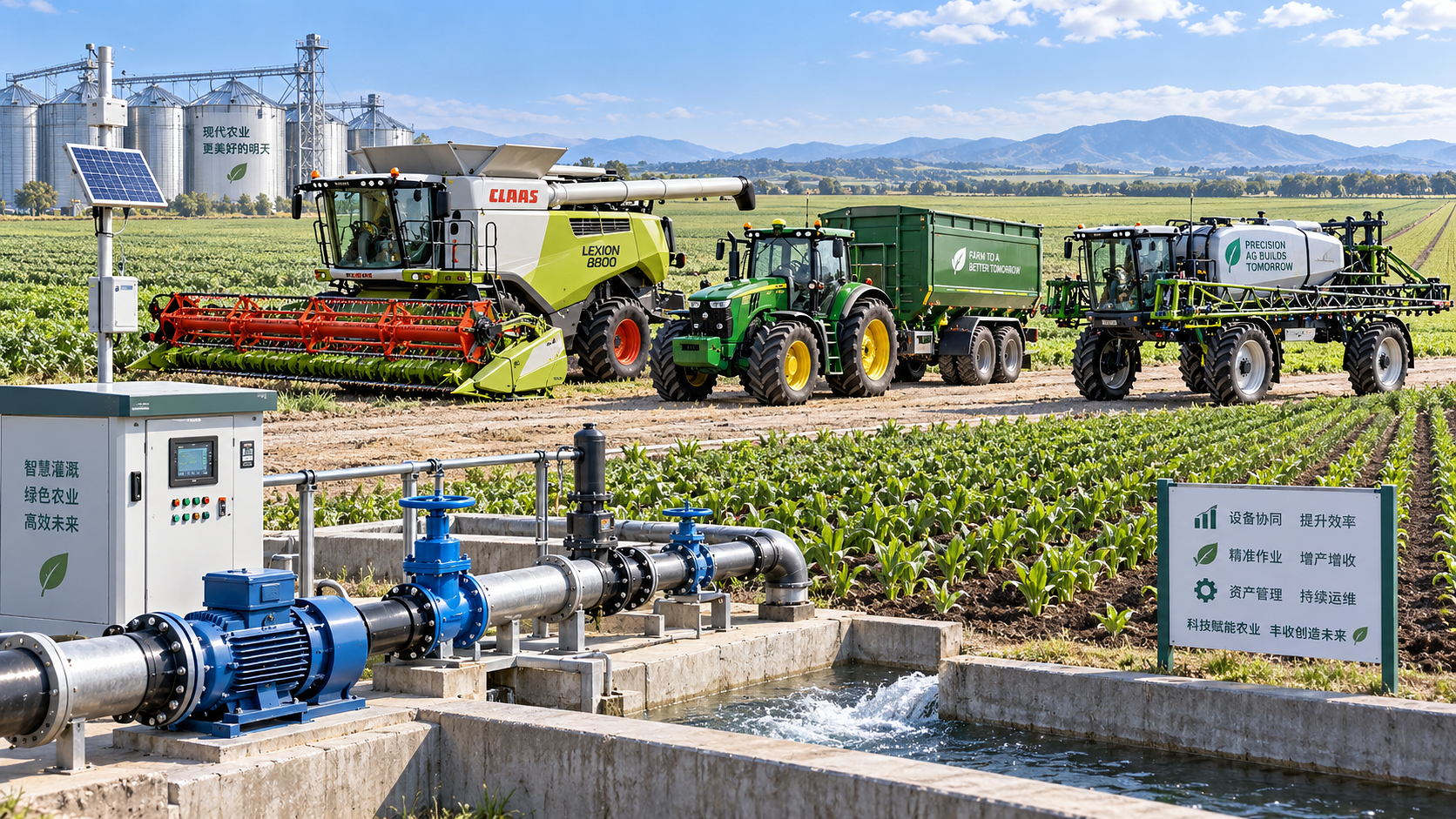




Select an agricultural equipment platform by testing whether it can turn machine activity into decisions that change cost, capacity, timing, or asset life. A system that merely displays locations, engine hours, and fault codes may be useful for dispatch, yet it will not necessarily support a defensible return-on-investment calculation. The stronger choice links field work, machine condition, input application, and water management at a level of detail that matches the operating model.
The comparison should begin with the fleet rather than a feature list. A mixed fleet of tractors, self-propelled sprayers, combines, implements, irrigation pumps, and mobile water equipment creates different data paths and different maintenance consequences. Harvesting losses, hydraulic load, fuel use, application coverage, and irrigation pressure are not interchangeable measures. A platform should preserve their context instead of flattening them into a generic utilization score.
Start with the decisions the system must support
Every evaluation becomes clearer when it is tied to recurring operational decisions. For example, an equipment manager may need to decide whether a tractor is available for a narrow weather window, whether a combine needs inspection before entering a high-yield field, whether a sprayer completed its prescribed zones, or whether a pump schedule is causing unnecessary run time. These decisions require different combinations of data, update frequency, and historical records.
Write down the decision, the evidence required, the person responsible for acting on it, and the consequence of receiving the information late. This exercise exposes an important divide between platforms designed for retrospective reporting and those capable of supporting work during an active operation. A daily summary of acreage covered may be adequate for payroll or seasonal reporting. It is inadequate when an unfinished section must be reassigned before rainfall, darkness, or crop maturity changes the work plan.
Compare data architecture before dashboards
Dashboards are easy to demonstrate because they make disparate data appear unified. The harder question is whether the underlying records can actually be reconciled. Compare how each platform identifies fields, machines, implements, work orders, crop seasons, and irrigation zones. Inconsistent identifiers create silent reporting errors: a tractor can be counted twice after a telematics hardware replacement, a field can split into several versions after a boundary edit, or an implement can disappear from job history because it is only recognized when connected to one specific terminal.
A practical agricultural equipment platform comparison should examine the data model in detail. Ask whether machine serial numbers, asset IDs, attachment IDs, and field identifiers can be governed centrally. Check whether time stamps retain a consistent time zone and whether records include source information. When a fuel anomaly appears, the ability to distinguish a machine sensor reading from a manually entered transaction affects how confidently the anomaly can be investigated.
Data ownership and exportability deserve equal attention. Fleet records often remain valuable beyond the life of a particular software agreement because maintenance history, calibration evidence, field operations, and asset utilization influence resale, replacement planning, and audit trails. The platform should allow complete export of raw and processed records in usable formats, with clear documentation of fields, units, and status codes. A polished application programming interface has limited value if key objects, such as implement configuration or fault history, are excluded.
Integration quality is defined by exceptions
Many systems can import a basic machine feed. The useful test is what happens when real conditions depart from the ideal. Consider an older tractor with an aftermarket modem, a leased combine that enters the fleet for harvest, an implement shared between sites, or a pump controller with intermittent cellular coverage. Determine whether those assets are excluded, manually represented, or integrated with a transparent confidence level.
Also inspect how the system handles delayed synchronization, duplicate records, edited field boundaries, and conflicting data from two sources. A platform that overwrites values without preserving source history can make later analysis unreliable. For precision work, distinguish between a position record, a completed operation record, and a verified application record. They represent different levels of evidence.
- Machine connectivity: Confirm support for the actual mix of original equipment telematics, retrofit devices, terminal exports, and manual service inputs. A single supported brand is not evidence of fleet-wide compatibility.
- Farm management connection: Test whether jobs, boundaries, prescriptions, crop records, and completed work flow in both directions without rekeying critical information.
- Maintenance connection: Examine whether diagnostic codes can generate reviewable maintenance events while retaining technician notes, parts consumption, meter readings, and closure dates.
- Irrigation connection: Verify that pump, valve, flow, and pressure events can be associated with the correct zone and schedule rather than appearing as isolated equipment alerts.
Measure fleet visibility at the working level
Fleet visibility should reveal why capacity changed, not simply report that it changed. Engine hours and odometer values are baseline measures, but heavy agricultural work is influenced by load, idle time, transport distance, field geometry, soil condition, crop density, and implement width. A tractor accumulating hours during high-draft tillage has a different maintenance and fuel profile from one performing light transport. Similarly, combine engine hours cannot explain performance without separating harvesting time, unloading, headland turns, travel, and stoppages.
Review the event definitions used by each system. “Idle” can mean engine running while stationary, but that state may include legitimate unloading, hydraulic warm-up, queueing, or a short diagnostic stop. Treating every idle minute as waste produces misleading performance discussions. The preferred platform lets teams inspect the event context and adapt classifications without corrupting historical comparisons.
Attachment recognition is another dividing line. A tractor is not performing the same economic task when pulling a planter, grain cart, cultivator, or slurry tanker. Where automatic attachment detection is unavailable, the workflow for assigning implements must be quick enough that job records remain credible. If machine and implement relationships are routinely corrected weeks later, the resulting reports may look complete while being unsuitable for cost allocation or maintenance planning.
Evaluate maintenance as a control process, not an alert feed
Fault alerts have value only when they are routed, interpreted, acted upon, and closed with a traceable record. Compare how a platform groups repeated alarms, ranks faults by operational consequence, and prevents the same issue from generating separate work items every time a machine restarts. An alert stream without triage rules tends to be ignored during peak periods, precisely when an emerging failure is most expensive.
Maintenance capabilities should connect planned service with condition evidence. Meter-based intervals are necessary, yet fixed intervals alone can lead to premature work on lightly loaded assets or delayed attention to equipment that has experienced harsh duty. Platforms should permit service plans based on engine hours, calendar dates, distance, hydraulic hours, or other relevant meters, while showing the machine context that prompted an exception.
Service history must also capture the quality of the intervention. A closed work order should distinguish inspection from repair, include the failed component or system, record meter values, and retain the parts and labor details needed to identify recurring failure patterns. Free-text notes are useful, but they cannot replace structured failure categories when the goal is to compare similar machines or identify repeat defects after a repair.
Connect precision records to economic outcomes carefully
Precision agriculture data can strengthen fleet ROI analysis, but only if work records are aligned with agronomic and mechanical conditions. Coverage maps, guidance lines, rate records, yield layers, and machine logs often use different spatial resolutions and sampling intervals. A seemingly precise comparison can become false when the data sets are aligned by date alone rather than by field, operation, equipment configuration, and crop stage.
For planting and application work, compare whether the platform retains prescription version, target rate, actual rate, section state, speed, and overlap. A low average rate could reflect a legitimate prescription change, skipped sections, a calibration issue, or a coverage calculation problem. The dashboard cannot supply the answer unless the underlying record preserves these distinctions.
Harvest evaluation requires the same discipline. Lower throughput may arise from crop moisture, yield volume, header width, unloading logistics, terrain, machine settings, or an equipment condition issue. Grain loss indicators should be examined alongside crop conditions and cleaning settings, not used as an isolated score. A platform that supports notes, field-condition tags, and time-linked machine events makes these reviews more credible than one that only ranks combines by tonnes per hour.
Build an ROI model around controllable changes
ROI should be evaluated through the operational changes the platform enables, not through a generic promise of savings. Establish a baseline before deployment using existing records for maintenance spend, unplanned downtime, fuel or energy use, travel time, rework, missed service intervals, and administrative effort. Then identify which measures can be reliably captured after implementation.
Separate direct financial effects from capacity effects. A reduction in duplicated data entry has a direct labor implication. Earlier identification of a failing bearing may reduce repair cost and downtime, but the value depends on whether the avoided downtime would have constrained work during a critical period. Better utilization can defer an asset purchase, yet that benefit should not be counted unless capacity constraints and replacement plans support it.
Use a measurement structure that prevents double counting. For example, a reduction in idle time can affect fuel consumption, productive hours, and maintenance exposure. Those outcomes should be traced to separate mechanisms rather than added repeatedly under several headings. Similarly, increased recorded maintenance cost after implementation does not automatically indicate poor performance; it may reveal deferred work that was previously invisible.
- Define the unit of analysis: individual machine, machine-and-implement combination, field operation, irrigation zone, or site.
- Choose a baseline period that includes comparable work conditions where possible, and document unusual weather, crop, or staffing events that distort comparison.
- Assign each expected benefit to a single financial or operational measure, with a stated owner for validating the result.
- Review exceptions monthly during rollout, then retain only measures that continue to influence scheduling, maintenance, or capital decisions.
Use the pilot to expose operational friction
A pilot should include enough variation to reveal integration limits: at least one high-hour machine, a connected implement, a precision operation, a maintenance event, and an irrigation or pumping workflow where relevant. Restricting the test to a clean, recently connected machine fleet creates a misleading result. The pilot also needs a defined operational question, such as reducing time spent reconciling completed work or improving visibility of service readiness before a campaign.
During the test, observe the workflow from data creation to action. Note where technicians enter service outcomes, where field records are approved, how exceptions are assigned, and whether a dispatcher can understand a machine status without calling several people. Time spent correcting names, boundaries, attachments, and duplicated alerts is part of the ownership cost. It should be evaluated alongside subscription fees, hardware, installation, connectivity, training, and internal administration.
The final selection should favor the platform whose records remain trustworthy when the fleet is diverse, connectivity is imperfect, and operations are under time pressure. The most attractive interface cannot compensate for incomplete asset identity, ambiguous event definitions, or data that cannot be linked to field work. A durable choice creates a dependable operating record first; ROI follows when that record changes maintenance timing, equipment allocation, and the quality of work completed.
Related News
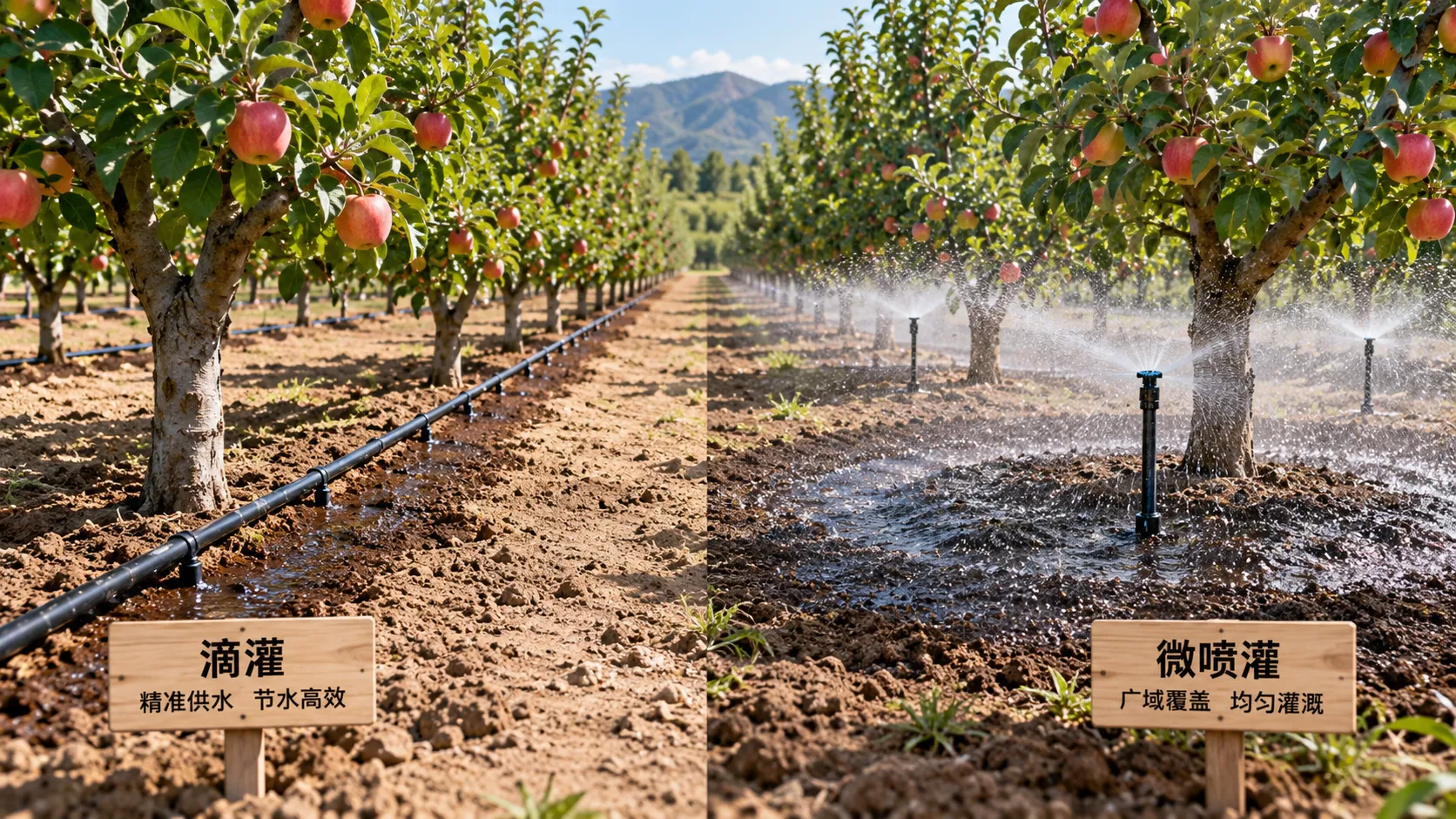
Drip vs. Micro-Sprinkler Irrigation: Which System Fits Your Orchard?
Irrigation solution comparison for orchards: discover whether drip or micro-sprinklers best match your water, soil, roots, fertigation, and frost needs.
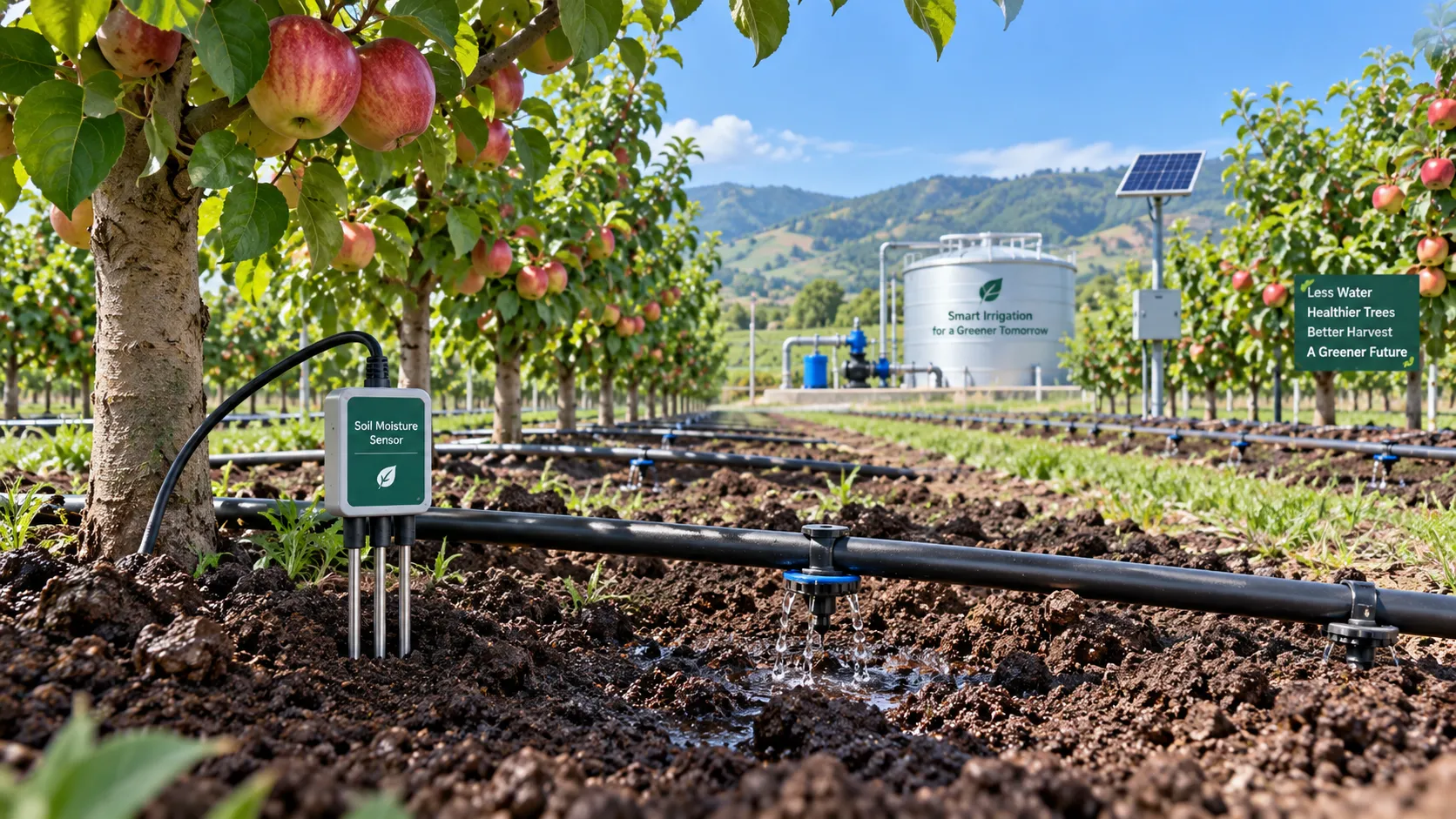
Orchard Water Management: Using Soil Moisture Data to Schedule Irrigation
Agricultural water management for orchards made practical: use soil moisture data to optimize irrigation timing, protect yield, reduce costs, and improve resilience.
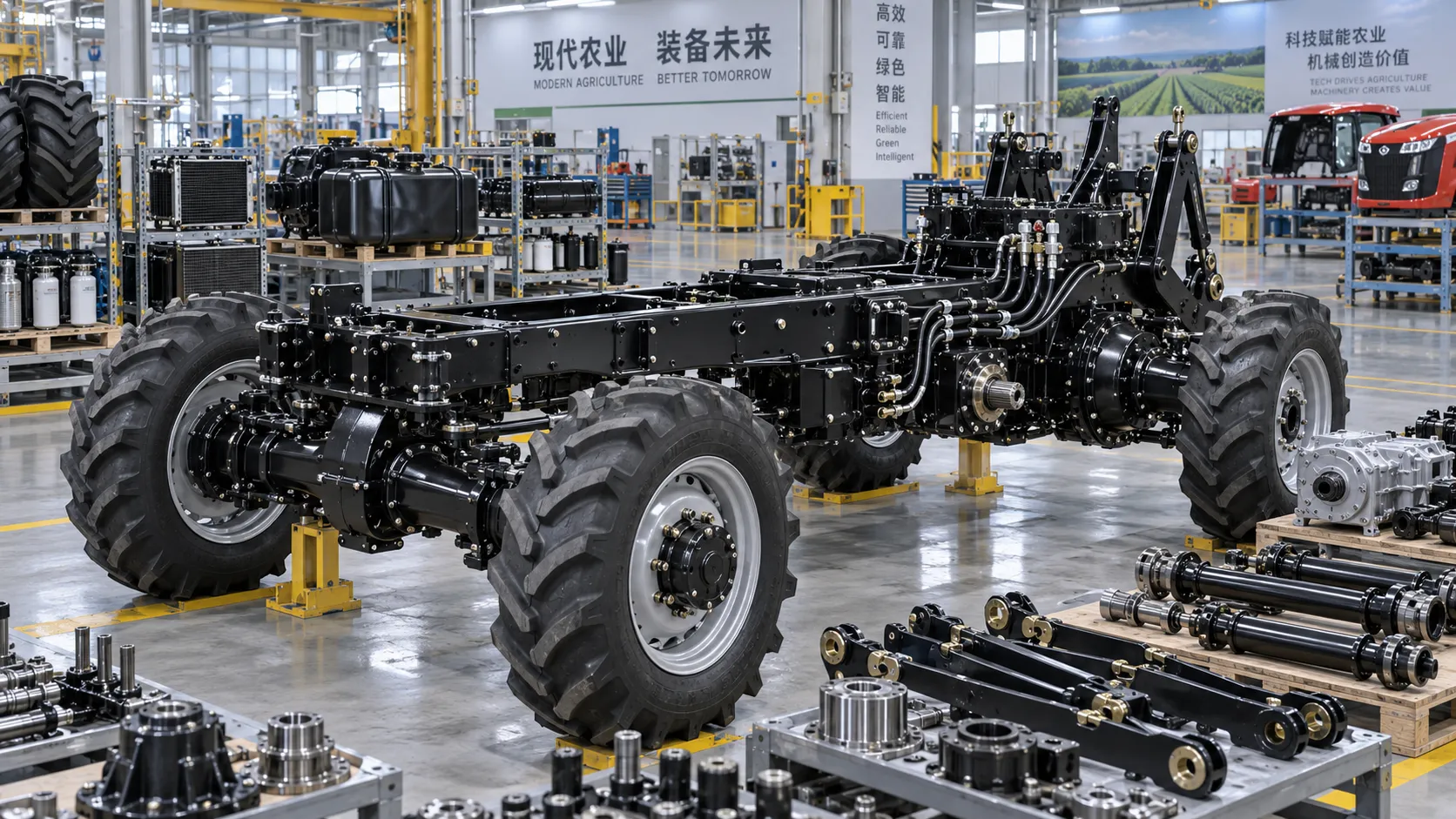
Tractor Chassis Price: What Buyers Should Compare Beyond the Initial Quote
Tractor chassis price is only the start. Compare load capacity, compatibility, durability, and lifecycle costs to choose a reliable, high-value chassis.
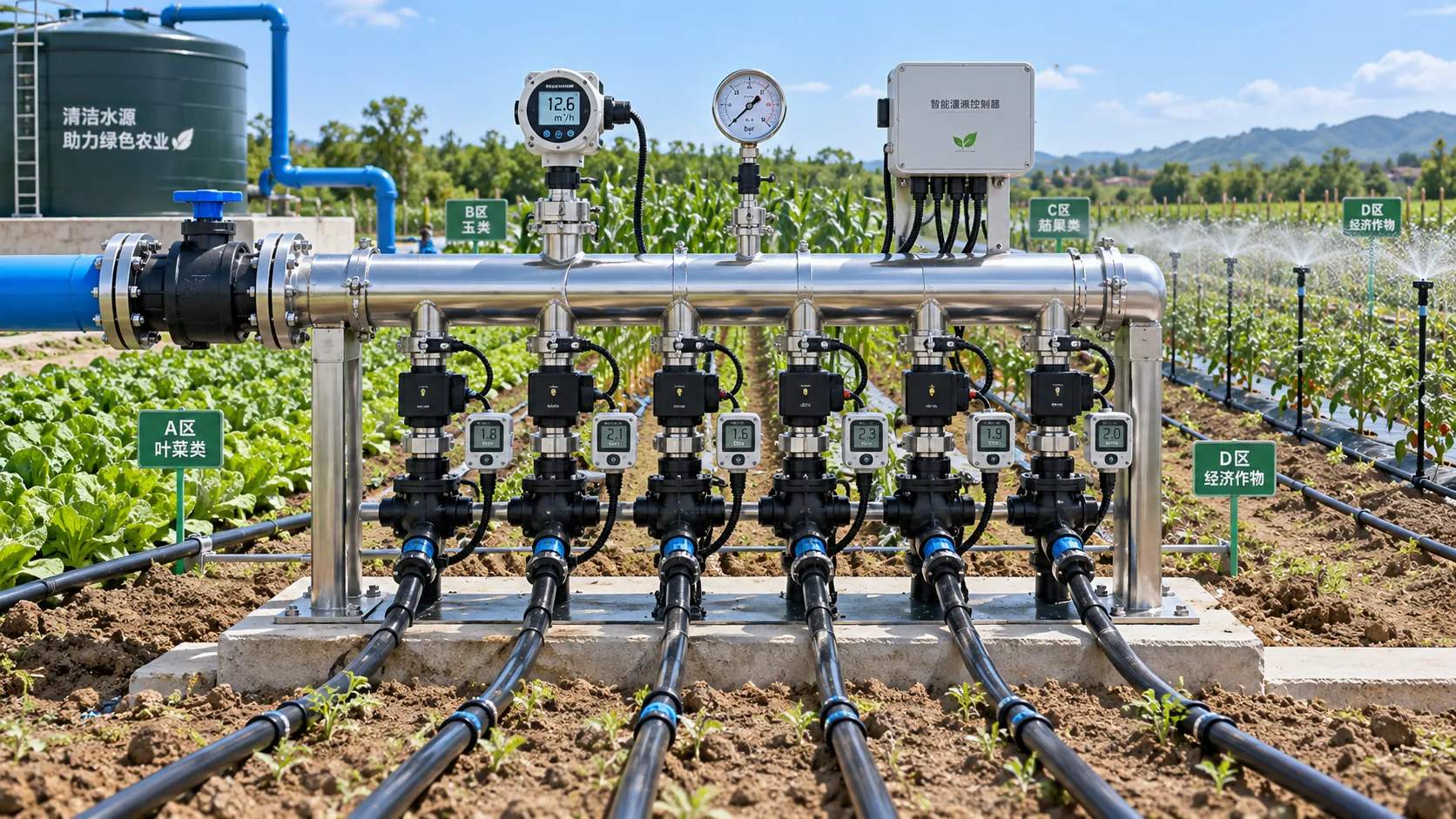
How to Select Smart Irrigation Valves for Multi-Zone Water Management?
Intelligent irrigation systems valves: learn how to match smart valves with multi-zone flow, pressure, control, feedback, and communication needs for reliable water management.
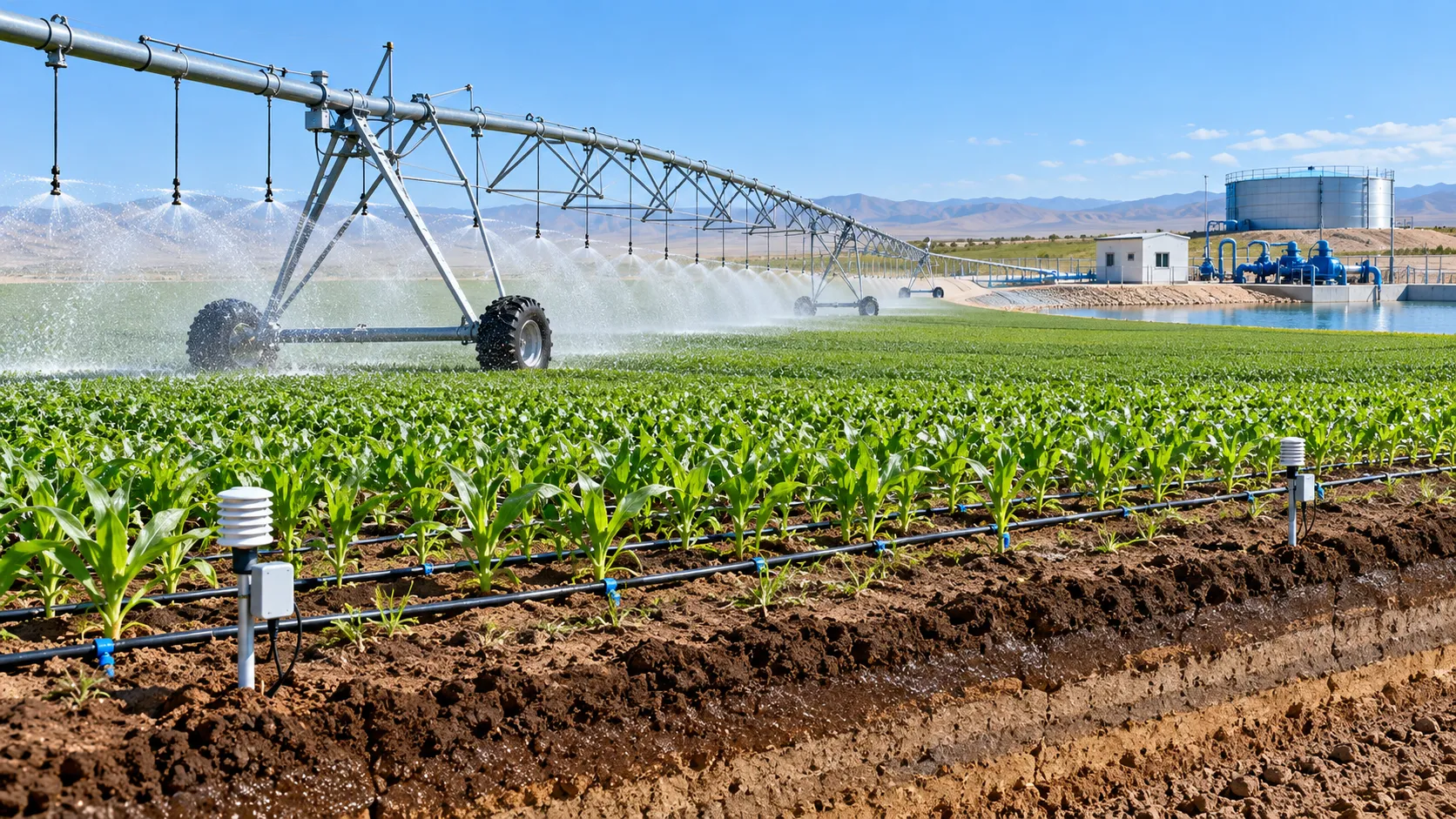
Climate-Smart Farming for Drought: A Practical Plan for Protecting Yields
Climate-smart farming for drought: build smarter water budgets, protect critical crop stages, improve irrigation uniformity, and safeguard yields with practical field-proven strategies.
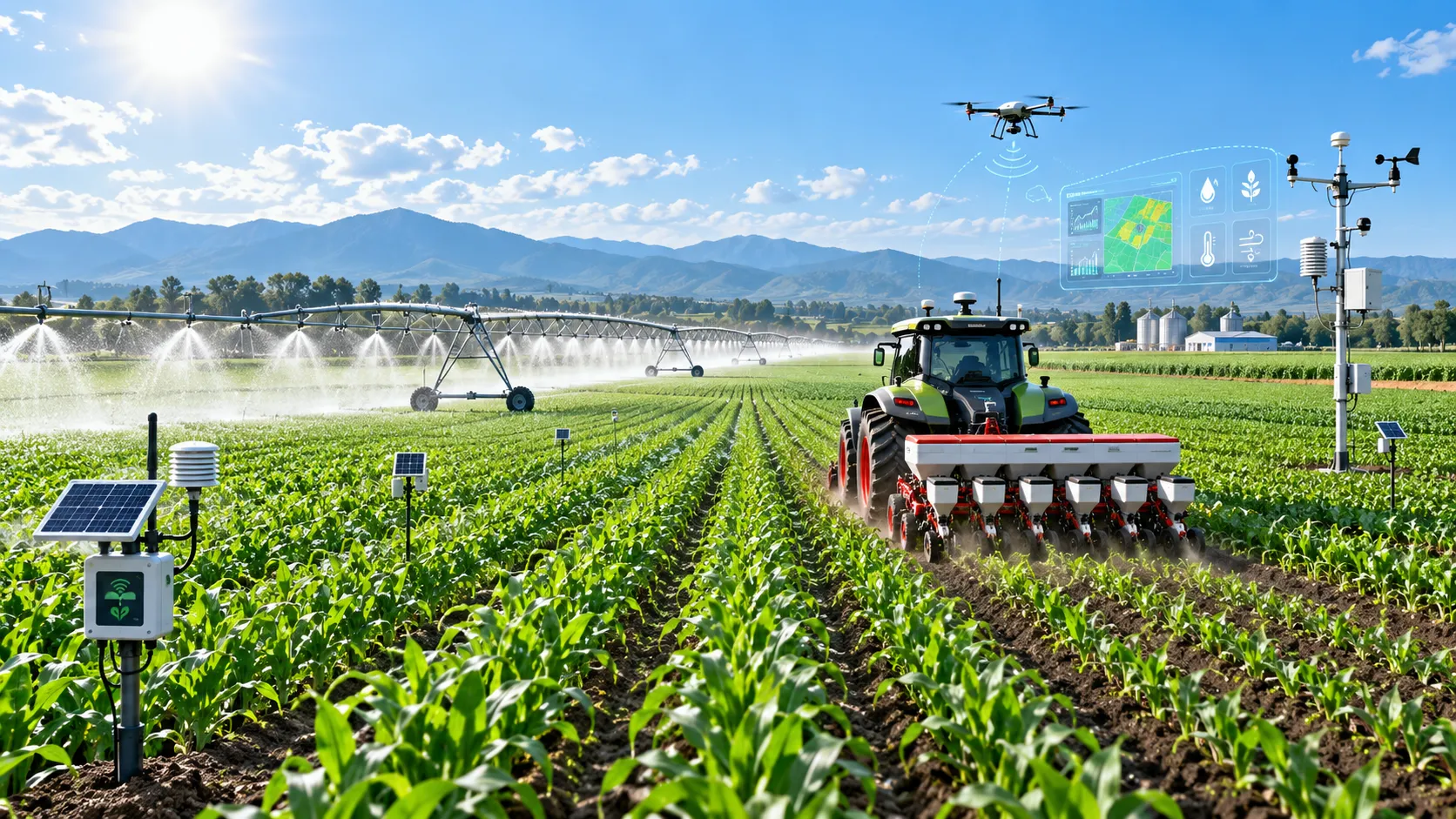
How Digital Agriculture Platforms Turn Field Data Into Better Input Decisions
Digital agriculture platforms turn field data into smarter fertilizer, water, seed, and equipment decisions—helping farms cut risk, improve margins, and scale sustainability.
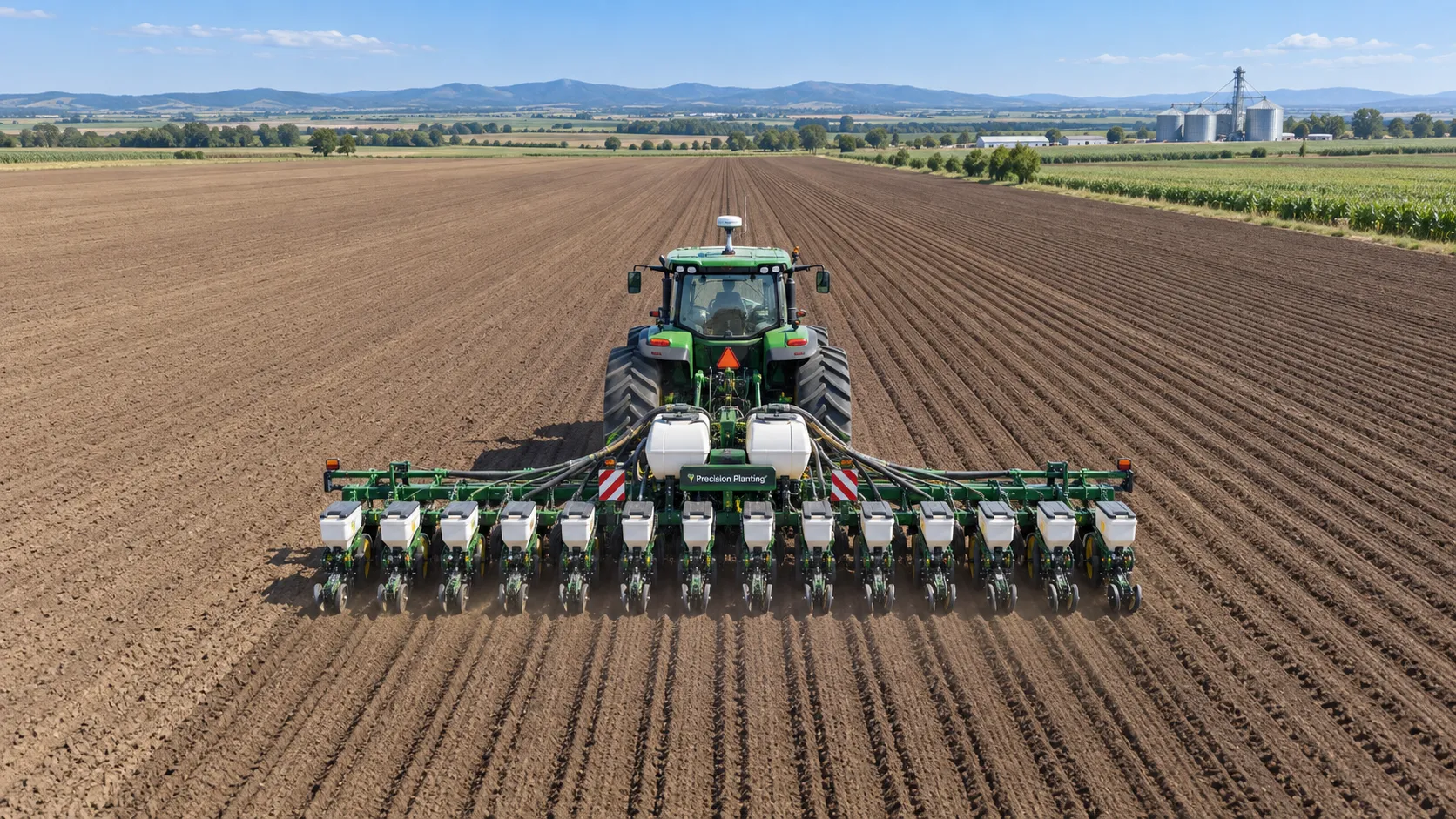
GPS-Guided Farm Machinery: Where It Delivers Measurable Field Efficiency Gains
Agri-mechanization GPS guided systems deliver measurable field efficiency gains through reduced overlap, precise planting, smarter inputs, and reliable farm data.
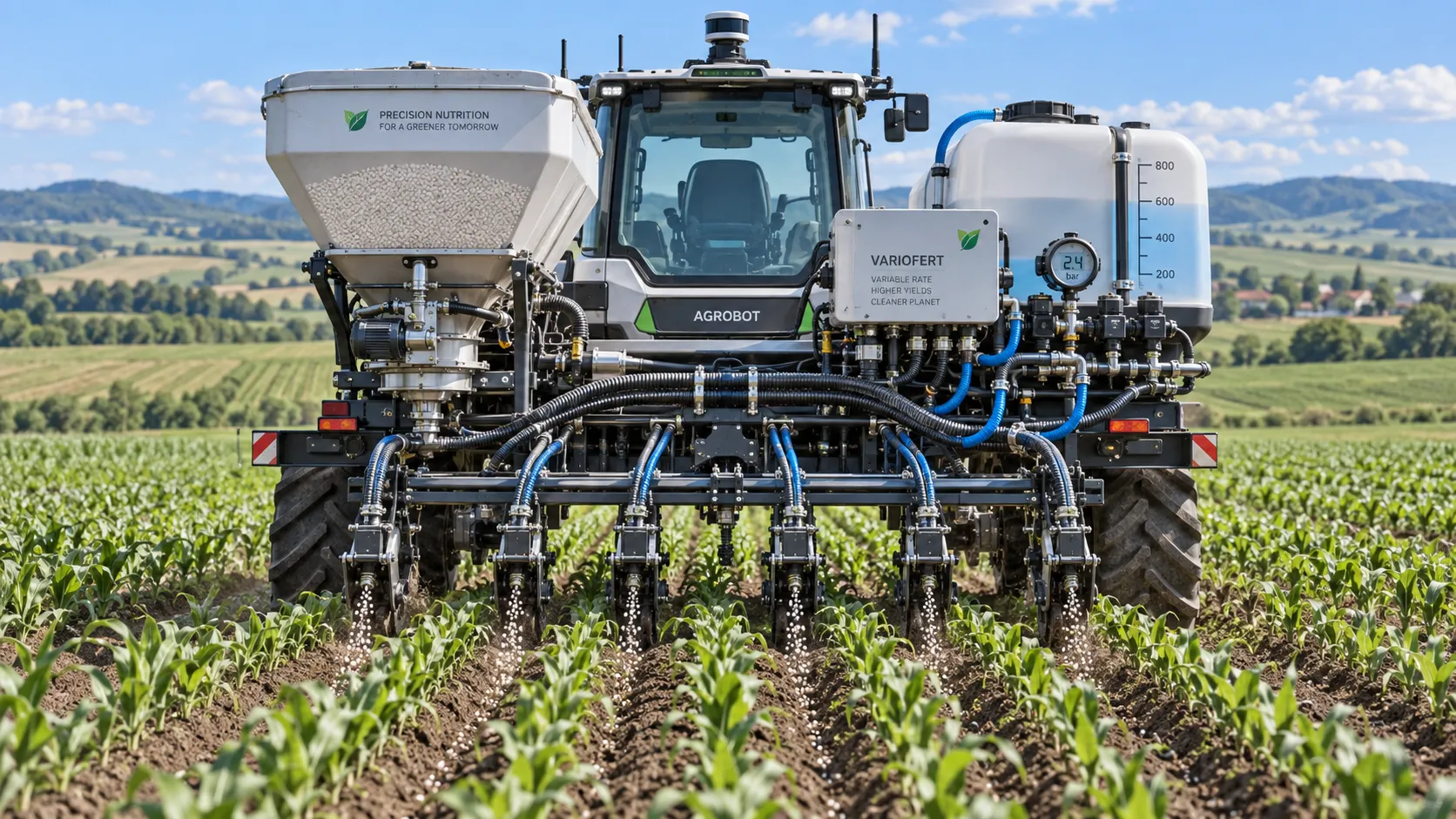
How Sensor Feedback Enables Accurate Variable-Rate Fertilization in Field Conditions
Precision fertilization systems with sensor feedback improve variable-rate accuracy by verifying flow, managing latency, and ensuring reliable field application.
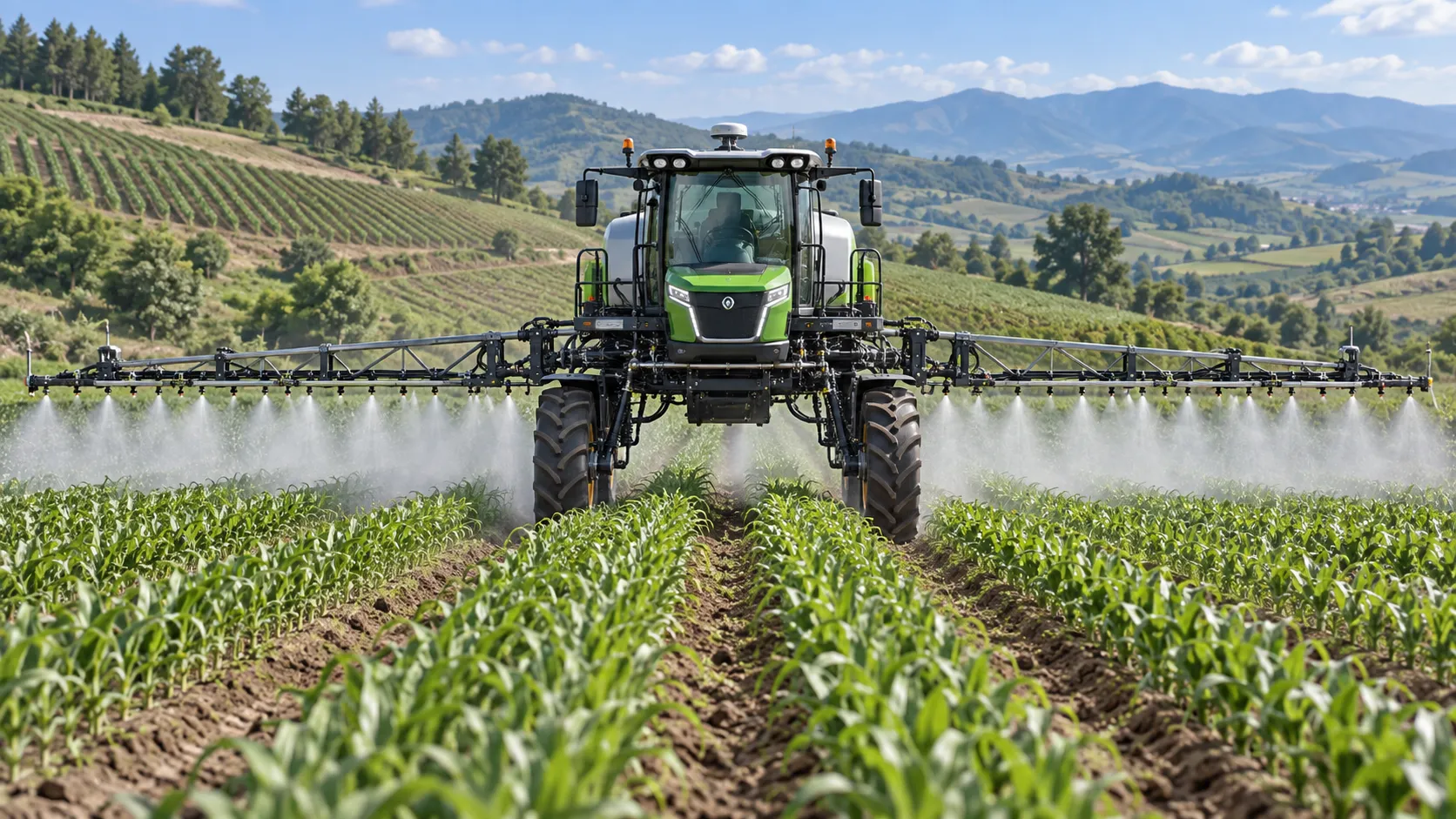
How to Select Precision Crop Protection Equipment for Variable Field Conditions
Precision crop protection equipment selection made simple: compare terrain, canopy, weather, control accuracy, and data workflows for reliable applications.
Related News
- 00
0000-00
How to Compare Agricultural Equipment Platforms for Fleet Management and ROI - 00
0000-00
Tractor Chassis Price: What Buyers Should Compare Beyond the Initial Quote - 00
0000-00
How Digital Agriculture Platforms Turn Field Data Into Better Input Decisions - 00
0000-00
When Does Agricultural Machinery Leasing Cost Less Than Owning Equipment? - 00
0000-00
Selecting Grain Farm Equipment by Acreage, Crop Mix, and Harvest Window
Popular Tags
Ms. Elena Rodriguez
Weekly Insights
Stay ahead with our curated technology reports delivered every Monday.