
Tractor Chassis Price: What Buyers Should Compare Beyond the Initial Quote
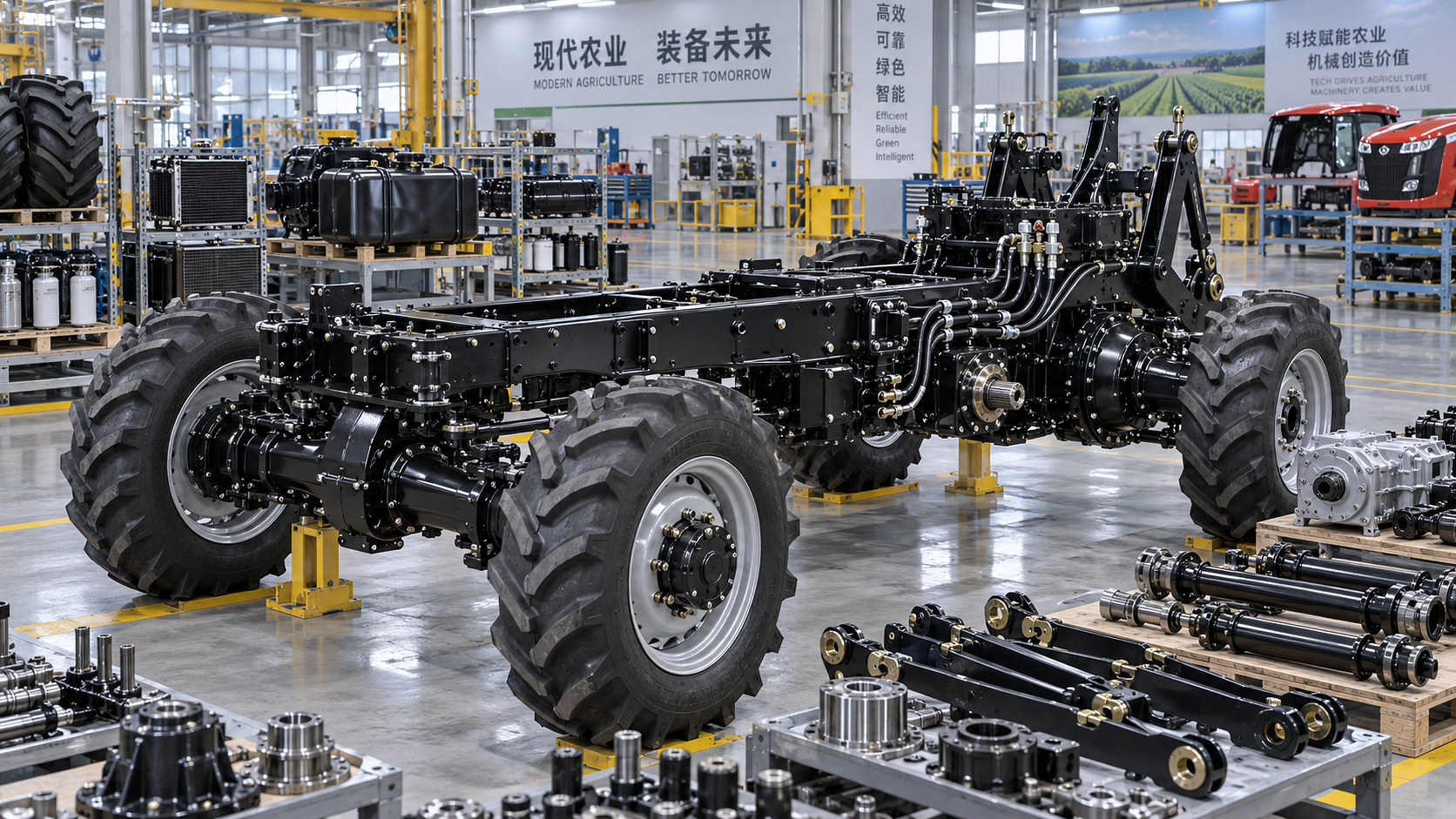




A tractor chassis price quote is rarely a complete cost picture. For a procurement team, the number on the first proposal may look attractive, especially when several suppliers appear to offer similar frame sizes, axle arrangements, or rated power compatibility. Yet the chassis is not a cosmetic component. It is the structural and operational foundation that carries the engine, transmission, hydraulic circuits, cab, implements, ballast, and the repeated shocks of field work.
When a chassis is underspecified, the consequences usually surface after delivery: premature fatigue around mounting points, difficult integration with an existing drivetrain, hydraulic limitations that slow implement performance, or service access that turns routine repairs into costly downtime. The right purchasing question is therefore not simply, “Which tractor chassis price is lowest?” It is, “Which chassis delivers the lowest operational risk and best lifecycle value for the work we need to perform?”
For buyers sourcing heavy-duty agricultural machinery, the answer depends on a disciplined comparison of engineering, compatibility, supplier capability, and long-term support. A lower initial quote can still be the more expensive choice if it creates lost field days during planting, spraying, or harvest windows.
Why Tractor Chassis Price Varies So Widely
Two chassis assemblies can look broadly similar in a catalog while being built for very different duty cycles. Price differences often reflect choices that are not immediately visible: steel grade and plate thickness, welding process control, axle load rating, drivetrain interfaces, casting quality, hydraulic routing, corrosion protection, and the level of validation completed before production.
Configuration also matters. A chassis designed for a compact utility tractor has very different requirements from a platform intended for high-horsepower tillage, large seeding equipment, front loaders, autonomous guidance hardware, or high-capacity irrigation support operations. Wheelbase, frame geometry, front-axle design, transmission mounting pattern, and hydraulic architecture should all correspond to the machine’s real operating profile rather than a generic specification sheet.
Procurement teams should also separate the quoted scope from the headline figure. One supplier may quote a bare structural frame; another may include axles, steering components, brackets, mounting hardware, hydraulic tanks, transmission interfaces, and partial electrical provisions. Comparing those figures line by line is more useful than comparing the totals alone.
Start With the Job the Chassis Must Survive
Before sending requests for quotation, define the working environment in practical terms. A tractor that spends most of its life hauling light trailers on maintained farm roads faces a different stress pattern than one pulling deep-tillage implements through compacted soil, operating a loader daily, or supporting precision planting systems over uneven terrain.
Ask operating teams and fleet managers for evidence, not broad descriptions. What implements are used? What is the maximum mounted load? How often is front ballast required? Does the tractor operate on slopes, in wet soil, or over long road-transfer distances? What trailer weights are normal? How many annual operating hours are expected? These details help prevent suppliers from proposing a frame that meets a nominal capacity but has little reserve for peak loads.
A useful procurement brief should identify:
- Required engine power range and anticipated torque characteristics.
- Front and rear axle load targets, including ballast and implement loads.
- Wheelbase, track-width, ground-clearance, and turning-radius constraints.
- Three-point linkage category and implement mounting requirements.
- Transmission, PTO, steering, and brake-system compatibility.
- Hydraulic flow, pressure, cooling, and remote-valve requirements.
- Environmental exposure, including dust, moisture, fertilizer, and corrosive residues.
- Requirements for GNSS, telematics, sensors, cameras, or future autonomous functions.
This operating profile turns procurement from a price exercise into an engineering comparison. It also makes it much harder for an apparently low tractor chassis price to conceal a reduced specification.
Compare Load Capacity, But Look Beyond the Rating
Rated load capacity is essential, but it is only the starting point. Buyers should understand how the supplier defines that rating, under what conditions it applies, and whether it includes dynamic loads. A chassis may safely support a stated static weight while experiencing significantly higher stress during transport over rough ground, sudden implement lift, braking with a loaded trailer, or repeated loader cycles.
Request information on frame-section design, reinforcement around high-stress zones, cross-member placement, axle mounting arrangement, and the interface areas for the engine and transmission. Pay close attention to hitch mounts, loader brackets, drawbar areas, front-axle pivots, and hydraulic-cylinder attachment points. These are the locations where fatigue failures can become expensive and disruptive.
Material selection deserves the same scrutiny. The right steel grade is not merely a matter of strength; weldability, toughness, corrosion behavior, and consistency from batch to batch affect durability. For structural castings and fabricated sections, purchasers should ask how incoming materials are controlled and whether welding procedures are qualified for the design.
A supplier does not need to disclose proprietary design data for a buyer to gain confidence. They should, however, be able to explain the intended duty cycle, load assumptions, validation approach, and the safeguards incorporated into critical areas.
Transmission and Hydraulic Compatibility Can Change the Real Cost
The chassis sits at the center of the tractor’s power and control architecture. A competitive quote can lose its advantage quickly if mounting surfaces, shaft alignments, hydraulic passages, or electronic interfaces require rework during assembly. This risk is especially relevant when the buyer is integrating components from multiple sources.
For transmission compatibility, verify mounting dimensions, bell-housing interfaces, driveline alignment, torque capacity, cooling provisions, and space for service access. If the tractor will use continuously variable transmission, powershift technology, or a hybridized driveline, ask whether the chassis layout has been designed around the thermal and packaging requirements of that system. Retrofitting these elements later may compromise both reliability and maintainability.
Hydraulics are equally important in modern farming. High-demand planters, sprayers, loaders, and variable-rate implements rely on stable flow and pressure. Buyers should compare pump mounting provisions, reservoir capacity, filtration access, hose routing, cooler integration, remote-valve locations, and protection against abrasion. A well-designed routing layout reduces heat buildup, leak risk, and the time technicians spend tracing lines in the field.
For operations moving toward precision agriculture, reserve capacity matters. A chassis that accommodates additional sensors, control modules, cable harnesses, and satellite-guidance equipment can avoid future modification costs. The capability to support data-driven cultivation should be considered part of the platform value, not an optional afterthought.
What Should Be Included in an RFQ Comparison Sheet?
A structured comparison sheet prevents sales language from driving the decision. It also gives engineering, operations, finance, and after-sales teams a common basis for discussion.
Durability Is Also About Access and Repair Time
It is easy to focus on whether a chassis will fail. Procurement should also ask how difficult it will be to inspect, repair, or maintain. In agricultural operations, a component that survives but requires excessive disassembly for routine service can still hurt fleet availability.
Review access around oil drains, filters, grease points, hydraulic couplings, steering joints, and electrical connectors. Are hoses protected yet reachable? Can technicians inspect fatigue-prone joints without removing major assemblies? Is there enough room to work around the transmission and hydraulic system using normal workshop tools? These seemingly ordinary details shape the equipment’s real cost over several seasons.
Corrosion protection deserves particular attention where tractors operate with fertilizers, crop residues, mud, irrigation water, or coastal humidity. Ask what surface preparation and coating system are used, how cavities are protected, and whether drainage paths prevent water from sitting inside structural sections. A painted surface may look finished on delivery, but the quality of preparation beneath it determines how well it holds up.
Supplier Reliability Should Carry a Measurable Weight
A chassis supplier becomes part of the buyer’s production system. The purchase decision should therefore include more than product specifications. Evaluate manufacturing capacity, quality control, documentation discipline, engineering communication, and the ability to manage design changes without confusion.
Useful questions include: Can the supplier provide drawings and revision control appropriate to the project? How do they trace structural materials and critical components? What inspection points are used during fabrication and assembly? How are non-conformities handled? Can they support pilot builds, field feedback, and spare-parts planning? A supplier that answers clearly is often easier to work with when conditions change.
For international sourcing, look closely at logistics as well. Shipping dimensions, packaging protection, lead-time assumptions, customs documentation, and local service arrangements can materially affect the landed cost. A favorable tractor chassis price may be offset by expensive freight, inadequate export packaging, or long delays for replacement parts.
Build a Lifecycle Cost View Before Awarding the Order
The best purchasing decision usually comes from a total cost of ownership model rather than a unit-price ranking. Include the initial chassis cost, freight, duties, integration labor, tooling or modification expense, expected maintenance, spare-parts availability, training needs, and the financial impact of downtime. Some elements will be estimates, but even estimated comparisons reveal where a low quote carries hidden exposure.
Consider the value of uptime in seasonal terms. If a chassis-related issue takes a tractor out of service during a short planting or harvesting window, the cost may extend beyond the repair invoice. Labor schedules, implement utilization, crop timing, and contractor dependence can all be affected. For large-scale farms and equipment distributors, this is why proven structural performance and responsive technical support may justify a higher initial investment.
It can be useful to score suppliers using weighted criteria. Price should remain important, but it should not dominate every other category. Structural suitability, interface compatibility, maintenance access, supplier responsiveness, delivery reliability, and future technology readiness each deserve a defined share of the evaluation.
Common Buying Mistakes That Create Expensive Surprises
One frequent error is comparing quotes with different scopes. Another is accepting a nominal load rating without discussing real implements, ballast, and field conditions. Buyers also sometimes assume that standard mounting points guarantee easy integration, only to discover small dimensional or routing conflicts during assembly.
There is also a tendency to treat advanced farming technology as separate from chassis procurement. In reality, GNSS guidance, sensor packages, automated steering, implement control, and telematics all need physical space, protected routing, stable electrical provisions, and accessible service points. A chassis that supports these systems cleanly gives the platform a longer useful life.
Finally, do not wait until a defect occurs to ask about warranty responsibility. Clarify the warranty period, exclusions, claim process, response expectations, and the division of responsibility when the chassis is integrated with engines, transmissions, or implements from other manufacturers.
A Better Way to Read a Tractor Chassis Price
Buyers should treat the initial quote as an invitation to investigate, not as a final answer. The most economical chassis is not automatically the least expensive one on the proposal date. It is the one that fits the tractor architecture, withstands the intended duty cycle, supports hydraulic and precision-agriculture requirements, remains serviceable in the field, and comes from a supplier capable of standing behind the product.
As agriculture moves toward larger equipment fleets, tighter operating windows, smarter implements, and more resource-conscious cultivation, chassis decisions become increasingly strategic. A well-chosen foundation protects the powertrain, supports productive field work, and gives operators confidence when conditions are far from ideal. For procurement teams, that is the comparison worth making beyond the initial tractor chassis price.
Related News
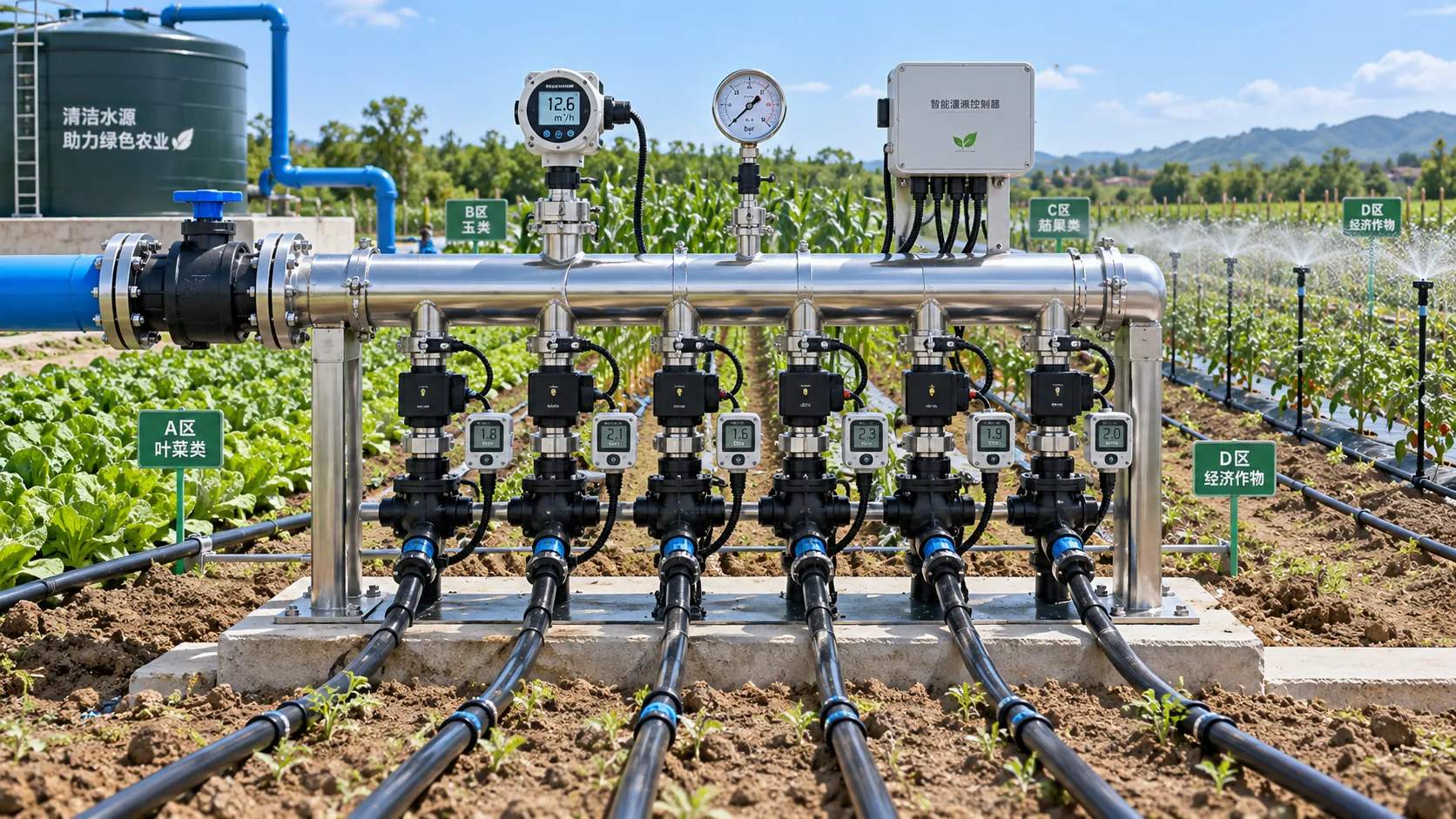
How to Select Smart Irrigation Valves for Multi-Zone Water Management?
Intelligent irrigation systems valves: learn how to match smart valves with multi-zone flow, pressure, control, feedback, and communication needs for reliable water management.
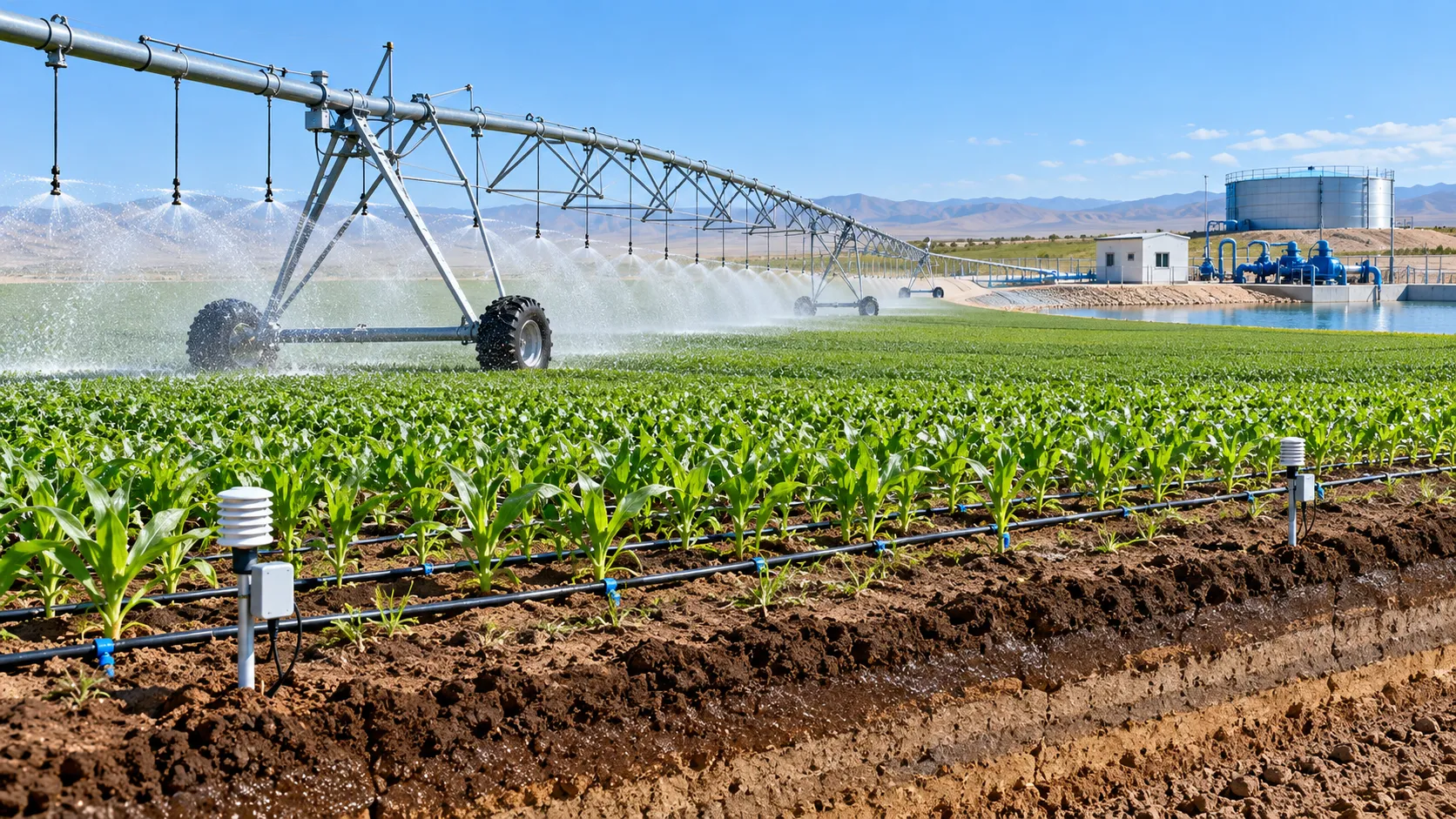
Climate-Smart Farming for Drought: A Practical Plan for Protecting Yields
Climate-smart farming for drought: build smarter water budgets, protect critical crop stages, improve irrigation uniformity, and safeguard yields with practical field-proven strategies.
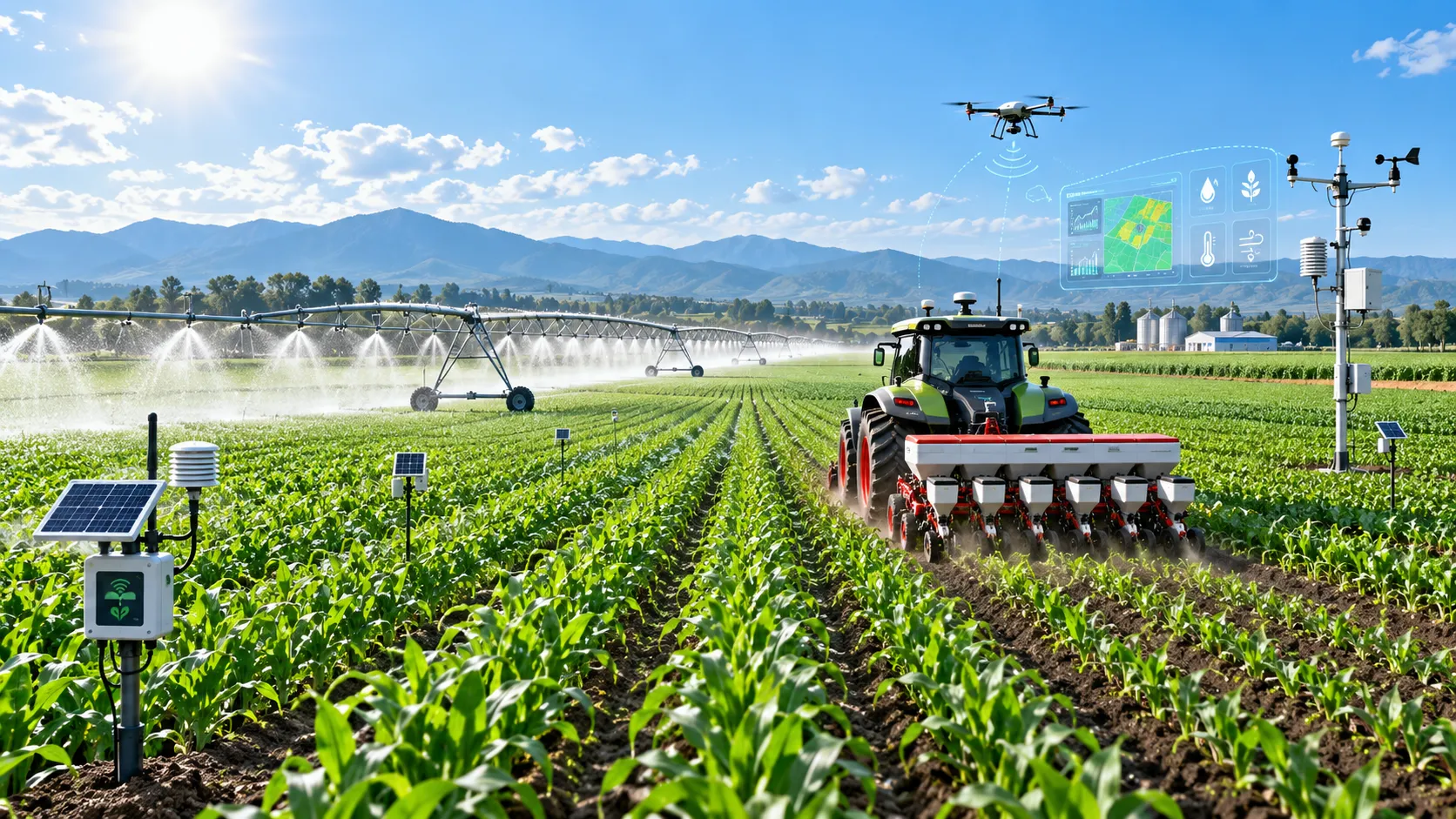
How Digital Agriculture Platforms Turn Field Data Into Better Input Decisions
Digital agriculture platforms turn field data into smarter fertilizer, water, seed, and equipment decisions—helping farms cut risk, improve margins, and scale sustainability.
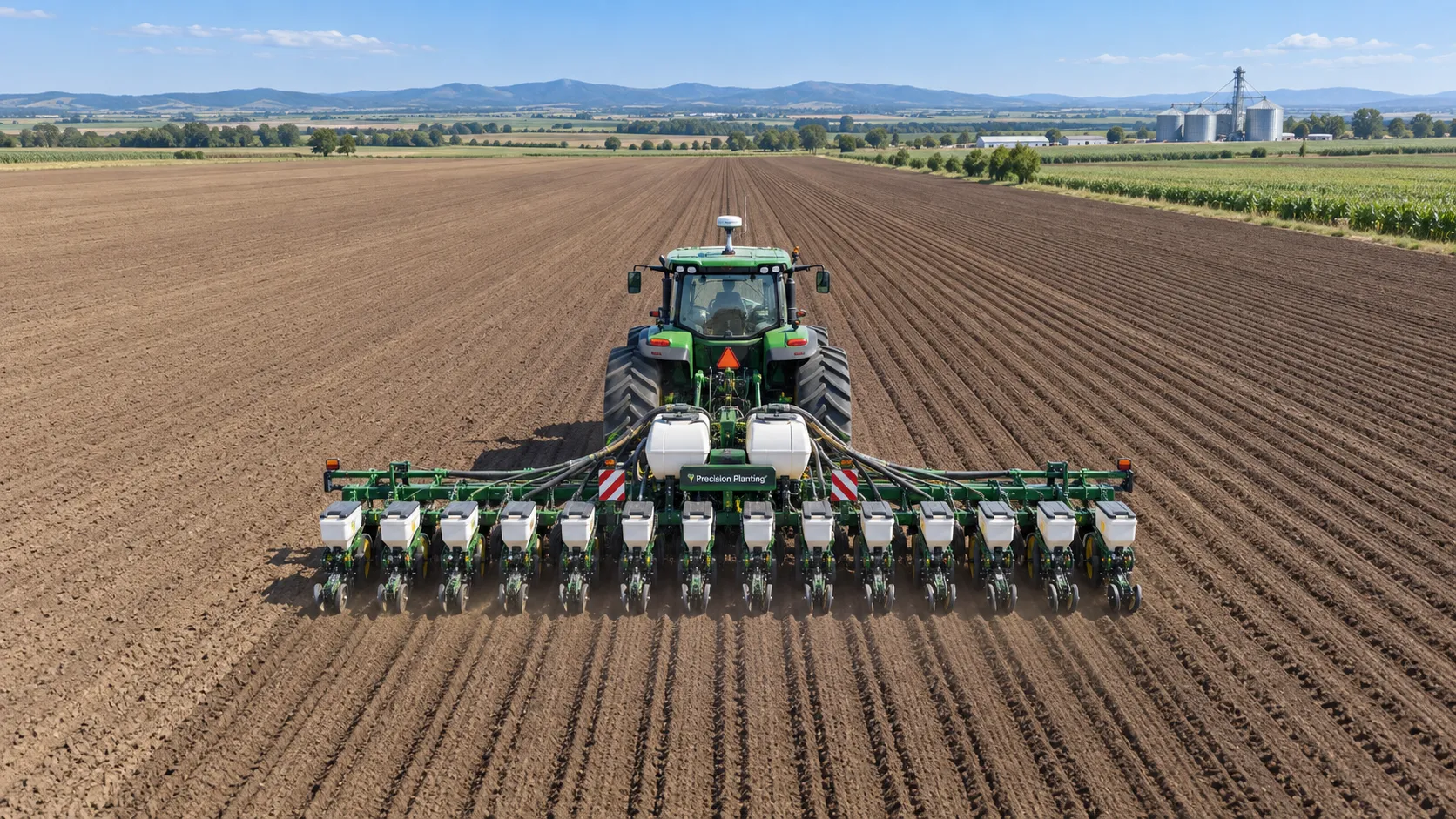
GPS-Guided Farm Machinery: Where It Delivers Measurable Field Efficiency Gains
Agri-mechanization GPS guided systems deliver measurable field efficiency gains through reduced overlap, precise planting, smarter inputs, and reliable farm data.
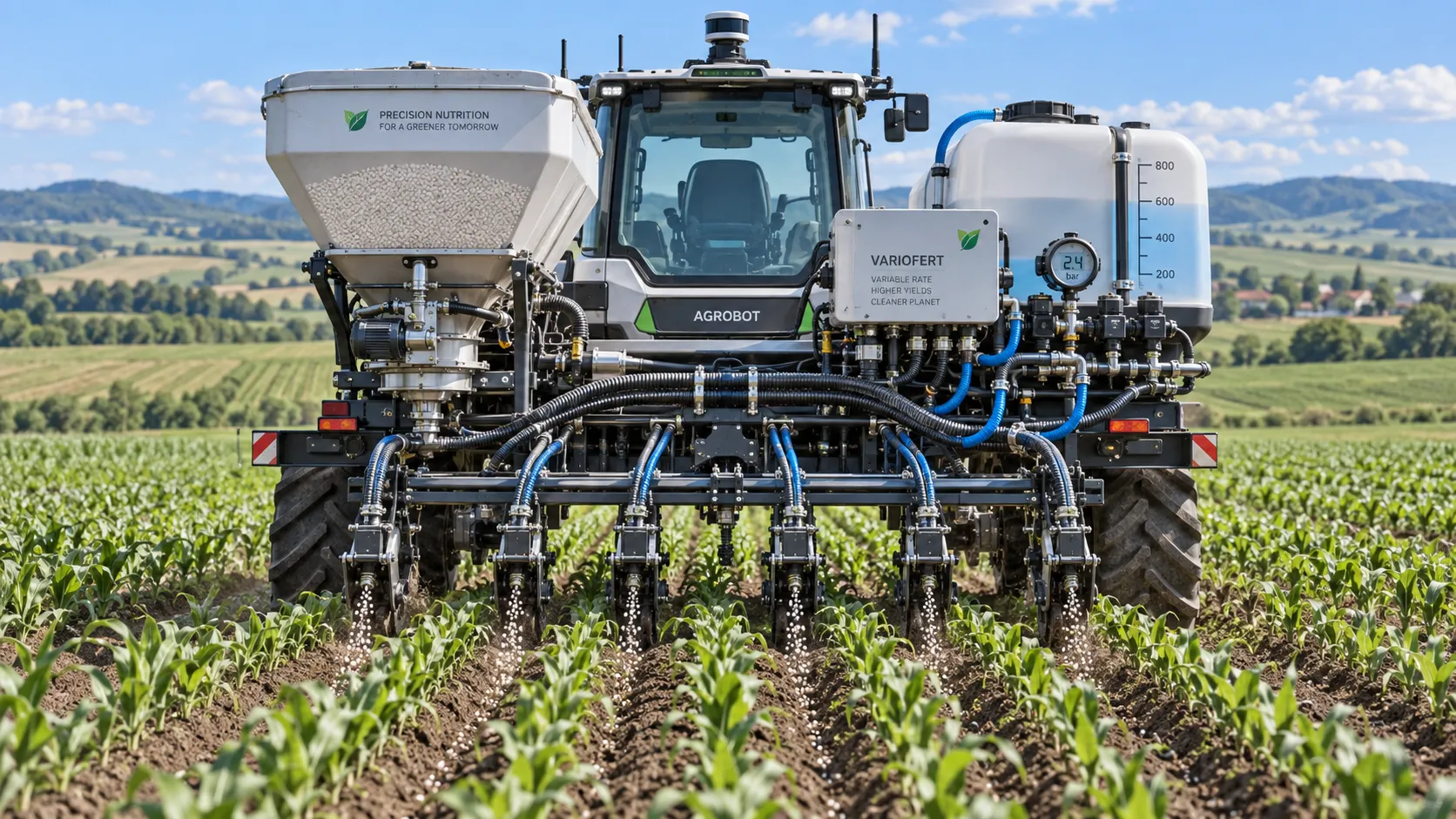
How Sensor Feedback Enables Accurate Variable-Rate Fertilization in Field Conditions
Precision fertilization systems with sensor feedback improve variable-rate accuracy by verifying flow, managing latency, and ensuring reliable field application.
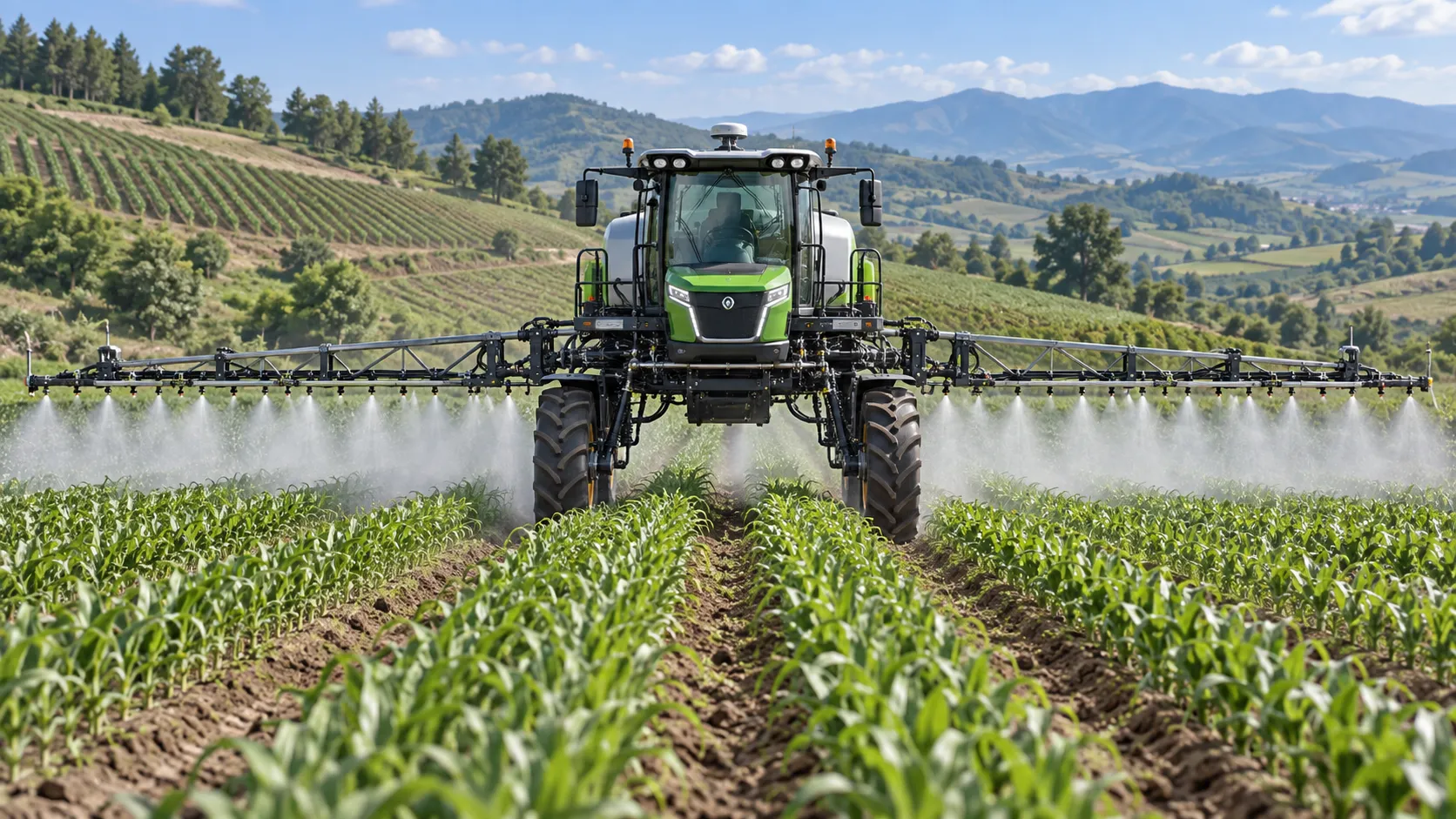
How to Select Precision Crop Protection Equipment for Variable Field Conditions
Precision crop protection equipment selection made simple: compare terrain, canopy, weather, control accuracy, and data workflows for reliable applications.

When Does Agricultural Machinery Leasing Cost Less Than Owning Equipment?
Agricultural machinery leasing can lower farm costs when use is seasonal or uncertain. Compare utilization, maintenance, cash flow, and risk to make a smarter equipment decision.
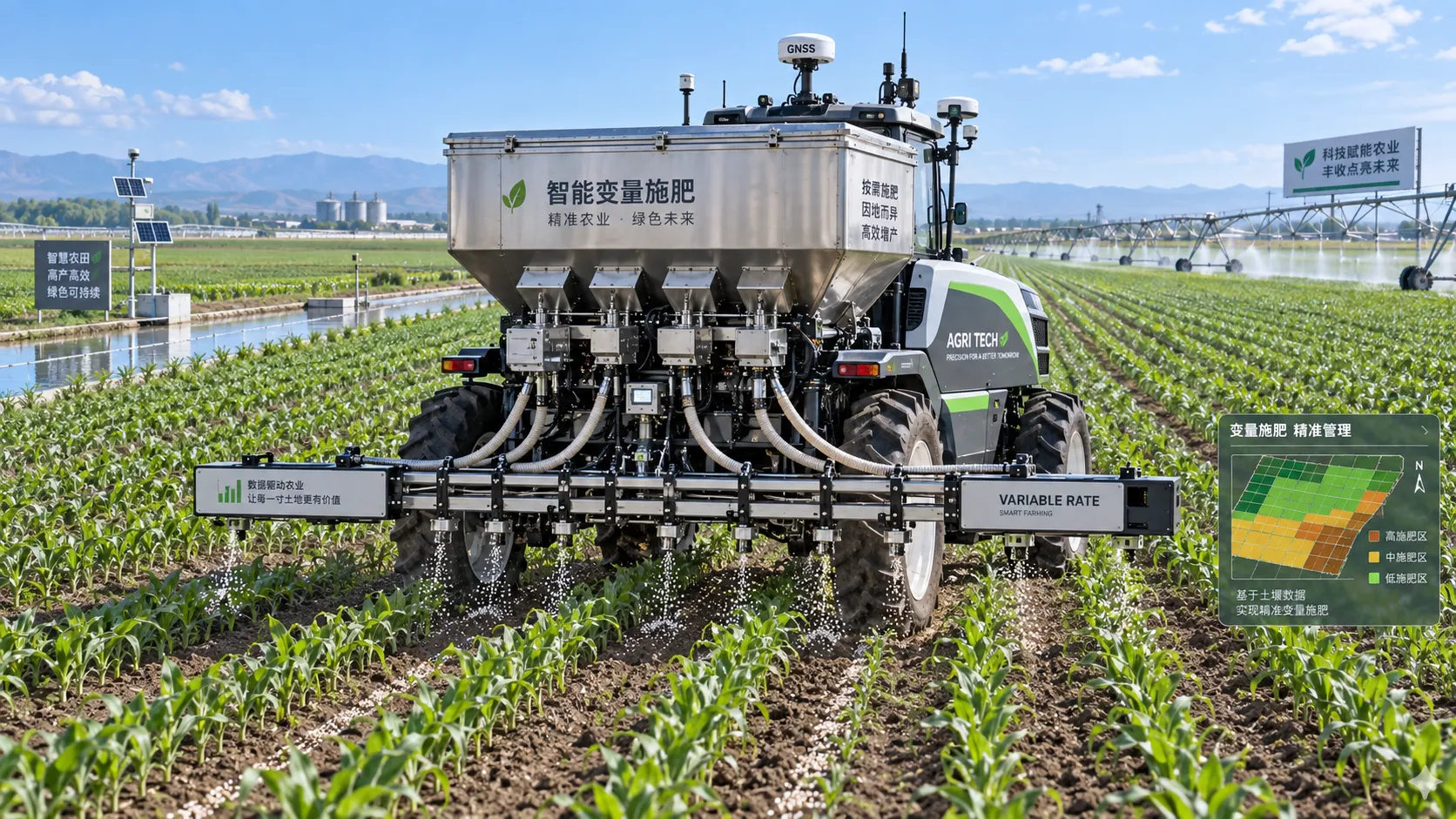
How to Evaluate Precision Fertilization System Suppliers for Farm-Scale Deployment
Precision fertilization systems suppliers: learn how to compare accuracy, integration, uptime, service, and total cost for confident farm-scale deployment.
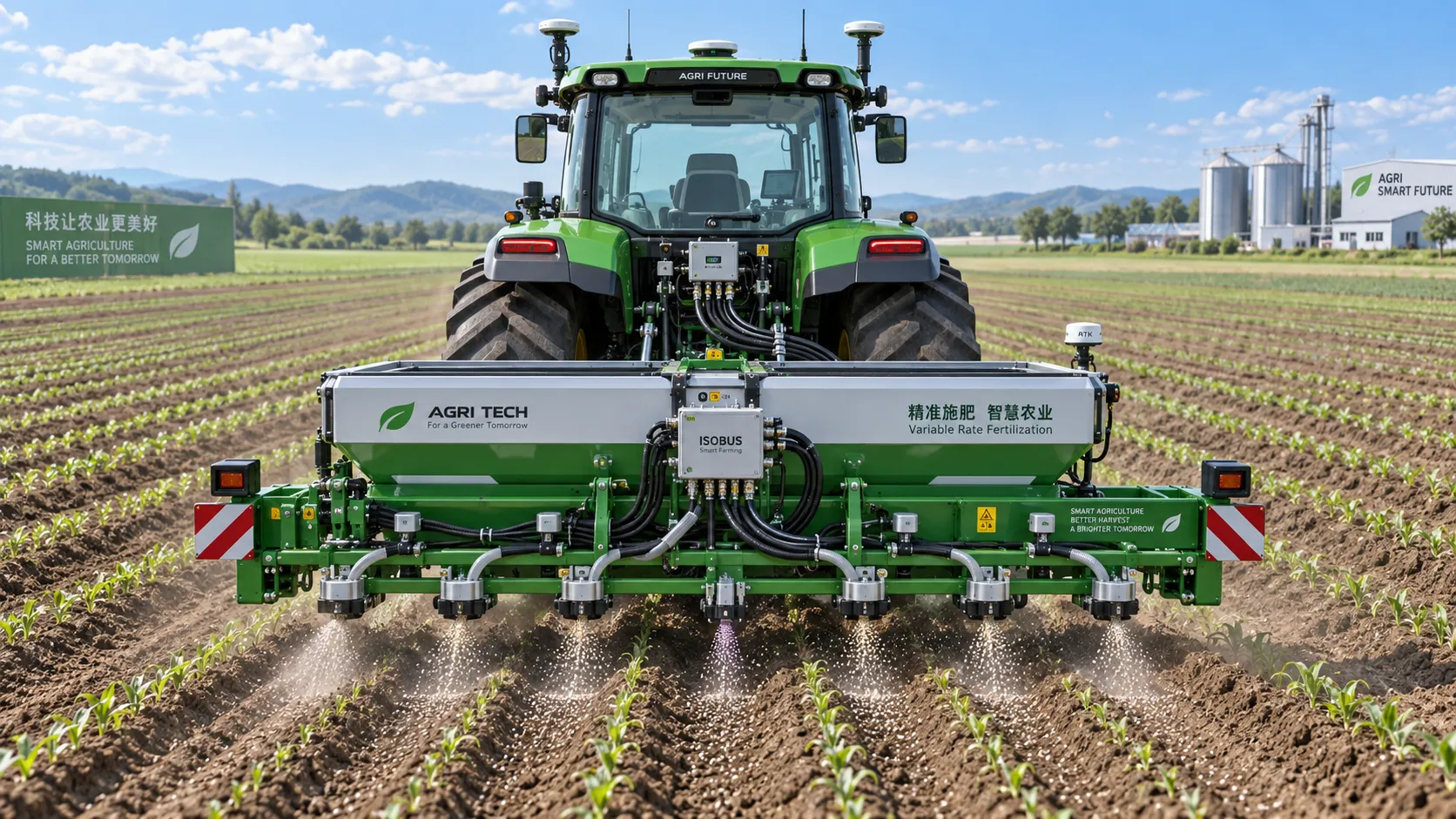
ISOBUS for Smart Agriculture: How It Connects Tractors, Implements, and Farm Data
ISOBUS for smart agriculture connects tractors, implements, terminals, and farm data—helping growers improve precision, documentation, and smarter field decisions.
Related News
- 00
0000-00
Tractor Chassis Price: What Buyers Should Compare Beyond the Initial Quote - 00
0000-00
How Digital Agriculture Platforms Turn Field Data Into Better Input Decisions - 00
0000-00
When Does Agricultural Machinery Leasing Cost Less Than Owning Equipment? - 00
0000-00
Selecting Grain Farm Equipment by Acreage, Crop Mix, and Harvest Window - 00
0000-00
Poultry Equipment Selection: Evaluating Durability, Cleaning, and Compatibility
Popular Tags
Ms. Elena Rodriguez
Weekly Insights
Stay ahead with our curated technology reports delivered every Monday.