



How Digital Agriculture Platforms Turn Field Data Into Better Input Decisions
Digital agriculture platforms are reshaping how enterprise leaders convert field data into confident input decisions. By connecting machinery performance, satellite insights, sensor feedback, and irrigation intelligence, these platforms help farms optimize fertilizer, water, seed, and equipment use at scale.
For decision-makers navigating food security, cost pressure, and sustainability targets, actionable agricultural data is becoming the foundation of more productive, resilient operations.
Search Intent: What Enterprise Leaders Need to Know
Readers searching for digital agriculture platforms usually want more than a technical definition. They want to understand whether connected field data can improve investment decisions, reduce input risk, and produce measurable operating returns.
Enterprise leaders are especially concerned with fragmented data, uncertain technology adoption, unpredictable weather, rising fertilizer costs, labor shortages, and the challenge of proving sustainability claims across large agricultural operations.
The most useful content therefore explains practical business value. It should show how data becomes a decision, where financial gains occur, what implementation risks exist, and which operating conditions justify investment.
General claims about smart farming are less useful than decision frameworks. Executives need clarity on data quality, integration requirements, ownership models, performance indicators, and the relationship between platform adoption and input efficiency.
Why Field Data Alone Does Not Improve Input Decisions
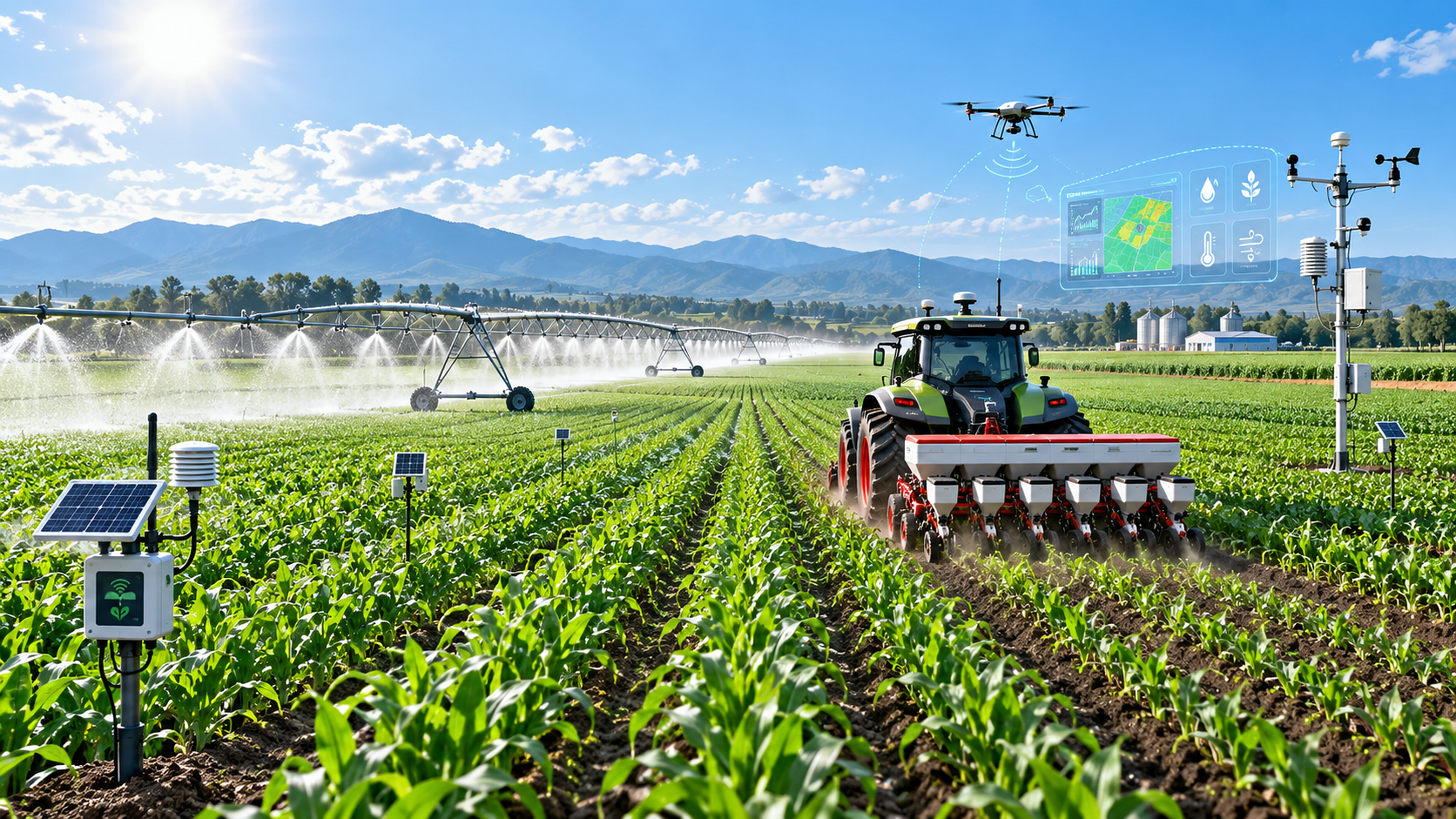
Modern farms generate substantial data through tractors, combine harvesters, yield monitors, soil probes, weather stations, irrigation controllers, drones, and satellite imagery. Yet volume alone does not create operational value.
Data becomes valuable only when it is organized around a specific management question. For example, leaders may need to determine where fertilizer response is declining, where irrigation losses are increasing, or where machinery capacity limits planting windows.
Without a connected platform, these signals often remain isolated. Agronomists may work from soil reports, machinery teams may use telematics dashboards, and finance teams may review input spending without field-level context.
This separation creates delayed decisions and conflicting priorities. A farm may reduce fertilizer spending globally, for instance, while unintentionally reducing nutrients in high-response zones that generate the strongest marginal return.
Digital agriculture platforms address this problem by creating a shared operating picture. They combine data sources, apply rules or models, and translate technical observations into recommendations that managers can evaluate.
For enterprise agriculture, the critical capability is not merely collecting information. It is connecting agronomic, operational, financial, and environmental signals so that each input decision reflects whole-farm priorities.
How Digital Agriculture Platforms Create a Decision Chain
Effective digital agriculture platforms typically follow a clear decision chain: capture conditions, interpret variation, recommend action, execute through equipment, and measure the resulting economic and agronomic outcome.
The first stage is data capture. Field boundaries, crop history, soil texture, elevation, rainfall, evapotranspiration, machine passes, fuel use, and yield records establish the baseline for operational analysis.
The second stage is interpretation. Algorithms and agronomic rules identify patterns that may be difficult to see in isolated spreadsheets, such as recurring low-yield areas, uneven water distribution, or delayed field operations.
Recommendations then convert patterns into choices. A platform may propose variable-rate nitrogen zones, adjusted seeding populations, irrigation schedules, equipment routing changes, or targeted maintenance for a tractor fleet.
Execution matters because recommendations that cannot reach field equipment create little value. The strongest platforms integrate with guidance systems, controllers, task management tools, and compatible machinery data standards.
Finally, the platform compares planned and actual performance. Managers can assess whether prescribed rates were applied, whether water use matched targets, and whether outcomes justified the operational change.
This closed loop distinguishes genuine decision systems from simple reporting tools. It enables learning across seasons, fields, crop types, equipment models, and regional production environments.
Where the Biggest Input Savings Usually Come From
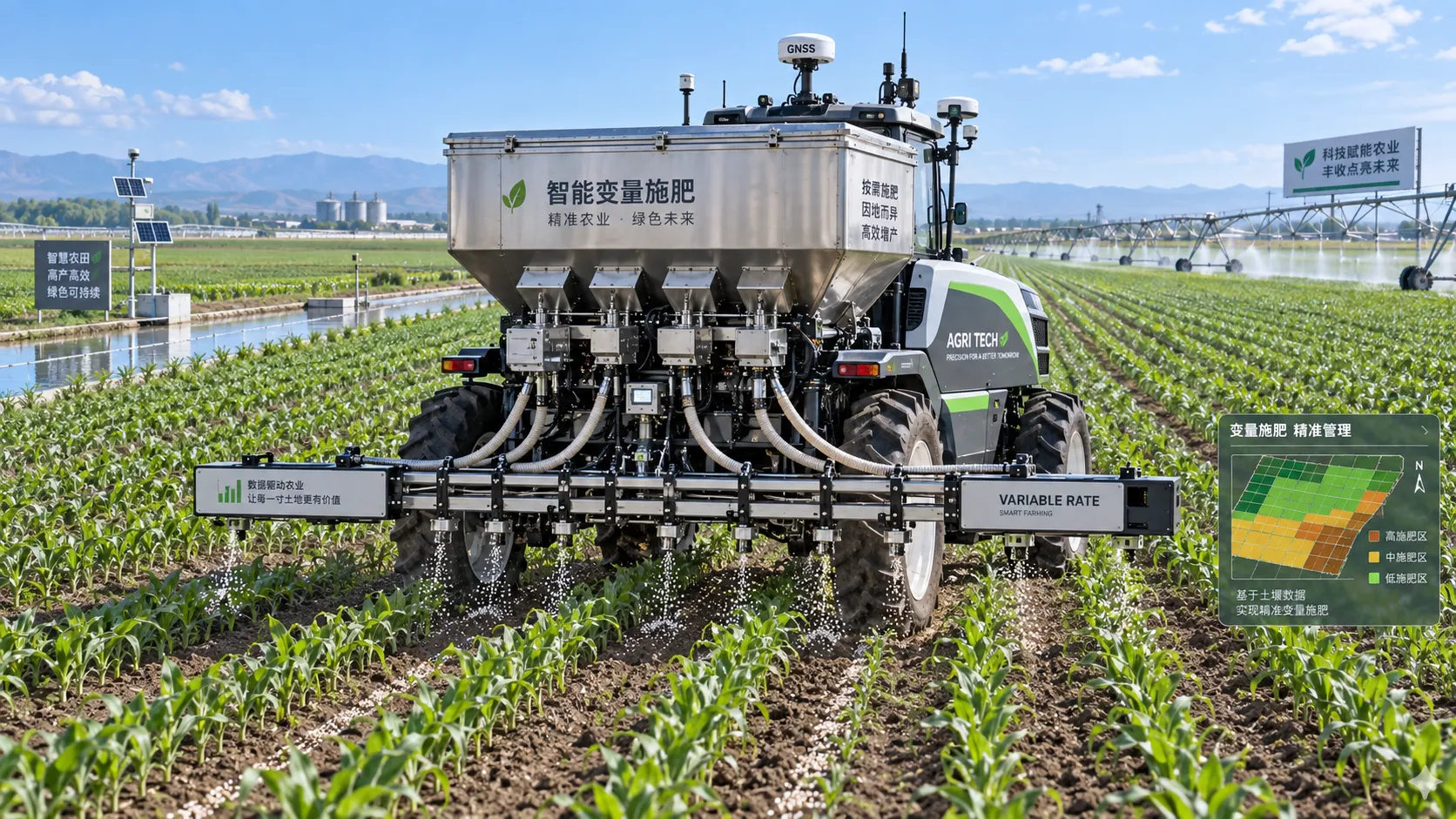
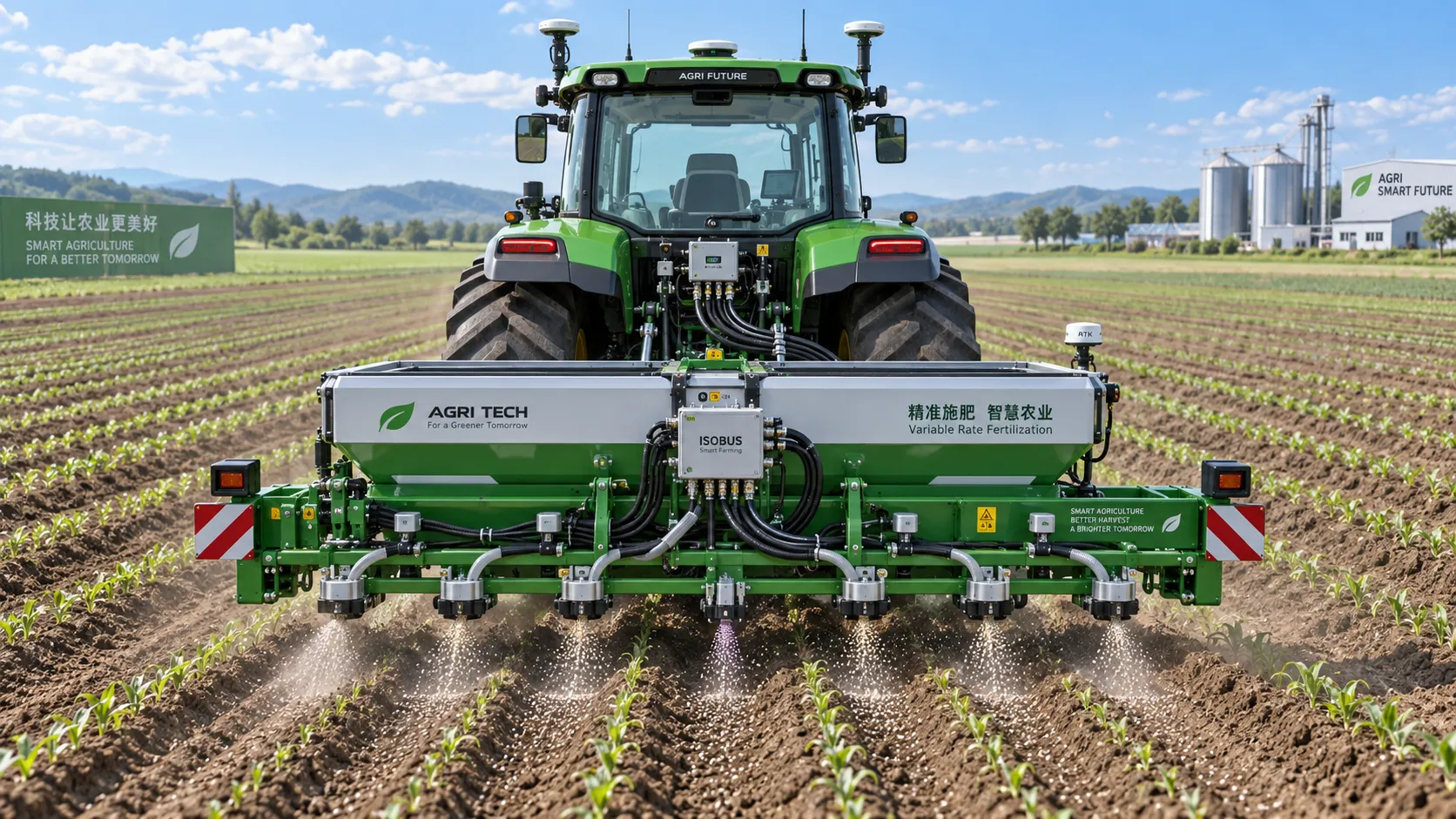
For large farms, fertilizer is often the most visible opportunity because nutrient costs are high and field response varies widely. Uniform application can overfeed low-response zones while underfeeding profitable areas.
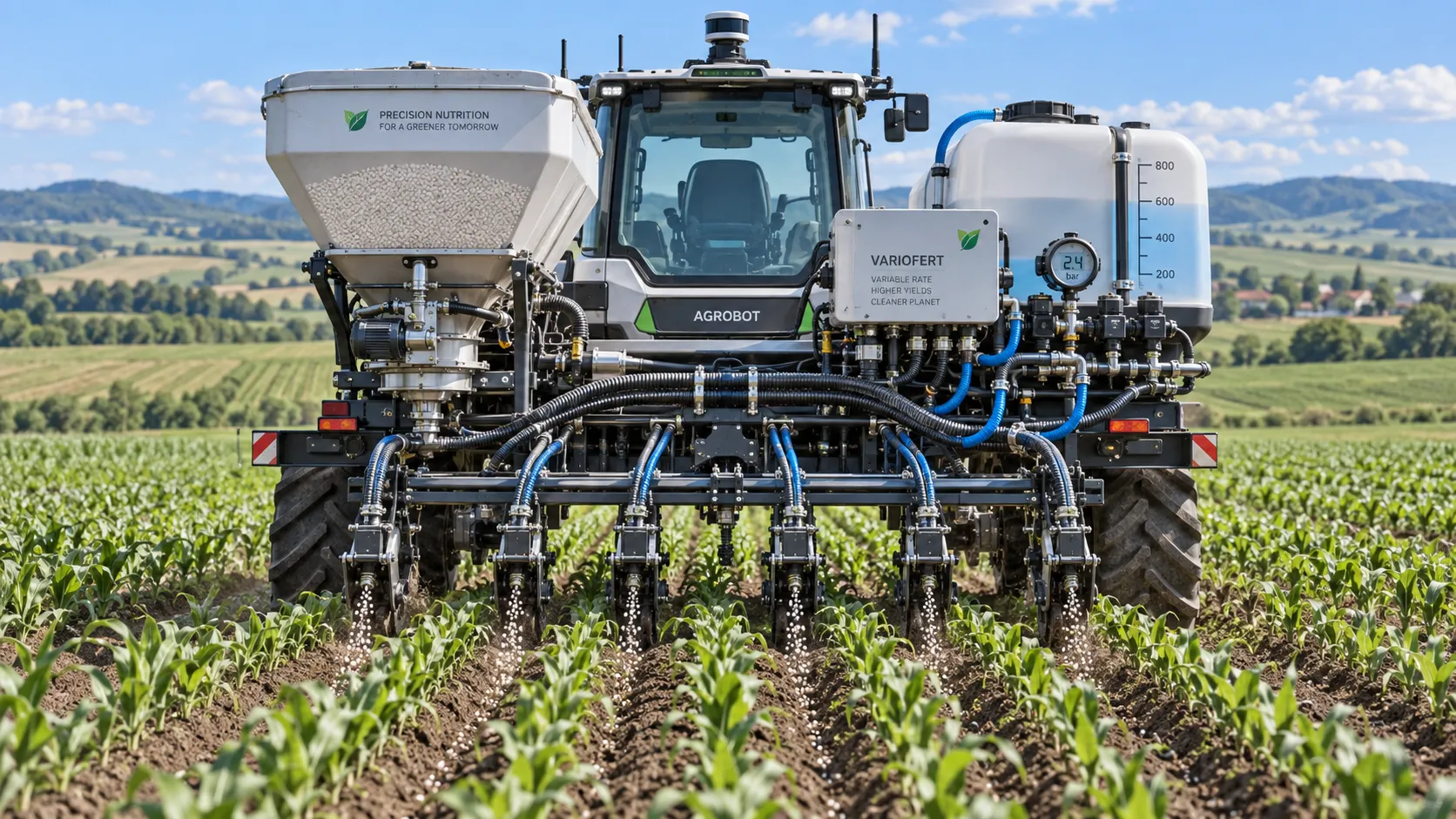
Platforms combine soil results, historical yield maps, vegetation indices, crop growth models, and weather forecasts to support variable-rate nutrient plans. The objective is not always lower application volume.
The stronger objective is improved nutrient productivity. A farm may maintain total nutrient use while shifting product toward zones where yield response and gross-margin potential are higher.
Water is another major decision area, particularly where scarcity, energy costs, allocation limits, or pumping capacity constrain production. Irrigation intelligence helps leaders prioritize water according to crop stress and economic value.
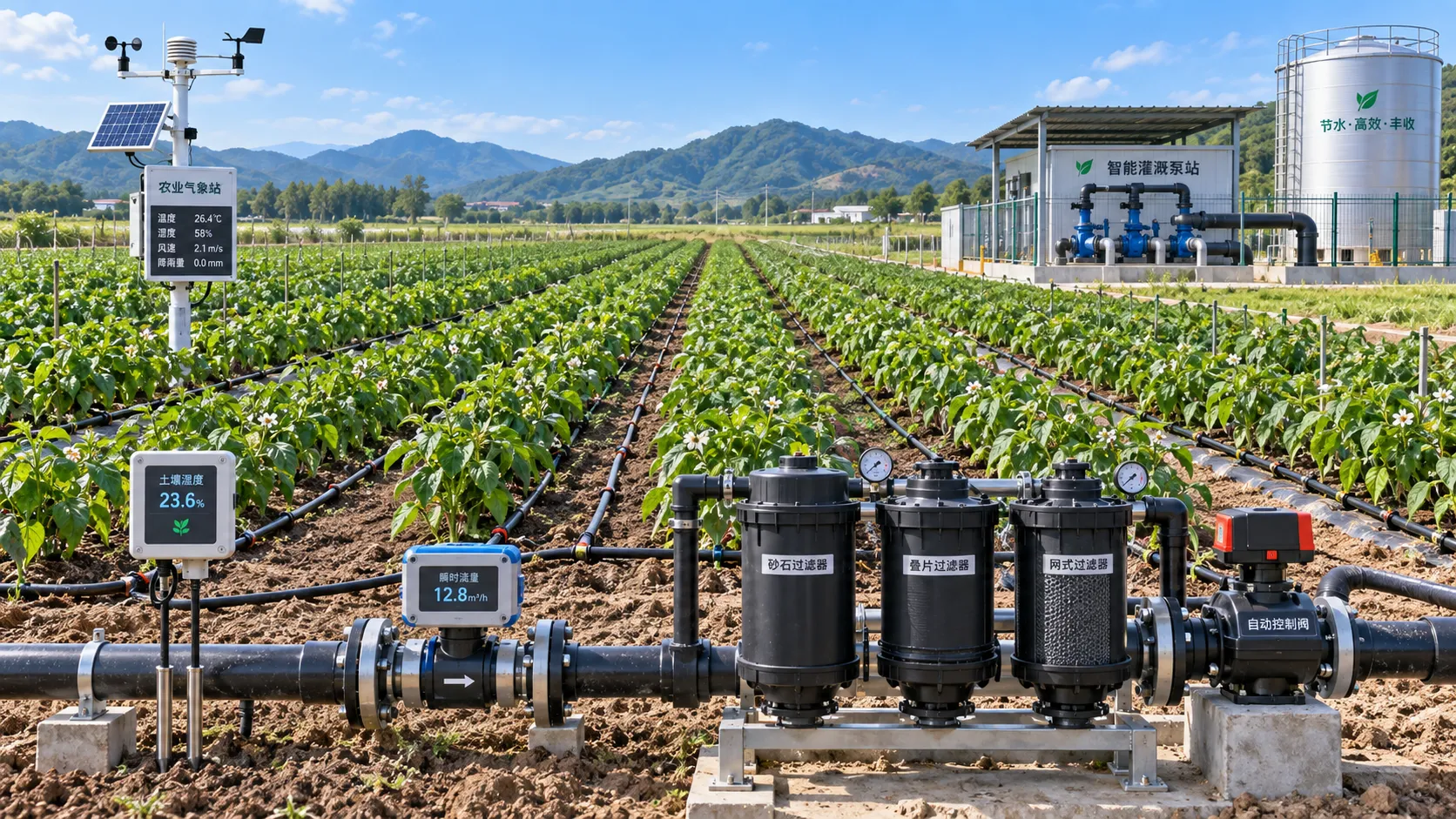
Sensor readings, flow meters, weather data, soil moisture profiles, and transpiration models can reveal when irrigation is unnecessary, insufficient, unevenly distributed, or scheduled at an inefficient time.
Seed decisions also improve when farms analyze field variability. Planting density, hybrid selection, emergence conditions, and historical yield stability can guide prescriptions that better match local production potential.
Crop protection decisions benefit from earlier detection and more precise targeting. Remote sensing and scouting workflows can identify areas requiring attention, reducing broad preventive applications where risk remains low.
Equipment inputs deserve equal attention. Fuel, labor hours, maintenance parts, and machine capacity directly affect production costs, especially when narrow weather windows make operational delays expensive.
Connecting Machinery Performance to Agronomic Decisions
Enterprise farms often treat machinery management and agronomy as separate disciplines. In practice, equipment performance strongly influences input effectiveness, timing, crop establishment, harvest quality, and field profitability.
A tractor’s traction, hydraulic performance, implement control, and fuel efficiency affect whether a prescribed operation is completed accurately. Poor execution can erase the value of an otherwise sound recommendation.
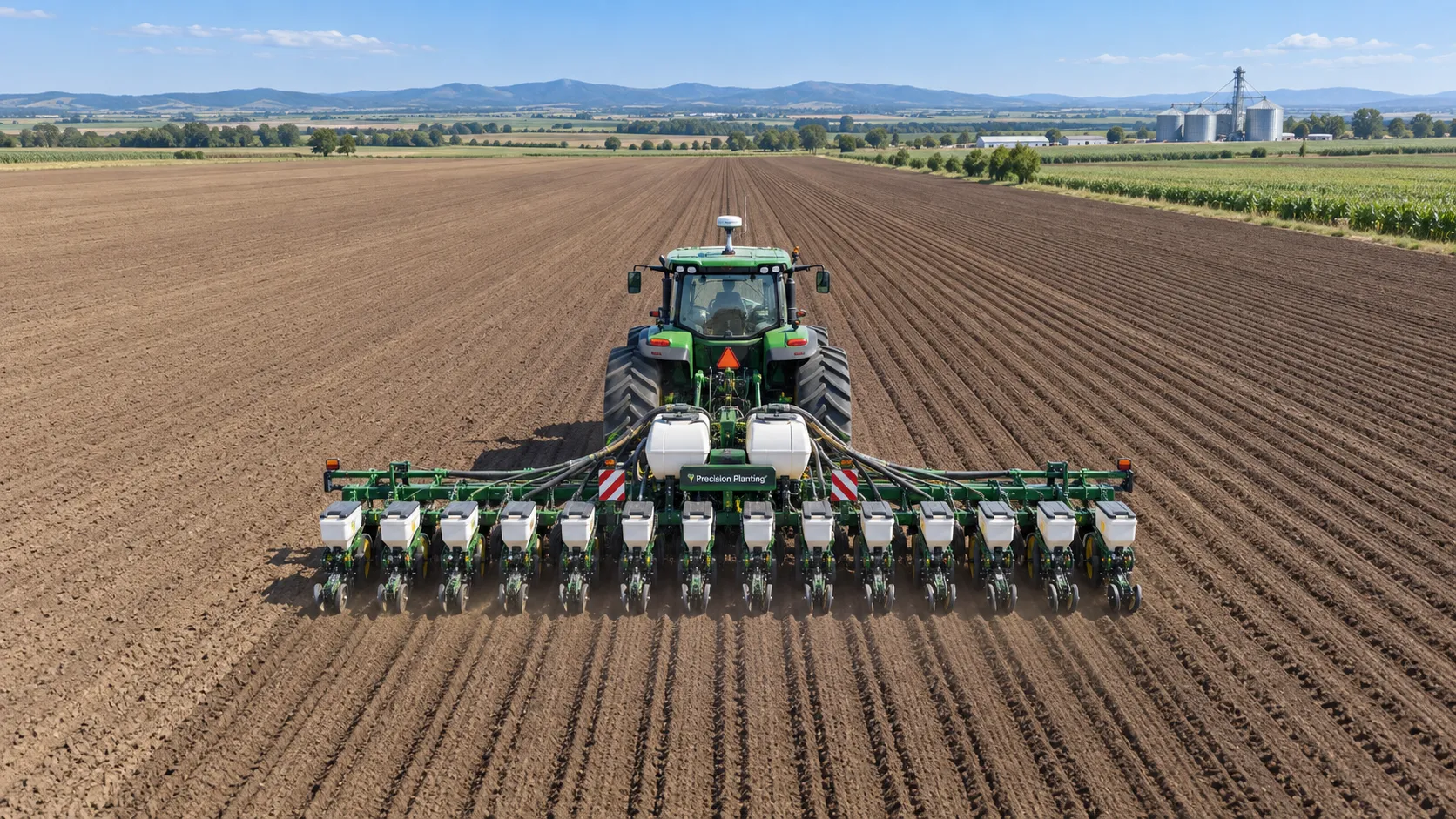
For planting operations, platforms can compare planned populations with actual application records, monitor speed consistency, flag row-unit variation, and identify conditions associated with uneven emergence or reduced stand quality.
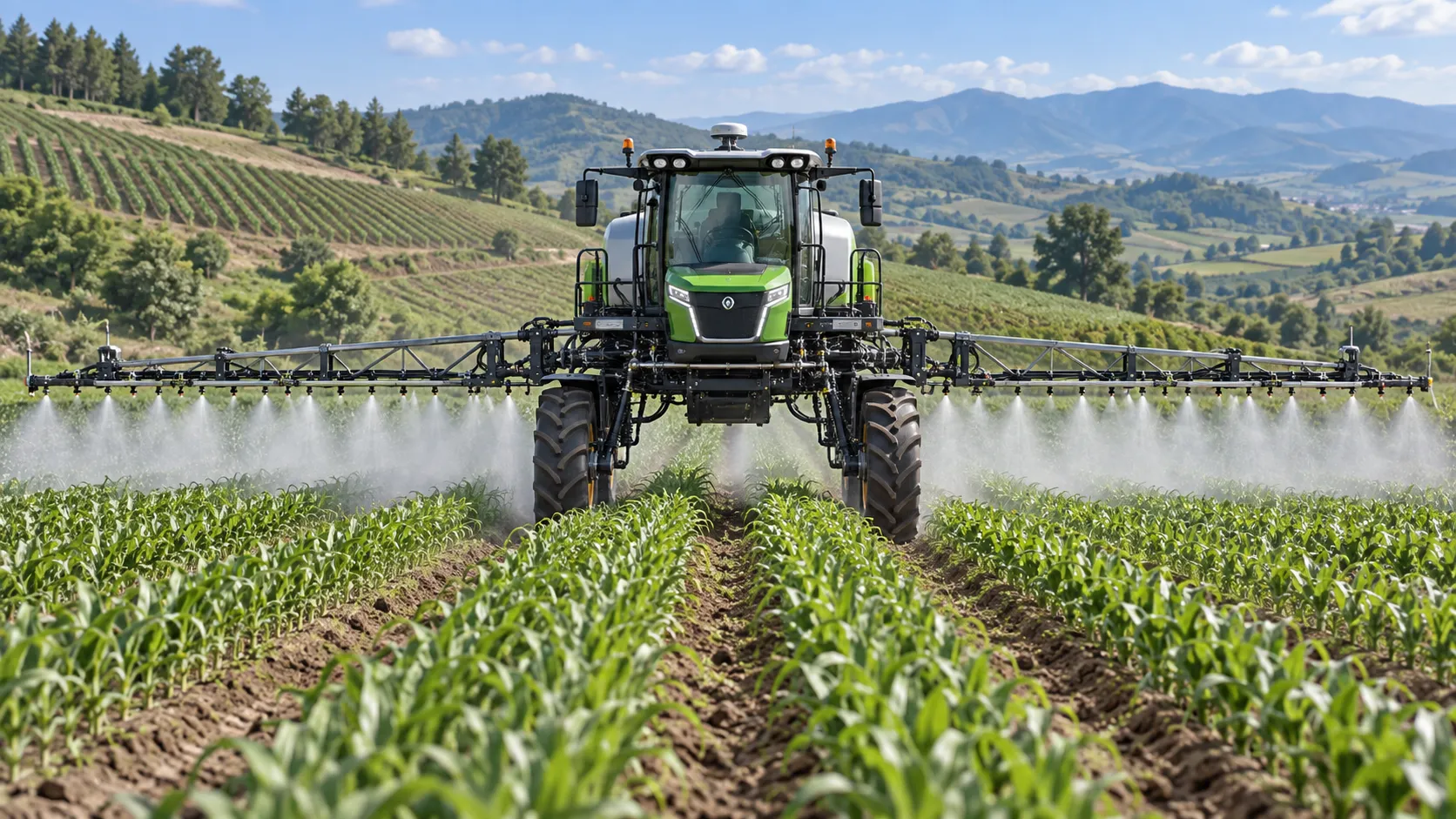
During spraying and fertilizing, connected equipment data helps confirm rate accuracy, coverage, overlap, and operational timing. These details matter when chemical costs rise or environmental compliance becomes more demanding.
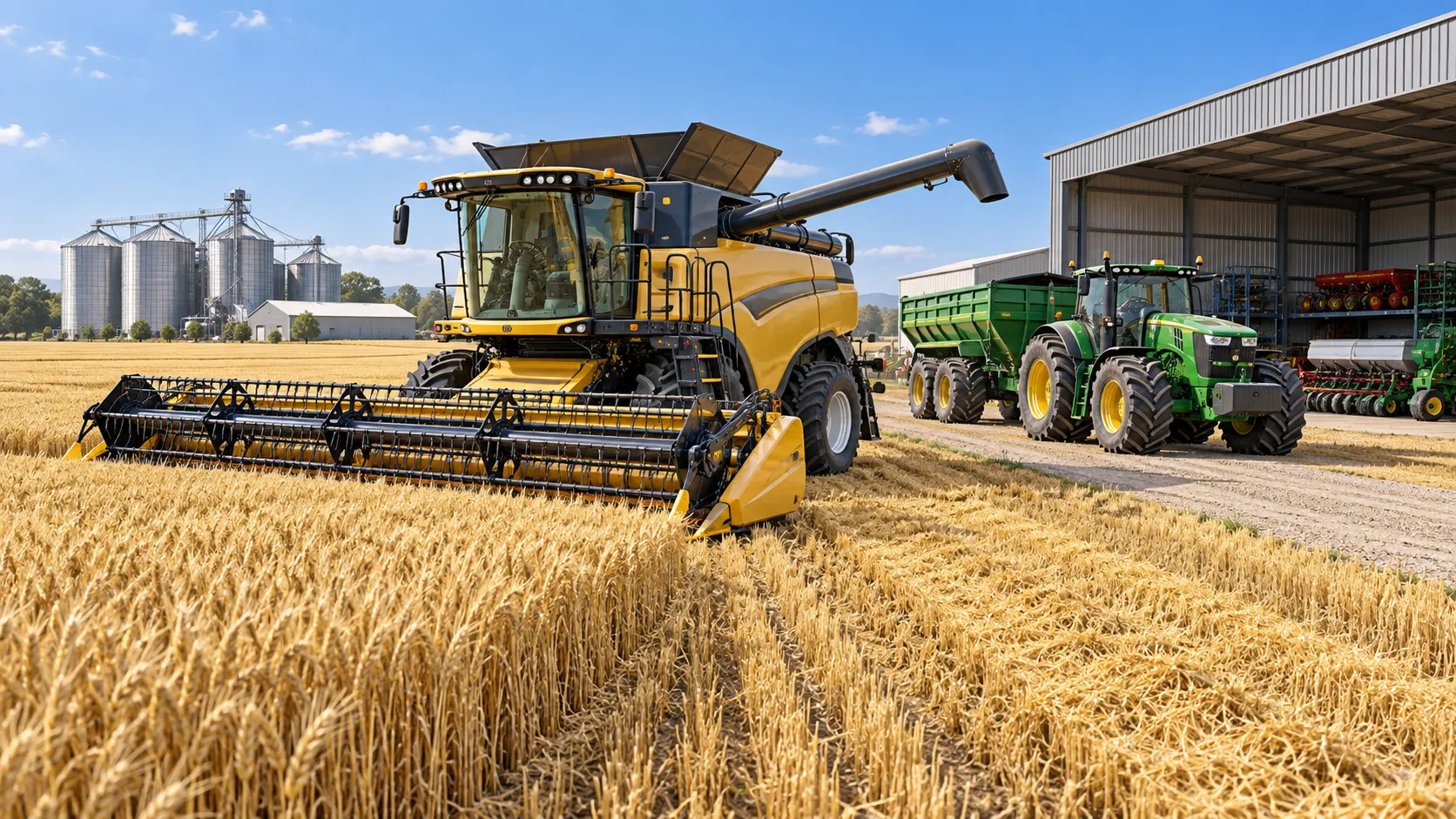
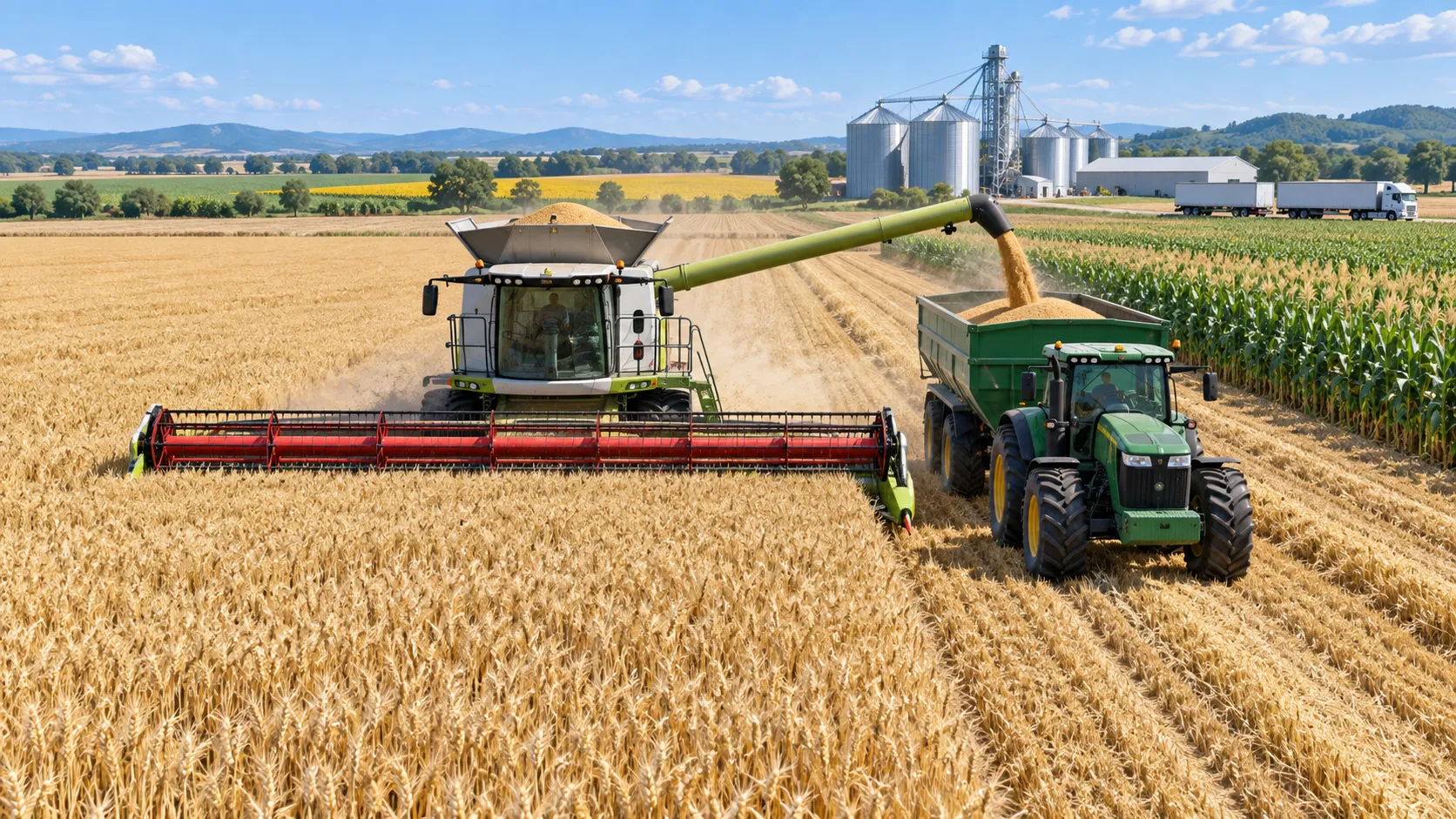
Combine harvesters provide another critical data stream. Yield maps, grain moisture, cleaning losses, machine settings, and throughput data can reveal whether field variability or equipment configuration caused performance gaps.
When harvest information feeds the next season’s planning cycle, it becomes a strategic input. Managers can link yield outcomes to seed choices, nutrient programs, irrigation events, and operational timing.
Digital agriculture platforms are therefore most effective when they treat machinery data as decision evidence rather than a maintenance-only dataset. This creates alignment between capital utilization and crop performance.
Using Irrigation Intelligence to Protect Margin and Resilience
Water management is increasingly a board-level issue for agricultural enterprises. Climate volatility, groundwater restrictions, energy expenses, and public scrutiny make irrigation efficiency central to both profitability and license to operate.
A digital platform can combine forecasts, soil moisture, crop stage, irrigation capacity, flow data, and field-zone variability. This helps managers decide not simply when to irrigate, but where limited water creates the greatest value.
For example, a water-stressed operation may prioritize high-value crop blocks, growth stages with the greatest yield sensitivity, or zones with adequate rooting depth and stronger expected response.
Smart irrigation decisions also require verification. Platforms should identify whether commanded irrigation events actually occurred, whether emitters performed consistently, and whether water reached the intended root zone.
These capabilities are especially valuable for large, distributed operations where manual inspection is difficult. Central visibility enables irrigation teams to identify pressure anomalies, leaks, blocked lines, or scheduling conflicts earlier.
The business case should include more than water savings. Leaders should evaluate yield protection, energy reduction, avoided crop stress, compliance readiness, and the ability to defend water-use decisions with evidence.
What Executives Should Measure Before Approving a Platform
Technology investments should begin with defined business metrics. A digital agriculture platform should be evaluated against decisions that currently create cost, delay, risk, or missed production opportunity.
Start with input intensity metrics, including fertilizer cost per productive hectare, water applied per unit of output, seed cost by management zone, chemical spend by crop stage, and fuel use per operation.
Then examine execution quality. Useful measures include prescription compliance, application accuracy, planting completion within target windows, irrigation schedule adherence, machine downtime, and harvest losses under varying conditions.
Financial indicators should connect agronomy to margin. Gross margin per hectare, contribution margin by zone, cost of production, avoided rework, and return on machinery utilization are more useful than dashboard engagement statistics.
Environmental performance should also be measurable. Relevant indicators include nitrogen-use efficiency, water productivity, runoff risk exposure, energy consumption, emissions intensity, and documented compliance with regional requirements.
It is important to establish a baseline before deployment. Without historical performance, farms may attribute normal seasonal variation to the platform or fail to recognize genuine operational improvement.
Leaders should ask vendors how recommendations are validated. A credible answer includes methodology, local calibration, confidence levels, audit trails, and practical ways to compare prescribed actions with realized outcomes.
Choosing the Right Operating Model for Scale
Not every agricultural enterprise needs the same platform architecture. The correct model depends on farm size, crop diversity, equipment mix, regional spread, internal expertise, and the maturity of existing data systems.
Large integrated producers often need enterprise platforms that support multiple farms, role-based access, centralized reporting, and connections to procurement, finance, compliance, and equipment management systems.
Specialized irrigation operations may prioritize water accounting, sensor integration, pump monitoring, weather intelligence, and variable-rate irrigation control over broad machinery or commodity-management features.
Contractors and machinery distributors may focus on fleet utilization, remote diagnostics, service scheduling, and machine performance benchmarking. Their platform value comes from asset productivity and customer support.
A modular approach can reduce adoption risk. Enterprises may begin with a high-value use case, such as irrigation optimization or nitrogen management, then expand after proving integration and operational acceptance.
However, overly fragmented tools can recreate the original data problem. Platform selection should include an integration roadmap that identifies required data standards, equipment interfaces, and long-term ownership responsibilities.
Common Risks That Can Undermine Platform Value
The most common failure is poor data governance. Inconsistent field names, incomplete boundaries, missing crop records, unreliable sensors, and incompatible machinery files can reduce confidence in recommendations.
Ownership is another concern. Enterprise leaders should understand who controls raw data, derived insights, third-party access, retention periods, export rights, and the consequences of changing vendors later.
Adoption risk is equally significant. A technically capable system delivers limited value when agronomists, operators, irrigation managers, and finance teams do not use the same workflows or trust the outputs.
Platforms should support human judgment rather than obscure it. Users need clear explanations of why a recommendation was generated, which data informed it, and where uncertainty remains.
Connectivity limitations can affect remote farming regions. Offline capabilities, delayed synchronization, local controller compatibility, and realistic support processes should be tested before making enterprise-wide commitments.
Finally, avoid measuring success only through hectares connected or devices installed. Value appears when the organization changes decisions, executes them accurately, and improves margin or risk exposure.
A Practical Adoption Roadmap for Enterprise Agriculture
Begin with a specific decision that has measurable economic importance. Examples include reducing irrigation energy use, improving nitrogen allocation, lowering combine losses, or increasing planting-window completion rates.
Next, map the current process from data capture through execution and review. Identify who makes the decision, what information they use, where delays occur, and which systems remain disconnected.
Define a small set of performance indicators before launching a pilot. The pilot should cover enough field variability and operating conditions to test recommendations under realistic commercial pressure.
Involve machinery operators and agronomy teams early. Their input determines whether prescriptions are practical, whether field equipment can execute them, and whether operational exceptions are captured correctly.
Review results after a complete decision cycle, not just after data collection. Compare intended actions, actual field execution, costs, yield effects, and lessons for the following season.
Scale only after governance, workflow ownership, and integration responsibilities are clear. Expansion should preserve local agronomic flexibility while creating common reporting and accountability across the enterprise.
Conclusion: Better Decisions Are the Real Platform Product
Digital agriculture platforms are not valuable because they display more maps, charts, or machine signals. Their value lies in helping enterprises make better input decisions under economic, environmental, and operational uncertainty.
When field data connects fertilizer, water, seed, machinery, and harvest outcomes, leaders can move from broad assumptions toward targeted resource allocation and more defensible investment choices.
The strongest business case is built around measurable decisions: where to apply, when to irrigate, how to configure equipment, which zones deserve investment, and which practices create unnecessary cost.
For agricultural enterprises pursuing productivity, resilience, and sustainability, the strategic question is no longer whether data exists. It is whether the organization can convert that data into action at field scale.