
How to Evaluate Precision Fertilization System Suppliers for Farm-Scale Deployment
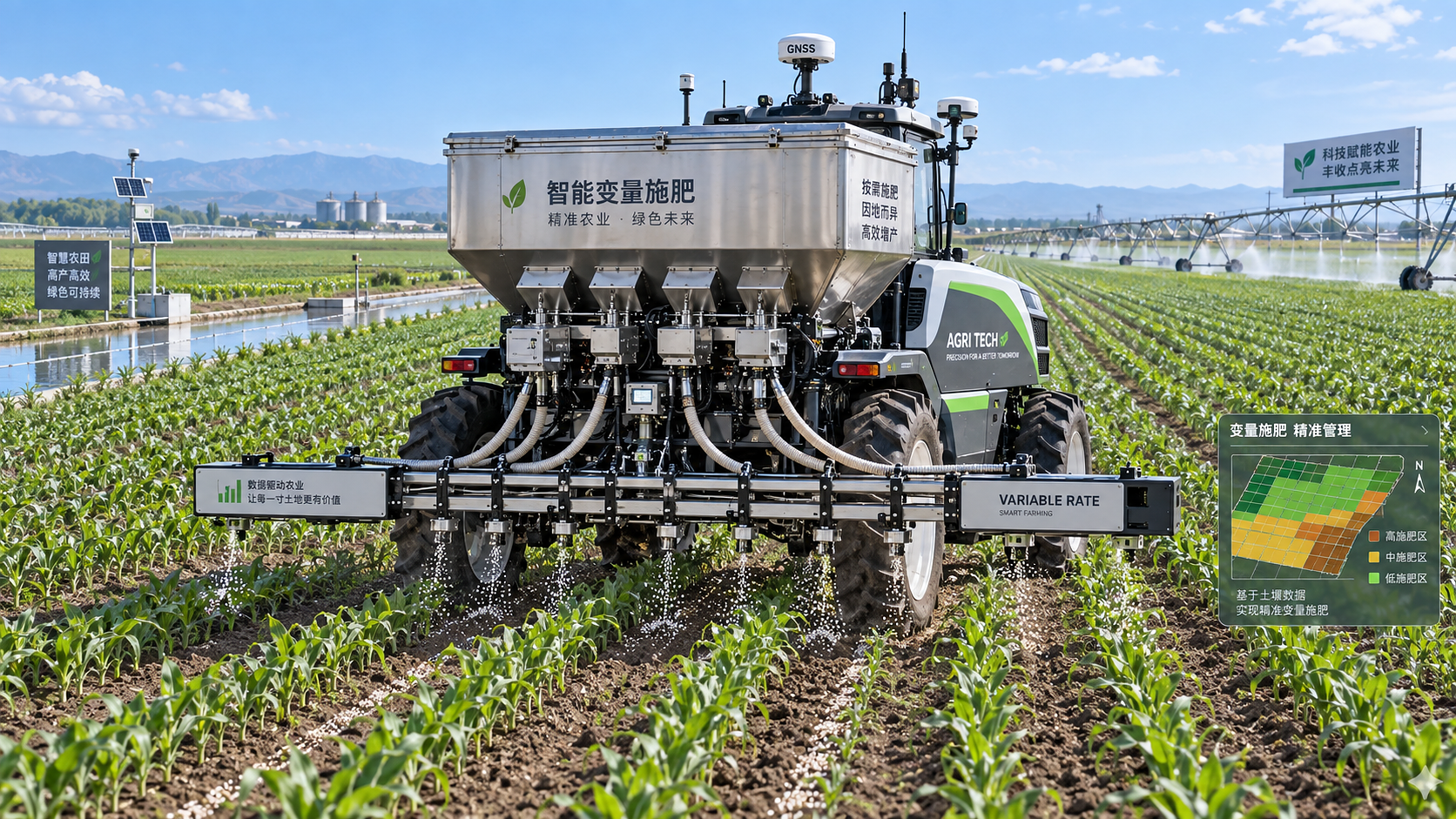




How to Evaluate Precision Fertilization System Suppliers for Farm-Scale Deployment
Selecting precision fertilization systems suppliers for farm-scale deployment requires more than comparing quoted equipment prices or advertised nutrient-saving percentages.
Procurement teams must verify whether a supplier can deliver repeatable application accuracy, integrate with existing farm data, support seasonal workloads, and remain accountable after installation.
The right system should improve nutrient placement and operational visibility without creating incompatible software, calibration burdens, or service risks during narrow application windows.
For large farms, the supplier decision is fundamentally a deployment decision rather than a simple product purchase decision.
Start With the Farm’s Actual Operating Requirements
Before contacting precision fertilization systems suppliers, procurement teams should define the operational problem the investment must solve across crops, fields, machinery, and seasons.
A farm applying granular fertilizer before planting has different needs from an operation using liquid nitrogen through high-clearance sprayers, pivots, drip systems, or side-dress equipment.
Document the farm’s annual application area, target hectares per day, typical field sizes, travel distances, operating speeds, and critical seasonal timing constraints.
These baseline numbers help buyers identify whether a proposed system has sufficient capacity for real farm-scale deployment rather than demonstration-scale operation.
Farm managers should also identify the fertilizers used most frequently, including dry blends, urea, ammonium nitrate, manure-based products, micronutrients, and liquid formulations.
Different fertilizer materials affect metering accuracy, corrosion exposure, tank design, flow control requirements, cleaning procedures, and sensor reliability.
A supplier should demonstrate experience with the products and application methods used on the farm, rather than relying only on generic performance claims.
Procurement specifications should include terrain, slope, soil variability, field boundary complexity, crop rotation, irrigation practices, and expected weather-related operating interruptions.
These conditions influence whether rate-control systems, section control, terrain compensation, and prescription maps will perform consistently in day-to-day operations.
Evaluate Application Accuracy Under Field Conditions
Application accuracy is usually the highest-value technical criterion because nutrient misplacement can reduce yield response while increasing fertilizer costs and environmental exposure.
Ask suppliers to distinguish between commanded application rate, measured output rate, and verified field-applied rate under normal operating conditions.
A system may accurately receive a digital prescription while still producing uneven distribution because of worn components, variable flow, terrain effects, or incorrect calibration.
Request evidence from independent tests, customer references, calibration records, or field trials that reflect comparable equipment sizes and fertilizer products.
For dry fertilizer equipment, examine metering consistency across different products, humidity levels, hopper volumes, application widths, and travel speeds.
For liquid systems, assess flow-meter precision, pump response time, nozzle variation, pressure stability, agitation design, and performance at low and high rates.
Precision fertilization systems suppliers should explain how their controls respond when the machine changes speed, enters irregular field zones, or crosses headlands.
Rate-response lag is especially important where prescription zones are small or highly variable, because delayed adjustments can distort nutrient placement.
Buyers should ask how frequently calibration is required, who performs it, what tools are needed, and how calibration results are documented.
A technically advanced system can become an expensive liability when operators cannot maintain accuracy without repeated specialist support during the season.
Check Variable-Rate Capability Beyond Marketing Claims
Variable-rate fertilization only creates value when rate changes are precise, agronomically justified, and practical for operators to execute across thousands of hectares.
Suppliers should show how their system receives, interprets, and applies prescription maps created from soil tests, yield data, remote sensing, or agronomic recommendations.
Confirm the supported file formats, spatial data standards, controller interfaces, map-resolution limits, and procedures for handling overlapping or incomplete prescriptions.
Ask whether the system can apply multiple products or rates independently, especially when nitrogen, phosphorus, potassium, sulfur, or micronutrients require separate treatment strategies.
Multi-bin spreaders and multi-channel liquid systems may offer flexibility, but their complexity should be matched to the farm’s agronomic program.
Procurement teams should request a live workflow demonstration from prescription creation through equipment loading, field execution, as-applied recording, and reporting.
This demonstration often reveals hidden manual steps, unsupported file conversions, delayed synchronization, or operator dependencies that brochures do not disclose.
Evaluate how easily managers can override prescriptions when weather, crop condition, equipment availability, or new agronomic information changes the original plan.
Strong systems maintain traceability when rates are changed, allowing farms to understand what was planned, what was applied, and why deviations occurred.
Assess Data Compatibility and Integration Readiness
For Agriculture 4.0 operations, a precision fertilization system should function as part of the farm’s data environment rather than as an isolated machine platform.
Buyers should map current technology assets, including tractors, spreaders, sprayers, irrigation controls, farm management software, telemetry platforms, and agronomy databases.
Ask each supplier whether its hardware supports common positioning systems, machine protocols, task-control standards, and third-party farm management platforms.
Compatibility with ISOBUS, GNSS correction services, variable-rate controllers, and established data formats can reduce implementation time and future replacement risk.
However, compatibility claims should be tested carefully because basic display connection does not necessarily provide full task control, section control, or automated documentation.
Ask suppliers to state which functions are native, which require paid licenses, which rely on third-party devices, and which remain unavailable.
Data ownership must also be addressed in the purchasing process, particularly where systems transmit field records, machine performance information, or crop management data.
Contracts should clarify who owns the data, where it is stored, whether it can be exported, how long it is retained, and how access is protected.
A supplier with open export options and documented interfaces generally creates less long-term technology lock-in than a closed proprietary platform.
Measure Capacity, Reliability, and Seasonal Uptime
Large farms cannot evaluate systems solely by accuracy because a perfectly calibrated machine has limited value if it cannot complete work within the agronomic window.
Calculate the required effective field capacity using actual field efficiency, refill time, road transport, operator shifts, weather delays, and expected downtime.
Supplier capacity figures often assume ideal speeds, uninterrupted working conditions, and rectangular fields, which rarely reflect commercial farm operations.
Ask for performance evidence from farms with similar acreage, terrain, crop systems, and seasonal application schedules.
Evaluate hopper size, tank capacity, refill logistics, pump flow, boom width, spread width, and the labor required to keep equipment supplied.
Fertilizer logistics can become the limiting factor even when the applicator itself has sufficient theoretical output for the planned acreage.
Reliability review should include wear components, corrosion protection, electrical connectors, hydraulic systems, software stability, and cleaning requirements.
Fertilizer environments are abrasive and corrosive, so material quality and maintenance access deserve the same attention as digital capabilities.
Ask suppliers for expected replacement intervals, spare-parts lead times, local inventory policies, and recommended preseason inspection schedules.
Procurement teams should also assess backup procedures when a controller, sensor, pump, metering drive, or communication link fails during application.
Compare Service Coverage and Supplier Accountability
Service capability is often the deciding factor between otherwise similar precision fertilization systems suppliers, especially for farms operating across large or remote territories.
Ask where technicians are located, how many are trained on the proposed system, and whether support is available during evenings, weekends, and peak seasons.
Response commitments should be written into commercial terms whenever system downtime could threaten planting, topdressing, or irrigation-linked nutrient programs.
Confirm whether first-line support is provided by a dealer, the equipment manufacturer, a software partner, or a remote technical center.
Fragmented support arrangements can delay diagnosis when a problem involves machine hardware, controller settings, positioning signals, prescriptions, and data synchronization.
A strong supplier should provide one accountable escalation path, including clear responsibilities for software, electronics, mechanical equipment, and operator training.
Training should cover setup, loading, calibration, prescription handling, troubleshooting, cleaning, seasonal storage, and accurate record review.
Ask whether training is included in the purchase price, delivered on-site, refreshed annually, and available for new operators or managers.
Reference checks should focus on post-sale experience, not only initial installation satisfaction or equipment appearance at delivery.
Speak with customers about response time, parts availability, software updates, warranty handling, and whether performance matched the original proposal.
Calculate Total Cost of Ownership and Return Potential
Equipment purchase price is only one component of the financial decision, and it can be misleading when comparing systems with different capabilities and service models.
Total cost of ownership should include acquisition, installation, integration, subscriptions, correction signals, licenses, maintenance, calibration, parts, training, labor, and financing.
Include the cost of downtime during critical windows, particularly if the farm depends on a limited number of machines or specialized operators.
Revenue and savings estimates should be based on realistic improvements in fertilizer efficiency, yield consistency, labor productivity, application coverage, and recordkeeping quality.
Avoid building the investment case around maximum advertised nutrient savings unless those savings are supported by local soil, crop, and management conditions.
Instead, create conservative, expected, and upside scenarios using the farm’s historical fertilizer costs, acreage, yield variability, and operational constraints.
For example, calculate the financial effect of reducing overapplication in high-fertility zones while preserving yield in nutrient-responsive areas.
Also value improved documentation, because accurate as-applied records may support compliance, sustainability reporting, retailer requirements, and agronomic decision-making.
Suppliers should provide transparent pricing for optional modules, annual software charges, upgrades, remote support, and replacement hardware.
A lower upfront quote can become more expensive when essential precision functions are sold separately or recurring fees increase after the first contract period.
Use a Structured Procurement Scorecard
A weighted scorecard helps procurement teams compare suppliers consistently and prevents a persuasive demonstration from overshadowing operational requirements.
Set evaluation categories before supplier presentations, then assign weightings that reflect the farm’s production strategy and risk tolerance.
Application accuracy, compatibility, capacity, support coverage, total cost, training, data ownership, warranty, and supplier stability should all receive documented scores.
For each category, define the evidence required, such as field-test results, contractual commitments, reference feedback, integration demonstrations, or maintenance records.
Scoring should involve agronomy, machinery management, finance, operations, information technology, and field supervisors whenever those roles will use the system.
This cross-functional approach identifies practical concerns that a single purchasing function may miss, including operator usability and seasonal workflow disruption.
Suppliers should be evaluated against the same scenario, such as a representative field plan with known crops, rate zones, fertilizer materials, and acreage targets.
Requesting comparable proposals prevents vague capability claims and makes differences in exclusions, assumptions, and optional components easier to identify.
Before final selection, negotiate acceptance criteria that define successful installation, accuracy verification, integration testing, operator training, and documentation delivery.
Payment milestones can be linked to these criteria, giving both the supplier and farm clear incentives to complete deployment properly.
Plan a Pilot Before Full Farm Rollout
Where the investment is substantial, a controlled pilot can reduce risk before the farm standardizes a platform across all fertilizer application assets.
Select pilot fields that represent meaningful variation in soil type, topography, prescription complexity, travel distance, and operational intensity.
Measure application accuracy, field capacity, operator workload, prescription execution, connectivity, downtime, and fertilizer-use outcomes throughout the pilot period.
Define success metrics before deployment so evaluation is based on agreed operating results rather than impressions formed after purchase.
A pilot should include normal farm operators, because supplier-led demonstrations may not reveal issues encountered during independent daily use.
Review results after the first season, including maintenance burden, service responsiveness, data quality, and any workflow changes needed for wider deployment.
Only then should the farm decide whether to scale, modify specifications, add support requirements, or retain a multi-supplier approach.
Conclusion: Choose a Supplier That Can Support the Whole System
The best precision fertilization systems suppliers do not simply provide meters, sensors, controllers, or maps; they support dependable nutrient management at operational scale.
Procurement teams should prioritize verified accuracy, data interoperability, field capacity, seasonal reliability, accountable service, and transparent lifetime costs over headline specifications alone.
A disciplined evaluation process turns precision fertilization from a technology purchase into a measurable farm-management capability with practical productivity and sustainability benefits.
Related News
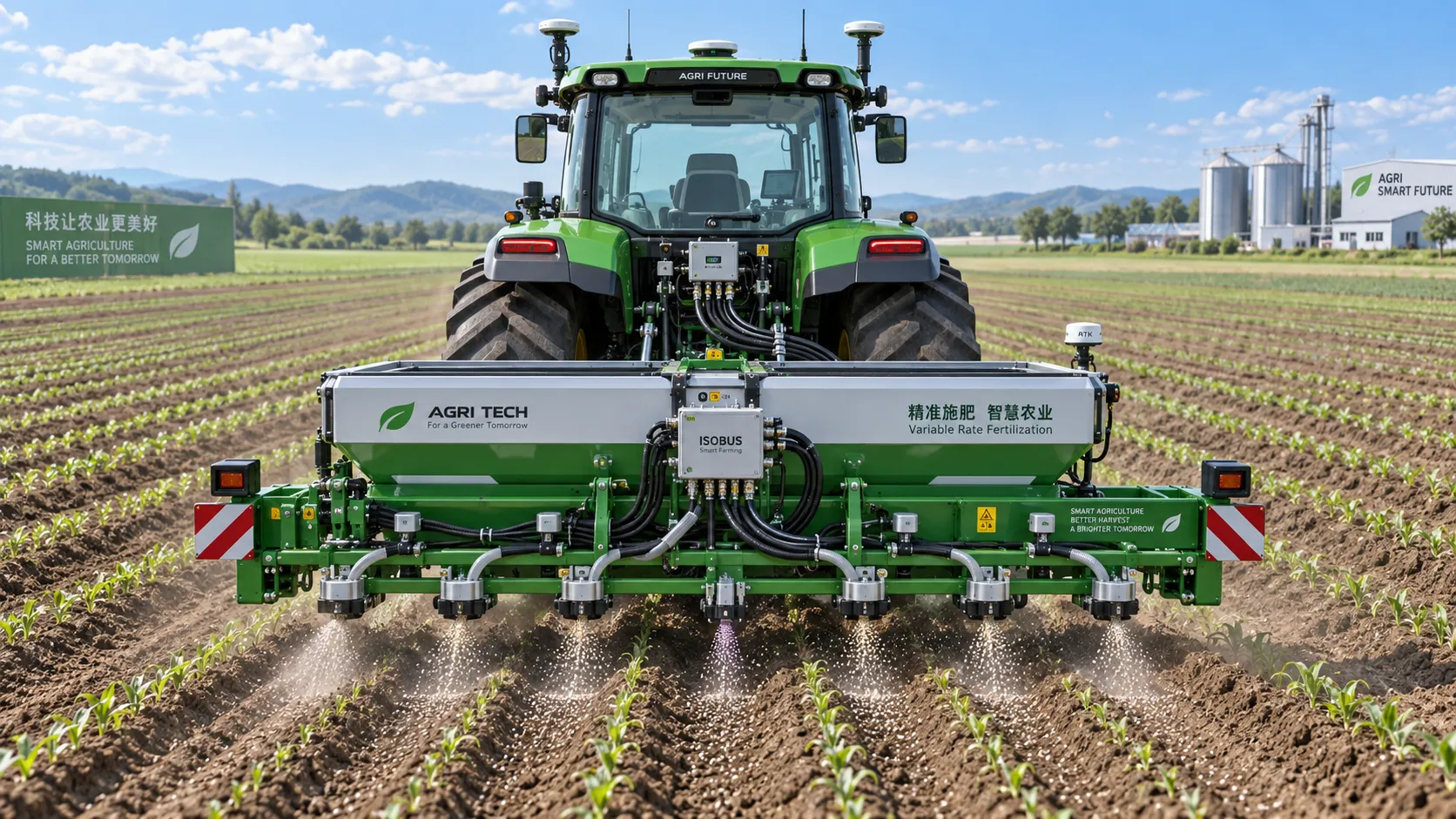
ISOBUS for Smart Agriculture: How It Connects Tractors, Implements, and Farm Data
ISOBUS for smart agriculture connects tractors, implements, terminals, and farm data—helping growers improve precision, documentation, and smarter field decisions.
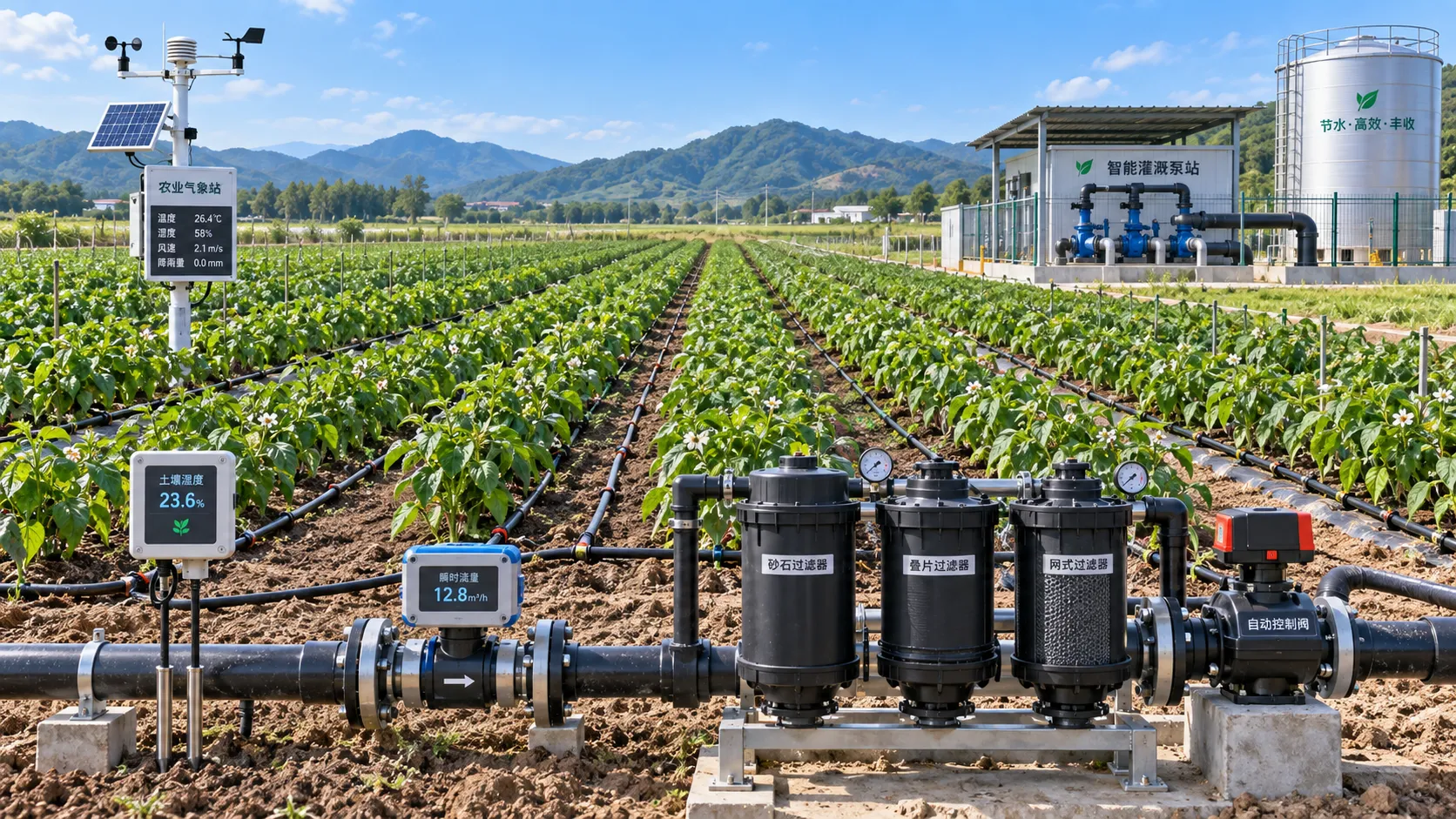
Automated Water-Saving Irrigation: How to Cut Water Use Without Reducing Crop Yields
Automated water-saving irrigation helps farms cut water use, protect crop yields, improve scheduling, and gain reliable control with sensors, flow monitoring, and smart zones.
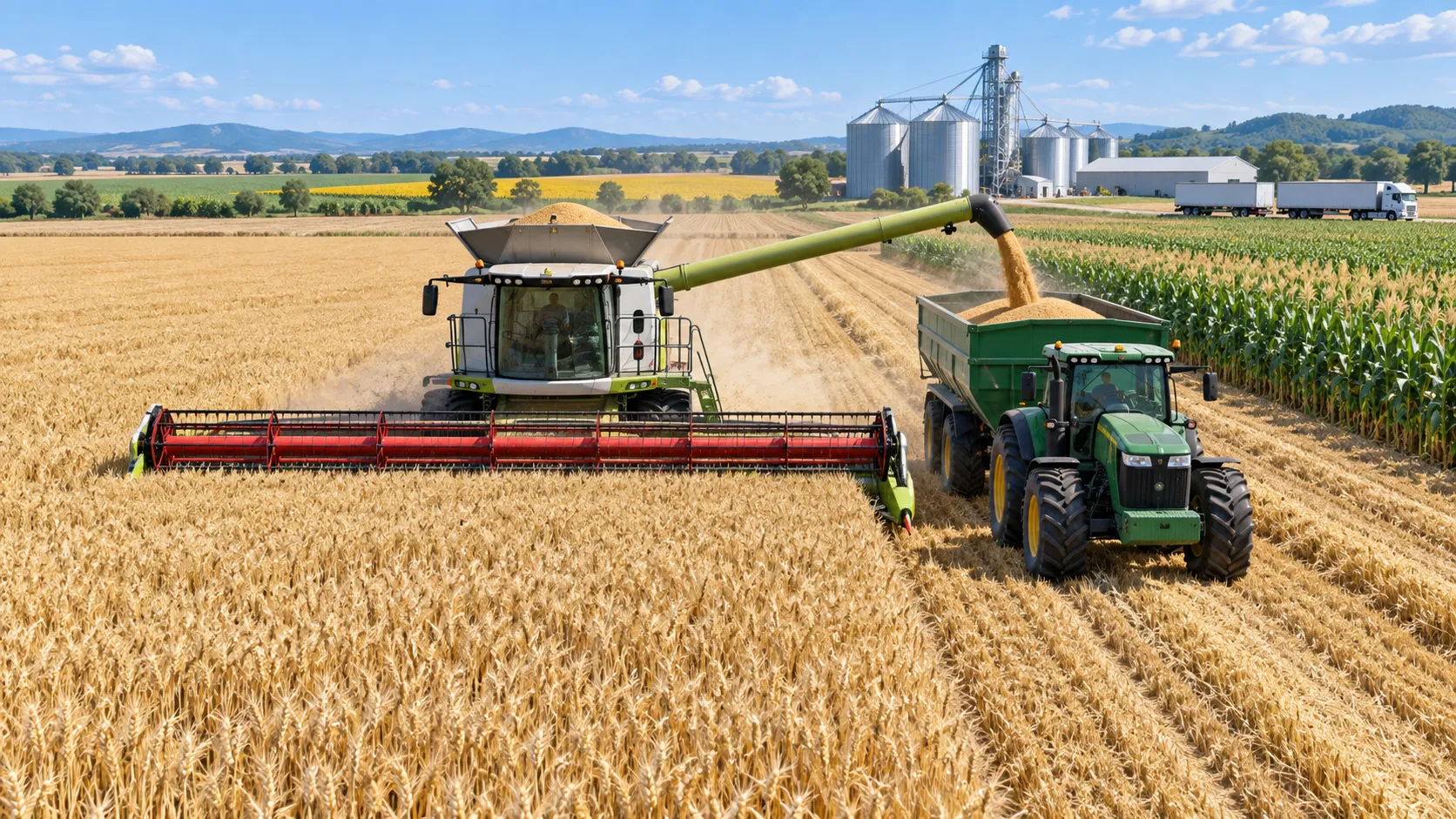
Selecting Grain Farm Equipment by Acreage, Crop Mix, and Harvest Window
Agricultural equipment selection for grain farming: match machinery to acreage, crop mix, and harvest windows to improve uptime, efficiency, and returns.
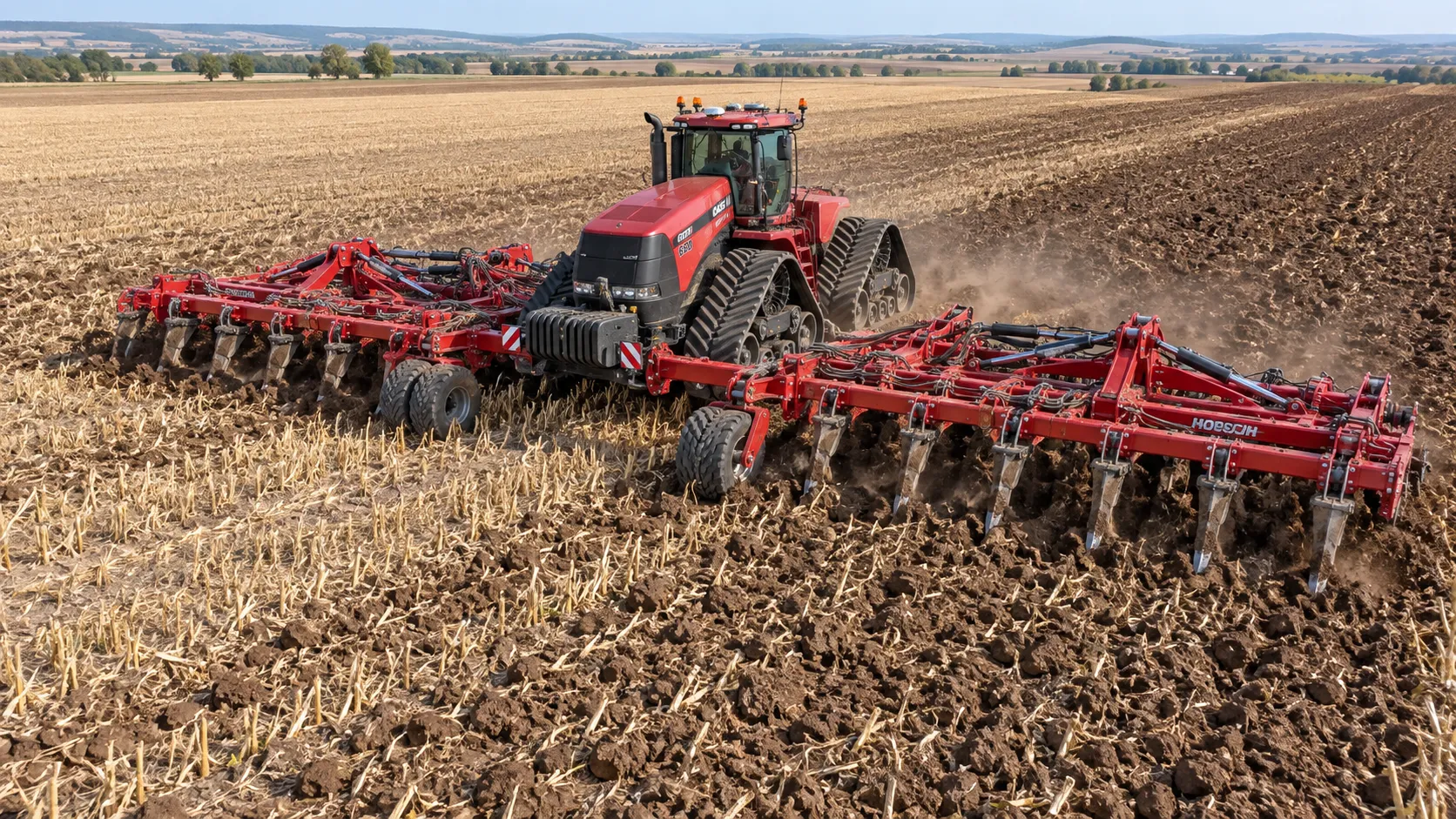
How to Select Heavy-Duty Farm Implements for High-Acreage, High-Horsepower Operations
Heavy duty farm implements: learn how to match draft, hydraulics, hitch capacity, frame strength, and field conditions for reliable high-acreage performance.
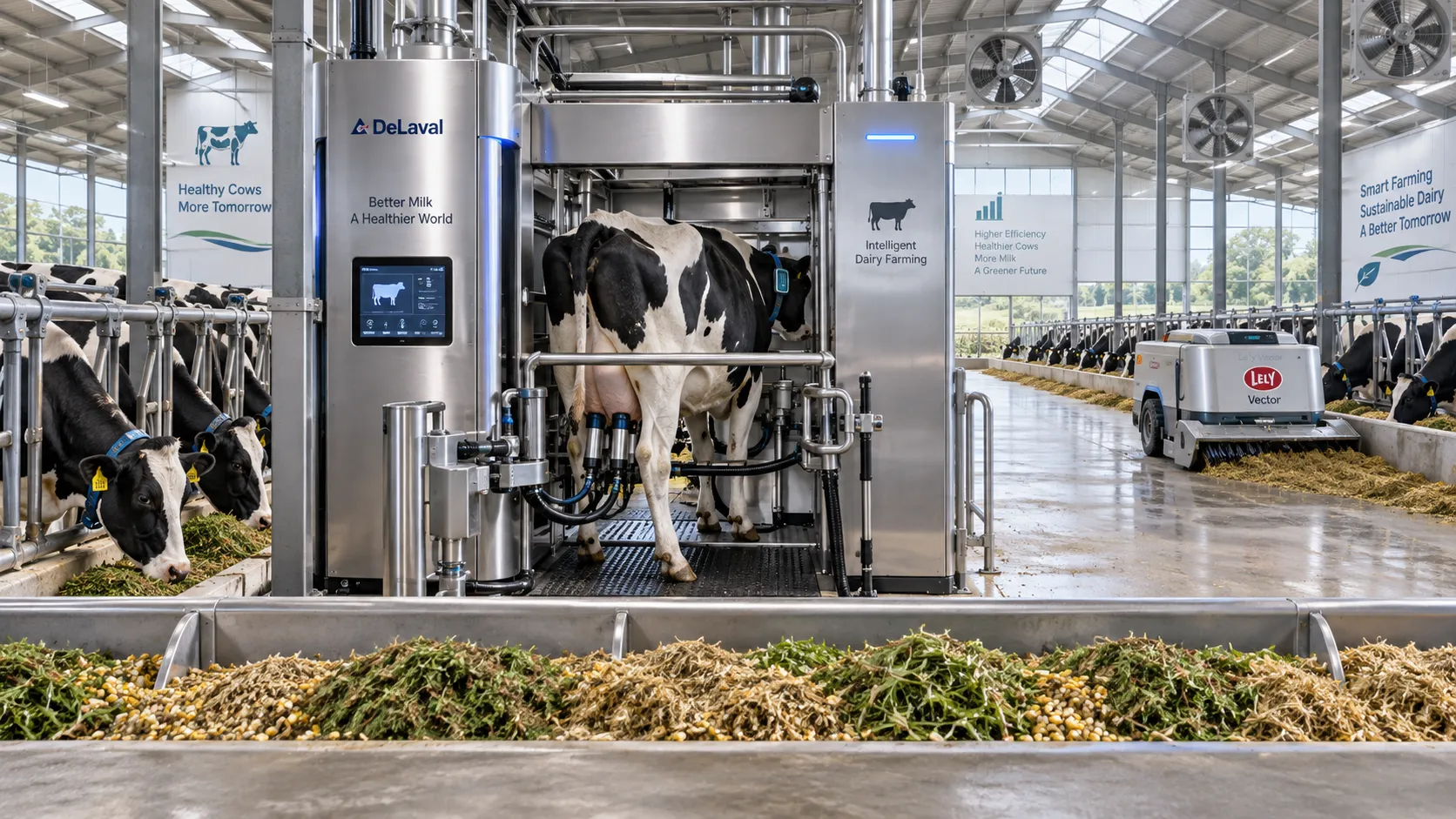
Smart Farming Technology for Dairy Farms: Where Automation Delivers Measurable ROI
Smart farming technology for dairy farms delivers measurable ROI through automation, precision feeding, health monitoring, and data-driven cost control.
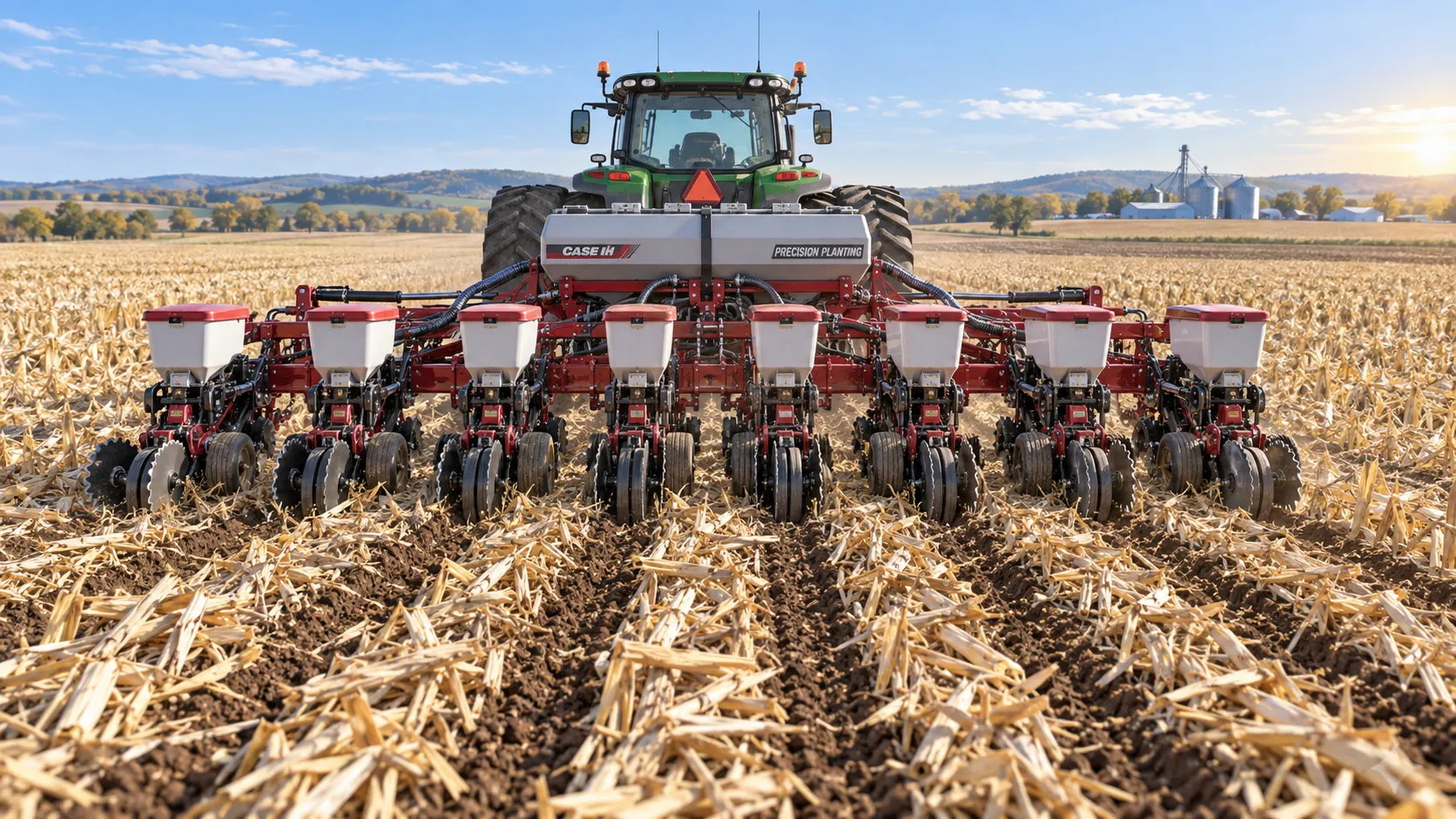
How to Select a Heavy-Duty Seeder for Large Acreage and High-Residue Fields
Heavy duty seeders for large acreage: compare residue handling, depth control, downforce, metering accuracy, and precision features to select the right model.
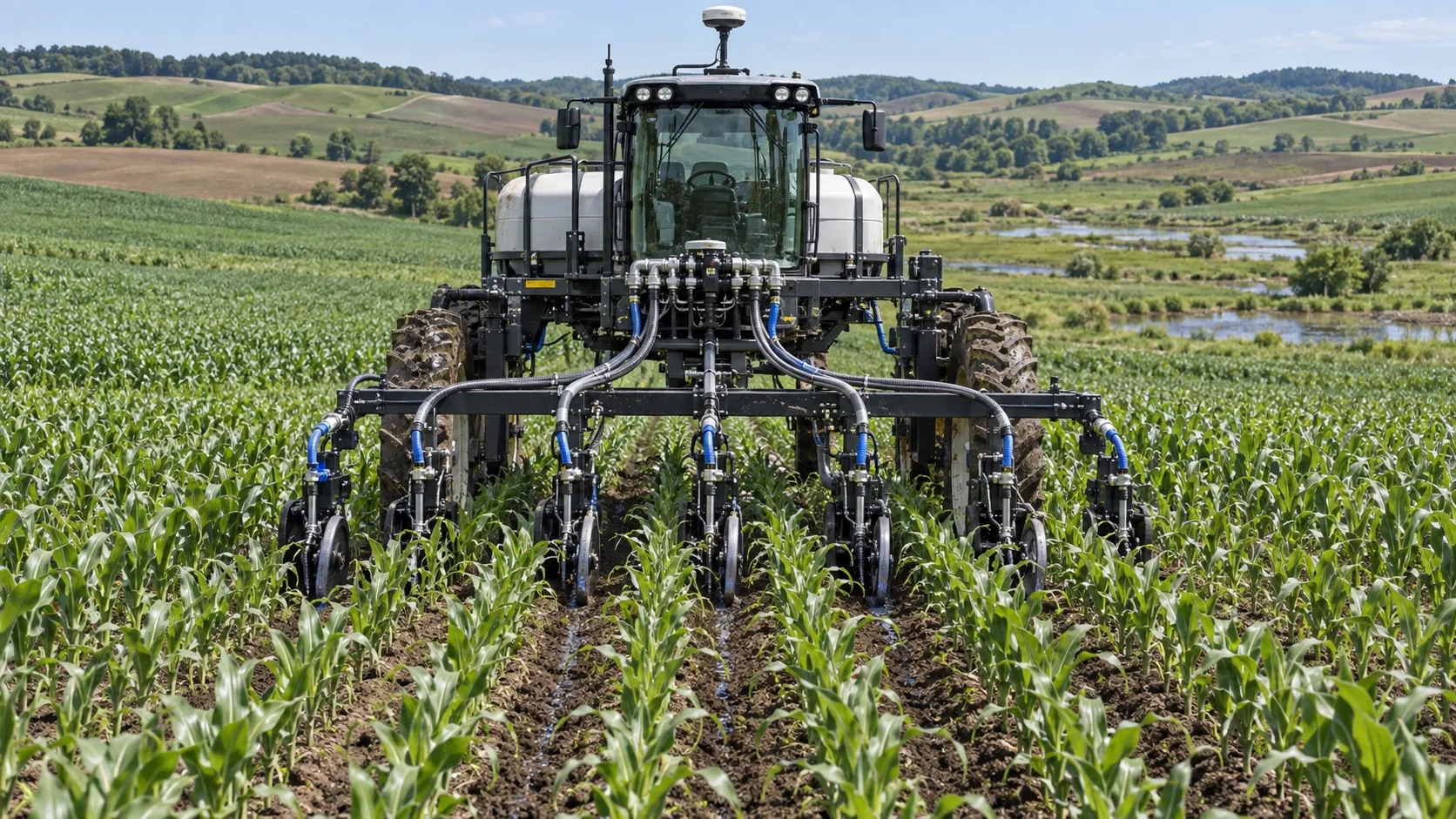
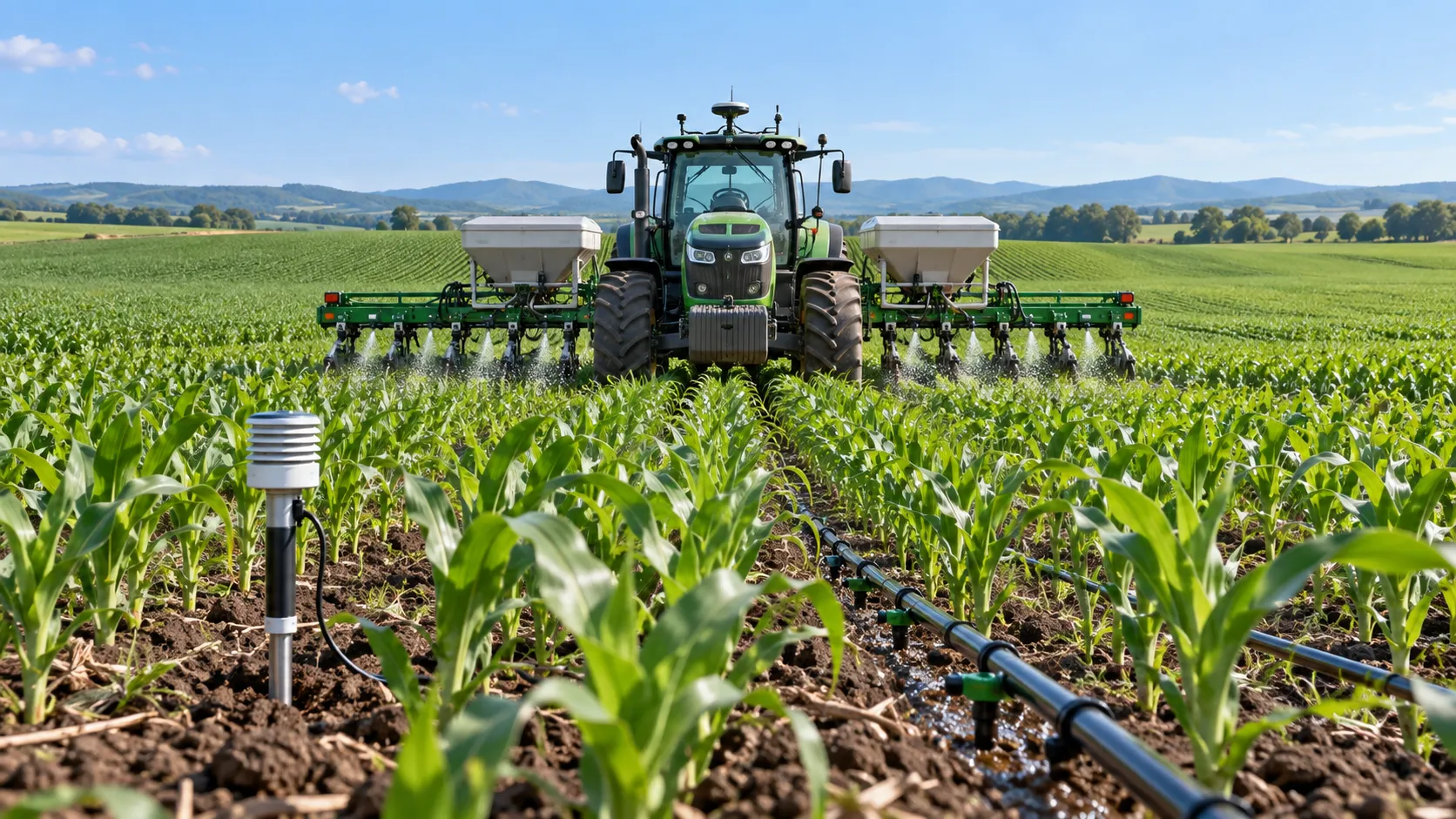
How to Select a Precision Fertilization System for Variable Corn Field Conditions
Precision fertilization systems for corn farming: learn how to match data, placement, control accuracy, and ROI to variable field conditions for better results.
Selecting Precision Farming Products by Application: Field Conditions, Crops, and ROI
Application-based product selection for precision farming: match technology to field conditions, crops, machinery, and ROI for smarter, reliable farm investments.
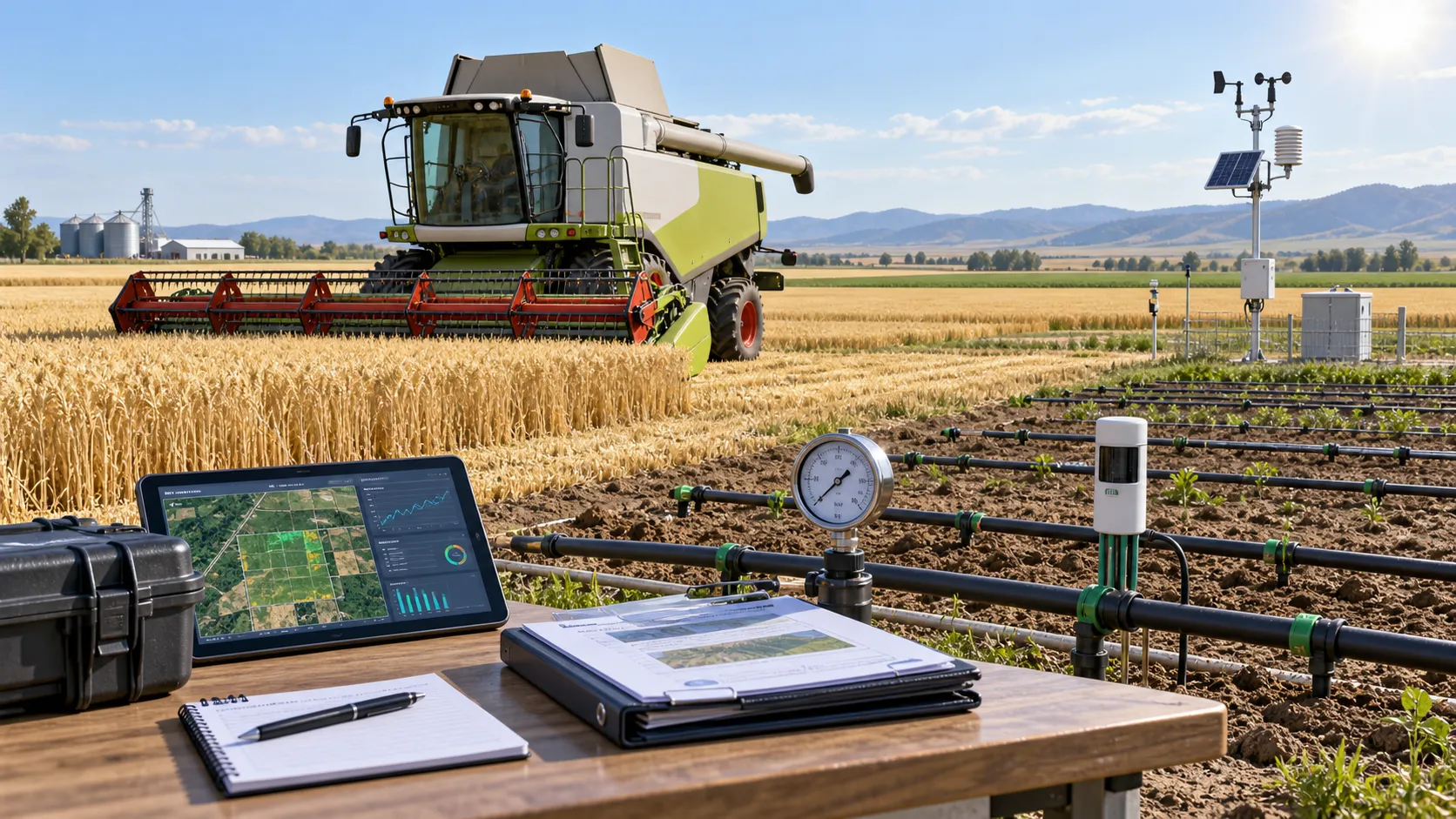
How to Evaluate Agricultural Product Information Sources for Reliable Farm Decisions
Agricultural product information reference guide: evaluate reliable farm data, verify claims, and make smarter machinery, irrigation, and crop decisions.
Related News
- 00
0000-00
How to Evaluate Precision Fertilization System Suppliers for Farm-Scale Deployment - 00
0000-00
How to Select a Precision Fertilization System for Variable Corn Field Conditions - 00
0000-00
When does equipment for sustainable farming justify a higher capital spend? - 00
0000-00
Precision Farming Solutions with Drone Data for Field Mapping and Crop Decisions - 00
0000-00
Precision Farming Systems for Yield Mapping: Key Technologies and Field Applications
Popular Tags
Tractor Power Architect
Weekly Insights
Stay ahead with our curated technology reports delivered every Monday.