Drip vs. Center Pivot Irrigation: Maintenance Tasks and Costs Compared
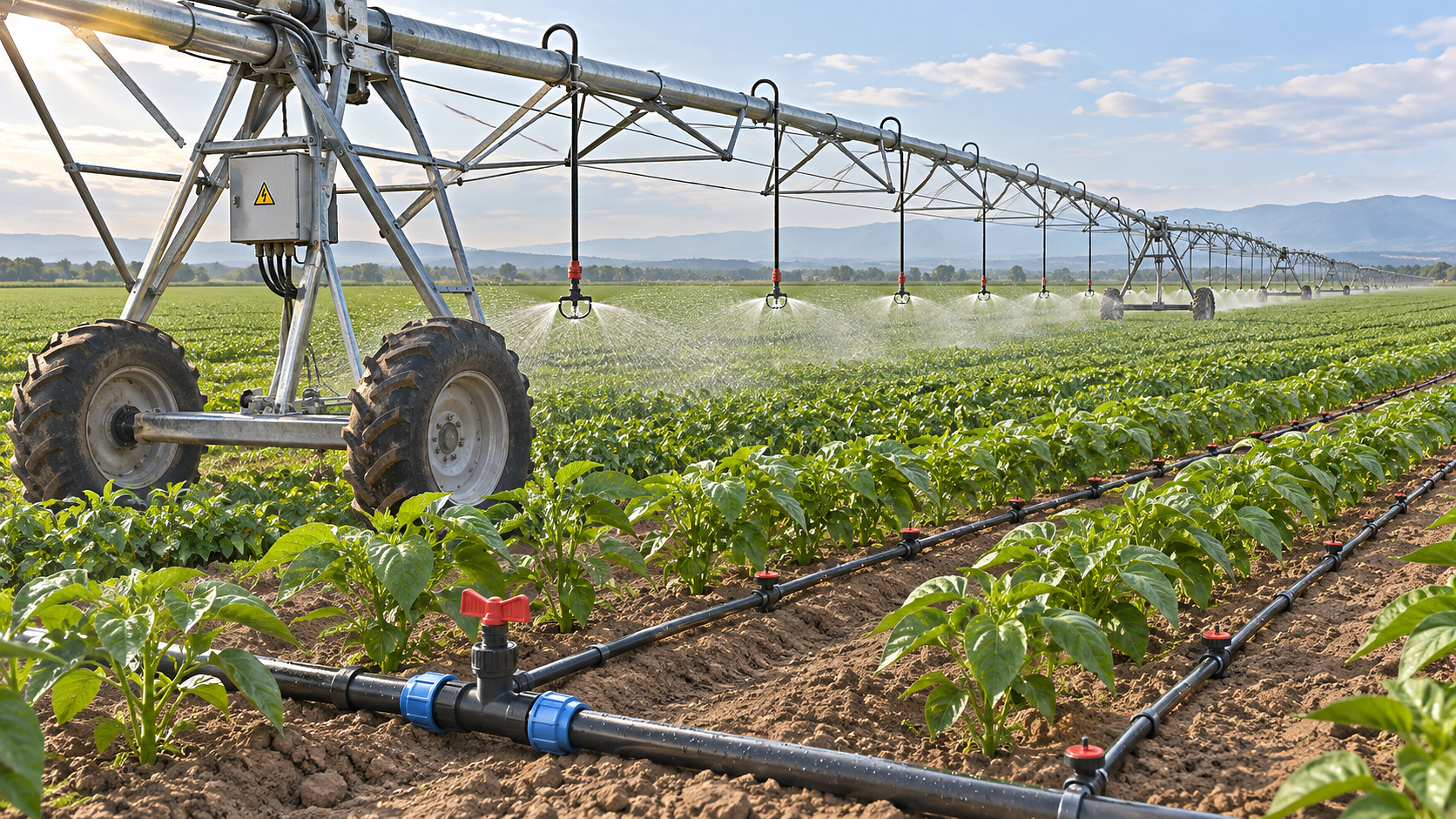




Drip irrigation usually demands more attention to water quality, filtration and distribution lines. Center pivot irrigation shifts more maintenance toward moving structures, drive components, sprinklers and electrical controls. Neither system is inherently cheaper to maintain: the answer depends on the water source, field layout, crop, local repair support and the cost of an interruption during the growing season.
A useful irrigation solution comparison by maintenance starts with the work each system creates and then assigns a cost to labor, parts, consumables and downtime. It should also distinguish routine service from the larger, less frequent expense of replacing worn distribution components.
Where the maintenance work differs
Both systems can include pumps, valves, pipelines, filtration and automation. Compare those shared components on equivalent terms; otherwise, a quote that excludes pump maintenance or water treatment can make one option appear artificially inexpensive.
Drip irrigation: water quality shapes the workload
Drip systems deliver water through small openings, so maintenance begins before water reaches the field. Filters capture particles that could obstruct emitters, but filtration alone may not address every cause of clogging. Sediment, biological growth and mineral precipitation can each create different problems, and the treatment that addresses one may not solve another.
For evaluation purposes, obtain a water analysis representative of the intended source and its seasonal variation. Surface water may carry changing sediment and organic loads; groundwater may present different chemical concerns. A source that looks clean can still create deposits inside a distribution network. Ask how the proposed filtration and treatment equipment is selected for those conditions and what routine monitoring it requires.
Filters, flushing and treatment
Operators need to inspect filter condition and monitor the pressure difference across the filter. A rising difference can indicate that cleaning or backwashing is needed, although readings must be interpreted in the context of flow and the equipment design. Automatic backwashing reduces manual cleaning, but its valves, controls and water consumption still belong in the maintenance estimate.
Flushing mains, submains and laterals helps remove accumulated material before it reaches or blocks emitters. The practical workload depends on the number and accessibility of flush points, the layout of irrigation zones and the amount of sediment entering the system. A design with convenient flush valves may cost more initially but reduce repeated field labor.
Chemical treatment, when appropriate for the water and system, adds another operating task. Budget for treatment equipment, chemicals, monitoring and trained handling. Follow equipment and chemical instructions, and account for crop and material compatibility. Treatment should be based on the identified problem rather than assumed to be a universal cure for poor filtration.
Finding damage and uneven delivery
Drip leaks can result from cultivation equipment, rodents, installation damage or deterioration. Surface lines are relatively accessible, but can interfere with field operations or require seasonal handling. Subsurface drip lines are protected from some surface activities, yet locating a leak or blocked section can involve pressure checks, flow measurements and excavation.
Clogging is especially costly when it develops gradually. The pump may continue running while part of the field receives less water than intended. Monitoring pressure and flow by zone, comparing readings with a known operating baseline, and inspecting crop response can help locate a problem. None of these signals alone identifies every cause: a flow change can indicate a leak, a blockage, a valve issue or a change in operating conditions.
Replacement strategy also matters. Drip tape used in some seasonal crops may be retrieved and replaced as part of the cropping cycle, while heavier tubing may remain in place for longer. Include removal, disposal or recycling, installation and fittings in the budget where applicable. For subsurface systems, include the labor and equipment needed to find and repair damaged sections.
Center pivots: maintenance follows the machine
A center pivot has a different failure profile. It is a moving irrigation machine operating across a field, often with long power runs and components exposed to weather, mud and crop residues. A fault at one tower can stop the entire machine, making inspection and access central to reliability.
Routine work commonly includes checking tower alignment, tires, wheel tracks, gearboxes, motors, drive shafts, couplings and safety switches. Inspect the structure and pipelines for corrosion, leaks and loose connections. Service intervals and lubrication requirements depend on the installed components, so the maintenance plan should be built from the equipment documentation and local operating conditions.
Wheel tracks deserve attention in the cost comparison. Repeated passes on wet or weak soil can create ruts, increasing the chance of a stuck tower and making the field harder to operate. Track management, drainage work or suitable wheel equipment may reduce interruptions, but each adds its own cost and maintenance burden.
Sprinklers and controls can fail without stopping irrigation
A pivot that moves is not necessarily applying water evenly. Worn or blocked nozzles, damaged sprinklers, leaks and malfunctioning pressure regulators can change the distribution pattern. Inspect sprinkler packages for damage and deposits, and assess pressure at appropriate points. A field application uniformity evaluation can help identify broader distribution problems that a visual inspection misses.
Controls, cables and safety circuits also require inspection. Remote monitoring can alert staff when a machine stops or reports a fault, but it cannot repair a gearbox or guarantee that every sprinkler is operating correctly. Budget for the communications equipment and subscriptions where used, as well as access to technicians who can diagnose electrical faults.
Electrical troubleshooting and work around moving machinery should follow the manufacturer’s isolation and safety procedures. The availability of qualified support matters as much as the price of a replacement part when a pivot stops during a period of high crop demand.
How to compare maintenance costs on the same basis
A maintenance comparison becomes more useful when both designs serve the same field and irrigation objective. Ask suppliers to define the proposed irrigated area, water source, operating assumptions and major components. Account for land the pivot cannot cover and any additional equipment needed for corners or irregular sections; a cost per acre is misleading if the systems serve different areas.
Build an annual estimate using local labor rates and supplier quotations rather than a generic maintenance percentage. Separate predictable work from uncertain repairs:
- Routine labor: inspections, filter cleaning, flushing, lubrication, adjustments, seasonal startup and shutdown.
- Consumables: treatment chemicals, filter elements, lubricants, fittings and other regularly used materials.
- Replacement components: drip lines and emitters where applicable; pivot sprinklers, tires, seals, electrical parts and drive components.
- Outside support: service calls, specialist labor, travel and equipment needed for difficult repairs.
- Downtime exposure: the likely consequences of an interruption, including the area affected, repair response time and availability of spare parts.
For components replaced at intervals longer than a season, convert the expected replacement expense into an annual planning allowance. Keep that allowance separate from the cash-flow forecast: a farm may need to fund a large replacement in one season even if its annualized cost looks modest.
Use the same accounting boundary for both options. Energy and water are operating costs rather than maintenance costs, but a full ownership comparison should include them consistently. So should shared infrastructure, financing and initial installation. Avoid counting a component replacement both as annual maintenance and again in a separate lifecycle allowance.
Downtime depends on how the field is divided
With drip, a damaged lateral or blocked zone may affect only part of the field, allowing other zones to operate. A failed pump, main filter or common supply line, however, can interrupt the whole system. Zone valves and independent filtration arrangements can reduce the size of an affected area, but they also add components to inspect and maintain.
With a single center pivot, a drive, alignment or control fault can stop irrigation across the area served by that machine. The practical risk depends on how quickly the operator receives an alert, whether the fault can be reached safely, and whether a technician and parts are available. A farm with several pivots may have a different exposure from one relying on a single machine for a critical field.
Consider the timing of a failure as well as its frequency. A repair that can wait during a cool period may be urgent when the crop is using water rapidly. Ask the service provider which spare parts are stocked locally, what support is available during the irrigation season and which repairs farm staff can perform with their existing skills.
Which system fits the field and the maintenance team?
Drip can be a strong choice where field shape, crop layout or the need to place water near the root zone makes overhead irrigation less attractive. Its maintenance case is stronger when water quality is manageable, filtration is properly sized, zones can be monitored and staff can access lines for repair. The calculation becomes less favorable when the water source requires intensive treatment, buried faults are difficult to locate, or seasonal line handling is substantial.
A center pivot can fit large fields where the machine has room to travel and the farm can support mechanical and electrical maintenance. Its case weakens when field geometry leaves substantial areas outside coverage, terrain or soils create persistent travel problems, or specialized service is distant. Wind and other application conditions also belong in the overall irrigation assessment, even though they are not maintenance expenses.
Before selecting either design, request a maintenance plan for the proposed field, not just a list of equipment. It should identify inspection points, expected service tasks, replacement items, required skills and the parts available locally. Compare the plans with the farm’s water analysis, staffing calendar and tolerance for an irrigation interruption. That exercise turns a general preference for drip or pivot into a decision the operation can support throughout the equipment’s life.
Related News
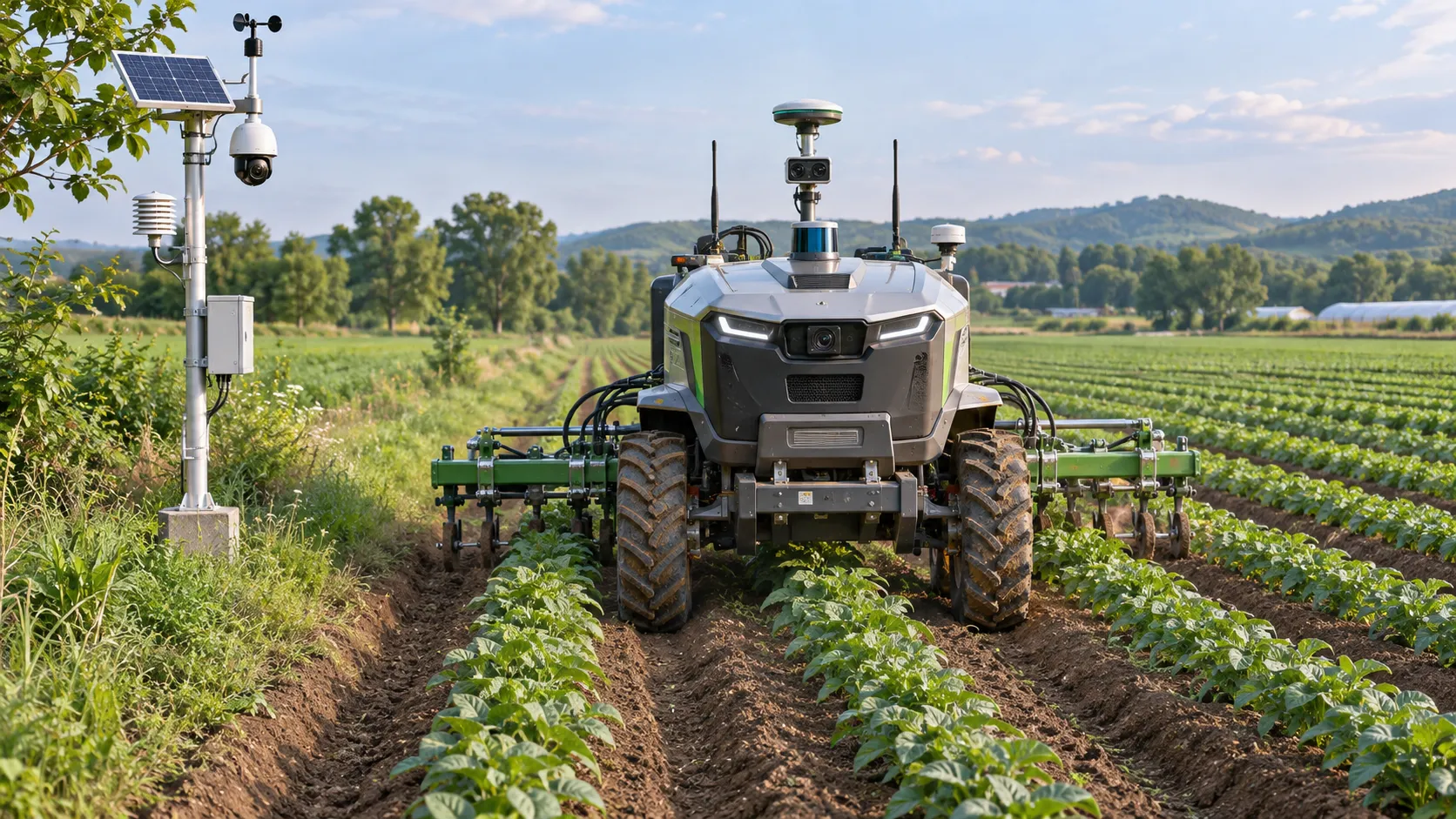
Agricultural Automation Still Needs Human Oversight, Study Finds
Agricultural automation still needs human oversight. Discover how AI and smart equipment are reshaping farm jobs, skills, and decisions.
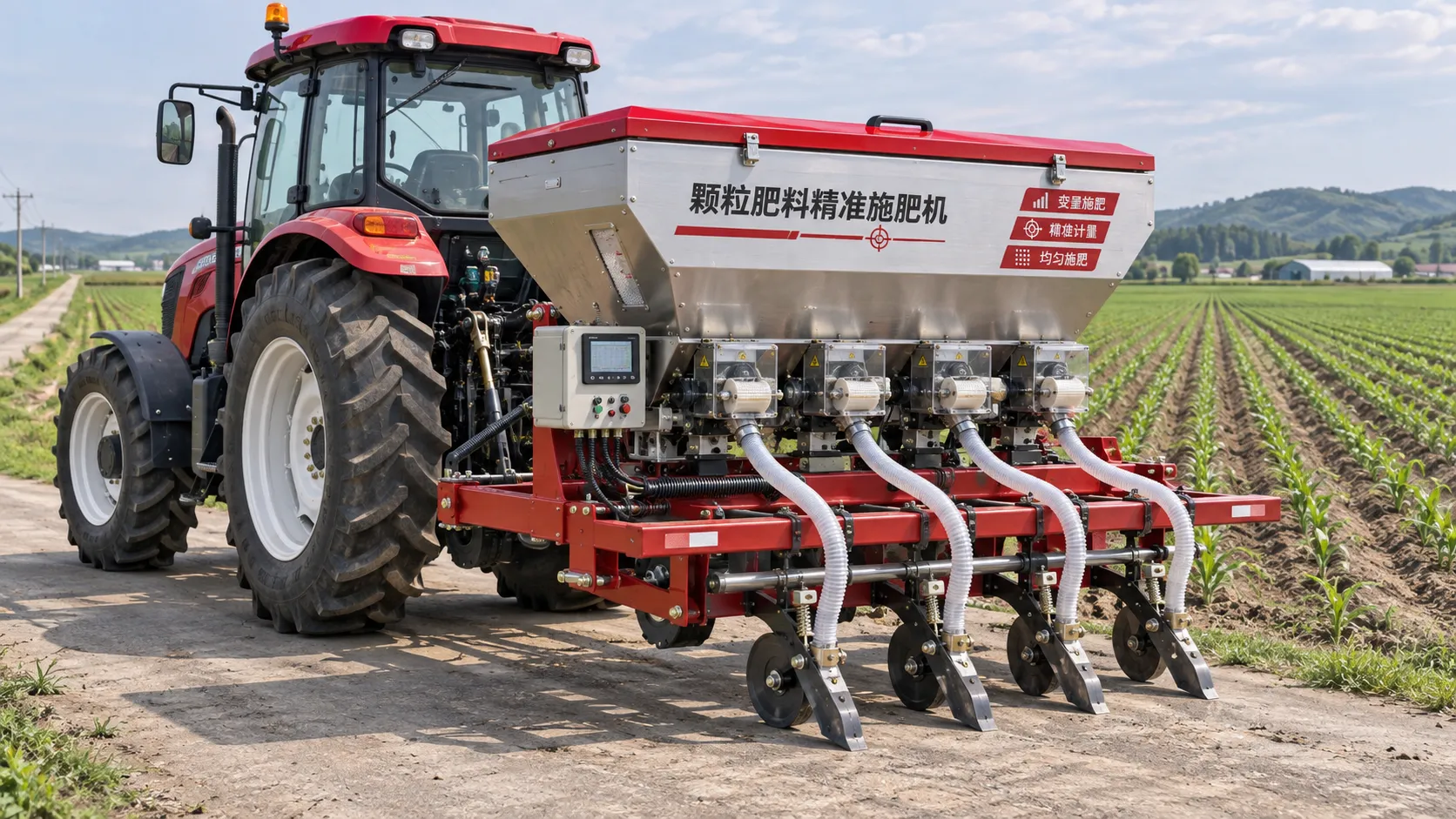
Choosing a Precision Fertilization Equipment Manufacturer: What to Check
Choose a precision fertilization equipment manufacturer with confidence. Compare accuracy, compatibility, service and total ownership costs before you buy.
China's Autumn Grain Harvest Highlights Role of Machinery and Precision Farming
China's autumn grain harvest highlights machinery and precision farming. Explore how coordinated practices support harvesting and yield improvement.
EIMA 2026: Six Tractor of the Year Awards Include Autonomous Robot
Explore the Tractor of the Year awards at EIMA 2026, featuring six winners, including the AgXeed autonomous robot and leading tractor models.
Choosing Irrigation Systems for Government Projects: Water, Cost and Compliance
What factors affect irrigation system selection for government projects? Explore water supply, lifecycle costs and compliance to make a confident, well-informed choice.
Choosing an Agricultural Machinery Platform: Listings, Pricing, and Support
Choosing an agricultural machinery platform? Compare listings, pricing, supplier verification, and support to make a more confident equipment purchase.
Ofwat Launches £8 Million Agri-Water Innovation Challenge
Ofwat’s £8 million Agri-Water Innovation Challenge supports smart irrigation, water reuse and water-saving solutions. Explore the funding and its potential impact.
Choosing a Water-Saving Irrigation Supplier: 5 Key Procurement Criteria
Choose a water-saving irrigation systems supplier with confidence. Explore five procurement criteria to reduce risk and maximize long-term value.
KazAgroFinance Resumes Applications for Preferential Farm Machinery Leasing
KazAgroFinance plans to reopen farm machinery leasing applications on November 9, 2026. Explore the opportunities and key terms to verify before applying.
Related News
- 00
0000-00
Drip vs. Center Pivot Irrigation: Maintenance Tasks and Costs Compared - 00
0000-00
India Opens Duty Relief for Center Pivot Imports - 00
0000-00
What to Check Before Working With a Precision Irrigation Systems Factory - 00
0000-00
Red Sea Shock Tightens CPS Capacity, Rates Jump 37% - 00
0000-00
Red Sea Escalation Tightens Center Pivot Shipping
0000-00
Popular Tags
Hydrological Resource Strategist
Weekly Insights
Stay ahead with our curated technology reports delivered every Monday.