Choosing Irrigation Systems for Government Projects: Water, Cost and Compliance
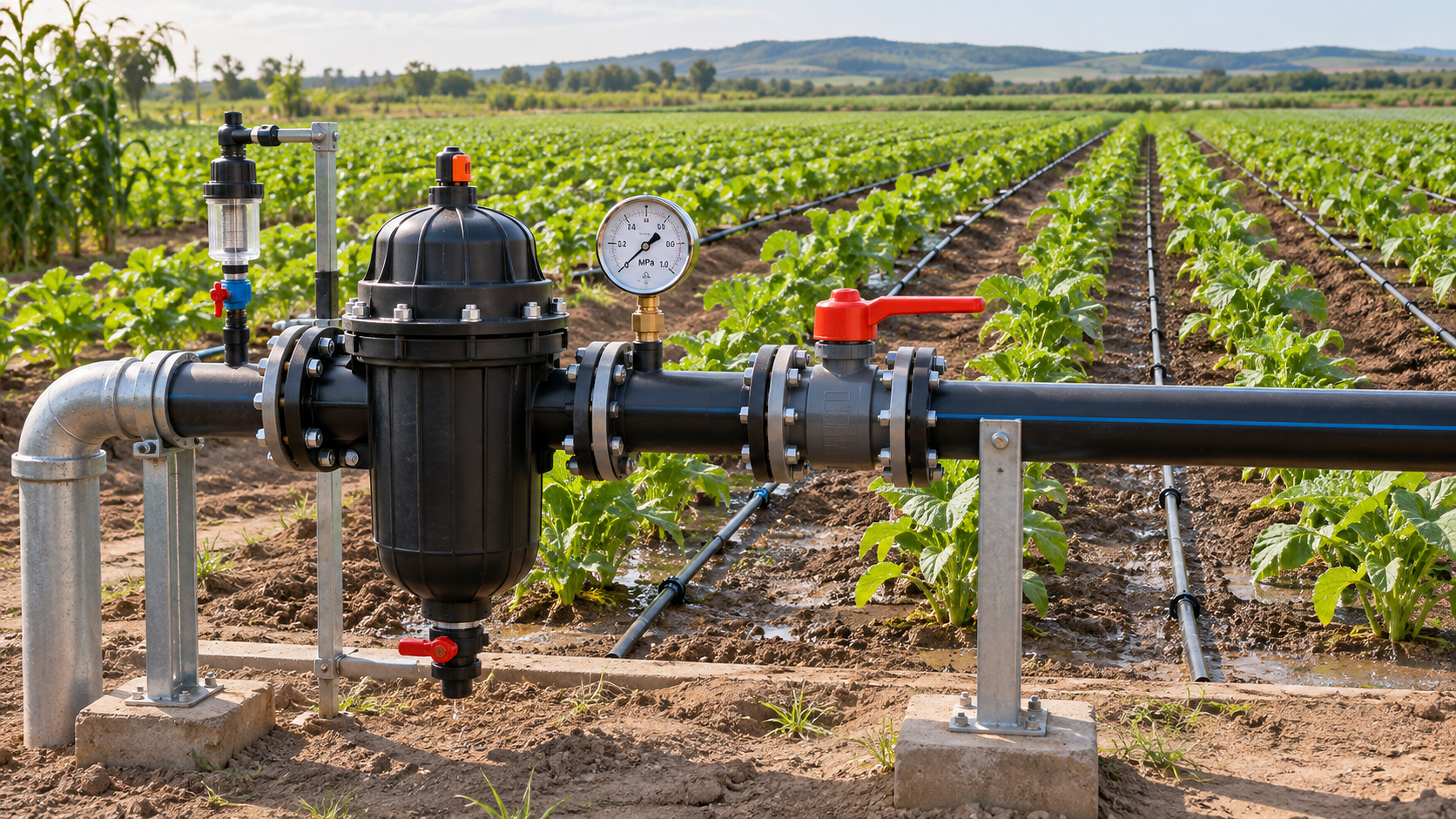




What factors affect irrigation system selection for government projects? For project managers, the answer extends well beyond choosing drip, sprinkler or surface irrigation. Water availability, site conditions, lifecycle costs, public procurement rules and environmental obligations all shape whether an installation delivers lasting value. A system that looks economical in a tender can become difficult to operate if its water source is unreliable, its filters are undersized or its maintenance needs exceed the owner’s capacity.
The right choice is therefore not necessarily the most sophisticated technology. It is the system that meets the project’s irrigation objectives, fits the site, can be procured fairly and remains serviceable throughout its expected life.
Start with the service the system must deliver
Government irrigation projects cover very different assignments: a publicly funded agricultural scheme, a municipal sports field, roadside landscaping or the rehabilitation of an existing water network. Each has a different definition of success. A farm scheme may prioritize reliable delivery across multiple plots; a park may need safe watering schedules around public access. A rehabilitation project must also account for the condition of pipes, pumps and electrical infrastructure already in place.
Before comparing equipment, document the irrigated area, crop or landscape requirements, seasonal demand, service hours and expected operating period. Identify who will own the assets, who will operate them and how users will report problems. These decisions affect everything from pump capacity to the level of automation worth specifying.
It is also useful to separate mandatory requirements from preferences. Water-use permits, applicable safety obligations and minimum service levels may rule out an option before cost scoring begins. Remote monitoring or a particular control interface may be desirable, but should be assessed against a clear operational need.
What factors affect irrigation system selection for government projects?
Water supply, quality and reliability
Establish where the water will come from and whether the authorized supply can meet demand during the driest or busiest periods. Review seasonal flows, groundwater conditions, storage capacity and competing users. An annual allocation alone is not enough: a project can have sufficient water on paper but still lack the flow needed during peak irrigation hours.
Water quality is equally important. Sediment, biological material, salinity or dissolved minerals can affect plant health and equipment performance. Drip emitters, for example, may require filtration and a flushing regime suited to the actual water source. If recycled water is proposed, confirm permitted uses, treatment requirements, monitoring obligations and any measures needed to limit public exposure under local rules.
Ask the design team to model a credible low-supply scenario. Can irrigation zones be scheduled differently? Is storage feasible and authorized? What happens if the pump station or power supply fails? The answers should influence both system selection and contingency planning.
Site conditions and application needs
Topography, soil infiltration, wind, field shape and access all affect system performance. Steep or uneven land can create pressure differences across a network, while slow-infiltrating soils may require shorter irrigation cycles to reduce runoff. Wind can disrupt sprinkler distribution; irregular plots may make large moving systems impractical.
For agricultural projects, consider crop rooting depth, planting patterns, rotation plans and the movement of tractors or harvesting equipment. Permanent lines that interfere with cultivation may create ongoing operational friction. In public landscapes, overspray onto roads, paths or buildings can be as important as the water applied to plants.
Operating capacity and local support
A design should match the skills and resources available after handover. Drip irrigation may offer targeted application, but filters, emitters and pressure regulation need attention. Sprinklers require inspection and adjustment. Surface systems depend on sound field preparation and water-management practices. None is maintenance-free.
Assess whether operators can obtain spare parts, repair pumps, calibrate sensors and access technical support within a reasonable time. Where staff turnover is likely, straightforward controls, written procedures and practical training can be more valuable than features that only one specialist understands.
Compare irrigation technologies against the site—not against a brochure
These categories can be combined. A government agricultural scheme might use a pressurized distribution network with different application methods across its service area. The comparison should be based on credible designs for the same demand and service conditions, rather than generic efficiency claims. Require suppliers to explain design assumptions, pressure requirements, filtration needs and how performance will be verified on site.
Evaluate lifecycle cost, not just the construction bid
Public budgets make upfront price highly visible. Yet the lowest installation cost may transfer a larger burden to future operating budgets. A meaningful comparison includes the costs the asset owner is likely to face over the evaluation period:
- Design, permits, site preparation and construction.
- Pumps, pipes, controllers, meters, filtration and electrical connections.
- Energy, water charges, routine labor and consumables.
- Inspection, repairs, replacement parts and major component renewal.
- Training, software subscriptions, communications and data management where relevant.
- Decommissioning or disposal obligations, if material to the project.
Use consistent assumptions across options for operating hours, energy prices, water availability and asset life. Apply the discount rate and appraisal method required by the relevant authority. Where future prices or demand are uncertain, test a range rather than presenting one forecast as fact. A system that depends on high pumping pressure, for example, may become less attractive if energy costs rise; a system with many distributed components may be sensitive to labor availability.
Also check budget ownership. Capital and maintenance funding are often managed separately, so an affordable construction package can still leave the operator unable to maintain the system. Bring the future asset owner into cost reviews before specifications are finalized.
Build compliance into the design and procurement process
Compliance is not a single approval at the end of the project. Requirements vary by jurisdiction, funding source and site, so the project team should maintain a register identifying each obligation, the responsible party, required evidence and approval timing. Legal and environmental specialists can confirm which rules apply.
Depending on the project, the register may cover water abstraction and discharge permissions, groundwater protection, recycled-water use, electrical and construction safety, environmental assessment, land access and public health. Procurement requirements may address competition, conflicts of interest, evaluation records, accessibility or reporting to the funding authority.
Translate these obligations into tender documents without unnecessarily restricting competition. Describe the performance needed—such as a required operating range, monitoring capability or material suitability—and define how bidders must demonstrate it. Where a standard or certification is required, identify the applicable edition and allow equivalent evidence when procurement rules permit. Avoid naming a proprietary component unless there is a documented, lawful reason.
Make evaluation criteria and their weighting clear in advance. A defensible assessment might consider compliance, technical performance, lifecycle cost, delivery risk and support capability, provided these factors are permitted and disclosed under the applicable process. Keep records of clarifications and scoring so the decision can withstand review.
Use smart irrigation where the data leads to action
Soil-moisture sensors, weather data, flow meters and automated valves can help operators detect leaks or adjust schedules. Their value depends on what the team will do with the information. A flow alarm is useful only if someone receives it, understands its priority and can investigate; a soil sensor needs a representative location and a maintenance plan.
Before adding a digital layer, ask suppliers how the system behaves during connectivity or power outages. Confirm whether operators can run it manually, retrieve their data and integrate the equipment with existing controls. Define access permissions, cybersecurity responsibilities, software support and the process for replacing failed sensors. These details matter particularly for dispersed public assets that may remain in service longer than an individual software platform.
A practical decision and handover checklist
- Confirm the baseline. Verify water entitlement, supply variability, demand, site surveys and the condition of reusable infrastructure.
- Screen feasible options. Remove designs that cannot meet mandatory site, safety or environmental requirements; retain more than one viable option where practical.
- Compare on common assumptions. Review service performance, lifecycle cost, energy demand, maintenance burden and supply-chain support using the same operating scenarios.
- Test delivery risks. Examine permitting dependencies, construction access, seasonal work windows and the availability of operators and spare parts.
- Define acceptance tests. Specify how flow, pressure, controls, alarms and application performance will be checked, including corrective action if results fall short.
- Plan for ownership. Require as-built drawings, equipment manuals, training, warranty information and a funded maintenance plan before handover.
After commissioning, compare actual water use and system performance with the design baseline, while accounting for weather and changes in demand. Unexpected consumption may point to leaks, scheduling problems or design assumptions that need revisiting. Record the findings and assign responsibility for adjustments rather than treating installation as the finish line.
For project leaders, the strongest irrigation choice is one that can be explained to both reviewers and the people who will operate it. Water constraints, transparent procurement and realistic maintenance costs belong in the same conversation. AP-Strategy’s coverage of intelligent irrigation and agricultural equipment can provide useful industry context, while the final decision should rest on site-specific evidence, applicable requirements and the public service the project is intended to deliver.
Related News
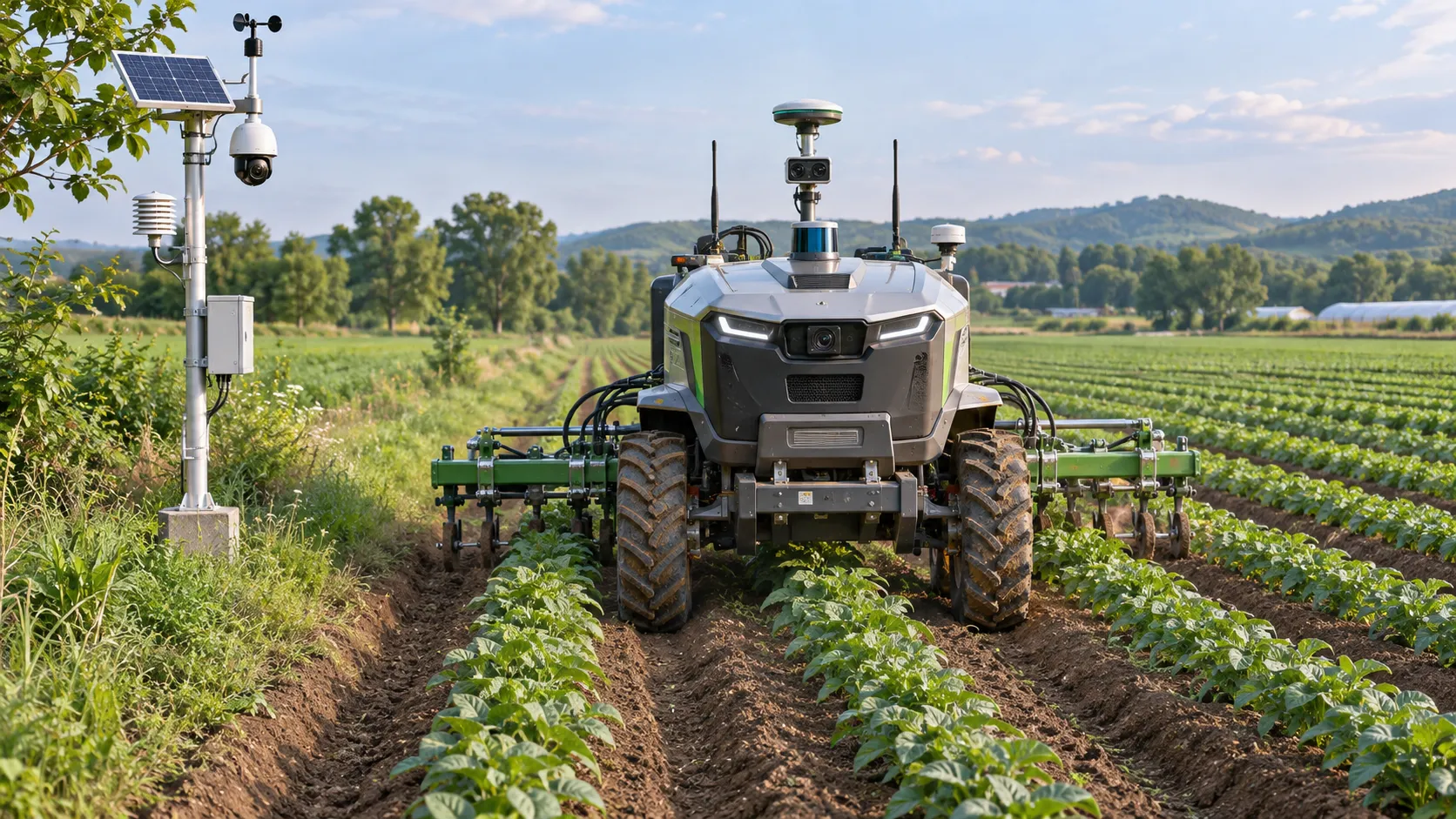
Agricultural Automation Still Needs Human Oversight, Study Finds
Agricultural automation still needs human oversight. Discover how AI and smart equipment are reshaping farm jobs, skills, and decisions.
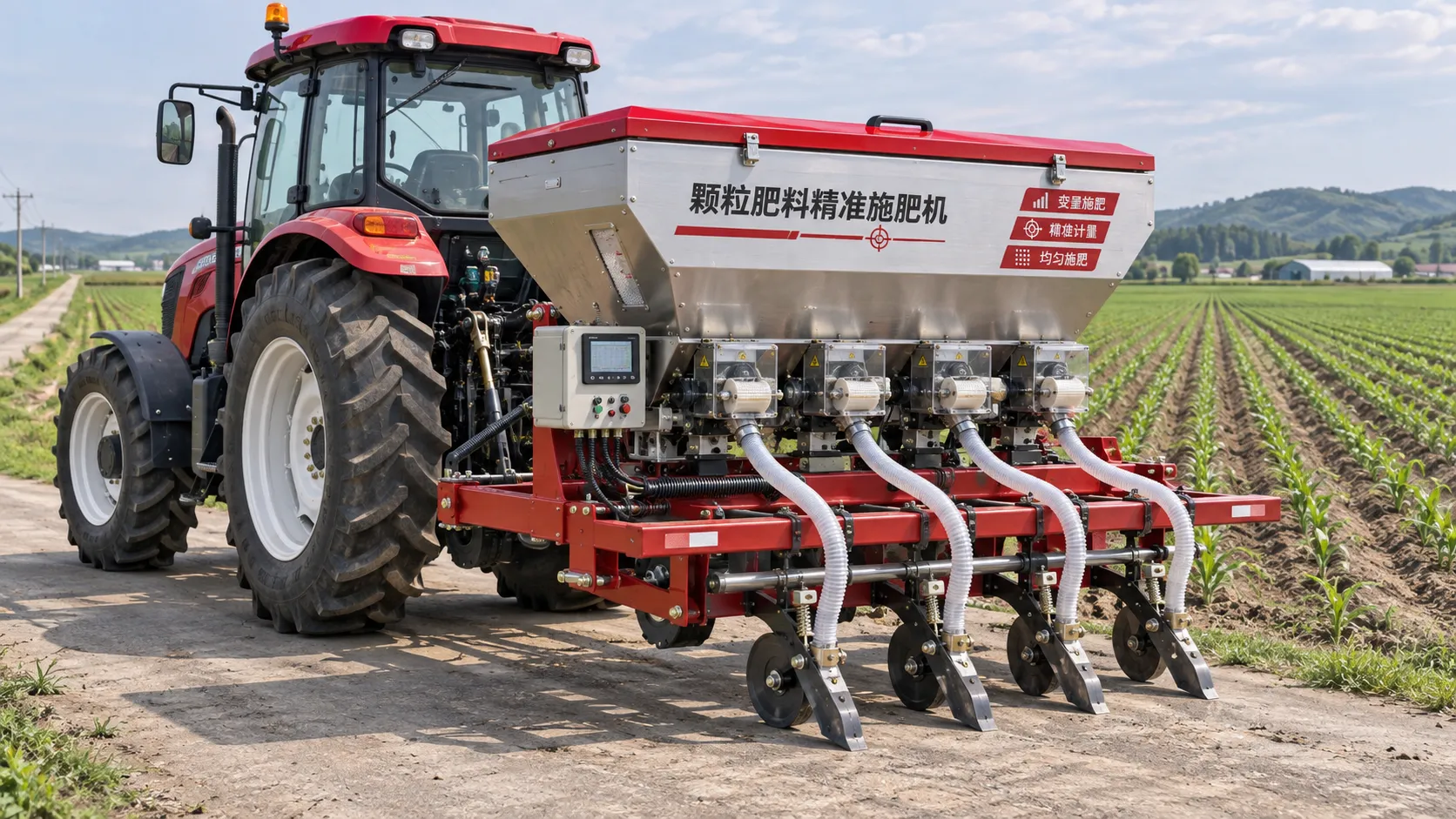
Choosing a Precision Fertilization Equipment Manufacturer: What to Check
Choose a precision fertilization equipment manufacturer with confidence. Compare accuracy, compatibility, service and total ownership costs before you buy.
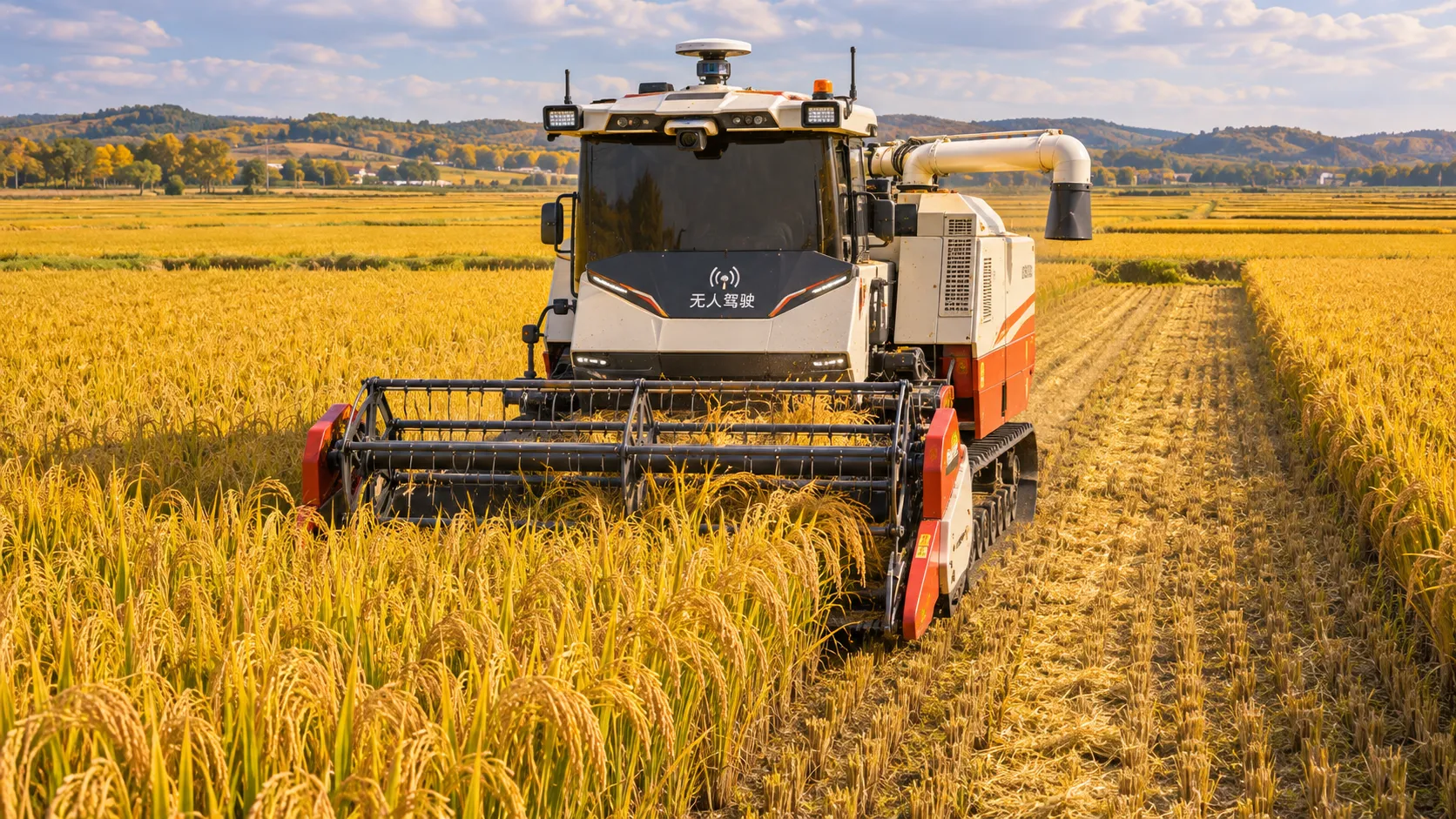
China's Autumn Grain Harvest Highlights Role of Machinery and Precision Farming
China's autumn grain harvest highlights machinery and precision farming. Explore how coordinated practices support harvesting and yield improvement.
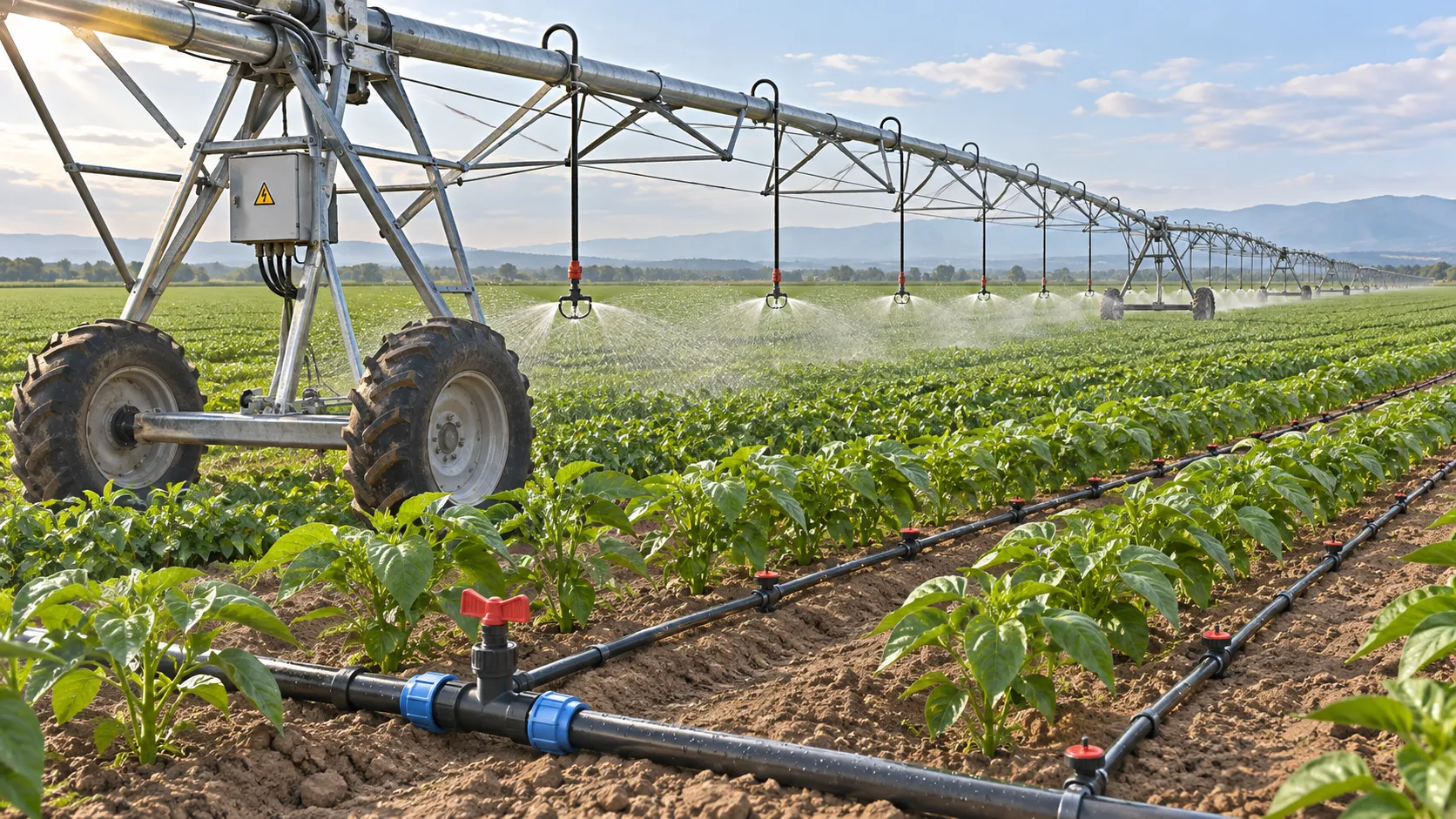
Drip vs. Center Pivot Irrigation: Maintenance Tasks and Costs Compared
Use this irrigation solution comparison by maintenance to weigh drip vs. center pivot tasks, costs and downtime—and choose the best fit for your field.
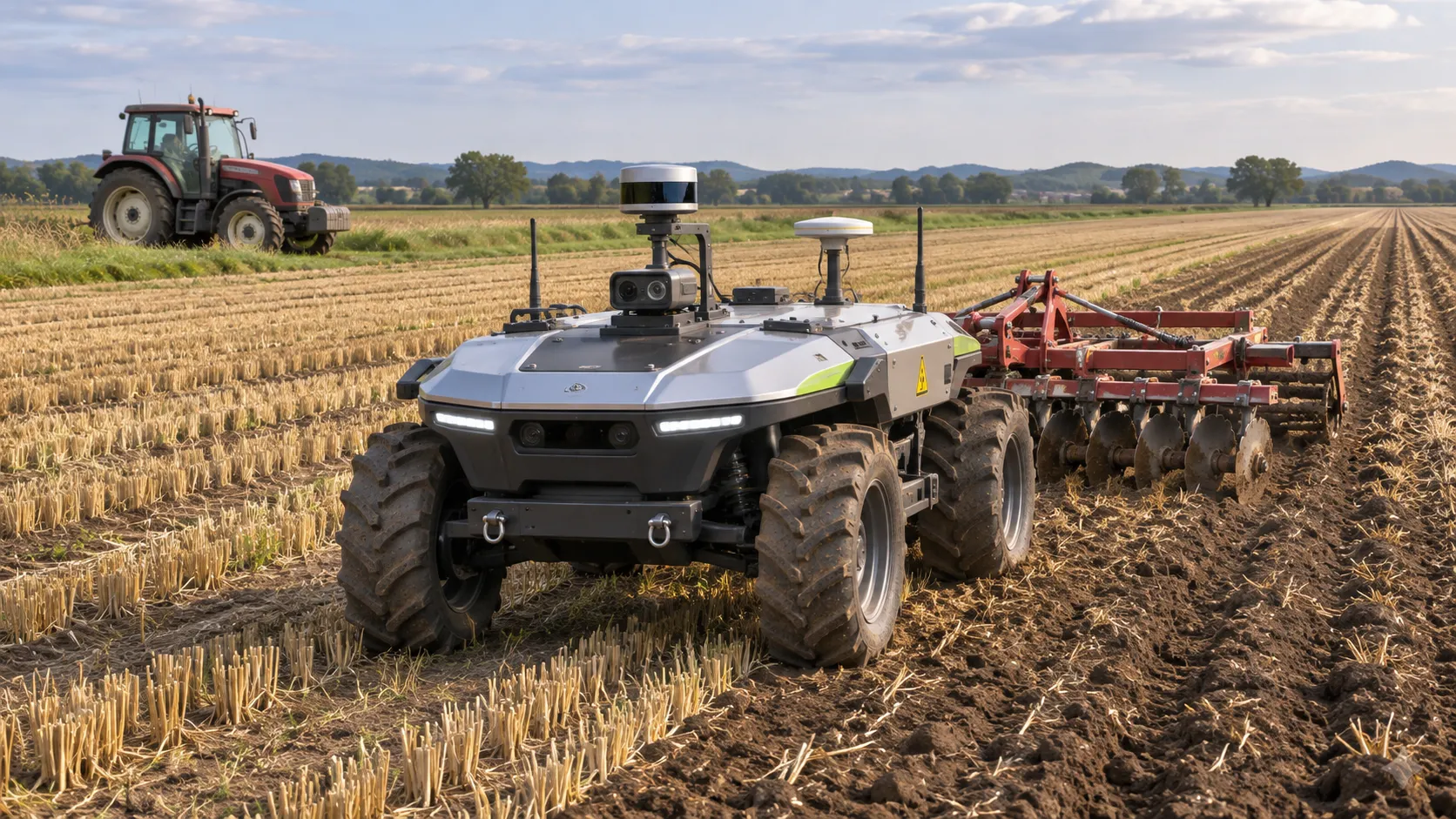
EIMA 2026: Six Tractor of the Year Awards Include Autonomous Robot
Explore the Tractor of the Year awards at EIMA 2026, featuring six winners, including the AgXeed autonomous robot and leading tractor models.
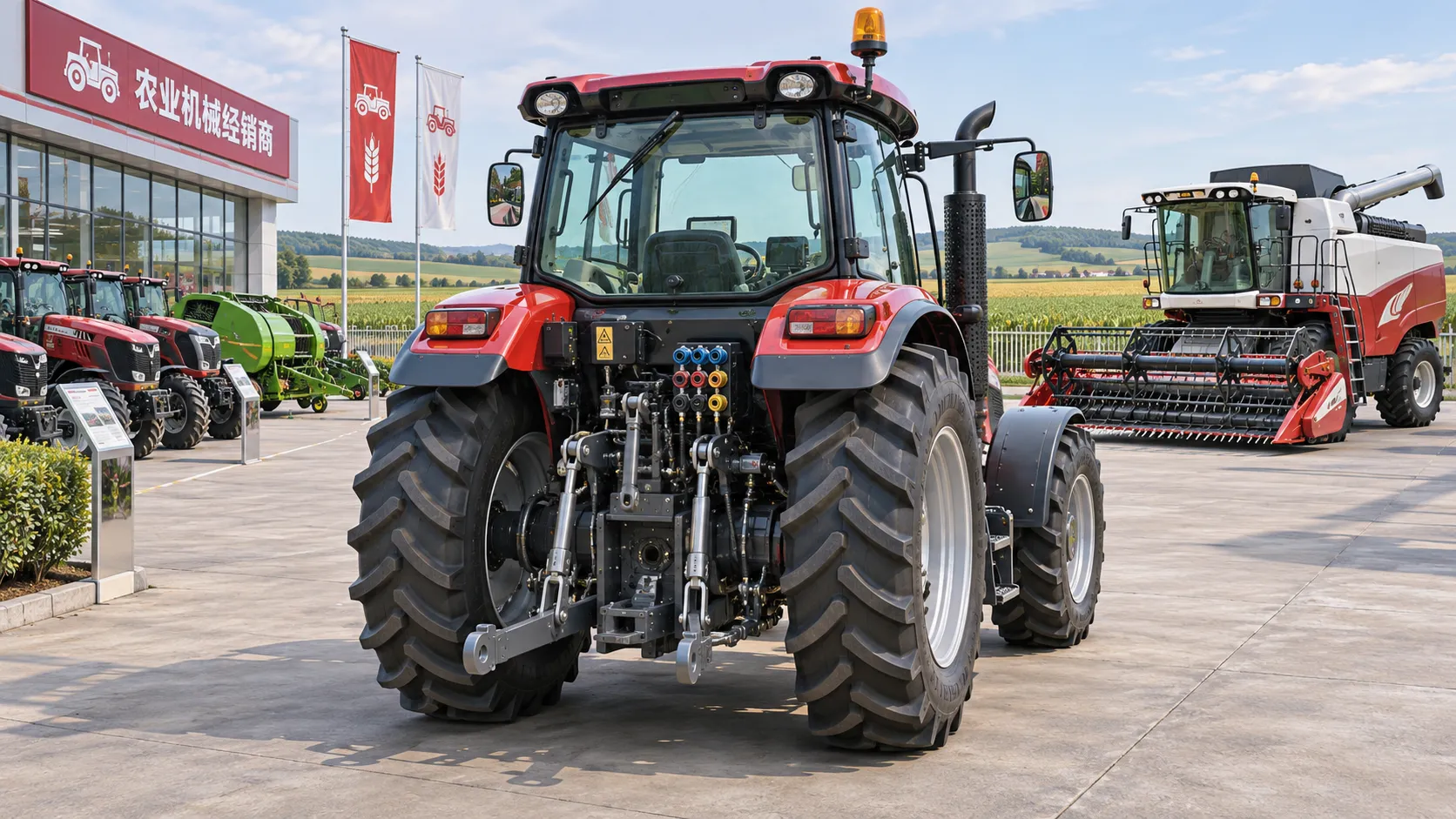
Choosing an Agricultural Machinery Platform: Listings, Pricing, and Support
Choosing an agricultural machinery platform? Compare listings, pricing, supplier verification, and support to make a more confident equipment purchase.
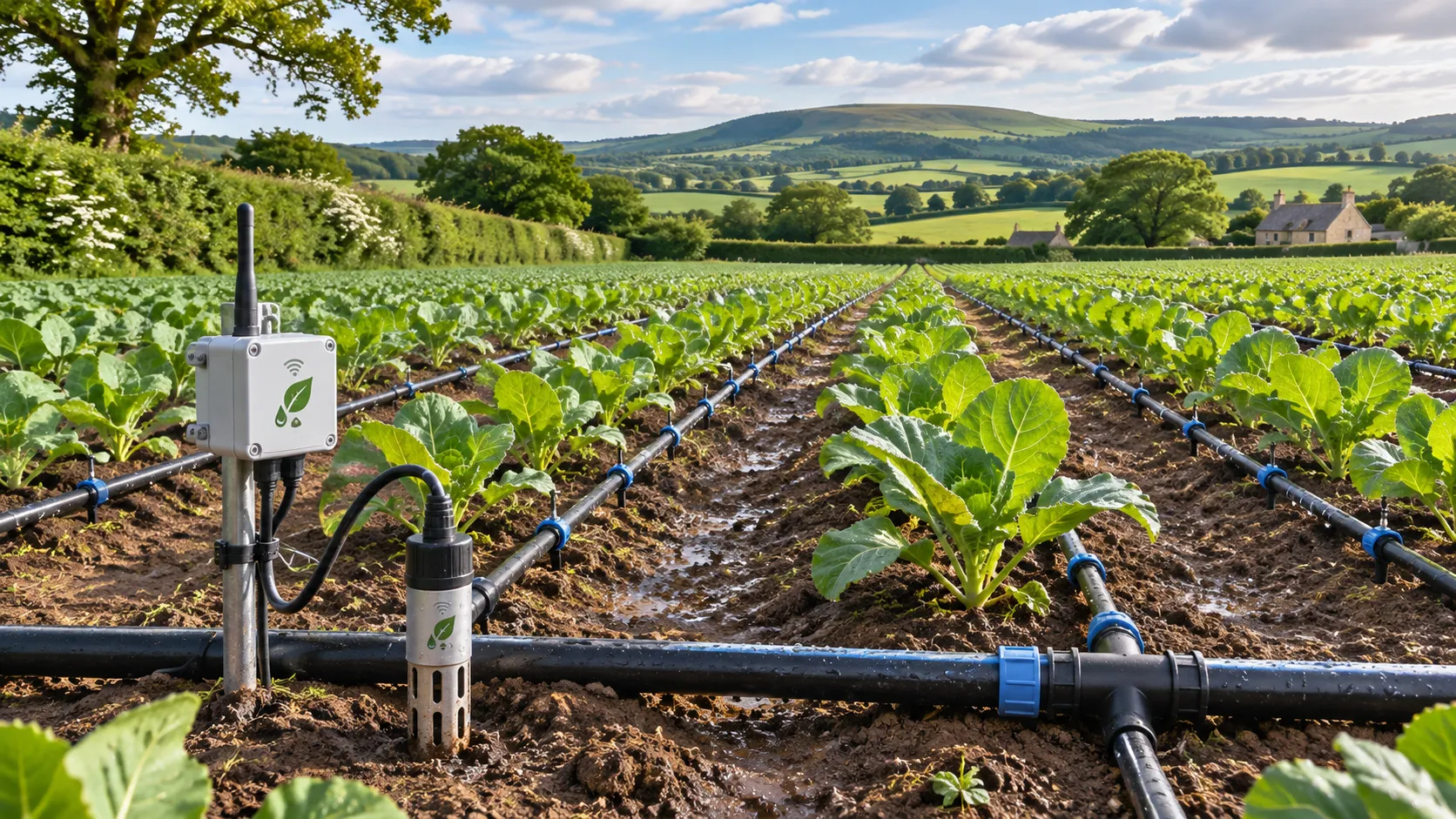
Ofwat Launches £8 Million Agri-Water Innovation Challenge
Ofwat’s £8 million Agri-Water Innovation Challenge supports smart irrigation, water reuse and water-saving solutions. Explore the funding and its potential impact.
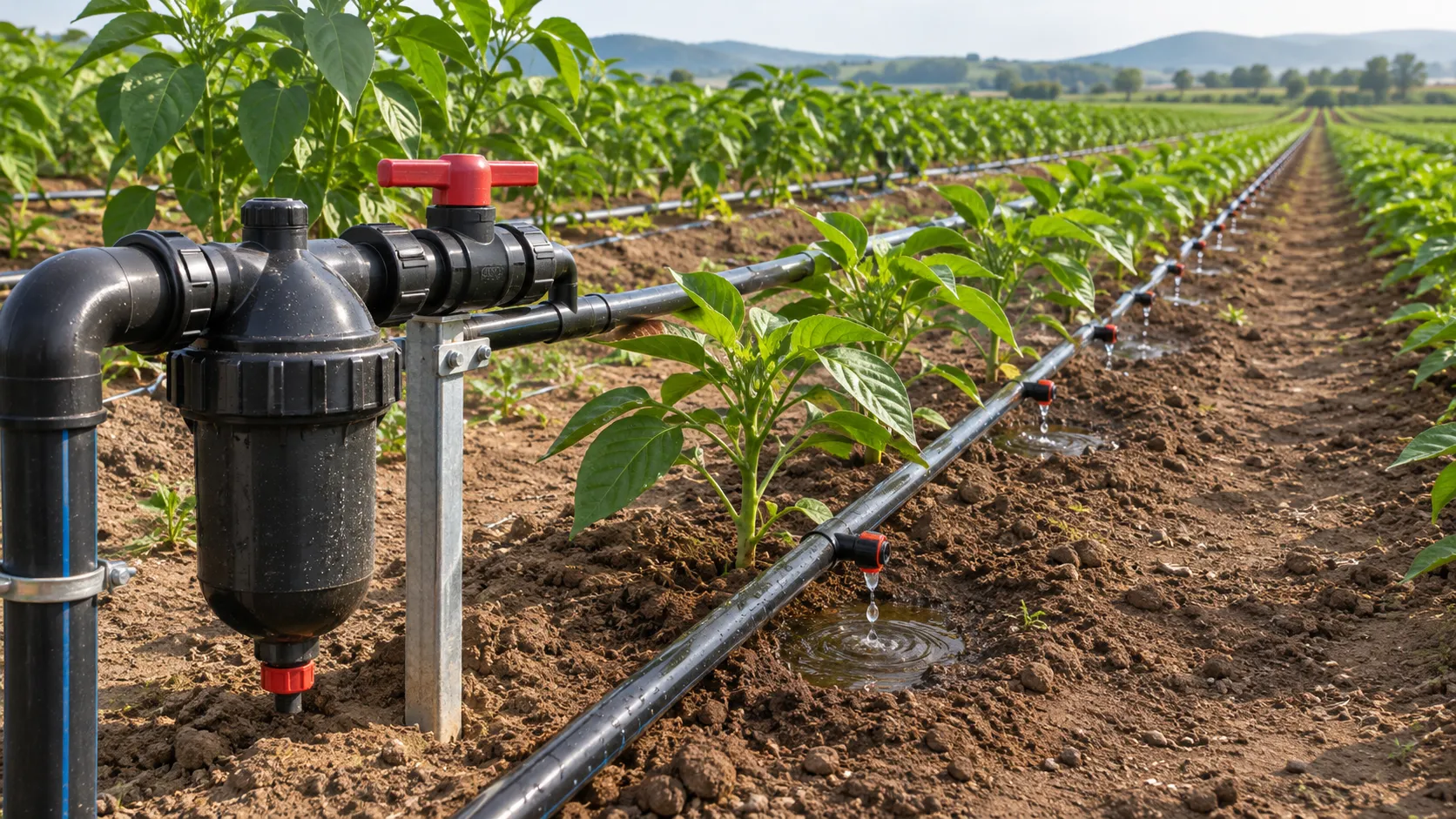
Choosing a Water-Saving Irrigation Supplier: 5 Key Procurement Criteria
Choose a water-saving irrigation systems supplier with confidence. Explore five procurement criteria to reduce risk and maximize long-term value.
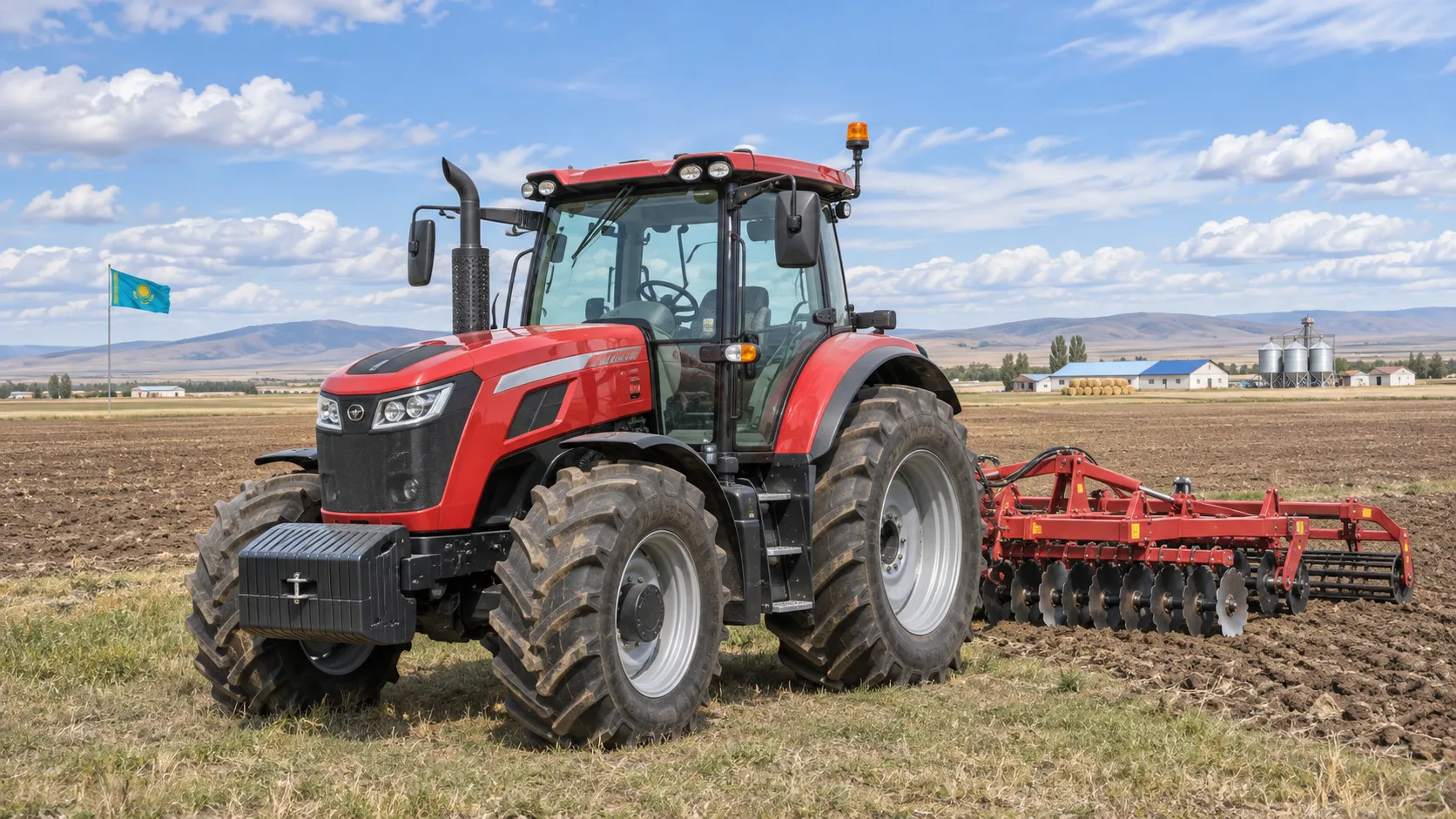
KazAgroFinance Resumes Applications for Preferential Farm Machinery Leasing
KazAgroFinance plans to reopen farm machinery leasing applications on November 9, 2026. Explore the opportunities and key terms to verify before applying.
Related News
- 00
0000-00
Choosing Irrigation Systems for Government Projects: Water, Cost and Compliance - 00
0000-00
Choosing an Agricultural Machinery Platform: Listings, Pricing, and Support - 00
0000-00
Choosing a Water-Saving Irrigation Supplier: 5 Key Procurement Criteria - 00
0000-00
304 vs 316 Stainless Steel for Ingredient Processing Equipment - 00
0000-00
Choosing a Large Farm Equipment Exporter: Parts, Shipping and Warranty
0000-00
Popular Tags
Ms. Elena Rodriguez
Weekly Insights
Stay ahead with our curated technology reports delivered every Monday.