China's Autumn Grain Harvest Highlights Role of Machinery and Precision Farming
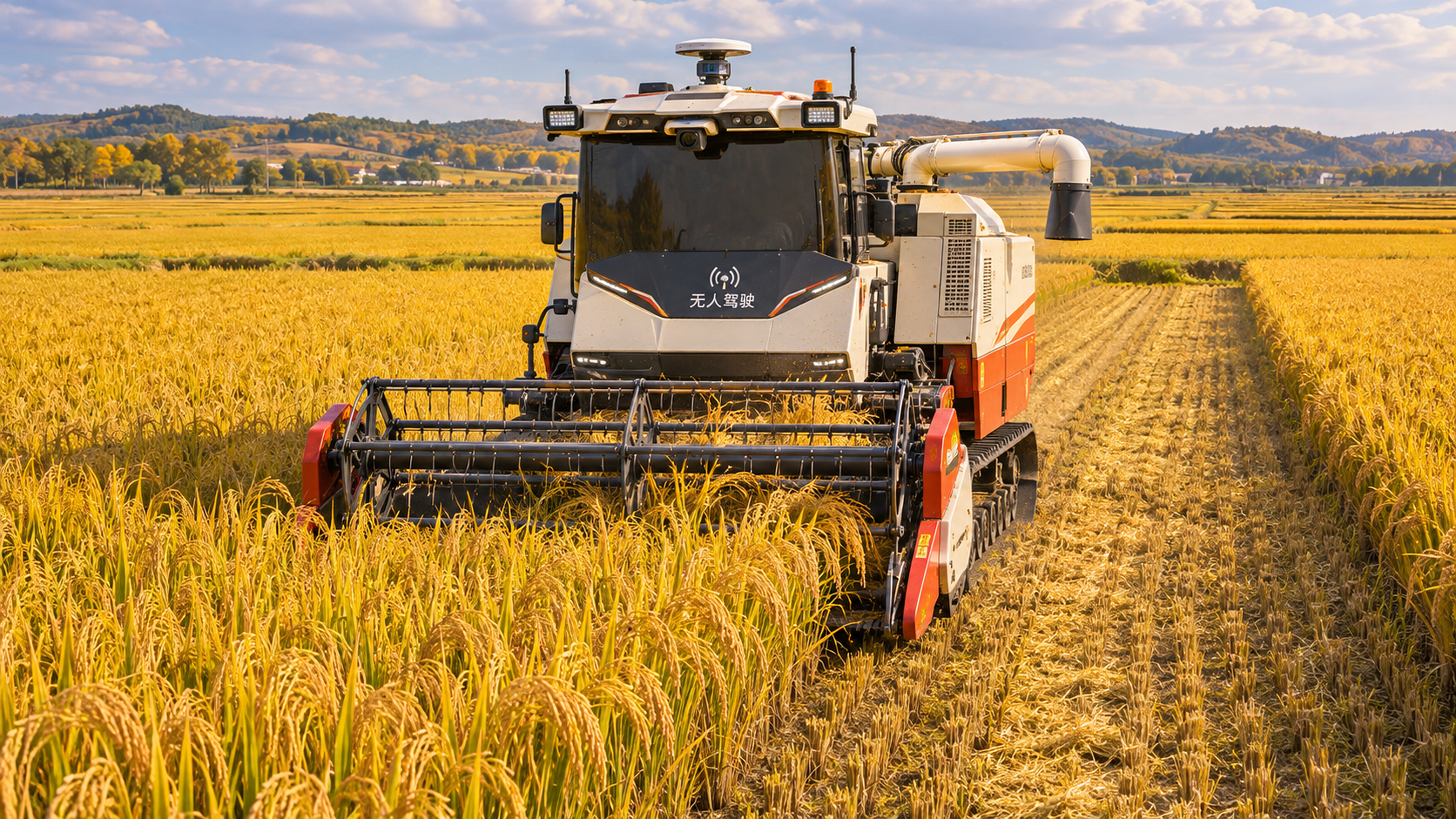




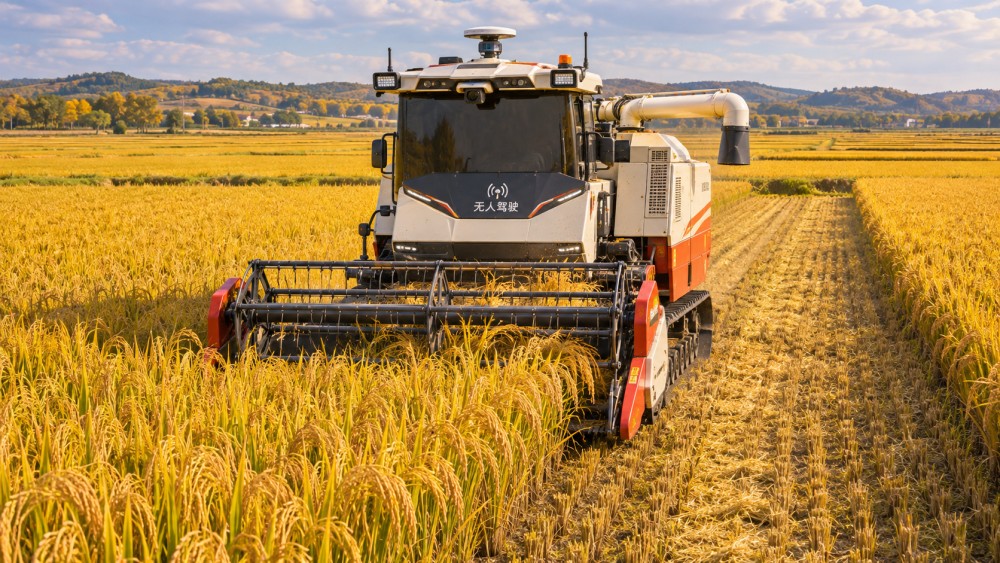
More than 90% of China's autumn grain crops were harvested using mechanization and other methods, as the harvest withstood the effects of disasters, Xinhua reported on November 12, 2026. The report also highlighted the role of improved farmland, seeds, machinery and farming practices in efforts to raise yields per unit of land.
The harvest illustrates two related aspects of agricultural modernization: getting crops out of the field and improving how they are grown. Mechanized harvesting addresses the former, while practices such as appropriate planting density, precision seeding and integrated water and fertilizer irrigation are part of the effort to improve production from the land under cultivation.
From harvest operations to yield improvement
The reported harvest share points to the extensive role of mechanization in autumn grain collection. Its significance for agriculture extends beyond the presence of machinery in fields: harvesting is a distinct stage in the production cycle, and the ability to complete it depends on how equipment and field operations fit the conditions in which crops are grown.
The report does not specify the share attributable to machinery alone, the types of equipment used or how results varied across crops. The figure therefore supports a broad assessment of harvest practices, but not a detailed comparison of particular machines or their performance.
Yield improvement is a separate, though connected, objective. Appropriate planting density concerns how plants are distributed across a field; precision seeding concerns how accurately seeds are placed; and integrated irrigation combines the delivery of water and fertilizer. Each practice addresses a different part of crop production. Their value in a particular setting depends on how well they work together with the land, seed varieties and machinery used.
What the report means for agricultural operations
For growers and those providing agricultural equipment or services, the report draws attention to the connections between production stages. A seeding method, for example, needs to suit both the crop and the equipment available for field operations. Similarly, an approach to water and fertilizer application has to fit the conditions in which it will be used. The reported emphasis on combining farmland, seeds, machinery and methods suggests that evaluating any one element in isolation would give an incomplete picture.
The distinction matters when considering the effect of technology. Mechanization can change how harvesting work is organized, while precision practices are intended to improve the management of crop production. The report identifies both as part of the modernization effort, but it does not quantify the contribution of any individual practice to this harvest or establish a direct cause-and-effect relationship between a particular technology and the outcome.
The harvest's performance under disaster conditions is also significant, but the available account does not identify the disasters, their severity or the specific measures that reduced their effects. It would therefore be too strong to attribute the outcome to any single technology. A clearer assessment would require information on conditions, production results and the practices used across different crops and locations.
Further reporting on harvest methods and yields would help show how widely the identified practices are used and how their results differ under varying conditions. For now, the clearest industry signal is the importance placed on coordinating machinery with the other elements of crop production, while treating harvest mechanization and higher yields as related but distinct goals.
Related News
Agricultural Automation Still Needs Human Oversight, Study Finds
Agricultural automation still needs human oversight. Discover how AI and smart equipment are reshaping farm jobs, skills, and decisions.
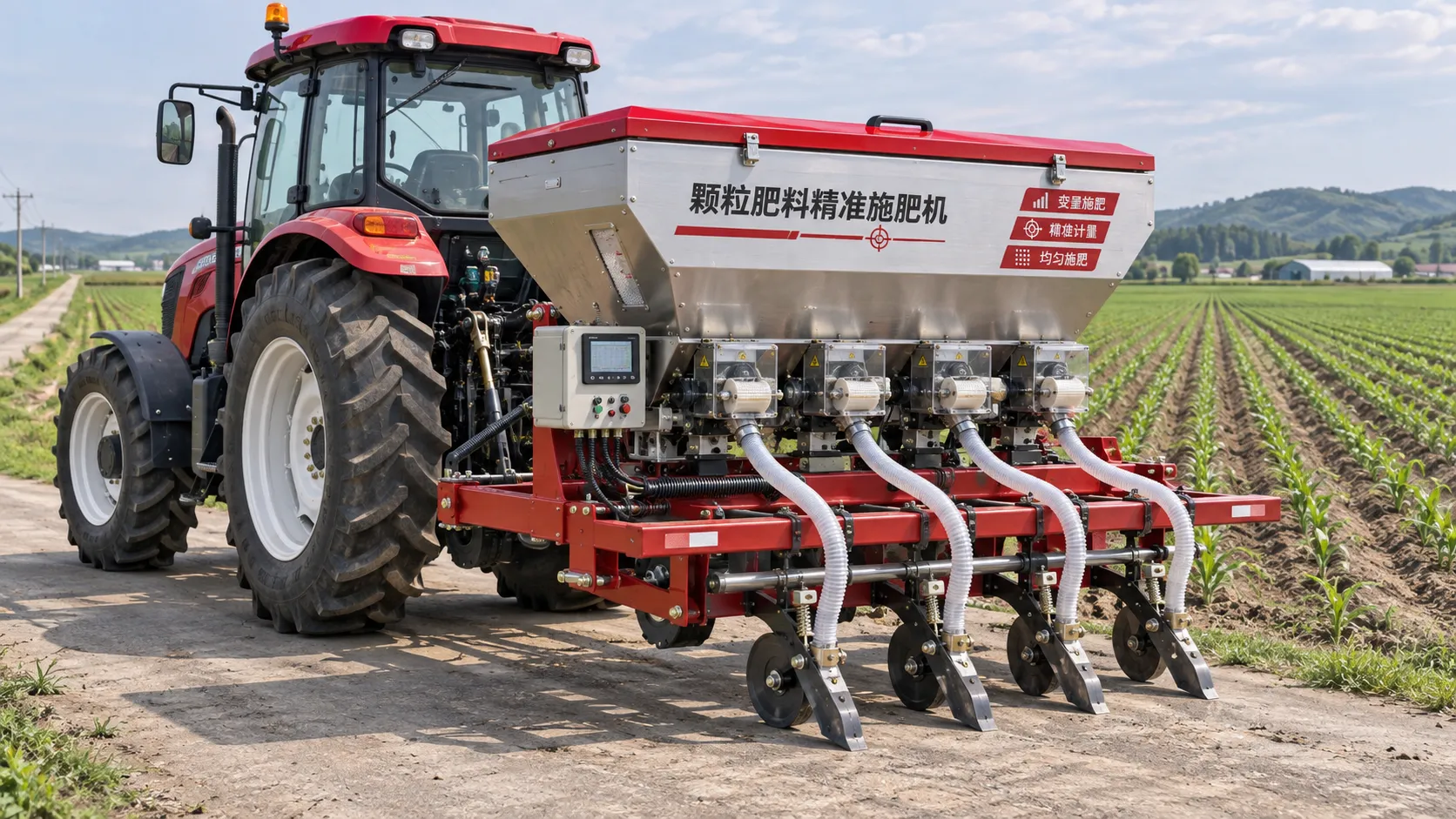
Choosing a Precision Fertilization Equipment Manufacturer: What to Check
Choose a precision fertilization equipment manufacturer with confidence. Compare accuracy, compatibility, service and total ownership costs before you buy.
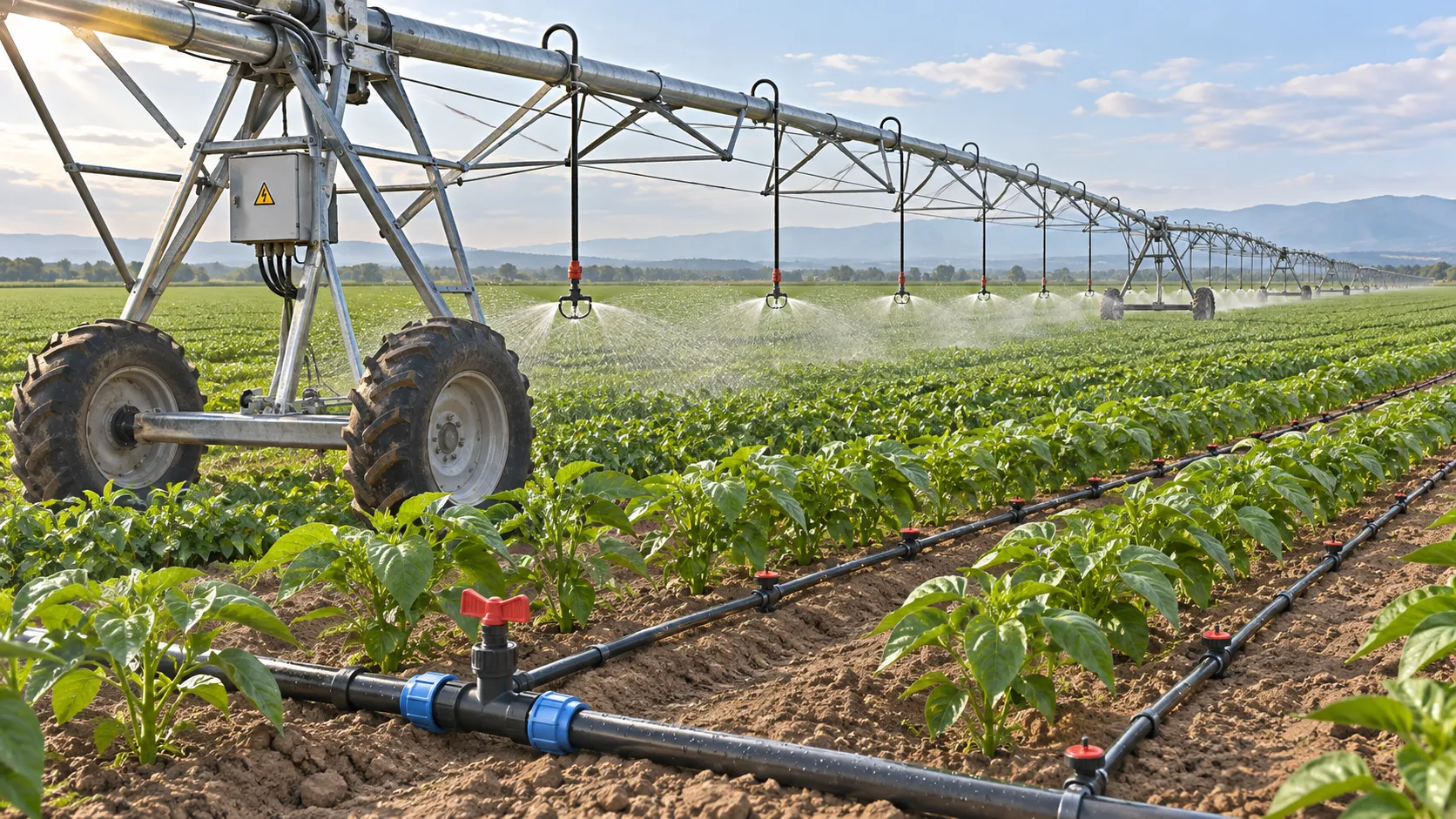
Drip vs. Center Pivot Irrigation: Maintenance Tasks and Costs Compared
Use this irrigation solution comparison by maintenance to weigh drip vs. center pivot tasks, costs and downtime—and choose the best fit for your field.
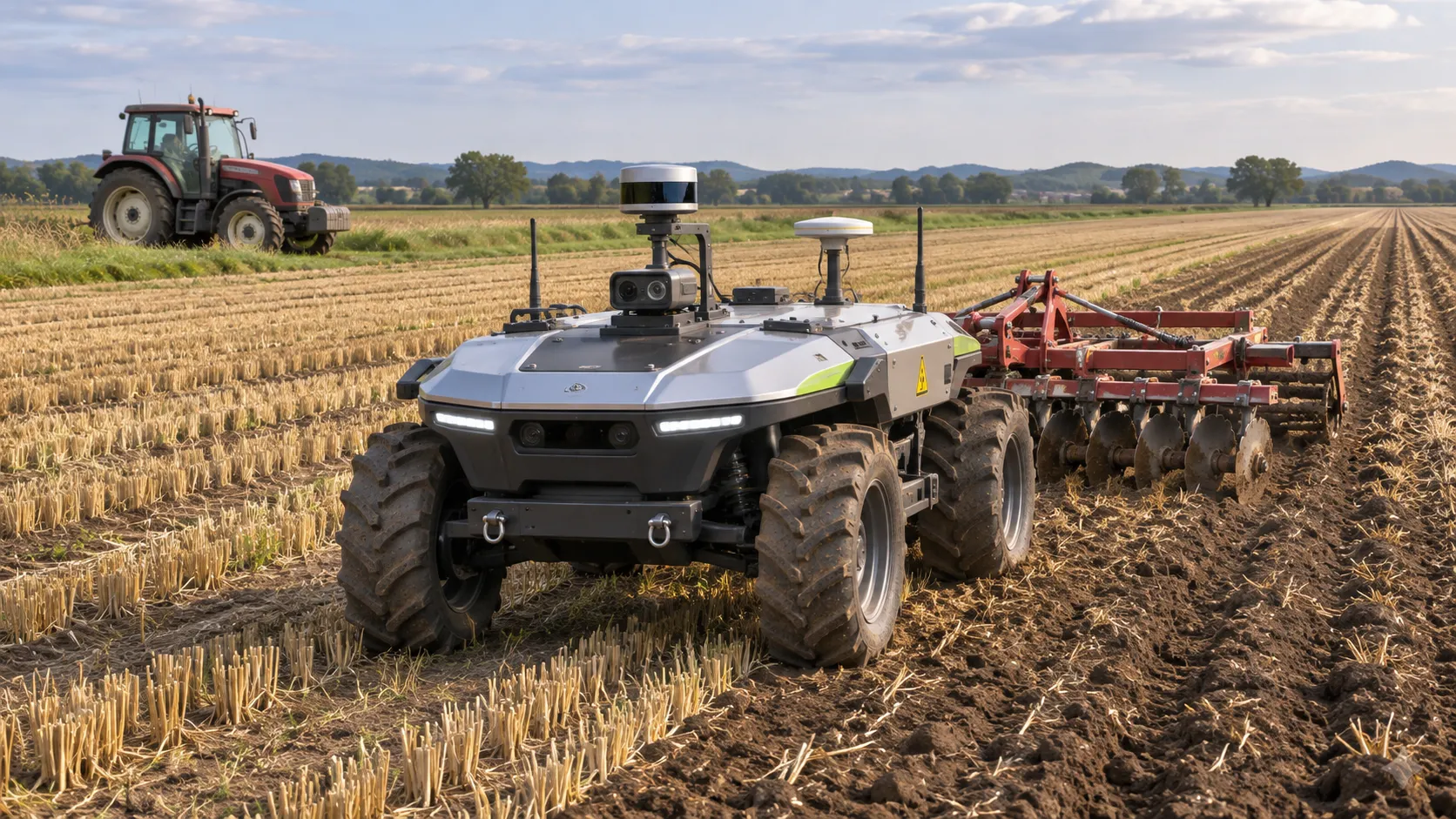
EIMA 2026: Six Tractor of the Year Awards Include Autonomous Robot
Explore the Tractor of the Year awards at EIMA 2026, featuring six winners, including the AgXeed autonomous robot and leading tractor models.
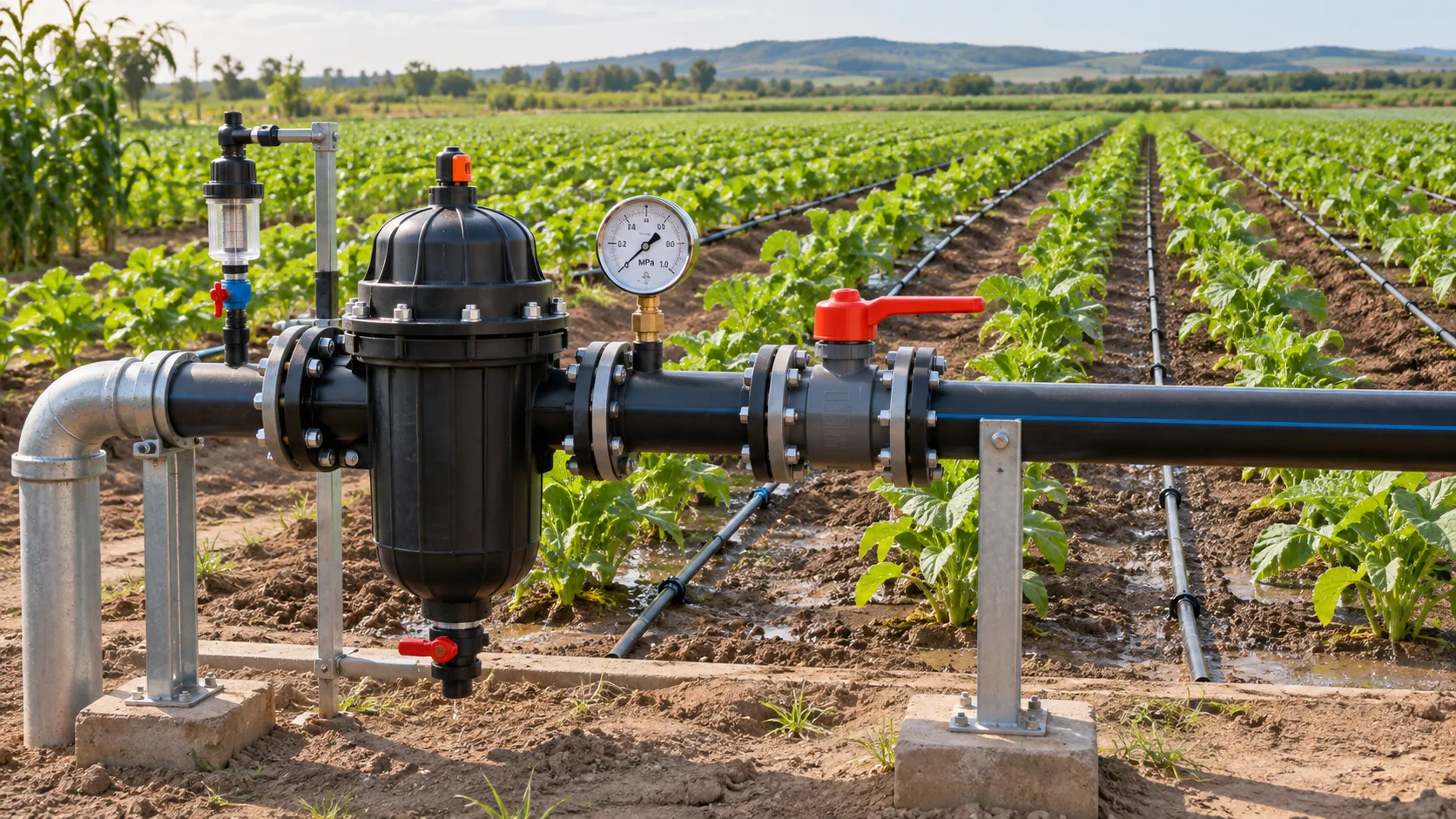
Choosing Irrigation Systems for Government Projects: Water, Cost and Compliance
What factors affect irrigation system selection for government projects? Explore water supply, lifecycle costs and compliance to make a confident, well-informed choice.
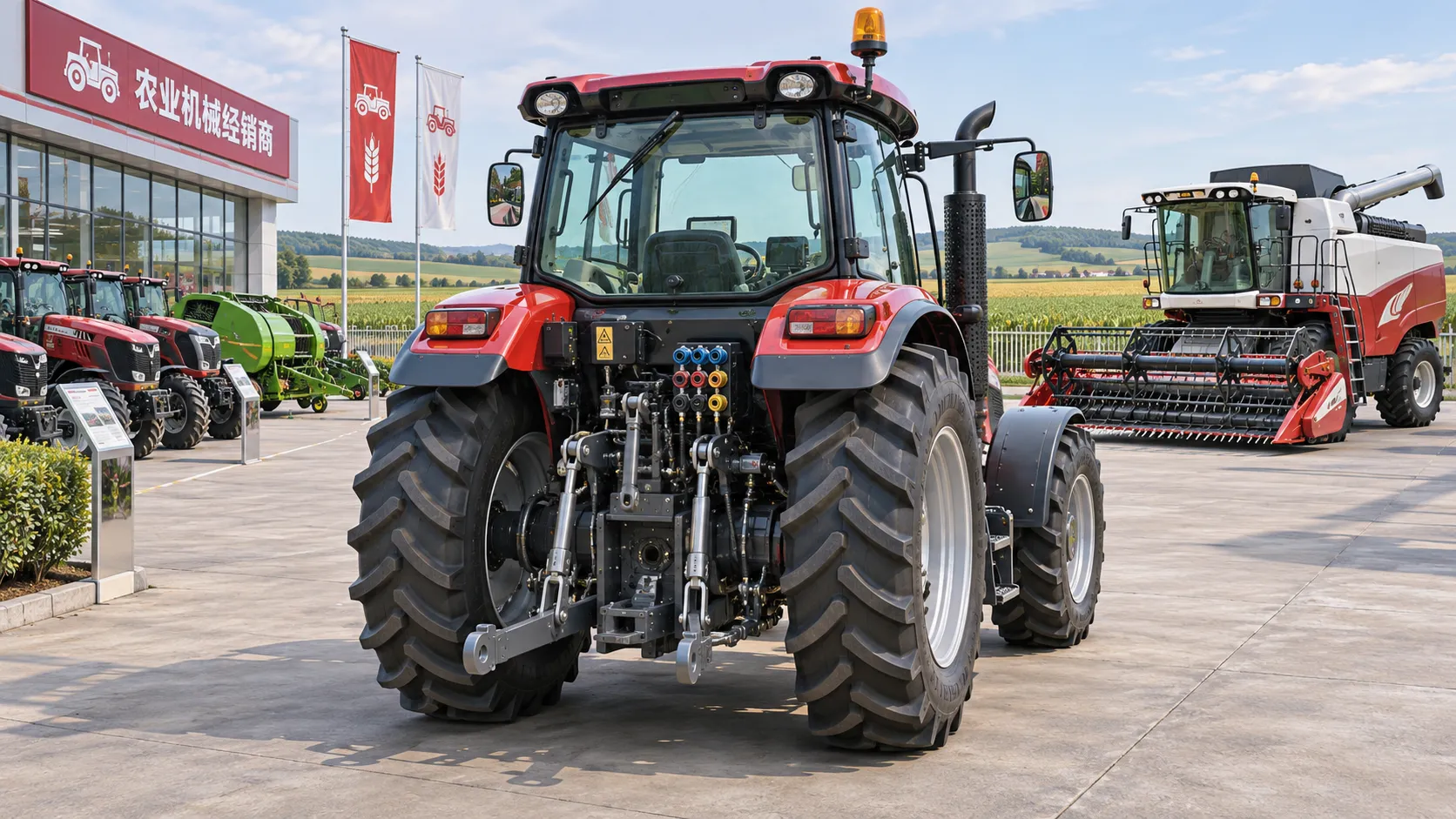
Choosing an Agricultural Machinery Platform: Listings, Pricing, and Support
Choosing an agricultural machinery platform? Compare listings, pricing, supplier verification, and support to make a more confident equipment purchase.
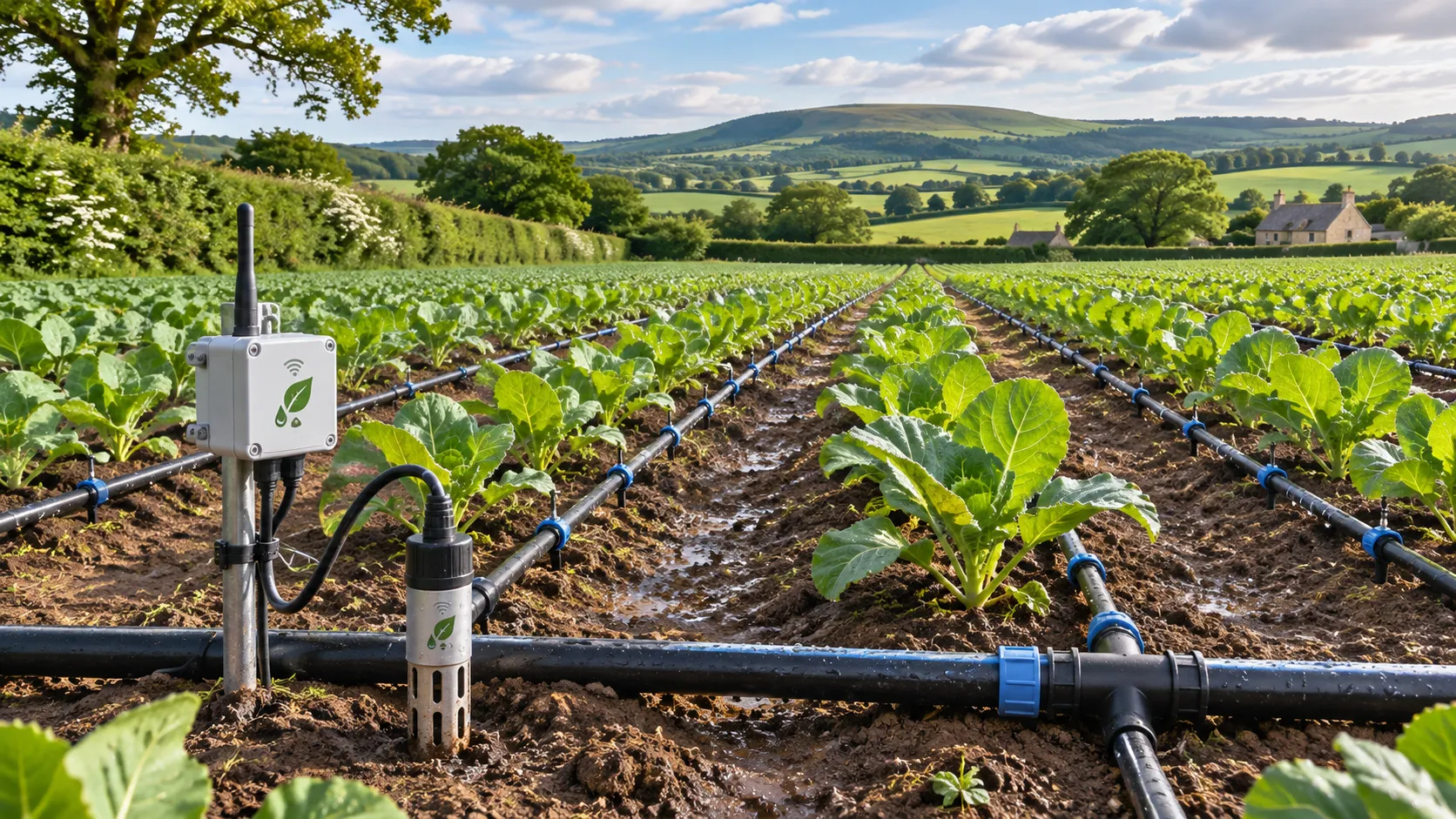
Ofwat Launches £8 Million Agri-Water Innovation Challenge
Ofwat’s £8 million Agri-Water Innovation Challenge supports smart irrigation, water reuse and water-saving solutions. Explore the funding and its potential impact.
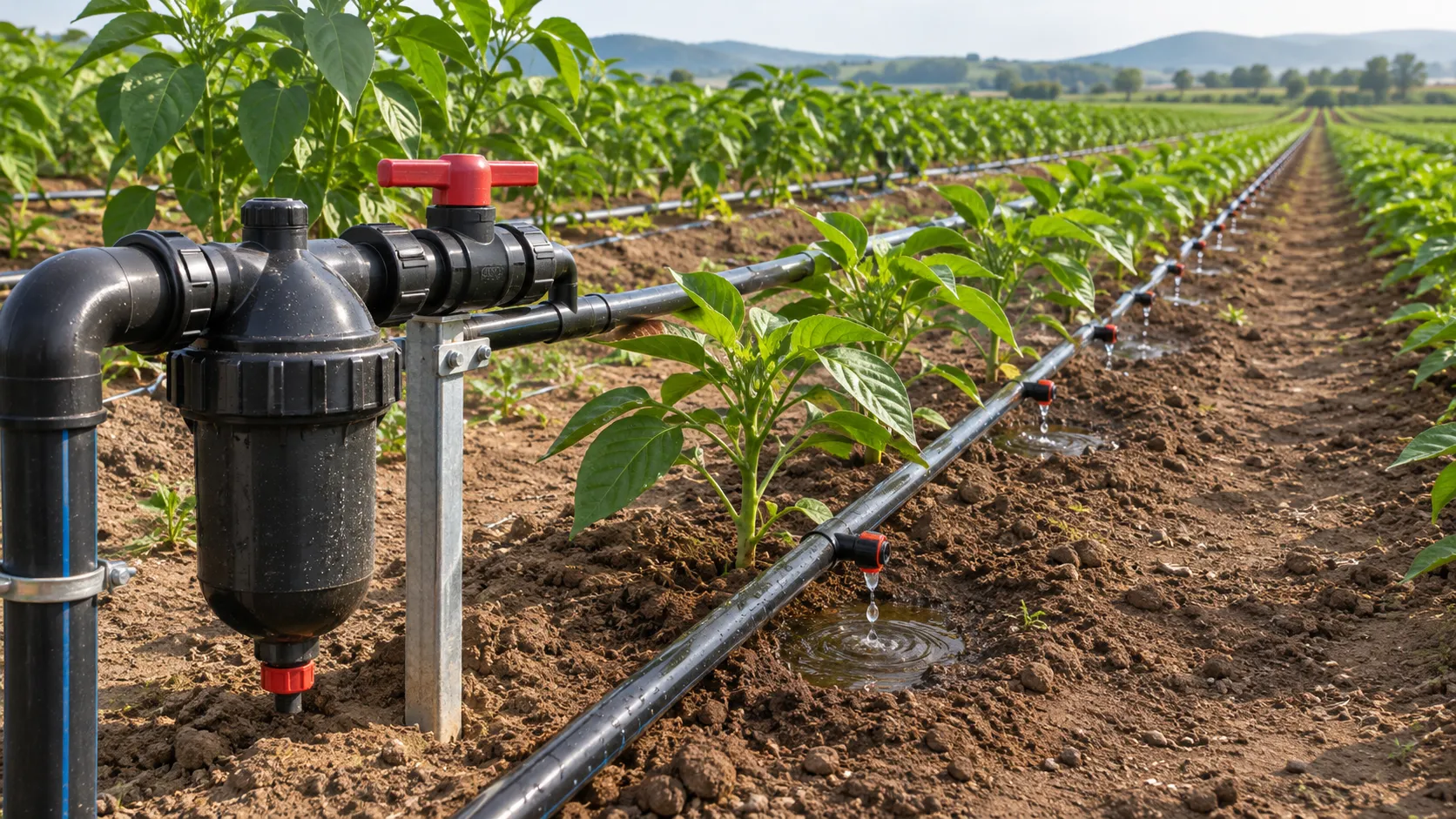
Choosing a Water-Saving Irrigation Supplier: 5 Key Procurement Criteria
Choose a water-saving irrigation systems supplier with confidence. Explore five procurement criteria to reduce risk and maximize long-term value.
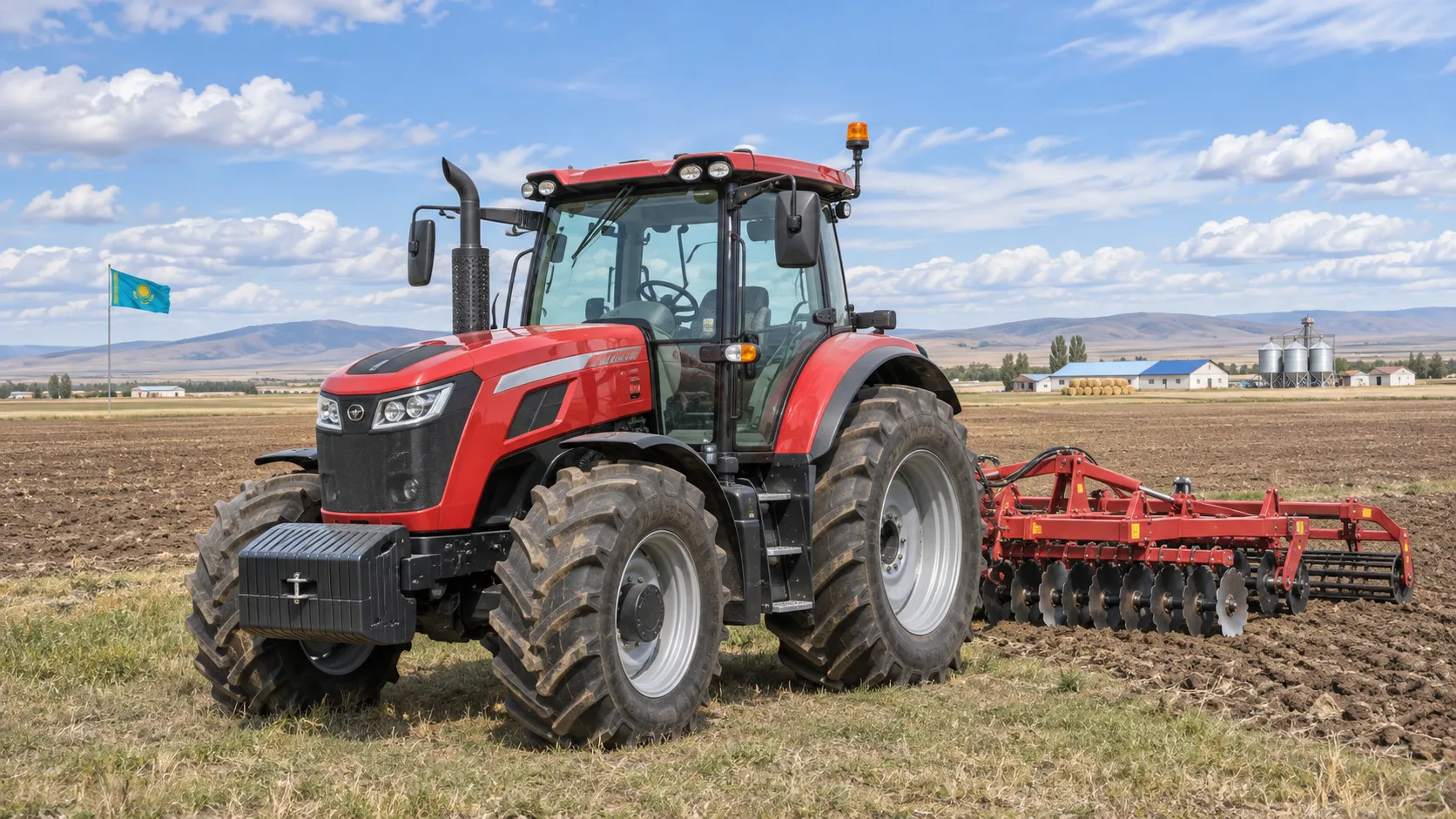
KazAgroFinance Resumes Applications for Preferential Farm Machinery Leasing
KazAgroFinance plans to reopen farm machinery leasing applications on November 9, 2026. Explore the opportunities and key terms to verify before applying.
Related News
- 00
0000-00
Agricultural Automation Still Needs Human Oversight, Study Finds - 00
0000-00
China's Autumn Grain Harvest Highlights Role of Machinery and Precision Farming - 00
0000-00
FEMA Fall Conference Highlights Four Paths for Agricultural AI and Autonomy - 00
0000-00
What maintenance challenges come with hybrid agricultural machines? - 00
0000-00
Can hybrid propulsion systems reduce fuel use in farm machinery?
0000-00
Popular Tags
Prof. Marcus Chen
Weekly Insights
Stay ahead with our curated technology reports delivered every Monday.