FEMA Fall Conference Highlights Four Paths for Agricultural AI and Autonomy
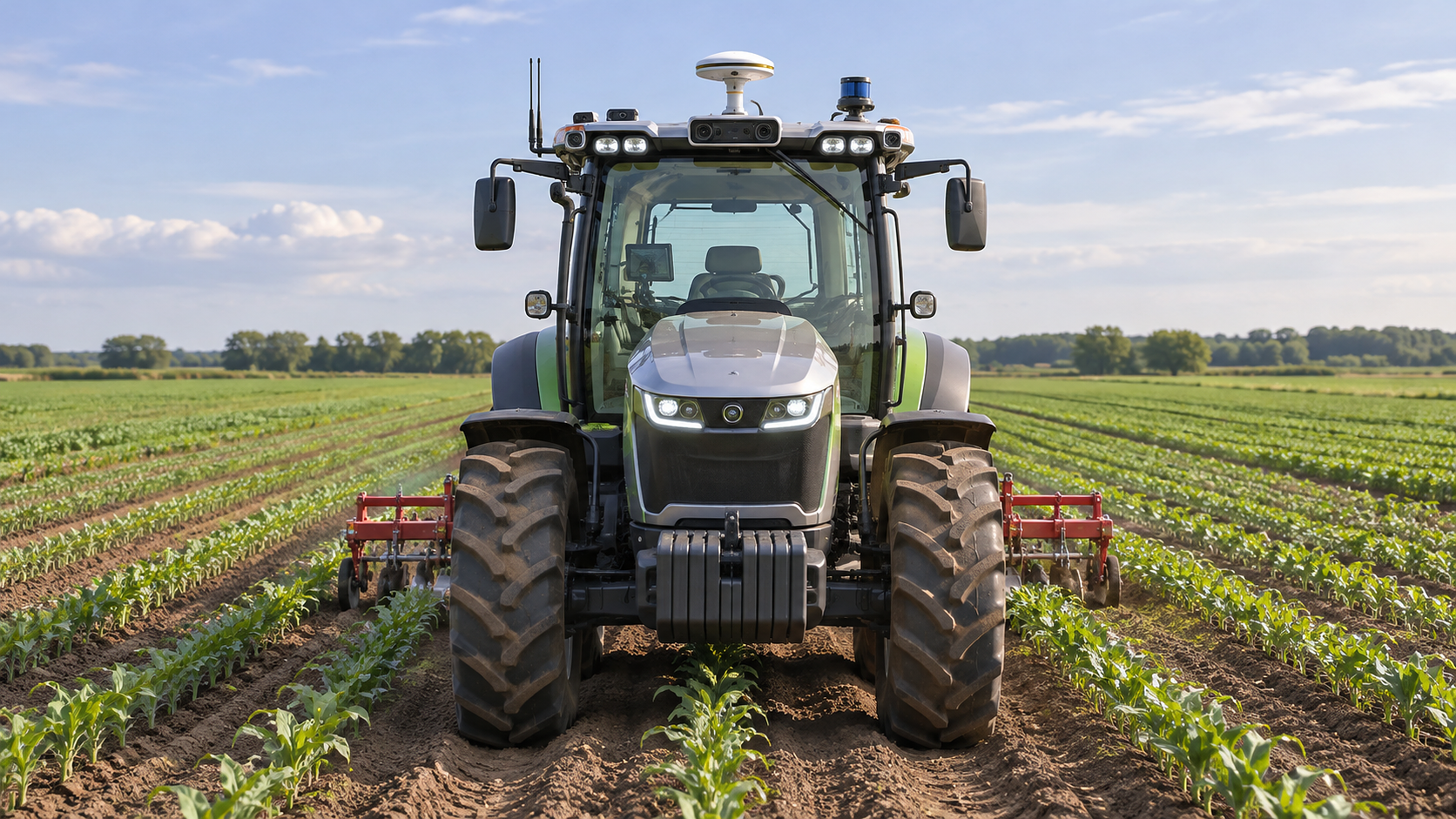




At the Agricultural Machinery Manufacturers Association (FEMA) fall conference in New Orleans, Acuitus Ag founder Chris Hunsaker identified four development paths for agricultural AI and autonomous equipment. The event date was not specified. The account provided does not identify a new policy, standard or regulatory requirement, but the discussion offers an industry signal for equipment manufacturers and buyers assessing technology choices and their possible implications for procurement and delivery.
Four paths identified at the FEMA conference
Hunsaker spoke at FEMA’s fall conference about four development paths for agricultural AI and autonomous equipment. The supplied account presents his analysis as a reference for agricultural machinery manufacturers considering intelligent equipment, autonomous driving and precision agriculture. It does not describe the four paths individually.
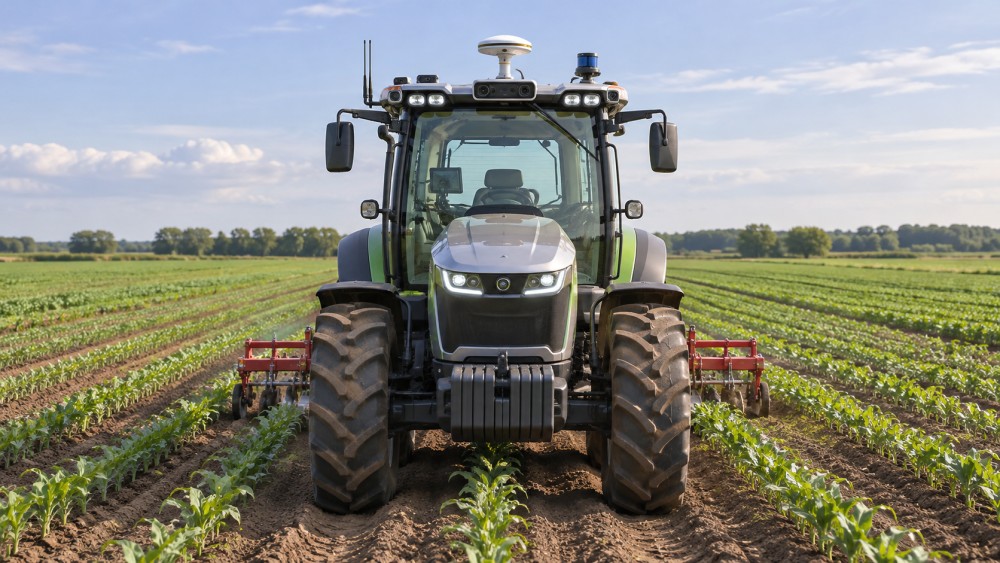
Where technology choices could affect equipment decisions
Manufacturers weighing development priorities
From an industry perspective, the four-path framing may help manufacturers review how they allocate attention across intelligent machinery, autonomous driving and precision agriculture. Because the individual paths were not supplied, companies would need further information before using the presentation to compare specific product strategies or technical requirements.
Buyers and equipment integrators assessing specifications
Analysis suggests that different approaches to AI and autonomy could influence how buyers and integrators discuss equipment capabilities, interfaces and delivery expectations. Procurement teams may find it useful to examine whether technical specifications clearly describe the intended functions and how those functions will be verified. No change to purchasing rules or certification requirements was identified in the supplied account.
Suppliers and service providers planning support
Possible changes in equipment design could affect the information suppliers and service providers need for integration, delivery and support. This is a consideration for future planning, not a confirmed change to current obligations or service arrangements.
What to check before translating the signal into plans
Obtain the details behind the four paths
Companies assessing the presentation may first seek the speaker’s full explanation and verify how each path relates to their products or purchasing plans. The supplied summary does not provide enough detail to rank the paths or determine their individual implications.
Review technical and procurement documents
Manufacturers and buyers could review how product documents and procurement specifications describe AI and autonomous functions, operating expectations and acceptance criteria. Any revisions would depend on the equipment and transaction concerned; the conference account does not establish new documentation requirements.
Check applicable requirements for planned equipment
Before committing to a design or purchase, businesses may wish to verify which existing safety, certification and other compliance requirements apply to the intended equipment and market. The input identifies no particular standard, certification change or enforcement timetable.
Assess delivery and support assumptions
Where autonomous or AI-enabled functions are being considered, parties could clarify responsibilities for integration, testing and ongoing support during procurement discussions. The practical arrangements would depend on the product and contract, rather than on any rule announced in the supplied account.
A technology signal with rules still to be verified
Editorial observation: the presentation is more appropriately understood as an industry perspective on technology development than as an implemented rule change or an official enforcement signal. Further detail on the four paths, any subsequent association statements and relevant standards or procurement documents could affect how companies interpret its practical significance.
Keep strategy and compliance decisions evidence-led
The conference discussion gives manufacturers and other participants a reason to examine their assumptions about agricultural AI and autonomy. At this stage, the prudent response is to seek the underlying detail and check applicable requirements for individual projects, while avoiding conclusions that a new rule or market outcome has already been established.
Basis for this report and further verification
This article is based on the supplied news title, event-time information and event summary. No specific official source link was provided in the input, so the presentation and any subsequent developments require continued verification. Relevant materials to follow may include association information, standards organization documents, procurement specifications and industry feedback, particularly where they clarify technical requirements or implementation practices.
Related News
Agricultural Automation Still Needs Human Oversight, Study Finds
Agricultural automation still needs human oversight. Discover how AI and smart equipment are reshaping farm jobs, skills, and decisions.
Choosing a Precision Fertilization Equipment Manufacturer: What to Check
Choose a precision fertilization equipment manufacturer with confidence. Compare accuracy, compatibility, service and total ownership costs before you buy.
China's Autumn Grain Harvest Highlights Role of Machinery and Precision Farming
China's autumn grain harvest highlights machinery and precision farming. Explore how coordinated practices support harvesting and yield improvement.
Drip vs. Center Pivot Irrigation: Maintenance Tasks and Costs Compared
Use this irrigation solution comparison by maintenance to weigh drip vs. center pivot tasks, costs and downtime—and choose the best fit for your field.
EIMA 2026: Six Tractor of the Year Awards Include Autonomous Robot
Explore the Tractor of the Year awards at EIMA 2026, featuring six winners, including the AgXeed autonomous robot and leading tractor models.
Choosing Irrigation Systems for Government Projects: Water, Cost and Compliance
What factors affect irrigation system selection for government projects? Explore water supply, lifecycle costs and compliance to make a confident, well-informed choice.
Choosing an Agricultural Machinery Platform: Listings, Pricing, and Support
Choosing an agricultural machinery platform? Compare listings, pricing, supplier verification, and support to make a more confident equipment purchase.
Ofwat Launches £8 Million Agri-Water Innovation Challenge
Ofwat’s £8 million Agri-Water Innovation Challenge supports smart irrigation, water reuse and water-saving solutions. Explore the funding and its potential impact.
Choosing a Water-Saving Irrigation Supplier: 5 Key Procurement Criteria
Choose a water-saving irrigation systems supplier with confidence. Explore five procurement criteria to reduce risk and maximize long-term value.
Related News
- 00
0000-00
Agricultural Automation Still Needs Human Oversight, Study Finds - 00
0000-00
China's Autumn Grain Harvest Highlights Role of Machinery and Precision Farming - 00
0000-00
FEMA Fall Conference Highlights Four Paths for Agricultural AI and Autonomy - 00
0000-00
What maintenance challenges come with hybrid agricultural machines? - 00
0000-00
Can hybrid propulsion systems reduce fuel use in farm machinery?
0000-00
Popular Tags
Prof. Marcus Chen
Weekly Insights
Stay ahead with our curated technology reports delivered every Monday.