Choosing a Water-Saving Irrigation Supplier: 5 Key Procurement Criteria
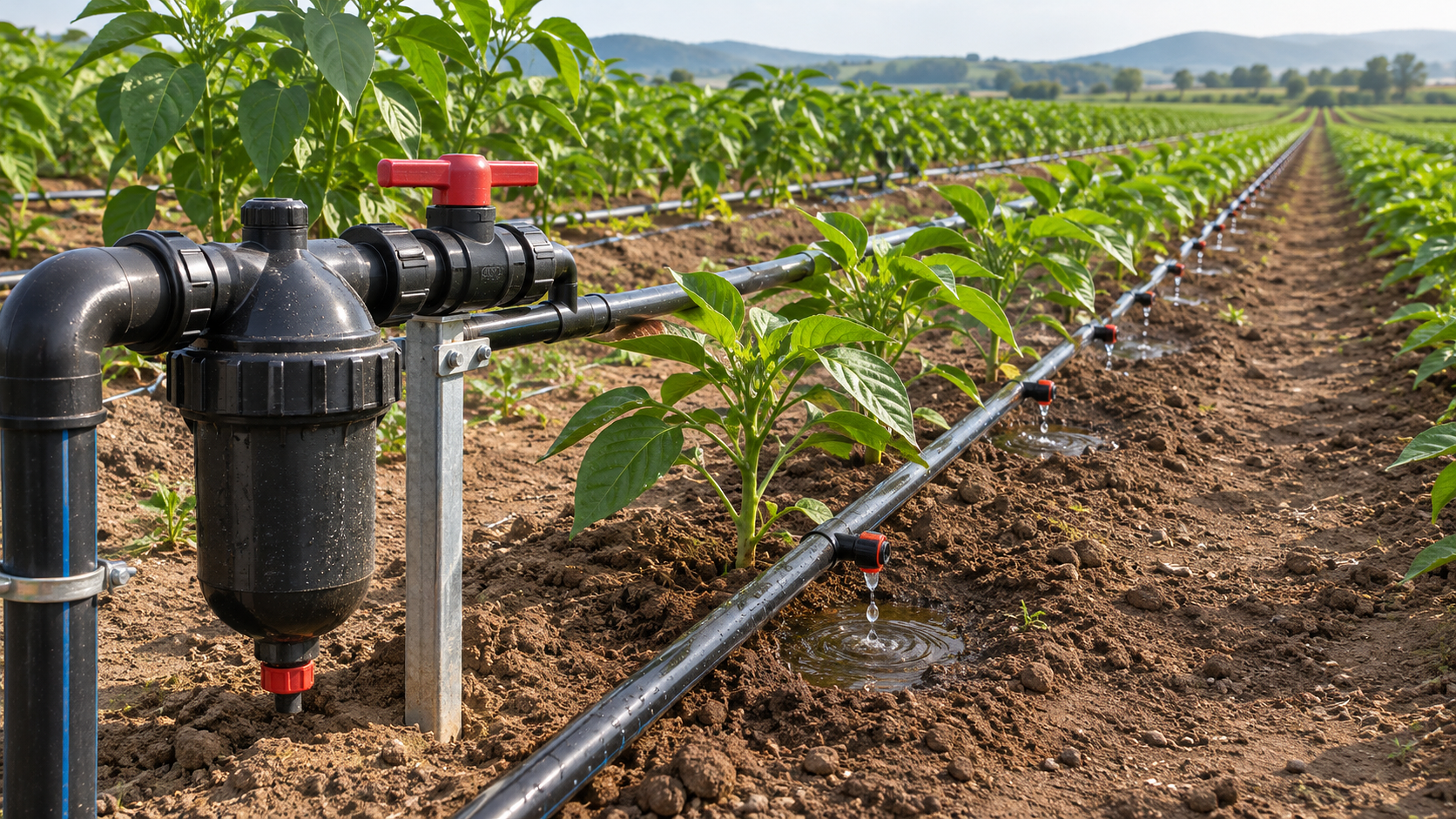




Choosing a water-saving irrigation systems supplier involves more than comparing equipment prices. Procurement teams must assess water efficiency, system compatibility, product reliability, technical support, and total cost of ownership to make a sound long-term investment. Whether sourcing drip irrigation components or intelligent control systems, a structured evaluation can reduce operational risks and help buyers match technology to field conditions. These five criteria help distinguish a low initial quote from a system that can perform reliably over its working life.
1. Water efficiency under actual field conditions
A supplier’s water-saving claim is only useful if it explains the comparison behind it. A drip system may apply water close to the root zone, but that alone does not guarantee lower water consumption. Leaks, poor pressure control, clogged emitters, unsuitable scheduling, or an increase in irrigated area can change the outcome. Ask what baseline the proposed savings are measured against and whether the estimate includes flushing, filter backwashing, and other operational water use.
Start with the field, not the catalog. The supplier needs crop and planting information, soil characteristics, field dimensions and slope, water availability, and the required irrigation schedule. Existing pump performance and water quality matter just as much. A design based on clean water and flat ground may look economical on paper but require additional filtration and pressure management once real conditions are considered.
Request a hydraulic design that identifies flow requirements, pressure ranges, irrigation zones, and expected variation in water application across the field. On uneven terrain or long laterals, pressure-compensating emitters may be worth considering; on a simpler site, their added cost may not be justified. The right answer depends on the pressure profile and the consequences of uneven application, not on whether a component is marketed as premium.
Water quality deserves an early conversation. Suspended solids, biological growth, and dissolved minerals can each create different clogging risks. Ask the supplier to explain its filtration recommendation, cleaning requirements, and any additional treatment assumptions using a representative water analysis. If the source changes seasonally, a single sample may not describe the full operating risk.
2. Compatibility with existing equipment and future plans
A technically capable irrigation system can become expensive when it does not fit the infrastructure already in place. Before comparing proposals, document the existing pumps, pipe sizes, valves, power supply, communications coverage, and control equipment. Then ask each bidder to identify what can be reused, what must be modified, and what is excluded from its quotation.
Pump compatibility is a common source of surprises. A proposed layout may require a different pressure or flow from what the current pump can deliver efficiently. Conversely, a pump sized for an older system may need controls or operational changes for a smaller zone-based design. The supplier should show its assumptions rather than simply state that the system is compatible.
For intelligent irrigation, compatibility extends beyond plumbing. Check how soil sensors, weather inputs, controllers, flow meters, and farm-management software exchange information. Ask whether integrations are available now, who configures them, and whether they require paid licenses or third-party services. A promised future connection is not the same as a tested interface included in the contract.
Also establish what happens when connectivity fails. Can staff operate valves locally? Are schedules retained? Will missing sensor readings trigger an alert or interrupt irrigation? Remote visibility is useful, but it should not become a single point of failure during a critical watering window.
For buyers planning expansion, request a design that shows the practical limits of adding acreage or zones. Oversizing everything on day one can waste capital; leaving no room for expansion can force an early pump, filtration, or controller replacement. A phased design makes that trade-off visible.
3. Component reliability and evidence behind performance claims
Reliability is not a single specification. It depends on whether emitters resist the site’s clogging risks, pipes tolerate local handling and exposure, valves operate at the available pressure, and electronics remain serviceable in field conditions. Ask for product data sheets covering operating limits, materials, maintenance requirements, and installation constraints. Where a supplier cites a test method or certification, verify its scope and whether it applies to the exact product offered.
Pay attention to interfaces and replacement parts. A proprietary connector or controller is not automatically a bad choice, but it can increase dependence on one supply chain. Determine whether replacement emitters, seals, filters, valve components, and communication modules are stocked locally or imported to order. Ask for typical lead times and what happens if a line is discontinued.
The field installation is part of the reliability question. A good component can fail early if pipework is poorly flushed, filters are incorrectly sized, or pressure regulators are installed in the wrong locations. Clarify whether the supplier designs only, supplies equipment, supervises installation, or accepts responsibility for the complete system. Gaps between contractors should be assigned before an order is placed.
For a large or unfamiliar procurement, consider a limited pilot or demonstration using the proposed water source and installation method. Agree in advance on what will be checked: pressure at representative points, flow readings, application uniformity where practical, filter behavior, and ease of maintenance. A pilot cannot prove years of durability, but it can expose design and installation problems before a full rollout.
4. Technical support that remains available after commissioning
A supplier’s service capacity matters most when irrigation cannot wait. Ask who will respond to a fault, where that person is based, which issues can be resolved remotely, and which require an on-site visit. A distributor may be excellent at supplying components while depending on a manufacturer or separate contractor for software and hydraulic support. That arrangement can work, provided responsibilities and escalation routes are clear.
Commissioning should include more than switching on a controller. Specify the checks required before acceptance, such as confirming zone operation, recording representative pressures and flows, checking for leaks, and demonstrating alarms and manual overrides. For automated systems, establish who enters the initial schedules and who approves subsequent changes. If performance cannot be verified until a growing season begins, agree on a practical process for resolving issues discovered later.
Training should match the people who will actually operate and maintain the system. A farm manager may need scheduling and reporting instruction; field technicians need to know how to inspect filters, flush lines, isolate a damaged section, and identify abnormal pressure or flow. Ask for operating instructions, a parts list, and a clear fault-reporting procedure in a form the site team can use.
Warranty wording deserves particular scrutiny. Check its duration, covered components, exclusions, labor and travel provisions, and whether water quality or maintenance conditions affect coverage. A warranty that replaces a failed part may not cover the cost of removing it, reinstalling it, or restoring the crop’s irrigation schedule. Those distinctions belong in the comparison, not in a post-purchase dispute.
5. Total cost of ownership and commercial transparency
A low equipment price can conceal an incomplete scope. Compare bids against the same field boundary, water source, operating assumptions, and level of automation. Separate equipment supply from design, installation, electrical work, civil works, commissioning, training, and transport. If one proposal excludes filtration upgrades or pump modifications that another includes, their headline prices are not comparable.
Build an ownership-cost estimate over a planning period appropriate to the project. Include expected energy use, routine maintenance, replacement parts, consumables, connectivity, software subscriptions, and service visits. For drip systems, include the likely handling and replacement of laterals where relevant. For controls, check whether data access, remote monitoring, or additional users carry recurring charges. Use supplier estimates as assumptions, not guarantees, unless the contract explicitly makes them so.
Water savings can offset costs, but only if they are valued realistically. Consider the actual cost of water and pumping, any local constraints on abstraction, and whether saved water reduces expenditure or simply becomes available for another use. Yield or labor benefits may also matter, but they depend on management and field conditions; avoid treating optimistic projections as certain returns.
Commercial terms should address delivery milestones, payment triggers, price validity, and responsibility for transport damage. For imported equipment, clarify who handles freight, customs, taxes, and replacement shipments. If exchange rates or component availability can change the final price, require the quotation to say how those risks are allocated.
How to make the final comparison
Give shortlisted suppliers the same project brief and allow them to identify missing information before issuing final offers. A useful brief includes a field map, crop plan, water analysis, source capacity, available power, existing equipment details, operational constraints, and the intended purchase timeline. Record any assumptions that remain unresolved; they are often where later cost variations begin.
Score proposals against the five criteria, but do not let a weighted average hide a critical weakness. A strong price should not cancel out an unsuitable water-treatment design, an unworkable service arrangement, or an inability to operate during a network outage. Set minimum requirements for those issues before awarding points for optional features.
AP-Strategy’s wider focus on farm machinery, precision tools, and irrigation offers a useful perspective: an irrigation purchase is part of an operating system, not an isolated hardware decision. The practical next step is to put the leading bids side by side, mark every exclusion and assumption, and ask each supplier to resolve the differences in writing. The most defensible choice is the one whose design, support obligations, and long-term costs remain clear when field conditions are less forgiving than the sales presentation.
Related News
Agricultural Automation Still Needs Human Oversight, Study Finds
Agricultural automation still needs human oversight. Discover how AI and smart equipment are reshaping farm jobs, skills, and decisions.
Choosing a Precision Fertilization Equipment Manufacturer: What to Check
Choose a precision fertilization equipment manufacturer with confidence. Compare accuracy, compatibility, service and total ownership costs before you buy.
China's Autumn Grain Harvest Highlights Role of Machinery and Precision Farming
China's autumn grain harvest highlights machinery and precision farming. Explore how coordinated practices support harvesting and yield improvement.
Drip vs. Center Pivot Irrigation: Maintenance Tasks and Costs Compared
Use this irrigation solution comparison by maintenance to weigh drip vs. center pivot tasks, costs and downtime—and choose the best fit for your field.
EIMA 2026: Six Tractor of the Year Awards Include Autonomous Robot
Explore the Tractor of the Year awards at EIMA 2026, featuring six winners, including the AgXeed autonomous robot and leading tractor models.
Choosing Irrigation Systems for Government Projects: Water, Cost and Compliance
What factors affect irrigation system selection for government projects? Explore water supply, lifecycle costs and compliance to make a confident, well-informed choice.
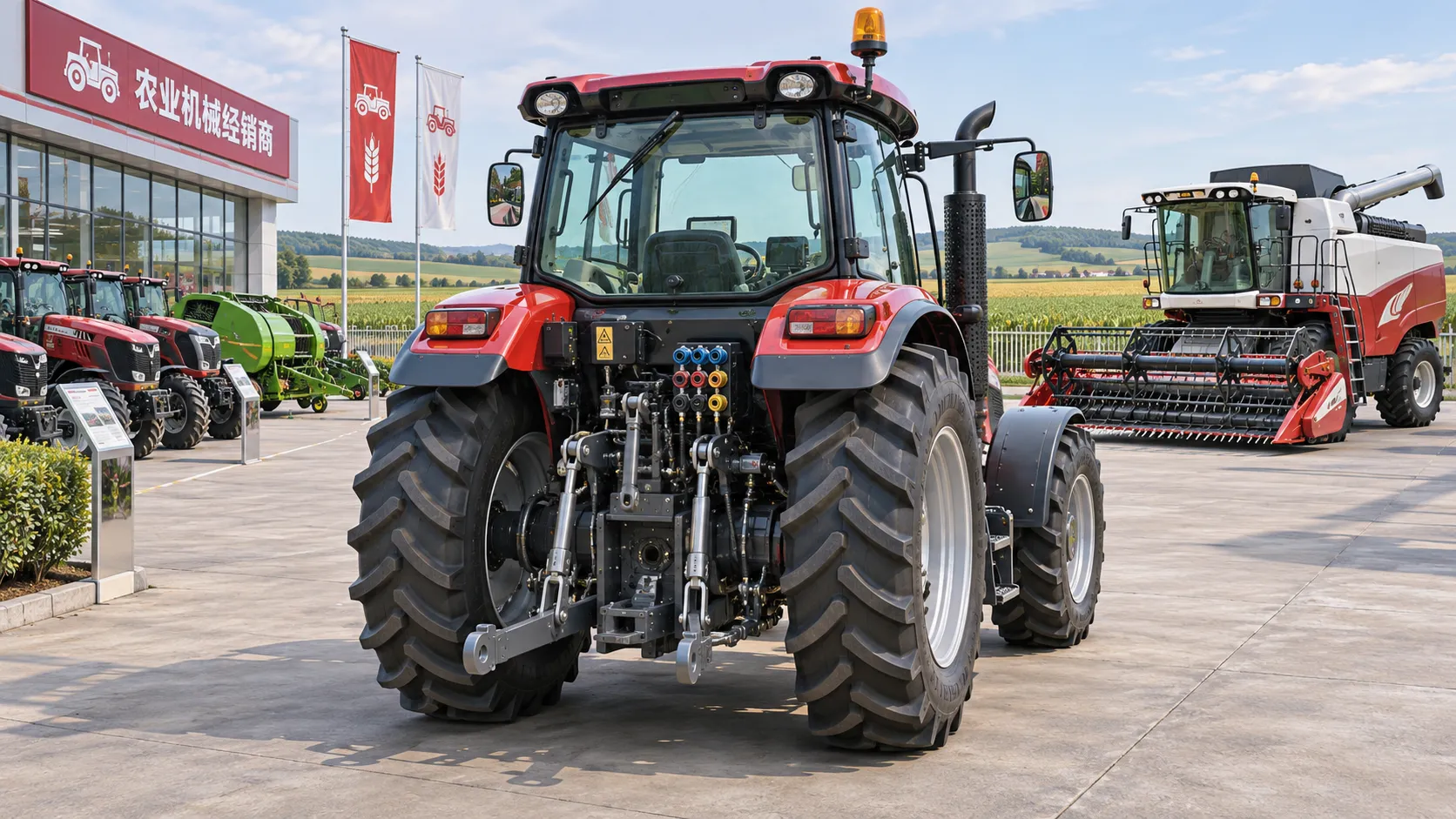
Choosing an Agricultural Machinery Platform: Listings, Pricing, and Support
Choosing an agricultural machinery platform? Compare listings, pricing, supplier verification, and support to make a more confident equipment purchase.
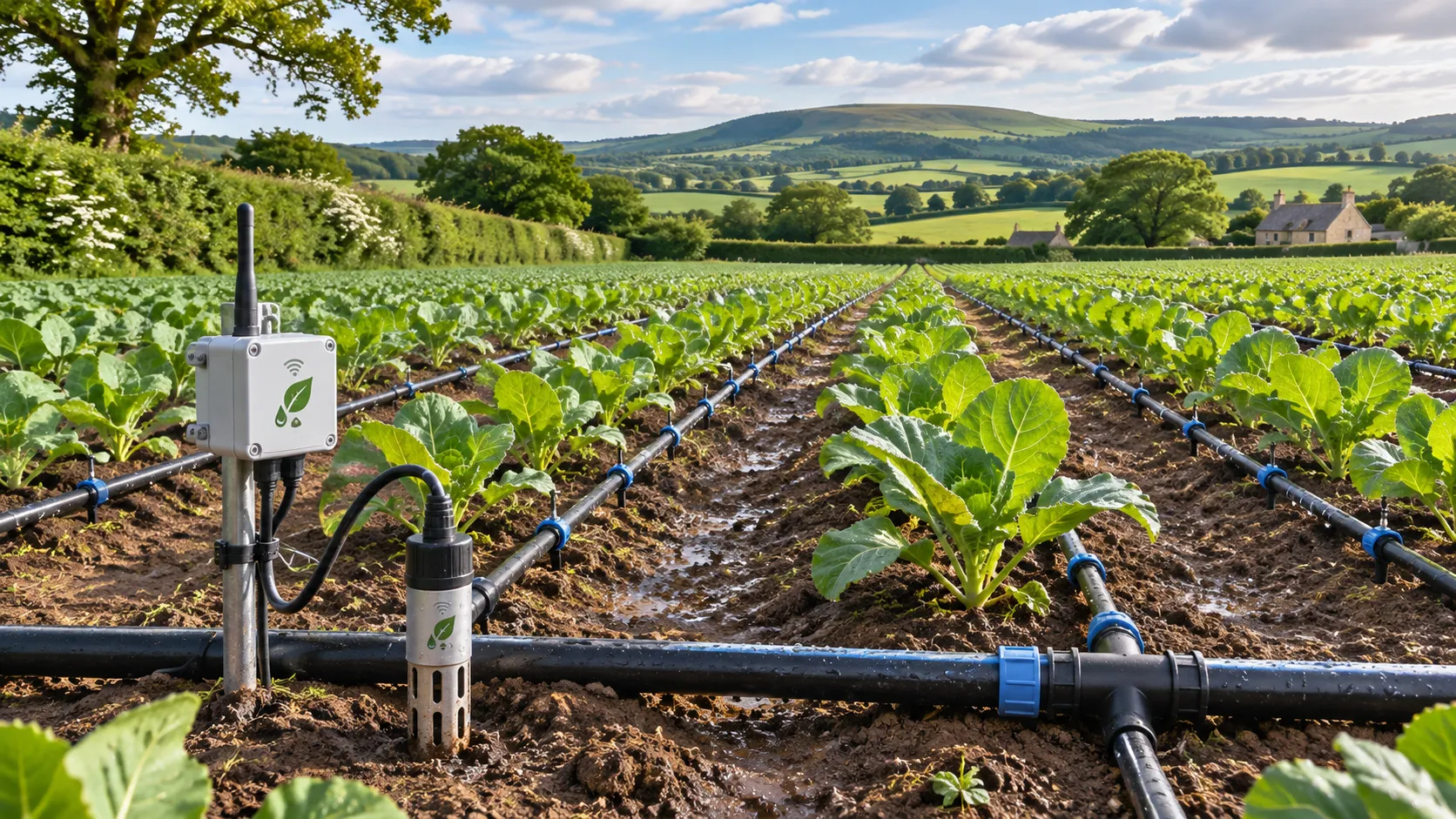
Ofwat Launches £8 Million Agri-Water Innovation Challenge
Ofwat’s £8 million Agri-Water Innovation Challenge supports smart irrigation, water reuse and water-saving solutions. Explore the funding and its potential impact.
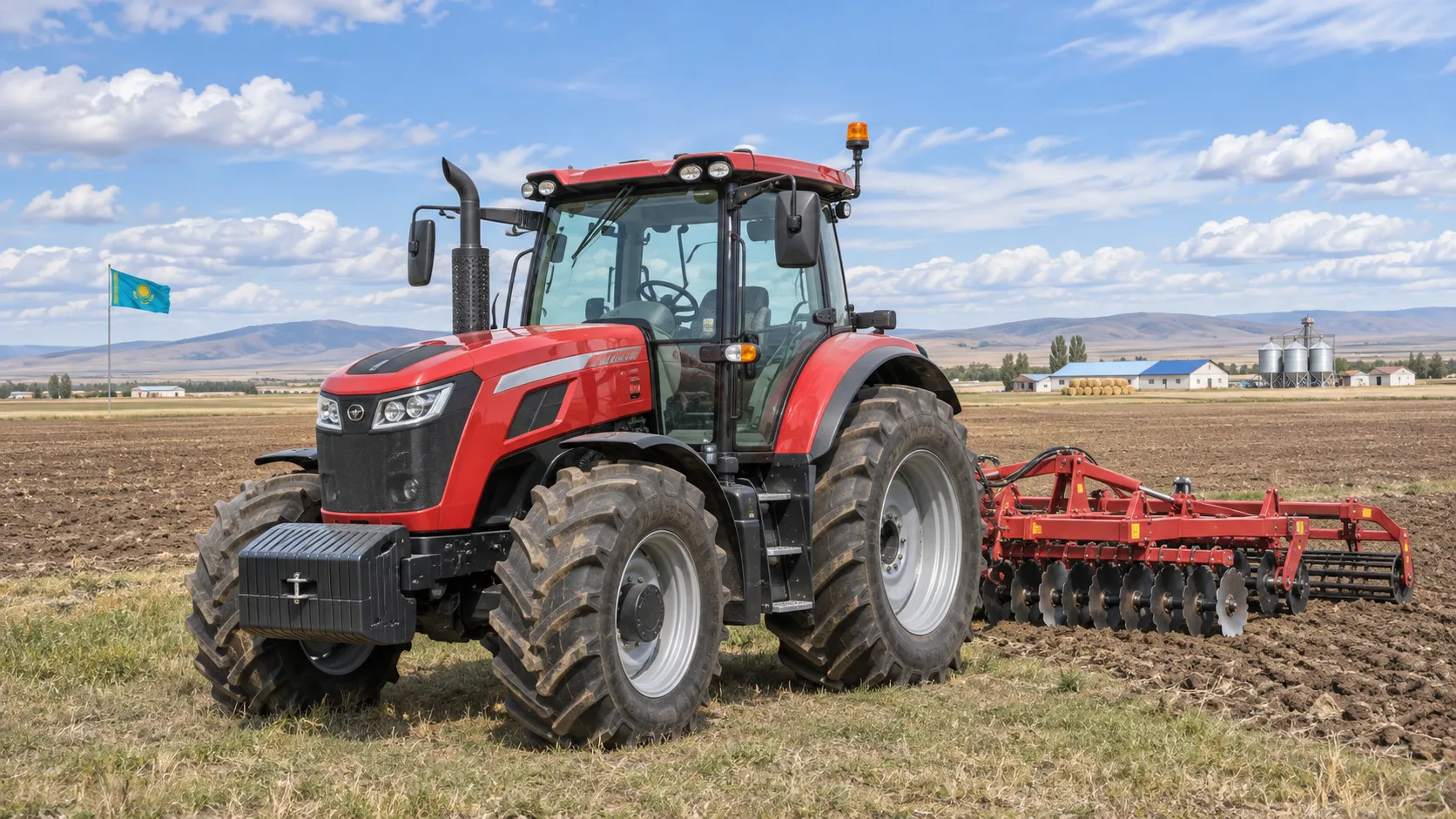
KazAgroFinance Resumes Applications for Preferential Farm Machinery Leasing
KazAgroFinance plans to reopen farm machinery leasing applications on November 9, 2026. Explore the opportunities and key terms to verify before applying.
Related News
- 00
0000-00
Choosing Irrigation Systems for Government Projects: Water, Cost and Compliance - 00
0000-00
Choosing an Agricultural Machinery Platform: Listings, Pricing, and Support - 00
0000-00
Choosing a Water-Saving Irrigation Supplier: 5 Key Procurement Criteria - 00
0000-00
304 vs 316 Stainless Steel for Ingredient Processing Equipment - 00
0000-00
Choosing a Large Farm Equipment Exporter: Parts, Shipping and Warranty
0000-00
Popular Tags
Ms. Elena Rodriguez
Weekly Insights
Stay ahead with our curated technology reports delivered every Monday.