Ofwat Launches £8 Million Agri-Water Innovation Challenge
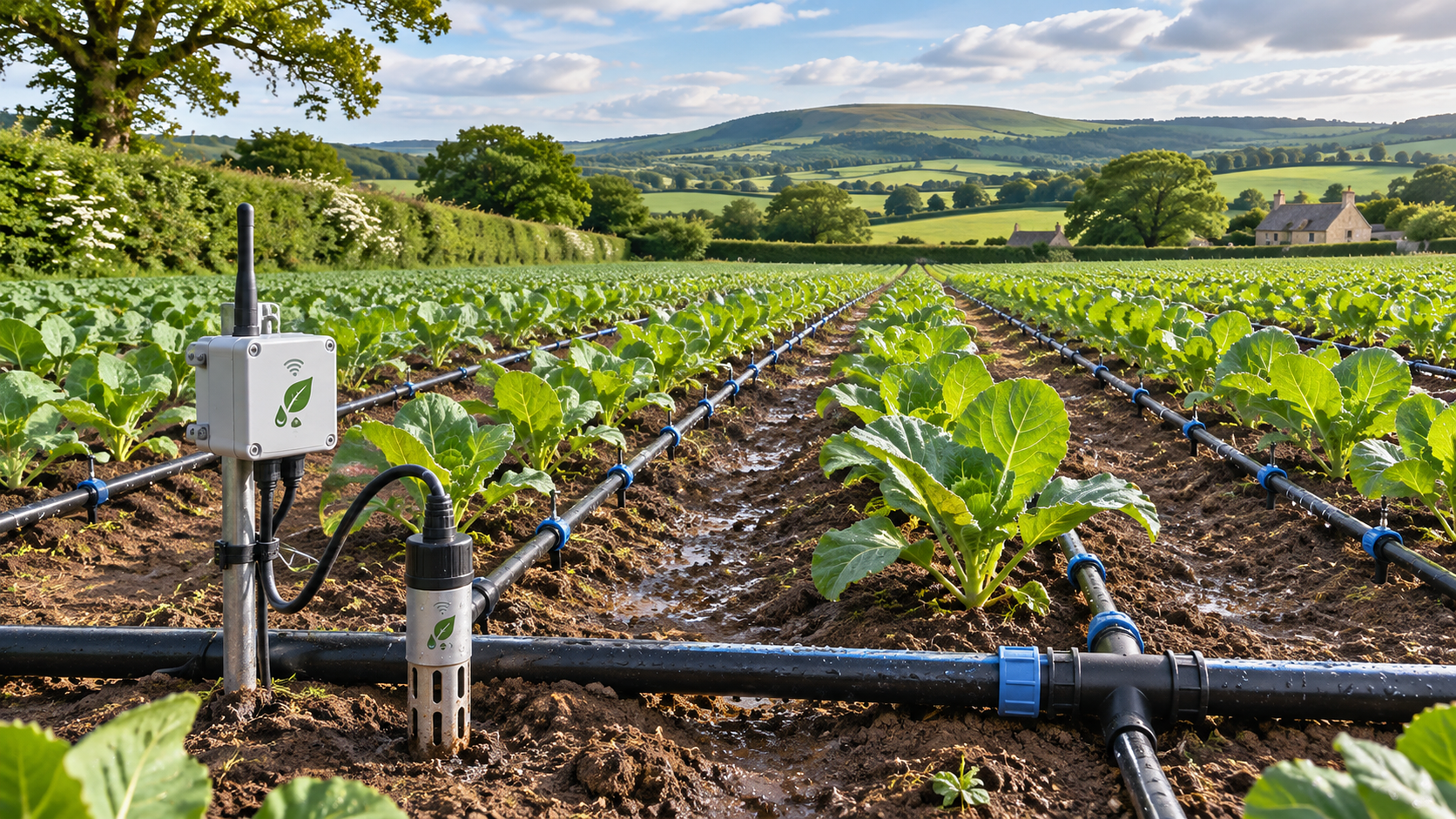




On 10 November 2026, Ofwat’s Water Innovation Fund launched an £8 million Agri-Water Cross-Sector Challenge to support collaboration between agriculture and the water sector in England and Wales. Individual awards range from £200,000 to £2 million.
The challenge aims to help bring water-saving technology, smart irrigation and water reuse solutions into wider use as climate change places pressure on water resources. Its focus on collaboration makes the relationship between agricultural water use and water-sector management central to the proposed innovation.
For readers following the initiative, the distinction between developing a solution and putting it to use at scale is significant. An award may support a promising approach, but its wider impact will depend on how well that approach works across the organisations and settings involved.
What the funding is intended to support
The £8 million programme brings together two sectors with different roles in the water system. Agricultural participants may be concerned with how water is used in production, while water-sector participants may focus on how resources are managed. A joint project can connect those concerns when considering whether a solution is practical beyond an individual setting.
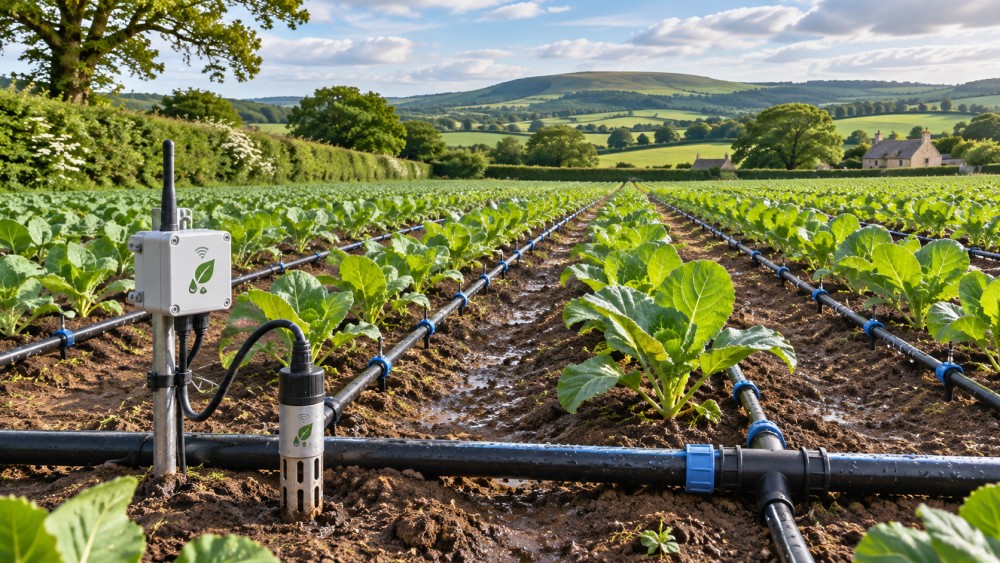
The stated areas of interest point to several ways such collaboration could take shape. Water-saving technology could address how much water an activity requires. Smart irrigation could help users decide when and how much water to apply. Water reuse could offer another way to make use of available resources. The challenge’s emphasis on scale means that the value of a proposal may ultimately rest on more than whether a technology works in a limited setting: it may also depend on whether the approach can be adopted more broadly.
The award range leaves room for projects of different sizes, although the total fund and the individual award limits do not establish how many projects will receive support. The published funding figures also do not by themselves indicate how the money will be divided among water-saving, irrigation and reuse proposals.
Where collaboration could matter
One practical question for any cross-sector proposal is how its benefits would be assessed. A project focused on irrigation, for example, could be designed around water use by an agricultural participant. For a wider water-management objective, partners may also need to understand how any change in use relates to the resources available in the area concerned. The challenge creates an opportunity to consider those questions together, rather than treating a technology’s performance as the only measure of its value.
Adoption is another potential point of friction. A solution that saves water in principle still needs to fit the way participating organisations operate. Questions may include what information users need, who would operate the system and how the costs and benefits are shared. These are considerations for collaboration, not conditions that Ofwat has been stated to impose on applicants.
Water reuse presents a related set of practical questions. Partners would need to understand where reused water could be applied and whether an approach can be maintained in the intended setting. The announcement’s broad reference to reuse does not identify particular technologies or uses, so the implications will depend on the projects brought forward.
What the announcement does—and does not—establish
The launch establishes a funding opportunity and a stated direction: support for agriculture and water-sector innovation in England and Wales, with an emphasis on solutions that can be used at scale. It does not establish that a particular technology will be adopted, that a specified quantity of water will be saved or that any project has already delivered results.
Nor does the size of an award alone demonstrate the eventual reach of a project. An initiative could need further work after receiving funding before it is suitable for wider use. The relationship between the initial award, implementation costs and any later adoption will be clearer from the projects themselves.
In the near term, the most relevant developments will be the types of collaboration and solutions brought forward under the challenge. Over a longer period, the more consequential question will be whether supported approaches move beyond their initial projects and deliver useful results in the settings where they are adopted. Further announcements about awards and project outcomes would help show how the fund’s cross-sector ambitions translate into practice.
Related News
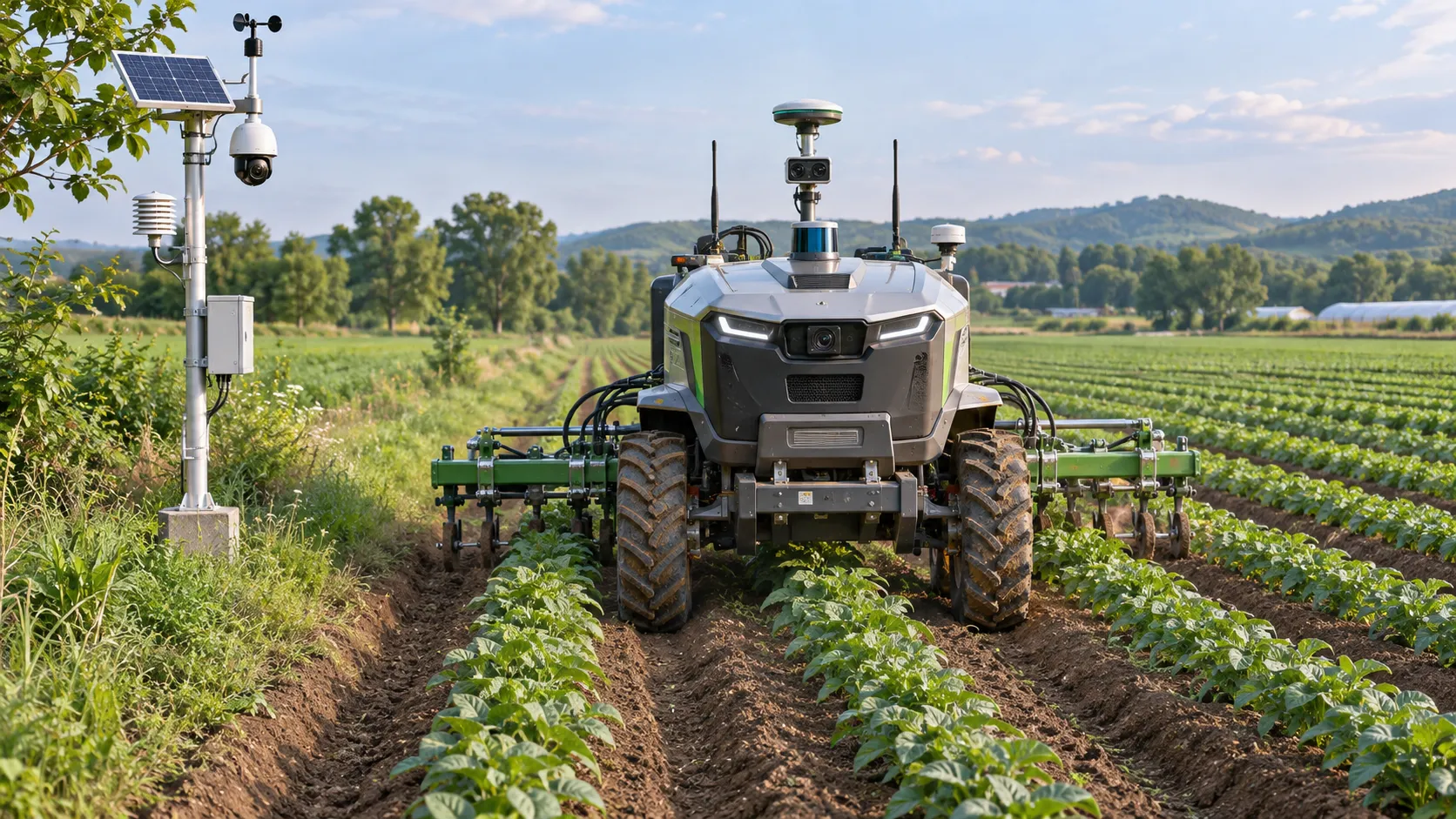
Agricultural Automation Still Needs Human Oversight, Study Finds
Agricultural automation still needs human oversight. Discover how AI and smart equipment are reshaping farm jobs, skills, and decisions.
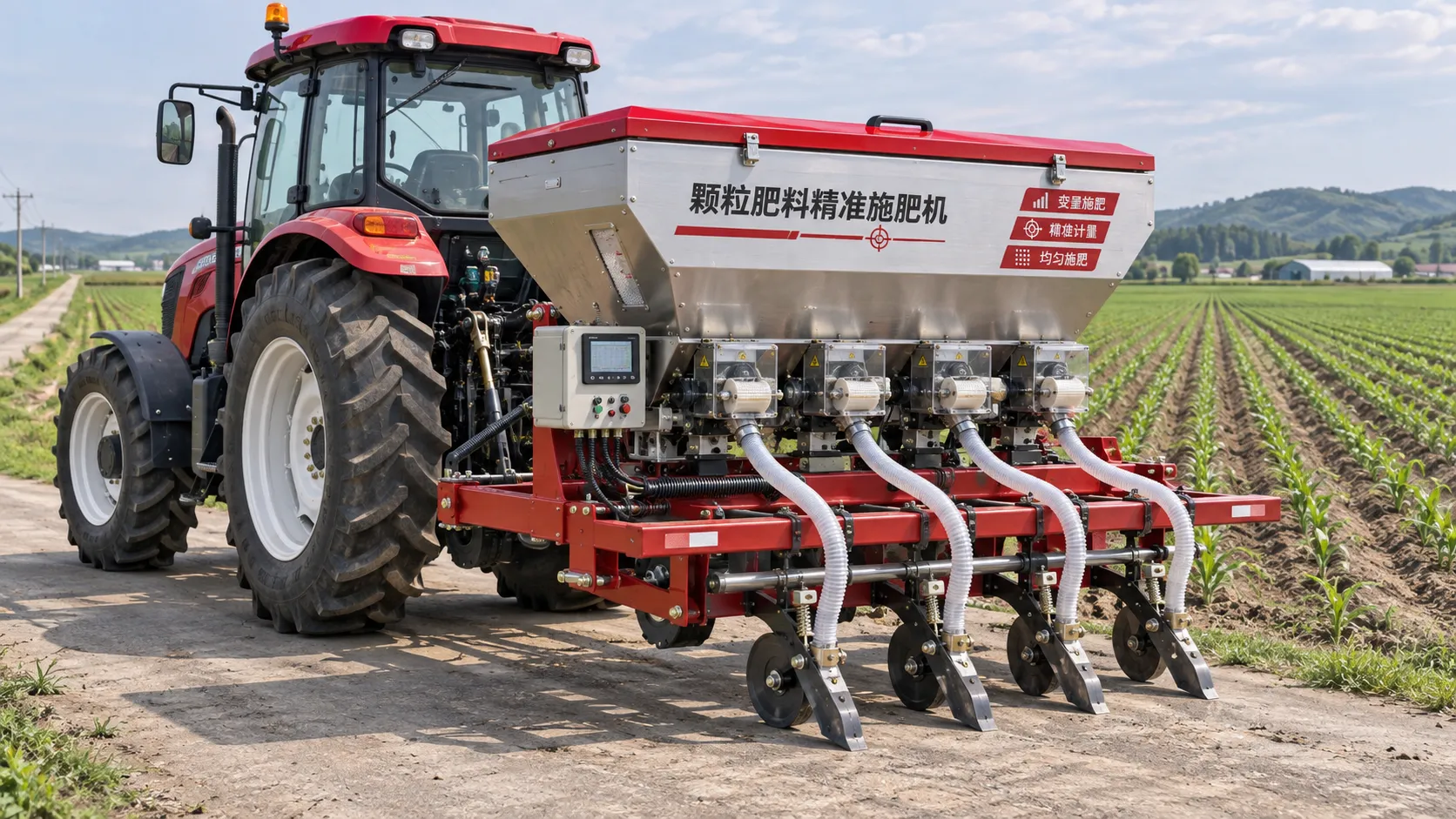
Choosing a Precision Fertilization Equipment Manufacturer: What to Check
Choose a precision fertilization equipment manufacturer with confidence. Compare accuracy, compatibility, service and total ownership costs before you buy.
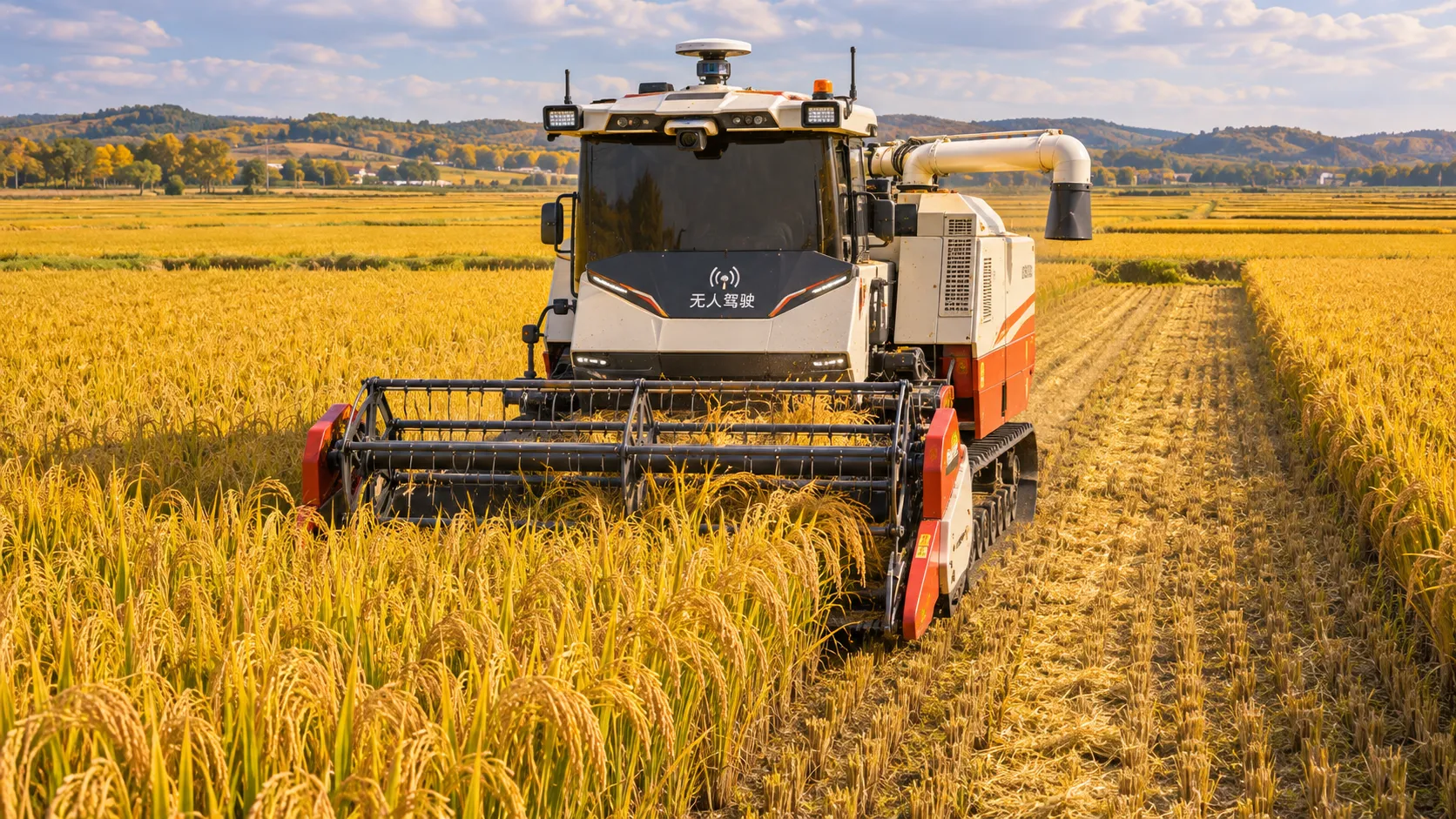
China's Autumn Grain Harvest Highlights Role of Machinery and Precision Farming
China's autumn grain harvest highlights machinery and precision farming. Explore how coordinated practices support harvesting and yield improvement.
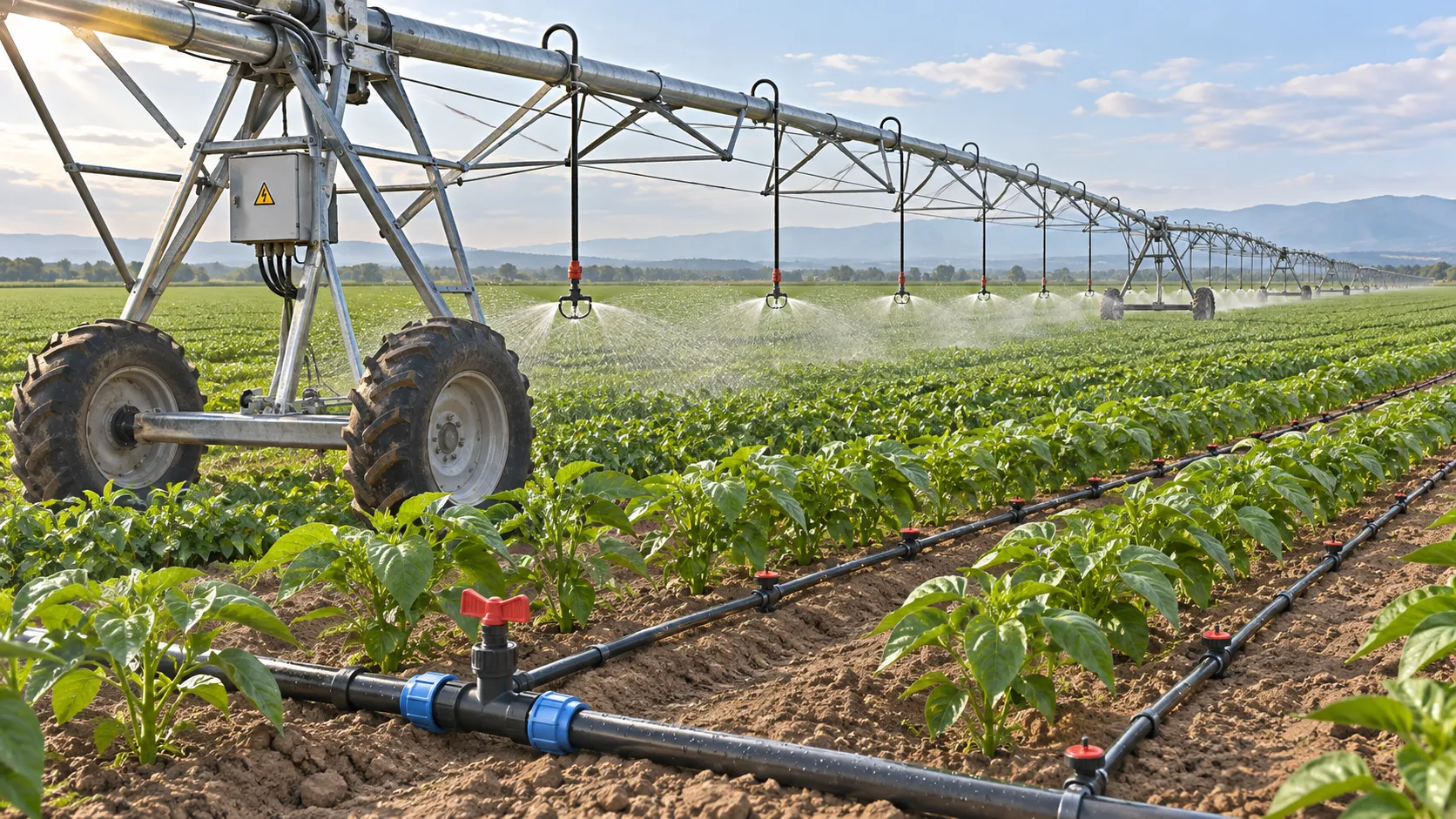
Drip vs. Center Pivot Irrigation: Maintenance Tasks and Costs Compared
Use this irrigation solution comparison by maintenance to weigh drip vs. center pivot tasks, costs and downtime—and choose the best fit for your field.
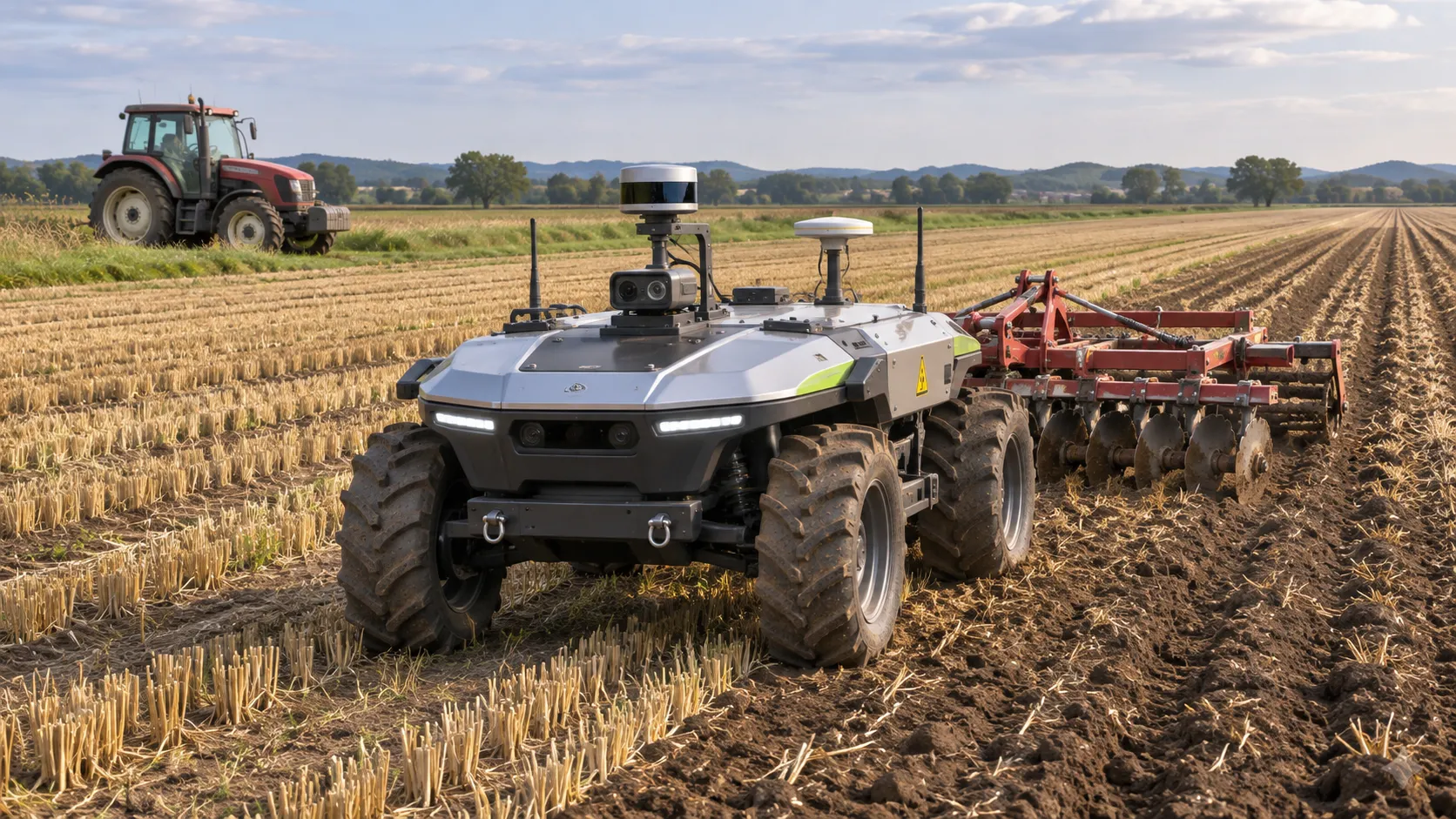
EIMA 2026: Six Tractor of the Year Awards Include Autonomous Robot
Explore the Tractor of the Year awards at EIMA 2026, featuring six winners, including the AgXeed autonomous robot and leading tractor models.
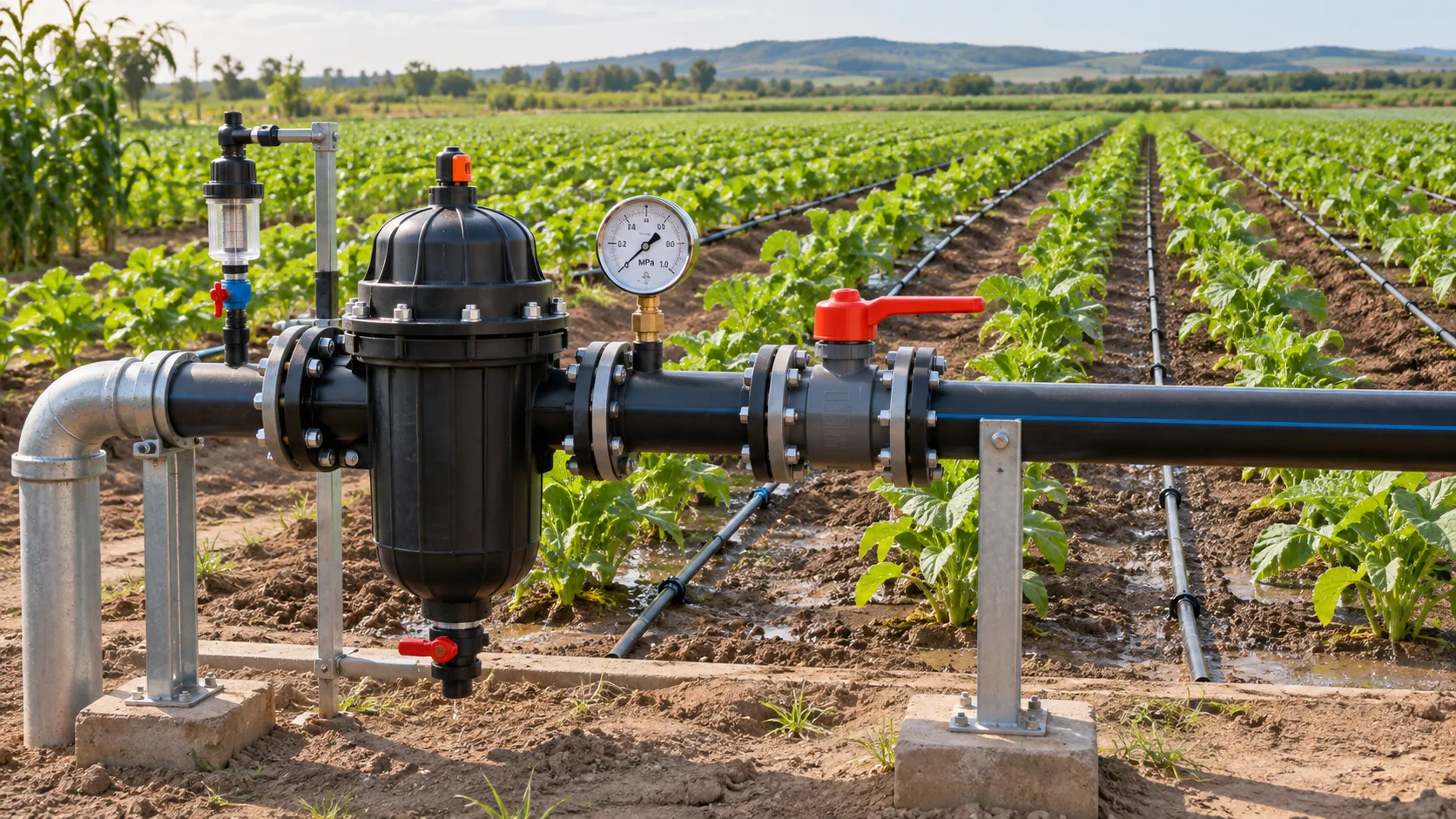
Choosing Irrigation Systems for Government Projects: Water, Cost and Compliance
What factors affect irrigation system selection for government projects? Explore water supply, lifecycle costs and compliance to make a confident, well-informed choice.
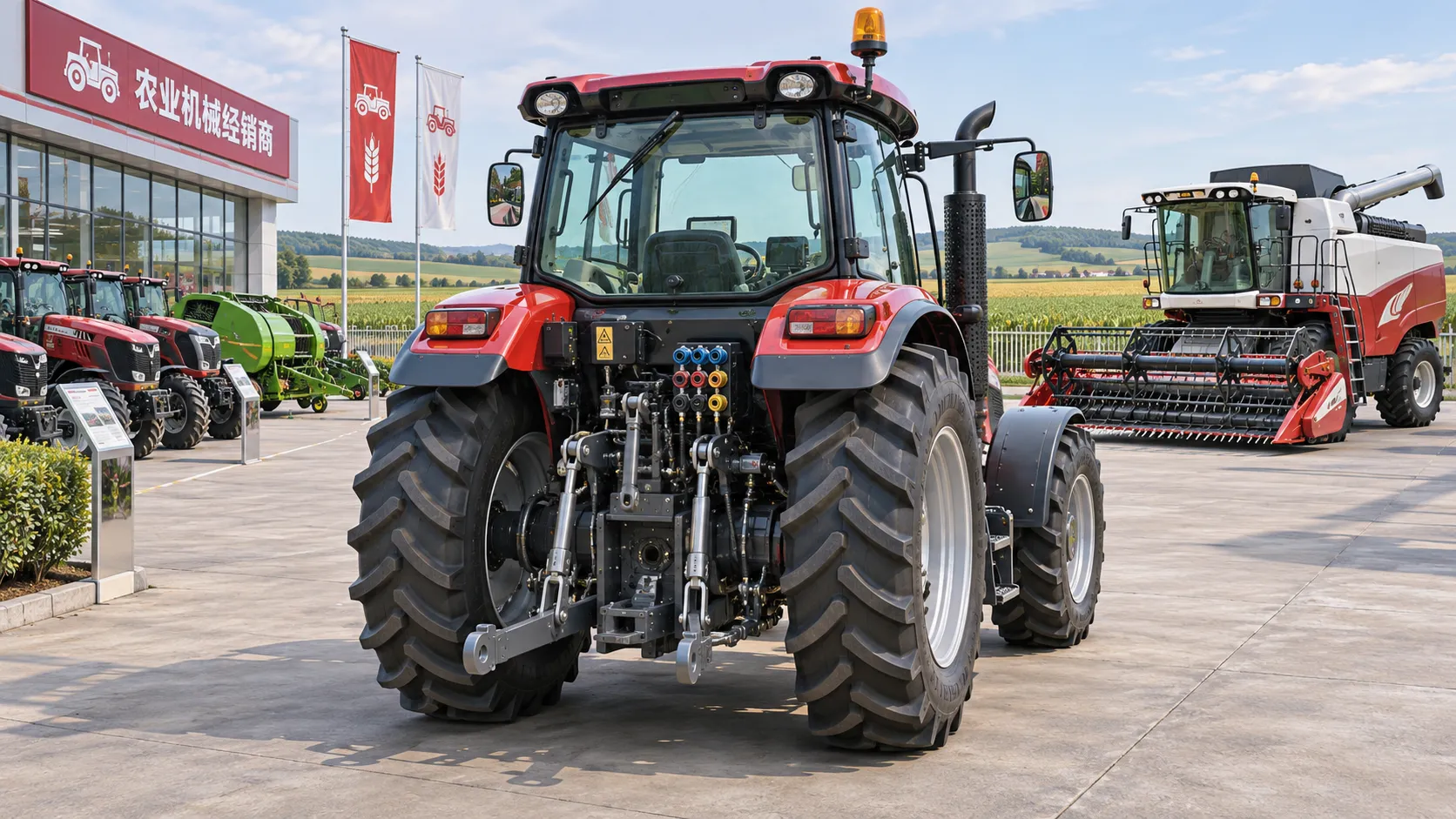
Choosing an Agricultural Machinery Platform: Listings, Pricing, and Support
Choosing an agricultural machinery platform? Compare listings, pricing, supplier verification, and support to make a more confident equipment purchase.
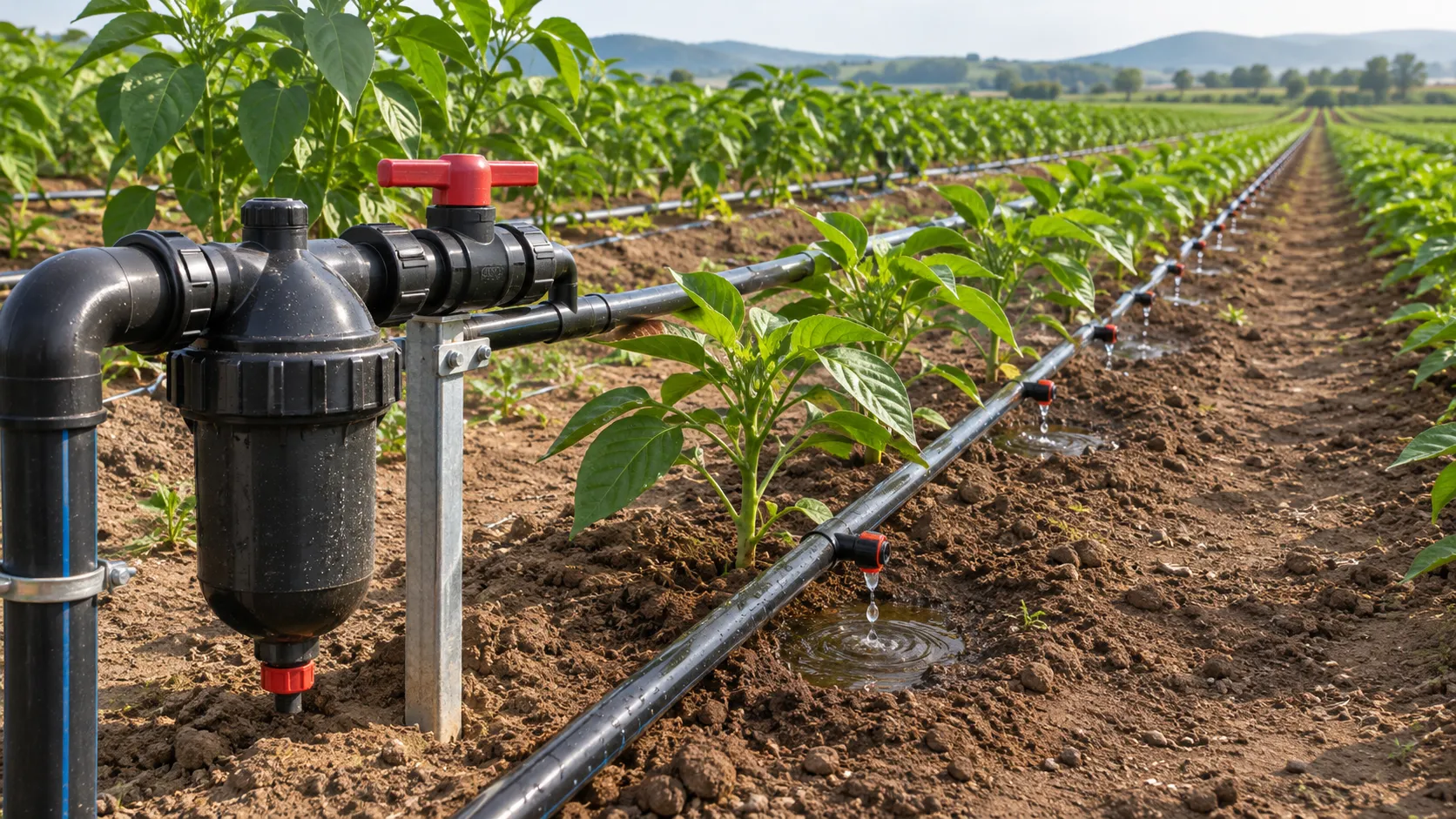
Choosing a Water-Saving Irrigation Supplier: 5 Key Procurement Criteria
Choose a water-saving irrigation systems supplier with confidence. Explore five procurement criteria to reduce risk and maximize long-term value.
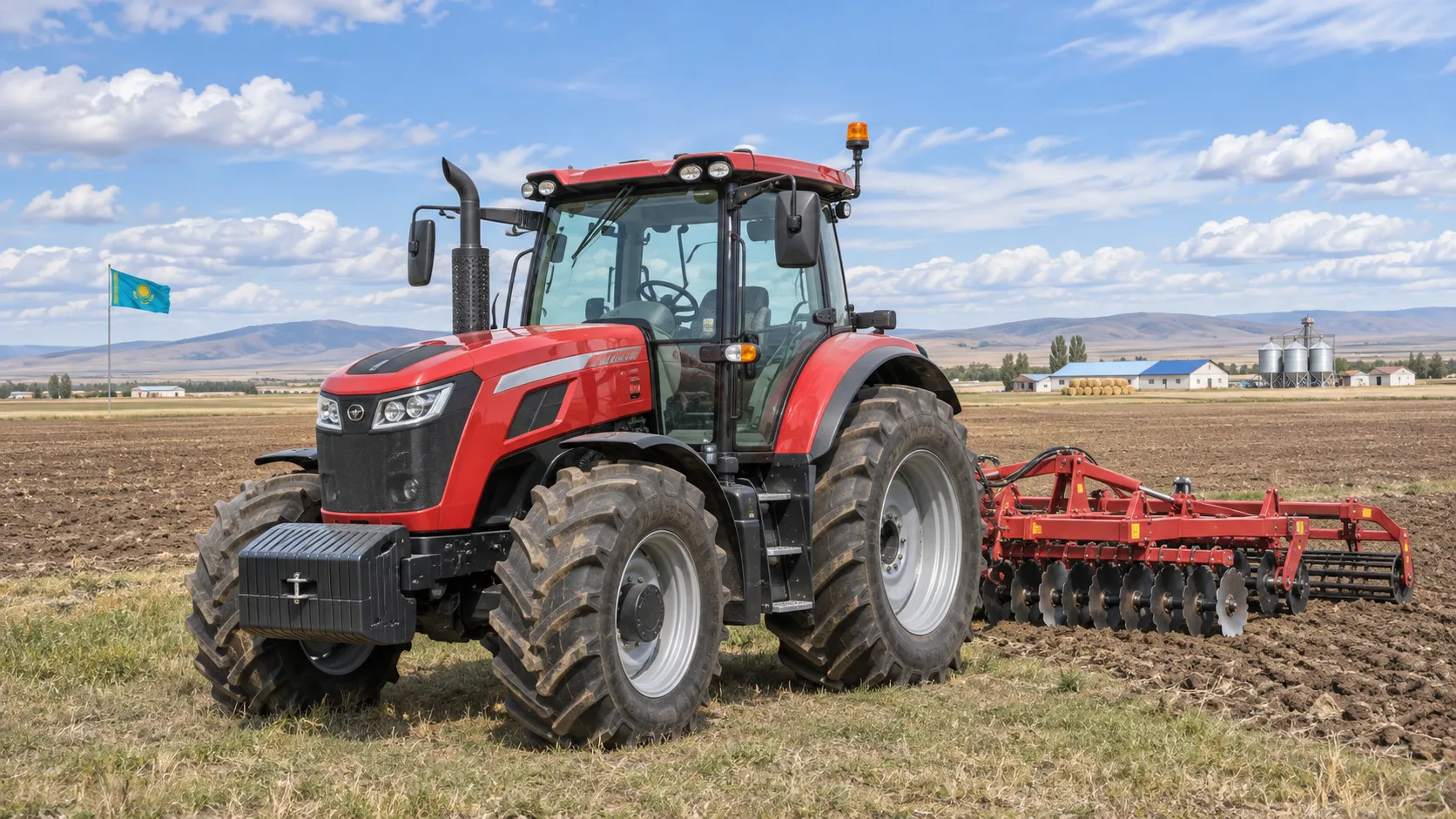
KazAgroFinance Resumes Applications for Preferential Farm Machinery Leasing
KazAgroFinance plans to reopen farm machinery leasing applications on November 9, 2026. Explore the opportunities and key terms to verify before applying.
Related News
- 00
0000-00
EIMA 2026: Six Tractor of the Year Awards Include Autonomous Robot - 00
0000-00
Ofwat Launches £8 Million Agri-Water Innovation Challenge - 00
0000-00
KazAgroFinance Resumes Applications for Preferential Farm Machinery Leasing - 00
0000-00
US Precision Agriculture Adoption Falls to 22% as Farm Bankruptcy Rate Rises 46%: Study - 00
0000-00
Hunan Hosts Field Demonstration of Urgently Needed Hill and Mountain Farm Machinery
0000-00
Popular Tags
Dr. Alistair Vaughn
Weekly Insights
Stay ahead with our curated technology reports delivered every Monday.