US Precision Agriculture Adoption Falls to 22% as Farm Bankruptcy Rate Rises 46%: Study





FarmBot Tech Research reports that precision agriculture adoption among US farms fell between 2023 and 2025 while the farm bankruptcy rate rose. The date of the underlying event is not specified; the white paper was released on November 4. No policy, regulatory, certification or trade rule change is identified in the information provided. For farms, technology suppliers and procurement teams, the findings nevertheless raise questions about whether product design and purchasing requirements match farm needs.
Adoption Declined Despite Technical Improvements
According to the white paper, the proportion of US farms using precision agriculture declined from 27% in 2023 to 22% in 2025. Over the same period, the farm bankruptcy rate rose by 46%.
The report says adoption declined despite technological improvements and lower costs. It attributes the adoption gap to the way agricultural technology is designed and identifies livestock and satellite data applications as areas where the gap is most pronounced.

Where the Findings Could Affect Purchasing and Delivery
Farm Buyers and Technology Selection
From an industry perspective, lower adoption may prompt farm buyers to examine whether a product fits their operations as well as its purchase cost. For livestock and satellite data applications in particular, buyers could seek clearer technical specifications and evidence that a proposed solution meets their intended use. The information provided does not establish that any procurement requirement has changed.
Suppliers and Implementation Support
Analysis suggests that technology suppliers and implementation providers may face closer scrutiny of product design, integration and delivery support. They could review how technical documents and demonstrations address the needs identified by prospective customers. The reported decline alone does not establish which products or suppliers are affected.
Purchasing Plans Under Financial Pressure
The reported rise in the farm bankruptcy rate may be relevant when suppliers and buyers assess purchasing plans, payment arrangements and delivery commitments. However, the information provided does not establish that precision agriculture adoption caused the increase in bankruptcies, or that financial pressure caused the decline in adoption.
Questions to Examine Before the Next Purchase
Test the Fit for Livestock and Satellite Data
As a practical precaution, buyers could assess proposed applications against their own livestock or satellite data needs before committing to a purchase. Suppliers could use the same assessment to identify design or implementation questions that need further validation.
Review Specifications and Support
Procurement teams may wish to check technical documentation, intended functionality and available delivery support against the proposed use. Where requirements appear in purchasing or tender documents, both sides could verify the current wording rather than assume that the white paper has changed it.
Monitor Any Subsequent Rule or Market Response
Businesses can continue to check for relevant official statements, certification interpretations, purchasing requirements and industry feedback. No new compliance obligation or implementation timetable is established by the information supplied.
A Design Signal, Not an Implemented Rule
At this stage, it is more appropriate to understand the white paper as an industry research signal than as evidence of a policy or rule taking effect. Its attribution of the adoption gap to technology design is a finding reported by the authors, not an independently established regulatory conclusion. Further review of the research and subsequent market feedback could help businesses assess its relevance to their products and purchases.
Keeping the Findings in Proportion
The reported changes warrant attention from farm buyers and technology providers, particularly in the two application areas identified by the research. A measured response is to evaluate product fit and monitor subsequent evidence without treating the findings as a new compliance requirement or assuming a causal link between adoption and bankruptcy.
Basis for This Report and Further Verification
This article is based on the supplied news title, event-time information and event summary. No specific official source link was provided in the input, so the underlying information requires continued verification. Follow-up review may include the white paper, relevant official announcements, certification guidance, purchasing or tender documents, and feedback from industry participants.
Related News
Agricultural Automation Still Needs Human Oversight, Study Finds
Agricultural automation still needs human oversight. Discover how AI and smart equipment are reshaping farm jobs, skills, and decisions.
Choosing a Precision Fertilization Equipment Manufacturer: What to Check
Choose a precision fertilization equipment manufacturer with confidence. Compare accuracy, compatibility, service and total ownership costs before you buy.
China's Autumn Grain Harvest Highlights Role of Machinery and Precision Farming
China's autumn grain harvest highlights machinery and precision farming. Explore how coordinated practices support harvesting and yield improvement.
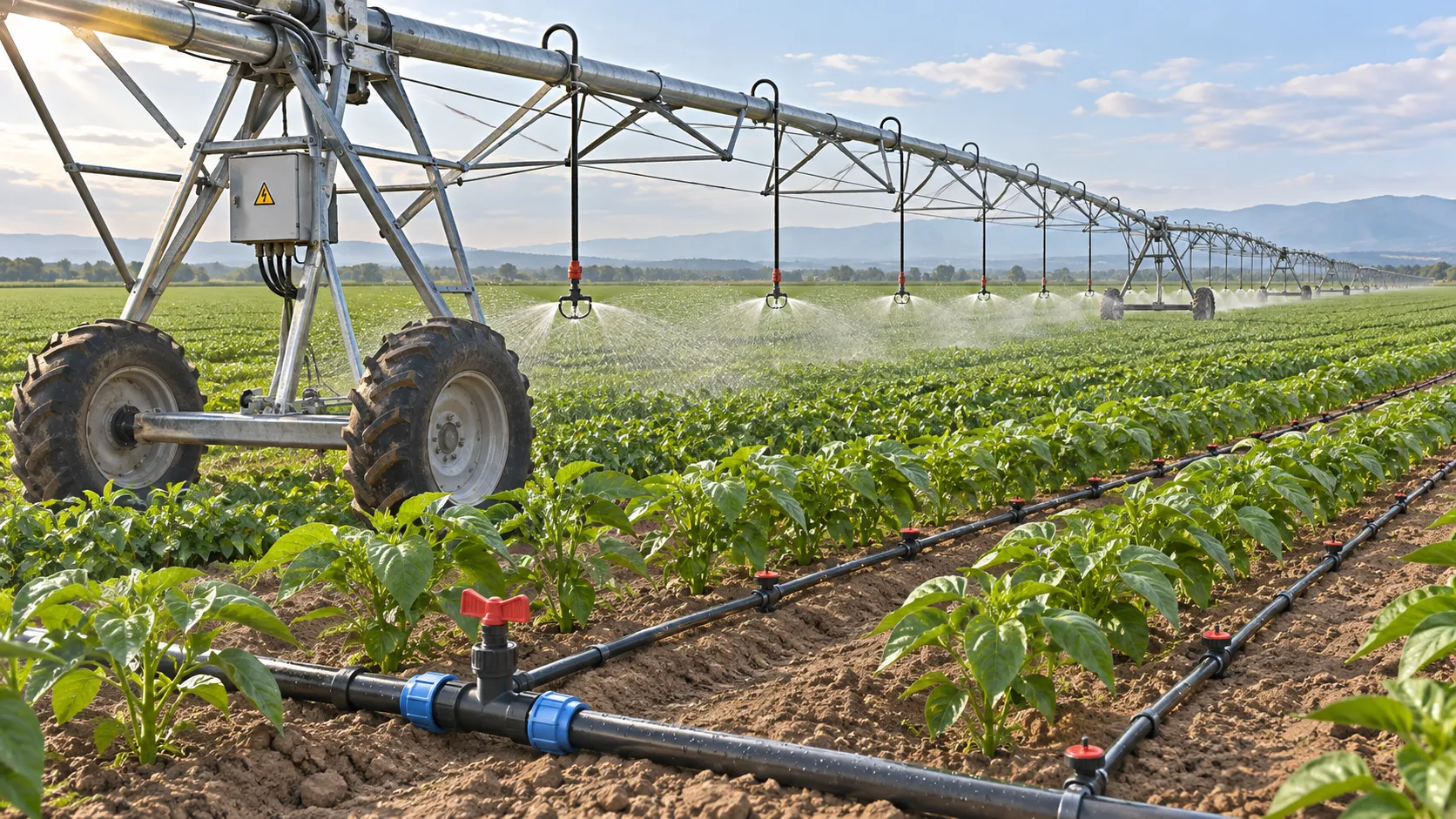
Drip vs. Center Pivot Irrigation: Maintenance Tasks and Costs Compared
Use this irrigation solution comparison by maintenance to weigh drip vs. center pivot tasks, costs and downtime—and choose the best fit for your field.
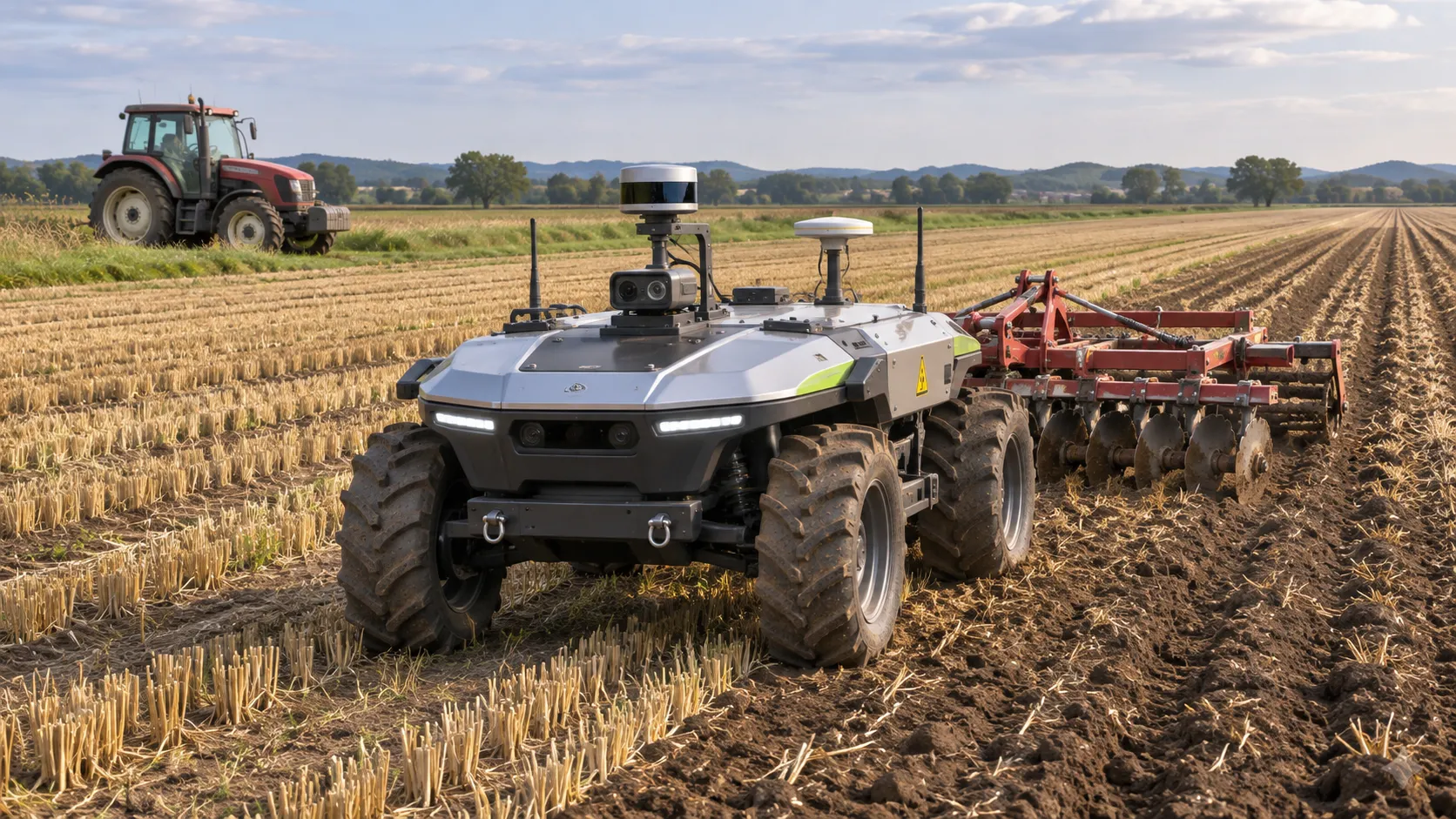
EIMA 2026: Six Tractor of the Year Awards Include Autonomous Robot
Explore the Tractor of the Year awards at EIMA 2026, featuring six winners, including the AgXeed autonomous robot and leading tractor models.
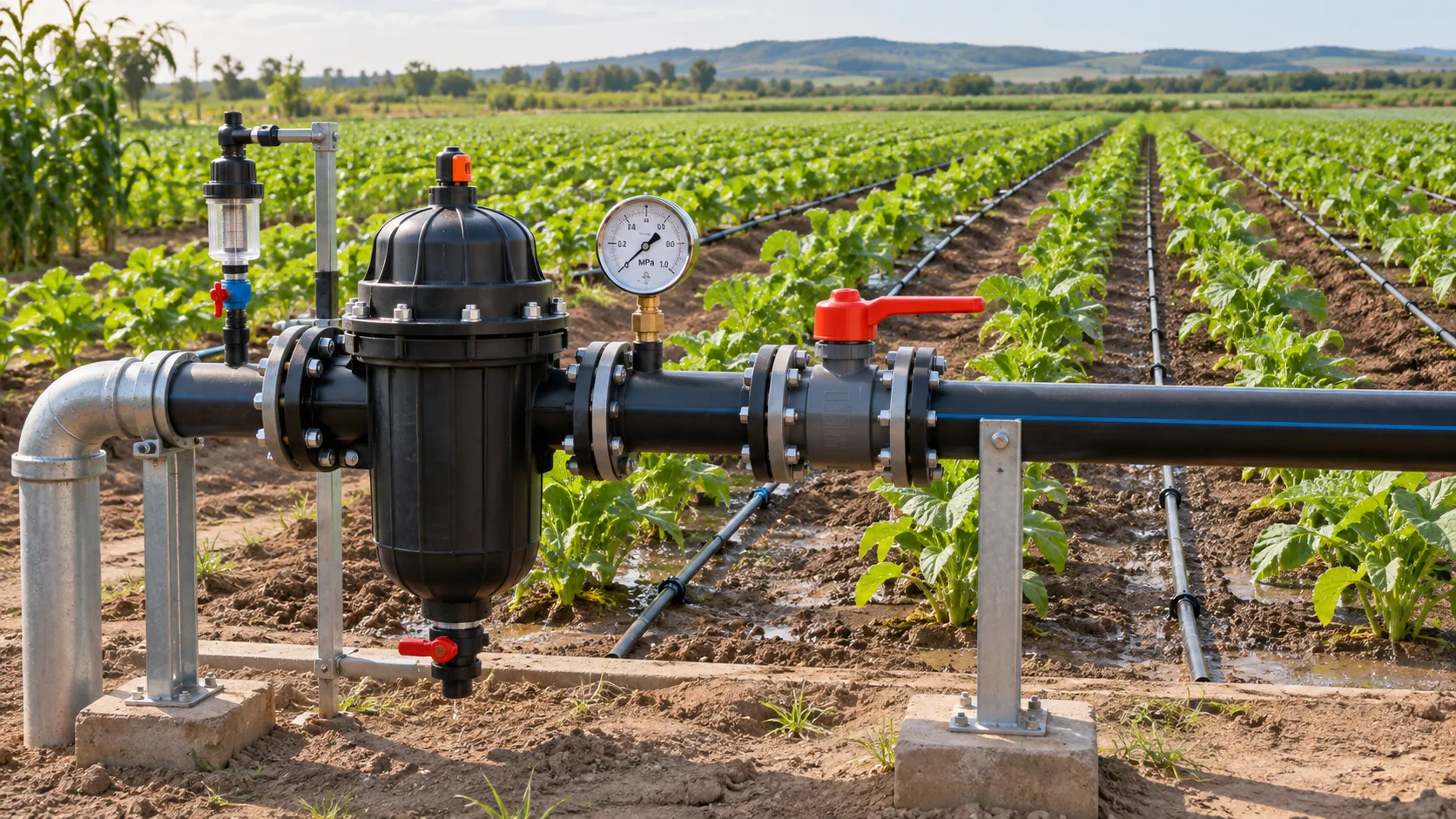
Choosing Irrigation Systems for Government Projects: Water, Cost and Compliance
What factors affect irrigation system selection for government projects? Explore water supply, lifecycle costs and compliance to make a confident, well-informed choice.
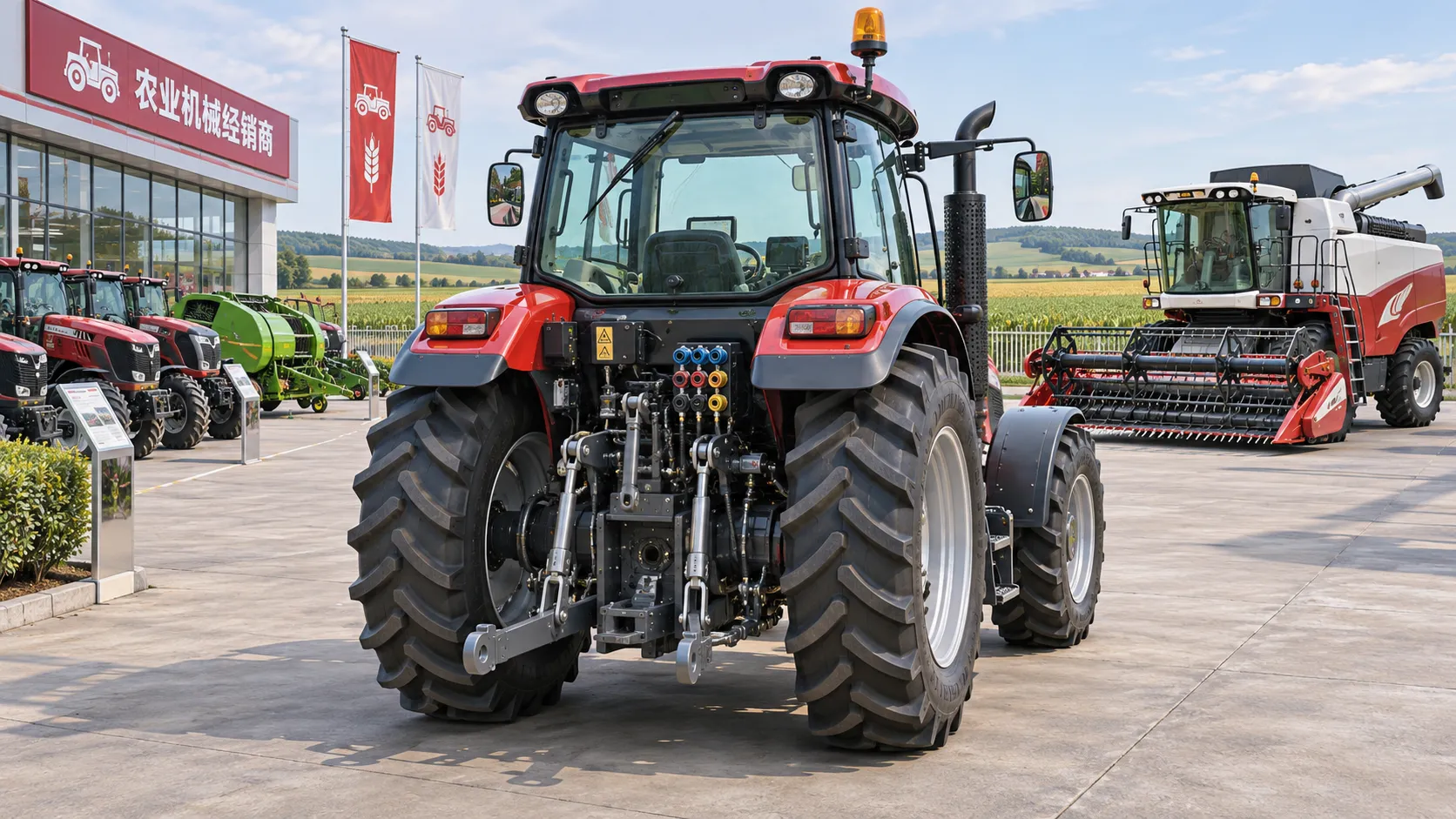
Choosing an Agricultural Machinery Platform: Listings, Pricing, and Support
Choosing an agricultural machinery platform? Compare listings, pricing, supplier verification, and support to make a more confident equipment purchase.
Ofwat Launches £8 Million Agri-Water Innovation Challenge
Ofwat’s £8 million Agri-Water Innovation Challenge supports smart irrigation, water reuse and water-saving solutions. Explore the funding and its potential impact.
Choosing a Water-Saving Irrigation Supplier: 5 Key Procurement Criteria
Choose a water-saving irrigation systems supplier with confidence. Explore five procurement criteria to reduce risk and maximize long-term value.
Related News
- 00
0000-00
EIMA 2026: Six Tractor of the Year Awards Include Autonomous Robot - 00
0000-00
Ofwat Launches £8 Million Agri-Water Innovation Challenge - 00
0000-00
KazAgroFinance Resumes Applications for Preferential Farm Machinery Leasing - 00
0000-00
US Precision Agriculture Adoption Falls to 22% as Farm Bankruptcy Rate Rises 46%: Study - 00
0000-00
Hunan Hosts Field Demonstration of Urgently Needed Hill and Mountain Farm Machinery
0000-00
Popular Tags
Dr. Alistair Vaughn
Weekly Insights
Stay ahead with our curated technology reports delivered every Monday.