Choosing an Agricultural Machinery Platform: Listings, Pricing, and Support
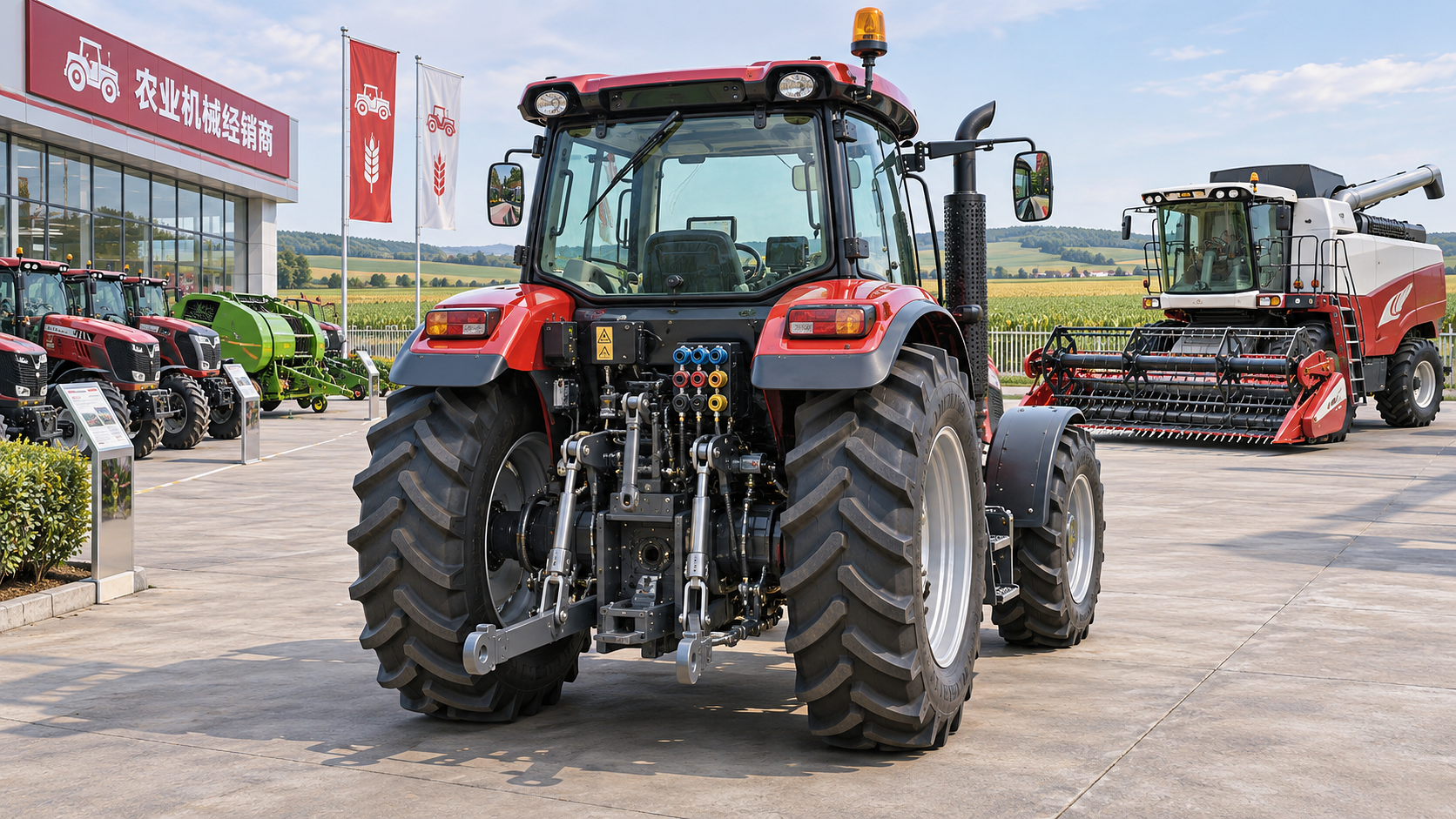




Choosing the right agricultural machinery platform can make procurement more efficient, but a wide selection of listings is only part of the equation. Buyers also need clear pricing, reliable equipment information, and dependable support across markets. From tractors and combine harvesters to precision tools and irrigation systems, this guide explores the criteria procurement teams can use to compare platforms, assess suppliers, and make more informed purchasing decisions.
The distinction is especially important when a machine must arrive before a narrow planting or harvesting window. A platform may make it easy to find a model, yet leave the buyer to resolve configuration details, payment risk, freight, and service coverage independently. Before comparing the equipment itself, establish what the platform does—and what it does not do.
Start with the platform’s role in the transaction
An agricultural machinery platform may be a listing marketplace, a dealer network, an auction site, or an information portal. Some facilitate transactions; others introduce buyers to sellers or publish intelligence that helps buyers evaluate a market. These models solve different problems, and their responsibilities should not be assumed to be interchangeable.
Ask who owns the listing, who confirms availability, who receives payment, and who will be named as the seller in the contract. A platform’s verification badge, if one exists, should also be explained: does it confirm a business identity, inspect the equipment, or simply indicate that a profile has been reviewed? Those checks offer very different levels of assurance.
It is equally useful to understand commercial incentives. Sponsored placement can make relevant suppliers easier to discover, but a prominent position is not evidence that a machine is the best fit or that a seller provides stronger service. Check how search results are ranked and whether paid listings are identified.
Look beyond the number of listings
A large inventory has limited value if records are outdated, duplicated, or too thin to compare. A useful listing should identify the machine accurately enough for an initial technical screening: manufacturer, model, year, location, condition, configuration, and relevant operating history where available. For used equipment, recent photographs and a machine serial number help the buyer request further verification.
The right level of detail depends on the category. A combine harvester listing should make it possible to establish which headers are included, whether the machine has suitable crop configurations, and what is known about wear in threshing, separation, and cleaning components. Engine hours alone do not describe the condition of a harvesting machine; separator hours and maintenance records can also matter.
For tractors, compare transmission type, hydraulic capacity, power take-off configuration, axle arrangement, and compatibility with intended implements—not just advertised engine power. For irrigation equipment, establish the water source, required flow and pressure, filtration needs, control hardware, and the area to be served. A low-cost emitter or controller is not useful if the rest of the system has not been sized for the site.
Search tools should reflect these distinctions. Filters for location and price are helpful, but crop type, implement compatibility, machine hours, and parts availability may be more useful during a serious shortlist. Check whether the platform shows when a listing was last updated and whether unavailable machines are removed promptly.
Turn asking prices into comparable purchase costs
A visible asking price is a starting point, not a complete commercial offer. One tractor may be listed with tires, guidance equipment, and front linkage included; another may exclude them. A combine may be priced without the header needed for the buyer’s crop. Comparing the headline figures without normalizing the specifications can lead to a misleading shortlist.
Request written quotations against the same scope. At a minimum, clarify the following:
- Equipment and options: Included attachments, software licenses, spare parts, manuals, and commissioning work.
- Delivery terms: Named delivery point, transport arrangements, loading responsibilities, insurance, and the point at which risk transfers.
- Import costs: Who will handle customs clearance, duties, taxes, inspections, and any local modifications.
- Payment terms: Currency, deposit, balance conditions, bank charges, and any protection or dispute process.
- Validity and availability: How long the quote remains valid and whether the specific unit is reserved.
If an international trade term is used, confirm the named place and the applicable version in the contract. The abbreviation alone does not settle every question about unloading, insurance, or import obligations. Buyers should also budget for inspection, setup, operator training, and the cost of carrying essential wear parts where those are not included.
Operating costs deserve attention alongside landed cost. Fuel or electricity, consumables, scheduled maintenance, software subscriptions, and expected utilization can change the comparison. Residual value is worth considering, but treat it as an estimate rather than a guaranteed return.
Verify the machine and the seller separately
A legitimate seller can offer a machine that is unsuitable or poorly represented. Conversely, an attractive machine description does not establish that the person advertising it has the right to sell it. Both checks are necessary.
For the seller, confirm the legal entity, business address, authorized contact, and bank account details through independent channels. Ask for evidence of ownership or authority to sell, and check whether financing interests or other claims need to be released before transfer. Payment instructions that suddenly change deserve direct verification using a previously confirmed contact method.
For a used machine, request the serial number, service history, diagnostic information where available, and photographs of known wear points. An independent inspection can be justified when the purchase value, distance, or uncertainty makes a remote decision risky. Agree in advance on what the inspection will cover: a visual review is not the same as an operational test under load.
The inspection should also distinguish defects that must be corrected before shipment from those accepted in the sale price. Record the findings and agreed remedies in the contract. If a platform offers dispute resolution, read its eligibility rules and time limits rather than assuming it covers every equipment defect.
Treat support as part of the equipment specification
A warranty is only as useful as the service arrangements behind it. Establish who diagnoses a fault, who supplies replacement parts, and whether labor, travel, freight, and consumables are covered. For cross-border purchases, confirm that the manufacturer or authorized service provider will recognize the warranty in the destination market.
Ask for realistic parts lead times for both routine wear items and components that could stop the machine. A local dealer relationship may be more valuable than a modest saving on the initial quote, especially where the operating season is short. Equally, a seller’s claim of “global support” should be tested against a named service contact and a clear escalation route.
Support requirements extend to digital systems. Guidance receivers, displays, sensors, and farm-management software may depend on subscriptions, correction services, network coverage, or version compatibility. Confirm who owns the operating data, how it can be exported, and what functionality remains if a subscription expires. For an autonomous or remotely controlled system, also establish the local operating requirements and the operator’s responsibilities before purchase.
Check fit for the destination, not just the catalogue
Equipment built for one market may need changes before it can be imported, operated on roads, or supported elsewhere. Requirements can vary by destination and machine type, including emissions, lighting, dimensions, documentation, and operator safety. Ask the supplier for the documents applicable to the exact configuration, then verify them against local requirements with the relevant authorities or qualified advisers.
Field conditions matter just as much. A wide harvester header may suit large, accessible fields but create transport or maneuvering problems elsewhere. Heavy equipment can be a poor match for wet soils even when its rated capacity looks attractive. Irrigation design depends on water quality and pressure as well as crop demand; filtration and maintenance should be considered before choosing a control system.
For precision equipment, request a practical compatibility check against the existing fleet. Identify the tractor, implement, display, receiver, and software versions involved. A statement that two products are “compatible” should be followed by a list of supported functions and any required adapters, licenses, or configuration work.
Use market intelligence to test the shortlist
Listings show what sellers are offering; they do not necessarily explain why a particular configuration is becoming more relevant or what trade-offs sit behind it. Independent technical and market information can help procurement teams frame better questions before requesting quotes.
For example, research into harvesting technology may prompt a closer look at how cleaning-loss feedback is measured and presented to the operator. Information on tractor chassis development can inform questions about transmission and hydraulic requirements. Irrigation analysis can help distinguish a useful sensor-based control strategy from a system that adds complexity without addressing the site’s water constraints.
The Global Agri-Pulse Hub, known as AP-Strategy, focuses on intelligence across large-scale machinery, harvesting, tractor chassis, precision tools, and water-saving irrigation. Its sector news, technology analysis, and commercial insights can provide context for a procurement review. That context should complement—not replace—supplier documentation, independent inspection, and project-specific engineering.
Make the final comparison explicit
A practical shortlist does not need a complicated scoring model, but it should expose the differences that affect the purchase. Compare each offer against the required configuration, verified condition, delivered cost, delivery date, service coverage, and unresolved risks. Mark missing information as unknown rather than giving the supplier the benefit of an assumption.
Before approval, send the preferred supplier a consolidated specification and ask for confirmation of the exact unit, included equipment, documentation, and support commitments. Where a critical detail remains uncertain—such as header compatibility, import eligibility, or access to replacement parts—resolve it before paying a deposit. The strongest platform is the one that makes those checks easier and leaves a clear record of who is responsible for what.
Related News
Agricultural Automation Still Needs Human Oversight, Study Finds
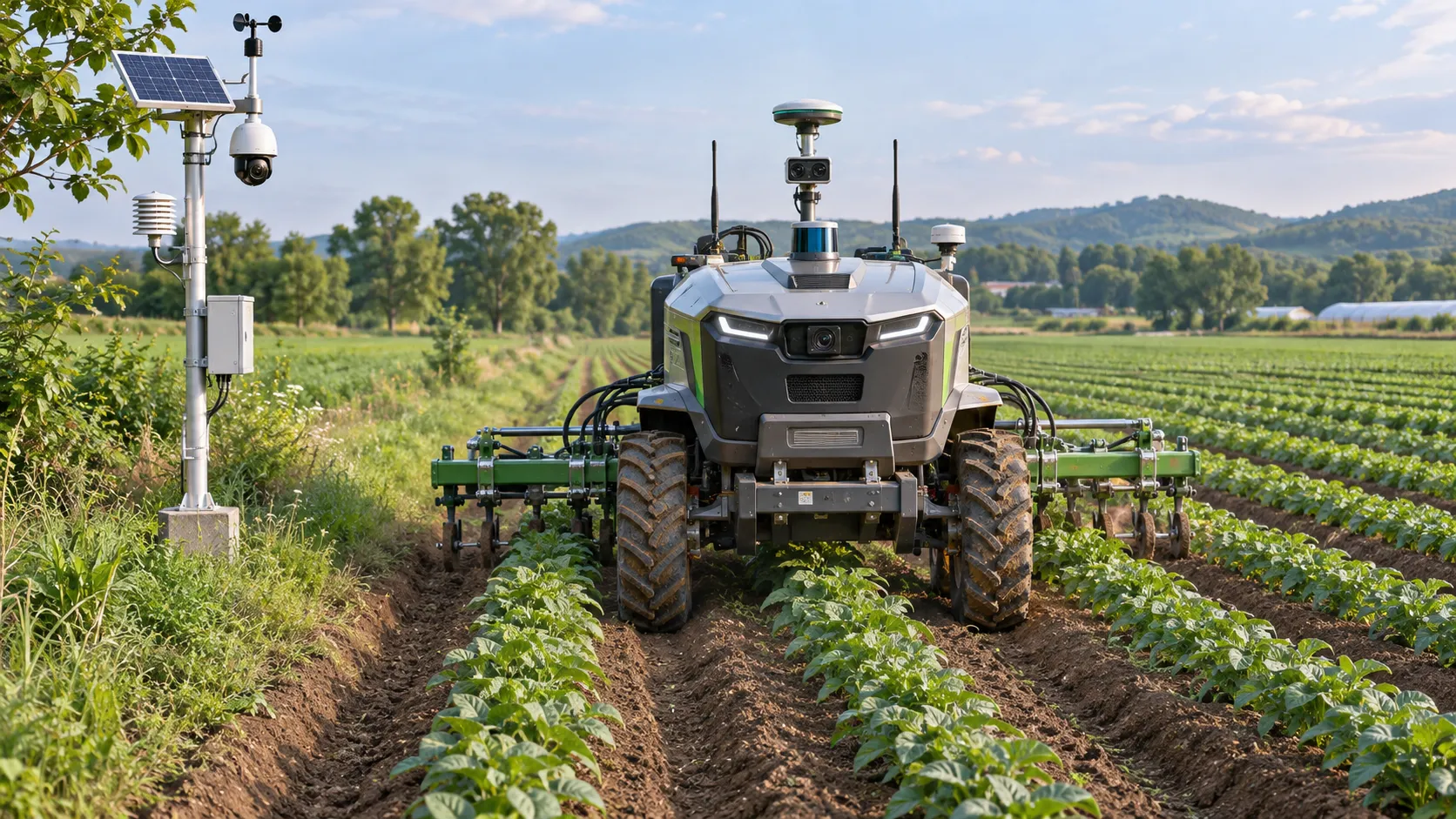
Agricultural automation still needs human oversight. Discover how AI and smart equipment are reshaping farm jobs, skills, and decisions.
Choosing a Precision Fertilization Equipment Manufacturer: What to Check
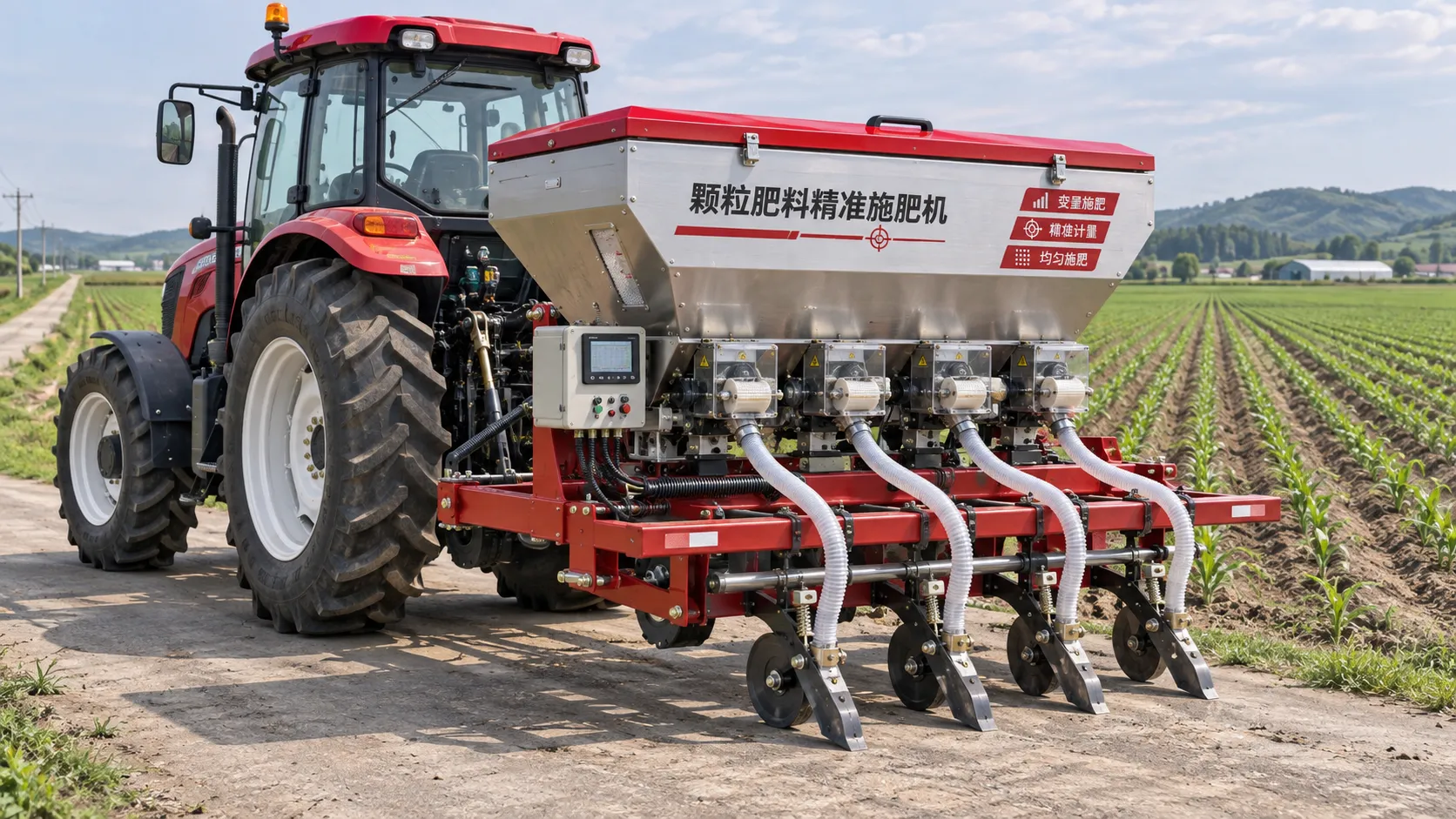
Choose a precision fertilization equipment manufacturer with confidence. Compare accuracy, compatibility, service and total ownership costs before you buy.
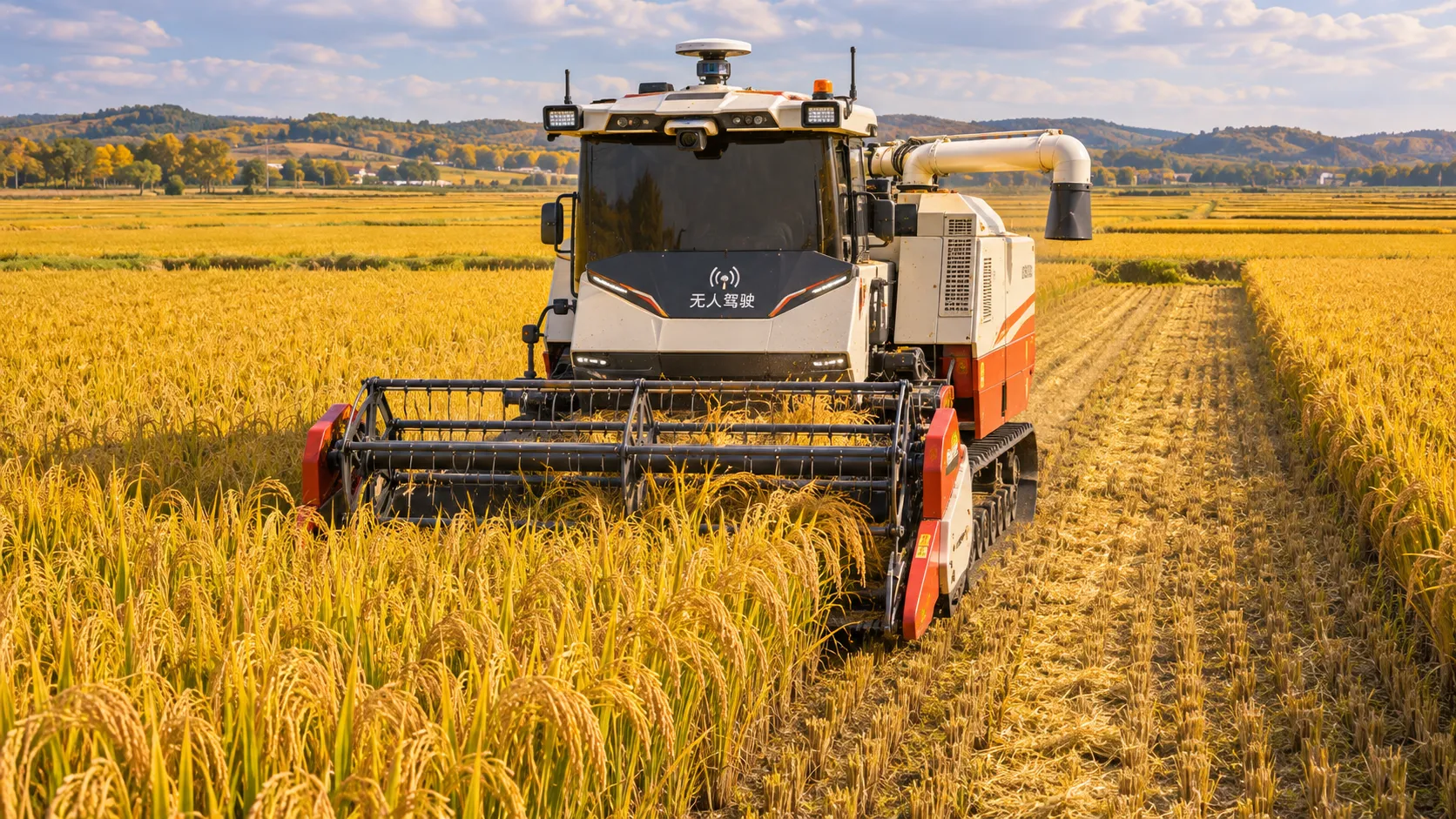
China's Autumn Grain Harvest Highlights Role of Machinery and Precision Farming
China's autumn grain harvest highlights machinery and precision farming. Explore how coordinated practices support harvesting and yield improvement.
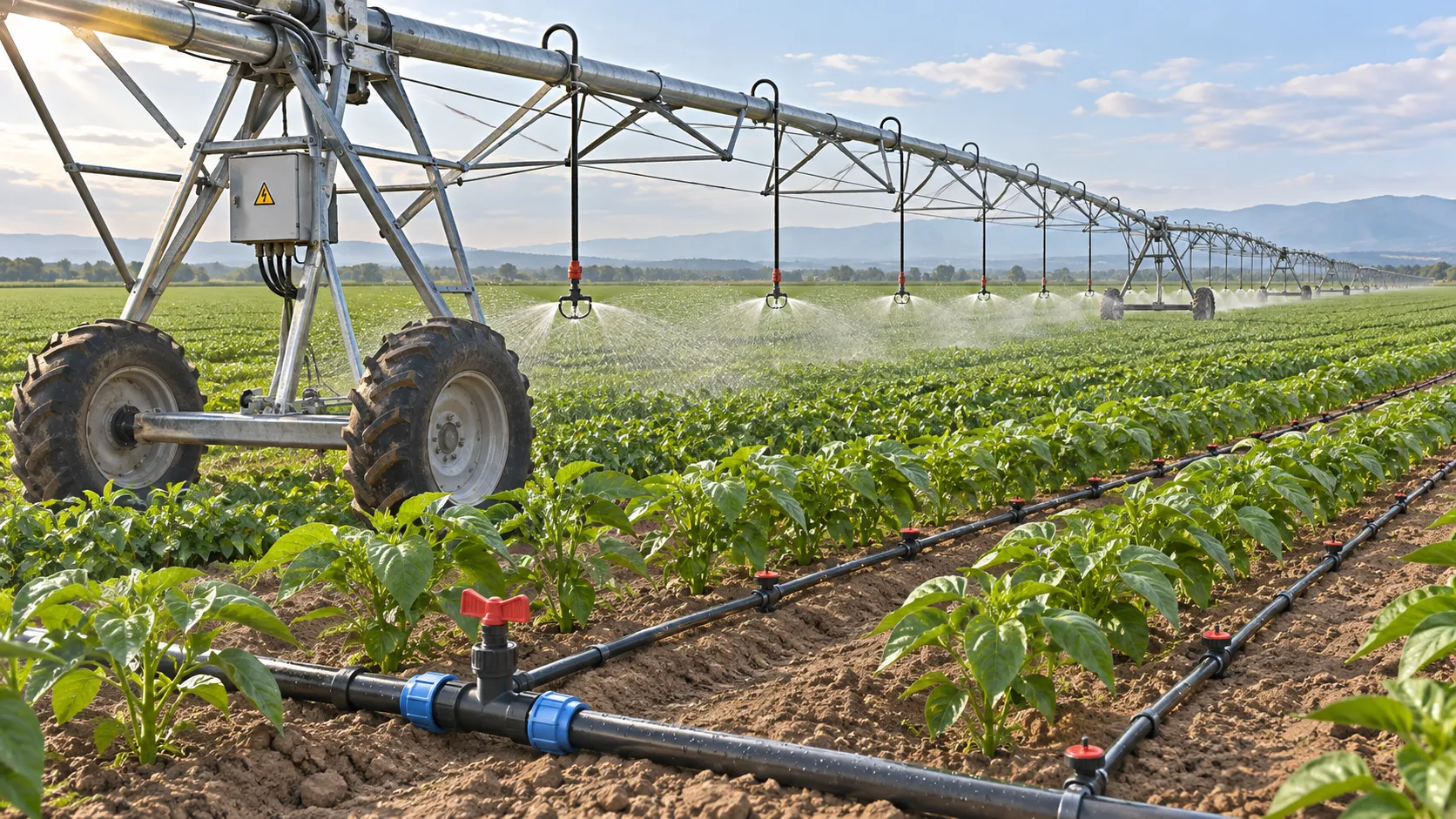
Drip vs. Center Pivot Irrigation: Maintenance Tasks and Costs Compared
Use this irrigation solution comparison by maintenance to weigh drip vs. center pivot tasks, costs and downtime—and choose the best fit for your field.
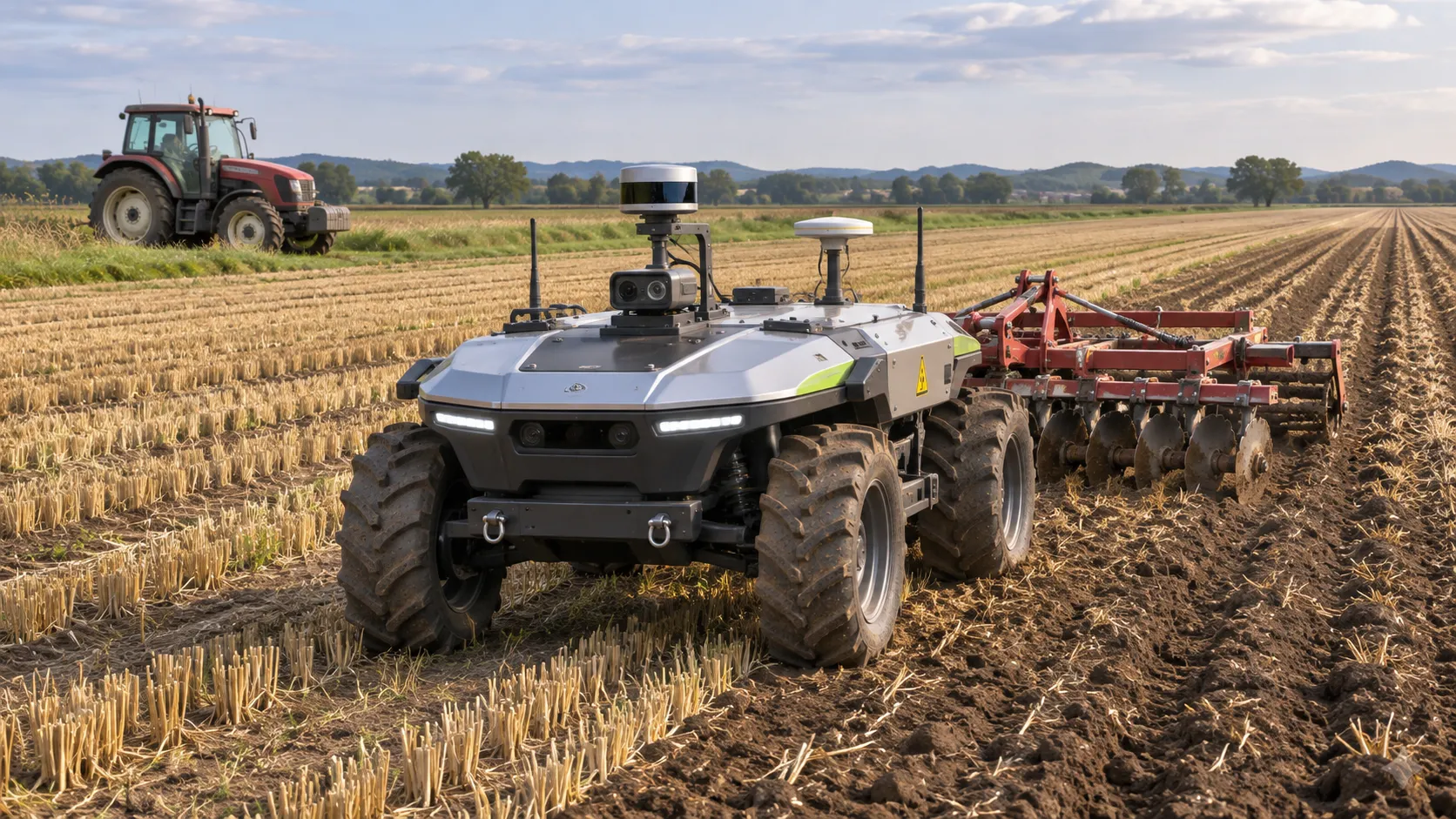
EIMA 2026: Six Tractor of the Year Awards Include Autonomous Robot
Explore the Tractor of the Year awards at EIMA 2026, featuring six winners, including the AgXeed autonomous robot and leading tractor models.
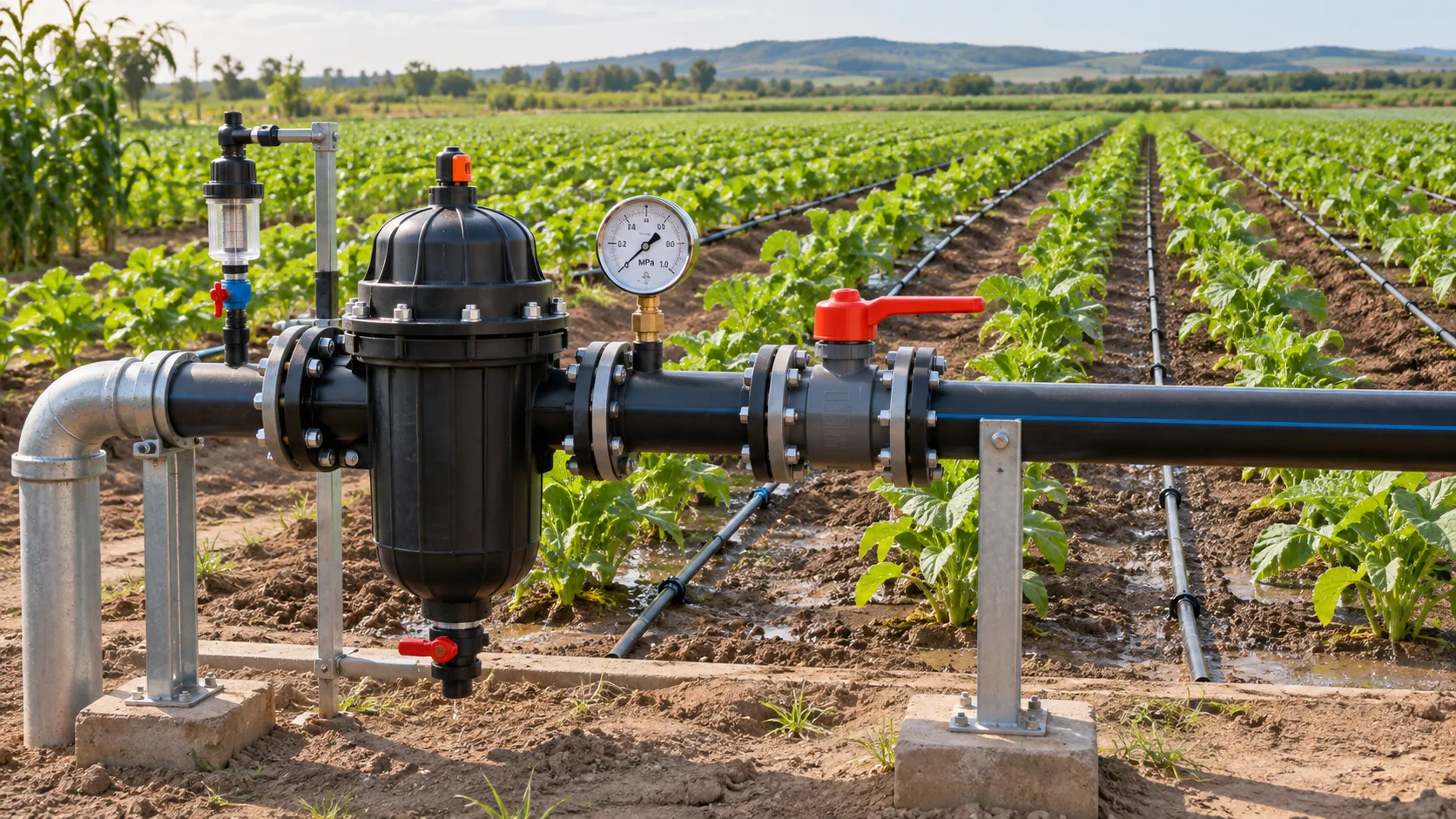
Choosing Irrigation Systems for Government Projects: Water, Cost and Compliance
What factors affect irrigation system selection for government projects? Explore water supply, lifecycle costs and compliance to make a confident, well-informed choice.
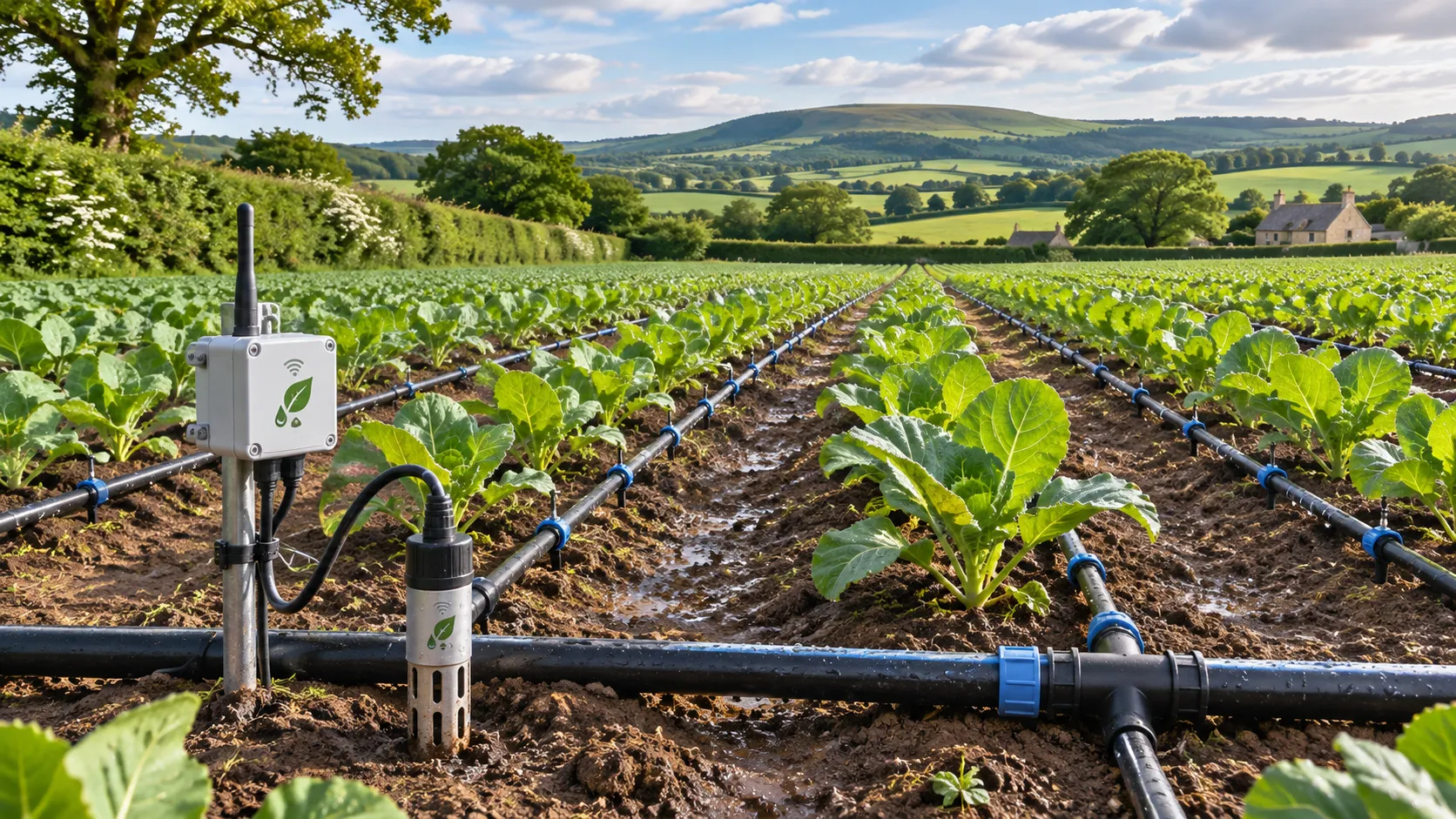
Ofwat Launches £8 Million Agri-Water Innovation Challenge
Ofwat’s £8 million Agri-Water Innovation Challenge supports smart irrigation, water reuse and water-saving solutions. Explore the funding and its potential impact.
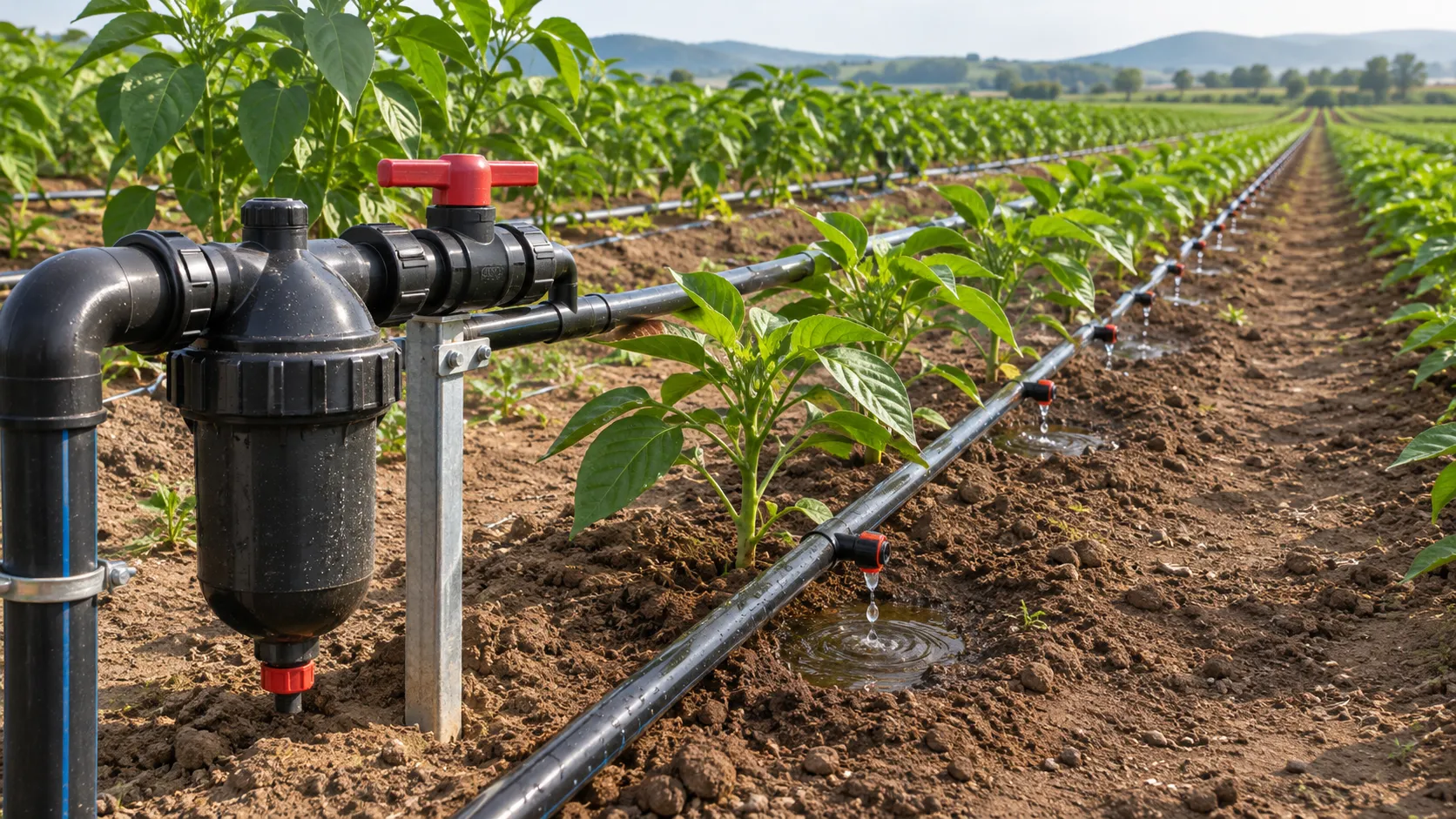
Choosing a Water-Saving Irrigation Supplier: 5 Key Procurement Criteria
Choose a water-saving irrigation systems supplier with confidence. Explore five procurement criteria to reduce risk and maximize long-term value.
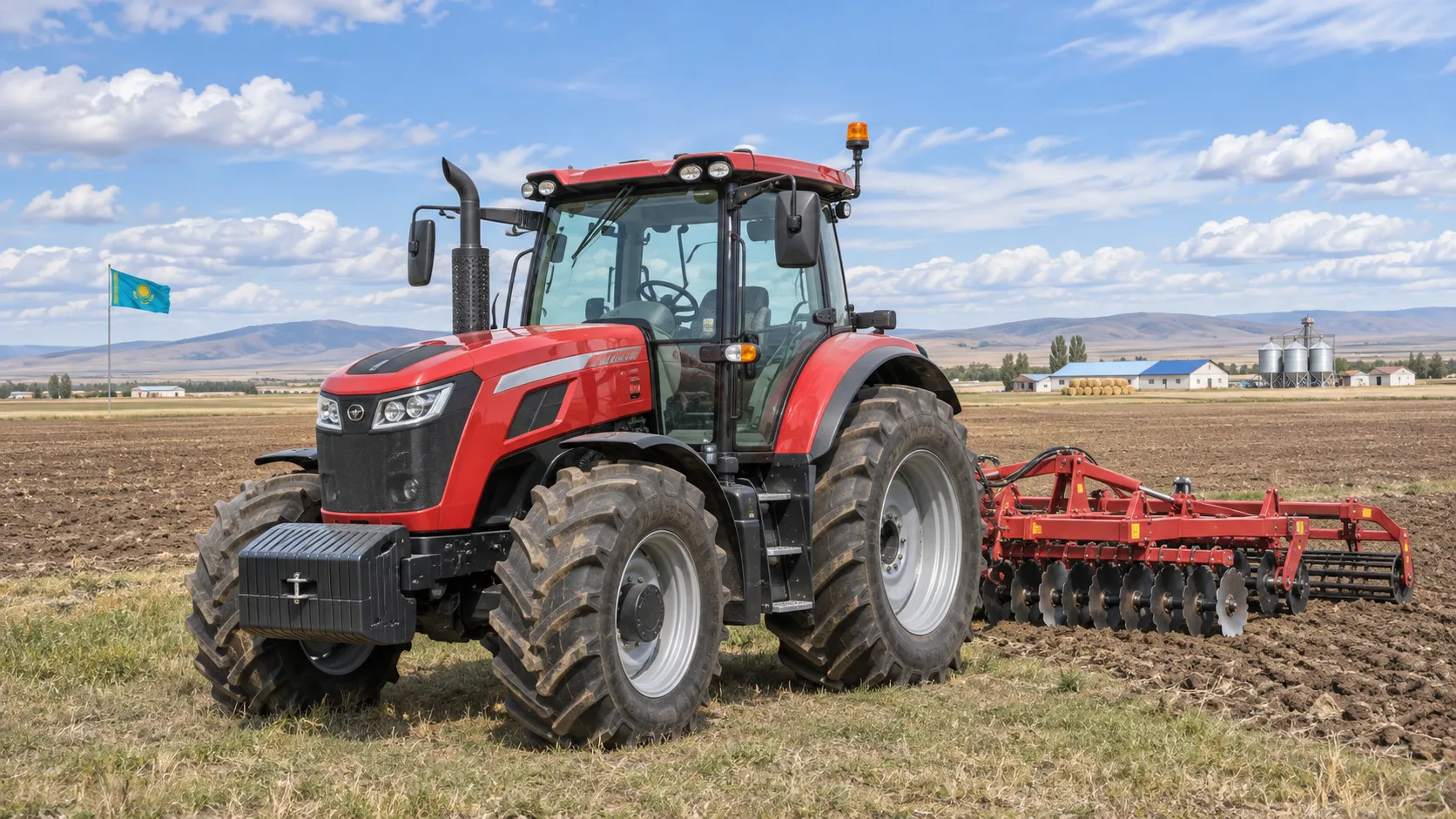
KazAgroFinance Resumes Applications for Preferential Farm Machinery Leasing
KazAgroFinance plans to reopen farm machinery leasing applications on November 9, 2026. Explore the opportunities and key terms to verify before applying.
Related News
- 00
0000-00
Choosing Irrigation Systems for Government Projects: Water, Cost and Compliance - 00
0000-00
Choosing an Agricultural Machinery Platform: Listings, Pricing, and Support - 00
0000-00
Choosing a Water-Saving Irrigation Supplier: 5 Key Procurement Criteria - 00
0000-00
304 vs 316 Stainless Steel for Ingredient Processing Equipment - 00
0000-00
Choosing a Large Farm Equipment Exporter: Parts, Shipping and Warranty
0000-00
Popular Tags
Ms. Elena Rodriguez
Weekly Insights
Stay ahead with our curated technology reports delivered every Monday.