Choosing a Large Farm Equipment Exporter: Parts, Shipping and Warranty
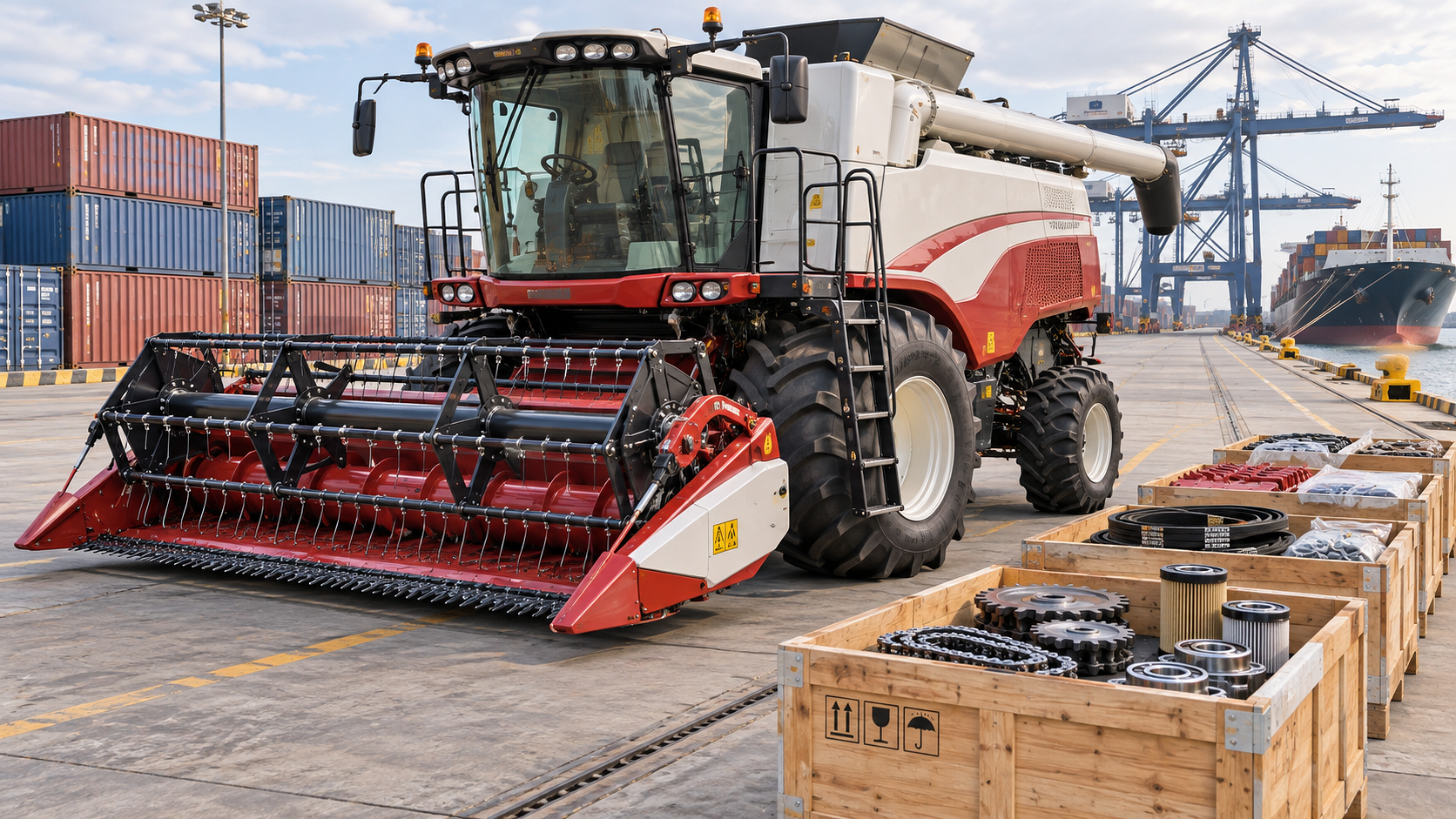




Choosing a large farm equipment exporter involves more than comparing machinery prices and specifications. Long-term value also depends on spare parts availability, shipping arrangements, warranty coverage, and the exporter’s ability to support equipment across borders. A missed delivery or unclear warranty clause can quickly turn a promising investment into an operational risk. The questions below help turn competing offers into a practical comparison of cost, delivery and uptime.
Start with the work the machine must do
A low quoted price is not useful if the machine arrives configured for different crops, field conditions or implements. Before requesting a final offer, define the job in operational terms: crop and residue conditions, field size, soil type, working season, expected annual hours and available operators. For a combine harvester, include the crops to be harvested, header requirements and expected grain-handling arrangements. For a tractor, check the power, hydraulic flow, hitch and power take-off requirements of the implements it will actually pull.
The same model name can cover meaningful differences in engine configuration, transmission, tires, electronics or emissions equipment. Ask each exporter for a written specification tied to the quotation, including optional equipment and any items supplied separately. If two offers have different headers, guidance subscriptions or commissioning arrangements, the headline prices are not directly comparable.
Be realistic about technology. Guidance and automated controls may be valuable on large fields, but their value depends on correction-signal availability, operator training and continuing software support. A simpler machine with reliable local service can be the better purchase where connectivity or technical support is uncertain.
Find out who the exporter is—and who will support the machine
An exporter may be the manufacturer, an authorized distributor, an independent trader or a broker arranging a transaction between other parties. None of those roles automatically makes an offer unsuitable. What matters is whether the seller can document its authority to supply the machine, obtain parts and arrange the support promised in the contract.
Ask for the legal entity that will invoice the sale, the machine’s origin and the identity of the party responsible for warranty decisions. Where the exporter claims manufacturer backing, request written confirmation relevant to the destination market and machine. Check whether the proposed local service provider has agreed to support that specific unit; a nearby dealer is not necessarily obliged to repair equipment purchased through another channel.
For used equipment, establish ownership and ask for the serial number, operating hours, service history and known defects before committing to shipment. Hours alone do not reveal how a machine was maintained or used. An independent inspection can be worth the cost, particularly when a worn drivetrain or undocumented electronic fault would be difficult to resolve after export.
Treat spare parts as part of the purchase, not a later discussion
“Parts available” is too vague to protect a harvest. Ask the exporter to identify the supply route for the exact serial-number range and configuration being quoted. The useful question is not simply whether a part can be ordered, but where it will come from, who will sell it, what information is needed to identify it and how it will reach the machine during the working season.
Separate routine consumables from components that can stop the operation. Filters and belts may justify planned inventory; a controller, hydraulic pump or specialized sensor raises a different question about lead time, diagnostics and replacement authority. On a combine, the critical list will vary with crop and design, but wear items in the cutting, conveying and threshing systems deserve attention before the season begins.
Request a recommended initial parts list with part numbers, quantities, prices and any shelf-life or storage restrictions. Then challenge it against the farm’s own service capability. Buying every suggested spare can tie up cash; buying none can leave a machine idle while a small component crosses a border. For a remote fleet, a shared stock of common parts may make more sense than duplicating every item at every site.
Also check parts interchangeability across the fleet. A model update may change a sensor or control module even when the machines look identical. Ask for a parts catalogue, service documentation and the process for identifying superseded components. If access depends on a subscription or authorized workshop, include that in the operating plan.
Compare landed cost, not just the machine price
A competitive factory or port price can become expensive once inland transport, loading, ocean freight, insurance, port handling, customs clearance, duties, taxes, local delivery and assembly are added. Some charges depend on the route, cargo dimensions and destination, so estimates should be refreshed before the order is placed rather than copied from an earlier shipment.
Use the agreed Incoterms rule and its named place to identify the division of delivery obligations, costs and risk. Do not assume that a term covering carriage also gives the buyer the insurance protection it wants, or that it settles payment terms, ownership transfer or every port charge. Those matters need their own contractual wording. Confirm the applicable Incoterms edition and ask the freight forwarder to flag gaps between the quotation and the actual route.
Build a comparison sheet using the same delivery point and scope for every offer. Include the equipment configuration, initial spares, freight, insurance, expected import charges, assembly, commissioning, training and any mandatory subscriptions. Show recoverable taxes separately from costs that remain with the buyer, subject to local advice. Keep uncertain items visible as estimates rather than burying them in a single total.
Currency exposure and payment milestones matter too. A deposit payable long before shipment can change the effective cost of a purchase and leaves the buyer exposed if delivery slips. Match payments to verifiable events where possible, and have finance or legal advisers assess the security offered by the proposed payment method.
Plan transport around the machine’s actual dimensions
Large agricultural machines may travel as containerized cargo after partial dismantling, as roll-on/roll-off cargo, or as breakbulk. The right method depends on dimensions, weight, route, port facilities and the cost of dismantling and reassembly. A combine header may need separate treatment even when the main machine can be shipped intact.
Obtain shipping dimensions and weights for every package, including removed wheels, attachments and crates. Check height and width restrictions along the inland route, not merely at the port. If specialist lifting equipment, escorts or road permits are needed, identify who arranges and pays for them. A machine that clears customs but cannot be moved safely from the terminal is not delivered in any useful operational sense.
The contract should state who dismantles, protects, loads and secures the equipment, and who reassembles it at destination. Ask what happens if parts are missing or shipping damage is discovered during assembly. Photograph the machine and its components before loading and at receipt, record discrepancies promptly, and follow the carrier’s and insurer’s notification procedures. Cargo insurance terms and exclusions should be reviewed before dispatch, not after a claim.
Schedule backward from the date the machine must be ready for work. Allow for documentation, port congestion, customs checks, inland delivery, assembly and operator familiarization. A promised arrival before harvest is not the same as a commissioned machine ready to cut.
Read the warranty as a service procedure
Warranty duration is only one part of coverage. Ask when the period starts, whether operating-hour limits apply, and which event controls if both a time and an hour limit are specified. For seasonal equipment, a warranty beginning at dispatch may lose useful coverage while the machine is in transit or waiting for the first harvest.
Read the exclusions alongside the coverage. Wear components, routine maintenance, fluids, transport damage and failures attributed to misuse may be treated differently from defects in materials or workmanship. Software, guidance receivers, batteries and third-party attachments may have separate terms. If a seller promises broader protection verbally, put it in the signed agreement.
The practical test is a breakdown scenario: a hydraulic fault stops the machine during fieldwork. Who takes the call? Who diagnoses the failure, authorizes repair, supplies the part and pays the technician’s travel? Does the buyer need approval before work begins? Is the remedy limited to supplying a replacement part, or does it include labor and freight? A warranty that covers a component but excludes all costs of getting it installed may be less valuable than it appears.
Ask for response and escalation procedures in writing, but distinguish a response target from a guaranteed repair time. Parts availability, access to the site and fault complexity can affect the latter. If uptime is critical, negotiate an agreed support plan or keep suitable contingency capacity rather than relying on warranty language alone.
Confirm import, commissioning and digital access before signing
The buyer and exporter should agree who provides the commercial invoice, packing list, transport documents and any origin or conformity documentation required for the destination. Requirements vary by machine, jurisdiction and intended use. Have a qualified customs broker or local adviser review the proposed configuration and documents before shipment, especially where road registration, emissions, safety or radio equipment requirements may apply.
Commissioning deserves a defined scope. Specify who checks fluid levels, reinstalls shipped components, calibrates the machine, tests safety functions and trains operators. For a harvester, agree how basic settings and loss-monitoring functions will be demonstrated under available conditions. A field test may depend on crop availability, so the parties should decide in advance how unresolved adjustments will be handled.
Connected equipment introduces another layer of dependency. Verify whether guidance, telematics and diagnostic functions work in the destination market; whether subscriptions are transferable; and who can access machine data. Ask about language support, offline operation, update procedures and the availability of diagnostic tools. A capable chassis is less useful if a locked account or unsupported service tool prevents a local technician from identifying a fault.
Make the final comparison operational
Before awarding the order, put unresolved questions beside the price rather than in a separate correspondence file. A slightly cheaper offer may depend on unconfirmed freight, an overseas-only warranty and parts with no identified local route. A more expensive offer may include commissioning and a credible service arrangement—but those benefits still need to be defined and priced.
Industry intelligence from sources such as AP-Strategy can provide context on combine technology, tractor systems and precision agriculture. It does not replace machine-specific verification. Ask the shortlisted exporter for a final document pack covering configuration, delivery scope, parts support, warranty terms and commissioning responsibilities. If a critical promise cannot be assigned to a named party and written into the agreement, treat it as an unresolved purchasing risk—not as a benefit already included in the price.
Related News
Agricultural Automation Still Needs Human Oversight, Study Finds
Agricultural automation still needs human oversight. Discover how AI and smart equipment are reshaping farm jobs, skills, and decisions.
Choosing a Precision Fertilization Equipment Manufacturer: What to Check
Choose a precision fertilization equipment manufacturer with confidence. Compare accuracy, compatibility, service and total ownership costs before you buy.
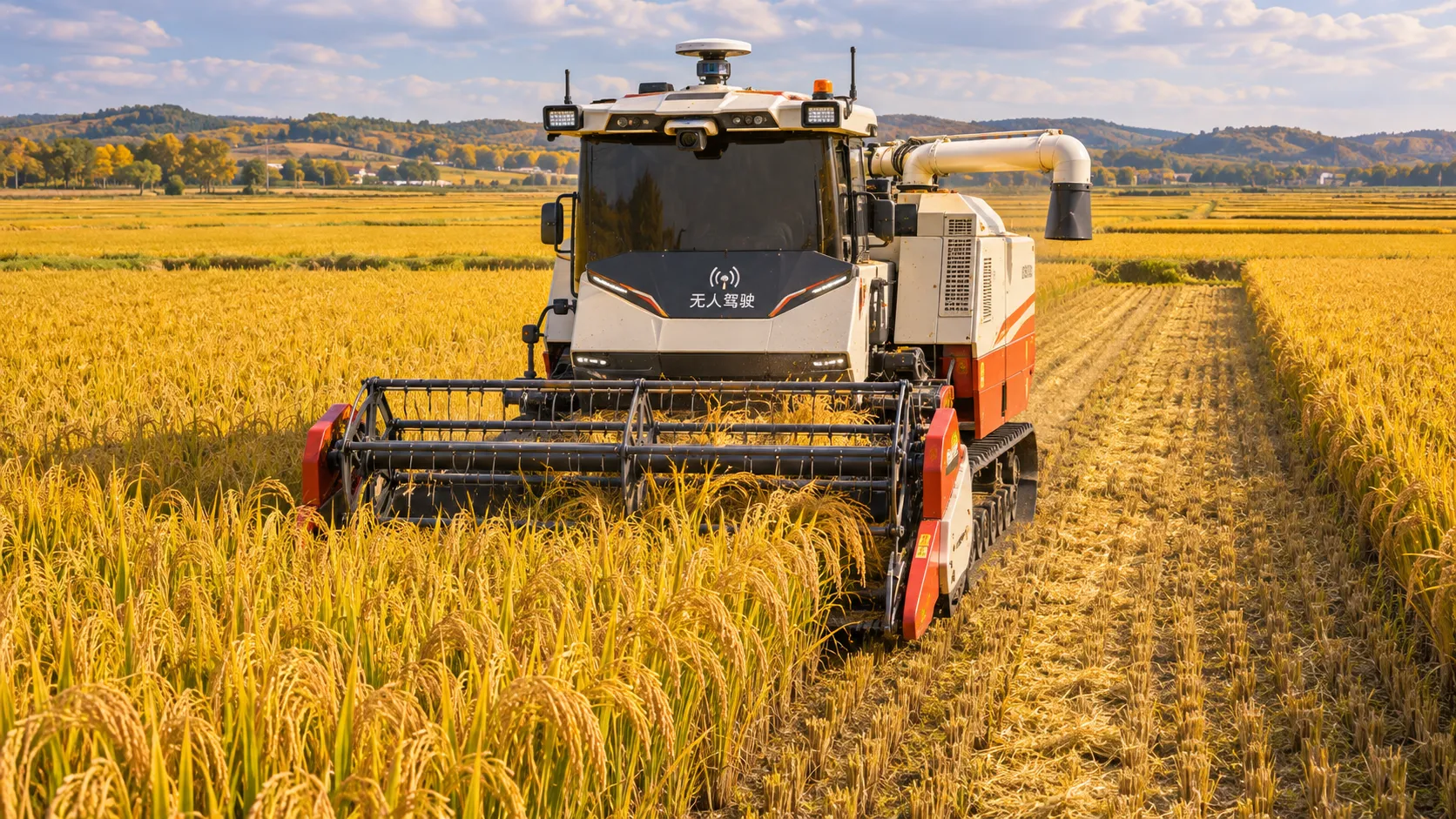
China's Autumn Grain Harvest Highlights Role of Machinery and Precision Farming
China's autumn grain harvest highlights machinery and precision farming. Explore how coordinated practices support harvesting and yield improvement.
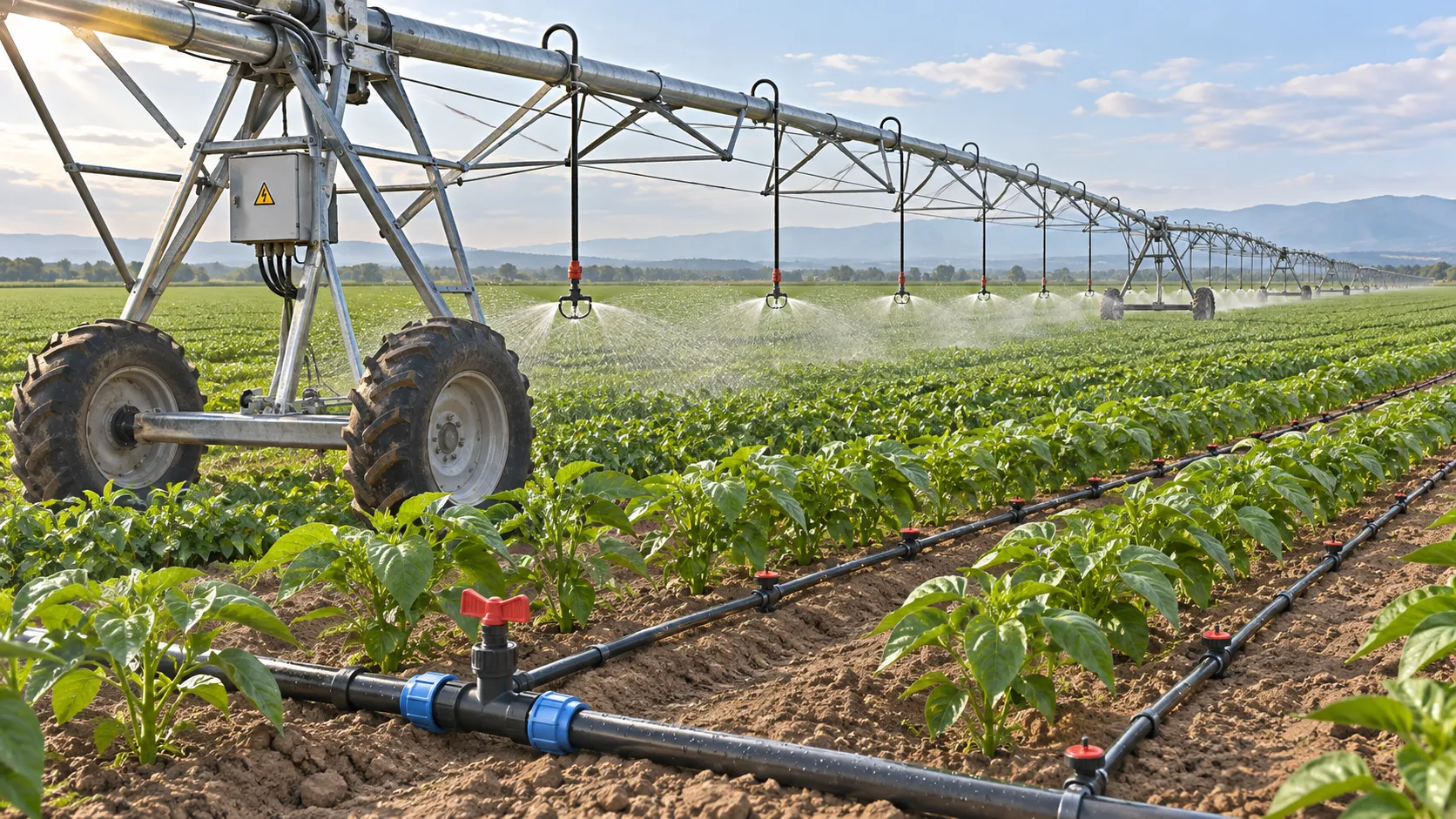
Drip vs. Center Pivot Irrigation: Maintenance Tasks and Costs Compared
Use this irrigation solution comparison by maintenance to weigh drip vs. center pivot tasks, costs and downtime—and choose the best fit for your field.
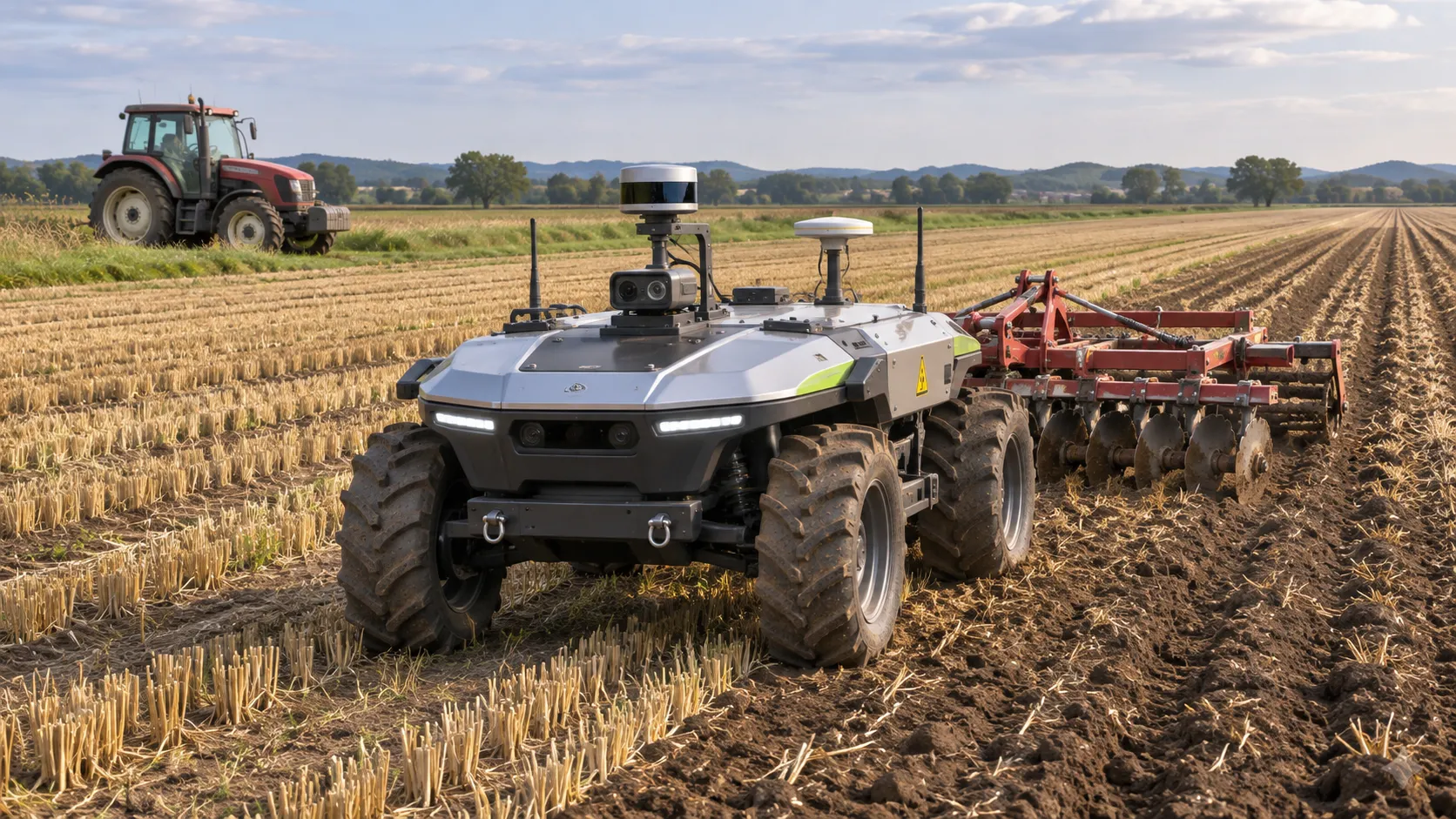
EIMA 2026: Six Tractor of the Year Awards Include Autonomous Robot
Explore the Tractor of the Year awards at EIMA 2026, featuring six winners, including the AgXeed autonomous robot and leading tractor models.
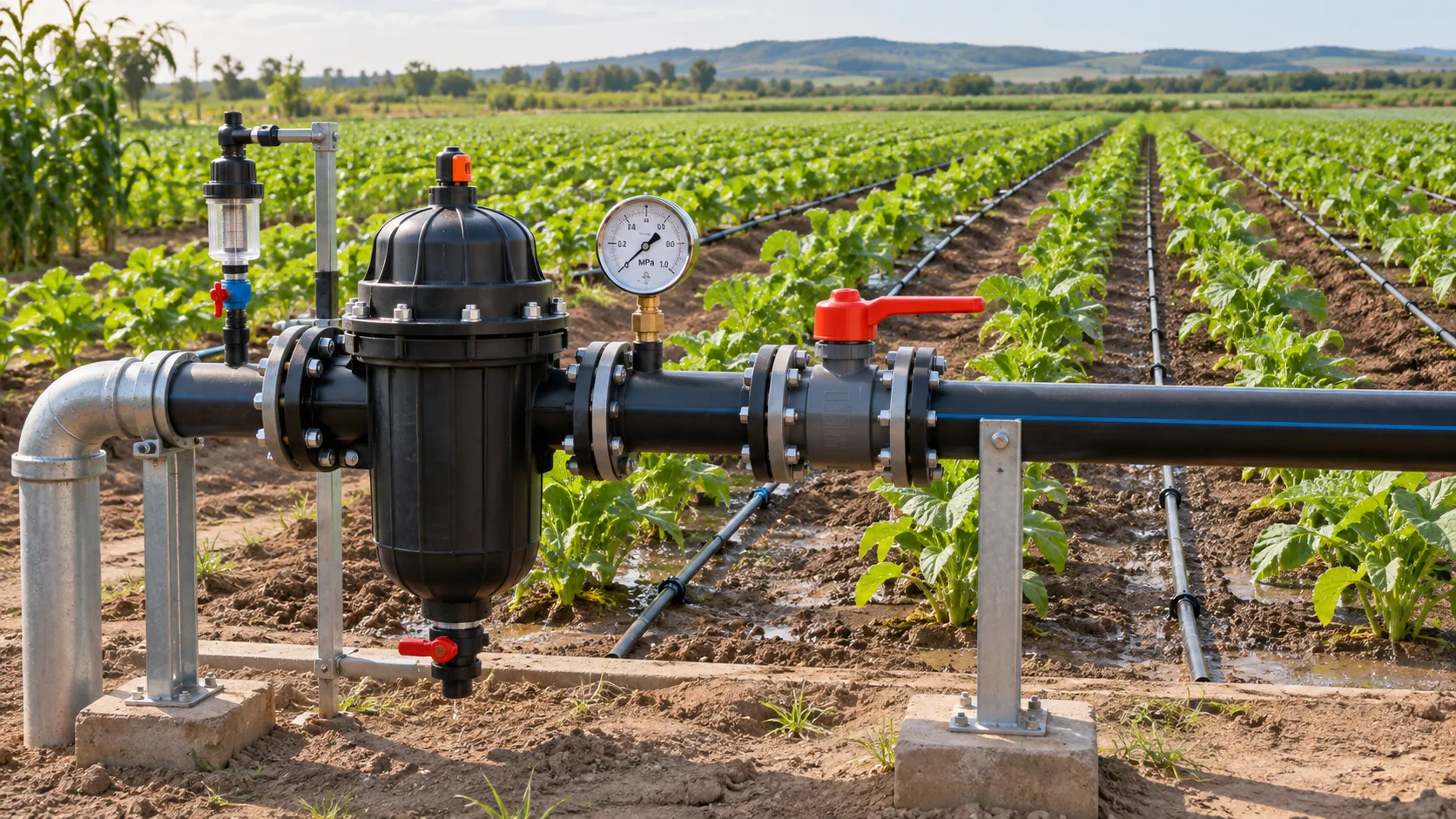
Choosing Irrigation Systems for Government Projects: Water, Cost and Compliance
What factors affect irrigation system selection for government projects? Explore water supply, lifecycle costs and compliance to make a confident, well-informed choice.
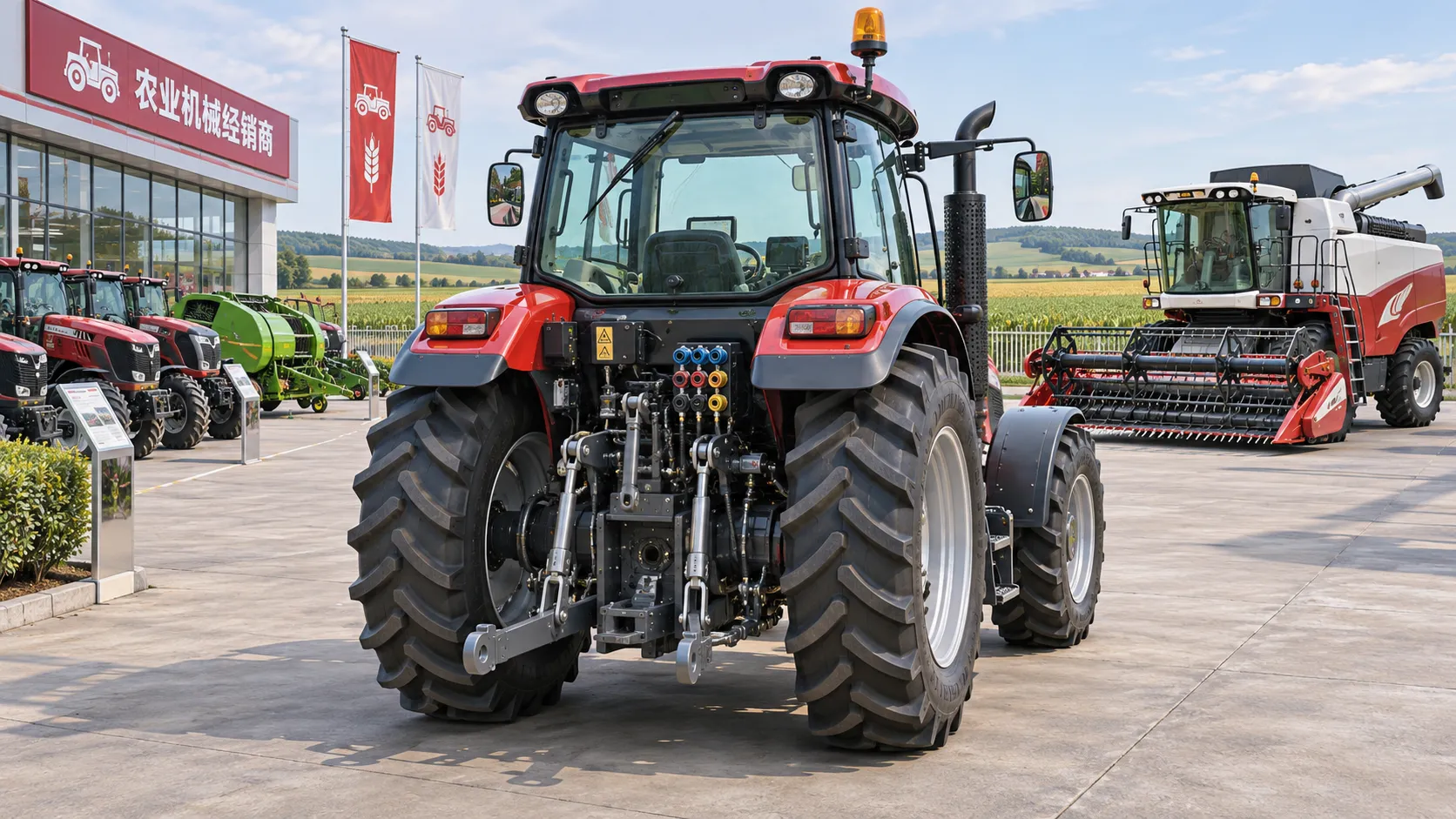
Choosing an Agricultural Machinery Platform: Listings, Pricing, and Support
Choosing an agricultural machinery platform? Compare listings, pricing, supplier verification, and support to make a more confident equipment purchase.
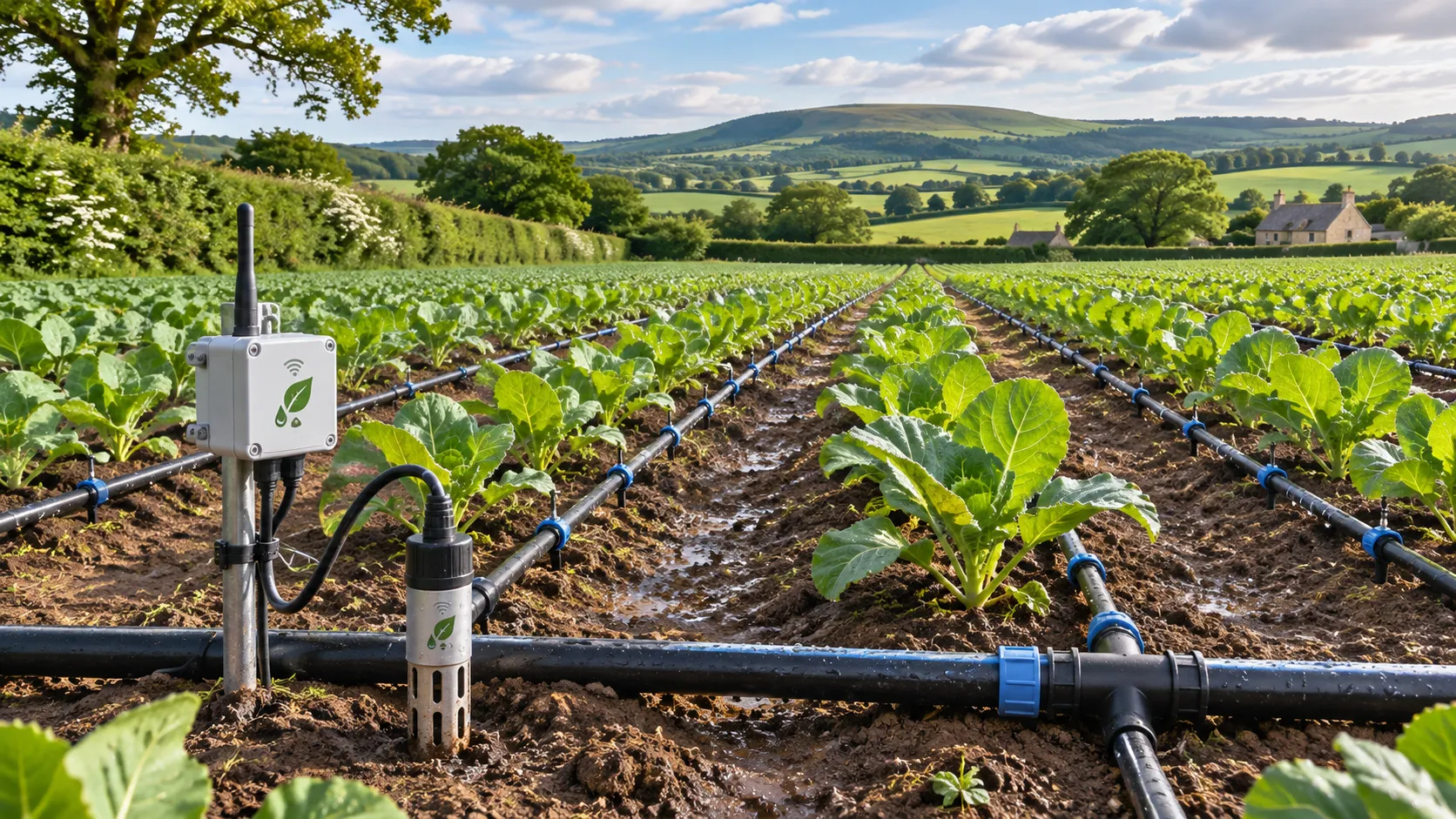
Ofwat Launches £8 Million Agri-Water Innovation Challenge
Ofwat’s £8 million Agri-Water Innovation Challenge supports smart irrigation, water reuse and water-saving solutions. Explore the funding and its potential impact.
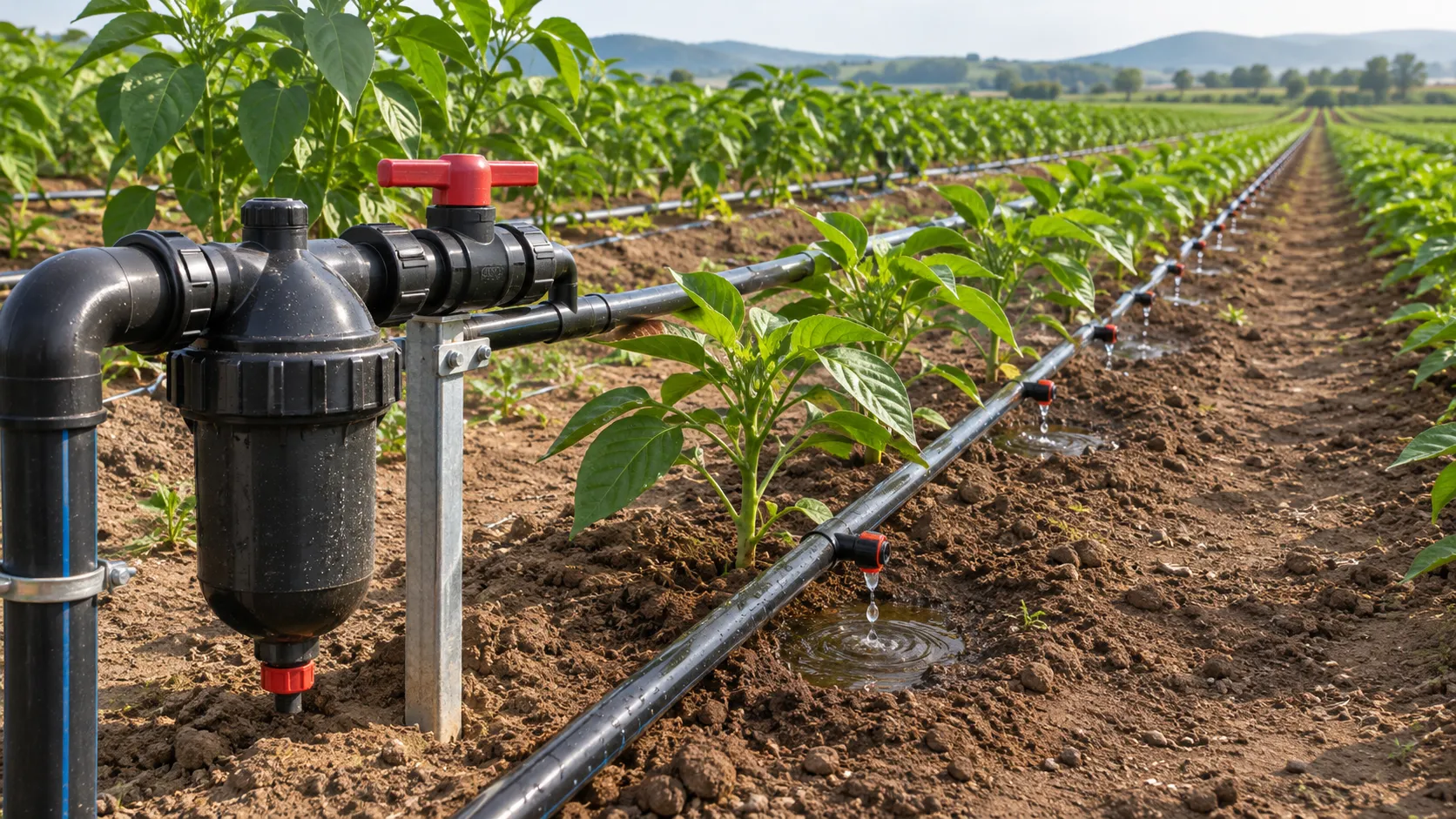
Choosing a Water-Saving Irrigation Supplier: 5 Key Procurement Criteria
Choose a water-saving irrigation systems supplier with confidence. Explore five procurement criteria to reduce risk and maximize long-term value.
Related News
- 00
0000-00
Choosing Irrigation Systems for Government Projects: Water, Cost and Compliance - 00
0000-00
Choosing an Agricultural Machinery Platform: Listings, Pricing, and Support - 00
0000-00
Choosing a Water-Saving Irrigation Supplier: 5 Key Procurement Criteria - 00
0000-00
304 vs 316 Stainless Steel for Ingredient Processing Equipment - 00
0000-00
Choosing a Large Farm Equipment Exporter: Parts, Shipping and Warranty
0000-00
Popular Tags
Ms. Elena Rodriguez
Weekly Insights
Stay ahead with our curated technology reports delivered every Monday.