
Agricultural Market Intelligence: How Buyers Can Assess Price and Supply Risks
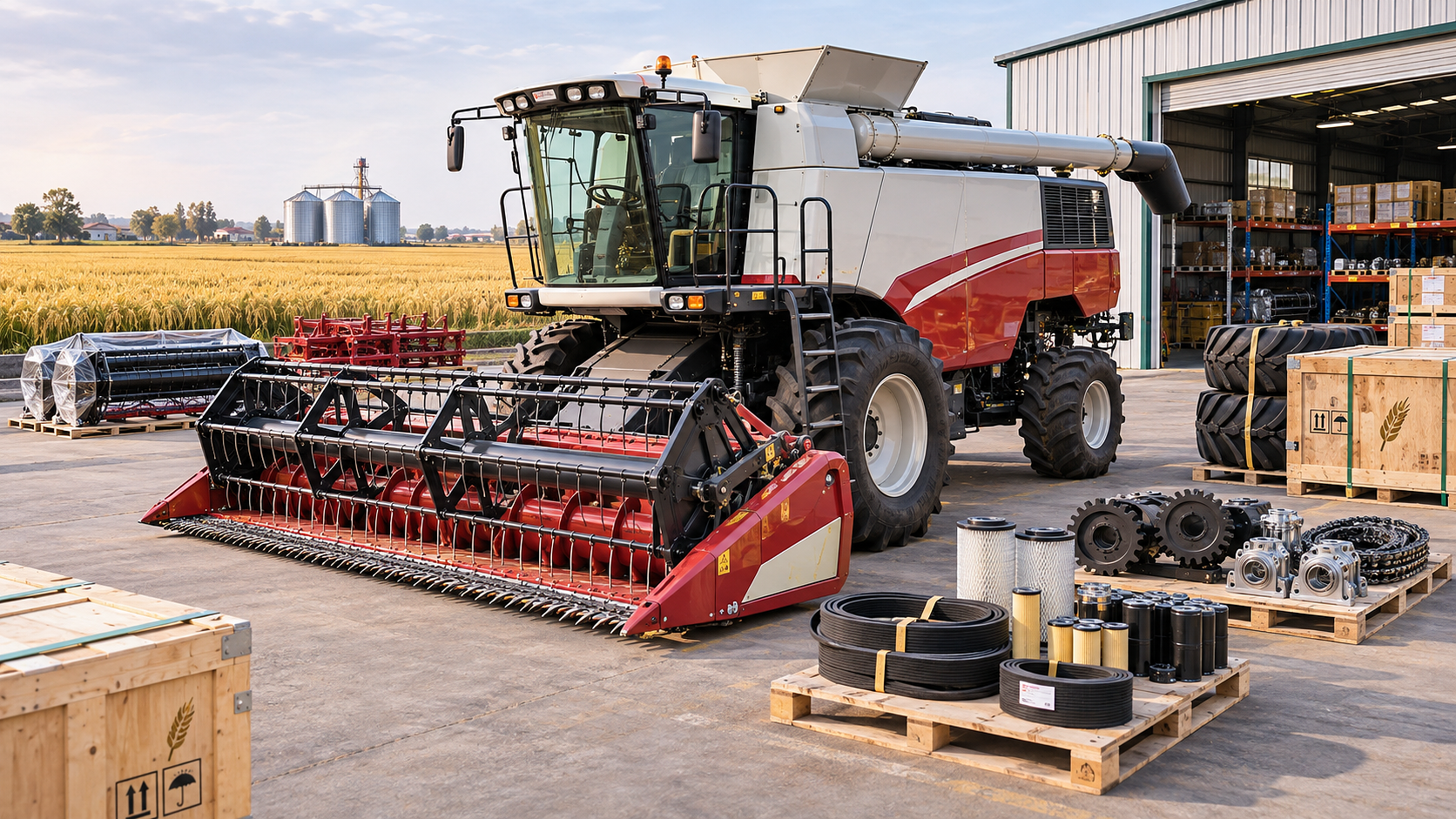




A procurement team may receive a firm-looking equipment quote while delivery dates remain provisional, freight costs are changing, and the planting or harvest window is approaching. The price on the quotation is only one exposure: a cheaper machine that arrives late, or an irrigation system without replacement parts, can create a larger operational risk.
To assess both price and supply risk, compare like-for-like total delivered costs, trace the inputs and suppliers behind each offer, and test what happens if price, lead time, or demand changes. Agricultural market intelligence gives buyers a way to turn those signals into purchasing decisions, rather than treating a market headline or a supplier forecast as a prediction.
Start with the decision, not the market headline
Define what must be purchased, when it must be usable, and which specifications cannot change. A combine needed for a fixed harvest window has a different risk profile from a replacement tractor that can enter service later. An irrigation purchase may depend on delivery of pumps, emitters, controls, and installation services together; receiving only some components does not necessarily make the system usable.
Separate the required delivery date from the date on which equipment must be operational. Allow for transport, commissioning, operator training, and any site preparation. This distinction reveals how much delay can be absorbed and helps determine whether the lowest offer is actually viable.
For each purchase, record the quantity, destination, technical configuration, quotation validity, currency, delivery terms, and service requirements. Without that baseline, apparent price changes may simply reflect a different specification, an excluded attachment, or a shift in who pays for transport.
Build a comparable view of price exposure
A useful market view distinguishes the quoted purchase price from the cost of getting an asset into service and keeping it operational. Machinery prices can respond to changes in components, labor, energy, freight, exchange rates, and supplier capacity, but those influences do not necessarily move together or pass through at the same speed.
Normalize supplier quotations
Compare offers on the same specification and delivery basis. Confirm whether each quote includes implements, headers, software licenses, commissioning, training, warranty coverage, and the first set of critical spares. For irrigation, check whether filtration, control equipment, fittings, and installation are included as well as the main hardware.
Convert offers into a common currency for comparison, while keeping the original currency visible. State the exchange rate and date used. Add estimated transport, insurance, duties, taxes where applicable, and local handling costs according to the agreed delivery terms. A low factory price can lose its advantage when the buyer assumes more freight or border risk.
Keep one-time acquisition costs separate from recurring costs such as subscriptions, consumables, maintenance, and parts. These figures should not be treated as certain when usage or service rates are unknown; use clearly labeled assumptions and request clarification where the difference could affect the decision.
Look for the cause behind a price movement
Track quoted prices alongside the factors most relevant to the item. Steel and energy prices may be useful context for machinery, while electronic controls, hydraulics, tires, or freight availability may matter more for a particular configuration. Commodity prices can influence farm income and equipment demand, but a grain-price movement is not a direct price index for a combine.
Use several observations rather than relying on one quote. Supplier offers, published price series where available, freight indicators, and exchange rates can each illuminate part of the picture. Record the source, date, geography, unit, and product definition. An old quote for a different region or configuration should not be presented as a current market price.
Ask suppliers which parts of an increase are firm and which are estimates. A quotation may contain a time-limited base price, a currency adjustment, or a surcharge tied to delivery. Compare the adjustment mechanism as well as the opening price: a lower initial offer with an unrestricted escalation clause can transfer substantial uncertainty to the buyer.
Examine supply beyond the named supplier
A supplier can be financially stable and still depend on a constrained component or production site. For critical purchases, ask where the final product is assembled, which long-lead components govern production, and whether those components are sourced from more than one location. Suppliers may not disclose every sub-tier relationship, so distinguish confirmed information from assumptions.
Focus on dependencies that could stop delivery or use. For a tractor chassis, those might include transmission, hydraulic, or electronic control assemblies. For a combine, a specialized header or replacement cleaning-system component may be the constraint. In irrigation, compatible controllers, pumps, filtration equipment, and connectors can matter as much as the availability of pipe.
Request a lead-time breakdown rather than a single delivery estimate: order acceptance, production slot, factory release, transport, customs clearance, and local commissioning. Ask which milestones are confirmed, which are forecasts, and what event starts the clock. A lead time measured from receipt of an approved deposit is not equivalent to one measured from the date of the quote.
Past delivery performance is useful only when it is comparable. Review the supplier’s record for similar configurations and destinations, including partial shipments, changes to promised dates, and availability of parts after delivery. A supplier that reliably ships standard units may still face uncertainty on a specialized specification.
Check whether an alternative is genuinely independent
Two distributors do not necessarily provide two supply routes. They may draw from the same manufacturer, assembly plant, or constrained component source. Ask about common dependencies before treating a second quote as a contingency.
Also verify interchangeability. An alternative irrigation controller may need to work with existing sensors and communications infrastructure; a different implement may require hydraulic capacity or mounting arrangements that the tractor does not have. An unqualified substitute can introduce delays even when it is immediately available.
Read seasonal, weather, and trade signals in context
Seasonality affects both demand and the cost of delay. Equipment orders can cluster ahead of planting or harvest, while demand for irrigation components may intensify when water availability becomes uncertain. Map expected purchasing and delivery periods against the operational calendar, then identify when a delay would force a change in field plans.
Weather signals are not delivery forecasts. They can, however, prompt questions about crop conditions, access to fields, water allocations, transport routes, and local demand. Use forecasts and official notices appropriate to the location, and distinguish a forecast from a confirmed disruption. Avoid building a purchasing decision around a single long-range weather outlook.
Trade measures can change the landed cost or availability of imported equipment and parts. Check the applicable product classification, origin, destination, and effective date before applying a duty or restriction to an estimate. Rules may treat a complete machine differently from a component. When the amount or eligibility is material, confirm the treatment with the relevant customs authority or a qualified trade adviser rather than assuming a supplier’s quote covers it.
Monitor currency exposure over the period between quotation, deposit, and final payment. A price fixed in the supplier’s currency may still vary in the buyer’s budget currency. The contract should make clear which party bears that movement and when each payment becomes due.
Turn uncertainty into a purchasing comparison
Rather than forecasting one “correct” future, prepare a small set of scenarios using the same baseline. For example, compare the current offer with a higher landed-cost case, a delayed-delivery case, and a combined cost-and-delay case. Set the assumptions from available quotes, contract terms, and operational constraints; label them as planning assumptions, not market predictions.
For each scenario, calculate the effect on the budget and ask whether the delivery date still supports the intended work. Include costs that would arise from the response, such as expedited freight, temporary equipment, revised installation scheduling, or extra inventory. Do not add a speculative cost simply to make a scenario look precise; identify it as an unpriced exposure instead.
The comparison may lead to different actions for different items:
- Buy or reserve capacity earlier when the required configuration is hard to substitute and a missed operating window has a high consequence. Confirm cancellation terms and the treatment of deposits before committing.
- Split an order when qualified sources are genuinely independent and the additional freight, administration, or lost volume discount is acceptable.
- Hold critical spares when a small component can stop a high-value machine and replenishment is uncertain. Check shelf life, storage conditions, and compatibility before increasing stock.
- Keep specifications flexible where an approved alternative can meet the job without creating unacceptable service or integration costs.
These measures have trade-offs. Early commitments can protect a production slot but tie up cash and reduce flexibility. Multiple suppliers can improve resilience but complicate service and parts management. A contingency is useful only if it can be activated within the time available.
Use the evidence in negotiations and contracts
Bring the comparison to the supplier as specific questions: Which component drives the lead time? Can the production slot be confirmed? What is included in the price, and under what conditions can it change? A request for a lower price alone may not address the risk that matters most.
Negotiate terms that match the exposure. Depending on the transaction, these may include a quotation-validity period, defined escalation formula, milestone reporting, delivery commitments, spare-parts availability, or a process for approving substitutions. Make sure delivery obligations identify the destination and the point at which transport risk transfers; a promised factory dispatch is not the same as arrival on site.
Where remedies for delay or non-performance are proposed, check whether they are enforceable and whether they compensate for the actual exposure. A credit on a future order may have limited value when the immediate problem is an unusable machine during a narrow harvest window. Contract wording and applicable law should be reviewed where the commercial consequences justify it.
Keep the assessment current until delivery
Assign an owner to update the decision record when a quote expires, a production milestone slips, a trade measure changes, or a key exchange rate moves enough to affect the budget. Set review triggers against the purchase itself: a forecast delivery date entering the commissioning buffer, for example, is more actionable than an unexplained change in a broad commodity index.
Preserve the assumptions behind the original award and compare them with subsequent supplier updates. If a risk becomes more likely, decide whether to accelerate a qualified alternative, change the delivery plan, or accept the exposure explicitly. Once the equipment arrives, record actual landed cost, delivery timing, missing items, and service readiness so the next sourcing decision rests on observed performance rather than the original quotation.
Related News
Agricultural Automation Still Needs Human Oversight, Study Finds
Agricultural automation still needs human oversight. Discover how AI and smart equipment are reshaping farm jobs, skills, and decisions.
Choosing a Precision Fertilization Equipment Manufacturer: What to Check
Choose a precision fertilization equipment manufacturer with confidence. Compare accuracy, compatibility, service and total ownership costs before you buy.

China's Autumn Grain Harvest Highlights Role of Machinery and Precision Farming
China's autumn grain harvest highlights machinery and precision farming. Explore how coordinated practices support harvesting and yield improvement.
Drip vs. Center Pivot Irrigation: Maintenance Tasks and Costs Compared
Use this irrigation solution comparison by maintenance to weigh drip vs. center pivot tasks, costs and downtime—and choose the best fit for your field.
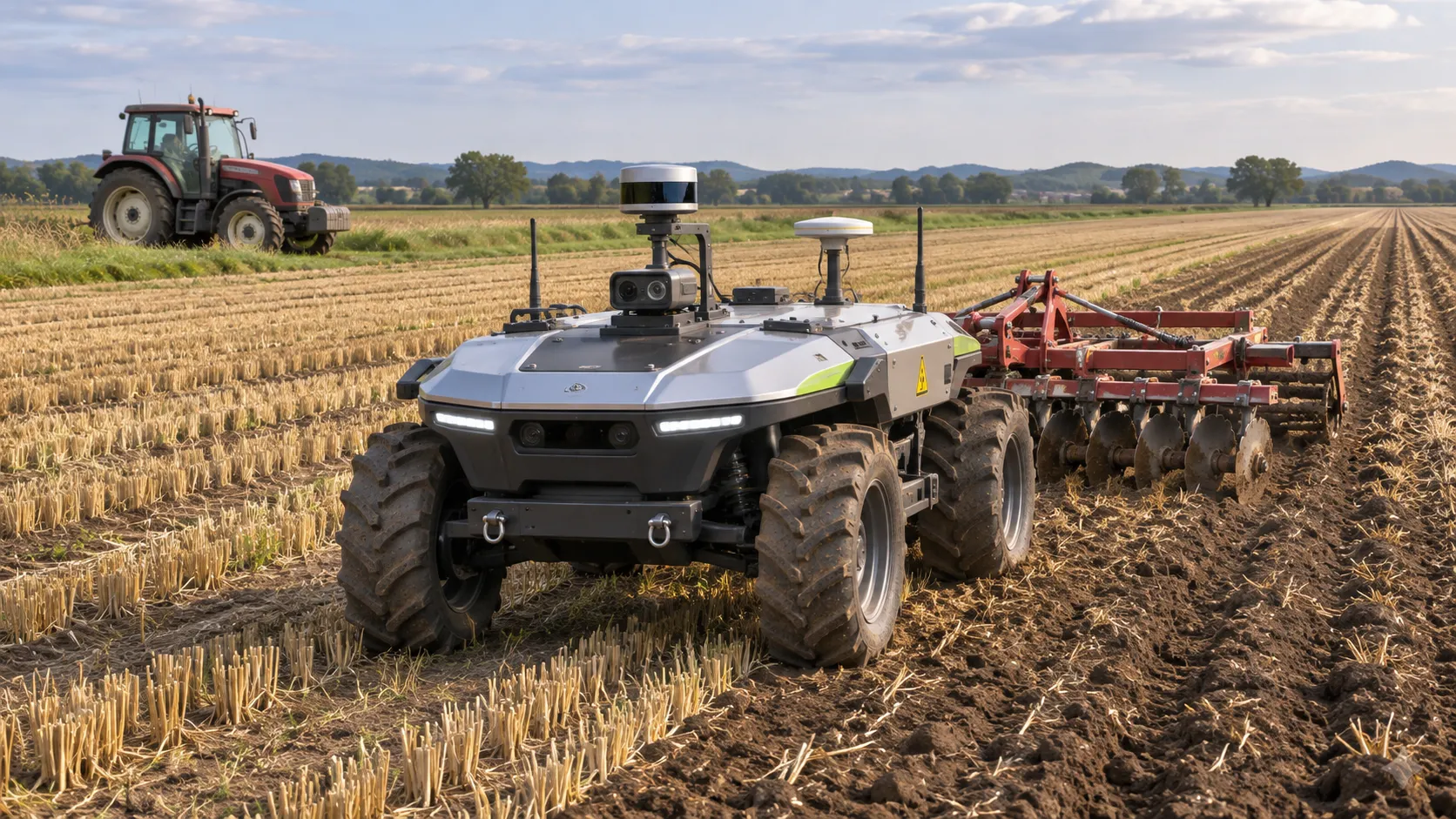
EIMA 2026: Six Tractor of the Year Awards Include Autonomous Robot
Explore the Tractor of the Year awards at EIMA 2026, featuring six winners, including the AgXeed autonomous robot and leading tractor models.
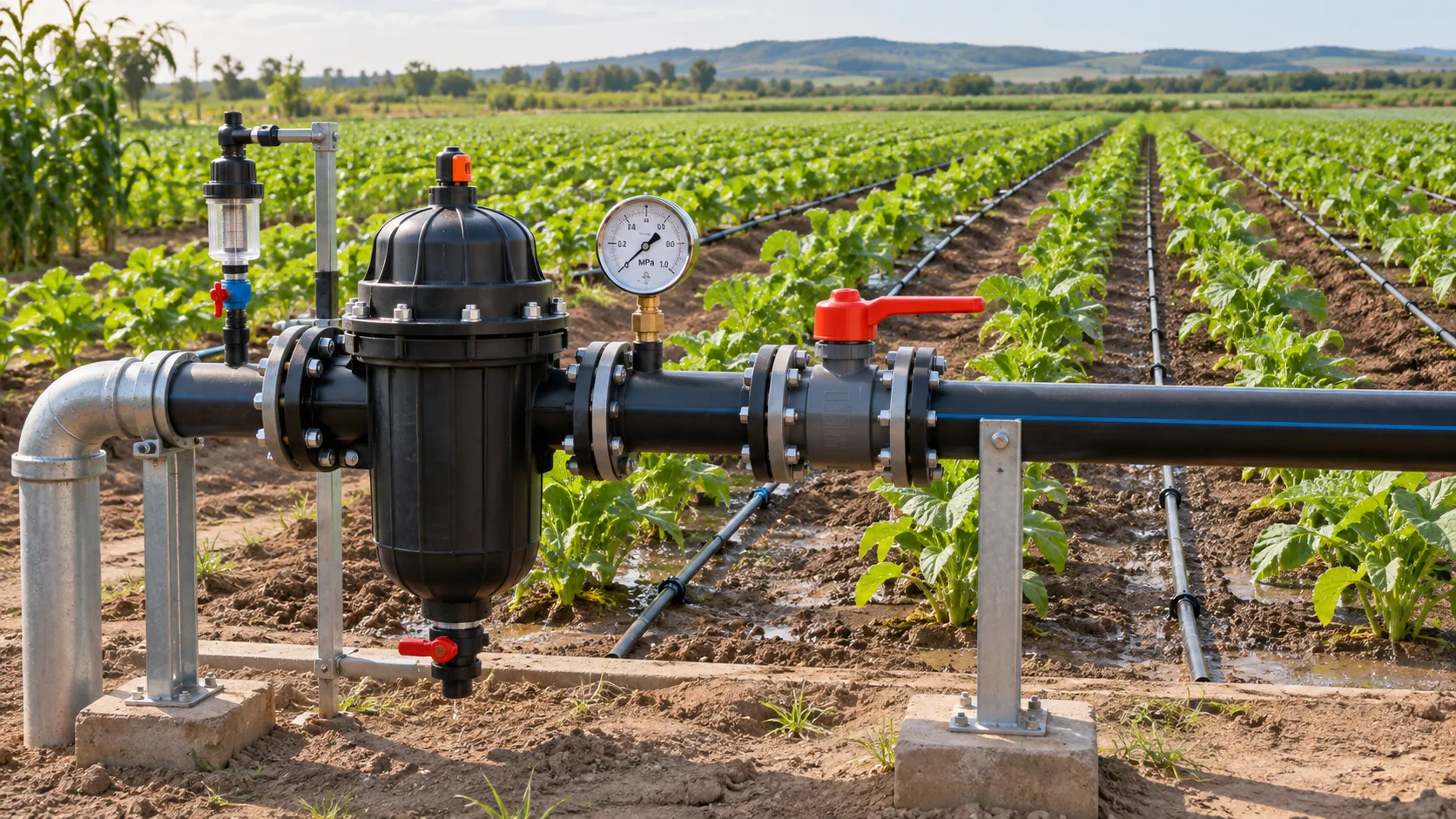
Choosing Irrigation Systems for Government Projects: Water, Cost and Compliance
What factors affect irrigation system selection for government projects? Explore water supply, lifecycle costs and compliance to make a confident, well-informed choice.
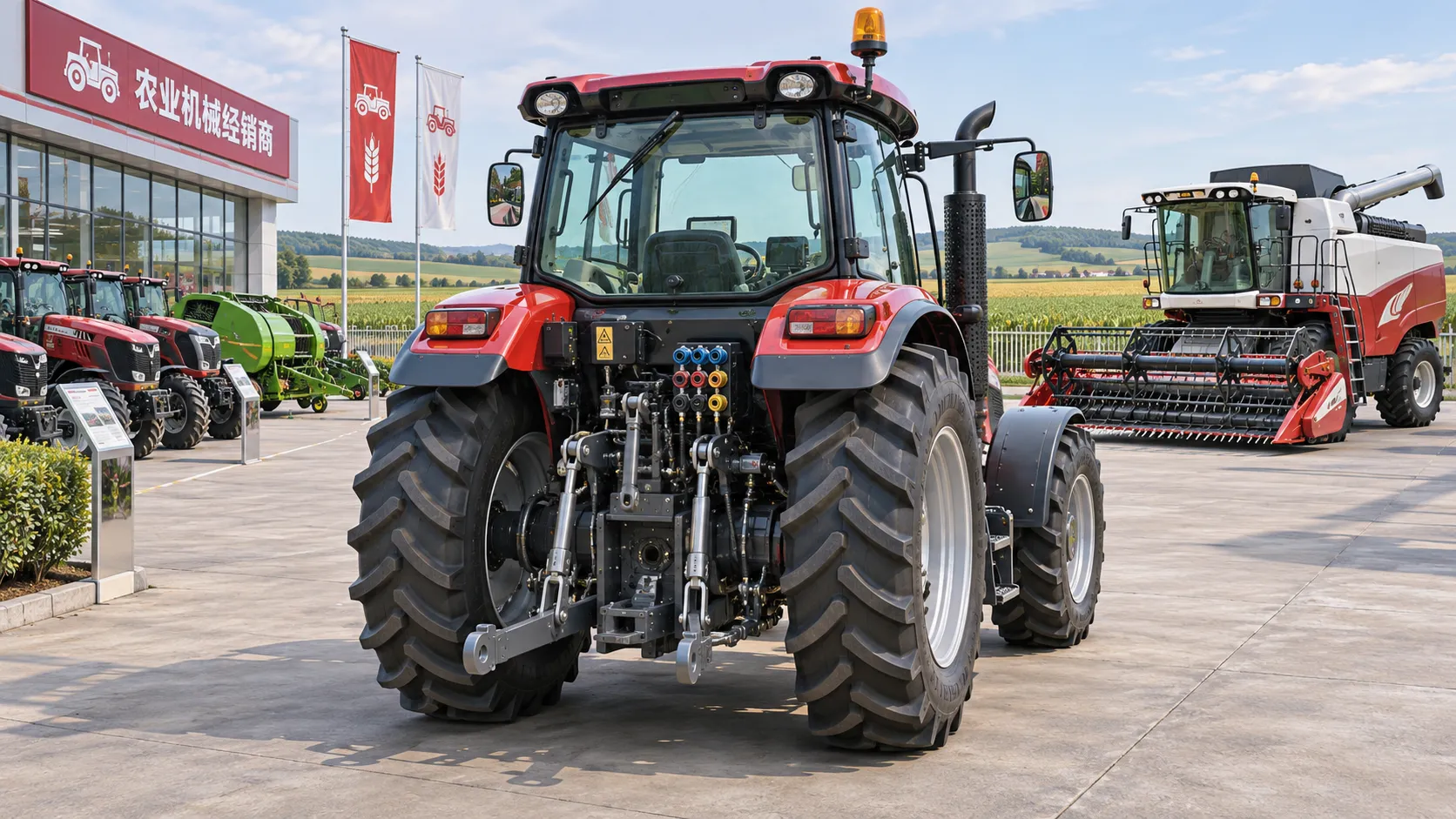
Choosing an Agricultural Machinery Platform: Listings, Pricing, and Support
Choosing an agricultural machinery platform? Compare listings, pricing, supplier verification, and support to make a more confident equipment purchase.
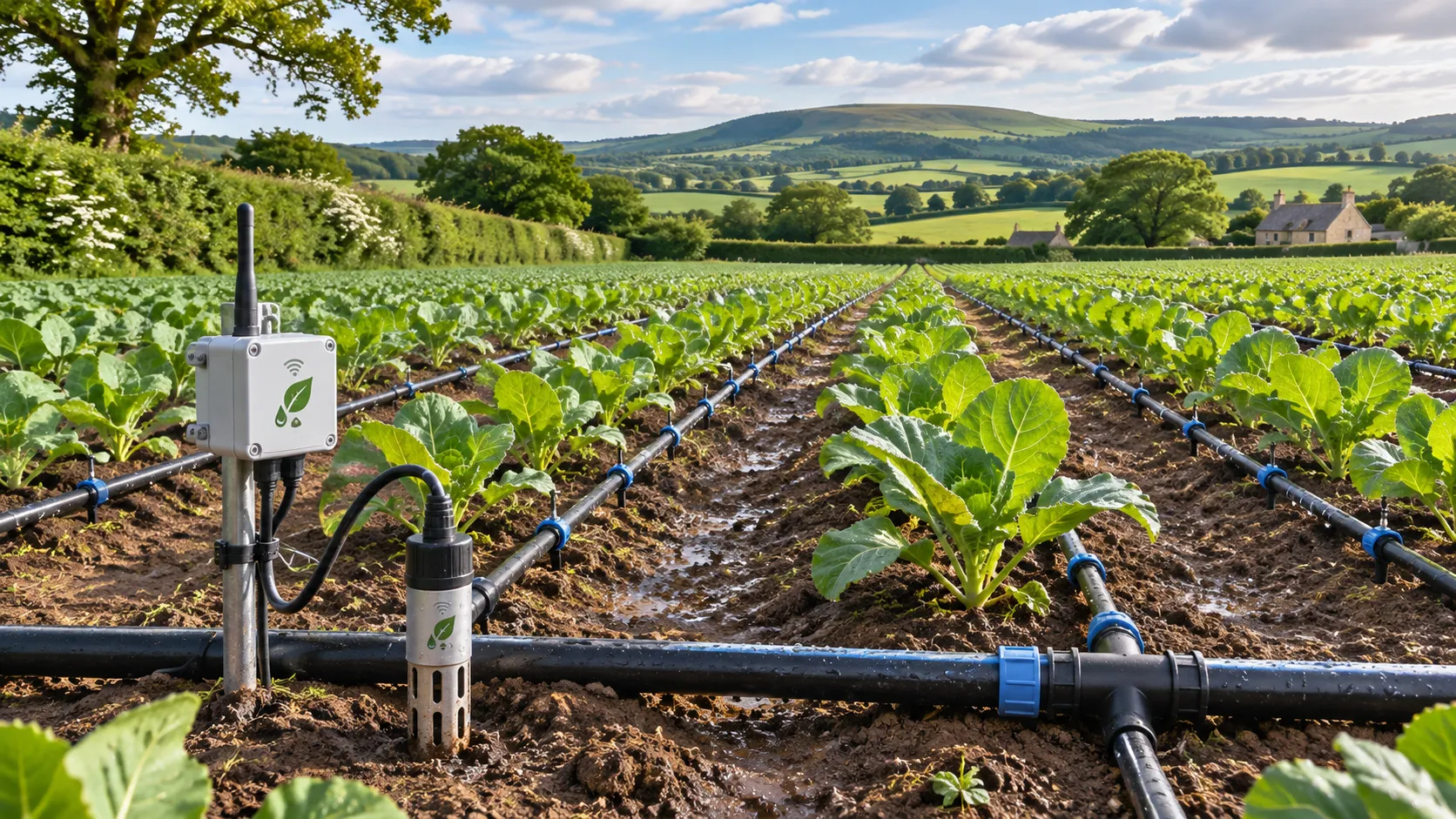
Ofwat Launches £8 Million Agri-Water Innovation Challenge
Ofwat’s £8 million Agri-Water Innovation Challenge supports smart irrigation, water reuse and water-saving solutions. Explore the funding and its potential impact.
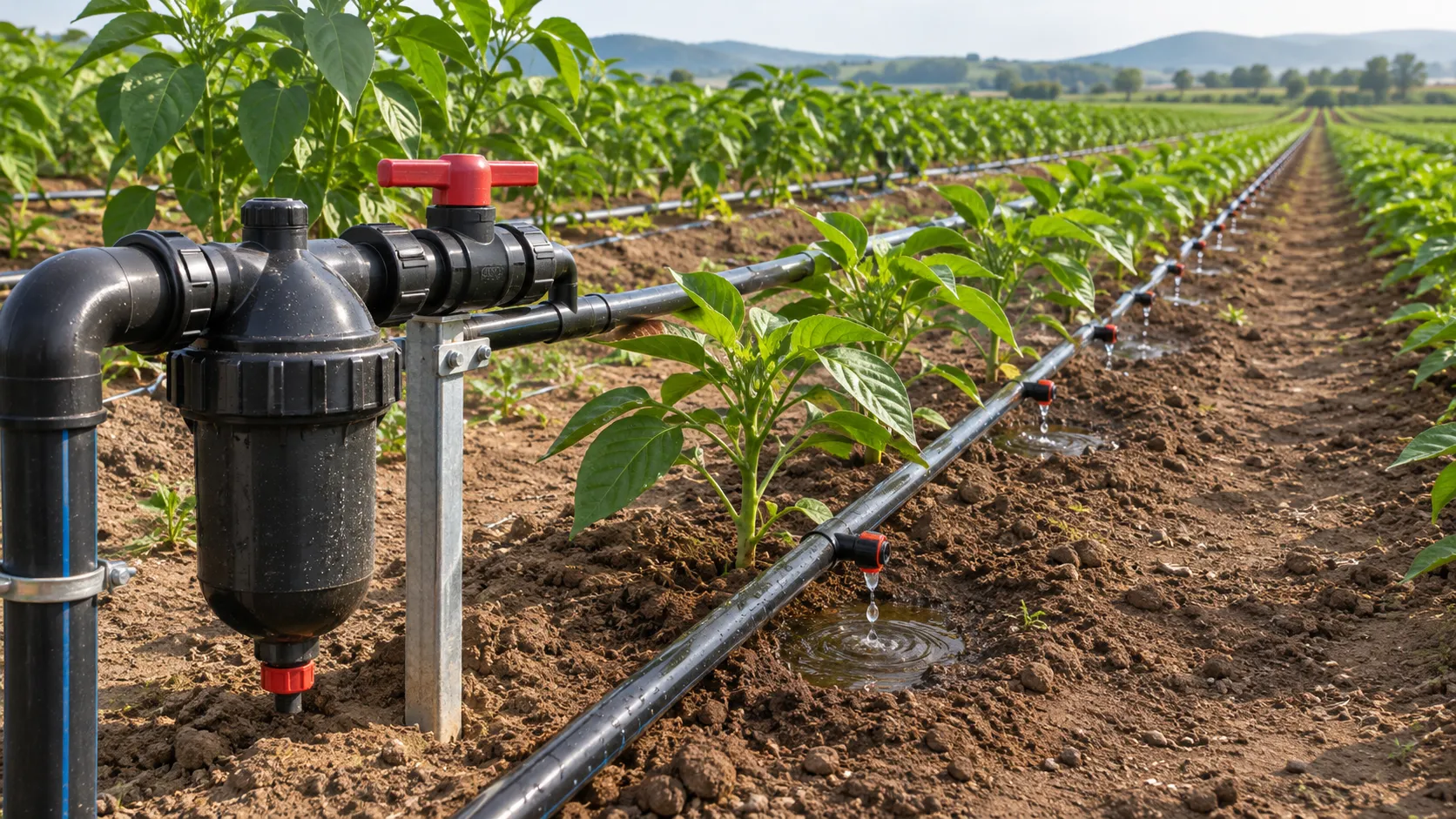
Choosing a Water-Saving Irrigation Supplier: 5 Key Procurement Criteria
Choose a water-saving irrigation systems supplier with confidence. Explore five procurement criteria to reduce risk and maximize long-term value.
Related News
- 00
0000-00
Choosing Irrigation Systems for Government Projects: Water, Cost and Compliance - 00
0000-00
Choosing an Agricultural Machinery Platform: Listings, Pricing, and Support - 00
0000-00
Choosing a Water-Saving Irrigation Supplier: 5 Key Procurement Criteria - 00
0000-00
304 vs 316 Stainless Steel for Ingredient Processing Equipment - 00
0000-00
Choosing a Large Farm Equipment Exporter: Parts, Shipping and Warranty
0000-00
Popular Tags
Ms. Elena Rodriguez
Weekly Insights
Stay ahead with our curated technology reports delivered every Monday.