Choosing Precision Farming Equipment for Grain Farms: What to Consider
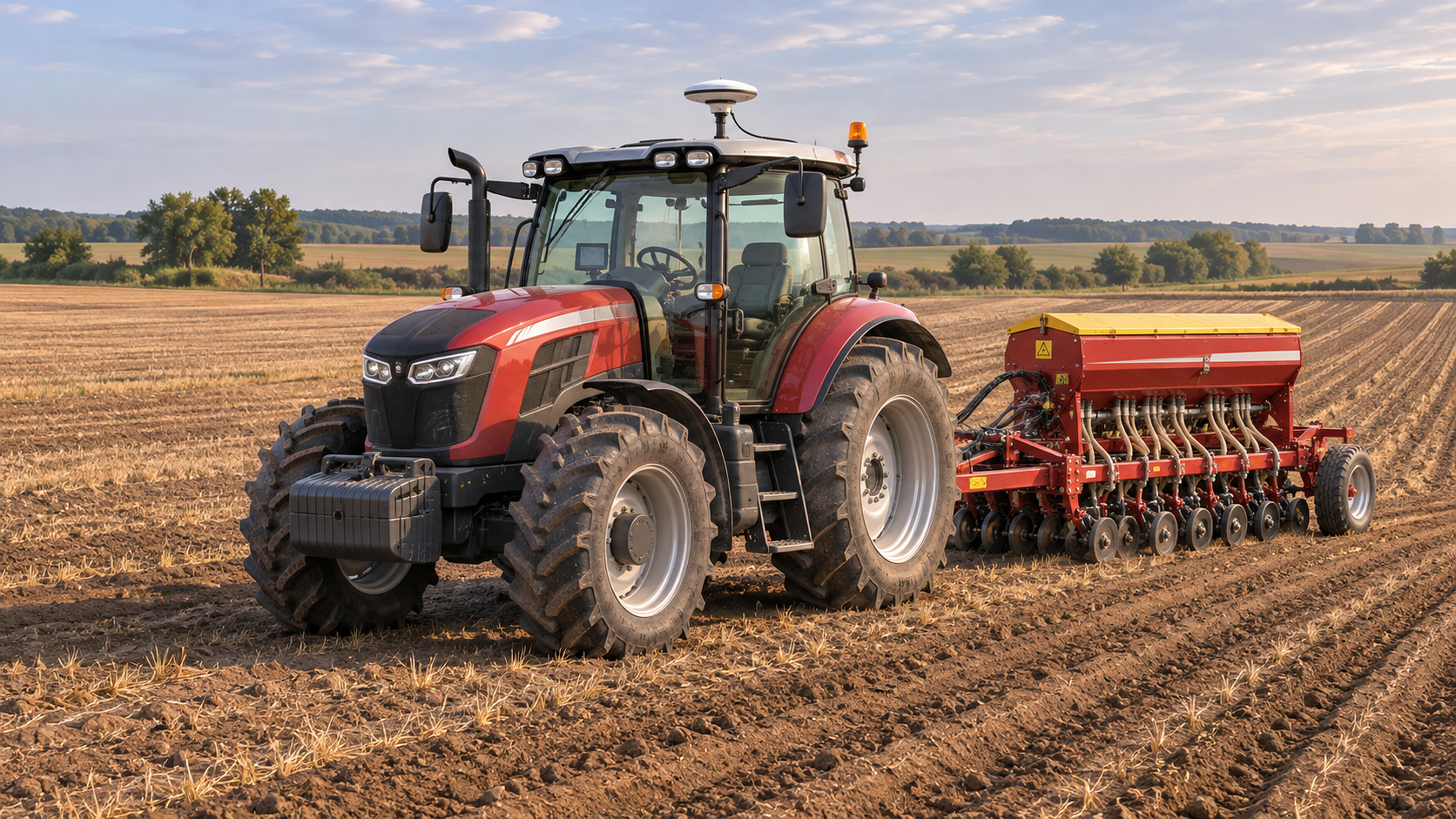




Choosing precision farming equipment for grain farming starts with an operational question: where does the farm lose the most value through overlap, inconsistent application, limited field capacity, or poor information? A high-accuracy positioning system will not solve an uncalibrated planter, just as a yield map will not improve nutrient decisions unless the data can be checked and used.
The best equipment is not necessarily the system with the most sensors or the tightest advertised accuracy. It is the system that performs adequately under the farm’s field conditions, works with existing machinery and software, and produces a measurable benefit after installation, subscriptions, maintenance, and operator time are included.
Match the technology to the operation
Start by identifying the field operation that needs improvement and the measurement that would demonstrate it. A farm dealing with substantial spraying overlap has a different requirement from one seeking more consistent seed placement or better harvest records. Each objective leads to a different equipment configuration.
- Guidance and assisted steering are most directly linked to pass-to-pass alignment, operator workload, and the ability to maintain field work in difficult visibility. Their value depends on working widths, field geometry, operating hours, and the precision required by subsequent passes.
- Section control switches implement sections on and off as they enter or leave treated areas. It is most useful where point rows, irregular boundaries, waterways, or obstacles create avoidable overlap.
- Variable-rate control changes an input application rate across a field. It requires a sound prescription or a reliable sensor-based control rule; the controller cannot compensate for poor agronomic decisions.
- Yield monitoring records harvest performance across the field. It can support comparison and investigation, but the quality of the resulting map depends on calibration, correct machine settings, and data cleaning.
These functions can work together, but they do not have to be purchased together. A retrofit guidance system may address the immediate bottleneck on an older tractor, while a more extensive control package is justified only if the implement, application plan, and data workflow are ready to support it.
Specify positioning accuracy in terms of the job
Positioning specifications are easy to misinterpret because different figures describe different things. Pass-to-pass accuracy relates to alignment over a relatively short interval; repeatability concerns the ability to return to the same line later. The latter matters when following established rows across separate operations or seasons. A system suitable for broadacre spreading is not automatically suitable for repeatable row-based work.
Correction options range from satellite-delivered services to local real-time kinematic (RTK) networks or base stations. Compare them on the conditions under which accuracy is stated, convergence time, coverage, availability, subscription terms, and the equipment needed to receive corrections. RTK can provide high repeatability when the correction source and local reception are reliable, but a precise receiver cannot maintain that performance if correction data are unavailable.
Field topography, tree lines, buildings, radio coverage, cellular coverage, and satellite visibility should all be considered. Ask what the system does when a correction signal is lost: whether it warns the operator, continues at reduced accuracy, or disengages steering. A fallback mode can protect field capacity, but it should not be treated as equivalent to the normal precision level.
Steering performance also depends on the vehicle. Antenna position, wheelbase, steering response, implement draft, speed, and slopes affect how closely the implement follows the intended path. On slopes, the tractor can be on the guidance line while a trailing implement shifts downhill. Where placement accuracy is critical, evaluate the position of the working tool, not just the position reported at the receiver.
Check the complete control chain
Precision application requires more than a display showing the requested rate. The control chain includes the prescription or sensor, display, controller, communication link, metering or flow hardware, and the implement’s physical response. The practical question is whether the delivered application follows the target closely enough at the speeds and rate changes used in the field.
For planters and drills, check the supported drive systems, seed-meter configuration, row or section layout, and speed range. A prescription that changes rates frequently may exceed the response capability of the drive or create transitions that are too short to execute reliably. For sprayers and spreaders, examine flow or metering limits, section widths, shutoff behavior, and whether the system accounts for travel time between the control point and the nozzle or outlet.
Section-control timing deserves a specific field check. If the controller switches too late, overlap remains at headlands; if it switches too early, untreated gaps can appear. Position offsets, application width, implement dimensions, and on/off delays must be configured for the actual machine. A compatible controller without accurate setup can produce a clean coverage map that does not match what was applied.
Sensor-based variable-rate systems introduce another question: what is the sensor actually measuring, and under which crop and environmental conditions has its control logic been validated? A canopy reading, for example, is an indirect input to a nutrient decision. It should not be assumed to distinguish every cause of poor crop growth. Where agronomic interpretation is uncertain, a simpler fixed-rate or zone-based approach may be more defensible than an automatic response.
Treat yield data as a measurement system
A combine yield monitor can generate detailed maps, but map resolution should not be confused with measurement accuracy. Grain-flow readings, moisture measurements, header position, travel speed, and positioning data must be aligned in time. Changes in crop condition, flow rate, slope, and machine setup can introduce errors or distort the location of yield changes.
When assessing a system, establish how calibration is performed and whether the process accommodates different crops and operating conditions. Calibration loads should cover the range of grain flows expected during harvest, following the equipment manufacturer’s procedure. Independent reference weights and representative moisture measurements provide a basis for checking the system; a single convenient load may not represent the entire harvest.
Review how the software handles start and stop delays, headlands, partial header widths, and implausible readings. Some apparent low-yield patches are artifacts of turning, starting into the crop, or incorrect header settings. Raw data should be retained so cleaning decisions can be reviewed rather than permanently obscuring the original measurements.
Yield maps are particularly useful when compared over multiple seasons and interpreted alongside soil, drainage, weather, and management information. A single map can identify a location worth investigating, but it is a weak basis for assuming that a yield difference will recur or that a particular input change will correct it.
Interoperability is a workflow, not a logo
Equipment may be described as compatible because it connects electrically or displays a basic implement screen. That does not establish that every control function, prescription file, coverage map, or diagnostic message will work across brands and software versions.
ISOBUS is an important framework for communication between tractors and implements, but support for it should be checked at the function and configuration level. Confirm, for example, whether the proposed combination supports the required task control, section control, or variable-rate functions—not merely a virtual terminal display. Ask which software versions and unlocks are required and who is responsible if a feature fails after an update.
Data exchange needs the same scrutiny. Verify that field boundaries, guidance lines, prescriptions, application records, and yield files can move between the intended systems with the correct coordinate reference, units, crop names, and field identifiers. A file that imports without an error can still contain shifted boundaries, reversed units, or incomplete attributes.
A practical acceptance test is to take one representative field from prescription creation through transfer to the machine, application, and return of the as-applied record. Include any mixed-brand tractor, implement, display, and farm-management software in the test. For harvest equipment, test whether raw yield and moisture data can be exported in a usable form, not only viewed in the supplier’s portal.
Data ownership, access, and continuity should be explicit in the contract. Check whether exports remain available if a subscription ends, what historical data can be retrieved, who may use the data, and how permissions are managed when machines or operators change.
Separate connectivity requirements from field functionality
Not every precision function requires continuous internet access, but some depend on connectivity for correction signals, remote support, synchronization, or transfer of prescriptions. Map coverage against the actual fields rather than assuming that a signal at the farm office represents conditions across the operation.
Determine what can be loaded before the machine leaves the yard and what remains functional offline. An offline-capable display should be able to retain the necessary field boundaries and task files locally, record work without a connection, and synchronize later without overwriting newer records. Where cellular corrections are essential, assess whether a radio link, a local base, or another correction source is a practical alternative.
Remote diagnostics can reduce downtime, but it does not replace local repair capability. Confirm access to trained service staff, replacement receivers and controllers, calibration support, and the harnesses specific to the machine. Harvest and planting windows make response time important: an inexpensive system with an unavailable replacement component can carry a substantial operational cost.
Compare ownership cost against a testable benefit
The purchase price is only part of the decision. Include installation, brackets and wiring, machine-specific interfaces, software unlocks, correction subscriptions, data-platform fees, calibration, training, and expected maintenance. For shared equipment, account for the time and hardware required to move components between machines, as well as the risk of losing setup accuracy during each transfer.
Benefits should be calculated against a realistic baseline. For section control, estimate the area currently overlapped and apply the relevant input cost; do not count the same saving twice under both reduced area and reduced product use. For guidance, distinguish savings from reduced overlap from any capacity gain due to longer operating hours or reduced fatigue. A capacity benefit has value only if the farm can use the time saved.
Variable-rate application needs a different calculation. The objective may be lower input cost, better placement of the same total input, improved yield, or reduced exposure to overapplication. A reduction in total product used is not automatically a successful outcome if crop performance is compromised. Compare the result with an appropriate uniform-rate alternative, allowing for differences in field conditions.
Where feasible, use replicated strips or paired comparisons across representative parts of a field. Keep management consistent apart from the feature being assessed, record the treatment actually applied, and compare outcomes using calibrated measurements. A single before-and-after comparison can be misleading when weather, crop condition, operator practice, or field selection also changes.
Define acceptance before committing the full fleet
Equipment evaluation is strongest when the supplier’s demonstration reflects the intended workload. A straight pass on an open field shows less than a test involving the farm’s usual speeds, headlands, slopes, implement widths, and connectivity constraints. Define the required result in advance: for example, acceptable alignment for a particular operation, successful prescription execution, or a usable exported record.
The acceptance plan should cover normal operation and failure recovery. Test startup and convergence, correction loss, manual takeover, controller alarms, and data transfer after an interruption. Inspect whether operators can identify the active field, correct implement profile, application rate, and recording status without navigating an impractical sequence of screens.
Where the investment covers several machines, a limited deployment can expose integration and support problems before they are multiplied across the fleet. Expansion should follow evidence that the equipment meets the required field performance and that its data, service arrangements, and operating procedures remain workable throughout the relevant season.
Related News
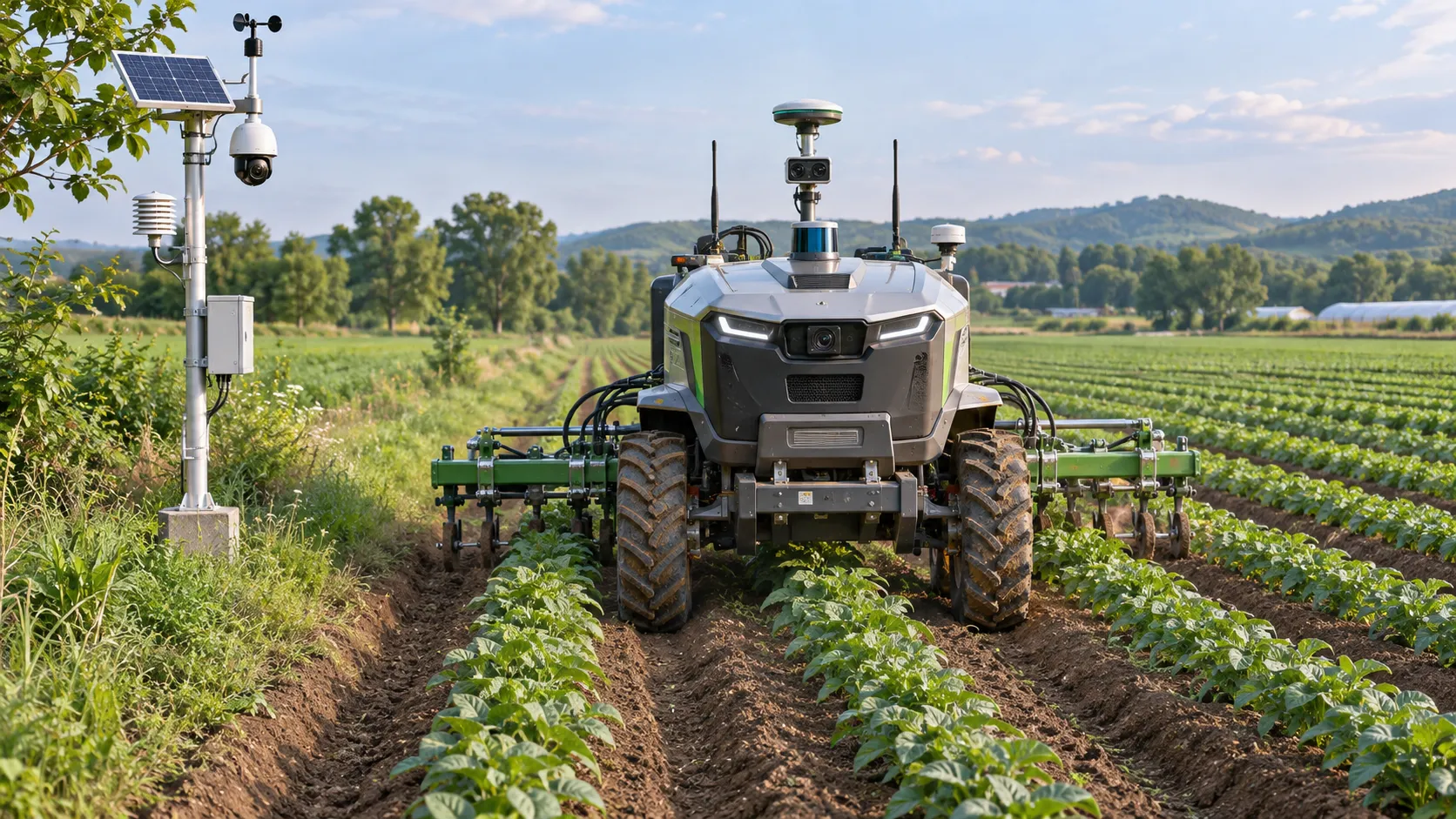
Agricultural Automation Still Needs Human Oversight, Study Finds
Agricultural automation still needs human oversight. Discover how AI and smart equipment are reshaping farm jobs, skills, and decisions.
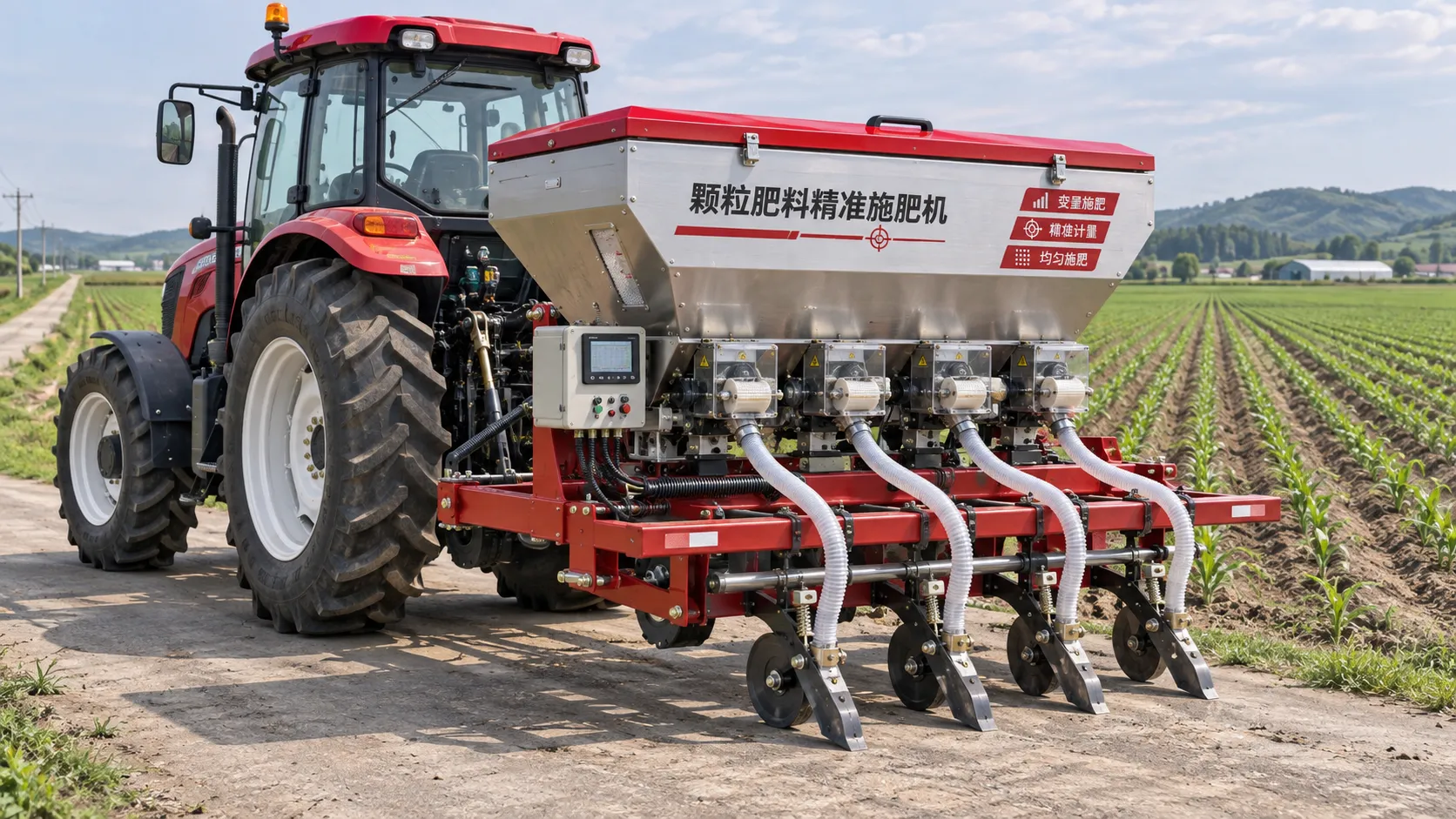
Choosing a Precision Fertilization Equipment Manufacturer: What to Check
Choose a precision fertilization equipment manufacturer with confidence. Compare accuracy, compatibility, service and total ownership costs before you buy.
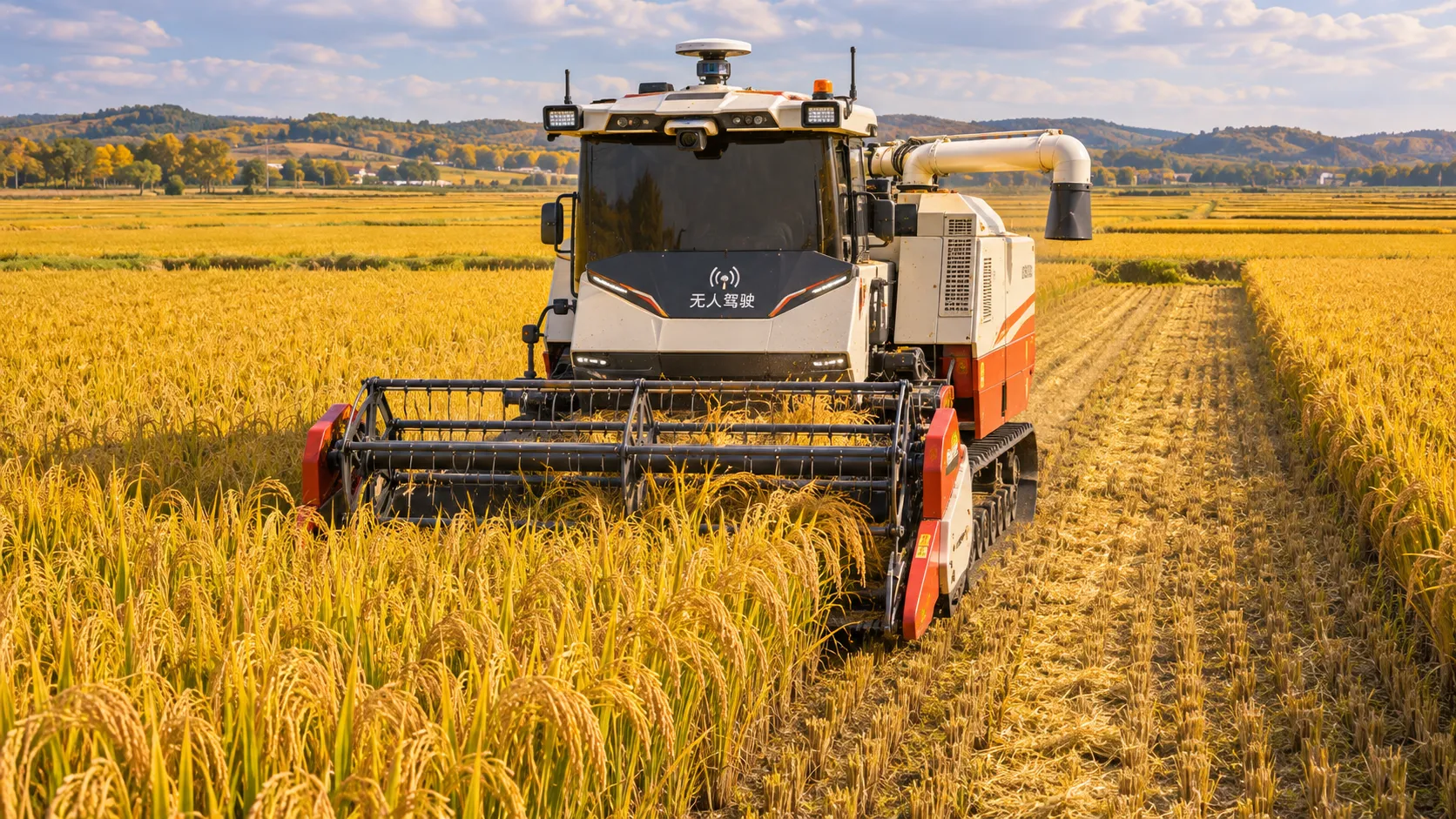
China's Autumn Grain Harvest Highlights Role of Machinery and Precision Farming
China's autumn grain harvest highlights machinery and precision farming. Explore how coordinated practices support harvesting and yield improvement.
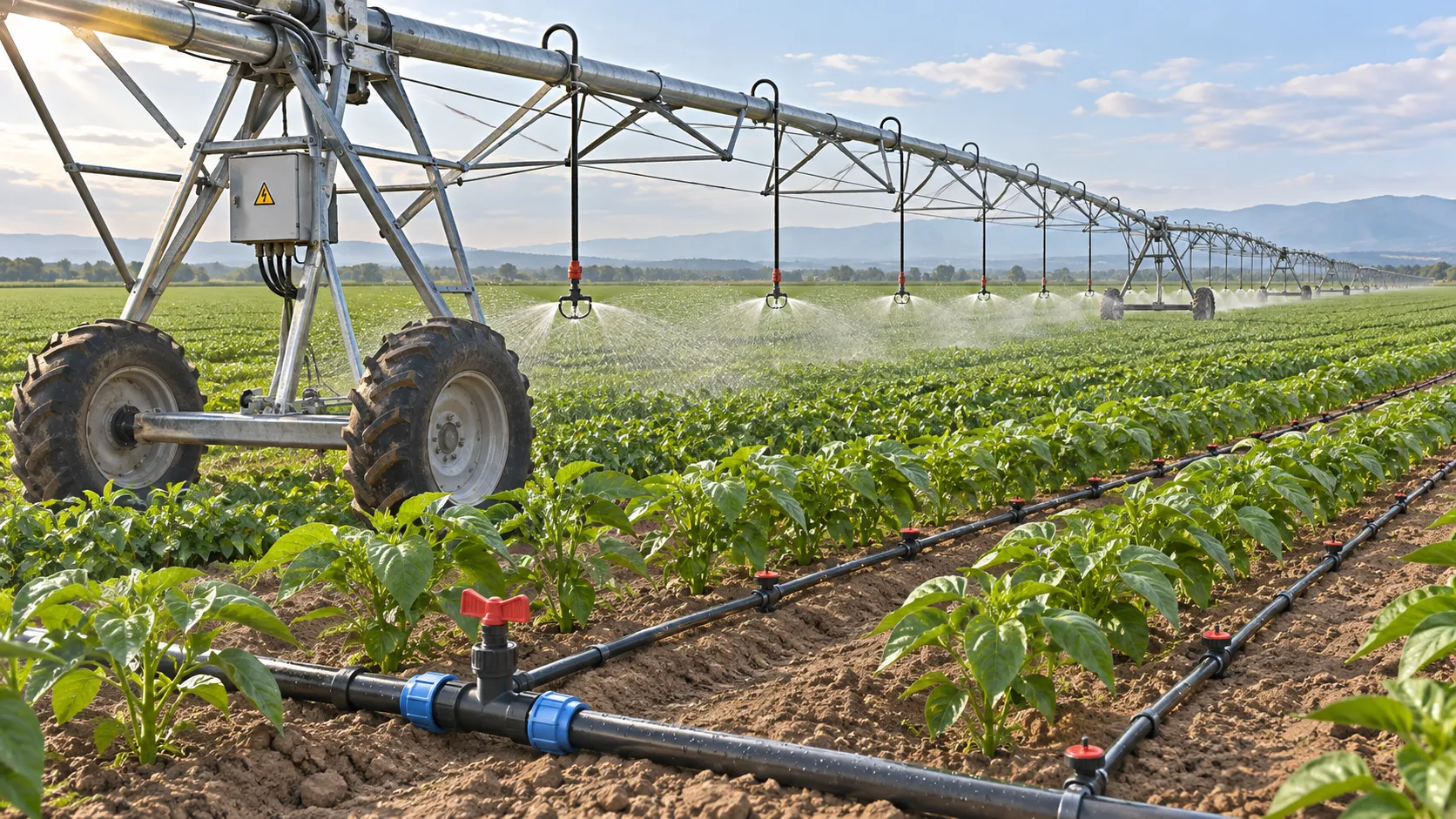
Drip vs. Center Pivot Irrigation: Maintenance Tasks and Costs Compared
Use this irrigation solution comparison by maintenance to weigh drip vs. center pivot tasks, costs and downtime—and choose the best fit for your field.
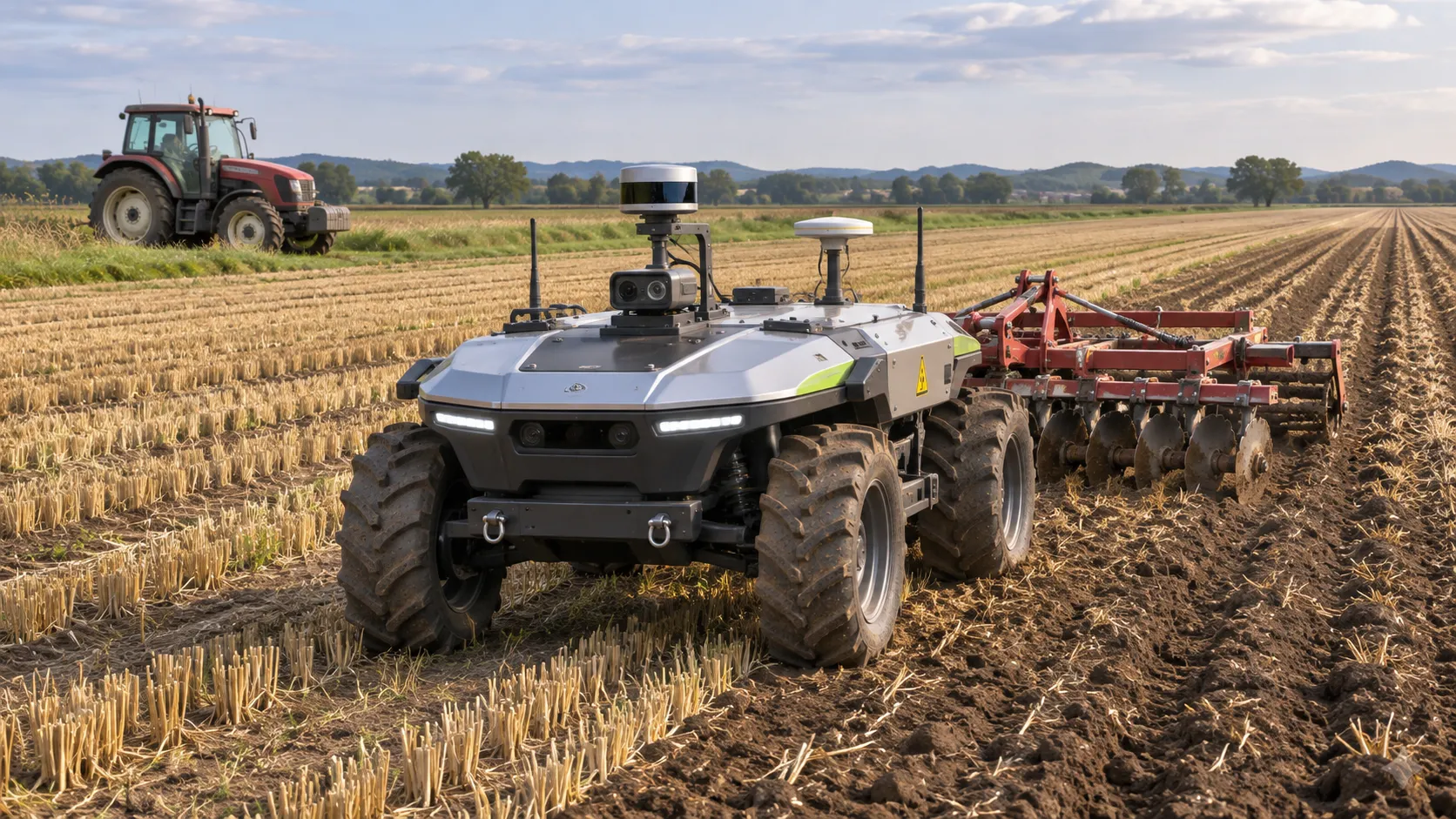
EIMA 2026: Six Tractor of the Year Awards Include Autonomous Robot
Explore the Tractor of the Year awards at EIMA 2026, featuring six winners, including the AgXeed autonomous robot and leading tractor models.
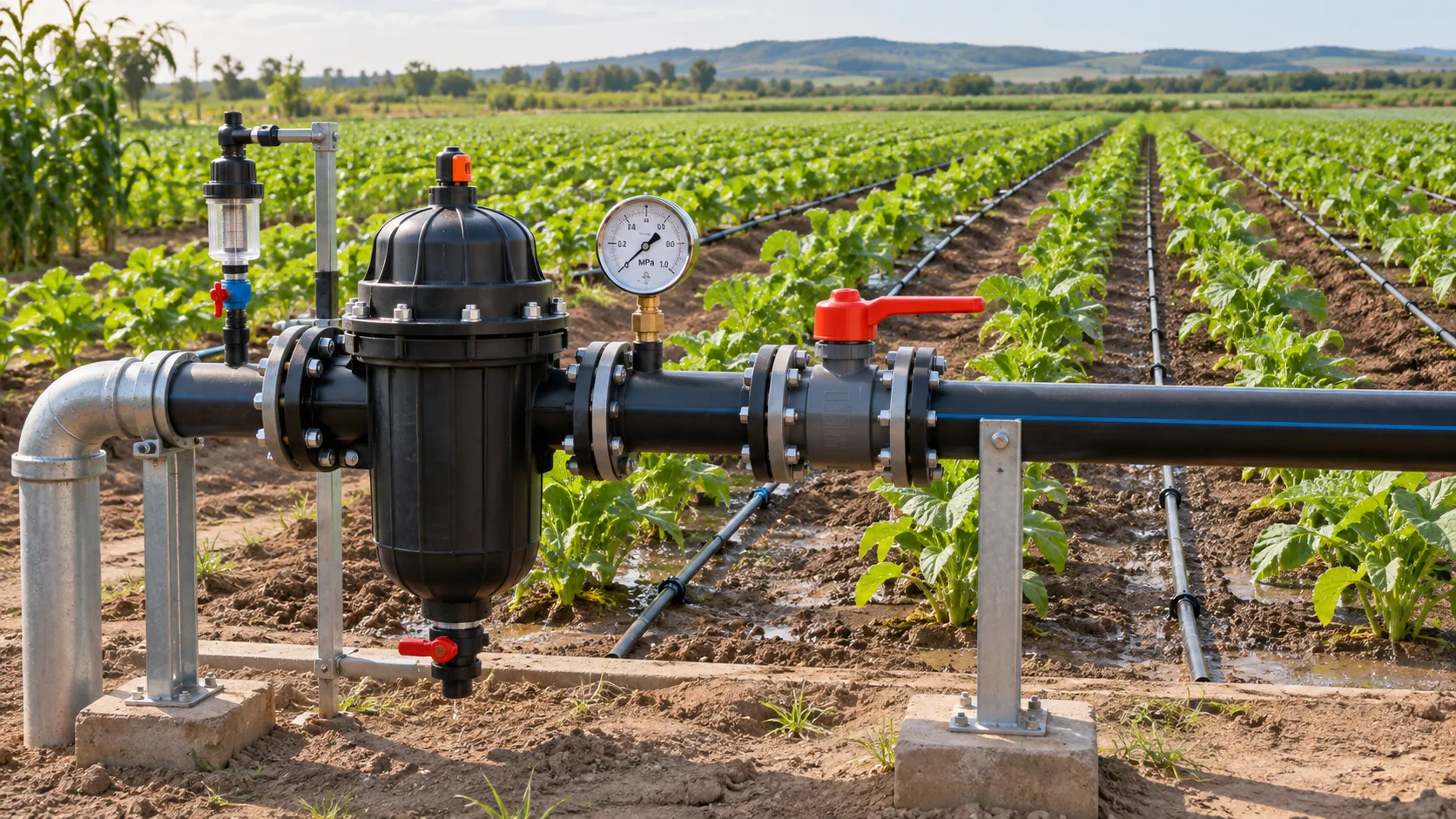
Choosing Irrigation Systems for Government Projects: Water, Cost and Compliance
What factors affect irrigation system selection for government projects? Explore water supply, lifecycle costs and compliance to make a confident, well-informed choice.
Choosing an Agricultural Machinery Platform: Listings, Pricing, and Support
Choosing an agricultural machinery platform? Compare listings, pricing, supplier verification, and support to make a more confident equipment purchase.
Ofwat Launches £8 Million Agri-Water Innovation Challenge
Ofwat’s £8 million Agri-Water Innovation Challenge supports smart irrigation, water reuse and water-saving solutions. Explore the funding and its potential impact.
Choosing a Water-Saving Irrigation Supplier: 5 Key Procurement Criteria
Choose a water-saving irrigation systems supplier with confidence. Explore five procurement criteria to reduce risk and maximize long-term value.
Related News
- 00
0000-00
Choosing Irrigation Systems for Government Projects: Water, Cost and Compliance - 00
0000-00
Choosing an Agricultural Machinery Platform: Listings, Pricing, and Support - 00
0000-00
Choosing a Water-Saving Irrigation Supplier: 5 Key Procurement Criteria - 00
0000-00
304 vs 316 Stainless Steel for Ingredient Processing Equipment - 00
0000-00
Choosing a Large Farm Equipment Exporter: Parts, Shipping and Warranty
0000-00
Popular Tags
Ms. Elena Rodriguez
Weekly Insights
Stay ahead with our curated technology reports delivered every Monday.