
Plant Protection in Greenhouses: How to Control Pests and Diseases
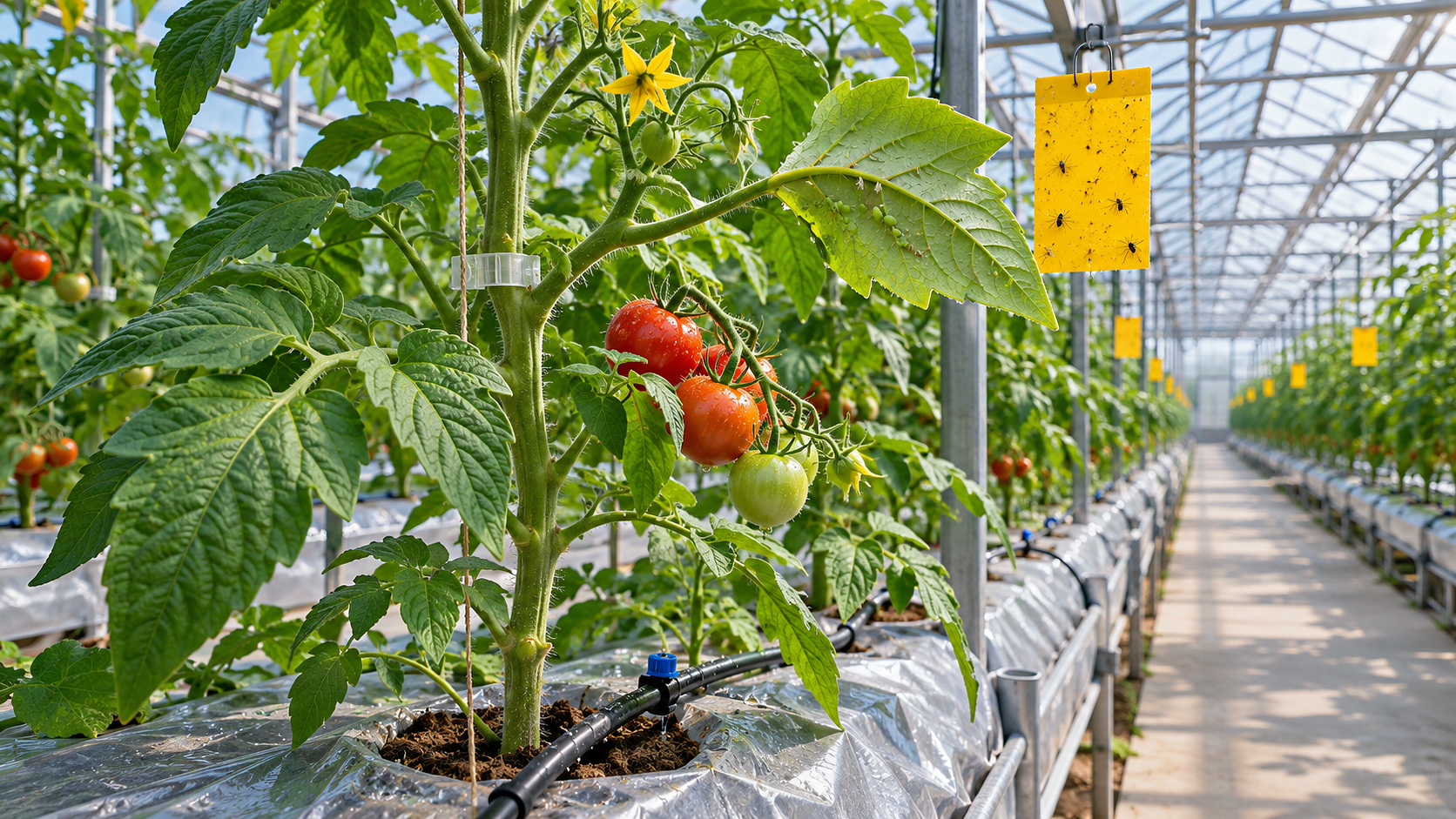




Warm, humid conditions can help greenhouse crops thrive—but they can also give pests and diseases an opportunity to spread. For growers and operators, effective plant protection in greenhouses starts with early detection, consistent monitoring, and practical prevention. From inspecting incoming plants and managing airflow to using biological controls and applying treatments responsibly, each decision can help protect crop quality and reduce losses. This guide explains how to identify common threats and build a reliable integrated pest management routine for your greenhouse.
Start with a greenhouse protection plan, not a spray schedule
A greenhouse brings crops, irrigation, people, equipment, and environmental controls into close contact. That makes it possible to manage growing conditions precisely, but it also gives an introduced pest or pathogen multiple ways to move. A tray of transplants, a contaminated pruning tool, or a persistently wet corner can become the starting point for a wider problem.
Integrated pest management, or IPM, addresses those risks as a system. It combines prevention, scouting, accurate identification, and control methods chosen for the crop and situation. Pesticides can be part of that system, but they should not substitute for knowing what is present or why it is spreading.
Begin by mapping the greenhouse into manageable zones. Note crop varieties, planting dates, entrances, ventilation patterns, irrigation circuits, and areas that have previously stayed damp or developed infestations. This makes it easier to compare observations and contain a problem before it reaches the whole facility.
Know what you are looking for
Different problems can produce similar symptoms. Yellowing leaves, for example, may indicate insect feeding, root damage, nutrient imbalance, or water stress. Treating the symptom without checking the cause can waste time and disrupt beneficial organisms.
Common greenhouse pests include aphids, whiteflies, thrips, spider mites, and fungus gnats. Aphids often gather on tender growth and may leave sticky honeydew. Whiteflies usually appear on leaf undersides and fly up when disturbed. Thrips are small and can be difficult to see; distorted growth, scarring, or speckling may prompt a closer inspection. Spider mites may cause fine stippling, while fungus gnat larvae can be associated with persistently moist growing media.
Disease symptoms deserve the same care. Powdery mildew can appear as a pale, powdery growth on plant surfaces. Botrytis may develop as grey mould on senescent tissue, flowers, or wounds, especially where moisture persists. Root disease may show up above ground as wilting or uneven growth, so inspect roots and growing media rather than assuming the crop needs more water.
Viruses and bacterial diseases can be particularly difficult to diagnose visually. If symptoms are unusual, spreading rapidly, or affecting high-value stock, seek identification from a qualified diagnostic laboratory or local crop adviser. Until the cause is clearer, limit movement from the affected area and avoid handling healthy plants after suspect ones.
Build scouting into the working week
A useful scouting routine follows the same route at least weekly, with more frequent checks when conditions are favourable for a known problem or a population is increasing. Walk the edges as well as the centre, inspect plants near doors and vents, and revisit locations where pests were found previously. Look at young growth, flowers, leaf undersides, stems, and roots when symptoms warrant it.
Sticky cards help reveal flying insects and changes in their activity, but they are not a complete census of the crop. Card colour, placement, and height influence what is caught, and beneficial insects may also be trapped. Use cards consistently and confirm findings by examining plants. A hand lens can make the difference between spotting an early mite colony and noticing it only after leaf damage becomes obvious.
Record the date, zone, crop stage, pest or symptom, approximate extent, and action taken. Simple, repeatable categories are more useful than elaborate records nobody maintains. A map or bench number lets the next operator check the same location and determine whether a problem is expanding or receding.
Action thresholds are not universal. A small pest population may be tolerable in one crop but unacceptable in propagation material or an ornamental crop sold for unblemished foliage. Consider the pest’s rate of increase, crop value and stage, expected harvest or sale date, presence of natural enemies, and risk of disease transmission. When in doubt, use crop-specific guidance and local expertise rather than applying a generic threshold.
Keep problems from entering and moving
Incoming plants are a practical place to concentrate prevention. Inspect deliveries for insects, eggs, leaf damage, root abnormalities, and suspicious spots. Keep new material separate where facilities allow, and monitor it before placing it among established crops. Ask suppliers about recent treatments, especially if biological controls will be introduced: residues may affect beneficial organisms after plants arrive.
Remove weeds inside and immediately around the greenhouse where practical. They can shelter pests between crop cycles and make it harder to determine where an infestation began. Dispose of infested or diseased material in closed bags or containers before moving it through clean areas. Avoid leaving cull plants or crop debris beneath benches.
Work from clean areas toward suspect or infested areas when the day’s tasks allow. Clean tools, carts, benches, and reusable containers before disinfection; organic debris can reduce the effectiveness of some disinfectants. Select a product appropriate for the surface and target, and follow its label for dilution, contact time, and safe handling. Disinfectants are not a substitute for removing the contamination first.
Screening vents and managing door traffic can reduce entry of some flying pests, but screens also affect airflow and require maintenance. Check them for damage and accumulated debris, and evaluate whether ventilation still meets the crop’s needs.
Use climate and irrigation as preventive tools
Disease pressure often rises when leaves or other plant surfaces remain wet for long periods. Look for condensation on glazing, dripping structures, dense canopies, and corners where air barely moves. Improving air circulation, adjusting plant spacing, and removing senescent tissue can help surfaces dry. Ventilation and heating may also be used to manage humidity, but settings must reflect the crop, outdoor conditions, and energy costs.
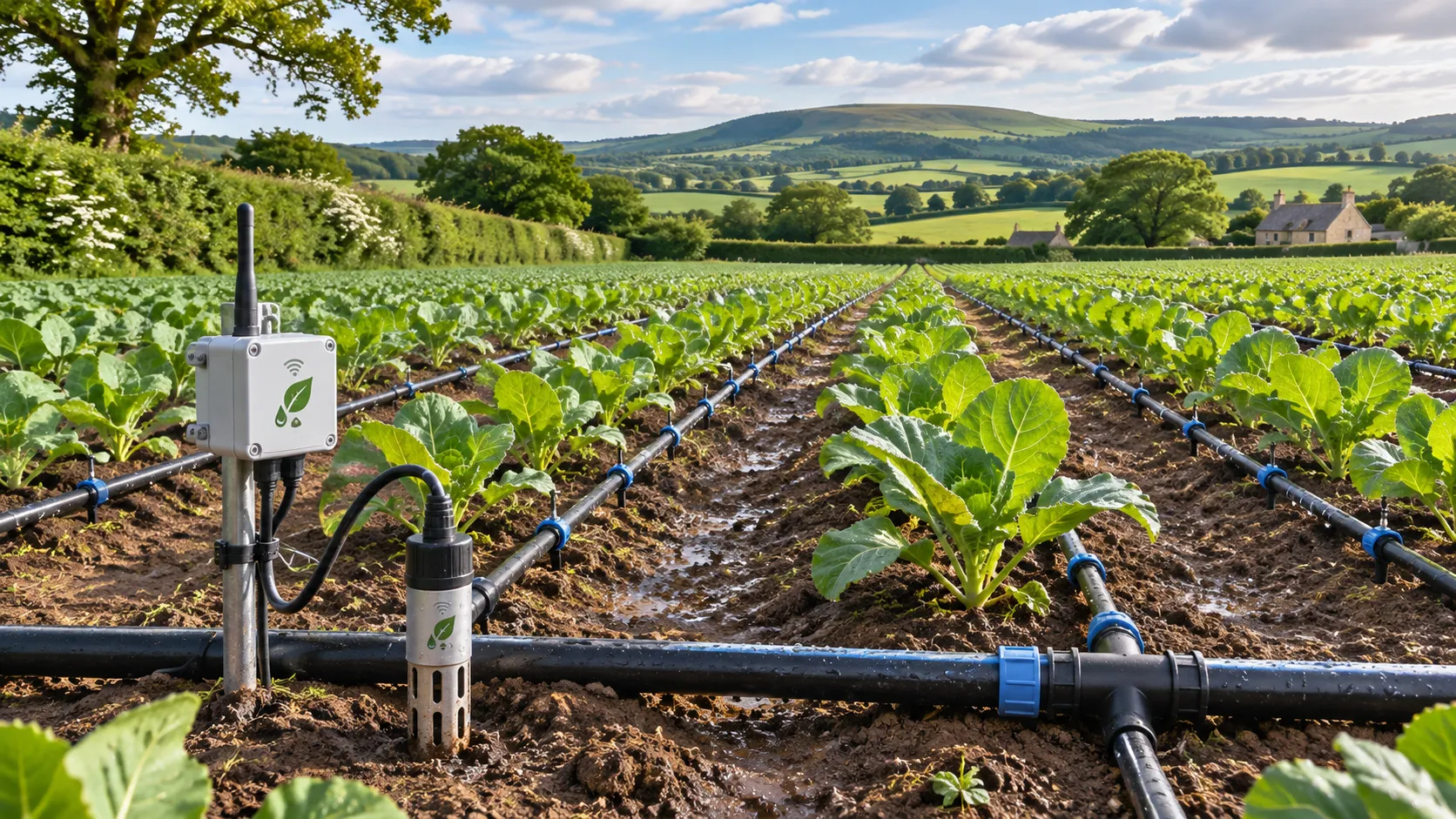
Avoid relying on a single humidity reading from a convenient location. Conditions at canopy level, near an outside wall, and beneath dense foliage may differ. Sensors are most useful when their placement reflects those differences and readings are checked against what operators see on the crop. A humidity alarm should lead to an inspection, not automatically to a pesticide application.
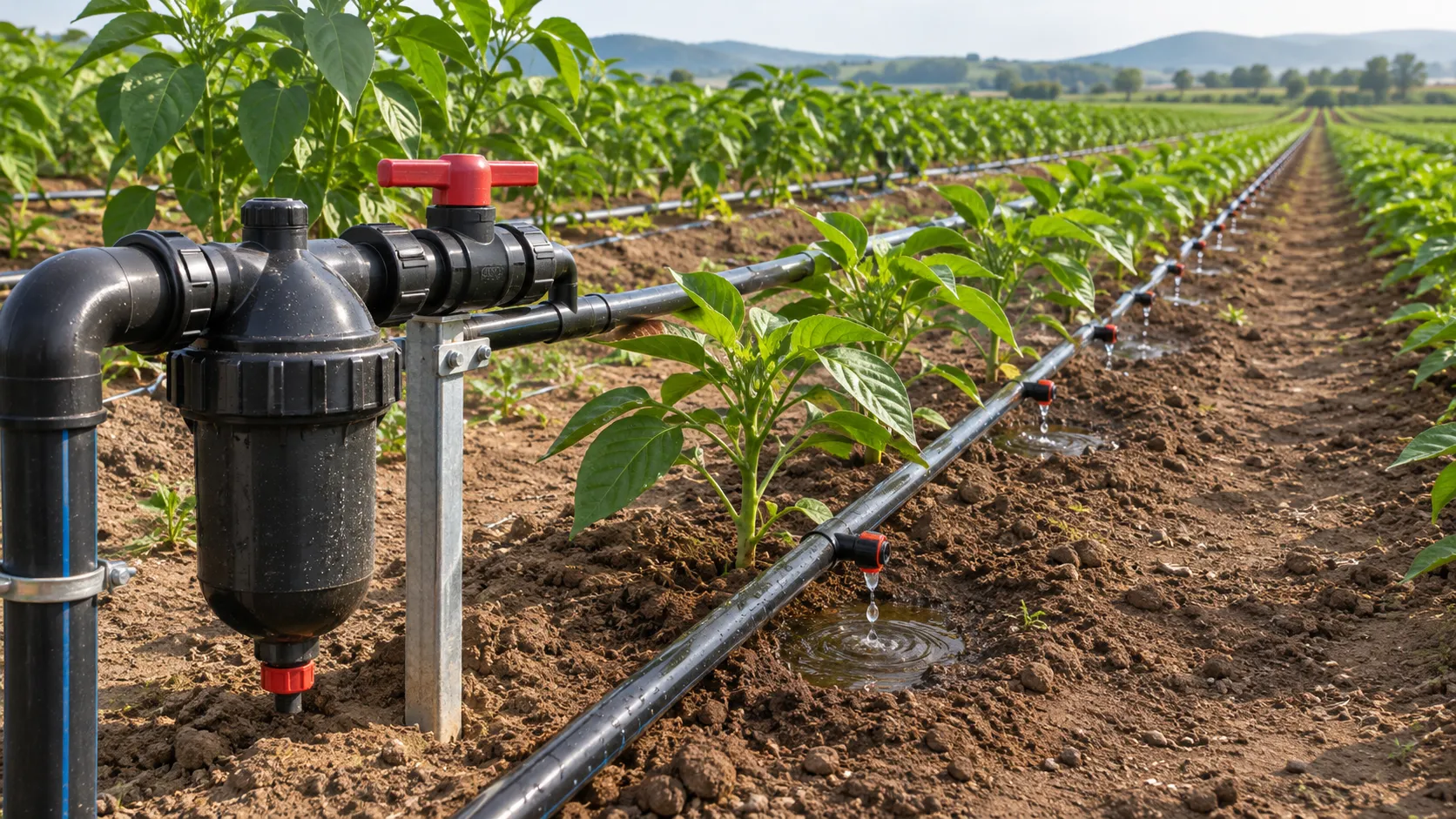
Irrigation deserves equal attention. Overwatering and poor drainage can stress roots and create conditions favourable to some root pathogens and fungus gnats. Check substrate moisture across representative pots or beds, not just at the driest edge. Inspect emitters for blocked outlets, leaks, and uneven delivery; a wet patch beside a dry patch may be an equipment problem rather than a crop-wide water requirement.
Drip irrigation can limit unnecessary wetting of foliage when properly designed and maintained. Where water or nutrient solution is recirculated, evaluate the risk of moving pathogens through the system and follow a treatment and monitoring plan suited to the crop and water source. Clean reservoirs and filters as part of that plan, and investigate unexplained changes in water quality or root health.
This is where precision tools become useful rather than merely interesting. AP-Strategy’s focus on sensor feedback and water-saving irrigation reflects a practical connection: climate and irrigation data can help operators find conditions associated with recurring outbreaks. The equipment still needs calibration, maintenance, and interpretation alongside crop observations.
Choose controls that fit the pest and the crop
Biological control works best before pressure is overwhelming
Predatory mites, parasitoids, and other natural enemies can suppress specific greenhouse pests. Their usefulness depends on correct identification, timely release, suitable climate, and continued access to the target pest or an appropriate food source. A predator selected for one mite species, for example, should not automatically be assumed effective against another.
Discuss release timing and crop conditions with a qualified supplier or adviser, and inspect the material on arrival according to supplier guidance. Continue scouting after release: finding a beneficial organism does not prove that it is established or controlling the pest. Track both pest pressure and natural-enemy activity, then adjust the plan if the balance is moving in the wrong direction.
Check treatment compatibility before using pesticides, soaps, oils, or other products around beneficials. Effects can vary by active ingredient, formulation, application method, and residual period. Keep a record of recent applications and consult current product information rather than assuming that a treatment described as “soft” is harmless to every natural enemy.
Use pesticides deliberately and verify coverage
When intervention is justified, select a product registered or otherwise permitted for the specific crop, pest, application method, and location. Labels and local requirements govern use; check protective equipment, ventilation, worker re-entry, harvest restrictions, and disposal before mixing or applying. If the label does not allow greenhouse use, do not assume an outdoor recommendation applies.
Coverage is often the limiting factor. Whiteflies and mites may be concentrated on leaf undersides, while a dense canopy can prevent spray from reaching the target. Calibrate equipment, check nozzles and pressure, and assess whether the application method can reach the affected plant surfaces without exceeding label directions. Test crop sensitivity where appropriate and permitted, particularly when treating a new variety or using unfamiliar tank mixes.
Repeated use of the same mode of action can select for resistance. Where suitable alternatives are available, rotate according to current resistance-management guidance and product labels; changing brand names alone does not necessarily change the mode of action. Reinspect after the treatment interval appropriate to the product and pest. If control is poor, check identification, coverage, application conditions, and possible resistance before repeating the application.
Respond quickly without losing the diagnosis
When a serious problem appears, mark the affected area and restrict unnecessary movement through it. Inspect adjacent benches and other zones connected by shared tools, workers, irrigation, or plant movement. Depending on the suspected cause and local guidance, removal of affected plants may be more appropriate than trying to treat them in place.
Take photographs and collect diagnostic samples using the receiving laboratory’s instructions. Record recent changes in irrigation, climate settings, crop inputs, and treatments. Those details can help distinguish an infectious disease from a physiological problem and prevent the same conditions from being recreated after cleanup.
After the immediate response, review what the records show. Did the issue begin near incoming material, a wet zone, or a ventilation dead spot? Was it detected on plants before it appeared on cards? Did the chosen control reach the affected tissue? Use the answers to change one or two specific practices, assign responsibility, and set a date to check whether the change is working. That follow-through is what turns greenhouse monitoring into dependable plant protection.
Related News
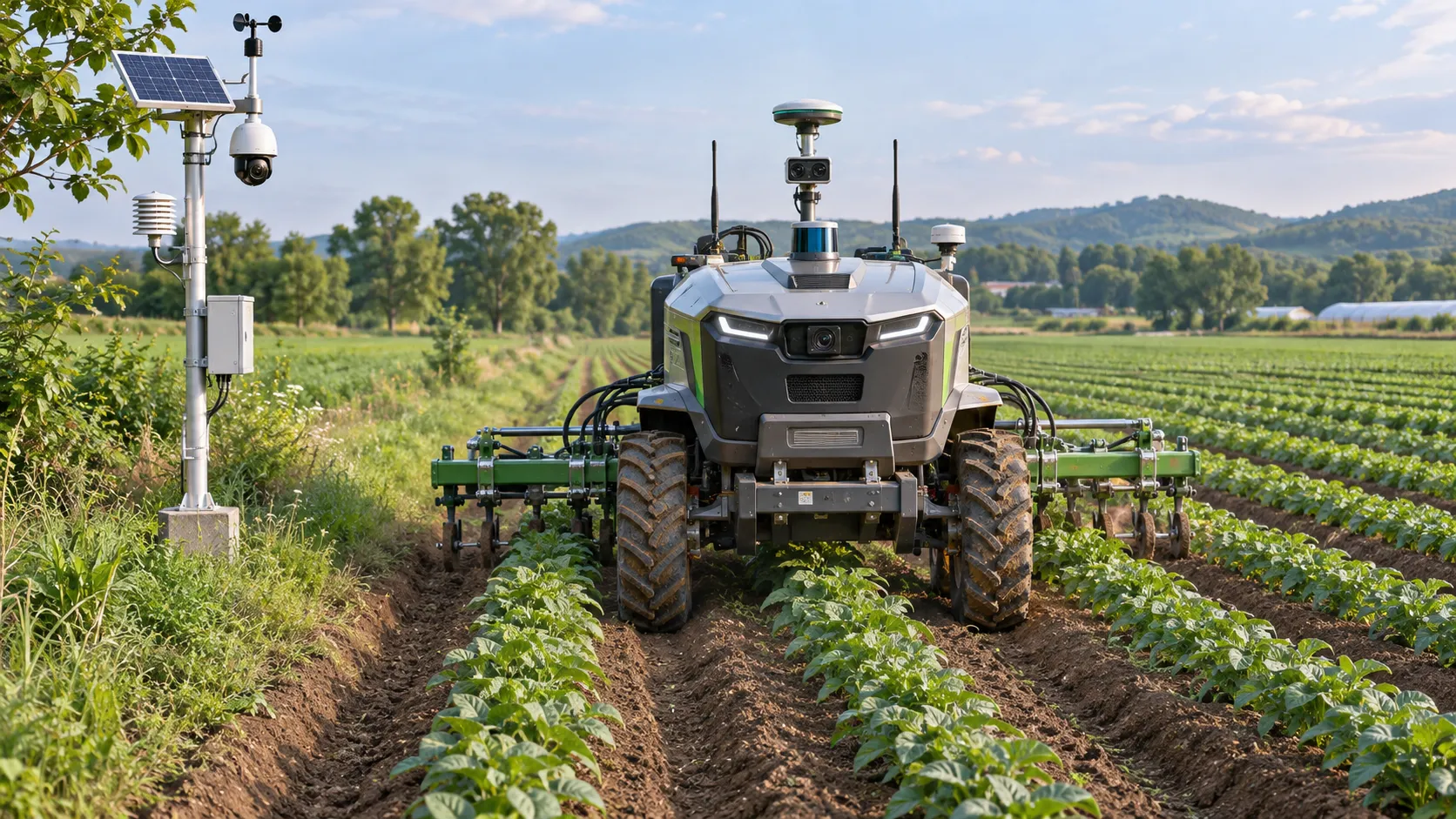
Agricultural Automation Still Needs Human Oversight, Study Finds
Agricultural automation still needs human oversight. Discover how AI and smart equipment are reshaping farm jobs, skills, and decisions.
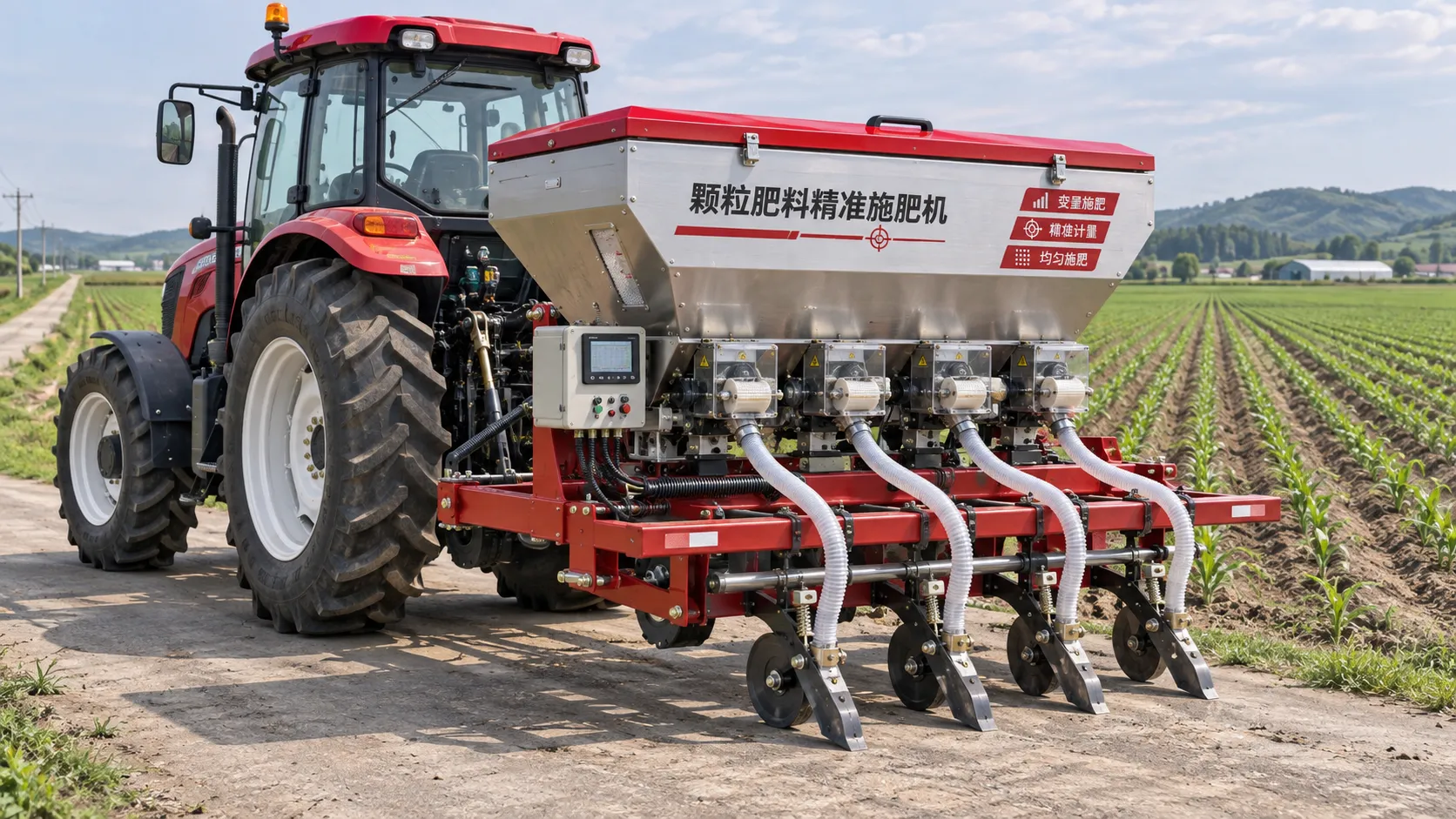
Choosing a Precision Fertilization Equipment Manufacturer: What to Check
Choose a precision fertilization equipment manufacturer with confidence. Compare accuracy, compatibility, service and total ownership costs before you buy.
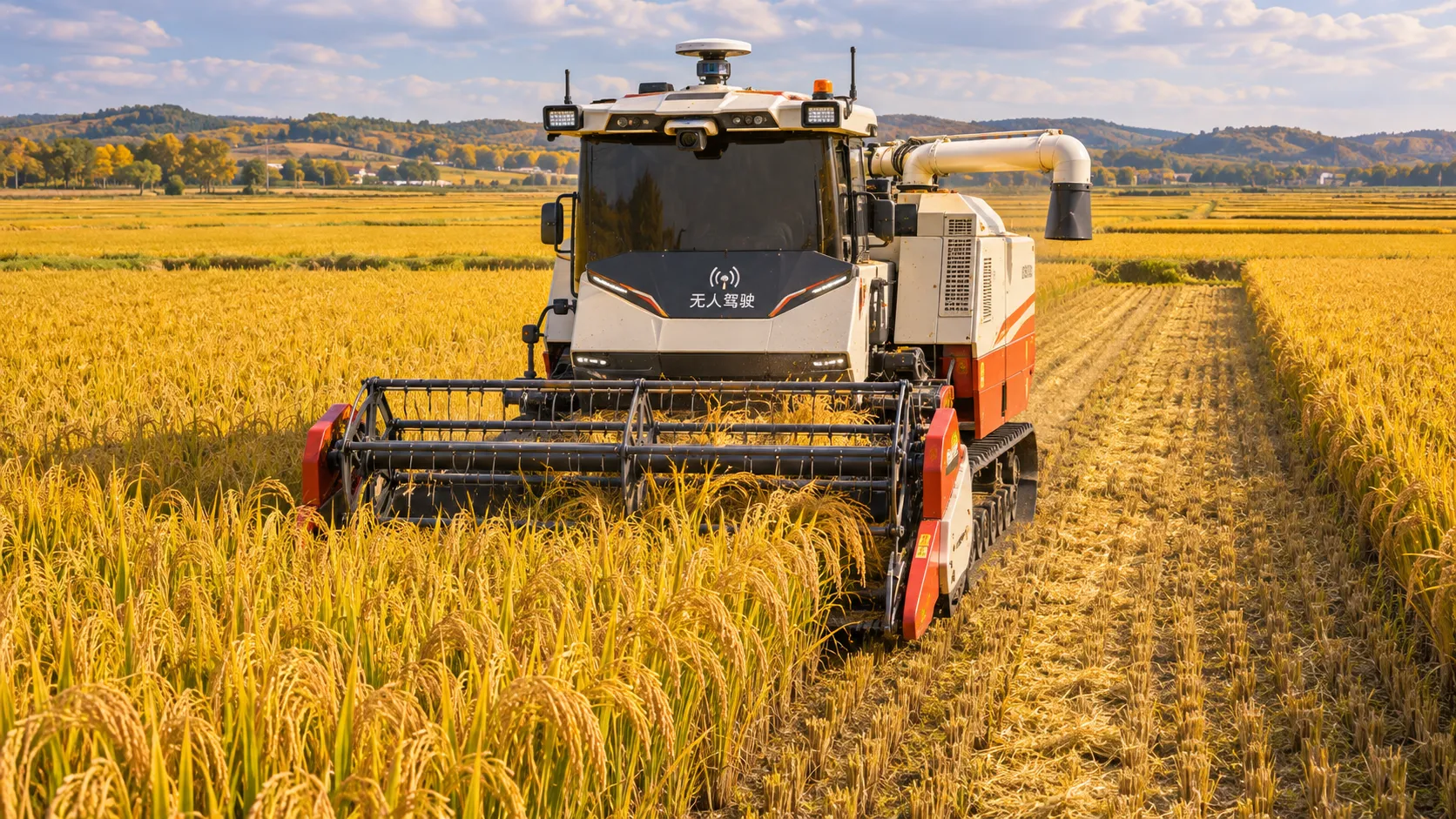
China's Autumn Grain Harvest Highlights Role of Machinery and Precision Farming
China's autumn grain harvest highlights machinery and precision farming. Explore how coordinated practices support harvesting and yield improvement.
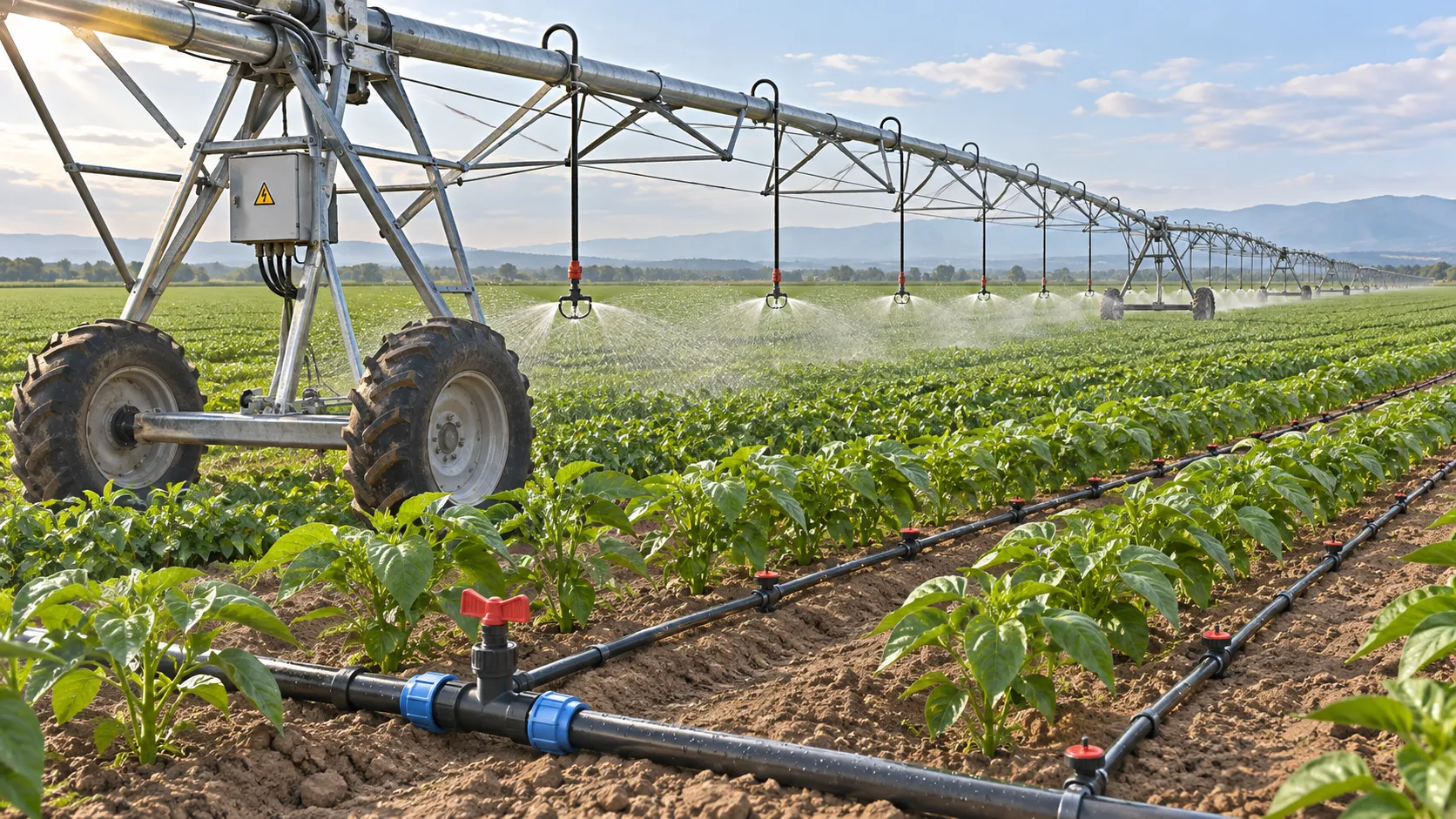
Drip vs. Center Pivot Irrigation: Maintenance Tasks and Costs Compared
Use this irrigation solution comparison by maintenance to weigh drip vs. center pivot tasks, costs and downtime—and choose the best fit for your field.
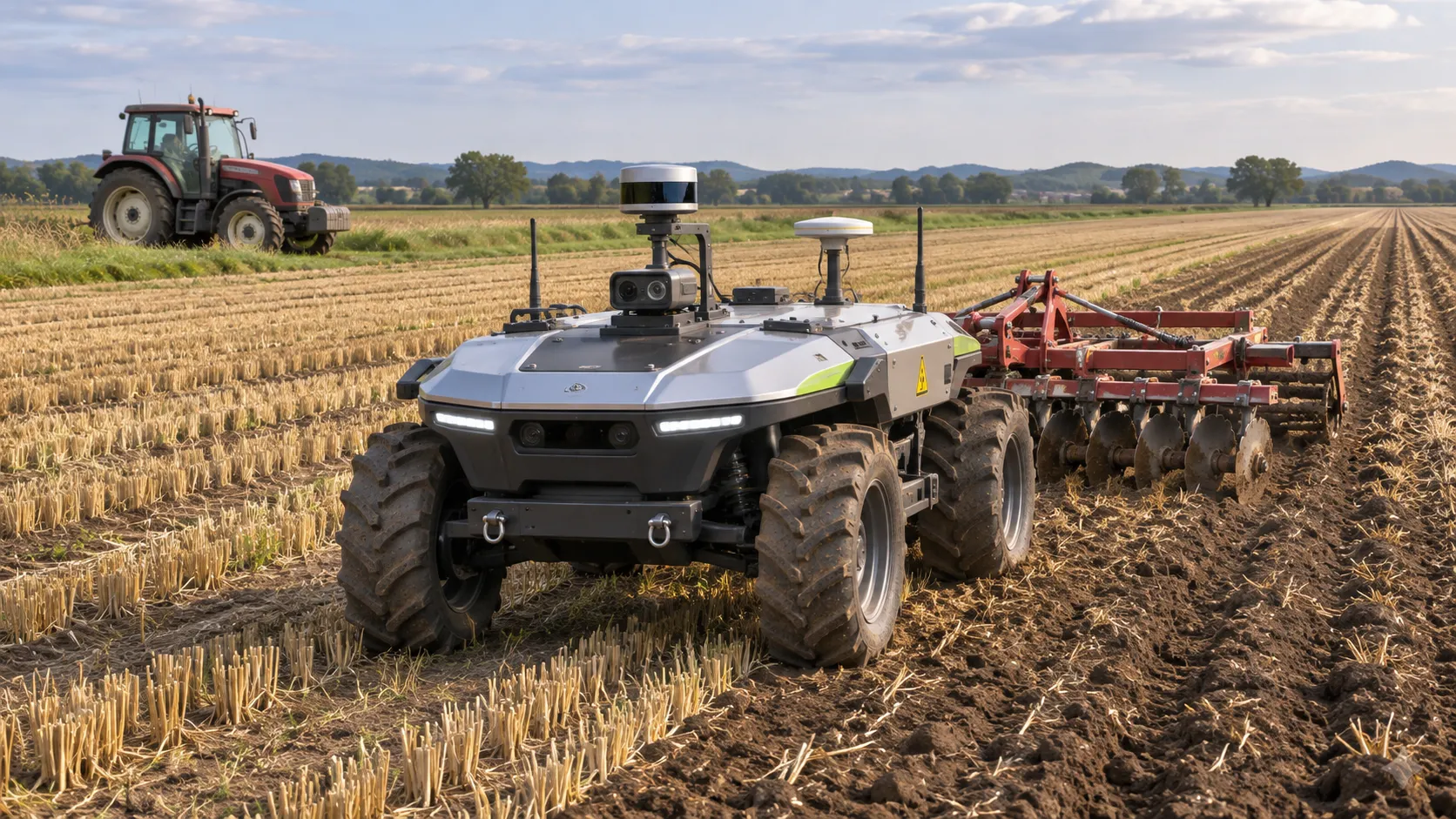
EIMA 2026: Six Tractor of the Year Awards Include Autonomous Robot
Explore the Tractor of the Year awards at EIMA 2026, featuring six winners, including the AgXeed autonomous robot and leading tractor models.
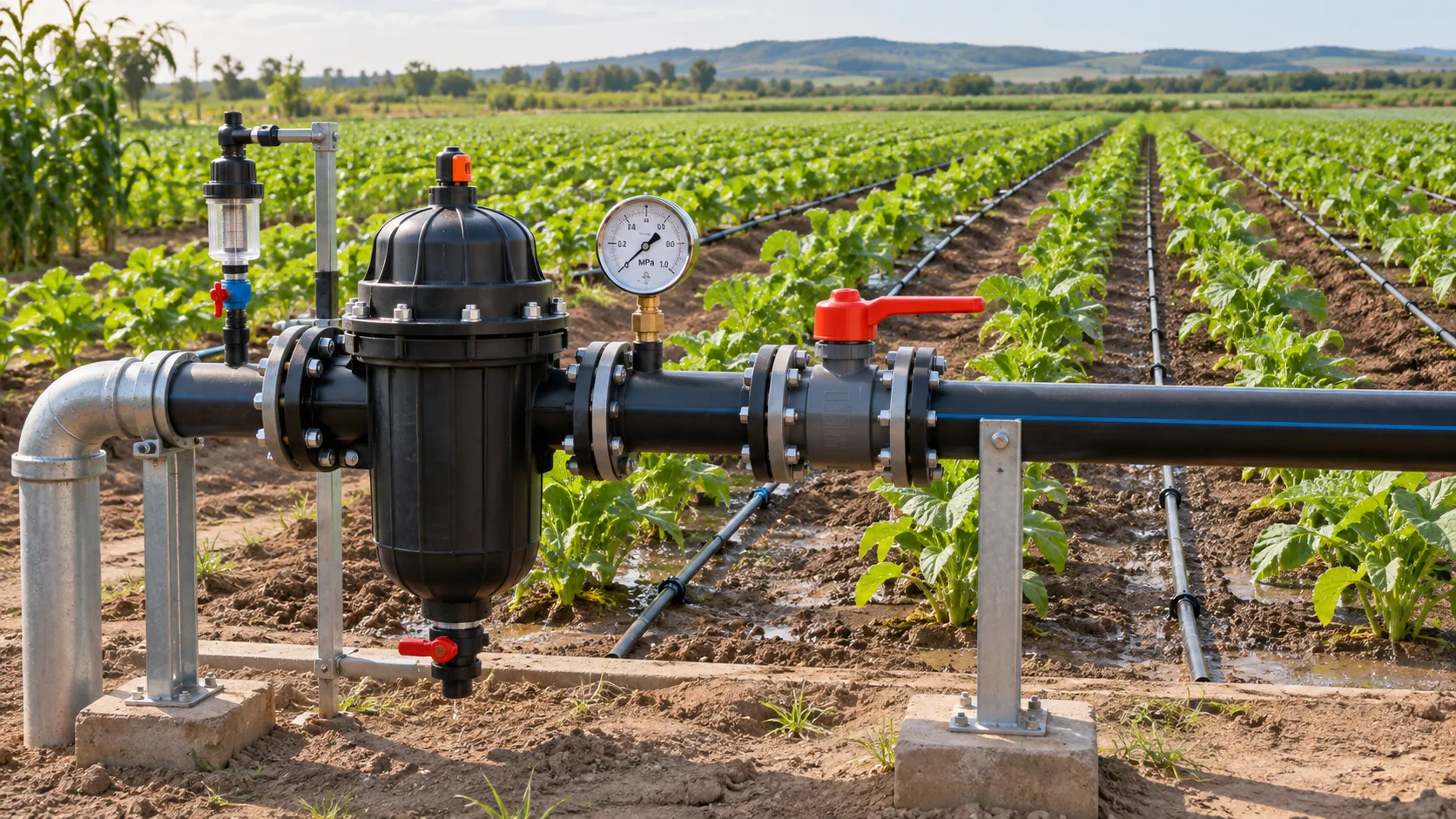
Choosing Irrigation Systems for Government Projects: Water, Cost and Compliance
What factors affect irrigation system selection for government projects? Explore water supply, lifecycle costs and compliance to make a confident, well-informed choice.
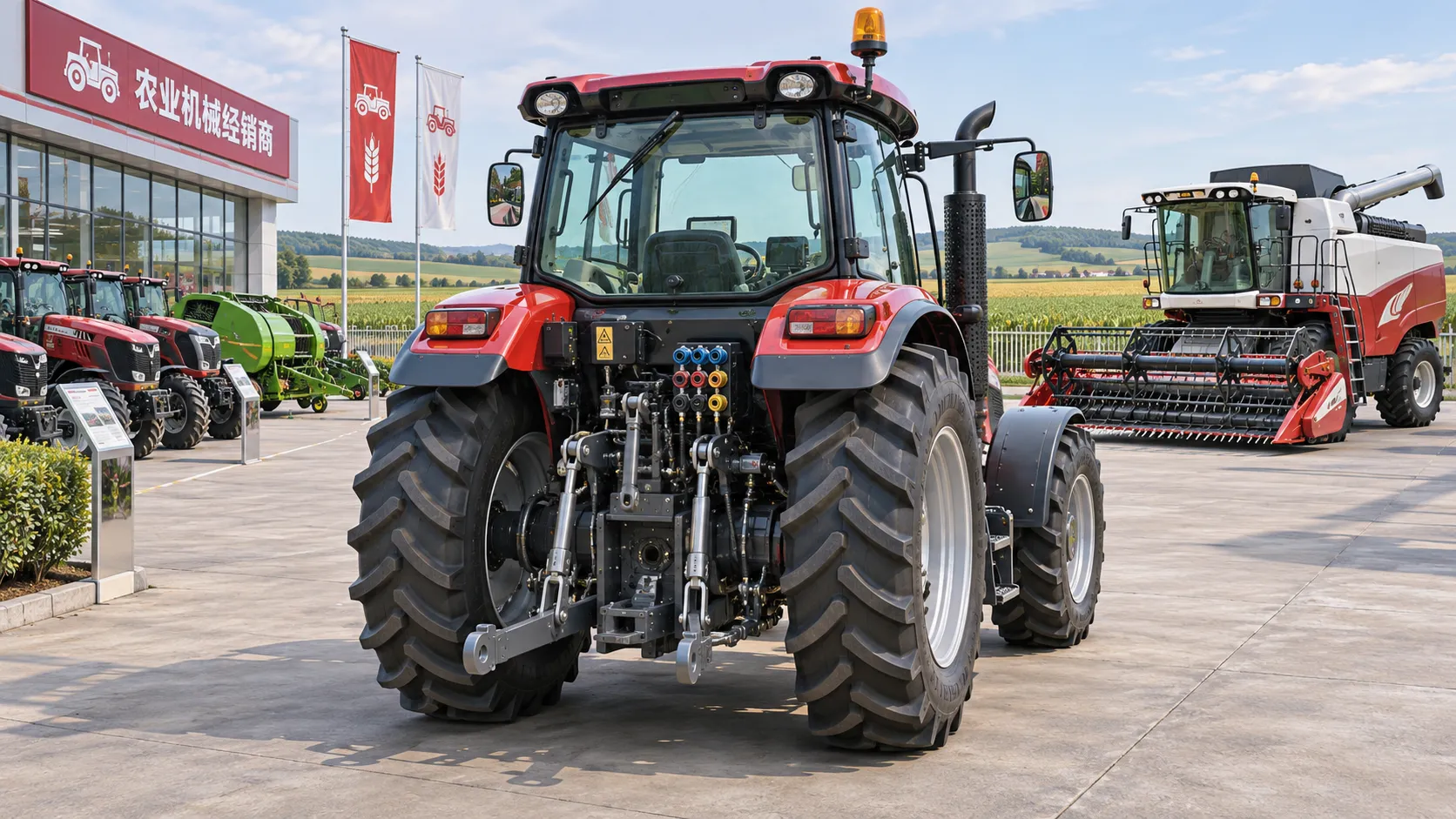
Choosing an Agricultural Machinery Platform: Listings, Pricing, and Support
Choosing an agricultural machinery platform? Compare listings, pricing, supplier verification, and support to make a more confident equipment purchase.
Ofwat Launches £8 Million Agri-Water Innovation Challenge
Ofwat’s £8 million Agri-Water Innovation Challenge supports smart irrigation, water reuse and water-saving solutions. Explore the funding and its potential impact.
Choosing a Water-Saving Irrigation Supplier: 5 Key Procurement Criteria
Choose a water-saving irrigation systems supplier with confidence. Explore five procurement criteria to reduce risk and maximize long-term value.
Related News
- 00
0000-00
Choosing Irrigation Systems for Government Projects: Water, Cost and Compliance - 00
0000-00
Choosing an Agricultural Machinery Platform: Listings, Pricing, and Support - 00
0000-00
Choosing a Water-Saving Irrigation Supplier: 5 Key Procurement Criteria - 00
0000-00
304 vs 316 Stainless Steel for Ingredient Processing Equipment - 00
0000-00
Choosing a Large Farm Equipment Exporter: Parts, Shipping and Warranty
0000-00
Popular Tags
Ms. Elena Rodriguez
Weekly Insights
Stay ahead with our curated technology reports delivered every Monday.